2027 Best Business Degree Programs Ranking in Newark

Co-Founder and Chief Data Scientist
Choosing the right business degree program can shape your future career and open doors to exciting opportunities. For students in Newark, finding the best options may feel overwhelming.
This article introduces the 2027 Best Business Degree Programs Ranking in Newark, developed by the Research.com team of data scientists. It offers a clear, data-driven guide to help you identify top programs that match your goals and interests.
Reading this ranking can empower you to make informed decisions and confidently pursue a degree that boosts your success and growth.
Key benefits of getting business degree in Newark
- Salary for business degree graduates: Graduates in Newark can expect strong earnings, with Business Analysts earning a mean annual wage of $112,950 and Business Development Executives earning about $83,190 per year, making this degree a smart investment.
- Career paths: A typical Newark business graduate often finds roles in diverse fields such as finance, marketing, or consulting, leveraging practical skills learned to quickly advance in dynamic work environments.
- Online degree benefits: Pursuing a business degree online in Newark offers flexibility to balance work and study, often yielding comparable career opportunities and allowing students to gain experience while earning.
- 2027 Best Business Degree Programs Ranking in Newark
- What can I expect from business degree in Newark?
- Where can I work with business degree in Newark?
What can I expect from business degree in Newark?
For students pursuing a business degree in Newark, affordability often stands out as a major benefit. Graduates from Newark's public universities share stories of managing to balance quality education with reasonable tuition fees, making the city an appealing gateway to a business career without overwhelming debt. On average, tuition at these institutions tends to be significantly lower than private colleges in the greater New York City area, which can ease financial worries while opening doors to valuable experiences.
A business student might envision attending a well-known local university, diving into dynamic classrooms and quickly moving towards internships with thriving Newark startups or the bustling Port Newark logistics companies. The relatively modest tuition enables many to focus more on gaining hands-on skills and networking rather than stressing over costs. This practical approach makes the business degree experience here not just affordable but also genuinely exciting for those eager to launch their careers in a vibrant economic hub.
Where can I work with business degree in Newark?
Graduates from Newark's well-regarded business programs often find themselves stepping into dynamic roles right where the action happens. Imagine a recent graduate from Rutgers University-Newark engaging with logistics firms near the buzz of Newark Liberty International Airport, overseeing supply chain solutions that keep goods moving smoothly across the nation. Another might dive into the city's vibrant financial sector, joining major banks or insurance companies, navigating the fast-paced world of finance fueled by Newark's steady demand for skilled analysts and risk managers.
Many alumni thrive in healthcare management at University Hospital or New Jersey Medical School, balancing budgets and improving administrative operations in high-stakes environments. Others are energized by Newark's urban development scene, contributing to real estate and construction projects that reshape the cityscape.
Startups and small businesses flourish with graduates who've honed their entrepreneurial skills at local colleges, joining Newark Venture Partners or launching fresh ideas of their own. For those drawn to public service, roles in government or nonprofits offer inspiring ways to impact Newark's economic growth firsthand.
Graduates from business programs in Newark often find themselves stepping into roles that offer promising financial rewards. For instance, a business development executive in this vibrant city earns a mean annual wage of about $83,190, reflecting both the energy and opportunity of Newark's bustling business scene. A graduate working as a business analyst, a role sought after by those sharpened in Newark's respected universities, can expect even greater financial fulfillment with an average salary around $112,950.
Imagine a fresh graduate from a Newark college, diving into the financial heart of the city, navigating complex data, and shaping business strategies at firms thriving near New York. The competitive salary not only offers comfort but fuels the excitement of building a career in such a dynamic hub. These figures capture the adventurous spirit of business degree holders who eagerly embrace Newark's unique market, balancing tradition and innovation to reach new professional heights.
- The average annual cost for business degrees in Newark ranges from $10,000 to $30,000, with private colleges typically charging more.
- Business programs cover core subjects like finance, marketing, management, and accounting, focusing on skills relevant to the New York metro area.
- Starting salaries for business graduates in Newark average around $50,000 annually, increasing to about $85,000 or more after five to ten years.
- Newark's economy supports business jobs in transportation, healthcare, finance, technology, and supply chain management sectors.
- Students have access to internships and networking opportunities through local business communities and career services to enhance employment prospects.
In Newark, the journey to a business degree unfolds in exciting and flexible ways that invite exploration. For instance, a bachelor's degree usually takes about four years of full-time study, much like at Essex County College or Rutgers University-Newark. Graduates often recall juggling vibrant city life with classes while soaking in priceless internships that sometimes stretch their timeline beyond the traditional four years. Imagine balancing work, family, and studies-many find themselves extending their path to five years, reflecting the real rhythm of urban ambitions.
Associate degrees offer a faster route, typically around two years, perfect for those eager to jump into Newark's bustling economy sooner or transfer later to a bachelor's program. Meanwhile, an MBA at Rutgers-Newark might take anywhere from one to three years, adapting to your hectic schedule with part-time or accelerated tracks, making the pursuit of advanced knowledge both adventurous and attainable.
The real magic? Newark's close ties to New York City's dynamic business world mean every credit can open a door to opportunity, energizing your educational journey with a mix of challenge, growth, and community.
Imagine walking the buzzing halls of Rutgers University-Newark, where on-campus business students thrive on face-to-face lectures, spontaneous hallway chats with professors, and vibrant networking events. These graduates often recall the excitement of joining student organizations and landing internships through close ties with Newark's finance and tech industries. This traditional path offers a deep sense of community and structure that fuels motivation.
Now, picture yourself studying business from your favorite spot at home, taking classes online through top regional programs accessible to Newark residents. Many online students embrace the freedom to balance work, family, and education without a daily commute. They appreciate the flexibility to dive into coursework at their pace while still gaining access to accredited, high-quality curriculum. Though virtual networking feels different, it's evolving, connecting learners nationwide with innovative tools.
Whether walking campus grounds or dialing in from a quiet room, Newark's business students share a committed spirit, fueled by their program's unique strengths and personal lifestyle choices.
Newark’s business degree programs emphasize hands-on learning through robust partnerships with local companies, providing students with internship and co-op experiences that translate directly into career advantages. Major financial institutions such as Prudential Financial and PNC Bank collaborate with Rutgers University-Newark and NJIT to offer paid internships where students apply classroom concepts to real-world financial modeling, risk assessment, and client presentations. Similarly, partnerships with the Newark Alliance and the Ironbound Business Improvement District connect marketing and entrepreneurship students with small businesses, allowing them to design branding campaigns and business plans that drive measurable growth. Many institutions also host on-campus career fairs and networking events featuring recruiters from logistics firms at Port Newark and tech startups in the Newark Venture Partners accelerator. These experiential learning opportunities not only build résumés but often lead to full-time offers: over 65% of interns secure employment with their host organizations within six months of graduation. For cost-conscious learners seeking additional flexibility, prospective students may also explore our Inexpensive Online Business Degree Programs Ranking in Missouri to compare internship support and tuition savings across online formats.
Delving into the average cost of a business degree in Newark reveals a landscape shaped by both public and private educational choices. Graduates from Rutgers University-Newark often recount balancing costs that average around $18,600 for in-state students over their entire program, a figure reflecting tuition plus fees. Those coming from outside New Jersey, however, face a steeper climb, with costs nearly triple, showing how residency status deeply influences expenses. This distinction is crucial for those mapping their educational journey.
Private colleges in Newark, known for their tailored business programs and resource-rich environments, present a different financial picture. Here, tuition can soar closer to $57,000 for the entire degree, a sum that includes extra fees like technology and activity costs. Yet many graduates describe this investment as a gateway to unmatched opportunities and connections that fuel their career adventures.
As you consider a business degree tuition fees Newark students confront, remember that beyond the sticker price, living expenses and supplies weave into the full mosaic of cost. Books alone typically add around $1,200 annually, while housing and transportation in Newark bring their own set of considerations and excitement as you immerse yourself in the city's vibrant business scene.
Students eager to explore options should check the affordable business school in New Jersey to uncover how scholarships or financial aid can transform this investment into an achievable pursuit filled with promise.

Accelerated business degree programs offer a streamlined pathway for students eager to enter the workforce sooner without sacrificing academic rigor. In Newark, NJ, several institutions provide intensive curricula that condense traditional four-year bachelor’s programs into three years or less, and accelerated MBA tracks that can be completed in 12–18 months. These fast-paced formats appeal to career changers, working professionals, and high-achievers looking to minimize tuition costs and capitalize on early earnings. Curriculum structure in accelerated tracks emphasizes project-based learning, with integrated internships and industry collaborations. For example, an accelerated bachelor’s program may replace summer breaks with practical consulting projects alongside local firms, providing hands-on experience and networking opportunities in Newark’s vibrant business community. Similarly, fast-track master’s options often bundle capstone projects, leadership labs, and guest lectures into a compressed schedule that aligns with real-world business cycles. Cost savings are significant: by reducing time to degree, students can save up to 25% on tuition and related expenses, while benefiting from earlier salary increases. Employers value the self-discipline and adaptability demonstrated by accelerated-program graduates, who often secure promotions within two years of entry. For those seeking advanced credentials beyond undergraduate studies, exploring our fast track online mba programs can further enhance leadership skills and marketability in competitive industries.
Diving into Newark's business degree scene feels like unlocking a treasure trove of financial aid opportunities. Graduates from Newark's universities often share how completing the FAFSA was their first key step, opening doors to federal Pell Grants that can cover up to $7,395 yearly-imagine that relief as you settle into classes at institutions like Rutgers-Newark or New Jersey Institute of Technology!
Many students are thrilled to discover that New Jersey's Tuition Aid Grant (TAG) slices through tuition costs, especially for those attending in-state colleges. This state support feels like a safety net, easing the financial weight while embarking on your business studies.
Merit-based scholarships add another layer of excitement. Newark colleges frequently reward academic excellence and leadership-one graduate recalls juggling projects while securing a scholarship that made a real difference in their budget.
Federal student loans also offer a flexible and manageable option, boasting fixed interest rates far gentler than private loans, allowing students to focus on ambition over anxiety. Navigating these aids feels less like a maze and more like a map to success.
Pursuing a business degree in Newark, NJ, is a significant investment, and understanding the affordability and return on investment (ROI) of such programs is crucial for prospective students. When considering the cost of attending a business school, it's essential to weigh the tuition fees against the potential earnings and career advancement opportunities. Students looking for an affordable business school in New Jersey can explore options such as affordable business school in New Jersey, which provides a comprehensive list of institutions offering quality education at a lower cost. By analyzing the job market, salary expectations, and growth opportunities, students can make informed decisions about their educational investments, ultimately leading to a rewarding career in business.
Diving into a business degree in Newark means gearing up with essential prerequisites that open doors to exciting academic and career adventures. Most Newark colleges expect you to hold at least a high school diploma or GED, paving the way for a journey filled with learning and growth.
Graduates from Newark's popular business schools often reflect on how mastering math courses like algebra or statistics built their confidence in tackling complex business challenges. Imagine yourself in classrooms at well-known institutions, where a solid GPA in quantitative subjects isn't just a number-it's a stepping stone to understanding the intricate world of finance and management.
Standardized tests like the SAT or ACT may still play a role, though some schools now embrace test-optional policies, giving you room to shine through your unique story. Letters of recommendation and personal essays invite you to share your passion and leadership spirit, qualities eagerly sought by admissions committees eager to discover future leaders.
For those eyeing graduate programs, Newark's universities expect a bachelor's degree and a competitive GPA, reflecting a readiness for advanced business concepts and strategies. Financial aid forms like the FAFSA also become your allies in making this adventure affordable and accessible.
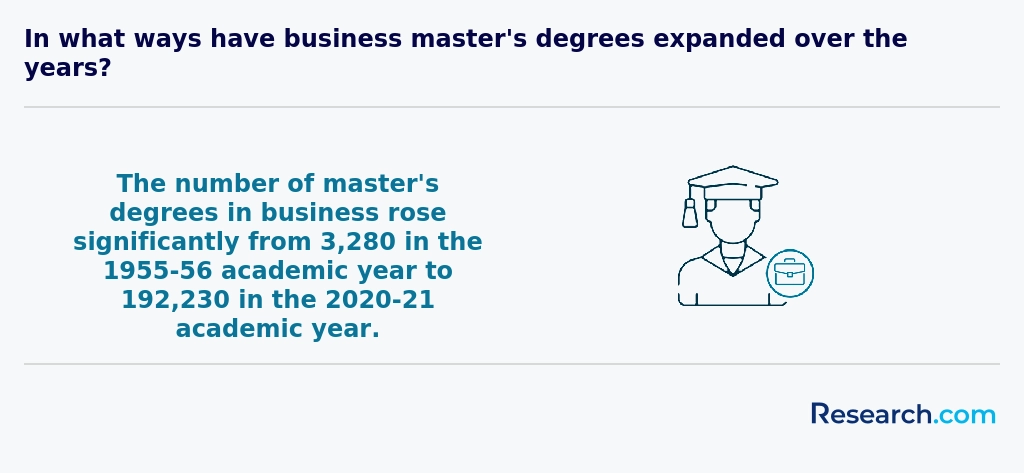
While a solid business degree opens many doors, supplementary certifications can further distinguish graduates in today’s competitive market. Pursuing additional qualifications not only helps refine specialized skills but also demonstrates a commitment to ongoing professional development. For instance, many professionals explore online programs to earn credentials in digital marketing, project management, and data analytics-areas increasingly vital in modern workplaces. Integrating these additional certifications into your resume can enhance your profile, making you more attractive to potential employers and better prepared for emerging industry trends. Explore various types of business certificates that can complement your degree and open new pathways for career advancement. These certifications often provide the flexibility to study at your own pace while aligning with your career goals, ensuring your skills remain relevant in a rapidly evolving business landscape.
Imagine diving into Financial Accounting at a Newark university, where graduates talk about mastering financial statements that reveal the health of local startups. Courses like Principles of Marketing invite you to explore real market research, decoding consumer behavior in one of the nation's busiest logistics hubs. Business Law classes feel alive, as students connect legal concepts to the bustling commerce just outside their campus doors.
Organizational Management inspires leadership skills through case studies drawn from Newark's diverse companies, while Microeconomics and Macroeconomics explain the economic forces shaping city growth. Many graduates recall how Business Ethics frames their choices amidst real challenges faced by Newark's corporate community.
Operations Management and Data Analysis courses bring practical flair, teaching you to optimize supply chains critical to Newark's transportation industry and to make sense of complex business data. This tailored curriculum prepares ambitious students to jump confidently into Newark's dynamic business landscape.
Diving into business degree specializations in Newark reveals a dynamic mix that invites exploration. Graduates from popular Newark colleges often describe their Finance track as a gateway to thrilling internships, thanks to the city's close ties with New York's financial district. Imagine crafting investment strategies while networking in this bustling metropolitan corridor. Marketing specializations bring you face-to-face with the digital age, analyzing consumer trends that shape vibrant online marketplaces, a favorite among students aiming to master social media influence.
Management and Accounting stand out too, offering real-world leadership challenges and essential financial skills that graduates recall using to lead projects or navigate taxation puzzles. Entrepreneurship here feels particularly alive-many share excitement about launching startups with support from Newark's local initiatives. The best Newark business degree programs can even combine fields like data analytics and marketing, allowing adventurous learners to tailor their path.
For those curious to expand beyond traditional routes, exploring the types of business certificates enhances career flexibility, showing how education in Newark opens doors to a wide marketplace of opportunities.
Choosing the best business degree in Newark means diving into the vibrant local scene where theory meets real-world hustle. Graduates from popular Newark colleges often highlight how accreditation from top bodies like AACSB boosted their confidence in the value of their degree, opening doors to thriving industries right in their backyard. Exploring program curricula that reflect Newark's booming logistics and finance sectors can ignite your passion-imagine joining a cohort focused on supply chain management while networking with startups and established corporations downtown.
Affordability plays a big role too; savvy students find that balancing tuition with Newark's slightly elevated living costs sharpens their budgeting skills. For those chasing affordable business colleges Newark NJ offers options that don't compromise quality but provide robust local connections. Flexible scheduling, including evening or online classes, lets busy professionals tap into growth without hitting pause on life.
Many students recommend exploring tailored paths, such as fast track online mba programs, to accelerate career momentum while maintaining local engagement and hands-on experience.
Graduates with a business degree in Newark find themselves stepping into a dynamic world filled with promising career paths. From the bustling classrooms of Newark's popular universities, many alumni eagerly jump into roles as financial analysts, where they dissect market data and fuel investment strategies for local firms. Others thrive as marketing managers, crafting vibrant campaigns that resonate in Newark's competitive business atmosphere. The field is wide open, with opportunities in human resources that foster workplace harmony across healthcare and education sectors, reflecting the real-life impact of business degree careers in Newark.
Thanks to Newark's strong logistics sector, some graduates adventure into supply chain management, navigating the city's busy transportation hubs. Entrepreneurship also calls boldly-many launch startups within the city's supportive incubators, inspired by personal stories of risk and reward. For students eager for flexible learning routes, exploring Inexpensive Online Business Degree Programs Ranking in Missouri offers an alternative path to success. The mix of hands-on experience and innovative spirit makes Newark business degree job opportunities a thrilling terrain to explore.
The business degree job outlook Newark offers is vibrant and full of promise, fueled by the city's strategic position near New York and its diverse industry landscape. Graduates from popular institutions in Newark often land roles as financial analysts, marketing managers, or supply chain coordinators, thriving amid major employers like Prudential Financial and Panasonic. Many share stories of first jobs starting around $50,000, which grow substantially with experience and certifications.
Imagine navigating the bustling port and corporate offices, where logistics and healthcare sectors eagerly seek business talent. Those pursuing degrees in Newark find themselves uniquely positioned to tap into these expanding opportunities. The job market for business degree in Newark confidently supports adventurous career paths, blending ambition with tangible rewards.
Cost-conscious students weigh this against tuition-roughly $15,000 annually at public universities-and the practical potential of local salaries. Some graduates enhance their skills further by exploring online 1 year masters programs, accelerating their career momentum in Newark business degree employment opportunities.
2027 Best Business Degree Programs Ranking in Newark
Investing in your education is a significant decision that can shape your career, and the Research.com team is committed to helping you make well-informed choices. To support prospective students in Newark, we have carefully developed the "2027 Best Business Degree Programs Ranking in Newark." Our dedication to quality, credibility, and accuracy is evident in the rigorous research and analysis behind this ranking.
We utilized the following reputable data sources to ensure a comprehensive evaluation of business degree programs:
By consulting this ranking, readers will gain valuable insights into the top business degree programs available in Newark, helping them make confident, data-driven decisions about their educational futures. For more information on how this ranking was created, please visit our Research.com methodology page.


Frequently Asked Questions About business
Business degree students in Newark can maximize their learning experience by actively engaging with local industry opportunities. Newark's position as a transportation and logistics hub offers valuable internships in companies like Panasonic and PSEG. According to the New Jersey Business & Industry Association, internships increase graduate employability by up to 20%.
Utilizing Newark's proximity to New York City also allows students to attend networking events and seminars, enriching theoretical knowledge with real-world insight. Participating in student organizations focused on entrepreneurship and finance can enhance practical skills beyond the classroom.
Additionally, leveraging resources such as the Rutgers Business School's career services and the Newark Public Library's business databases supports research and professional development.
The business field is rapidly evolving, and several emerging niches are gaining attention among students and professionals in Newark. One prominent area is sustainable business and corporate social responsibility, reflecting the increasing demand for environmentally and socially conscious companies. According to the U.S. Bureau of Labor Statistics, jobs related to sustainability are expected to grow by 7% through 2031.
Another important niche is data analytics and business intelligence. Businesses in Newark, a growing hub for logistics and finance, rely heavily on data-driven decision-making, making such skills highly sought after.
Additionally, e-commerce management has expanded due to the digital economy's rapid growth, especially in urban centers like Newark. The rise of fintech is also notable, with Newark's proximity to New York City fueling demand for financial technology expertise.
Preparing for the job market after earning a business degree in Newark involves strategic steps tailored to the local economy. Newark, as a growing commercial hub, offers opportunities in finance, logistics, and technology sectors. Graduates should leverage internships and cooperative education programs, which more than 60% of Newark's business students reportedly undertake, to gain practical experience and build networks.
Strong communication and digital skills are essential, as 75% of employers in the Newark area prioritize these in entry-level hires, according to the Newark Regional Business Partnership. Engaging with local business organizations and attending job fairs hosted by institutions such as Rutgers University-Newark can improve employment chances.
Additionally, pursuing certifications like CPA or PMP can enhance a graduate's profile given Newark's significant financial services and project management roles. Staying informed about industry trends through regional economic reports also supports informed career planning.
Employers in Newark highly value business graduates with strong analytical skills. The ability to interpret data and make evidence-based decisions is crucial, especially as Newark's economy grows in finance, logistics, and technology sectors. According to the New Jersey Business & Industry Association, over 70% of local employers prioritize problem-solving capabilities in candidates.
Communication skills-both written and verbal-are equally important. Newark businesses seek graduates who can collaborate effectively across diverse teams and communities. Additionally, proficiency in digital tools such as Excel, CRM software, and data visualization platforms is increasingly demanded.
Leadership and adaptability also rank prominently, as the fast-changing market requires quick learners comfortable with change.
Finding internships in Newark relevant to a business degree involves leveraging local resources and connections. Newark is home to several corporate headquarters and a growing business sector, offering diverse internship opportunities. Students should begin by utilizing their university's career services, many of which maintain partnerships with local companies in finance, marketing, and management.
Online platforms such as Handshake and LinkedIn are popular for discovering internships actively recruiting in Newark. Additionally, the Newark Regional Business Partnership often lists openings in local firms and can be an invaluable community resource.
According to the New Jersey Department of Labor, sectors like finance and professional services in Newark have grown by over 5% annually, increasing internship availability. Students should also network at local business events and attend Newark-based career fairs to enhance chances of securing relevant internships.
In Newark, obtaining a business degree significantly enhances career mobility and advancement opportunities. According to data from the U.S. Bureau of Labor Statistics and local economic reports, the city's growing sectors-such as finance, logistics, and professional services-favor candidates with formal business education. Graduates often experience a 15-25% higher likelihood of promotion within five years compared to non-degree holders.
Employers in Newark value skills in management, analytics, and strategic planning, which are core components of business programs. Moreover, many Newark-based companies prefer hiring graduates from accredited institutions, recognizing their preparedness for leadership roles. Networking opportunities through local business schools also aid in career progression.
Studying for a business degree in Newark equips students with skills that span multiple disciplines, essential for today's interconnected work environments. Programs in the area often combine courses in finance, marketing, management, and technology, preparing graduates for diverse roles that require a broad understanding of business operations.
Newark's proximity to major financial and logistics centers allows students to engage with real-world challenges through internships and partnerships, enhancing interdisciplinary learning. According to the New Jersey Business & Industry Association, the region's growing sectors demand professionals versed in both analytical and creative problem-solving.
Local universities also emphasize communication and critical thinking skills, vital for collaborating across various business functions.
When deciding between a thesis and a non-thesis business degree program in Newark, consider your career goals and learning preferences. A thesis option is research-intensive, ideal for students planning to pursue a PhD or careers in academia and consulting. It involves producing an original research project under faculty guidance.
Non-thesis programs focus on coursework and practical skills, suited for those aiming to enter the business workforce quickly. Newark's strong finance and logistics sectors benefit from graduates with applied knowledge over research experience.
Data from the New Jersey Higher Education Commission shows that 60% of Newark business graduates opt for non-thesis tracks due to faster completion times.
Students based in Newark interested in studying business abroad have several options through established exchange programs and partnerships. Many Newark-based universities, including Rutgers University-Newark, offer study abroad programs focused on business disciplines. These programs often include collaborations with European, Asian, and Latin American institutions, allowing students to gain global business perspectives.
According to the Institute of International Education, roughly 10% of U.S. business students participate in study abroad programs annually, with popular destinations including the UK, Spain, and China. Newark students benefit from tailored programs that emphasize international finance, marketing, and management, enhancing their career readiness.
Additionally, scholarships and financial aid are available specifically for business students pursuing international experience, reducing the cost barrier and encouraging wider participation.
Newark offers diverse part-time job opportunities that complement business degree education, helping students gain practical skills while studying. Popular roles include positions in retail management, customer service, and administrative support within local companies. These jobs develop communication, problem-solving, and organizational abilities essential for business careers.
Many students find internships or assistant roles at nearby organizations like Prudential Financial and the New Jersey Institute of Technology, which are significant Newark employers. According to the U.S. Bureau of Labor Statistics, internships in finance and marketing fields provide relevant experience and enhance resumes for business students.
Additionally, freelance consulting and social media management for small businesses in Newark equip students with real-world project experience. Such roles often offer flexible hours to accommodate academic schedules.
Newark offers numerous networking opportunities for business students, supported by its proximity to New York City and its own robust local economy. Students attending institutions such as Rutgers University-Newark benefit from strong connections to industries like finance, logistics, and technology, key sectors in the region. The university hosts career fairs and networking events that regularly attract regional employers and Newark-based startups. Additionally, students can join organizations like the Newark Regional Business Partnership, which connects young professionals with local business leaders through workshops and mentorship programs.
Business students also benefit from access to internships offered by prominent companies headquartered in Newark, including Prudential Financial. According to the Newark Economic Development Corporation, over 50,000 professionals work in the city's financial district, creating a dynamic environment for building professional relationships early in one's career.
Alumni networks play a crucial role for business degree students in Newark by offering valuable connections and career opportunities. Many local institutions, including Rutgers University-Newark, have extensive alumni groups that actively support current students through mentorship programs and networking events. According to the National Association of Colleges and Employers, 85% of jobs are filled through networking, highlighting the importance of these connections.
In Newark's competitive business environment, alumni can provide insights into local industries such as finance, logistics, and technology. Their guidance helps students navigate the job market effectively. Furthermore, these networks often share exclusive internship and job openings specifically suited to Newark graduates, increasing students' chances of securing employment immediately after graduation.
Customizing a business degree program in Newark to align with your career goals is increasingly feasible due to flexible curricula offered by many local institutions. Universities such as Rutgers University-Newark and New Jersey Institute of Technology provide a range of concentration options including finance, marketing, and supply chain management. Students can select electives that directly support their professional interests or emerging market trends in Newark's growing tech and finance sectors.
Many programs encourage internships and cooperative education experiences in Newark's business hubs, enhancing practical skills while building industry connections. According to the Greater Newark Chamber of Commerce, over 15,000 businesses operate locally, providing ample opportunities for applied learning.
Advisors typically work closely with students to tailor coursework, blending traditional business knowledge with specialized areas like data analytics or entrepreneurship, ensuring relevant and comprehensive preparation for the local job market.
Business students in Newark often face challenges related to balancing academic demands with financial pressures. The cost of education, including tuition and living expenses, is a significant concern, especially given Newark's high cost of living compared to other cities in New Jersey. According to the National Center for Education Statistics, students nationwide increasingly rely on student loans, which can affect their financial stability during and after college.
Another common challenge is gaining access to internships and practical experience. Newark's competitive job market means students must be proactive in networking and securing opportunities within local firms and startups. Additionally, adapting to the evolving business landscape, including technological advances and changing industry requirements, requires continuous learning beyond the classroom.
The diverse student population in Newark also brings unique academic and cultural challenges, necessitating effective support services to ensure success for all students.
With a business degree in Newark, graduates can pursue a variety of professional certifications that enhance career prospects. Popular options include the Certified Public Accountant (CPA) credential, especially relevant for those interested in accounting and finance roles. The Project Management Professional (PMP) certification is highly regarded in Newark's growing corporate sector, reflecting strong demand for project leadership skills.
Other valuable certifications are the Chartered Financial Analyst (CFA) for finance professionals and the Certified Management Accountant (CMA), which focuses on financial management. The Newark business environment benefits from such certifications, with local employers often seeking these credentials to ensure high professional standards.
According to the New Jersey Department of Labor, business-related jobs requiring certifications are expected to grow by 8% through 2030.
To write a winning application for a business program in Newark, start by clearly demonstrating your motivation and career goals. Admissions officers look for candidates who show a strong understanding of business principles and a commitment to growth. Highlight any relevant experience, such as internships or work in local industries like finance or transportation, which are prominent in Newark's economy according to the Newark Regional Business survey (2023).
Be sure to craft a compelling personal statement that connects your background to the program's strengths. Include specifics about why Newark, with its growing business hub, is the ideal location for your studies. Additionally, strong letters of recommendation and a polished resume can significantly enhance your application's competitiveness.
Business careers today are shaped by global trends, making an international perspective essential. According to the U.S. Bureau of Labor Statistics, business-related jobs in metropolitan areas like Newark are expected to grow 8% through 2031, reflecting expanding opportunities connected to global markets.
Newark's proximity to major ports and financial centers fosters diverse business activities, including international trade and finance. Graduates with global awareness often have a competitive advantage, as companies seek professionals who understand cross-cultural management and global supply chains.
Data from the Newark Economic Development Corporation highlight growth in sectors such as logistics and finance, which are influenced by global economic shifts. Consequently, studying business in Newark offers practical exposure to global business dynamics within a U.S. context, making it relevant for career advancement worldwide.
Gaining practical experience while studying for a business degree in Newark is essential for career readiness. Many local colleges and universities offer internship programs in partnership with Newark's diverse business community, including finance, manufacturing, and transportation sectors. According to Newark's Office of Economic and Housing Development, internships provide students exposure to firms such as Prudential and PSEG. These opportunities often count toward academic credit. Additionally, cooperative education (co-op) programs allow students to alternate between classroom study and full-time work, enhancing skills and professional networks. Participating in business clubs and local entrepreneurship competitions also builds real-world experience while studying.
When choosing a concentration within a business degree program in Newark, start by considering your career goals and interests.
Research the local job market: sectors like finance, logistics, and healthcare have strong presences in Newark, according to the Newark Regional Business Partnership.
Evaluate the curriculum options offered by Newark-area universities and colleges, focusing on concentrations with practical skills and internships.
Consider demand growth; for example, data from the U.S. Bureau of Labor Statistics shows steady expansion in management and supply chain fields relevant to Newark's economy.
Speak with advisors and alumni to understand how each concentration aligns with real-world opportunities in the city's diverse business environment.
- 2027 Best Business Degree Programs Ranking in New Haven
- 2027 Best Business Degree Programs Ranking in Springfield
- 2027 Best Business Degree Programs Ranking in Baltimore
- 2027 Best Business Degree Programs Ranking in Cambridge
- 2027 Best Business Degree Programs Ranking in Washington
- 2027 Best Business Degree Programs Ranking in Arlington
- 2027 Best Business Degree Programs Ranking in Virginia Beach
- 2027 Best Business Degree Programs Ranking in Lynchburg
- 2027 Best Online Business Degree Programs Ranking in New York, NY
- 2027 Best Online Business Degree Programs Ranking in Philadelphia, PA
See What Experts Have To Say About Studying Business
Read our interview with Business experts

David Souder
Business Expert
Senior Associate Dean for Faculty and Research
Michigan State University


David W. Stewart
Business Expert
Emeritus President's Professor of Marketing
Loyola Marymount University

- How to Identify Profitable Business Niches: A Guide for ... https://www.invoiceonline.com/the-entrepreneur-s-handbook/entrepreneurship/business-strategy/how-to-identify-profitable-business-niches-97365
- BUSINESS MANAGEMENT ENGLISH (THESIS / NON-THESIS) - Lisansüstü Eğitim Enstitüsü https://lee.nisantasi.edu.tr/en/business-management-english-thesis-non-thesis/
- 9 Different Types of Business Degrees and Career Paths https://www.umassglobal.edu/blog-news/9-different-types-business-degrees-and-career-paths
- Best Division 3 Schools In New Jersey For Business Majors https://www.imrecruitable.com/post/best-division-3-schools-in-new-jersey-for-business-majors
- Interdisciplinary Business https://www.okwu.edu/academics/undergraduate/bachelor-interdisciplinary-business/
- Why Alumni Networks Matter in Business School: 7 Reasons https://europe.ceibs.edu/article/why-alumni-networks-matter-business-school
- 8 Best Places to Study Abroad for Business [+ How to Choose] https://www.semesteratsea.org/study-abroad-for-business/
- Flexible, Affordable College Degree Programs | Newark, NJ https://www.gatewayunj.org/degree-programs
- Guide to Business Internships | Higherin https://higherin.com/career-guides/business/business-internships
- Graduate careers advice: you and your business and management studies degree https://gradireland.com/careers-advice/business-consulting-and-management/graduate-careers-advice-you-and-your-business-and-management-studies-degree