2027 Best Business Degree Programs Ranking in New Haven

Co-Founder and Chief Data Scientist
Choosing the right business degree program in New Haven can shape your future success. This article introduces the 2027 Best Business Degree Programs Ranking in New Haven, developed by the Research.com team of data scientists to guide you toward well-informed decisions.
By exploring this ranking, you'll discover which programs offer strong opportunities and valuable resources. Earning a business degree opens doors to exciting careers and personal growth.
Whether you're just starting or considering a change, this guide is designed to help you confidently navigate your options and invest in your potential.
Key benefits of getting business degree in New Haven
- Business degree graduates in New Haven can expect strong earning potential, with roles like Business Development Executive earning a mean annual wage of $83,190 and Business Analyst positions averaging $112,950 per year.
- Graduates from local universities often explore diverse career paths in marketing, finance, and management, benefiting from a vibrant business community that supports growth and professional networking.
- Online business degrees offer flexibility for busy students in New Haven, allowing them to balance work and study while gaining the same valuable skills and credentials as traditional programs.
- 2027 Best Business Degree Programs Ranking in New Haven
- What can I expect from business degree in New Haven?
- Where can I work with business degree in New Haven?
What can I expect from business degree in New Haven?
The average cost of pursuing a business degree in New Haven varies widely depending on the institution and program level. For example, graduates from Yale School of Management, known for its prestigious MBA, often face tuition fees exceeding $70,000 per year. Yet, these graduates frequently reflect on the investment as worthwhile, given the strong career prospects and impressive salary outcomes. Meanwhile, undergraduates and students at smaller colleges or online programs in the area may find more affordable options, sometimes under $30,000 annually, which can still provide valuable skills and networking opportunities.
Many students appreciate the city's proximity to thriving industries in finance, insurance, and professional services, which often compensate for higher tuition through internship and job opportunities. Graduates often share how internships with local firms in New Haven enriched their learning beyond textbooks, adding practical insight that felt deeply rewarding and grounded their academic experience in real-world challenges. Overall, while costs can be significant, the local ecosystem supports a dynamic balance between expense and opportunity.
Where can I work with business degree in New Haven?
Graduates from business programs at institutions like Yale University in New Haven often find themselves stepping confidently into roles within the city's robust healthcare sector. Many have shared the rewarding experience of working behind the scenes at Yale New Haven Health System, managing operations, finance, or marketing efforts that directly impact community wellness. This close connection to a leading healthcare provider offers a sense of purpose and practical career growth.
Others recall internships or first jobs in New Haven's expanding finance and insurance firms, where their skills in analysis and strategic planning quickly earned them respect. The city's supportive environment for startups and SMEs also nurtures entrepreneurial spirits, inviting graduates to engage in business development or project management roles that are both challenging and fulfilling.
Business students often describe the dynamic academic environment as a launchpad into diverse opportunities-from educational administration at Yale to logistics roles in advanced manufacturing-making New Haven a uniquely vibrant place to apply their business degree with confidence.
Graduates with a business degree from New Haven's respected institutions often find rewarding salary opportunities that reflect both local economic strength and their own perseverance. For example, those stepping into roles as Business Development Executives can expect a mean annual wage around $83,190 according to recent data. This figure is encouraging for new professionals aiming to carve out their place in finance or corporate sectors within the city.
Business Analysts from New Haven colleges frequently achieve even higher earnings, with a mean salary near $112,950 per year. Many alumni have shared how internships and local networking through schools helped unlock these lucrative positions, turning academic knowledge into real-world success.
This upward trajectory in pay illustrates the dynamic career path possible with a business degree here. Considering New Haven's vibrant industry mix, from education to healthcare management, graduates feel confident their skills translate into competitive salaries and meaningful work that rewards both effort and expertise.
- Annual tuition for business undergraduate programs in New Haven ranges from about $20,000 at public schools to over $50,000 at private universities.
- Entry-level salaries for business graduates start between $55,000 and $65,000 annually.
- Long-term salaries for business degree holders can reach $90,000 to $110,000 within five to ten years after graduation.
- New Haven's job market includes strong sectors like finance, healthcare, education, and technology, offering diverse career opportunities.
- The city's proximity to New York City and Boston expands job prospects beyond the local market.
Completing a business degree in New Haven typically takes about four years for undergraduates attending well-known institutions like Yale University or Southern Connecticut State University. Many graduates fondly recall balancing a full course load semester by semester, steadily accumulating the 120 to 130 credit hours required for their Bachelor of Science in Business Administration. The rhythm of a semester-based calendar creates a dependable pace, allowing students to plan internships and part-time work that enrich their learning without feeling overwhelmed.
Graduate degrees, such as an MBA, often demand one to two years of focused study at these universities. Alumni often share how choosing part-time or hybrid formats helped them juggle professional responsibilities while advancing their education. Those who opted for executive MBA programs found value in extending their studies to nearly three years to fully integrate real-world experience with academic growth.
For many, the flexibility of online classes and accelerated options in New Haven opens doors to completing their degrees sooner than expected, fostering a strong sense of accomplishment and opportunity.
Understanding the return on investment (ROI) for a Business degree in New Haven, CT, is essential for making an informed choice. By comparing total program costs against long-term earning potential, prospective students can gauge whether their educational investment aligns with career and financial goals. Average Total Cost vs. Lifetime Earnings • Total Program Cost: A bachelor’s degree in business in New Haven can range from $40,000 to $120,000 (tuition, fees, and materials). • Entry-Level Salary: Graduates commonly start at $55,000–$65,000 annually, depending on specialization and institution. • Mid-Career Salary: With five to ten years of experience, salaries often climb to $90,000–$110,000, especially in finance and management roles. Payback Period Calculation • Payback Period = Total Cost ÷ Annual Salary Increase • Example: A graduate investing $80,000 who earns $60,000 instead of a $40,000 non-degree income experiences a $20,000 annual bump, yielding a 4-year payback period. Factors That Improve ROI • Specializations with Higher Salaries: Finance, Business Analytics, and Consulting tend to offer premium compensation. • Internship and Co-op Programs: Hands-on experiences can raise initial offers by 10–15%. • Networking and Career Services: Active participation in career fairs and alumni mentoring often accelerates salary growth. Affordability Strategies • Scholarships & Grants: Over 90% of New Haven students receive aid-maximizing need-based and merit awards shortens the payback window. • Online & Hybrid Options: Reducing living expenses by combining on-campus and remote coursework can lower total costs. For students seeking additional affordable routes, explore the Most Affordable Online Business Degree Programs Ranking in Winfield, KS. • Accelerated Pathways: Some institutions offer 3-year bachelor’s tracks, cutting one year of tuition and living costs. ROI Benchmarks • Under 5 Years: Excellent-typically achieved by graduates entering high-demand fields (e.g., business analytics). • 5–7 Years: Good-common for marketing, human resources, and general management. • Over 7 Years: Consider refining specialization or leveraging certificates (e.g., digital marketing, supply chain) to boost earning potential. By carefully evaluating these ROI metrics, students can choose a Business degree path in New Haven that not only aligns with their passions but also delivers tangible financial returns.
The difference between online and on-campus business degrees in New Haven centers on how students engage with their education and community. Graduates from Yale University and the University of New Haven often describe on-campus programs as immersive experiences where face-to-face discussions and group projects deepened their understanding and forged strong friendships. They recall attending career fairs and local business events, which made networking feel natural and rewarding.
Meanwhile, graduates from online programs highlight the freedom to study while balancing work or family life. They appreciate accessing lectures and assignments anytime, which reduces stress and fits their busy routines. Some also mention how virtual career services and live webinars helped them connect with professionals despite not being physically present on campus.
While on-campus degrees involve additional costs like housing and commuting, online options often lower these expenses, though tuition may be similar. Choosing between the two depends on whether you value direct social interaction or flexible learning schedules more in your business education journey in New Haven.
New Haven’s business programs are distinguished by faculty who blend academic rigor with real-world experience, ensuring that students learn from leading experts in finance, marketing, management, and entrepreneurship. Professors hold advanced degrees from top institutions and maintain active roles in consulting, board memberships, and industry research. Their published work in peer-reviewed journals and presentations at international conferences not only keeps classroom discussions cutting-edge but also enhances the reputation of New Haven’s business degree programs in the eyes of employers and accrediting bodies. Students can engage directly in faculty-led research through dedicated centers such as the Yale Center for Business and Society and the Quinnipiac Entrepreneurship Lab. These hubs offer funded fellowships, collaborative case studies with local companies, and opportunities to co-author white papers or journal articles. Under faculty mentorship, undergraduates and graduates alike develop skills in data analysis, strategic planning, and innovation-capabilities that translate into stronger resumes and accelerated career trajectories. For those aiming to extend their studies beyond a bachelor’s degree, many professors advise on selecting the most efficient graduate pathways. For example, professionals balancing work and study often explore the benefits of the fastest executive mba, leveraging research insights to shorten time-to-degree while preserving academic quality. By tapping into faculty expertise and immersive research experiences, business students in New Haven gain a competitive edge that fuels both academic success and long-term professional growth.
The average cost of a business degree in New Haven typically centers around a median total cost of about $48,350, reflecting the mix of institutions serving this city. Graduates from Yale University often recall the intense but rewarding experience at a prestigious private school where tuition for full-time MBA students nears $77,000 annually, while undergraduates face comparable yearly costs of approximately $66,000. Despite these high figures, many former students emphasize the value of robust financial aid that can significantly lighten the financial burden, making attendance more accessible than sticker prices suggest.
On the other hand, students pursuing a business degree at Southern Connecticut State University appreciate the affordability of programs here, especially for in-state residents who pay around $9,500 per year. Out-of-state students at SCSU report higher tuition, close to $22,000, yet still find the experience rewarding without the heavy debt load associated with some private universities. Graduate-level business programs at SCSU offer a middle ground, with costs ranging roughly from $11,000 to $18,000 a year, providing flexible options for diverse financial situations.
When considering the total tuition and fees for business programs New Haven students must also factor in living expenses, which can add $15,000 to $20,000 annually on housing, meals, and transportation. Balancing these costs with the high-quality education available makes budgeting a crucial step. For those seeking affordable business programs in Connecticut, New Haven presents a dynamic range of choices that accommodate many financial realities.
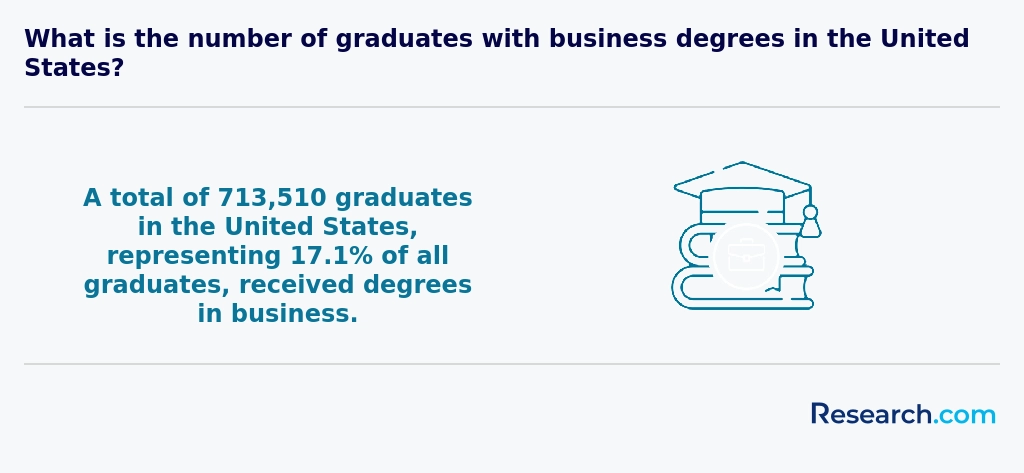
In today’s competitive business landscape, learning does not end at graduation. Many students and alumni alike now embrace continuous education to enhance their skills and maintain a competitive edge. This section highlights the importance of professional development programs, workshops, and certifications-crucial investments that can further elevate your career prospects. For those looking to diversify their expertise and stay abreast of industry trends, additional credentials can be key. If you are interested in complementing your degree with specialized training, consider exploring the best online business certificates to advance your careers to gain practical insights and boost your resume. Integrating continuous learning into your career plan not only strengthens your industry knowledge but also enhances your professional network and adaptability in the dynamic world of business. Embrace these opportunities as a natural extension of your academic journey, positioning yourself for long-term growth and success.
When pursuing a business degree in New Haven, many graduates reflect on how crucial financial aid was in shaping their journey. Federal aid programs like Pell Grants and Direct Loans often form the foundation of funding, offering hope to those balancing tuition costs that, at private schools, can reach as high as $60,000 annually. These grants ease the burden without adding debt, a relief many remember fondly.
State-level support, such as the Roberta B. Willis Scholarship, has been a game-changer for local students attending Connecticut colleges, directly lowering tuition expenses. At renowned institutions like Yale University, merit and need-based scholarships-even specialized programs like the Eli Whitney Students Program-have provided meaningful assistance, enabling students to focus wholeheartedly on their studies instead of finances.
Working professionals pursuing MBAs often find employer tuition assistance invaluable, turning workplace benefits into real savings. Private scholarships offered by associations like the Connecticut Business and Industry Association further underscore the strong community commitment to nurturing business talents right here in New Haven.
Enrolling in a business degree program in New Haven demands more than just paperwork; it reflects a readiness to engage deeply with a challenging academic journey. Graduates from well-known institutions here often recall how their strong high school GPA, typically between 2.5 and 3.0, was a crucial stepping stone. They emphasize the importance of solid skills in math and English, which proved invaluable when tackling business case studies and financial analyses.
Many found that submitting compelling personal statements and recommendation letters allowed them to express their genuine passion for business, setting them apart in competitive admissions. For those pursuing graduate business programs, the journey often included holding a bachelor's degree with at least a 3.0 GPA and demonstrating meaningful work experience. A few shared how the GMAT or GRE became an opportunity to showcase their commitment rather than a hurdle, especially when preparing at New Haven's supportive test prep centers.
Ultimately, the prerequisites are less about strict barriers and more about preparing you to thrive-reflecting an honest readiness to grow into a successful business leader in the vibrant academic environment of New Haven.
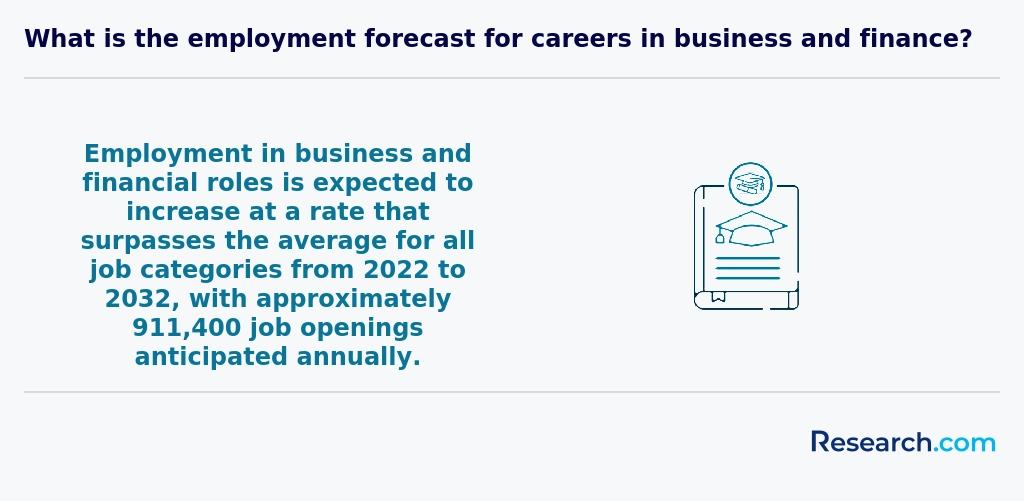
For students considering pursuing a business degree in New Haven, CT, understanding the affordability and potential return on investment (ROI) of their education is crucial. One of the key factors to consider is the cost of tuition, which can vary significantly between institutions. Prospective students can explore affordable business programs in Connecticut to find options that fit their budget. By weighing the costs of education against potential career outcomes and salary expectations, students can make informed decisions about their educational investments. This analysis can help them identify programs that offer a strong ROI, enabling them to maximize their financial resources and achieve their career goals.
Business degree programs in New Haven typically include essential courses that build a strong foundation for navigating the complexities of today's commercial landscape. Graduates from well-known local universities often reflect on how courses like Introduction to Financial Accounting helped them confidently interpret real-world financial statements during internships at nearby firms.
Principles of Marketing provides students with the skills to analyze consumer behavior and design strategic campaigns, a practical knowledge many credit for success in local retail and startup environments. Corporate Finance introduces concepts such as investment analysis and risk management, crucial for those aiming to enter New Haven's growing financial sector.
Courses in Organizational Behavior resonate deeply as students learn to manage team dynamics and foster productive work cultures-skills frequently praised by alumni now working in the city's professional services. Additionally, Business Law courses equip students with insights into contracts and compliance, enabling them to navigate legal frameworks confidently.
Students appreciate how economics courses illuminate market forces impacting Connecticut businesses, enriching their understanding of both local and global economic policies. This blend of theory and practical relevance shapes graduates ready to contribute meaningfully to New Haven's diverse economy.
Business degree specializations in New Haven reflect the city's dynamic economic environment and diverse business landscape. Graduates from popular colleges here often highlight concentrations like finance, which equips students with skills in investment and corporate analysis, aligning well with growing market demands. Marketing is another favored path, integrating knowledge of digital trends and consumer behavior, ideal for engaging with New Haven's tech startups and established firms.
Management programs stand out for developing leadership and organizational talents, crucial for those aiming to guide teams within local industries or beyond. Entrepreneurship is also a vibrant concentration, fueled by New Haven's supportive small business ecosystem and initiatives such as the New Haven Economic Development Corporation. Many graduates recall how this focus helped them thrive in starting ventures tailored to the local market.
Other options like accounting and international business offer practical skills, with the latter being particularly relevant given New Haven's role in global trade. For prospective students weighing New Haven business program concentration options, exploring the best online business certificates to advance your careers can complement traditional degree paths, enriching both knowledge and career flexibility.
Choosing the best business degree in New Haven means weighing your professional interests against the unique offerings of local schools like Yale University and the University of New Haven. Graduates often reflect on how selecting a program with a strong curriculum in areas like finance or entrepreneurship shaped their career paths. It's wise to seek programs accredited by the Association to Advance Collegiate Schools of Business (AACSB), ensuring the education you receive meets rigorous standards and earns respect in the job market.
Affordability plays a key role as well, especially when considering the cost differences among affordable business colleges in New Haven. Including living expenses in your budget gives a realistic picture of total investment. Many students find New Haven's moderate living costs paired with quality education enabling a smoother transition into the workforce.
Internships are another crucial factor. The city's economy supports strong connections between schools and local businesses, offering valuable hands-on experience. These opportunities, along with flexible scheduling options, can enhance your learning while balancing life commitments. Some even choose to explore the fastest executive mba options to accelerate career progress without sacrificing quality.
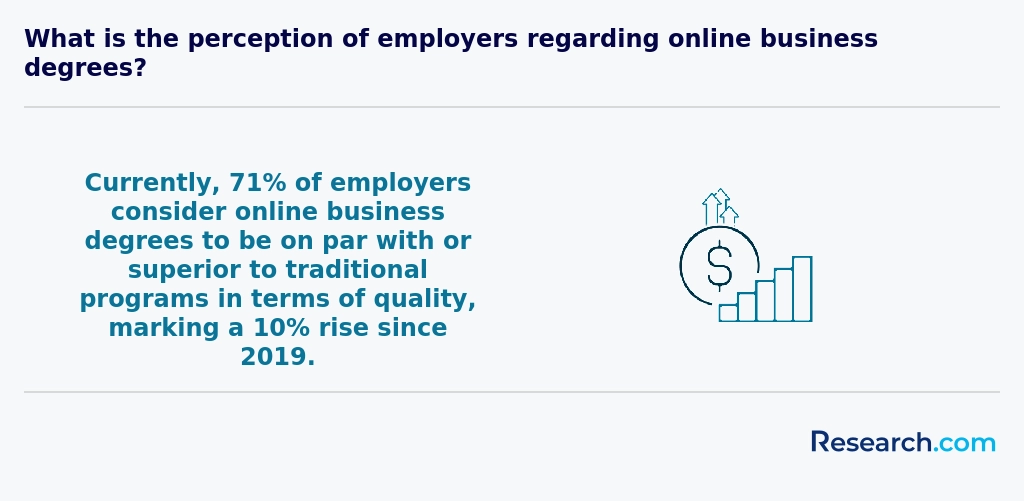
Graduates with a business degree in New Haven often find themselves stepping into dynamic roles across multiple sectors. From personal experience shared by alumni of local institutions like Yale University, many embark on careers as financial analysts, navigating the city's robust finance scene with confidence. Others thrive as marketing managers, blending creative strategy with the digital tools emphasized in their studies. The demand for management consultants remains strong, especially among regional businesses eager to innovate and optimize, while human resources specialists provide crucial support to large employers such as Yale and area hospitals. Exploring entrepreneurship is also common, as New Haven's entrepreneurial ecosystem-fueled by university partnerships and incubators-encourages graduates to launch startups with a sense of optimism and practical skill.
For those weighing their options, understanding the range of business degree jobs in New Haven can provide clarity and motivation. Prospective students might also consider cost and opportunity by visiting the Most Affordable Online Business Degree Programs Ranking in Winfield, KS. This perspective grounds ambition in practical choices that balance education expenses and career dreams.
The job market for business degree holders in New Haven offers promising opportunities across several thriving sectors. Graduates from institutions like Yale University or Southern Connecticut State University often find themselves well-prepared to navigate careers in finance, healthcare administration, and technology firms seeking sharp business analysts. These graduates frequently share how the city's diverse economy supports steady employment prospects, which is reflected by the local employment growth of about 3% annually in business-related occupations.
Business degree job opportunities in New Haven are enriched by the city's unique position as a regional commerce hub with access to numerous small and medium-sized enterprises as well as large corporations. The hands-on experience gained through internships or projects at these organizations helps students build skills such as data analysis and digital marketing, making them competitive candidates upon graduation. Many express confidence in pursuing roles in retail management and logistics due to this exposure.
Tuition costs vary widely here, urging prospective students to consider financial planning carefully. Some have benefited from exploring a fast-track associates degree pathway to enter the workforce sooner with relevant credentials.
Overall, the New Haven business graduate employment outlook remains positive, bolstered by a relatively low unemployment rate for graduates and a community eager to innovate and support entrepreneurship.
2027 Best Business Degree Programs Ranking in New Haven
Investing in your education is a significant decision that can shape your future, and the Research.com team understands the importance of making informed choices. To assist prospective students in New Haven, we have meticulously crafted the "2027 Best Business Degree Programs Ranking in New Haven." Our commitment to quality, credibility, and accuracy is reflected in the extensive research and analysis conducted to compile this ranking.
We utilized the following reputable data sources to ensure a comprehensive evaluation of business degree programs:
By exploring this ranking, readers will gain valuable insights into the best business degree programs available in New Haven, helping them make well-informed decisions about their educational paths. For more details on our methodology, please visit our Research.com methodology page.


Frequently Asked Questions About business
Business degree students in New Haven can maximize their learning by engaging with local industry connections. New Haven hosts a strong business community, including finance, healthcare, and tech sectors, offering valuable internship opportunities. According to the New Haven Chamber of Commerce, internships and cooperative education programs increase job placement rates by 15% for graduates.
Students should also take advantage of networking events and business competitions frequently held by universities and local organizations. These activities develop practical skills and foster relationships with professionals. Active participation in student clubs related to entrepreneurship and marketing can further enhance real-world understanding.
Additionally, using university resources such as career centers and academic advisors helps tailor educational paths to individual career goals. New Haven's proximity to major economic hubs like New York City also allows students to access additional seminars and workshops relevant to business fields.
Emerging niches within the business field reflect the evolving economic landscape and technological advancements, especially relevant to students in New Haven. One prominent area is sustainable business, which integrates environmental responsibility with profitable practices, driven by increasing local and national demand for green initiatives.
Another growing niche is data analytics and business intelligence, where professionals use data to shape strategic decisions. According to the U.S. Bureau of Labor Statistics, jobs for business analysts are expected to grow 11% through 2032, underscoring the demand for these skills.
Additionally, healthcare management is expanding rapidly in New Haven due to its strong medical sector and renowned hospitals. This niche offers opportunities in administration, finance, and policy within healthcare organizations.
Entrepreneurship focused on technology startups is also gaining traction, supported by local incubators and resources encouraging innovation in digital markets.
After completing a business degree in New Haven, preparing for the job market requires focused strategies. Networking with local business leaders and alumni from institutions like Yale and University of New Haven can open valuable opportunities. According to the Greater New Haven Chamber of Commerce, industries such as healthcare management, finance, and tech startups are expanding, creating diverse job prospects.
Internships and co-op programs provide practical experience and improve employability. Additionally, developing skills in data analytics, digital marketing, and project management meets current employer demands. Utilizing career services on campus, attending job fairs, and joining professional groups will further support the transition into the workforce.
Employers in New Haven value a range of skills in business degree graduates, reflecting the city's diverse economic landscape. Strong communication abilities top the list, as professionals must clearly present ideas and collaborate within teams. Analytical thinking is also crucial, helping graduates interpret data and make informed decisions. According to the Connecticut Department of Labor, proficiency in financial management and digital literacy, including familiarity with tools like Excel and business analytics software, boosts employability.
In addition, problem-solving and adaptability stand out, given the fast-changing nature of business environments in New Haven's growing sectors like healthcare and finance. Leadership and project management skills are important as well, with many employers seeking candidates who can take initiative and manage resources effectively.
Finding internships in New Haven relevant to a business degree involves leveraging local resources and networks. Yale University and other nearby institutions often host career fairs focused on business fields, providing direct access to internship opportunities.
New Haven's economy includes finance, health services, and tech startups. The Greater New Haven Chamber of Commerce is a valuable resource offering internship listings and networking events specific to these industries.
Students should also explore online platforms like Handshake and LinkedIn, which frequently feature local internships tailored to business majors. According to the Connecticut Department of Labor, internships in New Haven's business sector have grown by 12% annually since 2020, reflecting increasing opportunities.
Engaging with professors and alumni networks can further connect students to internships through established relationships within New Haven's corporate community.
A business degree in New Haven significantly enhances career mobility and advancement opportunities within the local economy. According to the U.S. Bureau of Labor Statistics, professionals holding business qualifications generally experience lower unemployment rates and higher median salaries compared to those without degrees. In New Haven, where industries such as finance, healthcare management, and education dominate, possessing a business degree offers a competitive edge.
Employers in the region often seek candidates with skills in management, marketing, and data analysis-all core components of business curricula. The Greater New Haven Chamber of Commerce reports that graduates from local business programs often advance faster into leadership roles due to practical experience combined with academic knowledge.
Additionally, New Haven's connection to corporate headquarters and startups creates pathways for networking, internships, and mentorship. These factors collectively contribute to improved career trajectories for business degree holders in the city.
Studying for a business degree in New Haven offers students access to a well-rounded curriculum that emphasizes interdisciplinary learning. Local universities integrate courses from economics, technology, and communication, preparing graduates to collaborate across various sectors. According to the Connecticut State Department of Labor, New Haven's economy is diversified, with strengths in healthcare, manufacturing, and finance, which encourages business students to develop adaptable skills.
Programs often include hands-on projects, internships, and partnerships with local industries, reflecting real-world challenges requiring cross-functional expertise. This approach helps students become effective problem solvers and communicators, qualities essential for interdisciplinary roles. Furthermore, the availability of resources like the New Haven Innovation Collaborative supports entrepreneurial thinking alongside traditional business studies.
Choosing between a thesis and a non-thesis business degree program in New Haven depends on your career goals and learning preferences. Thesis programs typically appeal to students aiming for research roles or doctoral studies. They require in-depth research and writing, providing a strong foundation in analytical skills.
Non-thesis programs focus more on practical business skills and coursework, suitable for professionals seeking quicker entry or advancement in the local job market. According to the Connecticut Department of Labor, New Haven's business sector grew by 3.2% in 2023, emphasizing demand for applied skills.
Consider your time availability and professional objectives when deciding. Research universities in New Haven offer both options, so investigate specific curricula and faculty expertise to align with your goals.
Students based in New Haven interested in studying business abroad benefit from a variety of established exchange programs and partnerships through local institutions such as Yale University and University of New Haven. These programs allow access to top-ranked business schools worldwide, with options in Europe, Asia, and Latin America. According to the Institute of International Education, New Haven students participate in study-abroad opportunities that develop global business perspectives and cross-cultural skills valued by employers.
Many programs offer semester-long exchanges or summer sessions focusing on international business, finance, and entrepreneurship. Additionally, some universities provide dual-degree options with partner schools overseas, enabling students to gain credentials accepted in both countries.
New Haven offers diverse part-time job opportunities that can enhance a business degree education. Students often find roles in local startups and corporate offices, gaining practical experience in finance, marketing, and operations. According to the New Haven Economic Development Department, business services contribute significantly to the city's economy, providing numerous entry-level positions ideal for students.
Retail management and customer service jobs in New Haven's bustling commercial districts build valuable skills in leadership and communication. Internships with firms in nearby financial sectors also complement academic learning effectively. Networking through these positions can lead to future career advancements in the competitive business landscape.
New Haven offers robust networking opportunities for business students, largely centered around its vibrant academic and economic environment. Yale University and Quinnipiac University both host numerous business-related events and career fairs annually, attracting hundreds of local employers.
Local chambers of commerce, like the New Haven Regional Chamber, provide student memberships that grant access to professional workshops, networking mixers, and mentorship programs. According to the chamber's 2023 report, over 45% of participating students secure internships through these connections.
The city's growing startup ecosystem also contributes valuable networking occasions, with groups such as the New Haven Startup Grind hosting monthly meetups. These events connect students with entrepreneurs and investors, offering insight into current business trends and opportunities in southern Connecticut.
Alumni networks play a crucial role for business degree students in New Haven by offering professional connections that can lead to internships and job opportunities. Many local businesses and startups prefer hiring graduates recommended within these networks, fostering smoother entry into the competitive job market. According to data from the New Haven Chamber of Commerce, about 60% of business professionals in the region found their jobs through alumni referrals or networking events.
These networks also provide mentorship, giving students access to experienced alumni who guide career development and skills improvement. Events and workshops organized by alumni groups help students stay updated on industry trends and enhance their practical knowledge.
Business degree programs in New Haven offer various ways to tailor your education according to career aspirations. Many universities provide concentrations such as finance, marketing, entrepreneurship, and supply chain management. Selecting specific electives within these areas allows you to build skills directly relevant to your goals.
Internships and cooperative education opportunities are also prominent in New Haven. These experiences provide practical exposure and networking within local industries, notably healthcare management and tech sectors, which employ a significant portion of the region's workforce (U.S. Bureau of Labor Statistics, 2023).
Additionally, some schools facilitate personalized academic advising, helping students map out coursework, certifications, and professional development aligned with current industry demands in Connecticut.
Business students in New Haven often face challenges related to balancing rigorous coursework with practical experience. Many programs emphasize internships and real-world projects, which demand significant time alongside traditional studies. According to the National Center for Education Statistics, nearly 40% of students nationwide report difficulties managing such workloads.
Another challenge is rising tuition and living costs. New Haven's cost of living is approximately 15% higher than the national average, impacting students' financial stability (U.S. Bureau of Labor Statistics). This financial pressure can affect focus and academic performance.
Additionally, networking opportunities are crucial but sometimes limited for local students, requiring proactive efforts to connect with the strong business community in the region.
Business graduates in New Haven have access to several professional certifications that can enhance their career prospects. Popular options include the Certified Public Accountant (CPA) for those interested in accounting, requiring specific credit hours and passing a national exam. The Certified Management Accountant (CMA) targets financial management skills and is widely recognized in corporate roles. For marketing graduates, the Professional Certified Marketer (PCM) offers specialized credentials.
According to the Connecticut Department of Labor, New Haven's growing finance and healthcare sectors increase demand for certified professionals. The Project Management Professional (PMP) certification is also valuable in these industries. Earning such certifications often enhances salary and job opportunities in the regional market.
To write a winning application for a business program in New Haven, start with a clear and concise personal statement. Highlight your goals and how the program aligns with your career plans. Admissions committees value applicants who show a strong understanding of the local business landscape, which in New Haven includes sectors like finance, healthcare, and emerging tech startups, supported by reports from the New Haven Chamber of Commerce.
Emphasize relevant experience, whether through internships or work, and quantify achievements if possible. A strong academic record and solid letters of recommendation are essential. Tailor each application to the specific school's values and offerings to demonstrate genuine interest and preparation.
Global perspectives on a business career emphasize adaptability, cultural awareness, and technological competence. In the US, particularly in cities like New Haven, business students are encouraged to develop skills that apply across borders, such as data analytics and international marketing. According to the New Haven Economic Development Office, the city's proximity to major hubs like New York and Boston enhances opportunities for global business exposure.
Recent trends stress sustainability and ethical leadership as key components of a modern business education. US employers increasingly value graduates who understand global supply chains and diverse markets. For New Haven students, this means access to internships with firms engaged in international trade and finance.
The US Bureau of Labor Statistics projects a 7% growth in business-related jobs through 2031, reflecting growing demand worldwide. This outlook supports the value of obtaining a business degree rooted in global competencies, especially for students in dynamic educational environments like those in New Haven.
Students pursuing a business degree in New Haven have several opportunities to gain practical experience alongside their studies. Local universities, such as Yale and the University of New Haven, often offer internship programs connected with nearby industries, including finance, healthcare, and manufacturing. According to the Connecticut Department of Labor, New Haven's business sector has grown, creating more internships and entry-level positions for students.
Participating in cooperative education (co-op) programs allows students to alternate semesters of coursework with paid work experience. Additionally, many campuses host business incubators and networking events where students can collaborate on real-world projects with startups and established companies.
Volunteering for nonprofit organizations in New Haven's diverse economy can build leadership and project management skills, supplementing academic learning with community engagement.
Choosing the right concentration within a business degree in New Haven involves aligning your interests with local industry trends. New Haven's economy is anchored by sectors like healthcare, education, and financial services, suggesting concentrations in healthcare management, finance, or entrepreneurship could offer strong career prospects.
Consider programs accredited by the Association to Advance Collegiate Schools of Business (AACSB) as they ensure quality education. Research salaries and job growth in Connecticut: for example, healthcare managers earn a median salary of $103,000 annually according to the U.S. Bureau of Labor Statistics (2023).
Also, evaluate internship opportunities in New Haven-based companies, which enhance practical experience. Speaking with academic advisors to match your skills with the curriculum is advisable.
- 2027 Best Business Degree Programs Ranking in Springfield
- 2027 Best Business Degree Programs Ranking in Cambridge
- 2027 Best Business Degree Programs Ranking in Baltimore
- 2027 Best Business Degree Programs Ranking in Washington
- 2027 Best Business Degree Programs Ranking in Arlington
- 2027 Best Business Degree Programs Ranking in Virginia Beach
- 2027 Best Business Degree Programs Ranking in Lynchburg
- 2027 Best Business Degree Programs Ranking in Fort Wayne
- 2027 Best Online Business Degree Programs Ranking in New York, NY
- 2027 Best Online Business Degree Programs Ranking in Newark, NJ
See What Experts Have To Say About Studying Business
Read our interview with Business experts

David W. Stewart
Business Expert
Emeritus President's Professor of Marketing
Loyola Marymount University

Ingrid S. Greene
Business Expert
Clinical Assistant Professor of Management
Loyola Marymount University


- Global careers, real impact: building your career with an international business degree | University of East London https://www.uel.ac.uk/blog/global-careers-real-impact-building-your-career-international-business-degree
- How to Identify Profitable Business Niches: A Guide for ... https://www.invoiceonline.com/the-entrepreneur-s-handbook/entrepreneurship/business-strategy/how-to-identify-profitable-business-niches-97365
- Career Goals: 17 Inspirational Examples for you in 2026 https://www.imd.org/blog/learning-and-development/career-goals/
- Networking Tips for Business Students: Building a Foundation for Success https://londonsba.org.uk/blog/networking-tips-for-business-students-building-a-foundation-for-success/
- Bringing global perspectives to leadership in business https://www.eaie.org/resource/global-perspectives-leadership-business.html
- Guide to Business Internships | Higherin https://higherin.com/career-guides/business/business-internships
- Top 10 Skills Employers Seek in Business Graduates in 2026 https://www.ibat.ie/blogs/top-10-skills-employers-seek-in-business-graduates-in-2026
- Online Degree vs. Traditional: Choosing the Right Path https://beal.edu/online-degree-vs-traditional/
- 2024 Best Business Schools | How Alumni Rate Their Undergraduate Business Degrees https://poetsandquantsforundergrads.com/news/best-business-schools-alumni-rate-undergraduate-business-degrees/5/
- Professional Business Certifications to Boost Your Career in 2025 https://www.business.com/articles/best-business-certifications/