2027 Best Business Degree Programs Ranking in Washington

Co-Founder and Chief Data Scientist
Choosing the right business degree program is an important step for students in Washington looking to build a successful career. This article presents the 2027 Best Business Degree Programs Ranking in Washington, created by the Research.com team of data scientists. It offers a clear, data-driven guide to help you identify which programs stand out.
Reading this ranking will save time and provide confidence in your decision. A business degree can open doors to rewarding opportunities and personal growth. Discover what makes these programs worth considering as you plan your future.
Key benefits of getting business degree in Washington
- Business degree graduates in Washington can expect strong earning potential, with roles like Business Development Executives earning a mean annual wage of $83,190 and Business Analysts earning $112,950 according to the US Bureau of Labor Statistics.
- Graduates from popular Washington universities often pursue diverse careers such as business analysis, sales, and management, offering exciting opportunities to grow professionally and personally.
- Completing a business degree online from respected Washington institutions provides flexibility and accessibility, allowing students to balance studies with work or family commitments while still gaining valuable skills.
- 2027 Best Business Degree Programs Ranking in Washington
- What can I expect from business degree in Washington?
- Where can I work with business degree in Washington?
What can I expect from business degree in Washington?
Expect your wallet to feel the stretch, but not the pinch, when pursuing a business degree in Washington. Public universities like the University of Washington and Washington State University usually charge between $10,000 and $20,000 per year for in-state undergraduates. One graduate from the Foster School of Business recalls balancing that investment with part-time internships in Seattle's buzzing tech hubs, turning tuition into a launchpad for opportunity rather than a burden.
Private institutions such as Seattle University tend to demand a steeper tuition fee, yet many students find this offset by scholarships and financial aid that bring those costs down. Another recent graduate shares the relief of securing aid that transformed the price tag into a manageable stepping stone toward a rewarding career.
This dynamic pricing landscape means students navigate the cost as strategically as they do market trends-viewing tuition not just as expense, but as an entrance ticket to a networked ecosystem vibrant with Amazon, Microsoft, and Boeing connections.
Where can I work with business degree in Washington?
Graduates from business programs at the University of Washington or Washington State University often find themselves stepping into the bustling energy of Seattle's corporate giants-imagine collaborating on marketing campaigns for Amazon or strategizing growth plans with Microsoft. These roles aren't just jobs; they're dynamic playgrounds where creativity meets real-world impact, fueling a sense of purpose and excitement.
Others dive into the vibrant healthcare sector, managing the financial and operational heartbeat of organizations like Providence Health & Services. Picture the satisfaction of streamlining services that directly improve community well-being, turning textbook theories into life-changing results.
Ports like Seattle and Tacoma become natural horizons for those drawn to international trade and logistics, where graduates orchestrate the seamless flow of goods and resources, mastering supply chain puzzles that keep Washington's economy humming. Even SMEs and local startups welcome bright minds, offering the thrill of innovation and entrepreneurship nurtured by the supportive business ecosystems around local incubators.
Public agencies across the state also beckon, inviting graduates to shape economic development and project management, roles that ripple out to influence entire communities. Here, business degrees open doors not just to jobs, but to meaningful careers woven through Washington's diverse industries.
Picture yourself stepping out of the Foster School of Business in Seattle, diploma in hand, eyes set on the skyline where opportunity thrives. With a business degree in Washington, the numbers behind your ambition tell a compelling story. Take the Business Development Executive, for instance-graduates stepping into this role can anticipate a mean annual wage of about $83,190, translating to a rewarding mix of challenge and financial stability.
Or envision yourself as a Business Analyst, a coveted title often eluding many but mastered by Foster and UW Bothell alumni alike. Here, salaries soar to an impressive mean annual wage of $112,950, reflecting the premium placed on savvy decision-makers who decode data to drive success.
These figures aren't abstract-they're the paycheck realities for those who navigate Washington's vibrant tech and finance arenas, turning classroom theory into high-impact business strategies. Such career paths remind graduates that their degree is more than paper; it's a ticket to engage with dynamic industries where your earning potential can truly flourish.
- In-state public universities in Washington charge about $12,000 per year for undergraduate business tuition, while private schools range from $30,000 to $45,000 annually.
- Community colleges offer affordable first two years before transferring to four-year universities for business degrees.
- The average starting salary for business graduates is approximately $55,000, increasing to $80,000-$95,000 within five to ten years.
- Business job markets in Washington, especially in Seattle, are growing, with strong demand in management, marketing, finance, and human resources.
- Major companies like Microsoft, Amazon, and Starbucks contribute to steady employment opportunities for business graduates.
- Financial aid including scholarships, grants, and loans is commonly available, particularly at public institutions.
Picture yourself walking through the vibrant campuses of the University of Washington or Washington State University, where ambitious business students embrace the classic four-year journey toward a Bachelor of Business Administration. Many full-time undergraduates glide through this timeline, energized by the rhythm of campus life and engaging coursework. Some daring graduates speed up their voyage by embracing summer classes, shaving a whole year off their degree, making three years feel like an exhilarating sprint.
For those diving into the realm of MBAs, the landscape shifts. A traditional full-time MBA unfolds over about two years, but many professionals at places like Seattle University dance to their own tempo, blending work and study in part-time or executive programs that stretch the timeline to three or more years. This flexible harmony allows them to build careers while chasing degrees, painting a picture of resilience and balance.
Community college students embrace nimbleness, wrapping associate business degrees in roughly two years, ready to enter the workforce or leap into four-year programs. The pursuit of a business degree in Washington is not just a timeline-it's a tailored adventure, shaped by ambition, life's twists, and endless possibilities.
Navigating the application process for business degree programs in Washington, DC requires careful planning and adherence to key deadlines to maximize your chances of acceptance. Below is a streamlined timeline and step-by-step guide to help you stay on track: 1. 12–9 Months Before Enrollment - Research Programs and Specializations: Compare curricula, faculty expertise, and experiential learning opportunities at institutions like George Washington University, American University, and Howard University. - Attend Information Sessions and Campus Tours: Gain firsthand insights into campus culture, networking events, and internship partnerships. - Explore Accelerated Options: If you’re aiming to complete your degree sooner, consider a fast track mba program that aligns with your career goals. 2. 9–6 Months Before Enrollment - Standardized Tests and Transcripts: Register for the GMAT, GRE, SAT, or ACT as required. Request official transcripts from all previously attended institutions. - Letters of Recommendation: Reach out to professors, employers, or professional mentors at least 8 weeks before deadlines to ensure thoughtful, timely submissions. - Draft Personal Statements and Essays: Articulate your professional aspirations, leadership experiences, and why Washington, DC’s business ecosystem is the ideal backdrop for your studies. 3. 6–3 Months Before Enrollment - Complete Online Applications: Carefully review each school’s portal for supplemental materials, such as video interviews or short-answer prompts. - Financial Aid and Scholarship Applications: Submit the FAFSA and institutional scholarship forms. Keep an eye on deadlines for merit-based awards, which often fall early in the cycle. - Interview Preparation: Practice case-study interviews or behavioral questions common in top-tier business programs. 4. 3–0 Months Before Enrollment - Application Follow-Up: Confirm receipt of all materials, and monitor applicant portals for updates or additional requests. - Decision Notifications: Most schools release admissions decisions between December and April. - Enrollment Deposit and Visa Paperwork (for international students): Secure your spot by submitting required deposits and begin visa application processes to ensure timely arrival on campus. By adhering to this timeline and staying organized-using checklists or calendar reminders-you can navigate the competitive admissions landscape of Washington, DC’s business schools with confidence and clarity.
Imagine juggling deadlines while sipping coffee in a bustling Seattle café, logging into your University of Washington online class - flexibility becomes your superpower. Online business degrees in Washington cater to you, the busy professional balancing work, family, and ambition, with virtual lectures and collaborative boards that fit your unpredictable schedule.
Contrast this with the vibrant pulse of campus life at Seattle University or Gonzaga University, where on-campus students savor spontaneous hallway debates and valuable face-to-face networking. Graduates recall landing internships through direct connections with local companies that partner with these schools, experiences harder to replicate behind a screen.
Both paths carry the weight of respected AACSB or ACBSP accreditation, yet the tactile buzz of classrooms often sways employer preference in Washington's competitive markets. Meanwhile, savvy online students cut commuting costs, investing savings into family moments or launching startups from their home office.
Ultimately, your choice reflects how you want to learn and live amid Washington's unique blend of innovation and tradition.
Prospective students often ask how a business degree in Washington, DC translates into concrete career outcomes and financial returns. Recent data show that 92% of graduates secure full-time positions within six months of graduation, with an average starting salary of $68,500-well above the national business graduate average. Top employers include Deloitte, Accenture, the World Bank, and major federal agencies, underscoring the strength of DC’s network. Key metrics to consider:
- Median Time to Employment: 3.8 months post-graduation
- Top 5 Hiring Sectors: Management consulting, finance, government contracting, non-profit leadership, and healthcare administration
- Salary Growth: Alumni report a 20% salary increase within three years of entering the workforce Students also benefit from tailored career services, including one-on-one coaching, resume workshops, and alumni mentoring circles. These resources have contributed to a reported 85% satisfaction rate with career support among surveyed graduates. For those weighing cost versus benefit, examining affordable options can enhance ROI. Regional comparisons, such as the Most Affordable Online Business Degree Programs Ranking in the South, can help applicants understand how tuition investments translate into long-term earnings across different markets. By evaluating these employment outcomes alongside program costs, prospective students can make data-driven decisions that align with both their career aspirations and financial goals.
The average cost of a business degree in Washington hovers around $40,680, blending tuition, fees, and associated expenses into a financial figure that many local students wrestle with. Graduates from the University of Washington or Washington State University often reflect on balancing their passion for business with financial savvy, finding that in-state tuition keeps the cost closer to $35,810, a noticeable relief compared to out-of-state rates that align more closely with the median total cost. The journey through a business degree here isn't just about numbers-it's about the choices that lead you to those numbers.
Picture a student pursuing a business degree at a private university like Seattle University, where the investment could feel steep but often fuels specialized programs and rich networking opportunities. Those costs tumble downward for many attending community colleges that offer more affordable pathways, creating a mosaic of financial possibilities. These variegated expenses form a backdrop to the broader picture of business degree total expenses Washington 2027, where living costs and books amplify the commitment beyond tuition alone.
Many find hope through financial aid and grants that tip the scales in favor of ambition over worry. Washington's state-specific programs, including the Washington College Grant, add layers of support, helping to transform the price tag into an accessible goal. Exploring options among the cheapest business schools in District of Columbia also inspires creative budgeting and comparison, reminding hopefuls that wise choices matter as much as hard work.
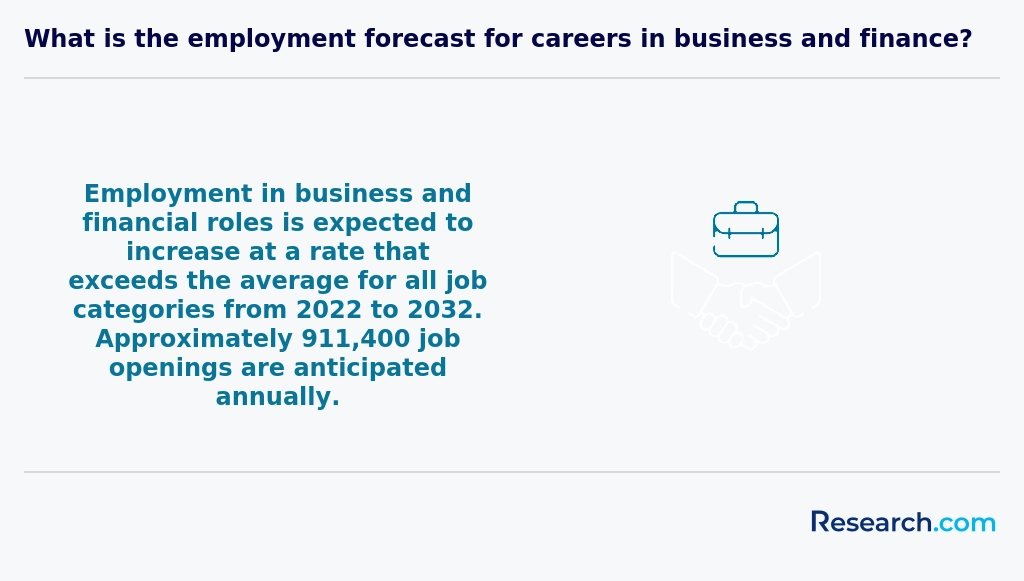
When considering a business degree program in Washington, DC, one crucial aspect to evaluate is the affordability and potential return on investment. Prospective students should weigh the costs of tuition, living expenses, and other fees against the potential benefits, including salary expectations and career advancement opportunities. For those interested in exploring affordable options, researching the cheapest business schools in District of Columbia can provide valuable insights into institutions that offer a balance between quality education and financial accessibility. By assessing these factors, students can make informed decisions about their educational journey and potential career paths, ultimately ensuring that their investment in a business degree yields a substantial return.
Imagine starting your business degree at the University of Washington with a Pell Grant cushioning your financial worries-no repayment needed, just pure support based on your need. Many grads share how this grant felt like a lifeline, easing the weight of tuition that otherwise skyrockets for out-of-state students, sometimes surpassing $27,000 annually.
Then there's the Washington College Grant, a state hero for in-state students attending public universities. Picture a Seattle University student watching their tuition shrink as this grant taps into low- and middle-income families, often covering full tuition and fees-a game changer when every dollar counts.
Merit-based scholarships also sparkle in the funding mix. From modest awards to generous sums, they reflect the effort and promise business students pour into their coursework, fueling dreams at institutions all around Washington.
For those balancing work and study, federally funded work-study programs create opportunities to earn while learning, often right on campus or with trusted local employers. Plus, many Washington employers chip in with tuition assistance, recognizing that investing in their employees' business education pays dividends for all.
Dreaming of diving into a business degree in Washington? First, you'll need the familiar ticket: a high school diploma or GED. Many undergraduates recall the bittersweet moment of submitting their SAT or ACT scores-though some schools now whisper the sweet relief of test-optional options, a modern nod born from the pandemic's upheaval.
Think of your application as a personal spotlight, where essays become your stage to showcase your business passion and unique journey. Graduates from the University of Washington often remember how these personal statements helped them stand out, capturing the attention of admission panels.
For those stepping up to graduate programs like MBAs, a bachelor's degree is non-negotiable. GRE or GMAT scores often serve as a ticket through the gate, unless you bring seasoned work experience from local companies or startups-then sometimes these exams take a backseat.
International students recall the hurdle of proving English mastery with TOEFL or IELTS, yet find confidence once cleared. And yes, being prepared financially-whether budgeting for a public university's $10,000 yearly tuition or the steeper climb at private schools-is the unsung prerequisite behind many successful enrollments in Washington's vibrant business schools.
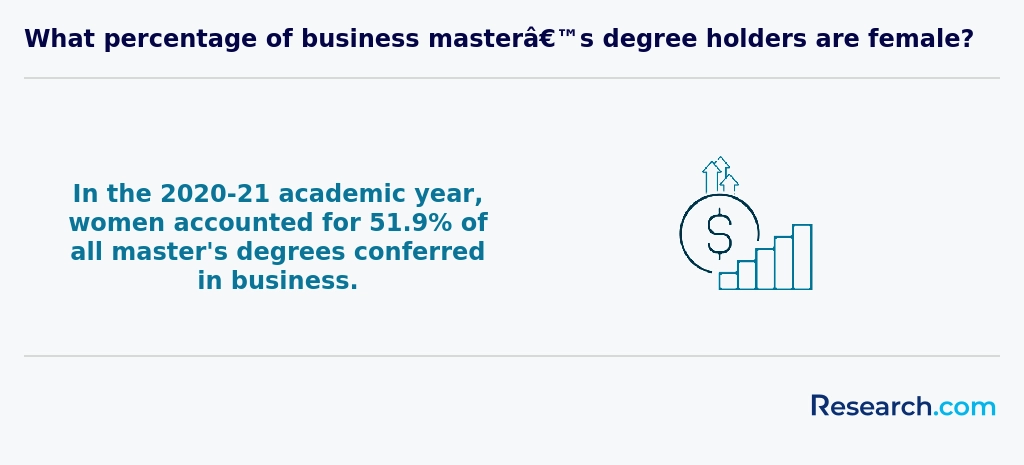
As the business landscape continues to evolve, many graduates and professionals are turning to specialized certifications to supplement their academic credentials and stay competitive in the job market. These certifications provide targeted skill development, enabling individuals to gain expertise in areas such as digital marketing, project management, and data analytics. In today's fast-paced environment, employers increasingly value not only a solid degree background but also evidence of continuous learning through practical, online credentials. For those looking to further enhance their qualifications and explore additional opportunities, consider checking out the ranking of the top online business certificates to advance your career, which highlights programs designed to provide real-world skills that complement a traditional business degree. This approach to education helps bridge the gap between theoretical knowledge and practical application, ensuring that professionals are well-equipped to navigate the complexities of modern business challenges.
Imagine diving into a business degree in Washington where your typical day blends learning about managing a Seattle tech startup one morning and dissecting the nuances of global trade over coffee near the University of Washington campus the next. Courses are crafted to give you tools like Principles of Management, where graduates recall breaking down leadership puzzles and decision-making labyrinths, boosting their confidence to lead real teams. Then there's Financial and Managerial Accounting, key for decoding the stories behind crisp spreadsheets and budgets-skills every Husky grad swears by.
Marketing Fundamentals feels less textbook drudgery and more like mapping out actual campaigns for local businesses, fueling creativity. Business Law classes anchor you in the rules of the Washington game, from contract ethics to navigating regulations, preparing you for the real-world hustle.
In electives focusing on entrepreneurship or supply chain management, students at Seattle University recount crafting their own business models, inspired by the bustling regional economy. The courses aren't just lessons; they're a launchpad embedded deeply in Washington's dynamic industries.
Picture yourself diving into a business degree in Washington, where your journey can swirl through Finance, Marketing, Management, Entrepreneurship, Information Systems, or International Business. These aren't mere labels-they're vibrant paths that graduates from top schools like the University of Washington or Gonzaga University have navigated with zest, translating classroom theories into real-world hustle. Imagine managing investments in Seattle's bustling financial scene or decoding consumer trends during local tech launches.
Washington's landscape shapes these options, so when students choose their business degree specializations in Washington, they tap into thriving sectors. Graduates specializing in Information Systems find themselves amid Amazon's tech epicenter, weaving business with IT. Others specialize in entrepreneurship, energized by the region's startup pulse, ready to launch ventures that disrupt markets.
For those curious about varied paths and impact, the ranking of the top online business certificates to advance your career offers an insightful supplement, guiding students toward emerging strengths like sustainable business or business analytics.
Exploring Washington business degree concentration options means stepping into dynamic roles where passion meets opportunity, cultivating fresh skills in a state where commerce and innovation dance hand in hand.
Imagine wandering through campus at a top Washington university, where graduates sparkle with the confidence only a well-chosen business degree can ignite. Whether it's a Bachelor of Business Administration or a specialized MBA, your dream path starts by peeling back layers: Which program matches your ambition? Graduates often recall how choosing AACSB-accredited schools unlocked doors to powerful networks and cutting-edge curricula, especially in the vibrant business ecosystem of Seattle.
For those chasing the best business degrees in Washington state, cost whispers loudly. Public universities offer affordable tuition, roughly $11,000 annually for locals, sparking hope for many who juggle finances while dreaming big. Meanwhile, private colleges dazzle with prestige but demand a heftier investment, pushing students to hunt scholarships or consider options like the Washington Student Achievement Council for aid.
Walk the streets of a college town, and you'll see students thriving because their programs blend finance, technology, and entrepreneurship-sectors booming in Washington's economy. Those seeking nimble career paths often explore a fast track mba program, ensuring a swift leap into the workforce. Choosing the right path is more about envisioning your life after graduation than just tallying credits.
Balancing dreams, dollars, and destiny-this is how Washington's aspiring business leaders find their way.
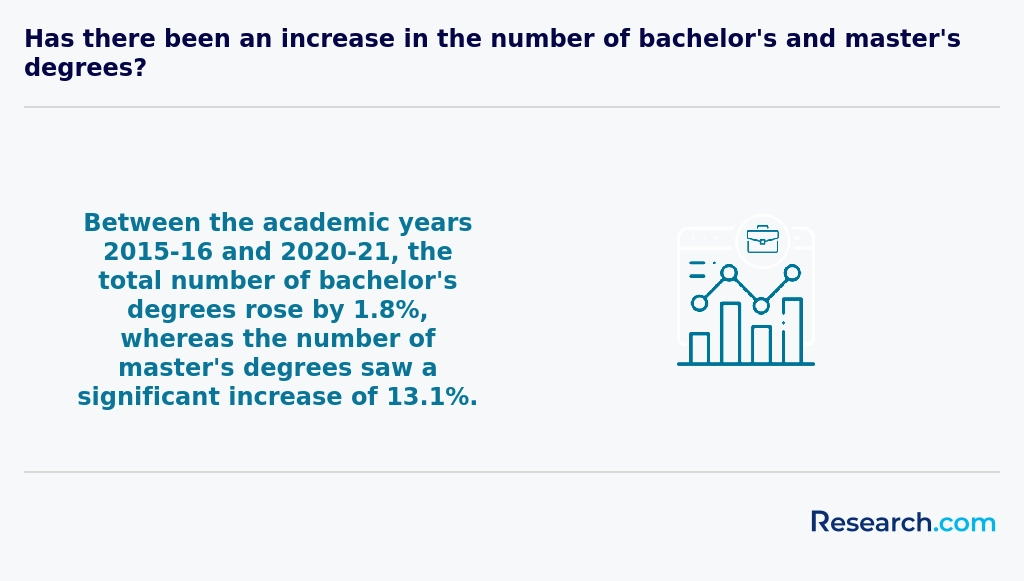
Graduates clutching a business degree in Washington find themselves at the crossroads of innovation and opportunity, where career paths unfold like the bustling markets of Seattle's Pike Place. Imagine stepping from the University of Washington's campus into a vibrant ecosystem teeming with roles in management, finance, marketing, and entrepreneurship. Many thrive as business analysts or marketing coordinators, weaving their expertise into Amazon's or Microsoft's busy corridors, where their ideas help shape the future.
Others dive into Washington business degree job prospects rooted in the state's strategic position, taking on global trade and supply chain roles at Seattle and Tacoma ports. The allure of financial services beckons graduates toward promising careers as financial analysts, often enjoying salaries above national averages while navigating Seattle's dynamic banking hubs.
Entrepreneurial spirits feel right at home, fueled by Bellevue's startup accelerators and incubators. Graduates from schools across the state confidently start ventures, benefiting from a supportive culture and resources. For those weighing the cost of this journey, finding quality education with manageable tuition is easier with options highlighted in the Most Affordable Online Business Degree Programs Ranking in the South, ensuring access to these vibrant Washington business degree career opportunities in Washington.
The job market for a business degree in Washington pulses with energy, fueled by the presence of corporate giants like Microsoft and Boeing, alongside vibrant startups in Seattle's tech hubs. Graduates from popular programs at local universities often find themselves swept up in this wave of opportunity, landing roles in marketing, finance, and supply chain management that swiftly evolve with their growing expertise. These business degree job outlook Washington prospects feel real and immediate-whether negotiating deals downtown or spearheading new projects at tech incubators, each day brings a fresh challenge and reward.
Those stepping out with a business degree in Washington benefit from tuition costs ranging from $10,000 to $15,000 annually at public universities, making it both an accessible and strategic investment. Many graduates reflect on how internships and networking through local chambers truly opened doors, transforming classroom theories into dynamic career pathways. For those seeking additional advantages, exploring the best certifications for high paying jobs complements the foundational business education and sharpens competitive edges.
Seattle's bustling metropolitan scene, with its median wages outpacing national averages, reveals why Washington business degree employment opportunities continue to attract ambitious students. Graduates often describe the thrill of joining industries ranging from finance to healthcare in a state that not only values but actively nurtures innovative business talent.
2027 Best Business Degree Programs Ranking in Washington
Investing in your education is a significant decision that can shape your professional future, and the Research.com team is committed to helping you make informed choices. To assist prospective students in Washington, we have meticulously developed the "2027 Best Business Degree Programs Ranking in Washington." Our dedication to quality, credibility, and accuracy is demonstrated through rigorous research and careful analysis.
We utilized the following reputable data sources to ensure a comprehensive evaluation of business degree programs:
By exploring this ranking, readers will gain valuable insights into the top business degree programs available in Washington, empowering them to make well-informed decisions about their educational and career paths. For more details on how this ranking was created, please visit our Research.com methodology page.


# 16 position
University of the Potomac-Washington DC Campus
Master of Business Administration

# 17 position
University of the Potomac-Washington DC Campus
Bachelor of Science in Business
# 18 position
Strayer University-District of Columbia
Bachelor of Science in Accounting

# 19 position
Strayer University-District of Columbia
Master of Business Administration
# 20 position
University of the District of Columbia
Bachelor of Business Administration in Business Management

Frequently Asked Questions About business
Business degree students in Washington can maximize their learning experience by actively engaging with local industry opportunities. The state's strong economy, led by sectors like technology, aerospace, and international trade, offers numerous internships and cooperative education programs. According to the U.S. Bureau of Labor Statistics, Washington's business services sector grew by 3.5% annually from 2019 to 2023, indicating robust job prospects for students.
Networking via local business organizations and university-sponsored events also enhances learning. Additionally, leveraging online resources and case studies relevant to Washington's market can deepen practical understanding. Combining classroom knowledge with real-world experience is key for future success in this dynamic region.
Emerging niches within the business field in Washington reflect broader national trends while aligning with the state's unique economy. One fast-growing area is sustainable business management, driven by Washington's leadership in environmental policies and green technology. Professionals skilled in this niche help companies reduce environmental impact and comply with regulations.
Another significant niche is data analytics and business intelligence. Seattle, home to major tech companies, shows strong demand for business graduates who can interpret large data sets to inform strategy.
Additionally, entrepreneurship focused on technology startups is thriving, supported by local incubators and venture capital hubs.
According to the Washington State Employment Security Department, jobs in these fields are projected to grow by 10-15% through 2030.
Preparing for the job market after earning a business degree in Washington involves strategic planning and practical experience. Washington's business sector is robust, with strong industries in technology, manufacturing, and trade, notably in Seattle and Tacoma. According to the Washington State Employment Security Department, business-related jobs are expected to grow by 5.7% through 2028.
Students should pursue internships with local companies to build relevant skills and networks. Participating in career fairs hosted by universities such as the University of Washington or Seattle University provides valuable employer connections. Additionally, developing proficiency in data analysis and digital tools can increase employability in today's market.
Washington graduates benefit from joining professional associations like the Washington State Business Association for ongoing support. Finally, refining resumes and practicing interview skills through campus career services enhances chances of securing suitable positions.
Employers in Washington consistently seek business degree graduates with strong analytical and communication skills. According to the Washington State Employment Security Department, companies increasingly value data-driven decision-making and proficiency in digital tools, such as Excel and business analytics software.
Leadership and teamwork abilities are also frequently highlighted, reflecting the collaborative nature of business environments in the region. The Seattle Metropolitan Chamber of Commerce reports that adaptability and problem-solving are critical, especially given Washington's fast-growing tech and service industries.
Graduates who combine technical expertise with emotional intelligence tend to stand out in the local job market.
Finding internships in Washington relevant to a business degree involves leveraging multiple local resources. Many universities in Washington have dedicated career centers that connect students with internship opportunities in major business hubs like Seattle and Bellevue. Companies such as Amazon, Microsoft, and Starbucks regularly offer internships for business students, focusing on areas like marketing, finance, and management.
The Washington State Employment Security Department provides labor market information, highlighting industries with growth, including finance and professional services, which can guide internship searches. Additionally, platforms like Handshake and LinkedIn list Washington-specific internships tailored to business majors.
Networking through local business associations such as the Washington State Chamber of Commerce can also open doors. Students should attend job fairs, workshops, and alumni events to increase their chances of securing internships that align with their career goals.
A business degree in Washington significantly enhances career mobility and advancement opportunities. According to the Washington State Employment Security Department, the state projects a 7% growth in business and financial occupations through 2030. This growth supports increased demand for qualified candidates with business education. Employers in Seattle and Tacoma often seek graduates with skills in management, marketing, and finance, contributing to higher job placement rates.
Graduates with a business degree typically experience faster promotion tracks. A 2023 report from the National Association of Colleges and Employers noted that holders of business degrees earn an average starting salary of approximately $60,000 annually, which is competitive in Washington's metropolitan markets. The degree provides essential knowledge and credentials valued across multiple industries in the state, promoting upward mobility.
Networking opportunities through university programs in Washington also help graduates connect with local businesses, aiding career growth. Overall, a business degree acts as a key asset for professional advancement within Washington's dynamic economy.
Studying for a business degree in Washington equips students with a broad skill set applicable to various interdisciplinary roles. Washington's institutions emphasize integrating business fundamentals with technology, sustainability, and global perspectives. For example, many programs include coursework in data analysis, environmental management, and communication, helping graduates adapt to diverse industries.
Washington's economy, driven by sectors like technology, aerospace, and international trade, demands professionals who understand business within multiple contexts. According to the Washington State Employment Security Department, 15% growth is expected in management and business roles through 2028, reflecting increasing interdisciplinary job opportunities.
Moreover, universities foster collaboration across departments, encouraging students to apply business concepts alongside STEM or social sciences, enhancing problem-solving and leadership skills needed in complex work environments.
Choosing between a thesis and a non-thesis business degree program in Washington largely depends on your career goals and learning preferences. Thesis options often appeal to students aiming for research roles, academic careers, or further graduate study, as they emphasize in-depth analysis and original research.
Non-thesis programs tend to emphasize practical skills and coursework, ideal for students seeking immediate employment in Washington's dynamic business sectors such as technology, finance, or international trade. According to the Washington State Employment Security Department, industries like information services and professional services continue to grow, underscoring the value of applied skills.
Consider your time commitment, too. Thesis paths usually require more time due to research and writing. Non-thesis programs often offer flexible schedules and faster completion. Evaluating these factors carefully helps align your education with your professional aspirations.
Students based in Washington interested in studying business abroad have several pathways to consider. Many universities in Washington, including University of Washington's Foster School of Business, offer exchange programs with international partner schools, allowing students to earn credits while gaining global experience.
Additionally, Washington students can enroll in study abroad programs specializing in business disciplines through third-party providers accredited by U.S. institutions. These programs often include opportunities in Europe, Asia, and Latin America, broadening students' exposure to diverse markets.
According to the Institute of International Education, around 12% of U.S. students studying abroad pursue business fields, reflecting strong demand for international business education among Washington's students.
Washington offers a variety of part-time job opportunities that complement business degree studies, helping students gain practical experience while earning. Roles such as administrative assistants, sales associates, and marketing interns are popular among business students for developing communication and organizational skills.
The state's robust business environment, with Seattle ranking among the top U.S. cities for startups and corporate headquarters, provides abundant internships in finance, consulting, and supply chain management. According to the Washington State Employment Security Department, sectors like professional services and retail trade frequently hire part-time workers with business acumen, encouraging real-world application of classroom knowledge.
Additionally, roles in data entry, customer service, and social media management allow students to build analytical and technological competencies critical for today's employers.
Washington offers robust networking opportunities for business students through its connection to major industries like technology, aviation, and trade. Universities such as the University of Washington provide access to events, mentorships, and alumni networks deeply tied to companies like Amazon and Boeing. According to the Washington Student Achievement Council, over 70% of graduates find employment through campus networking programs.
Local business conferences and chambers of commerce also host regular events in Seattle and Spokane, allowing students to meet professionals across sectors. These opportunities help build valuable relationships, essential for career growth in competitive markets.
Alumni networks provide significant advantages to business degree students in Washington by offering access to professional connections and career opportunities. Many universities in Washington have active networks that facilitate mentorship, internships, and job placements within the state's diverse economy.
According to the Washington State Economic and Revenue Forecast Council, sectors such as technology, retail, and manufacturing show strong growth, and alumni can help students tap into these industries through referrals and insider knowledge.
Engaging with alumni also supports skill development and confidence by connecting students with experienced professionals who understand both regional and national business landscapes. Schools like the University of Washington have well-established alumni associations known for successful networking events and career workshops.
Customizing a business degree program in Washington allows students to align their education with specific career goals. Many universities offer concentrations such as finance, marketing, or supply chain management. This flexibility helps students build relevant skills for Washington's diverse economy, which includes strong sectors like technology and international trade.
Students can often choose electives and internships tailored to local industries, gaining practical experience. Additionally, some programs provide opportunities for networking with Seattle-based companies like Amazon and Microsoft, enhancing employment prospects.
Advising services at Washington institutions support students in selecting courses that match their ambitions, ensuring their degree remains focused and relevant in a competitive job market.
Business students in Washington often face challenges related to the state's competitive job market. According to the Washington State Employment Security Department, high demand for tech and management roles means students must develop strong analytical and digital skills to stay relevant.
Another difficulty is the rising cost of education. Tuition fees at public universities in Washington increased by approximately 20% over the past five years, putting financial pressure on many students.
Students also frequently mention balancing rigorous coursework with internships or part-time jobs, critical for gaining practical experience in Seattle's dynamic business environment. Navigating this workload while maintaining high academic performance can be demanding.
With a business degree in Washington, you can pursue several professional certifications that enhance your career prospects. Popular options include the Certified Public Accountant (CPA), essential for accounting roles. The CPA license requires passing the Uniform CPA Exam and meeting state education and experience requirements.
Another widely recognized certification is the Project Management Professional (PMP), valuable in managing projects across industries. According to the Project Management Institute, Washington ranks among the top states for PMP certification holders, reflecting strong job demand.
The Certified Financial Planner (CFP) credential suits those interested in financial advisory roles. Additionally, the Certified Management Accountant (CMA) is sought after for management accounting positions and is offered by the Institute of Management Accountants.
These certifications often lead to increased salaries and job security in Washington's growing business market, particularly in Seattle's tech and finance sectors.
Writing a winning application for a business program in Washington requires clear focus and attention to detail. Start by tailoring your personal statement to highlight your interest in Washington's dynamic business environment, emphasizing sectors like technology, manufacturing, and international trade, which are key to the state's economy according to the Washington State Department of Commerce.
Include specific examples of leadership, teamwork, and problem-solving experiences that demonstrate your potential as a future business leader. Be sure to present strong academic records and standardized test scores if required, as many Washington institutions value quantitative skills.
Request recommendation letters from professionals or professors familiar with your abilities in business-related tasks. Applications also benefit from showcasing any relevant internships or community involvement within Washington, showing your commitment to local economic growth. According to the National Center for Education Statistics, business remains one of the top fields for undergraduate enrollment in Washington, underlining the competitiveness of these programs.
The global perspectives on a business career emphasize adaptability and cross-cultural knowledge. Business professionals increasingly operate in interconnected markets, making international experience highly valuable. According to the U.S. Bureau of Labor Statistics, Washington State's economy benefits from strong international trade, particularly with Asia, which drives demand for globally skilled talent.
Moreover, employers seek graduates proficient in digital tools and data analytics, reflecting global trends toward tech-driven decision-making. Universities in Washington, such as the University of Washington, integrate global business topics and partnerships with foreign institutions, preparing students for diverse markets.
Understanding global economic policies and sustainable business practices also shapes career readiness, aligning with multinational companies based in Washington, including Microsoft and Amazon.
Gaining practical experience while pursuing a business degree in Washington is vital for career readiness. Many universities in the state, such as the University of Washington, offer cooperative education (co-op) programs that integrate paid work terms with academic study. These programs allow students to apply classroom knowledge in real business settings, often with Seattle-based companies like Microsoft or Amazon.
Internships are another common pathway. Washington's strong economy, especially in tech and trade, provides many internship opportunities in industries like finance, marketing, and supply chain management. According to the Washington Student Achievement Council, nearly 60% of business students participate in internships before graduation.
Additionally, students can engage in consulting projects through university business labs or local Small Business Development Centers, gaining hands-on experience while helping real clients. Networking events and business competitions hosted by campuses also enable practical skill development in negotiation, leadership, and problem-solving.
Choosing the right concentration within a business degree program in Washington begins with understanding your career goals and the local job market. For example, Seattle's technology and international trade sectors create strong demand for specializations in information systems and supply chain management, according to the Washington State Employment Security Department.
Next, consider your skills and interests. Finance, marketing, and management concentrations offer different paths: finance is analytical, marketing is creative, and management focuses on leadership. Researching alumni outcomes and internship opportunities in Washington-based companies can provide valuable insight.
Also, review curriculum options. Some universities partner with regional businesses like Amazon or Boeing, which might influence concentration choices.
- 2027 Best Business Degree Programs Ranking in Arlington
- 2027 Best Business Degree Programs Ranking in College Park
- 2027 Best Business Degree Programs Ranking in Fairfax
- 2027 Best Business Degree Programs Ranking in Baltimore
- 2027 Best Business Degree Programs Ranking in Frederick
- 2027 Best Business Degree Programs Ranking in Dover
- 2027 Best Business Degree Programs Ranking in New Castle
- 2027 Best Business Degree Programs Ranking in Lancaster
- 2027 Best Business Degree Programs Ranking in Richmond
- 2027 Best Business Degree Programs Ranking in Wilmington
See What Experts Have To Say About Studying Business
Read our interview with Business experts

David W. Stewart
Business Expert
Emeritus President's Professor of Marketing
Loyola Marymount University


Ingrid S. Greene
Business Expert
Clinical Assistant Professor of Management
Loyola Marymount University

- Online Degree vs. Traditional: Choosing the Right Path https://beal.edu/online-degree-vs-traditional/
- Guide to Business Internships | Higherin https://higherin.com/career-guides/business/business-internships
- 2024 Best Business Schools | How Alumni Rate Their Undergraduate Business Degrees https://poetsandquantsforundergrads.com/news/best-business-schools-alumni-rate-undergraduate-business-degrees/5/
- Part-Time Students: 9 Things You Need to Know – EU Business School https://www.euruni.edu/blog/part-time-students-9-things-you-need-to-know/
- The 6 Best Places to Study Abroad for Business Students https://www.ciee.org/go-abroad/college-study-abroad/blog/6-best-places-study-abroad-business-students
- Top 10 Skills Employers Seek in Business Graduates in 2026 https://www.ibat.ie/blogs/top-10-skills-employers-seek-in-business-graduates-in-2026
- Global careers, real impact: building your career with an international business degree | University of East London https://www.uel.ac.uk/blog/global-careers-real-impact-building-your-career-international-business-degree
- Business Administration, B.A. - Trinity Washington University | Washington, DC https://www2.trinitydc.edu/academic_program/business-administration-b-a/
- Niche Business Ideas: A Guide to Profitable Niche Business Selection - Inar Learn https://inarlearn.com/niche-business-ideas-a-guide-to-profitable-niche-business-selection/
- Global Perspectives: International Opportunities for Business School Students - SBS Swiss Business School https://sbs-uae.org/global-perspectives-international-opportunities-for-business-school-students-3/