2027 Best Business Degree Programs Ranking in Richmond

Co-Founder and Chief Data Scientist
Choosing the right business degree program in Richmond can shape your career and open exciting opportunities. To help you navigate this important decision, we present the 2027 Best Business Degree Programs Ranking in Richmond. Created by the Research.com team of expert data scientists, this ranking provides reliable insights into local programs worth considering.
Reading this article will give you a clearer picture of your options, making it easier to find a program that fits your goals. Pursuing a business degree is a valuable step toward personal growth and professional success.
Key benefits of getting business degree in Richmond
- Salary for business degree graduates: Graduates in Richmond can expect strong earning potential, with roles like Business Development Executives earning about $83,190 annually and Business Analysts making around $112,950, offering a rewarding financial future.
- Career paths: A business degree opens doors to diverse roles such as marketing, finance, and consulting, illustrated by successful alumni from Richmond's top universities who advance quickly in dynamic industries.
- Online degree benefits: Earning a business degree online in Richmond provides flexibility and convenience, enabling students to balance work and studies while gaining real-world skills that lead to career growth, as shown by many online graduates.
- 2027 Best Business Degree Programs Ranking in Richmond
- What can I expect from business degree in Richmond?
- Where can I work with business degree in Richmond?
What can I expect from business degree in Richmond?
The average cost of pursuing a business degree in Richmond typically ranges between $25,000 and $45,000 per year, depending on whether students attend public institutions like Virginia Commonwealth University or private ones such as the University of Richmond. Graduates often reflect on how this investment felt worthwhile as they gained access to dynamic internships within Richmond's growing finance and government contracting sectors, enhancing their resumes and confidence.
Many students appreciate programs that blend classroom theory with hands-on experiences, such as cooperative education tied closely to Richmond's vibrant business community. This real-world learning not only prepares them for post-graduate employment but also helps justify the cost through practical skill-building and valuable networks.
For those concerned about expenses, scholarships and financial aid are increasingly available, especially at institutions accredited by the AACSB like VCU's School of Business. Graduates frequently recall how these opportunities eased their financial burden while allowing them to thrive academically and professionally in a city with expanding career prospects.
Where can I work with business degree in Richmond?
Graduates with business degrees from Richmond's institutions, such as Virginia Commonwealth University, often find themselves stepping confidently into Richmond's dynamic job market. Many secure roles in the city's thriving finance sector, joining institutions like the Federal Reserve Bank of Richmond, where they apply skills in risk analysis or financial management. Imagine a recent graduate celebrating their first promotion at a major bank, driven by the solid foundation acquired through their degree.
Others embrace opportunities in healthcare administration, working with organizations like the Virginia Commonwealth University Health System. These roles offer the chance to influence patient care through efficient operations, sparking pride in making a tangible difference.
Government positions in state agencies provide business graduates with pathways into budgeting or human resources leadership, often creating a fulfilling public service career. Manufacturing and supply chain roles appeal to those who enjoy problem-solving in evolving industries, while Richmond's growing tech and professional services sectors attract entrepreneurial-minded graduates eager to lead digital marketing or consulting projects.
These varied career paths showcase how a business degree from Richmond's colleges can open doors to meaningful and evolving professional journeys.
Graduates with a business degree in Richmond can anticipate promising earning potential, especially when taking advantage of local opportunities. For instance, many business analysts-roles popular among Richmond's university graduates-earn a mean annual wage of about $112,950. This figure reflects the city's thriving sectors like finance and digital marketing, where analytical skills are highly valued.
Business development executives in Richmond also enjoy competitive salaries, with an average annual wage around $83,190. Local graduates who intern or network through Richmond's colleges often highlight how these roles allow them to engage directly with the city's dynamic business community, fostering both income growth and career satisfaction.
Though some roles like project managers are in demand, their specific salary data here is limited. However, Richmond graduates recognize that acquiring certifications or an MBA can unlock higher-paying positions. The strong local economy, moderate cost of living, and supportive business environment create a fertile ground for graduates to quickly progress and increase their earnings after graduation.
- Annual tuition for business degrees in Richmond ranges from $12,000 to $30,000, varying by institution and residency status.
- Public universities offer lower tuition for Virginia residents, while private colleges typically charge higher fees with specialized programs.
- The average starting salary for business graduates in Richmond is around $50,000 per year.
- Mid-level business professionals in Richmond earn between $70,000 and $85,000 after five years of experience.
- Richmond's economy includes strong sectors like finance, real estate, healthcare, and government services that demand business skills.
- Many business programs provide internships and cooperative education opportunities that improve job prospects and salary offers.
Completing a business degree in Richmond typically takes about four years for a full-time student enrolled in a Bachelor of Business Administration program at schools like Virginia Commonwealth University or the University of Richmond. Many graduates recall balancing their coursework with internships and part-time jobs, making the experience both challenging and rewarding. For those starting with an Associate degree from community colleges such as J. Sargeant Reynolds, the foundational two-year path often feels like a manageable stepping stone toward a bachelor's.
Graduate students pursuing an MBA at VCU's School of Business often experience varied timelines. Some accelerate their studies, completing the program in as little as 12 to 18 months, while others appreciate the flexibility of part-time or online options, stretching their journey to three years or more. Students sharing this path often express pride in customizing their pace around work and family, making the process feel deeply personal and achievable.
Going forward, evolving program structures and greater recognition of transfer credits may shorten these timelines, helping future business students in Richmond reach their goals faster without sacrificing quality.
To make an informed decision about pursuing a business degree in Richmond, VA, it's essential to consider the financial aspects and explore options for making your education more affordable. One crucial step is to research institutions that offer competitive pricing without compromising on the quality of education. For instance, looking into the most affordable business schools in Virginia can provide valuable insights into affordable options that still offer a high-quality learning experience. Additionally, understanding the various financial aid options available, such as grants, scholarships, and loans, can significantly impact your ability to afford your degree. Many students find that a combination of these aid options, along with part-time jobs or work-study programs, can make their business education more accessible. By carefully planning and exploring all available resources, you can set yourself up for success and make your business degree a worthwhile investment in your future.
Graduates from Virginia Commonwealth University often reflect on the energizing atmosphere of on-campus business programs in Richmond, where face-to-face networking with local entrepreneurs and classmates sparks creativity and real-time collaboration. This hands-on engagement builds community connections that shine during internships and job searches.
Conversely, those completing online business degrees at the University of Richmond emphasize the freedom to balance work, family, and study without geographic constraints. They appreciate the ability to revisit lectures anytime, crafting their own pace while still accessing the same expert faculty as on-campus peers.
Looking ahead, Richmond's evolving business education landscape suggests hybrid models may merge the strengths of both. Imagine students attending occasional in-person workshops to deepen relationships while leveraging flexible online modules for broader access and convenience. This blend could reshape how Richmond business students cultivate skills and professional networks.
Students increasingly sense that employers in Richmond value adaptability-whether gained through dynamic campus experiences or disciplined online study-which positions them well for a future workforce demanding both agility and connection.
The average cost of a business degree in Richmond is around $59,613 overall, with in-state students typically paying about $16,945. Graduates from public universities like Virginia Commonwealth University often describe managing their expenses carefully while enjoying quality education at in-state rates near this figure. Conversely, private colleges such as the University of Richmond charge significantly higher tuition, which many students feel is balanced by smaller class sizes and personalized career support. These experiences highlight the varying financial commitment tied to different types of institutions within the city.
For those navigating the total expenses for business degree Richmond 2027, it's important to consider not only tuition but also additional costs like books, supplies, and living expenses. Many students who began their business studies at community colleges such as J. Sargeant Reynolds appreciate the affordability of about $5,000 annually before transferring to four-year institutions. This pathway often eases financial pressure while building a strong academic foundation.
Exploring financial aid options is a common theme among Richmond business students meeting these costs. Scholarships, employer tuition assistance, and careful budgeting can transform a daunting price tag into an achievable goal. Prospective students are encouraged to research the most affordable business schools in Virginia to find programs that fit their personal and financial needs, ensuring a rewarding educational journey that feels both accessible and promising.
Business students in Richmond often find financial aid options tailored to their unique needs, blending federal, state, and local resources. Graduates from Virginia Commonwealth University recall the relief of accessing Pell Grants through FAFSA, which provided up to $7,395 annually and lifted a significant weight from their shoulders. Others pursuing degrees at the University of Richmond have benefited from the Virginia Tuition Assistance Grant, which made private education more affordable despite out-of-state status.
Merit-based scholarships from Richmond institutions reward leadership and community engagement, allowing many to pursue business studies with confidence. Imagine stepping into class knowing a scholarship specifically designed for business students has already eased tuition concerns. Employers in Richmond often support tuition reimbursement, combining work and study in ways that graduates say foster both professional growth and financial stability. As these trends develop, future students might see even more integrated aid packages, blending grants, loans, and flexible payment options tailored to Richmond's thriving business education landscape.
To enroll in a business degree program in Richmond, meeting key prerequisites is essential. Most undergraduates start with a high school diploma or equivalent, paired with coursework in math, English, and social studies. Graduates from Virginia Commonwealth University often recall how their solid academic foundation in these areas helped them confidently tackle business fundamentals.
Many programs still value standardized tests like the SAT or ACT, yet Richmond schools increasingly embrace test-optional policies, recognizing diverse talents. For example, some students who excelled through strong extracurricular involvement and internships found their applications strengthened without perfect test scores.
Submitting transcripts that showcase steady academic performance and recommendation letters from mentors adds credibility, while a compelling personal statement allows applicants to express their passion and goals vividly-something graduates frequently credit for standing out in competitive admissions.
For those pursuing an MBA in Richmond, holding a bachelor's degree and relevant work experience is vital. GRE or GMAT scores may be waived if professional achievements illustrate mastery. These evolving prerequisites reflect Richmond's commitment to attracting driven, real-world ready business students.
When considering a business degree in Richmond, VA, it's crucial to evaluate not only the immediate benefits but also its long-term return on investment. A quality business program offers more than just foundational knowledge-it paves the way for significant career growth, enhanced leadership skills, and lasting professional networks. By weighing tuition costs against future earning potential and career advancement opportunities, students can better understand how their investment today translates into long-term financial stability and personal growth. Many employers value the comprehensive skill set gained from these programs, which includes strategic thinking, ethical decision-making, and robust analytical abilities. Furthermore, alumni frequently report that their business education provided a strong competitive edge in rapidly evolving industries, where adaptability and continuous learning are vital. Investigating detailed program comparisons can be a useful step during your decision-making process; for instance, exploring a Business Administration Degree may offer additional insights into how specific programs align with your professional goals. In essence, beyond academic achievements, the long-term impact of a business degree is reflected in career resilience and the continuous growth of transferable skills, making it a pivotal asset in today's competitive job market.
Business degree programs in Richmond typically include courses that build a strong foundation while staying relevant to the city's dynamic market. Graduates from Richmond's leading colleges often recall how Principles of Management empowered them to confidently lead group projects and student-run ventures, reflecting real-world leadership challenges in local startups.
Courses like Financial Accounting equip students with hands-on skills to interpret financial statements from firms in Richmond's vibrant financial district, making numbers come alive beyond theory. Marketing classes emphasize strategies tailored to Richmond's diverse communities, which graduates find exciting as they craft campaigns for actual local businesses.
Richmond's business programs also highlight Business Law, giving students vital insight into regional regulations that affect entrepreneurs, a knowledge many apply during internships at nearby law firms. With Richmond's global trade connections, courses in International Business prepare students for cross-border commerce, sparking enthusiasm for future careers in expanding markets.
Additionally, emerging electives like Business Analytics engage students eager to harness data, reflecting a growing trend in Richmond's tech-driven companies. Such courses inspire a forward-looking mindset crucial for success in the city's evolving business landscape.
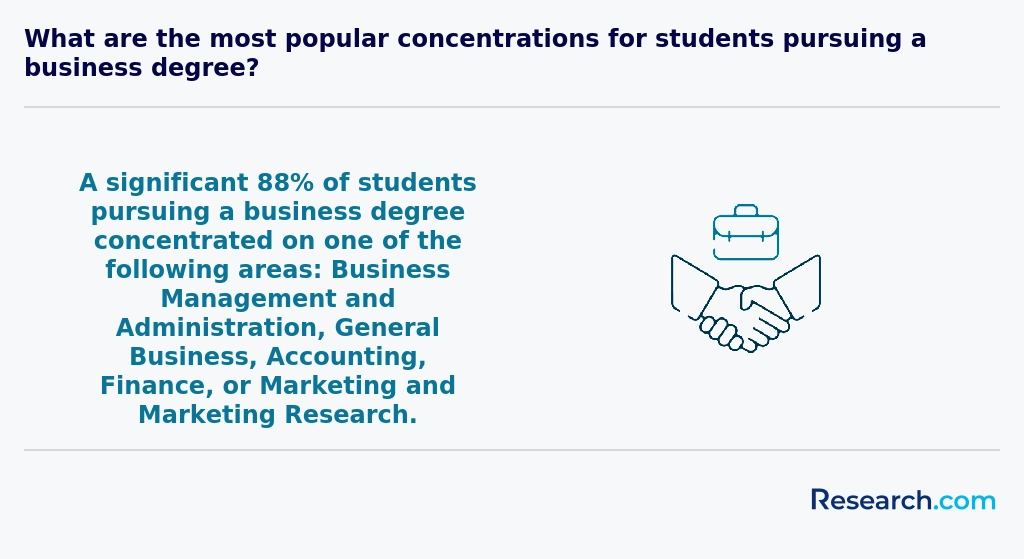
Business degree specializations in Richmond reflect the city's dynamic economy and student ambitions. Graduates from popular universities and colleges often highlight finance, marketing, and management as top choices, each offering hands-on experiences that connect theory with Richmond's growing industries. For instance, finance students engage closely with the local banking sector, preparing for roles in investment analysis or corporate finance amidst the city's financial expansion.
Richmond business degree program options also extend to cutting-edge areas like entrepreneurship and business analytics, fueled by Richmond's supportive startup ecosystem. Graduates frequently share stories about collaborating with local incubators, turning ideas into real businesses. Marketing specializations, emphasizing digital strategies, are particularly appealing as Richmond's tech and media companies continue to thrive.
Many students pursuing a Business Administration Degree find value in exploring a mix of accounting, supply chain management, and international business tailored to meet evolving market needs. These opportunities help students envision a future where adaptable skills are key to success in Richmond's vibrant and diverse business scene.
Choosing the best business degree in Richmond means looking beyond just prestige to consider how a program fits your lifestyle and career visions. Graduates from the University of Richmond often share how AACSB-accredited programs gave them confidence through rigorous standards and valuable networking. In the evolving Richmond economy, programs focusing on finance or entrepreneurship prepare students for dynamic roles within local sectors like healthcare and manufacturing, offering pathways to internships with companies such as Capital One. Many find that affordable business schools in Richmond balance quality and cost, helping manage tuition expenses without sacrificing opportunities.
Flexibility is also key; students juggling work and family appreciate hybrid or online options that allow learning at their own pace without missing out on the rich campus community. Reflecting on past cohorts, career services have proven crucial in shaping career trajectories by connecting students with meaningful local employment. For those evaluating their options, exploring which 6-month course is good for getting a high salary job can also inform choices that complement degree studies.
Graduates with a business degree in Richmond find themselves at the intersection of dynamic industries, from financial services to healthcare administration, building promising career paths that reflect the city's economic growth. Many students from universities in Richmond share stories of landing roles at top financial institutions, thriving as investment advisors or banking professionals amid the city's bustling finance sector. These examples show how Richmond's environment for business degree career opportunities in Richmond actively supports graduates stepping into roles as financial analysts or project managers in consulting firms.
Richmond's evolving marketing and sales landscape offers vibrant prospects, especially as businesses embrace digital transformation. Business students recall internships where they applied both traditional and cutting-edge strategies, enhancing their future job prospects. Others leverage Richmond's startup culture to embark on entrepreneurial ventures, turning academic knowledge into real-world success. For those uncertain about challenging paths, exploring easy phd programs can be an alternative step after graduation.
Moreover, many alumni credit their local business schools for fostering skills directly applicable to thriving industries such as healthcare management, further illustrating the scope of Richmond business degree job prospects in a welcoming and expanding market.
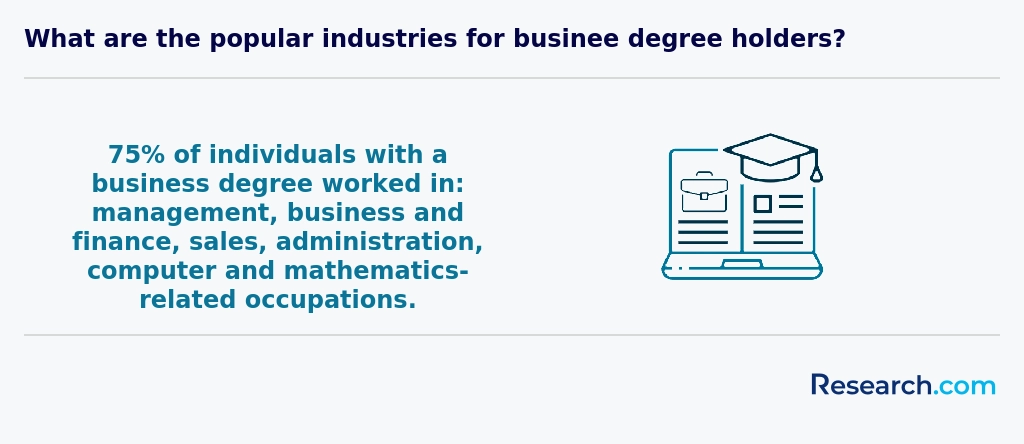
The business degree job market Richmond graduates enter is vibrant and filled with evolving career opportunities. Those finishing their studies at institutions popular in Richmond often find themselves welcomed by a diverse economy, ranging from well-established financial firms to expanding healthcare administration sectors. Graduates recall how internships arranged through local Chamber of Commerce events opened doors to roles in budgeting or marketing within government agencies, highlighting practical pathways for early career growth.
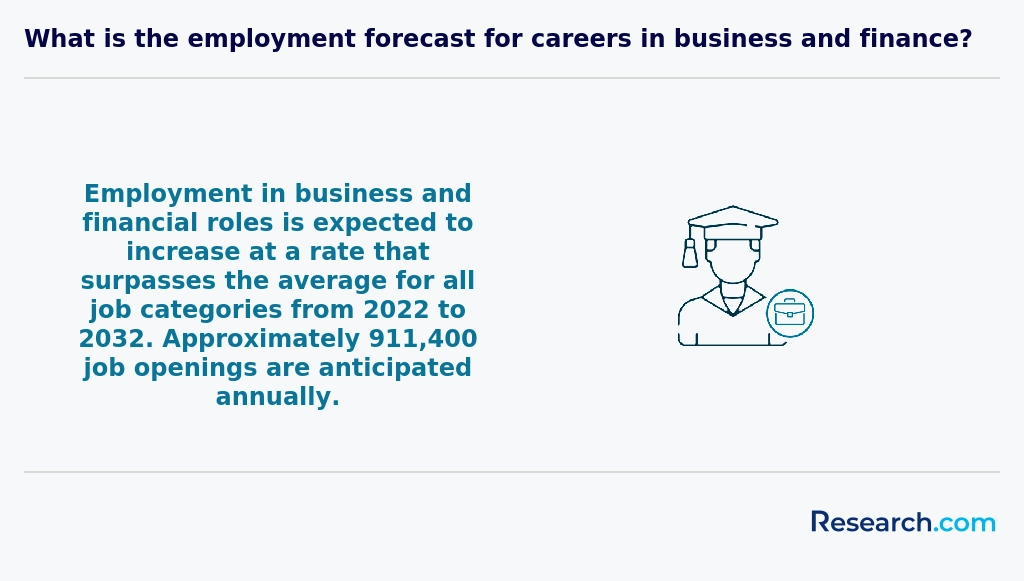
Career opportunities for business graduates Richmond are expected to grow, especially as the city strengthens its position as a key financial center. Business students experience a balanced education cost, with public schools offering moderate tuition and private institutions presenting premium programs, making it feasible to achieve a strong return on investment. Many alumni appreciate how this dynamic supports their initial salary ranges near $50,000 and offers progression into management roles earning significantly more.
Prospective students exploring options may also consider affordable pathways like low cost online master's programs. This flexibility helps business degree holders stay competitive as Richmond's job market continually adapts to new economic trends and demands.
2027 Best Business Degree Programs Ranking in Richmond
Investing in your education is a significant decision that can shape your future, and the Research.com team understands the importance of making informed choices. To assist prospective students in Richmond, we have meticulously crafted the "2027 Best Business Degree Programs Ranking in Richmond." Our commitment to quality, credibility, and accuracy is reflected in the extensive research and analysis conducted to compile this ranking. We utilized the following reputable data sources to ensure a comprehensive evaluation of business degree programs:
By exploring this ranking, readers will gain valuable insights into the best business degree programs available in Richmond, helping them make well-informed decisions about their educational and professional futures. For more details on our methodology, please visit our Research.com methodology page.


Frequently Asked Questions About business
Business degree students in Richmond can maximize their learning by engaging actively in both classroom and community opportunities. Richmond is home to several accredited institutions offering business programs, including Virginia Commonwealth University and University of Richmond, which emphasize experiential learning. Students benefit from internships with local firms, as the city's growing economy-especially in finance and healthcare sectors-provides diverse opportunities. According to the Richmond Federal Reserve, internships improve job placement rates for graduates by nearly 20%. Networking through local business organizations such as the Richmond Chamber of Commerce also enhances professional skills and career prospects.
Students should also take advantage of mentorship programs and business competitions available at these universities. These initiatives foster practical skills, teamwork, and leadership. Additionally, Richmond's proximity to Washington D.C. offers access to broader business events and seminars. Combining academic knowledge with hands-on experience is proven to boost student outcomes in business fields, preparing graduates for the competitive job market in Richmond and beyond.
The business field in Richmond is rapidly evolving, with several emerging niches gaining importance. Among these, data analytics and business intelligence are in high demand as companies increasingly rely on data-driven decisions. According to the Richmond Economic Development Authority, local firms are expanding their analytics departments to improve operations and marketing.
Another rising niche is sustainable business practices. Richmond-based businesses are integrating environmental and social governance (ESG) to meet regulatory demands and consumer preferences. The Virginia Dept. of Environmental Quality highlights growth in green consulting roles linked to this trend.
Additionally, entrepreneurship and innovation management are flourishing, spurred by Richmond's growing startup ecosystem. Organizations like the Center for Innovative Technology support business degree students interested in launching new ventures.
Preparing for the job market after earning a business degree in Richmond involves practical steps focused on skill development and networking. Richmond's economy, with strengths in finance, law, and marketing sectors, demands candidates who combine academic knowledge with real-world experience. Internships through local companies like Dominion Energy or Altria can provide valuable insights and enhance employability.
Graduates should engage with Richmond's professional organizations such as the Virginia Chamber of Commerce to build connections. According to the Bureau of Labor Statistics, business-related roles in Richmond grew by approximately 5% from 2019 to 2023, emphasizing job availability.
Additionally, gaining proficiency in digital tools like Excel, data analytics, and communication platforms is crucial for business roles.
Employers in Richmond value business degree graduates who demonstrate strong analytical and communication skills. According to recent surveys by the Richmond Chamber of Commerce, 78% of local employers prioritize candidates who can interpret financial data and market trends effectively. Critical thinking and problem-solving abilities are also highly sought after, as Richmond's growing industries demand adaptable professionals.
In addition, proficiency in digital tools such as Excel, data visualization software, and CRM platforms is essential. Leadership skills and teamwork remain important, reflecting Richmond's collaborative business environment. These competencies collectively prepare graduates for various roles, from finance to marketing, within the local economy.
Finding internships in Richmond for business students involves leveraging local resources and understanding the city's economic landscape. Richmond hosts over 280,000 jobs, with strong sectors in finance, marketing, and management, creating numerous opportunities for internships (Richmond Economic Development, 2023). Students should start by exploring career services at their universities, which often partner with local companies to place interns.
Networking plays a crucial role: joining Richmond business organizations and attending career fairs can connect students to potential employers. Additionally, platforms like Handshake and LinkedIn list Richmond-specific internships in finance, consulting, and entrepreneurship. Applying early and tailoring resumes to the city's industries improves chances.
In Richmond, earning a business degree significantly enhances career mobility and advancement opportunities. The city's robust economy, driven by finance, law, and marketing sectors, values candidates with formal business education. According to the U.S. Bureau of Labor Statistics, Richmond's professional, scientific, and technical services industries are projected to grow by 8% through 2029, creating demand for skilled business graduates.
A business degree equips students with critical skills in management, communication, and data analysis, which employers in Richmond prioritize. Local salary surveys indicate that business degree holders earn on average 15-20% more than peers without degrees in comparable roles.
Richmond also hosts several business networking organizations and internships designed to connect graduates with leadership roles, supporting career progression. The degree serves as a key credential for promotions and transitioning into executive positions within the region's competitive job market.
Studying for a business degree in Richmond equips students with skills that extend beyond traditional business knowledge. Richmond's universities emphasize interdisciplinary learning by integrating courses from economics, technology, and communication. This approach reflects the city's diverse economy, which includes finance, healthcare, and manufacturing sectors.
For example, programs often include case studies involving real businesses in Richmond, providing practical experience in problem-solving across multiple fields. According to the Bureau of Labor Statistics, Richmond's metropolitan area is projected to grow in job areas requiring cross-functional expertise, such as project management and data analysis.
Students also benefit from partnerships between business schools and local industries, enabling them to develop competencies in leadership, analytics, and strategic decision-making. These combined experiences prepare graduates to adapt to evolving roles that demand flexibility and a broad skill set across business disciplines.
When choosing between a thesis and a non-thesis business degree program in Richmond, consider your career goals and learning preferences. Thesis programs focus on original research, perfect for students seeking academic or research careers. Non-thesis options emphasize practical skills and coursework, suited for those aiming directly for industry roles.
Richmond's business market, which grew by 4.3% in employment from 2020 to 2023 according to the U.S. Bureau of Labor Statistics, favors practical skills like data analysis and management. Thus, non-thesis programs might offer faster entry into local businesses.
Accreditation, faculty expertise, and alumni outcomes from Richmond institutions can also guide your decision.
Students based in Richmond interested in studying business abroad have several options through exchange programs, dual degrees, and study abroad initiatives offered by local universities. Virginia Commonwealth University (VCU), a leading institution in Richmond, partners with over 70 universities worldwide, enabling students to complete part of their business degree overseas.
Some popular destinations for Richmond students include European and Asian business hubs, where students gain exposure to international markets and cultural business practices. The U.S. Department of Education reports that about 10% of undergraduate business students nationwide participate in study abroad programs, reflecting growing interest in global business education.
Richmond's local business schools also provide support services to help students navigate visa requirements, scholarships, and academic credit transfer, ensuring a smooth transition for those pursuing an international business education experience.
Richmond offers various part-time job opportunities that can significantly complement a business degree education. Roles in retail management, customer service, and administrative assistance provide practical experience in communication, sales, and organizational skills. The city's growing financial and professional services sectors also offer internships or part-time positions in accounting, marketing, and data analysis.
Richmond's unemployment rate stands around 3.6% as of 2024, highlighting a steady job market where students can find relevant work. Local businesses often seek students for flexible roles that enhance skills taught in classrooms, such as project management and strategic planning. According to the Richmond Chamber of Commerce, internships in business consulting firms are increasingly popular for hands-on learning.
Business students in Richmond benefit from diverse networking opportunities that connect them with local professionals and industries. The Richmond metropolitan area hosts a growing business community with over 20,000 businesses, including major firms in finance, law, and manufacturing, providing numerous internship and mentorship programs.
The University of Richmond's Robins School of Business, Virginia Commonwealth University, and other local institutions organize regular networking events, career fairs, and speaker series featuring executives from companies like Dominion Energy and Altria.
Additionally, Richmond's robust Chamber of Commerce and industry-specific groups such as the Richmond Technology Council offer valuable platforms for business students to build contacts and attend workshops.
According to the Richmond Business Journal, participation in these events significantly improves students' employment prospects post-graduation, highlighting the city's strong business ecosystem.
Alumni networks play a crucial role in supporting business degree students in Richmond by offering access to a wide range of professional connections. These networks facilitate mentorship opportunities, helping students receive guidance from experienced graduates working in local industries such as finance, marketing, and entrepreneurship. According to the Richmond Business Journal, over 65% of local businesses prefer hiring candidates recommended through alumni connections.
Participation in alumni events also enables students to build relationships that may lead to internships and job offers. Furthermore, many Richmond business schools provide exclusive career resources and networking platforms for their alumni, strengthening students' chances for career advancement within the region's competitive market.
Customizing a business degree program in Richmond involves selecting majors, minors, and electives that align with your career goals. Many local universities offer concentrations such as entrepreneurship, finance, marketing, and supply chain management. For example, Virginia Commonwealth University provides flexible curricula allowing students to tailor their studies to Richmond's growing industries.
Internships and cooperative education are valuable options, granting practical experience with Richmond-based companies, which range from finance to healthcare. According to the Richmond Economic Development Authority, sectors like finance and tech are expanding, shaping relevant coursework choices.
Additionally, students can pursue certifications or dual degrees to enhance specialization and marketability within Richmond's competitive job market.
Business students in Richmond commonly face several challenges that can impact their academic success and career readiness. One significant hurdle is balancing rigorous coursework with internship opportunities, as Richmond's competitive job market demands practical experience alongside theory. According to the Greater Richmond Partnership, industries such as finance, marketing, and logistics are growing, increasing pressure on students to gain relevant skills quickly.
Another challenge relates to navigating diverse program options and accreditation standards. With multiple institutions offering business degrees, students often struggle to identify programs that align with industry expectations and employers' preferences.
Additionally, managing student debt is a notable concern. The average debt for Virginia business graduates exceeds national averages, making financial planning crucial for those pursuing advanced studies or entrepreneurship.
With a business degree, graduates in Richmond can pursue various professional certifications that enhance career prospects. Popular certifications include the Certified Public Accountant (CPA) for those interested in accounting and finance careers. Richmond's strong financial services sector supports CPA holders with ample job opportunities.
The Project Management Professional (PMP) certification is valuable for graduates aiming to advance in project management roles across Richmond's growing industries. It demonstrates expertise in managing complex projects.
Another option is the Certified Management Accountant (CMA), which focuses on financial management and strategic decision-making.
For marketing professionals, the Professional Certified Marketer (PCM) offers recognition in various marketing specialties.
These certifications often require passing exams and relevant work experience, and they can significantly increase earning potential and professional credibility in Richmond's competitive business environment.
Writing a winning application for a business program in Richmond begins with clear, focused goals. Admissions committees value applicants who articulate why Richmond's business environment suits their ambitions. Highlight understanding of local industries such as finance, biosciences, and digital innovation, which are growing sectors in the Richmond metro area, according to the Richmond Economic Development Authority.
Strong applications include well-prepared resumes showcasing relevant leadership or work experience. Many successful applicants incorporate internships or volunteer roles linked to business or entrepreneurship. Academic records should emphasize quantitative skills, as these are critical in business studies.
Personal statements must be concise and reflective, explaining how the program aligns with the applicant's career vision. Finally, secure professional recommendations that confirm the applicant's teamwork and problem-solving abilities, important traits in Richmond's competitive business market.
Globally, a business career opens opportunities to work across diverse industries and cultures, reflecting the interconnected nature of today's economy. Employers value skills in management, finance, marketing, and international trade.
In Richmond, business degree graduates benefit from the city's role as a financial hub, home to headquarters of several Fortune 500 companies. According to the Richmond Federal Reserve, the metropolitan area's business sector grew by 3.5% in 2023, highlighting expanding local opportunities.
The U.S. higher education system emphasizes combining theory with practical experience, often encouraging internships and global exposure. Richmond universities frequently incorporate international business courses to prepare students for global markets.
Understanding global supply chains, cross-cultural communication, and international regulations is increasingly essential. As multinational corporations expand, Richmond graduates with global business knowledge may find competitive advantages in the job market.
Gaining practical experience while studying for a business degree in Richmond is vital for career readiness. Many local universities offer cooperative education (co-op) programs or internships at prominent companies in the Richmond metropolitan area. These opportunities allow students to apply classroom knowledge in real-world settings.
Richmond's diverse economy, which includes finance, marketing, and healthcare sectors, provides various part-time roles and internships. According to Greater Richmond Partnership, over 40% of internships in the region are business-related, enabling students to build professional networks early.
Additionally, some programs include consulting projects with local businesses, providing hands-on problem-solving experience. Career centers at Richmond institutions often assist students with placements and resume-building tools.
Choosing the right concentration within a business degree program in Richmond involves aligning your interests with local industry demands. Richmond's economy features strong sectors such as finance, healthcare, and manufacturing, suggesting concentrations like finance, healthcare management, or supply chain management could offer robust job prospects. According to the Richmond Regional Planning District Commission, finance and insurance employ nearly 15% of the local workforce, highlighting opportunities in these fields.
Students should also consider program curriculum, internship availability, and faculty expertise when selecting a concentration. Business schools in Richmond often partner with local firms, providing practical experience crucial for career advancement. Researching these aspects helps ensure the chosen concentration matches both career goals and market needs.
- 2027 Best Business Degree Programs Ranking in Virginia Beach
- 2027 Best Business Degree Programs Ranking in Lynchburg
- 2027 Best Business Degree Programs Ranking in Arlington
- 2027 Best Business Degree Programs Ranking in Washington
- 2027 Best Business Degree Programs Ranking in Baltimore
- 2027 Best Business Degree Programs Ranking in New Haven
- 2027 Best Business Degree Programs Ranking in Springfield
- 2027 Best Business Degree Programs Ranking in Savannah
- 2027 Best Business Degree Programs Ranking in Louisville
- 2027 Best Online Business Degree Programs Ranking in Norfolk, VA
See What Experts Have To Say About Studying Business
Read our interview with Business experts

David Souder
Business Expert
Senior Associate Dean for Faculty and Research
Michigan State University

David W. Stewart
Business Expert
Emeritus President's Professor of Marketing
Loyola Marymount University


- A 2016 Global Perspective on Business and Career Planning https://careerproinc.com/blogging/a-2016-global-perspective-on-business-and-career
- A guide to finding an internship https://www.ipag.edu/en/blog/guide-finding-internship
- Global careers, real impact: building your career with an international business degree | University of East London https://www.uel.ac.uk/blog/global-careers-real-impact-building-your-career-international-business-degree
- Business Administration: General Business (A25120GB) https://richmondcc.edu/academics/degrees/business-administration-a25120
- 8 Best Places to Study Abroad for Business [+ How to Choose] https://www.semesteratsea.org/study-abroad-for-business/
- Careers Evolve but Majors Matter: Career Pathways and College Majors in Virginia | Richmond Fed https://www.richmondfed.org/region_communities/regional_data_analysis/regional_matters/2024/rm_11_14_24_college_majors_virginia
- The Biggest Challenges for Business School Students | EU Business School https://www.euruni.edu/blog/the-biggest-challenges-for-business-school-students/
- Top 10 Emerging Business Niches of 2026 & How to Plan for Them https://prometai.app/blog/emerging-niches-business-planning
- 2024 Best Business Schools | How Alumni Rate Their Undergraduate Business Degrees https://poetsandquantsforundergrads.com/news/best-business-schools-alumni-rate-undergraduate-business-degrees/5/
- Enterprise project challenge https://barclayslifeskills.com/help-others/lessons/enterprise-project-challenge/