2027 Best Business Degree Programs Ranking in Baltimore

Co-Founder and Chief Data Scientist
Choosing the right business degree program is an important step for your future career. This article introduces the 2027 Best Business Degree Programs Ranking in Baltimore, developed by the Research.com team of data scientists. It's designed to help you make an informed decision based on reliable data.
Getting a business degree can open doors to exciting career opportunities and personal growth. Exploring programs thoughtfully ensures you find one that fits your goals and lifestyle. Reading this ranking will guide you toward options worth considering in Baltimore.
Key benefits of getting business degree in Baltimore
- Business degree graduates in Baltimore can expect competitive salaries, such as a Business Analyst earning around $112,950 annually and Business Development Executives making about $83,190 yearly, reflecting strong earning potential.
- Graduates from local universities often find diverse career paths in management, analytics, and development roles, providing exciting opportunities to grow in industries like finance, technology, and marketing.
- Completing a business degree online in Baltimore offers flexibility and access to quality programs, allowing students to balance work and study while gaining skills that employers highly value.
- 2027 Best Business Degree Programs Ranking in Baltimore
- What can I expect from business degree in Baltimore?
- Where can I work with business degree in Baltimore?
What can I expect from business degree in Baltimore?
Students pursuing a business degree in Baltimore often find that the cost is more manageable than in many other major East Coast cities. While tuition varies by institution, graduates from well-regarded schools like Johns Hopkins University's Carey Business School generally experience costs balanced by extensive scholarship opportunities and financial aid. Many recall how these resources eased their financial burden, allowing them to focus on building real-world skills.
Living expenses in Baltimore also contribute to an overall moderate cost of education. The city's affordable housing and transportation options make daily life easier on a student budget compared to places like New York or Washington D.C. Graduates frequently describe this affordability as a significant relief during their studies, making education feel like a worthwhile investment.
Moreover, access to internships and networking within Baltimore's thriving sectors-healthcare, finance, and technology-often helps students supplement their income and gain valuable experience. This practical engagement not only offsets expenses but enriches the educational journey practical for future career success.
Where can I work with business degree in Baltimore?
Graduates from business programs in Baltimore often find themselves immersed in a dynamic job market that values diverse skills and practical experience. Many who studied at institutions like the University of Baltimore or Towson University share stories of landing roles in healthcare administration at major local employers such as Johns Hopkins Medicine, where managing finance and operations feels both challenging and rewarding.
Others describe how the city's financial sector, spearheaded by firms like M&T Bank, creates a vibrant environment to grow careers in investment analysis and risk management. The steady growth in finance jobs means opportunities are steadily expanding, a fact that brings confidence to recent graduates.
Additionally, the ever-bustling Port of Baltimore opens doors in logistics and international business, offering hands-on experiences that graduates often praise for sharpening their real-world problem-solving skills. Some graduates excitedly report how Baltimore's growing tech scene, especially startups, provides a nurturing ground for entrepreneurial instincts and project management talents learned during their studies.
Working in Baltimore after earning a business degree is often seen as both a promising and fulfilling endeavor by those who know the local economic landscape firsthand.
Graduates with a business degree in Baltimore often find rewarding salary opportunities that reflect the city's diverse economy. For instance, many recent graduates from universities like the University of Baltimore have started careers as Business Development Executives, earning about $83,190 annually. This figure is encouraging for those entering mid-level roles early in their careers.
Individuals who advance to positions such as Business Analysts can expect even higher pay, with a mean annual wage around $112,950 in the Baltimore area. This salary level often comes after gaining several years of experience and reflects the strong demand for analytical skills in local industries like finance and healthcare.
Graduates often share their excitement about landing roles with competitive salaries that outpace many other cities with a similar cost of living. The real benefit lies not only in these numbers but in Baltimore's balance of solid compensation and affordable living, making it a motivating environment for business students to grow professionally without sacrificing quality of life.
- Baltimore offers business degree programs at both public and private institutions with tuition ranging from $10,000 to $50,000 per year excluding housing and living expenses.
- The local job market employs business graduates mainly in finance, healthcare management, logistics, technology, government, and consulting sectors.
- Starting salaries for entry-level business graduates average around $50,000, with mid-career salaries rising to $85,000-$100,000 based on experience and education.
- Many Baltimore schools have AACSB accreditation, which is a recognized quality standard in business education.
- Internships and networking opportunities with local businesses and large corporations are widely available, enhancing job prospects after graduation.
- Flexible learning options like evening, part-time, and online courses are commonly offered to accommodate working students.
In Baltimore, completing a business degree usually takes about four years for full-time undergraduates attending institutions like the University of Baltimore or Towson University. Many graduates recall the steady rhythm of their studies, balancing coursework and campus life with increasing confidence as each semester unfolded. This timeframe aligns well with a traditional college experience, allowing students to immerse themselves fully in their programs.
For those who juggle work or family commitments, part-time enrollment is common but can extend the path to graduation to six or even eight years. Graduates often reflect on the flexibility this option offered, appreciating how it let them advance professionally while pursuing their degree, even if it required a longer journey.
Some students embrace accelerated tracks, finishing their bachelor's in as little as three years by taking heavier course loads or summer classes-an intense but rewarding challenge that many Baltimore business graduates speak of with pride.
At the graduate level, MBA programs typically last one to two years full-time, but part-time and hybrid formats often stretch to three years, a popular choice among working professionals looking to grow without pausing their careers.
When weighing the true value of a business degree, understanding the return on investment (ROI) is crucial. On average, tuition for a bachelor’s program in Baltimore ranges from $12,600 to $13,100, while the mean starting salary for graduates hovers around $60,000. Given these figures, most students can recoup their investment within three to five years, especially when leveraging internships and employer-sponsored tuition assistance. Beyond tuition, consider lifetime earnings: business graduates in Baltimore often see a 20–30% salary premium over peers in other fields. For those pursuing advanced study, an online MBA can accelerate ROI; our guide to the aacsb online mba cheapest highlights programs that balance cost with AACSB accreditation, ensuring both quality and affordability. Financial aid and scholarship opportunities further enhance ROI. By combining federal grants, state aid, and university scholarships, many students reduce net costs by up to 40%. When evaluating programs, calculate expected post‐graduation earnings against total debt to determine your personalized breakeven point. Finally, factor in intangible benefits-expanded networks, leadership skills, and access to specialized career services-that often translate into faster promotions and higher long‐term earnings. A strategic approach to selecting your program, aligned with clear ROI projections, will ensure your business degree is not just an expense, but a sound investment in your future.
Students pursuing business degrees in Baltimore often find the choice between online and on-campus formats hinges on how they want to engage with their education and community. Those attending campuses like the University of Maryland, Baltimore County, cherish face-to-face interactions that spark instant collaboration and build lasting professional networks. One graduate recalls the energizing classroom debates and the ease of dropping by the career center, which made the learning experience tangible and immersive.
Conversely, online students value the freedom to learn around their busy schedules, especially working adults balancing family or jobs. Graduates from UMBC's online MBA highlight the convenience of accessing lectures anytime, which reduced stress and allowed deeper focus on applying concepts in real time. Still, they mention how mastering virtual tools demanded self-drive and discipline.
Financially, Baltimore's online programs often come with slightly lower tuition and no out-of-state fees, making them appealing without sacrificing quality. However, those on campus enjoy immediate resource access and spontaneous peer exchanges, enriching their growth beyond textbooks.
One of the most important considerations when choosing a business degree program is its return on investment (ROI). In Baltimore, MD, the average cost of a bachelor’s program ranges from $12,600 to $13,100, while graduates can expect median starting salaries between $60,000 and $70,000, with experienced professionals earning upwards of $100,000. Here’s how to assess and maximize your ROI: 1. Calculate Your Payback Period - Divide total tuition and fees by your expected annual salary increase. For example, a $52,300 jump from an entry-level job to a Business Analyst role means a payback period of under one year on tuition alone. - Factor in additional costs like books, living expenses, and potential interest on student loans. 2. Leverage Scholarships and Grants - Apply early for federal grants (Pell, FSEOG) and university scholarships to reduce upfront costs. - Explore state programs and employer tuition assistance to minimize loan balances. 3. Choose Flexible Delivery Formats - Consider part-time or hybrid schedules to continue earning income while studying. - Investigate online options; for example, the Affordable Online Business Degree Programs Ranking in North Carolina highlights programs that balance quality with lower tuition rates. 4. Maximize Internship and Networking Opportunities - Internships often lead to full-time offers and can offset tuition through stipends. - Attend career fairs and join alumni associations at institutions like Johns Hopkins and the University of Baltimore to build connections that accelerate career advancement. 5. Evaluate Long-Term Earnings Growth - Roles such as Financial Manager and Marketing Manager can yield median salaries of $131,710 and $135,900 respectively. - Aim for sectors with projected job growth (e.g., healthcare management at 32% growth by 2030) to ensure sustained salary increases. By carefully analyzing costs, leveraging financial aid, and strategically engaging with internships and networking opportunities, prospective students can achieve a strong ROI and transform a Baltimore business degree into a lucrative and fulfilling career.
Understanding the average cost of business degree in Baltimore is essential for students planning their educational path. Graduates from local institutions like the University of Maryland, Baltimore County often recall balancing tuition of around $43,360 for in-state students with other living expenses. This figure captures a median total cost including tuition, fees, and basic necessities. However, those attending private schools, such as Johns Hopkins University, see significantly higher expenses, closer to $57,360, which can be a challenge but also reflects the value placed on the prestige and networking opportunities these programs provide.
Many students have shared that while the initial cost might feel overwhelming, the investment often aligns well with their career aspirations and long-term earnings. The combination of tuition, mandatory fees, and moderate living costs in Baltimore creates a financial environment that is manageable with careful planning and scholarship support. Exploring the cheapest business programs in maryland can reveal alternatives that help soften the financial burden without sacrificing quality.
Those pursuing a business degree in Baltimore often find that budgeting realistically for these costs fosters a sense of confidence and adaptability. Graduates frequently cite the community atmosphere and reasonable expenses as factors that enhanced their academic journey and made the overall investment worthwhile, proving that thoughtful planning and resilience can turn daunting costs into exciting opportunities.
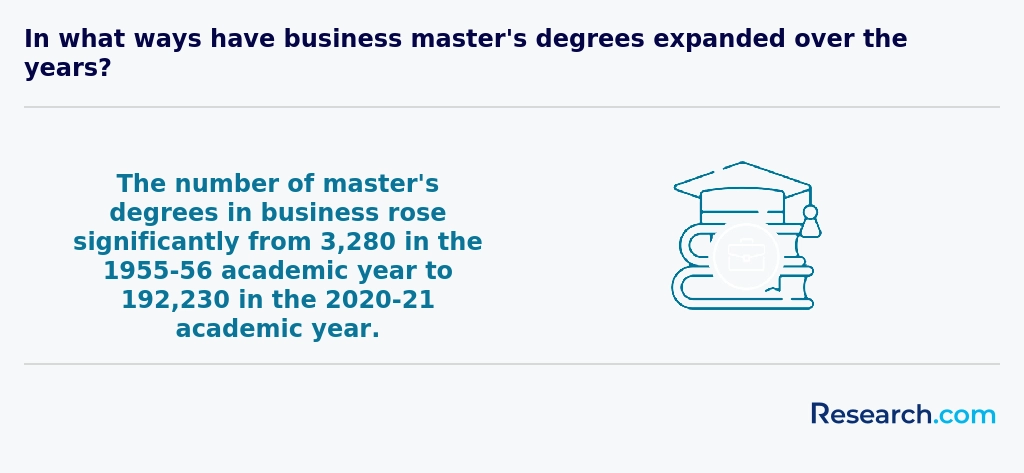
Students pursuing a business degree in Baltimore often find relief through multiple financial aid avenues tailored to their needs. Graduates from institutions like the University of Baltimore recall relying heavily on federal aid such as Pell Grants and Direct Subsidized Loans, which cushion the cost burden by either providing grants up to $7,395 annually or offering low-interest loans that don't accumulate interest until after graduation. This makes managing day-to-day expenses much less daunting.
Maryland's state programs also play a crucial role. Many business students at Loyola University Maryland have benefited from scholarships like the Maryland Part-Time Grant or Delegate Scholarship, which recognize local commitment and academic effort. These awards, combined with university-specific merit scholarships ranging from $2,500 to over $10,000, often transform financial worries into manageable challenges.
Beyond scholarships, employer tuition reimbursement is a real lifeline for those balancing work and study in Baltimore's vibrant business sectors. Numerous students working in finance or healthcare share how such programs have made advanced education attainable without sacrificing their current careers. Filing FAFSA early is widely advised by financial aid offices here, helping students unlock these opportunities timely and with confidence.
When considering business degree programs in Baltimore, MD, one of the key factors that can greatly influence a student's decision is the affordability and overall cost of the program. Prospective students often find themselves weighing the benefits of different institutions against the financial investment required. For those looking to minimize expenses without compromising on the quality of education, exploring options like the cheapest business programs in maryland can be a prudent step. This not only helps in managing tuition fees but also in understanding the broader financial implications of pursuing a business degree, including living expenses, additional fees, and potential financial aid. By carefully evaluating these aspects, students can make informed decisions that align with their financial capabilities and career aspirations, ultimately ensuring that their investment in a business degree yields substantial returns in the long run.
To enroll in a business degree program in Baltimore, you generally must have a high school diploma or equivalent for undergraduate studies, and a bachelor's degree for graduate programs. Graduates from universities like the University of Maryland, Baltimore County often recall that meeting these basic academic standards was their first step toward success.
Test scores such as the SAT or ACT are becoming less critical, as many Baltimore institutions have embraced test-optional policies. This shift has made access easier for students who may not perform well in standardized testing but excel in other areas. It's common to hear from graduates that submitting strong letters of recommendation and compelling personal statements was pivotal in showcasing their passion for business.
Work experience, particularly for MBA hopefuls, often strengthens applications. Baltimore's thriving industries in finance and healthcare mean local programs appreciate real-world insights. For instance, graduates shared how internships related to Baltimore's tech sector deepened their learning and career focus.
Lastly, international students must provide proof of English proficiency and meet visa requirements, supported by resources at colleges to ease this journey. This comprehensive approach helps ensure every Baltimore business student starts on solid ground.

As the business world rapidly evolves, staying ahead of emerging trends is crucial for both current students and graduates. Increasing integration of technology, global market shifts, and the rise of data analytics are reshaping the business landscape in Baltimore, MD and beyond. Prospective students should be aware that modern business programs are now placing a stronger emphasis on digital transformation, cybersecurity, and sustainable business practices. These curriculum updates not only prepare graduates for today’s complex business challenges but also position them competitively for roles that require innovative problem-solving skills. Moreover, many institutions are enhancing their internship and mentorship programs by partnering with local tech startups and multinational corporations. This trend provides a practical edge, as students gain exposure to industry best practices and real-world applications of their studies. In today’s competitive job market, earning a degree that paves the way for a highest paying business degree is becoming increasingly important. Understanding these industry trends can help prospective students make informed decisions when choosing a business degree program in Baltimore, MD. By aligning educational goals with future market demands, students not only secure robust academic foundations but also carve out clear pathways to leadership roles in the evolving business arena.
Students pursuing a business degree in Baltimore typically find themselves immersed in core courses like accounting, finance, marketing, management, and economics, which form the backbone of understanding how businesses operate locally and globally. Graduates from well-known Baltimore universities often recall how accounting classes helped them grasp financial statements, a skill invaluable when working with real businesses in the city's bustling markets.
Many programs also incorporate business law and ethics, essential for anyone navigating Baltimore's dynamic legal landscape. For instance, graduates describe applying these lessons during internships with local companies, fostering a strong sense of responsibility and integrity.
Given Baltimore's prominence in transportation and logistics, courses in supply chain management and operations are common, allowing students to connect coursework directly to the thriving port activities. This hands-on approach leaves many feeling confident entering the job market.
Emerging fields like data analytics and information systems are increasingly emphasized, reflecting employer demand for strategic decision-making skills. Entrepreneurship courses, inspired by Baltimore's growing startup scene, encourage innovation and resilience - qualities graduates cherish as they embark on business careers.
Baltimore's business degree programs offer a rich variety of specializations that reflect the city's unique economic landscape. Graduates from institutions like the University of Baltimore or Loyola University often share how focusing on finance or healthcare management connected them directly to Baltimore's thriving industries. For example, choosing the finance track opens doors to internships at local banks and investment firms, a path many find rewarding and practical given the city's growing financial services sector.
For those drawn to dynamic and creative problem-solving, marketing or entrepreneurship specializations provide essential skills for innovation and brand development, blending classroom theory with real-world applications. Baltimore's vibrant healthcare sector, with renowned institutions such as Johns Hopkins University nearby, makes healthcare management an especially appealing choice, equipping students to navigate complex policy and administrative roles.
Students interested in logistical challenges appreciate supply chain and logistics programs, which leverage Baltimore's strategic port position. Many report that this hands-on focus helped them secure meaningful roles immediately after graduation. Exploring the best Baltimore business degree programs ensures alignment with one's career goals, particularly when considering opportunities like the highest paying business degree specializations.
Choosing the best business degree in Baltimore means reflecting on what will truly support your ambitions. Graduates from the University of Baltimore often share how the program's close connection to the local economy enriched their practical experience and opened doors in healthcare and finance sectors. Similarly, Towson University alumni highlight the value of its accredited business programs and comprehensive curriculum designed to match industry demands.
Cost is always a consideration, and many students find balancing tuition with lifestyle needs challenging. Understanding that public universities in Maryland offer tuition around $10,000 for in-state students-while private colleges may exceed $30,000-helps set realistic expectations. Exploring financial aid or flexible part-time options can alleviate this, especially when paired with accredited programs like those recognized by AACSB. For affordable business schools in Baltimore, looking into an aacsb online mba cheapest option is worth considering because it combines quality with cost-effectiveness.
Faculty expertise and a program's industry partnerships are often the deciding factors, bringing real-world connections into the classroom. Graduates who engaged with Baltimore's startup scene or secured internships through school networks report feeling confident stepping into careers. Choosing a program with strong job placement rates and alumni success stories ensures that the degree truly translates into future opportunity.
Graduates with a business degree in Baltimore find a spectrum of career opportunities shaped by the city's unique economic fabric. Many secure roles in finance and banking at institutions known throughout the region, leveraging skills gained from local universities like the University of Maryland, Baltimore County. This experience prepares them well for the competitive financial market, reflecting the growing demand for business degree career opportunities Baltimore offers.
Healthcare administration is another thriving path, with graduates drawn to Baltimore's renowned medical centers. Their business education equips them for roles that demand strategic management alongside healthcare knowledge, perfectly blending their expertise with the region's medical strengths.
Jobs for business graduates in Baltimore aren't confined to these fields alone. Technology startups and established firms provide fertile ground for innovation and entrepreneurship, particularly with support from local innovation hubs. Many alumni speak fondly of their internships and projects around Baltimore's business scene, which helped translate theory into practical success.
Such varied paths encourage thoughtful consideration of the return on investment, especially against tuition costs. For those interested in more affordable options, it's worth exploring programs highlighted in the Affordable Online Business Degree Programs Ranking in North Carolina, which may complement the local opportunities available.
The job market for business degree holders in Baltimore presents a compelling landscape for graduates eager to start their careers. Many students from well-known institutions like the University of Baltimore and Loyola University Maryland find that the city's diverse economy-spanning finance, healthcare, and logistics-offers numerous opportunities. Recent graduates often share stories of landing roles as financial analysts or marketing managers within months of completing their degrees, a reflection of Baltimore's steady demand for skilled professionals.
Those considering business degree job opportunities in Baltimore benefit from the city's strategic location near Washington D.C., which expands networking possibilities and job prospects. A graduate's experience often involves leveraging internships and connections formed through local organizations such as the Baltimore Business Journal to grow their careers confidently in management consulting or project management.
Many graduates appreciate how employers here value a mix of business acumen and tech-savvy skills, which enhances their competitiveness. For students aiming to maximize their return on investment, exploring fast track career programs can accelerate entry into this vibrant job market and help navigate Baltimore business degree employment outlook with optimism.
2027 Best Business Degree Programs Ranking in Baltimore
Investing in your education is a significant decision that can profoundly influence your career and future. The Research.com team recognizes the importance of making well-informed choices, which is why we have carefully developed the "2027 Best Business Degree Programs Ranking in Baltimore." Our dedication to quality, credibility, and accuracy is demonstrated through thorough research and analysis.
We utilized the following reputable data sources to ensure a comprehensive evaluation of business degree programs:
By consulting this ranking, readers will receive valuable insights into top business programs in Baltimore, aiding them in making informed educational decisions. For further details on how this ranking was created, please visit our Research.com methodology page.


Frequently Asked Questions About business
Business degree students in Baltimore can maximize their learning experience by engaging deeply with local industry opportunities. Baltimore's economy is diverse, with strong sectors in healthcare, finance, and shipping, offering numerous internships and co-op programs. According to the Baltimore Development Corporation, over 800 firms in the city support internships for students annually. Participating in these hands-on experiences helps students apply classroom knowledge in real-world settings.
Networking is also crucial. Baltimore hosts business meetups and events regularly, providing chances to connect with professionals. Students should leverage campus resources and join organizations like the Baltimore Business Networking Association. Moreover, taking advantage of Baltimore's entrepreneurial ecosystem, including incubators like the Emerging Technology Centers, can foster innovation and leadership skills.
The business field is evolving rapidly, and several emerging niches are gaining traction, especially in Baltimore's dynamic economy. Key areas include data analytics, which helps companies make informed decisions by interpreting complex datasets. According to the Baltimore Business Journal, demand for analysts in the region has grown by over 15% in recent years.
Another growing niche is sustainable business practices. Many Baltimore firms are integrating environmental responsibility into their strategies, reflecting nationwide trends. This shift opens opportunities for professionals skilled in corporate social responsibility (CSR) and green supply chain management.
Additionally, e-commerce and digital marketing remain crucial. Baltimore's proximity to tech hubs boosts demand for experts who understand online sales platforms. These specializations align well with the city's expanding tech and healthcare industries, offering diverse career paths for business graduates.
To prepare for the job market after completing a business degree in Baltimore, students should focus on gaining practical experience alongside their studies. Internships with local companies like Under Armour or T. Rowe Price provide valuable exposure to Baltimore's diverse business environment. According to the Baltimore Business Journal, graduates with internship experience have a 20% higher employment rate within six months after graduation.
Networking is crucial in Baltimore's close-knit business community. Joining professional groups such as the Baltimore Chamber of Commerce or attending local business events can open doors to job opportunities.
Additionally, sharpening skills in data analysis and digital marketing aligns well with current market demands as reported by the Maryland Department of Labor.
Employers in Baltimore value a range of skills in business degree graduates, reflecting the city's diverse economy. According to the Baltimore Business Journal, key abilities include strong communication skills, critical thinking, and teamwork. These help graduates navigate the city's competitive markets, especially in sectors like finance and healthcare.
Data from the U.S. Bureau of Labor Statistics highlights the importance of analytical skills. Employers often seek candidates proficient in data interpretation and problem-solving to support decision-making processes.
Additionally, digital literacy, particularly with Excel and industry-specific software, is essential. The Maryland Department of Labor stresses adaptability and leadership as consistently sought-after traits in the Baltimore job market.
Finding internships in Baltimore relevant to a business degree involves strategic use of local resources and networks. Baltimore's economy is strong in healthcare, finance, and shipping, offering diverse opportunities for business students. According to the Baltimore Workforce Development Board, industries such as finance and professional services employ more than 20% of the city's workforce, signaling valuable internship prospects.
Students should leverage connections at Baltimore's universities like Johns Hopkins and Towson University, which often have partnerships with local firms. Online platforms such as Handshake and LinkedIn also list internships specific to Baltimore's business market. Many internships are found through career fairs and local chambers of commerce events.
Government programs, including Baltimore's YouthWorks, support unpaid and paid internships in business sectors, providing practical experience and professional growth. Networking with alumni through university career centers is another effective method to secure internships aligned with business degrees.
In Baltimore, earning a business degree significantly enhances career mobility and advancement opportunities. The city's diverse economy-centered on sectors like finance, healthcare, and shipping-values formal business education for leadership roles. According to the U.S. Bureau of Labor Statistics, professionals with bachelor's degrees in business fields experience 15% higher employment growth compared to those without.
Local employers often prefer candidates with business degrees from accredited institutions, such as the University of Maryland, Baltimore County. Graduates report an average salary increase of 20% within five years, reflecting the degree's impact on upward mobility. Business programs also emphasize networking, which is critical in Baltimore's close-knit business community.
Further, specialized skills gained through coursework in finance, marketing, and management directly align with regional industry demands, enabling graduates to qualify for promotions or switches into more strategic roles.
Studying for a business degree in Baltimore offers students unique preparation for interdisciplinary roles by integrating core business skills with knowledge from fields like technology, healthcare, and urban development. Baltimore's economy includes diverse sectors such as biotechnology and port logistics, which demand professionals who can navigate multiple industries. According to the Greater Baltimore Committee, over 50% of local businesses seek employees with cross-disciplinary expertise.
Local institutions emphasize collaboration between business, IT, and health sciences programs, fostering critical thinking and problem-solving skills applicable in varied environments. This approach equips graduates to adapt to complex workplace challenges and contribute effectively in roles that span departments and industries.
Choosing between a thesis and a non-thesis business degree in Baltimore depends on your career goals and learning preferences. Thesis programs typically emphasize research skills and require completing a substantial academic project. This option suits students aiming for roles in research, consulting, or pursuing doctoral studies.
Non-thesis programs usually focus on practical coursework and internships, which can be valuable for immediate entry into Baltimore's dynamic business sectors like finance and healthcare management. According to the U.S. Bureau of Labor Statistics, Baltimore's business employment grew by 3.2% from 2020 to 2023, highlighting demand for practical skills.
Consider program duration, professional networking opportunities, and your interest in research to make an informed choice.
Students based in Baltimore who wish to study business abroad have several pathways through local universities' international programs. Institutions like Johns Hopkins University and the University of Maryland, Baltimore County (UMBC) offer exchange programs with partner schools across Europe, Asia, and Latin America. These programs typically last one semester to a full academic year, allowing students to earn credits toward their degrees while gaining global business perspectives.
According to the Institute of International Education, approximately 12% of U.S. business students participate in study abroad programs, highlighting a growing trend. Baltimore's universities support this by providing scholarships and advising tailored to international study goals in business fields.
Through these programs, students can explore global markets, enhance language skills, and develop cultural competence critical for modern business careers. Popular destinations include the United Kingdom, Spain, and China, recognized for strong business education and internship opportunities.
Part-time job opportunities in Baltimore can greatly complement business degree education by providing practical experience and industry networking. Popular roles include administrative assistant positions in local firms, which help develop organizational and communication skills crucial for business careers.
Internships or part-time roles in Baltimore's growing sectors such as finance, healthcare, and technology offer exposure to real-world business challenges. According to the Baltimore Workforce Development Report 2023, finance and insurance employ over 20,000 people locally, creating ample opportunities for business students.
Sales associate and customer service roles in Baltimore's retail and service industries can also enhance skills in negotiation and client relations, essential for business graduates entering marketing or management.
Baltimore offers diverse networking opportunities for business students through its strong connection to local industries and professional organizations. The city hosts numerous events organized by groups like the Baltimore Business Journal and the Greater Baltimore Committee. These gatherings provide access to business leaders and entrepreneurs across sectors such as healthcare, finance, and technology.
Many universities in Baltimore, including Towson University and Johns Hopkins Carey Business School, facilitate internship programs and alumni networking events. According to the Greater Baltimore Committee, over 25,000 jobs in the business sector were added between 2018 and 2023, increasing opportunities for student engagement.
Alumni networks provide vital support for business degree students in Baltimore by offering access to experienced professionals and local industry connections. These networks foster mentorship opportunities that help students navigate the competitive job market in Baltimore's growing sectors, such as finance, healthcare, and technology. According to the Greater Baltimore Committee, over 220,000 professionals work in the region's business sectors, creating a rich environment for networking. Students benefit from job referrals and internships through alumni, enhancing their practical skills and employability. Strong alumni relationships also facilitate knowledge sharing and collaborations, helping students build credible professional reputations early in their careers.
Customizing a business degree program in Baltimore allows students to align their education with specific career goals. Many local universities offer flexible curricula where students can choose concentrations such as finance, marketing, entrepreneurship, or supply chain management. Baltimore's strong presence in healthcare, finance, and logistics sectors means tailoring studies toward these industries can open targeted job opportunities.
Internships and partnership programs with Baltimore-based companies provide practical experience, enhancing a student's resume. Some schools also offer evening and online classes to accommodate working professionals seeking career advancement. According to the U.S. Bureau of Labor Statistics, Baltimore's business sector is growing steadily, emphasizing skills like data analysis and strategic management. This growth encourages schools to update programs to match market demands.
Business students in Baltimore often face several key challenges. One frequent issue is balancing rigorous coursework with internships or part-time jobs, as the city's competitive job market demands practical experience alongside academic success. According to the National Association of Colleges and Employers, nearly 60% of business students seek internships in Baltimore to improve employment prospects.
Another challenge is navigating the cost of education. Although Baltimore offers public and private institutions, tuition and living expenses remain high, causing financial strain for some students. Additionally, many students must adapt to rapid changes in business technology and data analytics, essential skills emphasized in the latest curricula.
With a business degree from Baltimore institutions, students can pursue several recognized professional certifications to boost their careers. Common certifications include the Certified Public Accountant (CPA) for accounting professionals, requiring specific credit hours and exams. The Project Management Professional (PMP) credential is valuable for those interested in managing projects across industries.
Additionally, many graduates pursue the Certified Management Accountant (CMA), which focuses on financial management skills. Baltimore's growing business sectors, such as finance and healthcare, often seek candidates with these certifications. According to the Maryland Department of Labor, demand for certified professionals in the Baltimore metro area has risen steadily over the past five years.
Other certifications include the Certified Financial Planner (CFP) for financial advisors and the Six Sigma Green Belt for process improvement roles, both enhancing career opportunities for business graduates.
Writing a winning application for a business program in Baltimore starts with thorough research. Applicants should highlight their understanding of Baltimore's dynamic economy, which includes strong sectors like finance, healthcare, and logistics, as reported by the Baltimore Business Journal (2023).
Demonstrating clear career goals aligned with these industries improves your chances. Admission committees value applicants with relevant experience, such as internships or volunteer work in local companies.
Ensure your personal statement is focused, showing how Baltimore's business environment motivates your ambitions. Strong letters of recommendation and a well-prepared resume emphasizing leadership skills also strengthen the application.
Business careers today require an understanding of global markets and diverse economic systems. Graduates with business degrees in Baltimore benefit from the city's strong ties to international trade through the Port of Baltimore, one of the busiest in the U.S. According to the Maryland Department of Commerce, global commerce accounts for a significant portion of local employment, emphasizing the need for global business knowledge.
Many U.S. business programs incorporate international finance, cross-cultural management, and global marketing. This prepares students to navigate worldwide challenges and opportunities. Employers increasingly seek professionals fluent in global trends, digital transformation, and international regulations.
In Baltimore specifically, businesses often engage with Europe and Asia, reflecting global network integration. Hence, understanding global perspectives enhances career prospects in the city's dynamic business environment.
Gaining practical experience while studying for a business degree in Baltimore is vital for career readiness. Many local universities partner with Baltimore's diverse business community, offering internships in sectors like finance, healthcare, and technology. For example, the Baltimore Development Corporation reports over 3,500 companies provide internship opportunities each year. Students can also join co-op programs, combining coursework with paid work experience, which some schools encourage through structured curricula. Additionally, participating in student-run business organizations and consulting projects linked to Baltimore-based firms provides hands-on learning. Networking events and career fairs hosted locally further connect students with potential employers in the city's growing business environment.
Choosing the right concentration within a business degree program in Baltimore depends on your career goals and the local job market. Baltimore's economy strongly supports sectors such as healthcare, finance, and logistics. According to the Baltimore Chamber of Commerce, finance and insurance are among the city's fastest-growing industries. If you aim to work locally, concentrations in finance, supply chain management, or healthcare administration might offer strong employment opportunities.
Additionally, consider program accreditation, faculty expertise, and internship opportunities available through Baltimore-area companies. Many universities collaborate with local businesses, enhancing practical experience.
Assess your strengths and interests alongside labor market trends to make an informed choice.
- 2027 Best Business Degree Programs Ranking in College Park
- 2027 Best Business Degree Programs Ranking in Washington
- 2027 Best Business Degree Programs Ranking in Arlington
- 2027 Best Business Degree Programs Ranking in Frederick
- 2027 Best Business Degree Programs Ranking in Fairfax
- 2027 Best Business Degree Programs Ranking in New Castle
- 2027 Best Business Degree Programs Ranking in Lancaster
- 2027 Best Business Degree Programs Ranking in Dover
- 2027 Best Business Degree Programs Ranking in Wilmington
- 2027 Best Business Degree Programs Ranking in Reading
See What Experts Have To Say About Studying Business
Read our interview with Business experts

David W. Stewart
Business Expert
Emeritus President's Professor of Marketing
Loyola Marymount University


David Souder
Business Expert
Senior Associate Dean for Faculty and Research
Michigan State University

- How to Write the Perfect Cover Letter – EU Business School https://www.euruni.edu/blog/write-perfect-cover-letter/
- Guide to Business Internships | Higherin https://higherin.com/career-guides/business/business-internships
- Jobs after studying business administration: opportunities at a glance | JobTeaser https://www.jobteaser.com/en/advices/jobs-after-studying-business-administration-opportunities-at-a-glance
- 9 Different Types of Business Degrees and Career Paths https://www.umassglobal.edu/blog-news/9-different-types-business-degrees-and-career-paths
- Business Administration Degree Salary | UE Amsterdam https://www.ue-amsterdam.com/blog/business-administration-degree-salary-how-much-can-you-earn
- 5+1: Five challenges facing business schools and one solution https://charteredabs.org/insights/opinion/51-five-challenges-facing-business-schools-and-one-solution
- business degree - Tłumaczenie na polski – słownik Linguee https://www.linguee.pl/angielski-polski/t%C5%82umaczenie/business+degree.html
- Is a thesis always mandatory in a master's degree program? - EFMU: The Euler-Franeker Memorial University and Institute https://euler.euclid.int/is-a-thesis-always-mandatory-in-masters-degree-program/
- Undergraduate Business Major Prerequisites | OnlineMBA.com https://www.onlinemba.com/resources/undergraduate-business-major-prerequisites/
- Business Study Abroad Programs | Go Overseas https://www.gooverseas.com/study-abroad/business