
2027 Best Business Degree Programs Ranking in Reading

Co-Founder and Chief Data Scientist
Choosing the right business degree program in Reading can feel overwhelming, but this article is here to help. The 2027 Best Business Degree Programs Ranking in Reading was crafted by the Research.com team of data scientists to guide you through the best options available.
By exploring this ranking, you'll gain valuable insights to make an informed decision that fits your goals and aspirations. A business degree opens doors to exciting careers and personal growth, and understanding your choices is the first step toward success.
Key benefits of getting business degree in Reading
- Business degree graduates in Reading can expect strong earning potential; for example, Business Analysts earn a mean annual wage of $112,950, while Business Development Executives earn around $83,190 yearly, offering financial stability and growth.
- A business degree opens diverse career paths such as marketing, finance, and consultancy, inspired by graduates from the University of Reading who thrive in various industries thanks to their broad skill set.
- Online business degrees provide flexibility and accessibility, allowing graduates from institutions like the University of Reading to balance work and study while gaining practical skills for modern careers.
- 2027 Best Business Degree Programs Ranking in Reading
- What can I expect from business degree in Reading?
- Where can I work with business degree in Reading?
What can I expect from business degree in Reading?
Imagine walking the buzzing campus of a Reading-area community college, where a group of business students excitedly compare notes on affordable tuition versus the hefty price tags at private metropolitan schools. The average cost of earning a business degree here hovers comfortably below the national metropolitan average, especially when you factor in community and state institutions near Reading. Graduates often recall how manageable tuition-generally less than $10,000 per year for in-state students-allowed them to focus on absorbing leadership lessons without drowning in debt.
One familiar story involves a graduate who balanced a part-time internship in local manufacturing while attending a satellite campus of a well-known university. The blend of hands-on experience and a reasonably priced program brought both confidence and financial peace of mind. Scholarships and financial aid tailored to business students frequently sweeten the deal, turning what once seemed a lofty investment into a tangible, affordable path.
These cost-effective options empower students to chase ambitions in marketing, supply chain, or entrepreneurship right here in Reading's dynamic economy, where local industry connections flourish alongside classroom insights.
Where can I work with business degree in Reading?
Landing a business degree in Reading unlocks doors from buzzing Amazon warehouses to sleek finance offices downtown. Imagine a graduate from a local college stepping into a logistics role at FedEx, orchestrating supply chains like a conductor leading a symphony, optimizing every package's journey across the city. Another alumnus might dive into healthcare administration at Reading Health System, blending compassion with sharp business acumen to streamline patient services and insurance processes.
In classrooms nearby, students brainstorm startup ideas fueled by the city's supportive small business network, turning coffee-fueled nights into real ventures. Other grads find themselves behind spreadsheets in regional banks or auditing firms, where every number tells a story of economic growth and community prosperity. Navigating Reading's interconnected industries-from manufacturing plants humming by Interstate 78 to marketing agencies crafting campaigns rooted in local flavor-business degree holders feel empowered by both stability and creativity.
Imagine graduating from a business program in Reading, stepping straight into a world where numbers translate into opportunities. Graduates often start with roles like Business Development Executive, earning around $83,190 annually-enough to feel the buzz of financial independence while exploring the city's vibrant economy.
Take a business analyst fresh out of a well-known local college; their annual wage can soar to approximately $112,950. This leap feels like unlocking a door from theory to high-stakes corporate strategy, blending Reading's charm with the allure of substantial earnings.
Business students in Reading not only tap into these competitive salaries but also ride the wave of a supportive job market surrounded by manufacturing and finance industries. They share stories of afternoon coffee meetings near the university, discussing project pitches, dreaming about managing operations with solid numbers backing their future.
The synergy of solid local wages and education from Reading's business schools creates an environment where ambition meets attainable success, offering a path from classroom knowledge to a rewarding paycheck without leaving the region's comfortable lifestyle.
- Tuition and fees for a business degree in Reading range from $10,000 to $25,000 per year, varying by institution type and residency status.
- Reading's job market includes industries like finance, retail, manufacturing, and healthcare, offering roles in management, marketing, sales, finance, and human resources.
- Entry-level business graduates can expect starting salaries between $45,000 and $55,000 annually, with potential to earn $75,000 or more within 5 to 10 years.
- Many programs in Reading offer internships and practical work experience through partnerships with local businesses, enhancing job readiness.
- Specializations such as accounting, finance, marketing, or management are available, with some fields like finance and marketing offering higher earning potential.
Imagine stepping onto the vibrant campus of a Reading university, ready to carve your path in business. For many, the journey to a bachelor's degree feels like a four-year adventure packed with late-night study sessions, team projects, and the thrill of mastering management and marketing. This timeframe is the heartbeat of a full-time program, allowing you to absorb the essentials while growing your network and confidence.
If you're pressed for time, enrolling at Reading Area Community College might feel like the perfect jumpstart. Graduates often share how the two-year associate degree helped them launch careers quickly or smoothly transition into a bachelor's program, all while balancing part-time jobs or family.
Graduate students chasing an MBA in Reading embrace a flexible timeline-one to two years full-time or stretched over three-plus years when juggling work. They often praise accelerated tracks that crush semesters together, powering them forward at lightning speed without sacrificing depth.
Imagine strolling through Albright College's bustling campus, exchanging ideas face-to-face with professors and classmates who become your network in Reading's business scene. That's the heartbeat of on-campus business degrees-structured schedules, instant feedback, and immersive career services fueling your motivation. Graduates often recall the electric buzz of real-time debates and the camaraderie forged in study groups shadowed by the library's quiet strength.
Now, picture a different rhythm: logging in as night falls, attending virtual lectures from your favorite coffee spot or cozy nook at home. Online business degrees in Reading let you bend time around work and family commitments, crafting a study-life harmony impossible on campus. Graduates embrace this flexibility, savoring the self-driven challenge of pacing their learning and joining live sessions that sprinkle interactive zest into their digital classrooms.
- On-campus programs nurture immediate mentorship and tangible connections in local business hubs.
- Online programs champion autonomy and accessibility across Reading's neighborhoods and beyond.
- Cost-wise, online paths often trim expenses tied to commuting and housing, though tuition rates mirror local institutions somewhat.
In today's interconnected economy, a critical aspect of a comprehensive business education is understanding global market dynamics. Many programs in Reading, PA, now include courses and experiences that emphasize international trade, cross-cultural management, and global economic trends. Such components not only broaden students’ academic horizons but also enhance their ability to navigate diverse business environments. Engaging in global case studies, participating in study-abroad programs, and networking with international professionals are some of the ways institutions prepare graduates for the complexities of the global marketplace. For instance, students interested in expanding their career horizons can explore international business major career options, which open up varied roles in multinational corporations and emerging markets. By integrating global perspectives into the curriculum, business schools in Reading empower students to adapt their skills to international standards, ensuring they remain competitive in a fast-evolving global job market.
The average cost of a business degree in Reading typically lands around $57,550, a figure that blends tuition, fees, and essential living expenses. For an in-state student attending a regional hub like Penn State Berks, this number translates to roughly $45,000 over four years-a manageable investment when you consider the value of an education rooted in a community eager to support you. Graduates often talk about balancing textbooks, technology fees, and the comforting hum of campus life, making these costs feel real and relatable.
Thinking about business degree tuition and fees Reading students encounter means visualizing that mix of tradition and opportunity at Penn State Berks. Here, in-state students enjoy the perks of lower tuition while out-of-state students face a broader price tag, nudging their total cost closer to the median at $57,550. Past graduates share stories of navigating these costs while securing scholarships and financial aid, making the dream of a degree accessible and exciting rather than overwhelming.
Consider the experience of students who chose the path to a business degree in Reading, discovering that their investment paid off in skills, connections, and career prospects. Costs extend beyond tuition-books, supplies, and living expenses shape the journey, but scholarships and aid often ease the burden. For the pragmatist and dreamer alike, exploring the most affordable business schools in Pennsylvania is a strategic move to keep costs aligned with aspirations.

Imagine walking the bustling halls of a business school in Reading, feeling the buzz of ambition mixed with the relief of knowing your financial aid has your back. Many graduates recall how federal Pell Grants soothed their worries-free money up to $7,395 a year, no strings attached, easing the burden while they pursued their MBA dreams. At local colleges, Direct Subsidized Loans acted like safety nets, pausing interest while they hit the books hard, allowing focus on case studies rather than monthly bills.
One graduate vividly remembers snagging a scholarship from the Berks County Community Foundation, a golden ticket opening doors without sinking into debt. Others tapped into Perkins Loans, rare but powerful tools that filled gaps when funds ran thin. Meanwhile, countless students embraced work-study gigs, their on-campus roles blending paycheck with potent networking in Reading's vibrant business scene. The secret? Early FAFSA filing unlocking Pennsylvania's state grant gems, transforming tuition stress into excitement about the next entrepreneurial challenge.
To maximize the affordability of a business degree in Reading, PA, it's essential to explore the various financial aid and scholarship options available. Prospective students can start by researching institutions that offer affordable tuition rates, such as those listed in our rankings of the most affordable business schools in Pennsylvania. Additionally, many organizations and companies provide scholarships specifically for business students, which can help reduce the financial burden of pursuing a degree. By taking advantage of these opportunities, students can focus on their studies and career goals without accumulating excessive debt.
In Reading, enrolling in a business degree isn't just about submitting forms-it's a gateway requiring you to have nailed the basics first. Graduates recall their journey starting with the mandatory high school diploma or GED, a non-negotiable ticket into the classrooms of local institutions known for business excellence. Imagine sitting in a lecture hall at a Reading-area college, where many peers entered armed with solid SAT or ACT scores, though increasingly, flexible policies mean these test hurdles sometimes fade into the background.
Picture the nerve and pride of submitting essays and recommendation letters, weaving your story to impress admissions teams who value not just numbers but passion and potential. Those who flourished in business programs here often leaned on strong math and English skills, echoing real-world demands: calculating profits and crafting compelling proposals. These prerequisites paint a vivid map for ambitious students ready to dive into Reading's business scene, making each step not a chore but a confident stride toward opportunity.
Imagine starting your business degree in Reading by diving into courses like Introduction to Business, where you unravel the inner workings of companies, just as a recent graduate from a local college did while launching a student-run startup. You quickly grasp Financial and Managerial Accounting, turning numbers into stories that guide real decisions, much like those who interned at Reading's bustling retail firms.
Marketing Principles then take you on a journey through consumer minds, mapping strategies that a graduate used to boost a regional brand's presence. Meanwhile, Business Law grounds you in the rules of the game, crucial for navigating contracts in Reading's diverse industries from finance to manufacturing.
Step further into Statistics for Business and Operations Management, as another student vividly recalls analyzing sales data to optimize warehouse workflows in nearby manufacturing hubs. Economics courses illuminate the bigger picture, explaining how global trends ripple into local business choices, preparing you for a dynamic career in the heart of Reading.
In Reading, business degree specializations unfold like vivid pathways through a bustling career carnival. Graduates from top colleges share how diving into Marketing felt like unlocking a treasure chest of consumer psychology and digital wizardry-skills that turned their first internships into thrilling success stories. Imagine crafting branding spells that ripple through Reading's vibrant retail scene, making every campaign feel alive and electric.
Finance, a favorite among students chasing numbers and strategy, offers a solid anchor in a sea of unpredictable markets. Graduates marvel at how their understanding of investments and corporate finance gave them an edge in Reading's competitive job market, syncing perfectly with nationwide growth projections.
Those who choose the management track often describe it as a leadership boot camp, building confidence to command Reading's dynamic service sectors. Meanwhile, Reading businesses thrive thanks to talents sharpened in entrepreneurship, supply chain, and human resources, each specialization reflecting the city's diverse commercial heartbeat.
For adventurers drawn to global commerce, the international business major career options offered at local universities open doors to cross-cultural markets, where every negotiation feels like an exciting new journey. These Reading business degree program options provide fertile ground for students to tailor their ambitions and thrive.
To unearth the best business degree programs in Reading, envision yourself stepping into lecture halls where AACSB accreditation signals rigorous quality-something several top local institutions proudly showcase. Graduates from Reading's vibrant universities often share how specializations like finance or marketing molded their career ambitions, perfectly syncing with Reading's buzzing industrial landscape. Picture a recent graduate landing an internship with a Reading-based finance firm through university ties, turning academic theory into thrilling real-world experience.
Reflecting on affordable business schools Reading UK, consider how flexible course formats-whether evening classes or online alternatives-empower working professionals to advance without pausing life. Alumni stories frequently highlight how collaborative projects with local businesses built networks that translated directly into job offers. Don't forget to weigh financial aid options; these can turn the difference between ambition stalled and dreams realized.
For those eager to accelerate their journey, exploring a masters degree in one year offers a compelling shortcut that students rave about, blending intensity with opportunity. Choosing wisely means blending accreditation, specialization, connections, and financial savvy into a unique formula tailored for your success in Reading's bustling business scene.
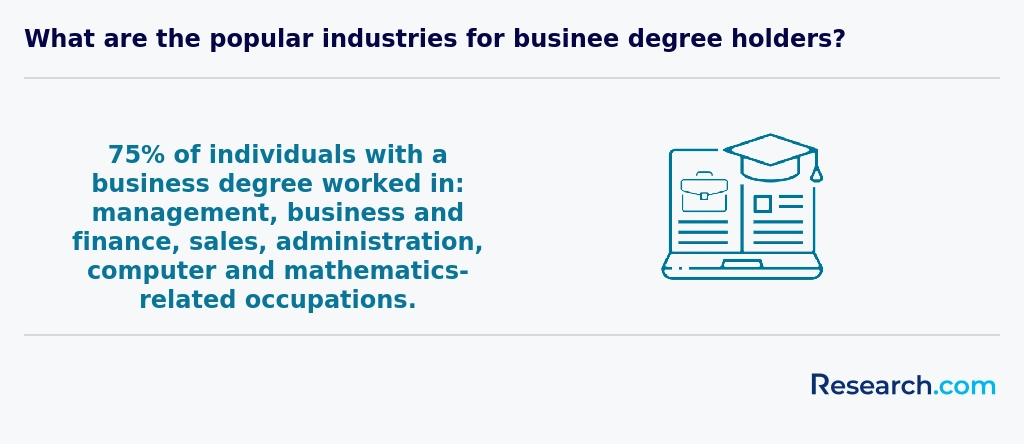
Graduates armed with a business degree in Reading find themselves sailing through diverse career waters where finance, marketing, and management roles sparkle like hidden treasures. Imagine walking into a bustling financial firm just a stone's throw from your Reading university, stepping confidently into a financial analyst position; this is a reality for many who leverage Reading's vibrant financial services scene. Marketing managers also thrive, crafting campaigns that resonate through the town's expanding technology hubs and retail spaces, turning ideas into compelling stories that captivate audiences.
Reading's reputation for nurturing brilliant minds translates into real-world success stories. Some graduates find themselves excelling as human resources specialists, skillfully navigating the complexities of growing businesses, while others dive into management consultancy, advising companies on performance improvements fueled by Reading's dynamic economy. Operations managers keep the engines running smoothly in the manufacturing and logistics sectors, a path that many business degree holders in Reading passionately pursue. For those exploring flexible study options to enhance job prospects for business graduates Reading, exploring online college enrollment opens new doors to growth and opportunity.
The job market for business degree holders in Reading pulses with opportunity, fueled by the city's strategic proximity to Philadelphia's bustling corporate scene. Graduates from local universities regularly land roles in healthcare management, logistics firms, and retail companies, effortlessly blending classroom theory with practical skills. One graduate shared how an internship arranged through a prominent Reading college led directly to a management position in a growing e-commerce company focused on supply chain innovation.
Those exploring business degree job opportunities in Reading embrace a dynamic landscape where mid-sized businesses seek savvy professionals to steer operations and marketing. Local students often juggle academic rigors alongside real-world projects that sharpen their financial and management expertise, preparing them well for a workforce hungry for versatility and leadership.
For those considering a graduate path, strong networks formed on-campus and in partnerships with local industries boost career prospects. Some opt for quick masters degrees online to accelerate their trajectory, tapping into timely openings within the city's expanding sectors. The synergy between education and evolving market needs here makes Reading a fertile ground for business graduates.
2027 Best Business Degree Programs Ranking in Reading
Investing in your education is a significant decision that can shape your future, and the Research.com team understands the importance of making informed choices. To assist prospective students in Reading, we have meticulously crafted the "2027 Best Business Degree Programs Ranking in Reading." Our commitment to quality, credibility, and accuracy is reflected in the extensive research and analysis conducted to compile this ranking.
We utilized the following reputable data sources to ensure a comprehensive evaluation of business degree programs:
By exploring this ranking, readers will gain valuable insights into the best business degree programs available in Reading, helping them make informed decisions about their educational paths. For more details on our methodology, please visit our Research.com methodology page.
# 1 position
Pennsylvania State University-Penn State Berks
Bachelor of Science in Business


Frequently Asked Questions About business
Business degree students in Reading can enhance their educational journey by engaging in local networking opportunities. Reading is home to a growing number of small businesses and startups, providing practical environments for internships and real-world experience. According to the U.S. Bureau of Labor Statistics, internships increase job placement rates by over 60%, making them vital for career readiness.
Participating in student organizations related to business also helps develop leadership and teamwork skills. Many universities in the area offer clubs focused on entrepreneurship, finance, and marketing, facilitating peer learning and professional growth.
Additionally, attending business workshops and guest lectures held in Reading connects students to industry experts and trends, which is essential in a competitive job market.
The business landscape is rapidly evolving, creating new opportunities for students pursuing business degrees in Reading. One of the emerging niches is sustainable business practices, as companies increasingly focus on environmental responsibility. According to the U.S. Bureau of Labor Statistics, jobs in this sector are expected to grow by 12% over the next decade.
Another growing field is data analytics and business intelligence, where professionals analyze complex data to support decision-making. This niche is especially relevant given the rise of digital transformation within organizations in and around Reading.
Additionally, e-commerce management has expanded significantly, driven by the surge in online shopping and digital marketing trends.
After completing a business degree in Reading, preparing for the job market involves several strategic steps. First, leveraging local internships is crucial, as Reading's economy offers opportunities in manufacturing, finance, and tech sectors. According to the U.S. Bureau of Labor Statistics, internships increase employment chances by 20% within six months of graduation.
Networking is equally important. Joining local chapters of professional organizations, such as the Reading Chamber of Commerce, can connect you with potential employers and mentors. Additionally, tailoring your resume to highlight relevant skills like data analysis or project management is vital to stand out in Reading's competitive job market.
Finally, consider developing soft skills and gaining certifications like Lean Six Sigma, which are highly valued by employers in the region.
Employers in Reading highly value business degree graduates who demonstrate strong analytical and communication skills. According to data from the U.S. Bureau of Labor Statistics, nearly 70% of local employers prioritize candidates who can interpret complex data to support business decisions.
Critical thinking and problem-solving abilities are essential, especially as Reading's economy increasingly focuses on finance, technology, and service industries. The local Chamber of Commerce reports that adaptability and teamwork skills are also in high demand to navigate dynamic market conditions.
Proficiency in digital tools, such as Excel and CRM software, further strengthens a graduate's employability in Reading's competitive business environment.
Finding internships in Reading relevant to a business degree involves several strategic steps. First, students should explore opportunities through local universities such as the University of Reading, which often partners with businesses for internship placements. According to the university's career services, about 70% of business students secure internships during their studies.
Additionally, leveraging local business networks and chambers of commerce can connect students to internships in industries like finance, marketing, and management, which are prominent in Reading's economy. Online platforms like Handshake and LinkedIn also list internships tailored to business majors in the area.
Finally, attending career fairs and workshops hosted by educational institutions in Reading enhances visibility to employers actively seeking business interns.
A business degree significantly enhances career mobility and advancement for individuals in Reading. According to the U.S. Bureau of Labor Statistics, management occupations in the region are projected to grow by 7% over the next decade, higher than the national average. This creates opportunities for graduates with strong business skills.
Employers in Reading's expanding sectors, such as finance and professional services, prioritize candidates with formal business education. A degree offers essential skills in leadership, analytics, and communication that facilitate promotions and lateral moves within organizations.
Furthermore, local networking events and professional groups often require or prefer candidates holding business credentials, increasing visibility and job prospects. Data from the Economic Development Office of Reading shows that degree holders tend to earn 15-20% more than non-degree peers.
In summary, obtaining a business degree in Reading equips graduates with the credentials and skills needed to advance competitively in the local job market.
Studying for a business degree in Reading offers students a strong foundation in core business principles while emphasizing interdisciplinary skills vital in today's job market. Programs often integrate coursework in economics, communication, technology, and data analytics, preparing graduates to navigate diverse roles.
Reading's proximity to major economic centers like Boston provides opportunities for partnerships and internships, enhancing practical experience across industries. According to the U.S. Bureau of Labor Statistics, interdisciplinary skills increase employability by 15% in business-related fields.
Students develop problem-solving, teamwork, and adaptability, enabling them to work effectively in roles that blend finance, marketing, and management. This holistic approach equips graduates to meet varied employer demands efficiently.
When choosing between a thesis and a non-thesis business degree program in Reading, consider your career goals and learning preferences. Thesis programs require original research and are ideal if you plan to pursue a PhD or a research-focused role. Non-thesis options typically emphasize practical skills and coursework, preparing students for immediate employment in business sectors.
According to the U.S. Department of Education, non-thesis programs tend to be shorter, often completed in 1 to 2 years, while thesis programs may take longer due to research requirements.
Local employers in Reading's growing finance and tech industries value hands-on experience, which non-thesis programs often provide through internships and projects.
Review program curricula carefully and consider how each fits your personal and professional ambitions.
Students based in Reading who wish to study business abroad have multiple options within the US higher education system. Popular choices include enrolling in business programs at well-known universities such as the University of Pennsylvania's Wharton School or New York University's Stern School of Business. These institutions offer diverse undergraduate and graduate degrees with strong international networks.
Many US universities provide study abroad programs or dual degree opportunities that enable students to spend a semester or year abroad while earning credits toward their business degree. According to the Institute of International Education, close to 40% of business majors participate in study abroad experiences, enhancing their global business understanding.
Reading students should also explore US business schools with global campuses or partnerships, allowing them to gain international exposure without leaving the US initially. Careful selection based on accreditation, program focus, and international collaboration is crucial for maximizing the benefits of studying business abroad.
Part-time job opportunities in Reading that complement business degree education are diverse and practical. Many students find roles in local financial services firms, where Reading hosts regional offices for companies such as Penn Mutual and Fannie Mae, providing exposure to corporate finance and insurance sectors.
Retail management positions also offer valuable experience, allowing students to develop skills in sales, customer service, and team leadership. According to the U.S. Bureau of Labor Statistics, retail sales jobs in Berks County grew by 5% over the past five years, indicating steady availability.
Additionally, internships or assistant roles in marketing agencies can enhance understanding of brand management and digital marketing strategies. Nonprofit organizations in Reading, such as the Berks County Community Foundation, often offer project-based roles that strengthen organizational and fundraising experience.
Business students in Reading have access to several valuable networking opportunities that can enhance their educational and professional growth. Many local universities and colleges host regular career fairs and industry panels specifically tailored for business disciplines. These events often feature participation from prominent companies headquartered in the region, providing direct contact with potential employers.
Additionally, Reading benefits from a strong local economy with a rising number of small and medium-sized enterprises, particularly in finance and technology sectors. According to the U.S. Bureau of Labor Statistics, these industries offer numerous internships and cooperative education positions for students.
Students can also engage with local business organizations and chambers of commerce, which frequently organize networking mixers and workshops. These platforms enable connections with alumni, local entrepreneurs, and business leaders who offer mentorship and career advice.
Alumni networks offer significant advantages to business degree students in Reading by providing access to valuable professional connections. These networks often include graduates working in key industries within the region, such as finance and technology, enabling students to explore internships and job opportunities more effectively.
According to the National Association of Colleges and Employers, 70% of jobs are secured through networking. Alumni connections can also provide mentorship, helping students navigate their careers with guidance from experienced professionals who understand the local business climate.
This direct link to established professionals enhances students' chances of successful employment after graduation, especially in a competitive market like Reading.
Customizing a business degree program in Reading allows students to align their education with specific career ambitions. Many institutions offer elective courses across areas such as finance, marketing, and entrepreneurship, enabling focused skill development. Internships with local companies in Reading's diverse economy provide practical experience and networking opportunities. Some programs also support independent study or capstone projects tailored to individual interests, enhancing industry relevance.
Additionally, students can pursue certificate programs alongside their degrees to deepen expertise in niches like data analytics or supply chain management, which are increasingly valued in Reading's job market. Academic advisors play a key role in helping students design plans that match career goals effectively.
Business students in Reading often encounter several challenges during their studies. One common difficulty is balancing coursework with part-time work, as many students rely on jobs to support their education. According to the National Center for Education Statistics, about 43% of undergraduate students nationwide work while enrolled, which may impact academic performance.
Additionally, mastering practical business skills such as finance, marketing, and analytics can be demanding, especially without extensive prior experience. Limited access to local internships in Reading's smaller market can restrict hands-on learning opportunities, a concern noted in a recent study by the U.S. Chamber of Commerce Foundation.
Students also face pressure adapting to remote or hybrid learning formats, which remain prevalent post-pandemic, affecting engagement and networking prospects.
With a business degree, professionals in Reading can pursue several key certifications to enhance their careers. Popular options include the Certified Public Accountant (CPA) for those interested in accounting, and the Project Management Professional (PMP) credential, valuable across many industries.
The Certified Management Accountant (CMA) is also widely recognized, particularly in finance and strategic management roles. Additionally, the Chartered Financial Analyst (CFA) designation is sought after by those focusing on investment and financial analysis.
These certifications often lead to higher salaries; for example, Reading's finance sector professionals with PMP or CPA certifications can expect salary increases of 10-20% according to recent industry reports.
Writing a strong application for a business program in Reading begins with thorough research on the institution and its specific requirements. Admissions committees value clarity and relevance, so tailor your personal statement to highlight your interest in business and how the program aligns with your career goals.
Include concrete examples of leadership, teamwork, or any professional experience to demonstrate your skills. According to the National Center for Education Statistics, business programs attract diverse applicants, so emphasizing unique perspectives can improve your chances.
Strong academic records and solid letters of recommendation are essential. Also, prepare carefully for standardized tests if required.
The global perspective on business careers emphasizes adaptability and cultural awareness. Employers increasingly seek graduates who understand international markets and can navigate cross-border challenges. According to the U.S. Bureau of Labor Statistics, business-related jobs are projected to grow 8% from 2022 to 2032, highlighting steady demand.
Many business programs in the U.S., including those accessible to Reading residents, incorporate global case studies and internships. This approach prepares students for roles in multinational corporations or startups expanding abroad.
Networking and language skills are also vital. The Financial Times notes professionals with global experience earn up to 25% more than peers without it.
Gaining practical experience while studying for a business degree in Reading is essential to enhance employability and apply theoretical knowledge. Many universities in the US offer internship programs that connect students with local businesses in Reading's growing service and technology sectors. According to the Reading Chamber of Commerce, over 40% of local businesses participate in student internships, providing valuable work experience and professional networking.
Students can also engage in cooperative education (co-op) programs, combining classroom study with paid work experience. Participating in business-related student organizations and case competitions is another effective way to develop real-world skills.
Choosing the right concentration within a business degree program in Reading begins with understanding your career goals and interests. Common concentrations include finance, marketing, management, and entrepreneurship. According to the U.S. Bureau of Labor Statistics, positions in business and financial operations in Pennsylvania are projected to grow by 8% from 2020 to 2030, indicating strong local demand.
Research local industry trends in Reading, such as the growing manufacturing and service sectors, to align your studies with job opportunities. Networking with local professionals or attending career fairs at nearby universities can also guide your choice. Additionally, consider concentrations that develop skills in data analytics and digital marketing, which are increasingly valuable.
- 2027 Best Business Degree Programs Ranking in Lancaster
- 2027 Best Business Degree Programs Ranking in Allentown
- 2027 Best Business Degree Programs Ranking in Bethlehem
- 2027 Best Business Degree Programs Ranking in Saint Davids
- 2027 Best Business Degree Programs Ranking in Wilmington
- 2027 Best Business Degree Programs Ranking in Philadelphia
- 2027 Best Business Degree Programs Ranking in New Castle
- 2027 Best Business Degree Programs Ranking in Wilkes-Barre
- 2027 Best Business Degree Programs Ranking in Scranton
- 2027 Best Business Degree Programs Ranking in Baltimore
See What Experts Have To Say About Studying Business
Read our interview with Business experts


Ingrid S. Greene
Business Expert
Clinical Assistant Professor of Management
Loyola Marymount University

David Souder
Business Expert
Senior Associate Dean for Faculty and Research
Michigan State University

- Online and Traditional Business Degrees Comparison | Free Essay Example https://studycorgi.com/online-and-traditional-business-degrees-comparison/
- Business Graduate Jobs in Reading https://www.gradcracker.com/search/maths-business/business-graduate-jobs-in-reading
- Interdisciplinary Business https://www.okwu.edu/academics/undergraduate/bachelor-interdisciplinary-business/
- The Seven Biggest Challenges Faced by Student Entrepreneurs https://venturewell.org/blog/five-biggest-challenges/
- 29 Business Studies Courses at University of Reading https://www.hotcoursesabroad.com/study/degrees/uk/business-studies-courses-at-university-of-reading/loc/210/cgory/d2-3/sin/ct/cid/5688/programs.html
- 55 Trending Business Ideas for 2025 and Beyond https://www.uschamber.com/co/start/business-ideas/top-trending-business-ideas
- Business Study Abroad Programs | Go Overseas https://www.gooverseas.com/study-abroad/business
- Undergraduate Fees and Funding https://www.reading.ac.uk/ready-to-study/study/fees-and-funding/fees-and-funding-ug
- The Biggest Challenges for Business School Students | EU Business School https://www.euruni.edu/blog/the-biggest-challenges-for-business-school-students/
- BSc Finance & Business Management(R2/0488/6/0052)(11/2029)(MQA/FA5216) https://www.reading.edu.my/programmes/bsc-finance-business-management


