2027 Best Business Degree Programs Ranking in Philadelphia

Co-Founder and Chief Data Scientist
Choosing the right business degree in Philadelphia can shape your future career and open exciting opportunities. This article introduces the 2027 Best Business Degree Programs Ranking in Philadelphia, thoughtfully developed by the Research.com team of data scientists.
It's designed to help you confidently explore various programs based on data, making your decision easier and more informed. Pursuing a business degree can empower you with valuable skills, sharpen your leadership, and expand your network-all essential in today's competitive world.
Read on to discover which programs stand out and how they can support your personal and professional growth.
Key benefits of getting business degree in Philadelphia
- A business degree in Philadelphia can lead to rewarding jobs like Business Development Executive with a mean annual wage of $83,190 or Business Analyst earning $112,950 yearly, offering great financial stability.
- Graduates from local universities often explore diverse career paths including marketing, finance, and consulting, providing exciting opportunities to find a role that fits their passion and skills.
- Completing a business degree online from a well-known Philadelphia institution offers flexibility and convenience, allowing students to balance work and study while gaining valuable real-world experience.
- 2027 Best Business Degree Programs Ranking in Philadelphia
- What can I expect from business degree in Philadelphia?
- Where can I work with business degree in Philadelphia?
What can I expect from business degree in Philadelphia?
The average cost of pursuing a business degree in Philadelphia typically ranges from about $15,000 to $55,000 per year, depending on whether you choose a public institution like Temple University or a private one such as the University of Pennsylvania. Graduates often mention how this investment felt worthwhile when they saw the wealth of professional opportunities available through internships and co-op programs integrated into their studies.
For example, students at Drexel University frequently highlight how engaging directly with Philadelphia's business community during their co-op placements gave them hands-on experience that textbooks alone cannot provide. This real-world exposure often leads to valuable networking connections that ease the transition into the workforce. Financial aid and scholarships, especially merit-based awards for business students, help many reduce the financial burden significantly, making education more accessible.
Understanding the cost alongside the rich practical learning and access to Philadelphia's thriving industries can make your pursuit of a business degree here feel like a strategic step toward a rewarding career.
Where can I work with business degree in Philadelphia?
With a business degree earned at institutions like the University of Pennsylvania or Temple University, graduates often find themselves stepping confidently into Philadelphia's vibrant job market. Many quickly secure roles in finance, working for major banks or investment firms downtown, where analytical skills and strategic thinking are highly prized. One recent graduate shared how internships during their studies opened doors to positions in financial analysis and risk management at well-known regional companies.
Others have thrived in healthcare administration at leading systems such as Jefferson Health, applying business knowledge to improve patient services and operational efficiency. Philadelphia's real estate boom also offers exciting opportunities; alumni have landed roles in property management and urban planning, where they influence the city's evolving skyline and community development.
Technology startups in the Philly Innovation District provide a dynamic environment for business majors to lead projects and shape marketing strategies. Here, graduates draw on what they learned in classes and networking events at Drexel University and other local schools. Pursuing a business degree in Philadelphia means opening doors to diverse careers that blend practical skills with the city's unique economic strengths.
Graduates holding a business degree in Philadelphia can anticipate rewarding financial opportunities early in their careers. For instance, Business Development Executives in the region earn a mean annual wage of about $83,190, reflecting strong demand for skills honed at institutions like Temple University and the University of Pennsylvania.
Many graduates from Philadelphia's well-regarded business programs share excitement when landing roles as Business Analysts, where the mean salary reaches approximately $112,950 annually. This significant earning potential encourages new graduates to pursue analytical and strategic roles, positioning themselves for growth and leadership.
These salary figures highlight how the vibrant Philadelphia economy supports ambitious students striving to turn their education into meaningful careers. Whether you are connecting theory with practice during internships or collaborating on local industry projects, the financial prospects after graduation are both motivating and attainable.
Knowing these numbers, it's inspiring to picture yourself entering the workforce energized, confident in the value you bring to dynamic businesses here in Philadelphia.
- Tuition for a four-year business degree in Philadelphia ranges from $15,000 to $50,000 per year, with public schools generally being more affordable than private ones.
- Entry-level business graduates in Philadelphia can expect starting salaries between $55,000 and $65,000 per year.
- Experienced business professionals may earn $90,000 or more annually as they gain skills and certifications.
- Philadelphia hosts strong job markets in finance, healthcare, technology, manufacturing, consulting, and marketing sectors.
- Many universities in Philadelphia offer internships and co-op programs that provide hands-on experience and enhance employment chances.
Completing a business degree in Philadelphia usually takes about four years for full-time undergraduates, just like at universities such as Temple or Drexel. Many graduates recall balancing their studies with part-time jobs or internships, which sometimes stretched their timeline to five years, but those extra months also brought valuable real-world experience. If you're working while studying, Philadelphia's schools offer flexible evening and weekend classes that can help you maintain momentum without sacrificing income.
For those pursuing an MBA, expect about 1 to 2 years full-time, with options to extend up to three years if attending part-time. Business students at institutions like the University of Pennsylvania often share how evening programs empowered them to advance careers while studying. Remember, prerequisite courses or transfer credits might adjust your timeline slightly.
Many find that managing the pace according to personal circumstances-whether financial or professional-makes the Philadelphia business education journey rewarding and uniquely tailored to their goals.
When evaluating the true value of a business degree in Philadelphia, it’s essential to compare total educational costs to post-graduation earnings. On average, a four-year bachelor’s program at a public institution in Pennsylvania can cost around $38,496 per year-totaling approximately $153,984 for tuition alone-while private institutions may exceed $200,000. Considering median starting salaries of $69,000–$80,000 for roles like project manager and business analyst, graduates typically break even on tuition within two to three years of full-time employment. Factoring in additional living expenses, the realistic payback period ranges from three to five years, making a business degree a solid long-term investment. Beyond direct earnings, intangible benefits-such as enhanced networking through alumni associations, leadership development in capstone projects, and access to executive mentorship-further amplify return on investment. For professionals aiming to shorten the timeline to higher earnings, exploring an accelerated mba program online can reduce time-to-degree, lower overall costs, and fast-track entry into senior roles, maximizing both financial and career growth.
Choosing between an online and on-campus business degree in Philadelphia means deciding how you want to experience your education. Graduates from the University of Pennsylvania's Wharton School often praise the vibrant, face-to-face interactions that helped them build lasting professional networks and access campus resources like career counseling and student clubs. They remember lively classroom debates and spontaneous study groups that enriched their learning beyond textbooks.
On the other hand, graduates from Temple University's online business program highlight the freedom to balance work, family, and studies without commuting. They find recorded lectures and virtual discussions allow for flexible pacing, making it easier to fit education into a busy lifestyle. Many appreciate saving time and money while still earning a respected degree recognized by Philadelphia employers.
The choice depends on your preference for in-person engagement or adaptable learning. Both paths offer quality education, but your daily rhythm and career goals in Philadelphia's competitive market will shape the best fit for you.
Understanding the average cost of business degrees in Philadelphia is crucial for students planning their educational journey. On average, the total tuition and fees for Philadelphia business degrees hover around $62,720, with in-state students benefiting from a significantly lower median total cost of about $43,687. Graduates from well-known public institutions often share stories of how this affordability allowed them to focus more on internships and networking opportunities rather than stressing over finances.
Private universities and colleges add more variety to the cost picture. Many students pursuing business degrees at private schools like the University of Pennsylvania or Drexel University experience higher tuition fees, sometimes well above the average. Yet, these students often emphasize the value of the extensive alumni networks and career resources that help justify the cost. It's important to weigh these benefits alongside the price when considering your investment.
Beyond tuition, consider other costs such as fees, textbooks, and living expenses. Students living on campus must budget accordingly, knowing these expenses add to the total cost of their degree. For those curious about where to start or seeking the most affordable business schools in Pennsylvania, exploring financial aid options like scholarships and employer tuition assistance can make this dream more attainable.
By focusing on the average cost of business degree in Philadelphia and factoring in these real-world considerations, you're better prepared to navigate your path in business education with confidence and enthusiasm.
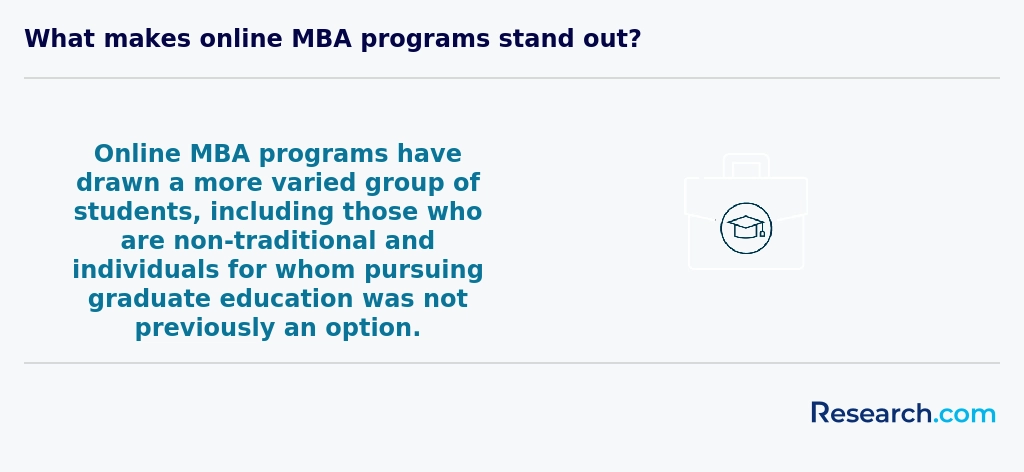
As the business landscape evolves, Philadelphia’s top business degree programs are adapting to incorporate forward-thinking curricula that equip students for tomorrow’s challenges. Modern courses now emphasize digital transformation, data analytics, sustainability, and ethical leadership-preparing graduates to navigate a global marketplace where technological innovation and social responsibility are paramount. Programs are increasingly integrating interdisciplinary projects, simulations, and real-time case studies to foster practical skills and a mindset for continuous learning. Furthermore, many institutions now offer specialized certificates that complement traditional degrees; for example, you might consider exploring the ranking of the best online business certificates to advance your career as a way to boost your profile through targeted learning. By staying ahead of industry trends and leveraging cutting-edge teaching methods, Philadelphia’s business schools ensure that their graduates are not only knowledgeable but also agile, capable of leading in a rapidly changing economic environment.
If you're aiming for a business degree in Philadelphia, you're in luck because many financial aid opportunities can make your journey more affordable and manageable. Graduates from places like Temple University's Fox School of Business often share how merit-based scholarships helped ease their tuition burden, rewarding their hard work and leadership.
Starting with federal aid through FAFSA is essential. Many students benefit from the Pell Grant, which offers up to $7,395 annually for those who qualify, lessening the worry about student loans. Pair that with the Pennsylvania State Grant Program, adding around $4,000 to your aid package, and you'll find solid support geared toward residents studying right here in Philadelphia.
Local organizations also play a huge role. Business students frequently secure private scholarships from chambers of commerce or business associations, which feel rewarding because they connect you to the city's vibrant professional community.
Lastly, don't overlook employer tuition reimbursement or federal work-study jobs. Many students have found these opportunities invaluable, gaining real-world experience while funding their education in a city full of dynamic businesses.
Investing in a business degree is a significant financial commitment, and understanding the return on investment (ROI) can help you make a data-driven decision. On average, the total cost of a four-year bachelor’s program at a public university in Philadelphia hovers around $38,000 for in-state students and $58,000 for out-of-state students. With entry-level salaries for business graduates ranging from $55,000 to $70,000-rising to $80,220 for Project Managers and $108,790 for Business Analysts-the typical payback period falls between two and four years, depending on your chosen specialization and employment sector. Beyond raw salary figures, consider long-term earnings growth: graduates who enter fields like financial management and consulting often see salary increases of 5%–7% annually, outpacing many other professions. Factoring in average annual salary growth, the 10-year ROI for a Philadelphia business degree can exceed 150%, making it one of the most rewarding academic investments in the region. Additionally, internships and co-op programs at institutions such as Temple University and Drexel University provide on-the-job experience that can accelerate your career trajectory and shorten the time to recoup tuition costs. If cost is a primary concern, you may also explore alternative pathways that maintain academic quality while stretching your budget. For example, our Inexpensive Online Business Degree Programs Ranking in the South highlights accredited online programs known for low tuition rates and robust support services-options that can further enhance your ROI by reducing living expenses and offering flexible schedules.
To enroll in a business degree program in Philadelphia, you'll need a high school diploma or GED, a foundation every successful candidate builds upon. Many graduates from well-known local schools recall how submitting personal essays and letters of recommendation really helped showcase their passion and commitment beyond grades. These elements allow admissions committees to see your potential side by side with academic records.
While some Philadelphia colleges still ask for SAT or ACT scores, many have embraced test-optional policies-especially if your high school GPA and coursework in subjects like math and English shine. This flexibility encourages students who have demonstrated consistent effort and growth to apply without test score pressures.
If you're transferring or advancing your studies, official transcripts confirming completed courses in accounting or economics become essential. Think of it as proving you're ready for upper-level challenges, just like many graduates who appreciated this step as a clear pathway toward their career.
Financially, it's smart to plan ahead since average yearly costs for business programs here hover around $25,000 for in-state students. But remember, investing in your education opens doors in Philadelphia's dynamic sectors like finance and technology, where your degree will truly come alive.
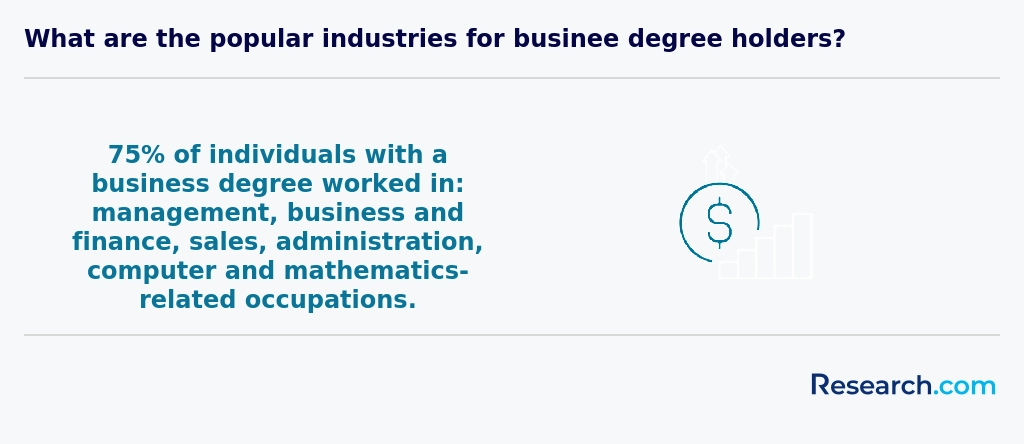
When considering a business degree program in Philadelphia, PA, one crucial factor to think about is affordability. Pursuing higher education can be costly, but there are options available that can make it more accessible. For those looking to minimize their expenses, exploring the most affordable business schools in Pennsylvania can be a great first step. Many institutions offer competitive pricing without compromising on the quality of education, ensuring that students receive a valuable learning experience without breaking the bank. Additionally, financial aid, scholarships, and assistantships can further reduce the financial burden, making a business degree a feasible goal for many aspiring professionals. By weighing the costs and benefits of different programs, prospective students can make informed decisions about their educational investments, setting themselves up for success in their future careers.
When pursuing a business degree in Philadelphia, you'll find your coursework is thoughtfully designed to build both foundational knowledge and practical skills that fit the city's thriving economic landscape. Graduates from universities like Temple or Drexel often recall starting with essentials like Principles of Marketing and Financial Accounting-these classes set the stage for understanding how businesses attract customers and manage funds.
As you progress, you'll dive into advanced courses such as Corporate Finance and Strategic Management. Imagine working on real case studies that challenge you to make critical financial decisions, much like Philadelphia's finance sector professionals do daily. This hands-on approach helps develop confidence and sharp decision-making skills.
Philadelphia's unique market also shapes your learning. Many students appreciate specialized courses like Healthcare Management or Urban Economic Development, reflecting the city's strong healthcare and education sectors. These topics prepare you for local opportunities, enabling you to contribute meaningfully right after graduation.
Moreover, modern business programs here emphasize data analysis and IT skills. Whether it's Business Analytics or Information Systems, you'll become comfortable interpreting data-an essential ability for Philadelphia's growing tech and finance industries, where informed choices drive success.
When choosing a business degree in Philadelphia, you'll find a range of exciting specializations tailored to the city's vibrant economy. Graduates from popular universities in Philadelphia often highlight concentrations like Finance, Marketing, and Accounting-each opening doors in industries thriving locally. Imagine working in finance, right where the city's strong investment firms operate, or diving into marketing strategies that resonate with Philadelphia's diverse consumer base. These business degree specializations in Philadelphia truly prepare you to meet the demands of the regional marketplace.
Many students passionate about innovation opt for Entrepreneurship, inspired by the city's growing startup culture and resources like the University City Science Center. Others focus on Supply Chain Management or Healthcare Management, crucial fields reflecting Philadelphia's strengths in manufacturing and health services. Exploring these options helps you shape a career path that feels both practical and exciting. For a deeper dive, check out the ranking of the best online business certificates to advance your career which complements traditional degrees perfectly.
By selecting the right Philadelphia business degree concentration options, you align your studies with real-world opportunities, making your professional journey both meaningful and successful.
Choosing the best business degree in Philadelphia starts with looking closely at the school's accreditation and how its curriculum fits your career ambitions. Graduates from universities like the University of Pennsylvania or Drexel often share how AACSB accreditation gave their resumes an edge, opening doors in competitive fields. You also want to explore specializations that excite you-whether finance, marketing, or entrepreneurship-so your studies feel relevant and engaging every day.
Think about affordability too. Many students find affordable business degree costs Philadelphia at public schools, balancing tuition and living expenses carefully. Scholarships and financial aid are real game-changers, helping you focus on learning rather than stressing over bills. Connecting with Philadelphia's local business scene through internships can turn classroom knowledge into practical experience, just as several Temple University graduates experienced when securing roles in finance or tech firms.
If your schedule is busy, consider programs offering part-time, evening, or online classes. For example, some look into an accelerated mba program online to grow their skills faster while working. The right blend of quality education, local opportunities, and personal fit will empower you to thrive in Philadelphia's vibrant economy.
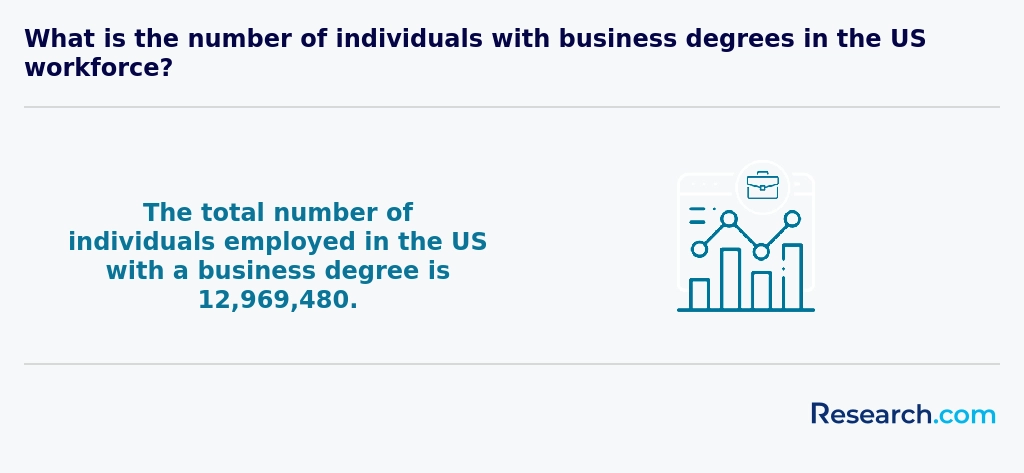
Graduates with a business degree in Philadelphia find themselves stepping into dynamic roles across finance, marketing, management, and entrepreneurship. Many business students from well-known institutions like the University of Pennsylvania or Temple University share stories of landing positions in Comcast's corporate finance team or joining innovative startups due to the city's thriving entrepreneurial ecosystem. If you're exploring business degree career opportunities Philadelphia offers unique advantages-financial managers, for example, can earn salaries that surpass the national average, reflecting strong local demand.
Others have pursued marketing and digital marketing roles, benefiting from Philadelphia's expanding tech and healthcare sectors. These graduates thrive in digital marketing positions, blending creativity with strategy to help companies grow. Business management and human resource roles also draw many, as educational and healthcare institutions seek leaders capable of guiding teams through complex challenges.
For those concerned about cost, exploring affordable education options might be crucial. Check out the Inexpensive Online Business Degree Programs Ranking in the South to find programs that fit your budget while opening doors to rewarding jobs with business degree Philadelphia fields.
Philadelphia's job market for business degree holders is strong and filled with potential, offering graduates numerous opportunities to thrive. Many graduates from well-known business programs at universities like Temple University and the University of Pennsylvania find themselves stepping confidently into roles across diverse industries. Whether it's gaining experience in financial services at regional bank offices or navigating marketing challenges at local tech startups, these opportunities reflect the vibrant employment opportunities for business graduates Philadelphia provides.
Graduates report feeling excited about entering fields such as management, financial analysis, and healthcare administration, where growth is steady and salaries competitive. For instance, financial analysts in Philadelphia see median wages near $85,000, encouraging new graduates who start around $50,000 to $60,000 to pursue long-term career development here.
The cost of business education is manageable with many institutions offering scholarships and cooperative education programs that connect students directly with employers. For students at Philadelphia colleges, choosing a business degree aligns well with local job market realities and practical career advancement. Exploring useful college majors can also help tailor your path to this evolving market.
2027 Best Business Degree Programs Ranking in Philadelphia
Investing in your education is a significant decision that can shape your future, and the Research.com team understands the importance of making informed choices. To assist prospective students in Philadelphia, we have meticulously crafted the "2027 Best Business Degree Programs Ranking in Philadelphia." Our commitment to quality, credibility, and accuracy is reflected in the extensive research and analysis conducted to compile this ranking.
We utilized the following reputable data sources to ensure a comprehensive evaluation of business degree programs:
By exploring this ranking, readers will gain valuable insights into the top business degree programs in Philadelphia, empowering them to make informed and confident educational choices. For more details on our methodology, please visit our Research.com methodology page.





# 20 position
Peirce College
Bachelor of Science in Business Administration

Frequently Asked Questions About business
Business degree students in Philadelphia can enhance their learning by engaging with local industries, given the city's strong economy in finance, healthcare, and technology. Philadelphia hosts over 70,000 business establishments, offering ample internship and networking opportunities, according to the Philadelphia Department of Commerce. Participating in internships at these companies allows students to gain practical experience and build professional connections.
Joining student organizations and business clubs at universities also supports skill development and leadership. Furthermore, attending industry conferences and seminars in the city helps students stay updated on current trends. Utilizing resources from local business chambers can provide mentorship and job placement assistance, further maximizing the educational experience.
Emerging niches within the business field reflect growing industries and technological advancements. In Philadelphia, areas such as data analytics, digital marketing, and sustainable business practices are gaining significant traction. According to the Philadelphia Business Journal, demand for professionals skilled in data-driven decision-making has increased by over 20% in recent years.
Additionally, healthcare management remains a prominent niche due to the city's robust medical sector. The integration of technology and business strategy in health services is creating new opportunities for graduates. Another emerging area is e-commerce management, supported by Philadelphia's expanding startup ecosystem.
Students pursuing business degrees here can benefit from programs that emphasize these growing fields, aligning education with local market demands and future job prospects.
Preparing for the job market after earning a business degree in Philadelphia involves strategic planning and practical steps. The city's strong economy, rooted in finance, healthcare, and education, provides diverse opportunities for graduates. According to the Greater Philadelphia Chamber of Commerce, sectors such as financial services and professional business services are expected to grow by 4% annually through 2027.
Students should engage in internships with local firms to gain hands-on experience. Networking events hosted by Philadelphia-based organizations like the Philadelphia Business Journal also offer valuable connections. Additionally, mastering skills in data analytics and digital marketing aligns with market demand, enhancing employability.
Utilizing university career centers and local job fairs can further ease the transition to employment. The average starting salary for business graduates in Philadelphia ranges from $50,000 to $60,000, reflecting the city's competitive job market, according to the Bureau of Labor Statistics.
Employers in Philadelphia highly value business degree graduates who demonstrate strong analytical skills. The ability to interpret data and make informed decisions is crucial in the city's diverse economic environment. According to the Philadelphia Business Journal, proficiency in financial analysis and market research ranks among the top skills sought by local firms.
Communication skills are also essential. Graduates must effectively present ideas and collaborate within teams, especially in Philadelphia's growing tech and healthcare sectors. Additionally, leadership and problem-solving abilities are frequently emphasized in job postings, reflecting the need for adaptable and proactive employees.
Technical competence, such as familiarity with Microsoft Excel and data visualization tools, is increasingly important. Employers often expect candidates to combine analytical thinking with modern business technology to drive results in Philadelphia's competitive job market.
Finding internships in Philadelphia relevant to a business degree involves utilizing multiple resources. Philadelphia, home to a growing business sector including finance, healthcare, and startups, offers many internship opportunities. According to the Philadelphia Chamber of Commerce, sectors like financial services and professional services employ over 200,000 people, presenting ample internship options.
Students should begin with their university's career services; many Philadelphia-based schools maintain partnerships with local companies. Online platforms such as Handshake and LinkedIn also list region-specific internships. Additionally, attending local networking events and career fairs can connect students directly with employers.
Many Philadelphia companies, including Comcast and FMC Corporation, offer structured internship programs tailored for business students.
A business degree in Philadelphia can significantly enhance career mobility and advancement opportunities. The city's diverse economy, anchored by industries such as finance, healthcare, and technology, values formal business education for leadership roles. According to the Philadelphia Workforce Development Corporation, graduates with business degrees are 20% more likely to secure managerial positions within five years than those without.
Local employers often seek candidates with strong skills in management, finance, and marketing, competencies developed through business programs. Additionally, access to Philadelphia's professional networks and internships increases employability, allowing graduates to climb the corporate ladder faster. Accreditation by bodies like AACSB further boosts a degree's value in the job market.
Studying for a business degree in Philadelphia offers students strong preparation for interdisciplinary roles by combining core business principles with exposure to related fields such as technology, healthcare, and urban development. Philadelphia's diverse economy, which includes sectors like finance, education, and biotech, provides ample opportunities for practical learning and internships that enhance cross-disciplinary skills.
Local universities emphasize teamwork, communication, and critical thinking-skills essential for navigating roles that require collaboration across departments. According to the Philadelphia Chamber of Commerce, nearly 40% of employers seek candidates with versatile knowledge spanning multiple disciplines. This makes Philadelphia's programs particularly relevant for students aiming at dynamic career paths.
Programs often incorporate case studies and projects involving real-world challenges from Philly's evolving business landscape, bridging theory and practice. Such an approach equips graduates to adapt to complex organizational environments requiring both business acumen and interdisciplinary insight.
Choosing between a thesis and a non-thesis business degree program in Philadelphia depends on your career goals and learning preferences. Thesis programs focus on research, appealing to students interested in academic or analytical roles. These typically require writing a substantial research paper under faculty supervision.
Non-thesis programs emphasize practical skills and coursework, often including internships or projects, suited for those aiming directly for business roles. According to the U.S. Department of Education's National Center for Education Statistics, about 40% of business master's graduates prefer non-thesis tracks nationally.
In Philadelphia's competitive job market, with sectors like finance and healthcare growing steadily per the Philadelphia Business Journal, practical experience may offer an edge. Yet, a thesis can enhance expertise in specialized areas like marketing research or supply chain analytics.
Consider whether you seek hands-on workplace skills or deeper research knowledge when deciding your program type.
Students based in Philadelphia seeking to study business abroad have a variety of options through local universities that offer international exchange programs. Institutions like the University of Pennsylvania and Temple University maintain partnerships with well-ranked business schools worldwide, allowing students to spend a semester or year overseas while earning credits. According to the Institute of International Education, about 10% of business majors participate in such study abroad programs annually, slightly above the national average.
Popular destinations include Europe, Asia, and Latin America, where students can learn global business practices firsthand. Scholarships and financial aid are often available to support these experiences, making global education more accessible for Philadelphia students.
Philadelphia offers various part-time job opportunities that effectively complement business degree education. Positions such as marketing assistants, financial clerks, and sales representatives allow students to apply classroom knowledge to real-world business environments. According to the U.S. Bureau of Labor Statistics, jobs in management and business development in Philadelphia grew by 6% from 2019 to 2023.
The city's thriving sectors like finance, healthcare, and retail provide diverse internships and part-time roles. These jobs often help develop critical skills such as data analysis, client communication, and project management. Additionally, local networking events and organizations like the Philadelphia Chamber of Commerce expand student access to meaningful work experiences.
Philadelphia offers robust networking opportunities for business students through its dynamic professional environment. The city hosts numerous events like the Philadelphia Chamber of Commerce mixers and industry-specific meetups, helping students connect with local entrepreneurs and executives.
Top universities often partner with businesses to provide workshops, internships, and exclusive access to alumni networks. According to the Greater Philadelphia Chamber of Commerce, these collaborations enhance job placement rates by linking students directly to employers across finance, healthcare, and tech sectors.
Students can also tap into organizations like the Philadelphia Business Journal's leadership forums and networking breakfasts, which gather influential business leaders regularly.
Alumni networks play a crucial role for business degree students in Philadelphia by providing access to a vast community of professionals. These connections often lead to internship and job opportunities within Philadelphia's robust financial and healthcare sectors, which account for over 30% of the city's economy according to the Philadelphia Business Journal. Networking events, mentorship programs, and exclusive workshops organized by alumni associations help students develop practical skills and industry insights.
Studies highlight that graduates engaged with alumni networks have a 15% higher employment rate within six months of graduation. Furthermore, Philadelphia's thriving startup scene benefits from alumni collaboration, fostering entrepreneurship among business students.
Customizing a business degree program in Philadelphia allows students to tailor their education to specific career goals. Many universities offer concentrations such as finance, marketing, entrepreneurship, and supply chain management that reflect Philadelphia's diverse economy. According to the Greater Philadelphia Chamber of Commerce, financial services and healthcare are among the region's largest sectors, influencing program specialties. Students can choose electives, internships, and capstone projects aligned with these industries. Furthermore, partnerships between Philadelphia schools and local businesses provide valuable networking and practical experience opportunities. This approach helps graduates gain relevant skills and improves job prospects in the competitive Philadelphia job market.
Business students in Philadelphia often face several notable challenges during their studies. One common difficulty is balancing academic workload with part-time jobs, as nearly 40% of college students nationwide hold employment while studying, according to the National Center for Education Statistics. In Philadelphia, the cost of living is moderately high, putting additional pressure on students financially.
Another challenge is securing relevant internships and networking opportunities in a competitive market. Philadelphia's business sector is diverse but fragmented, making it harder for students to connect with top employers quickly. Data from the Philadelphia Business Journal highlights that despite robust job growth, many entry-level roles require prior experience, which students might lack.
Additionally, adapting to evolving business technologies and maintaining updated digital skills is essential yet demanding. Business programs increasingly emphasize data analytics and digital marketing, areas where students may need extra training. These factors combined contribute to the complexity of achieving academic and professional success in Philadelphia's business education environment.
With a business degree in Philadelphia, graduates can pursue several valuable professional certifications that enhance career prospects. Popular options include the Certified Public Accountant (CPA), essential for those interested in accounting and finance. Philadelphia's strong financial sector supports demand for CPAs, according to the Pennsylvania Institute of CPAs.
Another widely recognized credential is the Project Management Professional (PMP), valuable for managing projects across industries. The Project Management Institute reports significant growth in PMP demand within the Philadelphia metropolitan area.
Additionally, certifications like the Certified Management Accountant (CMA) and the Chartered Financial Analyst (CFA) are respected for careers in management accounting and investment analysis, respectively. These certifications require passing rigorous exams and often benefit from business degree preparation.
Writing a winning application for a business program in Philadelphia begins with thorough research on the institutions you are interested in. Philadelphia hosts many reputable schools offering business degrees, such as the University of Pennsylvania's Wharton School, known globally for its leadership in business education.
Highlighting relevant experience is key. Admissions committees in Philadelphia value applicants who demonstrate practical knowledge and a clear understanding of local and global business trends. According to the Greater Philadelphia Chamber of Commerce, industries like finance, healthcare, and technology dominate the local economy, so aligning your goals with these sectors strengthens your application.
Strong recommendation letters, clear career objectives, and a concise personal statement tailored to each program improve your chances significantly. Additionally, a solid GPA and competitive test scores remain important factors, reflecting your academic readiness for rigorous business studies.
A business career today requires a global mindset due to increasing international trade and cross-border collaborations. Graduates with global business skills often have better job prospects in major U.S. cities like Philadelphia, a significant hub for finance and healthcare industries. According to the Greater Philadelphia Chamber of Commerce, over 20% of local businesses have international operations or partners, emphasizing the need for understanding diverse markets.
The U.S. Department of Education reports that many Philadelphia business programs incorporate global case studies and internships abroad, preparing students for worldwide challenges. Business professionals with knowledge of global regulations, cultural differences, and international supply chains are in high demand.
Students pursuing a business degree in Philadelphia can gain practical experience through various opportunities offered by local universities and the city's robust economy. Many institutions provide internship programs connecting students with firms in finance, marketing, and entrepreneurship. According to the Philadelphia Chamber of Commerce, over 15,000 businesses in the region actively participate in internship placements each year. Additionally, cooperative education programs (co-ops) allow students to alternate between classroom study and full-time work, enhancing real-world skills. Business competitions and consulting projects sponsored by schools also enable students to solve real business challenges with local companies, fostering hands-on learning.
Choosing the right concentration within a business degree program in Philadelphia involves evaluating personal interests and local industry demands. Philadelphia's economy is diverse, with strong sectors in finance, healthcare, education, and technology, which influences the relevance of certain business specializations. For example, finance and accounting are popular due to the city's robust banking and insurance industries, representing over 8% of the workforce according to the Philadelphia Department of Commerce.
Students should also consider internship opportunities available through local companies like Comcast, FMC Corporation, and local startups, as hands-on experience is crucial. Additionally, reviewing concentration curricula and alignment with career goals helps ensure practical skills acquisition relevant to Philadelphia's market.
- 2027 Best Business Degree Programs Ranking in Saint Davids
- 2027 Best Business Degree Programs Ranking in Wilmington
- 2027 Best Business Degree Programs Ranking in New Castle
- 2027 Best Business Degree Programs Ranking in Bethlehem
- 2027 Best Business Degree Programs Ranking in Allentown
- 2027 Best Business Degree Programs Ranking in Reading
- 2027 Best Business Degree Programs Ranking in Lancaster
- 2027 Best Business Degree Programs Ranking in Dover
- 2027 Best Business Degree Programs Ranking in Madison
- 2027 Best Business Degree Programs Ranking in Staten Island
See What Experts Have To Say About Studying Business
Read our interview with Business experts

Ingrid S. Greene
Business Expert
Clinical Assistant Professor of Management
Loyola Marymount University

David Souder
Business Expert
Senior Associate Dean for Faculty and Research
Michigan State University


- Comprehensive Guide to a Winning Business Application Letter Sample https://plandaction.io/business-application-letter-sample/
- 25 Types of Business Degrees [2026 Guide] https://www.mydegreeguide.com/types-of-business-degrees/
- 5+1: Five challenges facing business schools and one solution https://charteredabs.org/insights/opinion/51-five-challenges-facing-business-schools-and-one-solution
- Business Schools in Philadelphia PA - GRE 101 https://gre101.com/business-schools-in-philadelphia-pa/
- Online Degree vs. Traditional: Choosing the Right Path https://beal.edu/online-degree-vs-traditional/
- Networking for Students: How to Build Connections for Jobs https://scholarsavenue.com/networking-for-students/
- Niche Business Ideas: A Guide to Profitable Niche Business Selection - Inar Learn https://inarlearn.com/niche-business-ideas-a-guide-to-profitable-niche-business-selection/
- Business Study Abroad Programs | Go Overseas https://www.gooverseas.com/study-abroad/business
- Choosing Your Business Program | Community College of Philadelphia https://www.myccp.online/division-business-and-technology/choosing-your-business-program
- Philadelphia Metro MBA Rankings & Salary Data (2026) | MBAGuide https://www.mbaguide.org/mba-programs/metros/philadelphia/