2027 Best Business Degree Programs Ranking in Fairfax

Co-Founder and Chief Data Scientist
Choosing the right business degree program can shape your future career and open doors to new opportunities. For students in Fairfax, navigating the options may feel overwhelming.
This article presents the 2027 Best Business Degree Programs Ranking in Fairfax, created by the Research.com team of data scientists. It offers a clear, data-driven guide to help you identify top programs worth considering.
By exploring this ranking, you'll gain confidence in your decision and take an important step toward achieving your goals in the business world.
Key benefits of getting business degree in Fairfax
- Salary for business degree graduates: Graduates in Fairfax can expect strong earning potential, with roles like Business Development Executive earning a mean annual wage of $83,190 and Business Analyst roles offering around $112,950 per year, reflecting rewarding financial outcomes.
- Career paths: A typical business graduate from a well-known Fairfax university can explore diverse careers such as marketing, finance, or consulting, gaining skills that open doors to dynamic leadership and analytical roles.
- Benefits of an online degree: Completing a business degree online in Fairfax offers flexibility and convenience, allowing students to balance work and study while still gaining practical knowledge and networking opportunities comparable to traditional programs.
- 2027 Best Business Degree Programs Ranking in Fairfax
- What can I expect from business degree in Fairfax?
- Where can I work with business degree in Fairfax?
What can I expect from business degree in Fairfax?
Imagine stepping into George Mason University's Harrison building, where the buzz around tuition is as real as the career dreams it fuels. The average cost of a business degree in Fairfax hovers around $30,000 to $45,000 per year, depending on whether you're tapping into public or private institutions. Graduates often recall balancing budgeting spreadsheets alongside their accounting classes while soaking in professors' tales of Wall Street and global markets.
What really sets Fairfax apart isn't just the numbers, but how that investment translates into opportunities. With the Washington, D.C. skyline just minutes away, students find internship doors flinging wide open, allowing them to build their resumes amid powerhouses like Fortune 500 companies calling Fairfax home. Many alumni describe their financial sacrifice as a launchpad, where every dollar spent was met with connections, mentorship, and an exciting leap into entrepreneurial ventures or consulting gigs.
So, while the sticker price makes you pause, the real value shines through the vibrant, hands-on experiences embedded in Fairfax's business programs - making each tuition dollar a stepping stone to success.
Where can I work with business degree in Fairfax?
Graduates from business programs at institutions like George Mason University dive into Fairfax's bustling ecosystem where corporate giants such as Northrop Grumman or Booz Allen Hamilton are on constant lookout for fresh talent. Imagine stepping into a conference room buzzing with strategic talks, knowing your skills in project management or finance align perfectly with these powerhouses.
Other grads find themselves mastering the art of numbers in regional branches of banks or investment firms, thriving in roles like risk management or financial analysis. Picture transforming complex data into clear decisions that steer multimillion-dollar deals, all while enjoying the dynamic pace Fairfax offers.
For many, the spark of entrepreneurship ignites in local innovation hubs like the Herndon Innovation Center. Here, they weave marketing savvy with operational know-how, crafting startups that challenge markets and rewrite business rules.
Others embrace leadership roles in corporate management or human resources, fueled by Fairfax's diverse industries-from tech to healthcare-where guiding teams and cultivating growth isn't just a job, it's a calling. The vibe? A blend of ambition and community that resonates with every motivated grad walking these streets.
Imagine landing your first role after graduating from a business program at George Mason University, right here in Fairfax, with an entry paycheck near $83,190 as a Business Development Executive. That's not just a number-it's the start of a path where your ideas turn into deals and partnerships that can shape the DC metro market.
Then there's the Business Analyst gig, where Fairfax grads often thrive, seeing average annual earnings of about $112,950. Picture working with data to craft strategies that lead major corporations to smarter decisions-your MBA or CPA credentials would only turbocharge that paycheck.
This city's vibe, influenced by its proximity to Washington, D.C., means your career can climb fast, surrounded by a buzzing business ecosystem. Fairfax business graduates often share stories of how their first corporate projects turned into leadership opportunities, fueled by competitive salaries and endless networking chances.
With such solid averages in key roles, studying business in Fairfax isn't just about a degree; it's about stepping into a financial momentum that matches your ambition and drive.
- In-state tuition for business degrees in Fairfax averages around $12,000 per year, while out-of-state tuition can be about $36,000 annually.
- Private institutions may charge over $40,000 per year, excluding additional costs like books and living expenses.
- Starting salaries for business graduates typically range from $55,000 to $65,000 within six months of graduation.
- After five to ten years, average salaries for business majors can rise to between $85,000 and $110,000, especially in management and specialized roles.
- Unemployment rates for business graduates in Fairfax are below the national average, indicating strong job demand.
In Fairfax, the journey through a business degree often unfolds like a well-paced story-usually about four years for the classic Bachelor of Business Administration. Imagine a full-time student at George Mason University, diving deep into finance and marketing, who manages to wrap up their studies just as the cherry blossoms bloom every spring. This four-year rhythm matches the vibrant local pace, blending rigorous coursework with lively campus events and internships in the bustling business hubs around town.
Graduate students chasing an MBA might find their path more flexible-as one might expect in Fairfax's dynamic work environment. Some MBA candidates take the swift two-year sprint, while others savor the part-time or executive formats, stretching their studies over three years or more as they balance careers, family, and evening classes. These varied paces reflect real-life juggling acts, enabling professionals to grow business skills without hitting pause on their lives.
Graduates often speak of how internships or co-op experiences in Fairfax add rich layers to their education, sometimes adding months but multiplying their confidence and job readiness. Whether powered by on-campus lectures or hybrid schedules, the timeline to business success here feels less like a deadline and more like a custom-made journey.
Picture a Fairfax business student juggling a full-time job while sipping coffee at a cozy corner in a local café, diving into lectures from George Mason University's online business program. The freedom to pause, rewind, and submit assignments past midnight offers a rhythm that a traditional classroom can't match. Meanwhile, across town, an on-campus student at Marymount University thrives on face-to-face debates, spontaneous group projects, and those invaluable coffee-break chats that spark networking gold.
Online learners relish flexibility, molding their studies around life's unpredictability, but they trade off the electric buzz of in-person connections. On-campus peers enjoy direct access to Fairfax's campus hustle-libraries stacked with business journals, career fairs pulsing with opportunity, and club meetings that turn acquaintances into mentors. The tangible energy of being physically present cultivates communication skills in real time, an advantage cherished by graduates.
Yet, both camps share one Fairfax-flavored truth: accreditation by respected bodies like AACSB means employers nod equally at digital diplomas and classroom credentials, recognizing the grit behind each path's unique challenges.
As the business landscape evolves rapidly, institutions in Fairfax, VA are continuously adapting their curricula to prepare students for unforeseen challenges and opportunities. One significant trend is the integration of digital transformation courses that not only address emerging technologies but also emphasize data analytics, artificial intelligence, and cybersecurity as essential business tools. Faculty and industry experts now collaborate to design programs that blend traditional business theories with modern technological advances, ensuring that graduates are prepared to drive innovation in any corporate setting. Students are encouraged to seek programs that incorporate experiential learning opportunities, such as virtual internships and simulation projects. These initiatives enable learners to gain hands-on experience in a controlled, yet dynamic, environment, fostering critical thinking and adaptability. For a deeper exploration of such innovative pathways, prospective students can learn more about Business Administration Degree Programs that have successfully integrated digital trends into their course offerings. Moreover, there is a growing focus on sustainability and ethical leadership within business education. Schools are increasingly offering courses that challenge students to consider the societal and environmental impacts of business decisions, thereby preparing them to contribute positively to global challenges. These emerging trends highlight how Fairfax’s academic institutions are prioritizing forward-thinking education and reinforcing their commitment to producing industry-ready business professionals.
Imagine stepping onto the vibrant campuses of Fairfax, where the average cost of a business degree reflects both opportunity and investment. At around $14,220 for in-state students, this total cost embraces tuition, fees, and essentials, shaping the financial landscape for those eager to launch their careers here. Graduates often recall balancing excitement with budgeting, knowing their education at institutions like George Mason University comes with a price tag that's meaningful yet attainable.
Out-of-state students feel the weight of approximately $55,701, a steeper climb made worthwhile by the rich networking and career prospects tied to Fairfax's dynamic economy. Prospective learners weigh these numbers alongside personal ambitions, visualizing internships, late-night study sessions, and the bustling pulse of business classes that turn theory into real-world strategy.
The Fairfax business degree total expenses don't end with tuition alone. Housing and living costs blend into the overall financial mosaic, with some students choosing campus life, others opting for off-campus apartments-all painting unique stories of growth. Many also explore options like grants and scholarships to soften the investment, achieving a balanced equation of cost and future returns.
Those curious about specialized pathways might look beyond general figures. For example, students intrigued by finance or management could compare these costs with alternatives, including specialized credentials or the accounting PhD programs Florida scene, gaining clarity on where their dollars make the most impact.
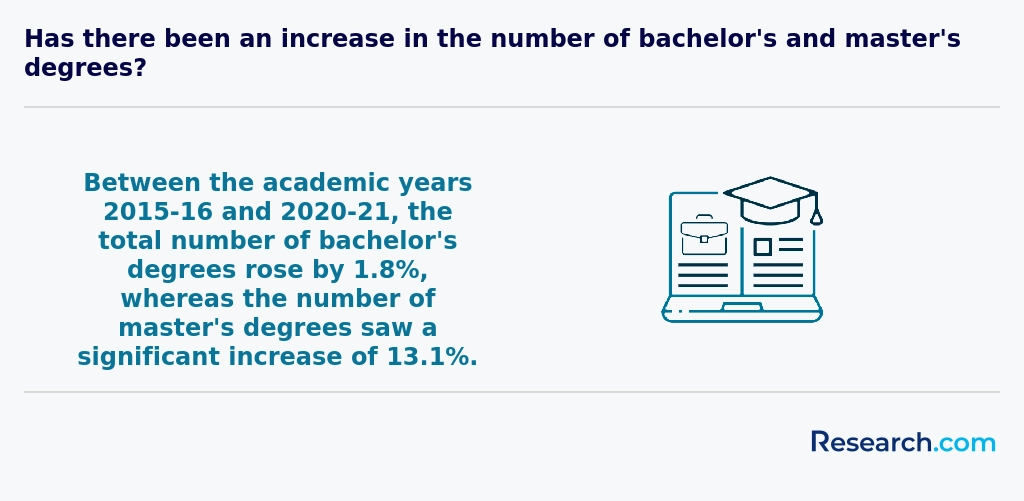
Imagine a business student at George Mason University navigating the sea of financial aid that makes Fairfax education accessible. The lifebuoy here is the Pell Grant, a no-strings federal gift that can cover up to $7,395 of your costs, easing the weight of Virginia's $12,000 to $18,000 in-state tuition.
Loans like Stafford-both subsidized for those with demonstrated need and unsubsidized-fill in the gaps, giving students freedom to focus on strategy instead of spreadsheets. Graduate hopefuls might tap into Direct PLUS Loans, unlocking funds but facing the gatekeeper of credit approval.
Locals also dive into state-specific treasures such as the Virginia Tuition Assistance Grant, which sweetens deals at private Fairfax colleges by slicing down sticker prices. Scholarships shine like hidden gems too-awarded for leadership, academic prowess, community spirit, or even business innovation, often fueled by local businesses eager to seed talent in the region.
For those balancing books and work, Federal Work-Study jobs offer a paycheck alongside experience, a dynamic duo fueling dreams. Early FAFSA submission unlocks these pathways, turning financial aid from abstract hope into tangible support on the Fairfax business journey.
To step into a business degree in Fairfax, you first need the golden ticket: a high school diploma or GED. Imagine a recent graduate from George Mason University reminiscing about the excitement of submitting transcripts with a solid 3.2 GPA-enough to open doors but still signaling a hunger to learn more. Math and English form the bedrock here; algebra and statistics aren't just subjects but the sturdy scaffolding for your future enterprise ventures.
Some students recall anxiously waiting to see if their SAT or ACT scores-hovering around that sweet spot of 1100-1300 or 21-27-would be enough to impress admissions. Fairfax's institutions often flirt with test-optional policies, yet strong scores still shine like a beacon on applications.
Letters of recommendation and heartfelt personal essays become storytellers of ambition, especially in competitive tracks. Non-native speakers find triumph in showcasing their English prowess through TOEFL or IELTS, turning language barriers into stepping stones. With these prerequisites, Fairfax molds eager minds ready to navigate its vibrant business landscape.
When evaluating business degree programs in Fairfax, VA, considering the affordability of these programs is crucial for many students. Besides the academic excellence and career opportunities, the cost of attending a business program can significantly impact a student's decision. For those looking to invest wisely in their education, exploring affordable business programs in Virginia can provide valuable insights into how to achieve their academic and professional goals without incurring excessive debt. This approach allows students to weigh the benefits of different programs, including their cost, against the potential return on investment, such as better job prospects and higher salaries. By doing so, students can make informed decisions that align with their financial situation and career aspirations, setting them on a path to success in the business world.
Envision yourself diving into Principles of Management at a Fairfax college, where graduates recall lively case studies about leading diverse teams in companies buzzing just miles from Washington D.C. Financial Accounting here isn't just numbers on paper; it's the story behind every business decision that students at local universities experience through real-time company simulations.
Marketing Fundamentals come alive when classmates brainstorm campaigns inspired by the bustling Fairfax markets, while Business Law classes decode the legal puzzles faced by entrepreneurs opening shops down the road. Economics courses paint a picture of how Fairfax's vibrant economy interacts with national trends, letting students grasp concepts that shape their own community.
Specialized courses like Entrepreneurship spark the dreams of those ready to launch startups, their professors often sharing tales of recent alumni who transformed ideas into thriving enterprises. Meanwhile, Information Systems Management courses connect technology with strategy, perfectly echoing the tech-driven businesses cropping up across Northern Virginia.

Diving into business degree specializations in Fairfax feels like unlocking a treasure chest of future-ready careers. Finance captivates students eager to decode investment puzzles and corporate wealth, with graduates often landing roles in bustling Washington D.C. banks or startups. Marketing here is more than ads-it's digital wizardry amid Fairfax's tech hubs, where students craft strategies that resonate globally and locally. Management hones leadership skills for those ready to steer teams through dynamic public and private sector challenges, drawing on hands-on projects offered by popular colleges in the area.
Information Systems and Business Analytics blend coding and commerce, perfect for data enthusiasts excited by Fairfax's tech-driven economy. Meanwhile, International Business opens doors to global markets, inspired by the region's diverse cultural tapestry. Students often recall internships enhancing their edge, sparking confidence to navigate real-world complexities. Embracing these top business concentrations Fairfax programs offer means joining a vibrant network that propels careers forward.
Those curious about intersecting business and hospitality might explore the best online master's in hospitality management, broadening their horizon while rooted in Fairfax's dynamic setting.
Choosing the best business degree in Fairfax feels like plotting your own Fortune 500 future map. Imagine yourself walking the bustling campus of a school known for its accredited business programs, where a graduate recalls how the AACSB accreditation at George Mason University wasn't just a badge-it was a passport to doors opening wide in Northern Virginia's thriving job market. The secret sauce? Blend your career dreams with pragmatic checks: seek out schools offering flexible courses that accommodate your busy life, whether evening classes or online modules.
It's not just about hitting the books; consider how internships and networking in Fairfax's vibrant Washington D.C. corridor create real-world lab experiments-graduates often share stories of landing life-changing roles through connections made during those formative drops into corporate or government ecosystems. For affordable options, weigh costs carefully and explore scholarships to avoid drowning in debt while chasing one of the best business degree programs Fairfax has to offer.
And for those wondering which routes yield the highest returns? You might want to glance at the colleges with highest roi to guide your choice among affordable business colleges in Fairfax, ensuring your investment aligns with your ambitions and wallet.
Imagine a graduate from one of Fairfax's bustling colleges stepping into the realm of management and administration, navigating projects with the calm confidence born from coursework that hones sharp leadership skills. These roles are more than jobs-they're the beating heart of businesses where operations and strategy collide. Meanwhile, another graduate dives into the vibrant marketing and sales arenas, crafting brand stories that resonate across Fairfax's tech-savvy and consumer-driven landscape. These career paths grow organically from the fertile ground of business degree career opportunities in Fairfax.
Others find themselves analyzing numbers as financial analysts or accountants, their efforts amplified by the region's above-average wages and steady demand. A handful gravitate toward human resources, fostering work environments that thrive on recruitment and employee development. The entrepreneurial spirits among them leverage Fairfax's business incubators to turn bold ideas into startups. For students seeking affordable business programs in Virginia, the region's universities provide not only education but gateways to these top business jobs for Fairfax graduates through powerful internships and networking.

The job market for business degree holders in Fairfax pulses with opportunity, fueled by the city's unique mix of federal agencies and vibrant private sectors. Graduates from popular institutions here often share stories of landing roles with government contractors or diving into financial firms, energized by the proximity to power hubs like the Department of Defense. This dynamic ecosystem offers a playground where business graduates discover their value, blending theoretical knowledge with real-world impact.
In tangible terms, business degree employment opportunities Fairfax reveals a playground for aspiring professionals in technology, healthcare administration, and consulting. One graduate from a well-known Fairfax college found that leveraging local connections turned an internship into a full-time role earning above the regional average. The steady 7% growth projected in this metro area encourages optimism.
For students weighing costs, the balance is clear: public universities offer business programs with tuition ranging from $12,000 to $15,000 annually, a manageable investment given the competitive salaries nearby. Exploring Business Administration Degree Programs here can open doors to this flourishing market.
2027 Best Business Degree Programs Ranking in Fairfax
Investing in your education is a significant decision that can shape your professional future, and the Research.com team deeply understands the importance of making well-informed choices. To support prospective students in Fairfax, we have meticulously developed the "2027 Best Business Degree Programs Ranking in Fairfax." Our dedication to quality, credibility, and accuracy is demonstrated through rigorous analysis and research behind this ranking.
We utilized the following reputable data sources to ensure a comprehensive assessment of business degree programs:
By reviewing this ranking, readers will gain valuable insights into the top business programs in Fairfax, empowering them to make confident educational decisions. For more information about how this ranking was created, please visit our Research.com methodology page.

Frequently Asked Questions About business
Business degree students in Fairfax can maximize their learning by actively engaging with both academic and practical experiences. Taking advantage of internships at leading local companies such as those in Fairfax's rapidly growing tech and consulting sectors provides invaluable real-world insight. The Fairfax Chamber of Commerce often offers networking events where students can connect with professionals, enhancing their career prospects.
Additionally, enrolling in cooperative education programs available at nearby universities helps students earn credits while working. Students should also utilize campus resources like business clubs and workshops to build leadership and teamwork skills. According to the U.S. Bureau of Labor Statistics, such experiential learning increases job placement rates significantly in the region.
The business field is evolving rapidly, and several emerging niches are gaining attention in Fairfax and across the United States. One significant area is technology-driven business analytics, where professionals use data to guide decision-making. Fairfax benefits from its proximity to tech hubs, increasing demand for expertise in this area.
Another growing niche is sustainable business practices, focusing on environmental responsibility and social impact. Many Fairfax companies now prioritize sustainability, reflecting national trends.
Additionally, cybersecurity management is becoming essential due to rising digital threats, with businesses seeking leaders who understand both business and security concerns.
According to the U.S. Bureau of Labor Statistics, jobs in business analytics and cybersecurity are expected to grow faster than average through 2030, which aligns with Fairfax's expanding economy.
Preparing for the job market after completing a business degree in Fairfax involves strategic planning and engagement with local opportunities. Fairfax is part of the Washington metropolitan area, where the demand for business professionals is rising, especially in sectors like technology, government contracting, and finance. According to the Bureau of Labor Statistics (2023), employment in management and business fields in the region is projected to grow by 6% over the next decade.
Students should gain practical experience through internships or cooperative education programs. Many Fairfax institutions partner with major employers such as Deloitte, Booz Allen Hamilton, and CACI, giving candidates a competitive advantage.
Networking is crucial. Joining local professional organizations like the Fairfax County Chamber of Commerce can connect graduates with hiring managers. Additionally, improving soft skills such as communication and adaptability, as emphasized by the National Association of Colleges and Employers (2023), enhances job-readiness.
Employers in Fairfax prioritize several key skills when hiring business degree graduates. Strong communication abilities are essential, as local firms often emphasize teamwork and client interaction. According to the Fairfax County Economic Development Authority, analytical thinking ranks highly, especially for roles in finance and management. Proficiency in digital tools and data analysis is increasingly important, reflecting the growing tech integration in business operations. Leadership and problem-solving skills are also sought after, enabling graduates to adapt within Fairfax's diverse industries. Additionally, ethical decision-making is a priority, given the region's commitment to corporate responsibility and government contracts that require transparency.
Finding internships in Fairfax relevant to a business degree involves leveraging local resources and networks. Fairfax, part of the Northern Virginia business hub, hosts numerous companies in finance, technology, and marketing sectors, creating diverse internship opportunities.
Students should start by exploring career centers at local institutions such as George Mason University, which connects over 70% of business students with internships annually, according to the university's 2023 report.
Additionally, online job portals like Handshake and internships.com list Fairfax-specific opportunities. Networking through professional events and local chambers of commerce can also increase chances to secure internships.
Employers in Fairfax often prefer candidates with familiarity in regional economic trends, so staying informed about local business developments is advantageous.
A business degree significantly enhances career mobility and advancement opportunities in Fairfax, a region known for its robust economy and corporate presence. According to the Fairfax County Economic Development Authority, sectors such as technology, government contracting, and finance dominate the local market, often requiring employees with strong business acumen.
Graduates with business degrees are positioned to access a variety of roles, including management, marketing, and financial analysis. Studies from the U.S. Bureau of Labor Statistics highlight that business degree holders typically see a 12% faster promotion rate compared to non-degree peers nationwide, trends which hold true in Fairfax's competitive job market.
Additionally, Fairfax's proximity to Washington, D.C., offers unique networking and internship opportunities that boost career growth. Employers here highly value skills in leadership, strategic thinking, and project management-core elements of most business programs.
Studying for a business degree in Fairfax offers students a practical foundation for interdisciplinary roles by combining core business principles with exposure to related fields such as technology, healthcare, and public policy. Many Fairfax institutions emphasize collaboration across disciplines, reflecting the region's diverse economy, which includes government agencies, tech firms, and service industries. According to the U.S. Bureau of Labor Statistics, Fairfax County's employment in management and business occupations grew steadily by 5% over the past five years, underscoring the demand for versatile professionals.
The curriculum often integrates case studies and projects involving multiple departments, helping students develop skills in communication, problem-solving, and data analysis. This approach equips graduates to operate effectively in teams that span different sectors, a vital skill in the increasingly interconnected professional landscape.
When choosing between a thesis and a non-thesis business degree program in Fairfax, students should consider their career goals. A thesis option is ideal for those interested in research or pursuing a PhD, as it involves in-depth study and a substantial written project. The non-thesis track typically focuses more on practical skills and coursework, appealing to students aiming for immediate entry into the workforce.
Local Fairfax employers often value the applied knowledge gained from non-thesis programs, especially in dynamic sectors like government contracting and technology. According to Fairfax economic reports, business professionals with hands-on experience tend to find employment faster.
Consider also the time commitment: thesis programs usually take longer to complete due to research requirements. Evaluating faculty expertise and resources at Fairfax institutions can guide a better fit for your academic interests.
Students based in Fairfax seeking to study business abroad have several pathways through local universities with strong international partnerships. George Mason University, the largest institution in Fairfax, offers exchange programs with over 25 global business schools, enabling students to experience diverse markets and cultures while earning credits. Many programs emphasize hands-on learning in global business environments, reflecting Fairfax's growing international economic ties.
Additionally, Fairfax students can access study abroad scholarships designed specifically for business majors, which cover various destinations across Europe, Asia, and South America. According to the Institute of International Education's 2023 Open Doors report, such opportunities have increased by 15% over five years among U.S. business students.
These options allow Fairfax business students to strengthen their global perspectives while benefiting from the region's expanding international business network and resources.
Fairfax offers diverse part-time job opportunities that can enhance a business degree education. Positions such as administrative assistants, marketing interns, and retail sales associates are commonly available and provide practical skills in communication, organization, and customer relations. According to the Fairfax County Economic Development Authority, the region hosts over 25,000 business establishments, including many small and medium enterprises that frequently seek part-time help.
Internships with local firms or government agencies offer direct exposure to business operations, budgeting, and management. Many students find roles in financial services or tech startups in Fairfax's growing economy. These roles complement academic learning by fostering real-world problem solving and networking.
Business students in Fairfax benefit from numerous networking opportunities through local universities and community resources. George Mason University, a leading institution in the region, hosts regular career fairs and alumni events, connecting students with over 3,000 businesses operating in Fairfax County. According to Fairfax County Economic Development Authority, the area is home to over 1,700 technology and defense companies, offering rich industry exposure.
Students also gain access to professional organizations such as the Fairfax County Chamber of Commerce, which offers workshops and networking mixers tailored to emerging business leaders. Additionally, local incubators and startup hubs provide chances for collaboration and mentorship with entrepreneurs.
Alumni networks play a crucial role in supporting business degree students in Fairfax. These networks connect current students with graduates who have established careers in various industries, offering valuable mentoring and career advice. According to the Fairfax Chamber of Commerce, businesses in the region often prefer hiring candidates recommended through alumni connections, which can increase job placement chances.
Students gain access to exclusive internship opportunities and industry events through alumni associations. This networking can lead to internships at major companies such as Northrop Grumman and Freddie Mac, both headquartered near Fairfax. Furthermore, alumni often provide insights into local market trends, enhancing students' understanding of the Fairfax business environment.
Customizing a business degree program in Fairfax allows students to align their education with specific career ambitions. Many local institutions offer elective courses and concentrations such as finance, marketing, or entrepreneurship that help tailor the degree. For example, George Mason University provides options for students to choose specializations that match rapidly growing sectors in Fairfax, like technology and government contracting.
Internships and cooperative education opportunities are also important, giving practical experience in Fairfax's dynamic business community. According to the Fairfax County Economic Development Authority, over 12,000 business establishments provide diverse work settings for students to gain real-world skills.
Additionally, students can select flexible scheduling options, including evening and online classes, to balance work and study efficiently.
Business students in Fairfax face several common challenges throughout their studies. One significant issue is balancing rigorous coursework with part-time jobs or internships, which are crucial for gaining practical experience. According to the National Center for Education Statistics, around 43% of undergraduate students nationwide work while enrolled, a trend seen in Fairfax as well.
Another challenge involves adapting to evolving technology and data analytics tools now prevalent in business curriculums. Many students struggle with mastering software like Excel, Tableau, or CRM platforms early in their degrees.
Additionally, navigating competitive internship and job markets in the Washington metropolitan area can be demanding. Limited networking opportunities during the COVID-19 pandemic have also slowed professional connections for many.
Language barriers and cultural diversity present further hurdles for international business students, who comprise a growing segment of Fairfax's student population.
A business degree from a Fairfax institution opens doors to various professional certifications that enhance career prospects. Popular certifications include the Certified Public Accountant (CPA), ideal for accounting majors, and the Project Management Professional (PMP), which is valued across industries.
The Chartered Financial Analyst (CFA) credential suits students interested in finance and investment sectors, while the Certified Management Accountant (CMA) focuses on financial management and strategy.
According to the Fairfax County Economic Development Authority, over 75% of local employers prefer candidates holding relevant certifications, highlighting their importance in the competitive job market.
Additionally, certifications like the SHRM Certified Professional (SHRM-CP) benefit business graduates targeting human resources roles in the region's thriving corporate environment.
Writing a winning application for a business program in Fairfax begins with thorough research. Applicants should highlight relevant academic achievements, focusing on coursework in economics, mathematics, and communication skills, which are essential for business studies.
Including clear career goals in the personal statement helps admission committees understand the applicant's motivation. Fairfax's business programs often emphasize leadership and community involvement, so detailing extracurricular activities or work experiences related to these areas strengthens an application.
Applicants should also obtain strong letters of recommendation from professors or employers familiar with their business aptitude.
Standardized test scores, though varying by institution, can remain an important factor; check specific program requirements.
The Fairfax Economic Development Authority reports that the local business climate favors innovation and entrepreneurship, so showcasing skills in these areas can improve prospects.
Business careers are increasingly influenced by globalization, requiring professionals to understand diverse markets and cultures. In Fairfax, business degree programs emphasize global business strategies and international trade, reflecting the area's strong ties to multinational corporations and government agencies.
The U.S. Bureau of Labor Statistics projects that employment in business and financial operations will grow by 8% from 2022 to 2032, driven by global business activities. Fairfax's proximity to Washington D.C. positions graduates well for roles in global consulting, finance, and supply chain management.
Educational institutions in Fairfax offer curricula aligned with global standards, focusing on cross-cultural communication and international regulations to prepare students for worldwide opportunities.
Gaining practical experience while studying for a business degree in Fairfax is important for building skills and enhancing employability. Many local colleges and universities offer internship programs that connect students with businesses in the nearby Washington, D.C. metropolitan area. These internships provide opportunities to work on real projects in fields like marketing, finance, and management.
Additionally, students can participate in cooperative education (co-op) programs, which combine classroom learning with paid work experience. Fairfax's strong economy, driven by government contracts and technology firms, supports abundant local internships. According to the Fairfax County Economic Development Authority, over 40% of internships in the region are business-related, offering valuable hands-on training.
Student organizations and business clubs also often host networking events, workshops, and case competitions. These activities build practical skills such as teamwork and problem-solving, crucial for future business careers.
Choosing the right concentration within a business degree program in Fairfax requires understanding your career goals and local industry trends. Fairfax's economy strongly supports sectors like technology, government contracting, and finance, which influence concentration demand. For example, concentrations in management information systems or finance often align with job opportunities in the area. According to the Fairfax County Economic Development Authority, sectors related to cybersecurity and IT services are rapidly growing.
Consider your interests alongside labor market data. Research shows that business analytics and supply chain management are emerging fields nationally and locally, offering promising career paths.
Additionally, evaluate program resources, faculty expertise, and internship opportunities at Fairfax institutions to ensure hands-on experience that matches your concentration choice.
- 2027 Best Business Degree Programs Ranking in Arlington
- 2027 Best Business Degree Programs Ranking in Washington
- 2027 Best Business Degree Programs Ranking in College Park
- 2027 Best Business Degree Programs Ranking in Frederick
- 2027 Best Business Degree Programs Ranking in Baltimore
- 2027 Best Business Degree Programs Ranking in Richmond
- 2027 Best Business Degree Programs Ranking in Harrisonburg
- 2027 Best Business Degree Programs Ranking in Dover
- 2027 Best Business Degree Programs Ranking in New Castle
- 2027 Best Business Degree Programs Ranking in Lancaster
See What Experts Have To Say About Studying Business
Read our interview with Business experts


David W. Stewart
Business Expert
Emeritus President's Professor of Marketing
Loyola Marymount University

Ingrid S. Greene
Business Expert
Clinical Assistant Professor of Management
Loyola Marymount University

- How to Write a Statement of Purpose for Business School https://www.statementswritingservices.com/blog/how-to-write-a-statement-of-purpose-for-business-school.html
- The Biggest Challenges for Business School Students | EU Business School https://www.euruni.edu/blog/the-biggest-challenges-for-business-school-students/
- Niche Business Ideas: A Guide to Profitable Niche Business Selection - Inar Learn https://inarlearn.com/niche-business-ideas-a-guide-to-profitable-niche-business-selection/
- 8 Best Places to Study Abroad for Business [+ How to Choose] https://www.semesteratsea.org/study-abroad-for-business/
- Online and Traditional Business Degrees Comparison | Free Essay Example https://studycorgi.com/online-and-traditional-business-degrees-comparison/
- What is the future of bachelor’s degrees in business? https://www.amba-bga.com/insights/what-is-the-future-of-bachelors-degrees-in-business
- 1. Online registration https://moderna.edu.pl/majors/management/bachelor-of-management/business-management/
- Information for New Businesses https://www.fairfaxcounty.gov/taxes/business/information-new-businesses
- How to Choose a Business Degree - GradLime https://gradlime.com/choose-business-degree/
- The Seven Biggest Challenges Faced by Student Entrepreneurs https://venturewell.org/blog/five-biggest-challenges/