
2027 Most Affordable Business Degree Programs Ranking in Detroit

Co-Founder and Chief Data Scientist
Choosing the right business degree program can feel overwhelming, especially with so many options in Detroit. This article introduces the 2027 Most Affordable Business Degree Programs Ranking in Detroit, created by the Research.com team of data scientists to guide you in making an informed decision.
Discover affordable programs that balance quality and cost, helping you find the best fit for your goals. Earning a business degree opens doors to valuable skills and career opportunities, making this information essential for your future success.
Take a confident step toward your business education today.
Key benefits of getting business degree in Detroit
• Graduates with a business degree in Detroit can earn attractive salaries, such as Business Analysts making around $112,950 annually and Business Development Executives earning about $83,190 per year, helping to secure financial stability and growth opportunities.
• Career paths for business graduates from local institutions like Wayne State University often include roles in business analysis, development, or management, offering diverse opportunities in thriving Detroit industries.
• Earning a business degree online from a respected Detroit university provides flexibility to balance work and study while gaining skills that employers value, enabling graduates to advance their careers without disrupting their daily lives.
- 2027 Most Affordable Business Degree Programs Ranking in Detroit
- What can I expect from business degree in Detroit?
- Where can I work with business degree in Detroit?
What can I expect from business degree in Detroit?
The average cost of pursuing a business degree in Detroit is generally competitive within a metropolitan setting. For in-state undergraduate students attending public institutions like Wayne State University, annual tuition typically falls between $12,000 and $15,000 for the 2023-2024 academic year. This affordability allows many Detroit-based students to manage the financial investment without excessive burden while taking advantage of quality programs.
Graduates from Detroit's business schools often reflect positively on the combination of rigorous academics and practical opportunities, highlighting how tuition investments translate into valuable skills and career connections. For example, students at Wayne State University's Mike Ilitch School of Business frequently leverage internships within Detroit's automotive giants and thriving startups, enhancing their readiness for the local job market.
Other institutions such as the University of Detroit Mercy and Marygrove College offer similarly priced programs accredited by the AACSB, ensuring high standards of education. These programs often feature flexible schedules to accommodate working students, making the cost more manageable overall.
Where can I work with business degree in Detroit?
Graduates with business degrees from institutions like Wayne State University and the University of Detroit Mercy find diverse career opportunities across Detroit's evolving economy. Many enter Detroit's automotive sector, securing roles in supply chain management, operations, or financial analysis at companies such as General Motors and Ford, where advanced manufacturing supports about 10% of regional employment.
Financial services are another robust avenue. Graduates often start in banking, accounting, or fintech roles at local banks and credit unions, benefiting from a 3.5% growth in professional and business services jobs in metro Detroit. This steady expansion fuels optimism among recent graduates seeking stability and upward mobility.
Healthcare administration also attracts business graduates, with organizations like Henry Ford Health System employing over 50,000 workers. Here, graduates manage budgeting, operations, and HR functions, gaining valuable experience in a thriving sector.
The booming technology and logistics industries further expand options. Detroit's port and tech startups provide roles in project management and strategic planning, supported by a 7% growth rate in tech jobs from 2018 to 2022. Graduates from Detroit's business schools often express enthusiasm about these dynamic, fast-paced career paths.
Graduates with a business degree in Detroit can anticipate earning competitive salaries that reflect the city's dynamic economic landscape. Data from the U.S. Bureau of Labor Statistics shows that business analysts, a common role for recent graduates from institutions like Wayne State University's School of Business, have a mean annual wage around $112,950. This reflects strong demand for analytical expertise in Detroit's growing sectors.
For those entering roles such as business development executives, the expected mean annual wage is approximately $83,190. Graduates often find opportunities with local companies valuing practical skills gained through internships and networking within Detroit's vibrant business community.
Real-life experiences from graduates highlight that while entry-level positions start near $50,000 to $60,000, advancing to roles such as business analyst can significantly boost earning potential. Enhanced by Detroit's lower cost of living, these salaries provide graduates with financial stability uncommon in larger metropolitan areas.
Overall, business degree holders in Detroit enjoy salaries that balance well against living costs, with promising growth opportunities especially in analytics and business development roles.
- The average total cost for a bachelor's degree in business in Detroit ranges from $20,000 to $40,000 at public universities for in-state students.
- Private institutions in Detroit often charge tuition exceeding $50,000 for business degrees.
- Starting salaries for business graduates typically fall between $50,000 and $60,000 annually, varying by discipline and employer size.
- Mid-career salaries for experienced business professionals in Detroit can reach $80,000 to $100,000 yearly in fields like management, finance, and marketing.
- Employment growth is projected in management, sales, and financial analysis roles through the mid-2020s in Detroit's business sectors.
- Internships and professional networking are crucial for securing jobs, with local organizations and university career centers providing support.
Completing a business degree in Detroit typically takes about four years for a bachelor's degree when attending traditional programs at universities such as Wayne State University or University of Detroit Mercy. Graduates often recall a structured timeline balancing core courses in management, marketing, and finance alongside general education requirements. Community colleges like Oakland Community College offer associate degrees that usually take about two years, serving students who later transfer or enter the workforce with foundational business skills.
MBA programs in Detroit vary; full-time options often span two years, but many schools offer accelerated or part-time tracks allowing completion within one year or extending beyond two years, accommodating working professionals. Students juggling part-time study cite extended timelines but appreciate the flexibility to gain experience and manage finances simultaneously.
Factors influencing completion time include enrollment status, transfer credits, and program delivery modes such as online or evening classes. Many students benefit from Detroit's dynamic business scene through internships, sometimes adding to degree length but enhancing future job prospects.
Online business degree programs in Detroit offer significant flexibility, allowing students to juggle work, family, and studies more easily. For example, graduates from online programs can attend lectures via digital platforms at any time, which suits Detroit's busy professionals. Tuition for these programs typically averages around $14,000 annually, often lower than on-campus costs, making them an attractive option for budget-conscious students.
Conversely, on-campus programs at institutions like Wayne State University or the University of Detroit Mercy provide a traditional college atmosphere. Students benefit from face-to-face interaction with professors and peers, which many graduates report as valuable for sharpening communication skills and forming strong local business networks. Tuition ranges between $15,000 and $20,000 per year at public universities, with private schools charging more, reflecting added campus resources.
Detroit students also weigh practical factors such as commuting time and access to on-campus career fairs and internships, which are more readily available through local connections. These experiential opportunities can enhance real-world learning and professional growth.
The average cost of a business degree in Detroit reflects a range of tuition rates shaped by the choice of institution and residency status. Based on median figures, in-state students typically face a total cost near $24,068 for completing their degree, while out-of-state students encounter nearly double that, around $47,309. These numbers align with experiences reported by graduates from prominent Detroit schools, where public universities offer more affordable paths compared to private institutions.
Many students appreciate how the relatively moderate tuition combines with Detroit's lower living expenses, contributing to an overall manageable financial commitment. For example, graduates from local public universities often mention that strategic use of scholarships and employer tuition assistance significantly eased their financial burden. Conversely, those attending private business programs regularly report higher annual tuition, sometimes exceeding $30,000, yet still find value through dedicated financial aid resources.
Those researching affordable business degree programs Detroit 2027 should remember that costs extend beyond tuition. Additional expenses like books, supplies, and technology fees can add thousands annually, making budgeting an essential skill. The dynamic cost environment in Detroit underscores why prospective students must carefully consider total expenses and financial aid opportunities at each institution.
Students seeking more detailed information on cost-effective options will find value in exploring the affordable business school in Michigan listings, which highlight institutions balancing quality education with reasonable tuition rates.
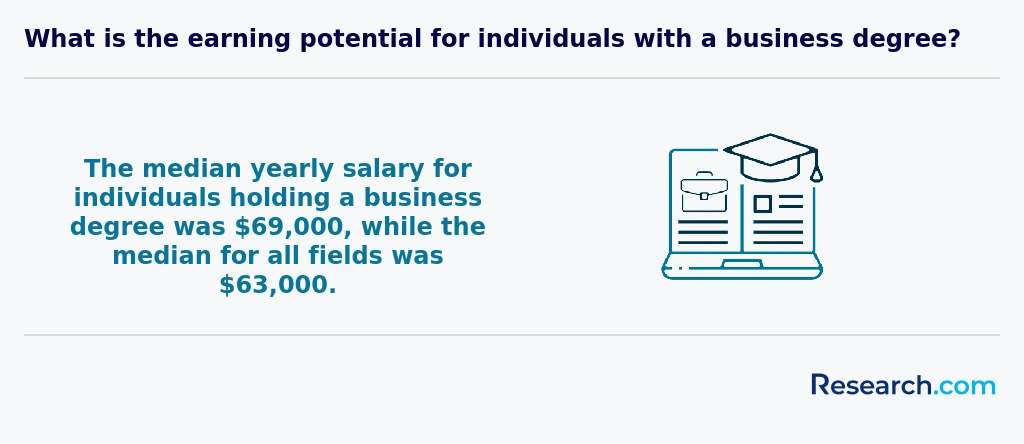
Business students in Detroit benefit from a range of financial aid options crucial for managing the $13,000 average annual tuition at Michigan public universities. Federal aid, accessed through FAFSA, includes the Pell Grant, which can provide up to $7,395 without repayment, and subsidized loans that ease post-graduation debt. Graduates from Wayne State University report that federal aid significantly reduced their financial burdens, allowing them to focus on internships within Detroit's automotive and startup sectors.
State aid further supports local students. The Michigan Competitive Scholarship offers up to $1,000 annually, while the Tuition Incentive Program covers tuition for community college or public university students meeting eligibility requirements. University of Detroit Mercy alumni often highlight how state aid combined with private scholarships funded by local business groups made their education affordable and connected them with Detroit's economic growth initiatives.
Part-time enrollment and community college programs additionally enable cost savings alongside work-study opportunities aligned with Detroit's thriving business environment. Engaging with financial aid offices at these institutions helps students secure all applicable resources timely, creating a manageable path toward a business degree in Detroit.
To pursue a successful career in business, selecting the right location is crucial, and Detroit, MI, stands out as a vibrant hub for economic growth and innovation. When considering a business degree, it's essential to weigh the pros and cons of various locations, and Detroit offers a unique blend of affordability, opportunity, and community support. For those interested in exploring affordable educational options, researching an affordable business school in Michigan can provide valuable insights into cost-effective pathways to achieving career goals. Detroit's business landscape is characterized by its resilience, diversity, and the presence of major industries such as automotive and healthcare, making it an ideal place for business students to gain practical experience and build professional networks. The city's educational institutions, such as Wayne State University and the University of Detroit Mercy, offer high-quality business programs that cater to a wide range of interests and career aspirations, from finance and marketing to entrepreneurship and human resource management. By choosing to pursue a business degree in Detroit, students can position themselves for success in a dynamic and supportive environment that fosters growth, innovation, and community engagement.
Prospective students aiming to enroll in business degree programs in Detroit generally must present a high school diploma or GED, paired with a competitive GPA between 2.5 and 3.0, though top programs may expect higher. Many applicants recall submitting transcripts evidencing completion of core subjects like Mathematics (through Algebra II), English, Social Studies, and Science, which lay the groundwork for business studies. For example, graduates from Wayne State University often highlight how early exposure to economics or accounting-sometimes taken in high school or during initial college semesters-smoothed their transition into advanced business coursework.
Graduate programs, including MBAs at University of Detroit Mercy, typically require a bachelor's degree with a minimum GPA near 3.0, along with relevant work experience and recommendation letters. Many find the option to waive GMAT/GRE scores if professional experience is substantial encouraging, reducing barriers while emphasizing practical readiness.
Detroit's evolving industries, such as automotive management and supply chain logistics, encourage applicants to showcase interest in these fields, aligning academic preparation with local economic demands, fostering confident and motivated candidates eager to contribute to the city's growth.
Beyond academics, thriving in a business degree program means engaging fully with the vibrant campus culture and community opportunities that Detroit has to offer. Students often report that campus life significantly enriches their educational journey-ranging from active participation in business clubs, leadership workshops, and networking events with local industry professionals, to collaborating on community projects that build practical skills and lasting relationships. Many institutions host career-specific seminars and roundtable discussions that provide insights into both in-class theory and real-world applications, illustrating the balance between academic rigor and experiential learning. Moreover, involvement in extracurricular activities can prepare students for post-graduate careers by developing soft skills such as teamwork, communication, and problem-solving. It is also an opportunity to get familiar with digital trends and understand the nuanced business administration requirements that modern employers expect. For instance, by joining student-run organizations or attending guest lectures, one can gain insider knowledge on the evolving landscape of [business administration requirements](https://research.com/careers/business-administration-careers) while building a robust professional network. This dynamic environment not only fosters intellectual growth but also helps students form a well-rounded profile, ultimately giving them a competitive edge in Detroit's ever-changing job market.
Business degree programs in Detroit typically include core courses such as Principles of Management, Financial Accounting, Marketing Fundamentals, Business Law, Economics, Statistics, Operations Management, and Business Ethics. These subjects build a solid foundation by covering leadership, financial literacy, market analysis, legal frameworks, and ethical business practices.
Graduates from prominent Detroit colleges often describe how studying Financial Accounting helped them confidently manage real-world budgets during internships with local automotive firms. Marketing Fundamentals courses frequently incorporate Detroit's unique market dynamics, enabling students to design campaigns for small businesses and startups thriving in the city's revitalizing economy.
Moreover, many Detroit universities offer electives like Supply Chain Management and Innovation in Manufacturing, reflecting the region's automotive industry influence. Students appreciate hands-on learning experiences through projects and internships that connect classroom theory with Detroit's manufacturing and entrepreneurial ecosystems.
The practical application of these courses boosts student confidence and readiness for diverse business roles, illustrating how Detroit's business programs effectively align academic content with local economic strengths.
Business degree specializations in Detroit commonly include finance, marketing, management, accounting, and supply chain management, reflecting the city's economic strengths. Finance stands out, with graduates from Detroit's universities acquiring skills in financial analysis and corporate finance, aligning with the region's growing banking and investment sectors. These graduates often recall their coursework preparing them to secure roles offering median annual wages near $76,000, based on Bureau of Labor Statistics data.
Marketing and sales specializations are prevalent, addressing Detroit's expanding digital economy. Students learn about digital marketing and consumer behavior, leading to careers in market research or advertising. Management programs focus on leadership and strategic planning skills, which graduates appreciate for their application in Detroit's diverse business landscape, from startups to established corporations.
Accounting remains essential, with courses emphasizing auditing and tax preparation, vital for Detroit's automotive and tech sectors. Supply chain management is particularly relevant, as students study the optimization of production and logistics at institutions known for strong business programs, enhancing Detroit's manufacturing legacy. Many local students also explore accelerated bachelor degree programs to advance efficiently in these fields.
Choosing the best business degree in Detroit requires analyzing key factors such as accreditation, cost, and local economic relevance. For example, graduates from Wayne State University often praise its AACSB-accredited program, noting how the curriculum's focus on supply chain and innovation aligns well with Detroit's thriving automotive and manufacturing sectors. This practical connection has helped many secure internships and jobs with local employers. Considering affordability is crucial; while public universities in Detroit average around $13,000 in annual tuition for in-state students, private schools exceed $30,000, making affordable business degree programs in Detroit essential for budget-conscious applicants. Networking opportunities and career services also distinguish top options, as Detroit's business schools frequently collaborate with regional industries, enhancing employment prospects post-graduation. Students seeking flexibility might explore the best colleges offering open enrollment to balance work and study effectively. Ultimately, using data on graduation rates and alumni success can clarify your decision among the best business schools in Detroit for affordability and outcomes.
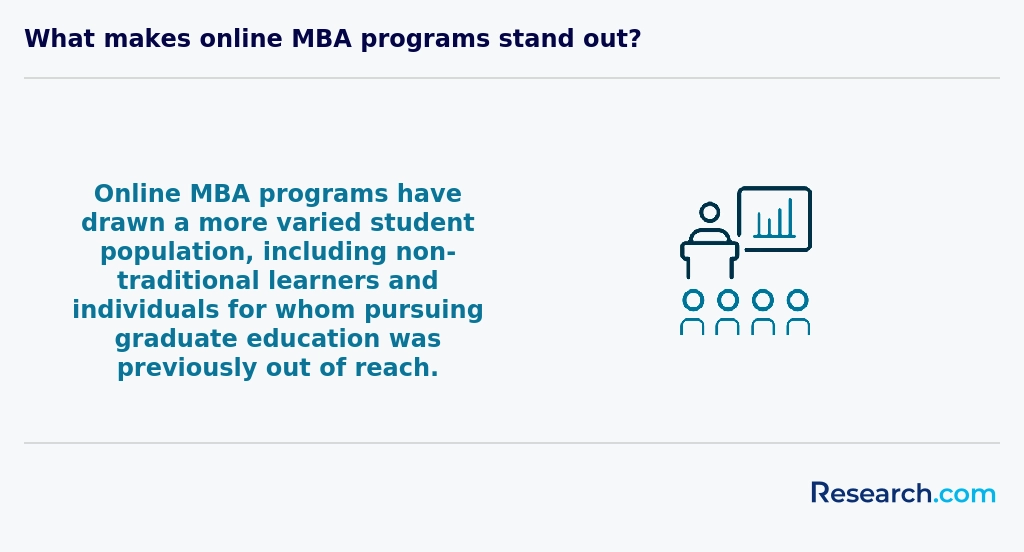
Graduates with a business degree in Detroit find diverse career paths across management, finance, and marketing sectors. Many Detroit-based alumni have secured roles in management and administration within automotive giants like Ford and General Motors or local tech startups. These positions typically involve project oversight, operations, or human resource management, aligning with the 5% projected national growth in management roles. Such roles reflect the growing demand for leadership expertise in Detroit's evolving economy, emphasizing the value of a business degree career opportunities Detroit.
Financial services also offer promising prospects. Graduates frequently join banks or insurance firms headquartered in Detroit, working as financial analysts or accountants. The 7% national growth projection for financial analyst positions highlights steady opportunity in this field. Skills in financial modeling and compliance, emphasized in Detroit's business programs, are highly sought after.
- Detroit's retail and manufacturing industries create openings in sales, marketing, and data analytics, crucial for local and international expansion.
- Entrepreneurship gaining momentum through support from entities like TechTown Detroit equips graduates with practical business planning and management skills.
Graduates from Detroit universities often praise these dynamic career options as both rewarding and achievable, especially with affordable tuition costs locally. Students aiming for advanced roles can explore the highest paid masters degree pathways to enhance their expertise and earnings potential.
Business degree job outlook Detroit is encouraging, supported by diverse industries such as finance, healthcare, and technology. Graduates from institutions like Wayne State University find numerous opportunities in management, marketing, and data analytics, areas increasingly valued in the local economy. Many graduates report gaining practical experience through internships offered by Detroit-based corporations like General Motors and Quicken Loans, which strengthens employability in this competitive but growing market.
Career opportunities for business graduates Detroit include roles in financial analysis and digital marketing, fueled by the city's revitalization and startup ecosystem. Salaries are competitive, with entry-level business analysts earning approximately $55,000 annually, while mid-level managers can make above $75,000, aligning well with Detroit's cost of living. Graduates appreciate the affordability of local public universities and the network advantages they provide, highlighting the city's balanced growth and access to industry connections.
For those considering further education, exploring options such as what is the shortest doctorate program can enhance prospects and adapt to evolving market demands.
2027 Most Affordable Business Degree Programs Ranking in Detroit
Investing in your education is a significant decision that can shape your future, and the Research.com team understands the importance of making informed choices. To assist prospective students in Detroit, we have meticulously created the "2027 Most Affordable Business Degree Programs Ranking in Detroit." Our dedication to quality, credibility, and accuracy is demonstrated through the thorough research and analysis behind this ranking.
We utilized the following reputable data sources to ensure a comprehensive evaluation of business degree programs:
By exploring this ranking, readers will gain valuable insights into the most affordable business degree programs in Detroit, empowering them to make well-informed decisions about their educational investment. For more information on how this ranking was developed, please visit our Research.com methodology page.


Frequently Asked Questions About business
Business degree students in Detroit can maximize their learning by engaging with the city's diverse economy, which includes automotive, technology, and finance sectors. Participating in internships with local companies like General Motors or Quicken Loans can provide real-world experience and professional networking opportunities.
Detroit's universities often offer cooperative education programs, allowing students to alternate between classroom study and work placements. This hands-on approach strengthens practical skills and increases employability.
Additionally, students should take advantage of Detroit's entrepreneurial ecosystem, including resources like the Motor City Match program, which supports new business ventures. Involvement in campus business clubs or Detroit's many professional meetups also expands industry knowledge and contacts.
Emerging niches in the business field reflect broader economic and technological changes, particularly relevant to Detroit's evolving market. One key area is supply chain management, driven by Detroit's status as an automotive hub. The rise in electric vehicles has created demand for sustainable, efficient supply chains, making this a promising specialization.
Another growing field is data analytics. Detroit businesses increasingly rely on data-driven decisions to stay competitive. Mastery of analytics tools can open doors in sectors from manufacturing to retail.
Entrepreneurship and innovation management also stand out, supported by Detroit's expanding startup ecosystem and efforts to revitalize urban economies. These niches align well with job market trends and Detroit's economic priorities.
Preparing for the job market after earning a business degree in Detroit involves strategic planning and leveraging local resources. Detroit's economy is diverse, with key sectors like automotive, finance, and technology offering many opportunities. According to the Detroit Regional Chamber, jobs in these sectors grew by 3.2% between 2020 and 2023. Graduates should engage in internships or cooperative education programs during their studies to gain practical experience and build professional networks.
Utilizing career services at Detroit universities, such as Wayne State University, is essential. These services provide resume workshops, interview preparation, and job fairs targeting Detroit employers. Additionally, joining local business organizations or chambers of commerce can help develop industry connections. Strong networking, combined with certifications like Project Management Professional (PMP) or Six Sigma, can improve job prospects significantly in Detroit's competitive market.
Employers in Detroit highly value business degree graduates with strong analytical and communication skills. According to the Detroit Regional Chamber, companies seek candidates who can interpret data to drive decision-making processes. This skill is essential in sectors like automotive and manufacturing, which dominate the local economy. Additionally, leadership and teamwork abilities are crucial, as Detroit businesses often look for graduates who can manage teams and collaborate across departments efficiently. Technical proficiency, especially in software like Excel and CRM systems, is also important. Understanding Detroit's unique market challenges, including economic revitalization efforts, can give graduates a competitive advantage.
Finding internships in Detroit relevant to a business degree involves a combination of local networking, university resources, and targeted searches. Detroit hosts a strong business community with over 45,000 firms according to the Detroit Economic Growth Corporation, many offering internship opportunities in finance, marketing, and management.
Students should utilize career services at institutions like Wayne State University or the University of Detroit Mercy, which maintain partnerships with local companies and provide job boards specific to business fields. Online platforms such as Handshake and LinkedIn also list internships with Detroit-based businesses.
Attending events like the Detroit Regional Chamber's career fairs can help students connect directly with recruiters. Additionally, contacting organizations like the Small Business Association of Michigan offers insight into smaller firms eager to offer hands-on business internships in Detroit's revitalized entrepreneurial environment.
In Detroit, earning a business degree significantly enhances career mobility and advancement opportunities. According to the U.S. Bureau of Labor Statistics, management and business occupations in the Detroit metropolitan area are projected to grow by 5% through 2031, reflecting steady demand for qualified professionals. A formal business education equips graduates with critical skills in leadership, financial analysis, and strategic planning that local employers value.
Detroit's evolving economy, driven by sectors like automotive, manufacturing, and finance, favors candidates with business degrees for supervisory and managerial roles. Data from the Detroit Regional Chamber indicates that professionals holding business credentials often experience salary increases averaging 10-15% upon job promotion. This degree is also linked to broader networking opportunities, enhancing access to the region's competitive job market.
Studying for a business degree in Detroit offers students a unique chance to develop interdisciplinary skills critical for modern careers. Detroit's economy, known for automotive manufacturing and a growing tech sector, demands professionals who understand both business strategy and technology integration. Local universities often incorporate courses in economics, information systems, and urban development, reflecting real-world challenges.
According to the Detroit Regional Chamber, over 40% of local businesses seek candidates with combined expertise in management and data analysis. Programs emphasize teamwork, problem-solving, and communication across fields, preparing graduates to work effectively in diverse roles. This approach equips students to handle roles that blend finance, marketing, and operations efficiently.
Choosing between a thesis and a non-thesis business degree program in Detroit depends largely on your career goals and learning preferences. A thesis option requires conducting original research, which can be beneficial if you plan to pursue a PhD or a research-oriented role. This path typically demands more time but hones critical thinking and analytical skills. The non-thesis option often involves additional coursework and practical projects, ideal for those seeking immediate employment in Detroit's dynamic business sectors such as automotive, finance, and tech.
According to the Detroit Regional Chamber, the city's economy emphasizes applied business knowledge, making non-thesis programs appealing for quick workforce integration. However, institutions like Wayne State University offer both options, highlighting the flexibility for varied ambitions.
Students in Detroit seeking to study business abroad have several pathways through partnerships between local institutions and global universities. Detroit's business schools, such as Wayne State University and the University of Detroit Mercy, offer exchange programs that allow students to spend a semester or year overseas while earning credits towards their degree.
Many students also consider study-abroad semesters in countries with strong business education reputations, like the United Kingdom or Germany. Financial aid and scholarships specifically for study abroad are often available to Detroit-based students, reducing cost barriers.
Understanding visa requirements and academic credit transfer is essential. Detroit's proximity to international business hubs aids networking opportunities during such programs.
Detroit's growing economy offers a variety of part-time job opportunities that can complement a business degree education. Roles in retail management, customer service, and administrative support provide practical experience in key business functions. According to the Detroit Economic Growth Corporation, industries like automotive, finance, and logistics are expanding, increasing demand for interns and part-time workers with business skills.
Positions such as marketing assistant, sales associate, or bookkeeping clerk enable students to apply classroom knowledge in real-world settings. Part-time jobs at local startups or small businesses also cultivate entrepreneurial skills, valuable for business majors. These opportunities help build networks and enhance resumes while pursuing a degree.
Detroit offers robust networking opportunities for business students through its diverse economic landscape and strong local business community. Students can connect with professionals by attending events organized by the Detroit Regional Chamber, which represents over 1,000 companies and hosts regular networking and educational sessions.
Universities in Detroit often collaborate with industry partners, providing internships and mentorship programs that help students build valuable connections. The city's focus on revitalization industries like automotive, technology, and entrepreneurship means access to specialized business networks is readily available.
Additionally, Detroit's growing startup ecosystem, supported by organizations such as the Michigan Small Business Development Center, offers students chances to engage with entrepreneurs and investors, helping bridge academics with real-world experience.
Alumni networks play a crucial role for business degree students in Detroit by providing valuable professional connections. Detroit's evolving economy benefits from strong industry ties, and alumni often work in key sectors such as automotive, finance, and entrepreneurship. These networks offer mentorship opportunities that help students navigate career paths effectively. According to the Detroit Regional Chamber, businesses value the local alumni relationships that facilitate internships and job placements, boosting graduates' employment rates.
Additionally, alumni events and online platforms create spaces for knowledge sharing and business collaborations. Students gain insights into Detroit's unique market challenges from those with firsthand experience, enhancing their practical understanding.
Customizing a business degree program in Detroit allows students to tailor their education to meet specific career goals. Many universities offer concentrations such as finance, marketing, supply chain management, and entrepreneurship. Detroit's strong automotive and manufacturing sectors provide practical opportunities to focus on sectors driving the local economy.
Students can often select electives and participate in internships or cooperative education programs with Detroit-based companies. This hands-on experience is essential for gaining relevant skills.
According to the Detroit Regional Chamber, the city's business environment continues to grow, especially in technology and logistics, making specialized skills increasingly valuable.
Additionally, Detroit institutions may offer partnerships with local businesses for real-world projects, helping students build a professional network aligned with their career ambitions.
Business students in Detroit face several challenges unique to the city's economic and educational landscape. One significant issue is the fluctuating local job market. Detroit's economy has been recovering but still shows higher unemployment rates compared to the national average-around 7.5% in 2023, according to the U.S. Bureau of Labor Statistics. This can affect internship and job opportunities for students.
Additionally, business programs in Detroit often struggle with limited access to funding and resources. Public universities may have budget constraints influencing class sizes and available support services. Students also report difficulty balancing work and study, as many must work part-time due to financial pressures.
The competitive nature of Detroit's revitalized industries requires students to acquire practical skills quickly, yet not all programs provide sufficient experiential learning. Overall, navigating these challenges demands resilience and strategic planning from business students in Detroit.
A business degree from a Detroit institution can open doors to several valuable professional certifications. Popular certifications include the Certified Public Accountant (CPA), which is ideal for those pursuing accounting roles in Detroit's growing financial sector. The Project Management Professional (PMP) certification is widely recognized and beneficial for managing projects across Detroit's manufacturing and tech industries. Another highly regarded option is the Certified Management Accountant (CMA), focusing on financial management and strategy. According to the Detroit Regional Chamber, obtaining such certifications can increase earning potential by 20-30%. These certifications require passing exams and meeting work experience criteria but significantly enhance career prospects in the local business market.
To write a winning application for a business program in Detroit, start by highlighting your academic achievements and relevant experiences. Detroit's economy is strongly influenced by automotive, tech, and small business sectors, so emphasize any skills or internships connected to these industries. According to the Detroit Regional Chamber, business graduates with local industry knowledge are highly sought after.
Demonstrate clear career goals aligned with Detroit's market trends. Including quantifiable results from leadership roles or projects can strengthen your application. Additionally, showcase your understanding of Detroit's unique business environment, such as its focus on urban revitalization and entrepreneurship.
Strong letters of recommendation and a well-crafted personal statement that reflects your motivation and fit for the program are essential. According to the U.S. Department of Education, applications that present a coherent professional narrative tend to perform better.
Global perspectives on a business career emphasize adaptability, cultural awareness, and strong leadership skills. In the U.S., business degrees often include international business components to prepare graduates for a global market. Detroit's strategic location and diverse economy provide unique opportunities for students to engage with global industries such as automotive, logistics, and technology.
According to the Detroit Regional Chamber, the city's business sector grows alongside increasing global trade links, especially in manufacturing exports valued at over $18 billion annually. This highlights the importance of understanding international markets for business professionals.
Many Detroit universities integrate global case studies and language courses to enhance students' skills, aligning education with global business trends.
Gaining practical experience while studying for a business degree in Detroit is crucial for career readiness. Many local universities and colleges offer internship programs connecting students with Detroit-based companies. For example, Wayne State University reports that over 70% of its business students participate in internships, often with firms in automotive, finance, and technology sectors.
Detroit's diverse economy provides ample opportunities for hands-on learning. Students can engage in cooperative education programs or part-time work to build skills. Additionally, local business incubators and entrepreneurship centers often welcome student participation, allowing real-world project involvement.
Networking events and career fairs hosted by Detroit institutions regularly attract top employers from the region, enhancing job placement chances.
Choosing the right concentration within a business degree program in Detroit involves understanding both your personal interests and the local economic landscape. Detroit's economy, heavily influenced by the automotive industry and a growing tech sector, offers promising opportunities in management, logistics, and entrepreneurship. According to the Detroit Regional Chamber, sectors like manufacturing and technology continue to expand, which can guide your concentration choice.
Students should research programs emphasizing hands-on experience and local internships, as practical skills are highly valued by Detroit employers. Exploring areas like supply chain management or financial analysis can align well with Detroit's market needs. Also, consider program accreditation to ensure quality education that meets national standards.
- 2027 Most Affordable Business Degree Programs Ranking in Fort Wayne
- 2027 Most Affordable Business Degree Programs Ranking in Chicago
- 2027 Most Affordable Business Degree Programs Ranking in West Lafayette
- 2027 Most Affordable Business Degree Programs Ranking in Indianapolis
- 2027 Most Affordable Business Degree Programs Ranking in Kenosha
- 2027 Most Affordable Business Degree Programs Ranking in River Forest
- 2027 Most Affordable Business Degree Programs Ranking in Milwaukee
- 2027 Most Affordable Business Degree Programs Ranking in Louisville
- 2027 Most Affordable Business Degree Programs Ranking in Madison
- 2027 Most Affordable Business Degree Programs Ranking in Dubuque
See What Experts Have To Say About Studying Business
Read our interview with Business experts

Ingrid S. Greene
Business Expert
Clinical Assistant Professor of Management
Loyola Marymount University


David W. Stewart
Business Expert
Emeritus President's Professor of Marketing
Loyola Marymount University

- Professional Business Certifications to Boost Your Career in 2025 https://www.business.com/articles/best-business-certifications/
- How to Write a Statement of Purpose for Business School https://www.statementswritingservices.com/blog/how-to-write-a-statement-of-purpose-for-business-school.html
- Career Pathways https://www.detroitchamber.com/education-talent/career-pathways/
- Enterprise project challenge https://barclayslifeskills.com/help-others/lessons/enterprise-project-challenge/
- Business degree: What to study and how to find a job https://brive.com/blog/studies/business-degree-guide-to-study-and-find-a-job/
- How to Write the Perfect Cover Letter – EU Business School https://www.euruni.edu/blog/write-perfect-cover-letter/
- Online and Traditional Business Degrees Comparison | Free Essay Example https://studycorgi.com/online-and-traditional-business-degrees-comparison/
- A guide to finding an internship https://www.ipag.edu/en/blog/guide-finding-internship
- 2024 Best Business Schools | How Alumni Rate Their Undergraduate Business Degrees https://poetsandquantsforundergrads.com/news/best-business-schools-alumni-rate-undergraduate-business-degrees/5/
- Top 10 Emerging Business Niches of 2026 & How to Plan for Them https://prometai.app/blog/emerging-niches-business-planning


