2027 Most Affordable Business Degree Programs Ranking in Madison

Co-Founder and Chief Data Scientist
Choosing the right business degree program in Madison can feel overwhelming. To help, the Research.com team of data scientists created the 2027 Most Affordable Business Degree Programs Ranking in Madison. This ranking highlights programs that offer excellent value without sacrificing quality.
By exploring this article, you'll discover affordable options suited to your goals and budget. A business degree can open doors to exciting career opportunities and personal growth. Take this step confidently and find the program that fits your ambitions and lifestyle perfectly.
Key benefits of getting business degree in Madison
- Business degree graduates in Madison can expect competitive salaries, such as a Business Development Executive earning around $83,190 annually and a Business Analyst making approximately $112,950 per year, which highlights strong financial opportunities.
- A business degree from a local university opens diverse career paths, including roles in development, analysis, and management, giving you flexibility to pursue your passion and grow professionally.
- Choosing an online business degree program in Madison allows for greater flexibility and convenience, helping students balance work and study while gaining relevant skills to succeed in today's job market.
- 2027 Most Affordable Business Degree Programs Ranking in Madison
- What can I expect from business degree in Madison?
- Where can I work with business degree in Madison?
What can I expect from business degree in Madison?
When diving into the adventure of earning a business degree in Madison, students quickly discover that affordability plays a key role in their journey. At the University of Wisconsin-Madison, tuition for in-state undergraduates pursuing business programs typically runs around $10,000 per year, a welcome surprise compared to pricier metropolitan schools. Graduates often recall how this manageable cost made their ambitious goals feel within reach, allowing them to focus more on exploring internships and networking than stressing about finances.
Out-of-state students face higher tuition, sometimes around $38,000 annually, but many find scholarships and assistantships that ease the burden. Other colleges in Madison offer competitive rates too, and graduates frequently mention how the city's blend of quality education and reasonable pricing fueled their motivation to dive into hands-on learning experiences without overwhelming debt.
This financial balance helps fuel curiosity and growth, encouraging students to chase opportunities throughout Madison's vibrant business scene while building a solid foundation for their futures.
Where can I work with business degree in Madison?
With a business degree from schools like the University of Wisconsin-Madison, graduates find themselves stepping into a world bursting with opportunities. Imagine landing a role at a local bank or investment firm, where managing finances and analyzing market trends become your daily adventure. Some graduates discover their passion in healthcare administration at UW Health, navigating the complex yet rewarding world of hospital finance and operations.
Others dive into Madison's vibrant tech scene, joining companies like Epic Systems where they apply business skills to project management or client relations, blending innovation with strategy. Public sector roles at university offices or city government offer a chance to shape budgets and human resources, turning organizational challenges into triumphs.
For the bold, Madison's supportive startup atmosphere inspires graduates to launch their own ventures, from consulting to retail. Each path is a unique story of growth, excitement, and discovering how a business degree can open doors in this thriving city.
If you're launching your business degree journey in Madison, you might be curious about the real earnings ahead. Graduates from local institutions like the University of Wisconsin-Madison often discover that a role as a Business Analyst can be particularly rewarding, boasting a mean annual wage of around $112,950. Imagine stepping into a dynamic office where your analytical skills don't just crunch numbers but shape company decisions-and your paycheck reflects that impact.
For those aiming at business development roles, the average salary is typically close to $83,190 per year. Many graduates share stories of uncovering exciting opportunities in Madison's vibrant economy, where startups and established businesses alike value fresh talent with a strong business foundation.
Though some roles like project management might have varied salary data, these numbers highlight that Madison offers competitive pay reflecting its growing sectors. Students returning from internships often talk about how hands-on experiences helped boost their confidence and salary prospects, making the adventure of studying business in this city both financially and personally rewarding.
- In-state tuition for business degrees at public universities in Madison ranges from $10,000 to $12,000 per year.
- Private colleges may charge over $30,000 annually for business programs.
- Additional costs like living expenses and textbooks add about $12,000 to $15,000 per year.
- Entry-level salaries for business graduates in Madison average around $50,000 per year.
- Experienced professionals can expect median salaries between $85,000 and $95,000 after 5 to 10 years.
- Madison offers strong internship and job placement opportunities due to its diverse economy and local business networks.
In Madison, completing a business degree is an adventure shaped by your pace and lifestyle. Full-time students at the University of Wisconsin-Madison often celebrate graduation in about four years, diving deep into their courses while soaking in campus life. Imagine the thrill of finishing your bachelor's focused and on schedule, ready to explore new career paths.
For those juggling jobs or family commitments, many local colleges offer flexible evening or weekend classes, stretching the journey to five or six years. These graduates often speak warmly about managing real-world experience alongside their studies, proving that time doesn't limit success-balance does.
Graduate students chasing an MBA have exciting options, too. Some embrace intensive 12 to 18-month full-time programs, eager to accelerate their expertise, while others take a steady three to five years part-time, weaving learning into a busy professional life.
Credit transfers from Madison's community colleges also add a twist, letting many reduce their time and costs, turning the pursuit of a business degree into a personalized path worth exploring.
: When considering business schools in Wisconsin, it's essential to weigh the pros and cons of each institution. Students like Sarah, who dream of launching their own startup, can benefit from exploring the most affordable business schools in Wisconsin, which offer a range of programs tailored to different interests and career aspirations. By understanding the unique strengths and specializations of each school, prospective students can make informed decisions that align with their financial and career goals, ultimately setting themselves up for success in the dynamic business landscape of Wisconsin.
Choosing between online and on-campus business degrees in Madison is like stepping into two unique worlds. On-campus students at the University of Wisconsin-Madison often talk about the vibrant energy of attending classes face-to-face, diving into group projects, and networking at local events. They treasure the hands-on experience from internships connected to Madison's bustling business scene, creating friendships and professional ties that feel authentic and immediate.
Meanwhile, graduates of online business programs appreciate the freedom to design their schedules around busy lives. Whether juggling work or family, they access coursework anytime, from any place, finding a rhythm that fits their pace. Hybrid programs in Madison mix the best of both, letting students savor personal interaction while embracing digital flexibility.
Both paths offer rich academic content, but the choice boils down to how you want to experience your business education-whether it's the dynamic campus buzz or the adaptable online environment that sparks your motivation and creativity.
Evaluating the true value of a business degree means comparing the total cost of attendance against the long‐term earnings potential. In Madison, the average four‐year in‐state tuition of $11,260 per year translates to roughly $45,040 in direct costs, while private institution fees can reach $166,160. To determine your return on investment (ROI), consider not only tuition but also living expenses and opportunity costs. Recent data shows that graduates in roles such as Business Analyst and Project Manager earn median salaries of $108,790 and $80,220 respectively. By dividing your total investment by the annual salary differential compared to non‐degree holders, you can estimate a payback period-often between 3 and 5 years in Madison’s thriving business market. Moreover, factoring in salary growth trajectories, the net present value (NPV) of your degree can exceed $200,000 over a 10-year career span. For students seeking to minimize upfront costs, exploring a low-cost mba online no gmat can accelerate ROI by reducing tuition and eliminating GMAT fees. Coupled with part-time work or internships, this approach often shortens the payback period to under three years. When assessing ROI, also weigh intangible benefits: networking opportunities, brand recognition from institutions like UW-Madison, and access to local industry partnerships. A strong alumni network can lead to early promotions and higher lifetime earnings. By combining quantitative ROI calculations with qualitative factors-mentorship, career services, and experiential learning-you’ll gain a comprehensive view of how an affordable business degree in Madison can deliver both financial rewards and professional growth.
The average cost of a business degree in Madison varies depending on residency status and the type of school attended. For in-state students at the University of Wisconsin-Madison, the median total cost for completing a business degree is around $13,450, including tuition and other expenses. Graduates often recall the excitement of immersing themselves in a vibrant campus community while appreciating the value of an affordable education in their own backyard.
Out-of-state students face higher costs, with median total expenses reaching approximately $55,617. Yet, many find this investment worthwhile as they engage with diverse peers and gain access to excellent resources in Madison's top business programs. The journey is both challenging and enriching, stirring a deep sense of achievement once finished.
Exploring affordable business degree programs Madison-wide reveals options beyond public institutions, although private schools generally come with more substantial price tags. Prospective students often share stories of carefully balancing costs while chasing their entrepreneurial dreams. Scholarships, grants, and financial aid can greatly ease this burden, opening doors to opportunities that might otherwise feel out of reach.
For those curious about navigating these costs, the community and university offices provide helpful guidance. Learning from others' experiences at familiar schools helps demystify the financial path. To discover more about the most affordable business schools in Wisconsin, students can find detailed resources tailored to their needs as they embark on this exciting academic adventure.
Madison’s business schools are not just centers for academic achievement-they are vibrant communities where campus life and extracurricular engagement play a pivotal role in shaping future business leaders. Students benefit from a rich tapestry of social events, clubs, and networking opportunities that extend learning beyond the classroom. From engaging guest lectures by industry experts to lively student-run organizations, the campus atmosphere in Madison cultivates a sense of belonging and professional growth. Many current students and alumni report that these experiences have been instrumental in developing leadership and soft skills that are highly valued in the business world. Additionally, such dynamic environments often expose students to insights into highest-paying business majors, helping them make informed decisions about their career paths. Whether attending career fairs, participating in case competitions, or collaborating on community projects, students find that the robust social scene and active professional networks available in Madison greatly enhance their overall educational journey.
Imagine stepping into the University of Wisconsin-Madison's School of Business, where numerous scholarships light the path to your degree. Many business students here feel the relief of merit-based awards that reward their hard work and leadership, lifting the burden of tuition fees. Federal aid journeys begin with completing the FAFSA, unlocking access to Pell Grants that can cover up to $7,395 annually, alongside subsidized loans that whisper of manageable repayment.
State support also plays a starring role. The Wisconsin Higher Education Grant (WHEG) can significantly shrink your tuition costs if you're a Wisconsin resident. Plus, the Wisconsin Tuition Grant (WTG) opens doors for those venturing into private institutions around Madison, fostering a sense of belonging and opportunity.
Many graduates remember how local business associations offered scholarships or internships, creating bridges between classroom theories and real-world business challenges. Employer tuition assistance programs often surprise students, transforming their work experience into financial aid, making the pursuit of a business degree here an exciting and tangible adventure.
When weighing the true value of a business degree, return on investment (ROI) is a crucial metric that goes beyond sticker price to consider earnings potential, debt repayment timelines, and long-term career growth. In Madison, WI, graduates typically shoulder an average debt load of $28,000 for a four-year bachelor’s program, yet enter the workforce with starting salaries around $55,000-translating to a payback period of just over three years. This rapid breakeven point underscores the strength of local internship pipelines and strong industry ties. Mid-career salaries for Madison business alumni average $85,000, driven by high-demand roles in finance, project management, and data analytics. By comparing average total program costs (tuition plus fees and living expenses) against five-year earnings, prospective students can expect an ROI exceeding 150%. Specialized tracks, such as Business Analytics and Entrepreneurship, often yield even higher returns due to their direct alignment with growth sectors in Madison’s economy. For those exploring cost-effective alternatives or supplemental online coursework, it can be informative to benchmark tuition rates and outcomes against other regions. For instance, the Low Cost Online Business Degree Programs Ranking in Tennessee offers insight into competitively priced online options that may further accelerate ROI through reduced living expenses and flexible scheduling. Ultimately, a clear ROI analysis empowers you to choose a program that balances upfront affordability with long-term earning potential-ensuring your business degree investment in Madison delivers both immediate savings and sustainable career rewards.
Diving into a business degree in Madison means first meeting some essential groundwork that sets you up for success. Graduates from popular spots like the University of Wisconsin-Madison often recall how having a solid high school record-usually a GPA near 2.5 to 3.0-made their applications shine. Many institutions here weigh standardized tests like the ACT or SAT, although since 2020, an adventurous shift to test-optional policies has opened doors for ambitious students facing tough times.
Imagine prepping for your application with courses in algebra or statistics, sharpening your skills in English, and even exploring economics or social sciences. These foundational classes aren't just boxes to check-they help you feel ready to tackle real-life business challenges after stepping on campus.
Letters of recommendation and personal essays become your storytelling tools, showcasing passion and drive to admission teams at Madison's top colleges. For international students, demonstrating English fluency through TOEFL or IELTS is a thrilling step toward joining this vibrant academic community.

Diving into a business degree in Madison means exploring a rich mix of courses that spark curiosity and equip you for real-world challenges. At institutions like the University of Wisconsin-Madison, students eagerly embrace core subjects such as accounting, finance, marketing, management, and economics-each laying a strong foundation. For instance, graduates often reflect on how mastering financial statements in accounting classes transformed their understanding of money flows in startups they admired.
Marketing courses unlock creativity by delving into consumer behavior and advertising strategies, a favorite among those dreaming of launching their own brands in Madison's vibrant markets. Meanwhile, management classes sharpen leadership skills, something that alumni credit for their confidence in handling team projects and internships at local businesses.
Madison's innovative spirit seeps into courses on business communication, statistics, and data analytics, reflecting the city's tech-friendly vibe. Students recall hands-on projects analyzing real data sets, preparing them for careers that blend business savvy with technology.
Exploring business degree specializations in Madison reveals exciting pathways aligned with the city's unique economy. Graduates from the University of Wisconsin-Madison often recall diving into finance, mastering portfolio management and corporate finance, preparing them for vibrant careers in banking or investment. Marketing enthusiasts thrive on understanding consumer behavior and digital trends, skills that resonate perfectly with Madison's bustling tech startup scene. Others find themselves drawn to management, honing leadership abilities and strategic planning to steer diverse local industries toward success.
Accounting remains a solid choice, with students gaining hands-on experience in auditing and taxation relevant to both local firms and multinational companies operating in the region. Entrepreneurship sparks creativity among peers eager to launch innovative ventures, supported by practical business planning and venture financing lessons. Many also venture into niche fields like supply chain management or business analytics, embracing the evolving business landscape in Madison. Those weighing options appreciate Madison affordable business degree options, making ambitious dreams feel within reach. For those curious about earnings potential, graduates often explore the highest-paying business majors to guide their journey.
Choosing the best business degree in Madison means diving into options that truly resonate with your ambitions. Many graduates from the University of Wisconsin-Madison share how the school's strong reputation in supply chain management opened doors to exciting internships, connecting them directly with major local employers like Epic Systems. Picture yourself in a tight-knit class where personalized mentorship shapes your journey-something smaller programs with AACSB accreditation can offer, giving you that priceless edge.
Cost often shapes the adventure; with affordable business degree programs Madison offers, you can find tuition between $10,000 to $12,000 annually at public schools, significantly less than the national average. One graduate credits a low-cost mba online no gmat for allowing them to balance work and study seamlessly, highlighting the value of program flexibility. Exploring local schools with strong alumni networks enables real connections to Madison's growing business scene, anchoring your degree in community and opportunity.
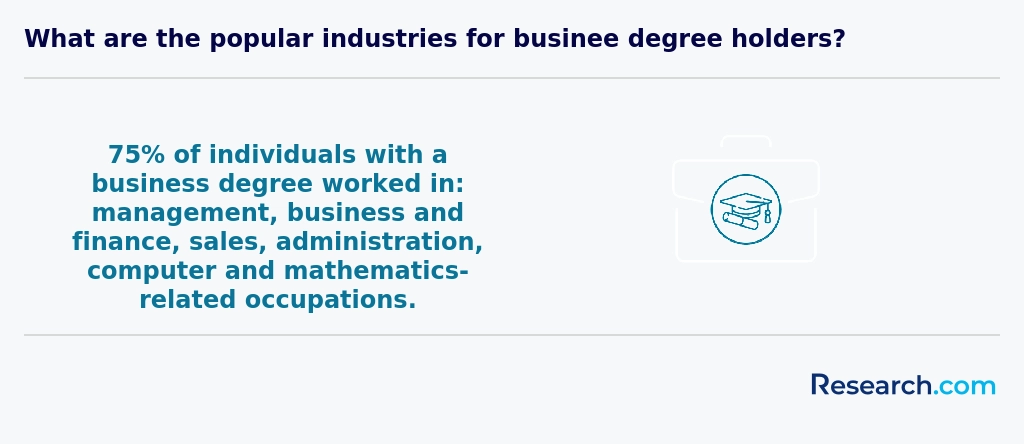
Graduates with a business degree in Madison find themselves stepping into a world rich with dynamic career paths that ignite ambition and creativity. From corporate management roles at local companies supported by Madison's vibrant economy to the finance sector-where firms like American Family Insurance and CUNA Mutual Group eagerly seek financial analysts and risk managers-opportunities abound. Many business students from popular universities like the University of Wisconsin-Madison share stories of landing roles in consulting or financial services, where their skills in leadership and financial analysis become daily tools for success. Exploring sales and marketing in Madison's burgeoning tech and healthcare sectors reveals exciting positions for digital marketing specialists and product managers, allowing graduates to make a tangible impact on growing startups.
For those drawn to entrepreneurship, Madison's supportive ecosystem, featuring entities like the Wisconsin Economic Development Corporation, inspires many graduates to launch innovative startups. Practical experience gained at local colleges teaches how to craft compelling business plans and secure funding, sparking personal growth and confidence. Adding to this variety, pathways in human resources, supply chain coordination, and nonprofit management also await business degree holders eager to explore diverse industries.
Students mindful of tuition costs often discover financial aid options that ease investment in their education, with public universities offering tuition around $10,000 to $15,000 annually. For those seeking budget-friendly alternatives, exploring the Low Cost Online Business Degree Programs Ranking in Tennessee can open doors to equally valuable experiences without financial strain. With such a spectrum of career possibilities, business degree job prospects in Madison offer an adventurous journey into the professional world.
Graduates with a business degree in Madison find themselves immersed in a market buzzing with opportunity. The city's vibrant economy, anchored by well-known institutions like the University of Wisconsin-Madison, creates a playground where aspiring professionals can dive into industries ranging from healthcare management to tech startups. Many recent graduates share stories of landing roles at major employers such as Epic Systems or the State of Wisconsin, where their skills in management and marketing flourish.
Exploring business degree job opportunities in Madison, you'll discover a landscape that rewards versatility and innovation. From working with the area's agricultural businesses to joining growing entrepreneurial ventures supported by local incubators, the options are rich and rewarding. Entry-level salaries typically range between $50,000 and $65,000, giving graduates a comfortable start while maintaining a lifestyle below the national cost average.
If you're weighing the investment in your education, consider UW-Madison's competitive tuition fees. Many students also research best paying 6 month certificate programs online as alternative paths to jumpstart their careers in this lively market. Overall, Madison delivers an exciting employment outlook that encourages graduates to explore, learn, and grow professionally.
2027 Most Affordable Business Degree Programs Ranking in Madison
Investing in your education is a significant decision that can shape your future, and the Research.com team understands the importance of making informed choices. To assist prospective students in Madison, we have meticulously crafted the "2027 Most Affordable Business Degree Programs Ranking in Madison." Our commitment to quality, credibility, and accuracy is reflected in the extensive research and analysis conducted to compile this ranking.
We utilized the following reputable data sources to ensure a comprehensive evaluation of business degree programs:
By exploring this ranking, readers will gain valuable insights into the most affordable business degree options available in Madison, empowering them to make well-informed decisions regarding their educational investments. For more details on our methodology, please visit our Research.com methodology page.


Frequently Asked Questions About business
Business degree students in Madison can maximize their learning by engaging actively with local internships, as the city hosts numerous corporate headquarters and startups. According to the Wisconsin Department of Workforce Development, Madison's business sector grew by 4.2% in 2023, offering ample experiential learning opportunities. Networking within professional organizations like the Madison Chamber of Commerce also benefits students by expanding connections.
Utilizing campus resources such as career centers and business incubators enhances practical skills. Additionally, combining coursework with part-time jobs in Madison's diverse economy helps apply theoretical knowledge. Students are encouraged to attend business seminars and workshops frequently held in the city to stay current with industry trends.
Emerging niches within the business field reflect evolving economic trends and technological advancements. In Madison, Wisconsin, areas such as data analytics, sustainable business practices, and health care management are gaining significant attention. According to the UW-Madison School of Business, demand for professionals skilled in data analytics has increased by over 20% in recent years, driven by local tech startups and established firms.
Another growing niche is sustainable business, focusing on environmentally responsible strategies. Madison's commitment to green initiatives creates opportunities for graduates interested in this field. Additionally, health care management is expanding due to Madison's strong medical and biotechnology sectors.
After completing a business degree in Madison, preparation for the job market involves several strategic steps. First, building a professional network is crucial; Madison hosts a range of business organizations and events where recent graduates can connect with potential employers. The Greater Madison Chamber of Commerce, for example, offers valuable networking opportunities. Internships and cooperative education programs available through local universities and businesses also enhance practical experience, which is highly regarded by employers.
Graduates should refine their resume and interview skills, which many Madison colleges support through career services. Additionally, staying informed about local economic sectors is beneficial-key industries include healthcare, technology, and manufacturing. According to the Wisconsin Department of Workforce Development, these sectors showed steady job growth in recent years, presenting opportunities for business graduates.
Finally, pursuing relevant certifications like project management or data analysis can increase employability in Madison's competitive job market.
Employers in Madison highly value business graduates who demonstrate strong analytical skills. According to the Madison Region Economic Partnership, data-driven decision-making is crucial for companies in this growing market. Candidates with proficiency in financial analysis and market research often stand out.
Communication abilities are equally important. Employers seek graduates capable of clearly presenting ideas and working effectively in teams. The Wisconsin Department of Workforce Development highlights that leadership and interpersonal skills remain top priorities in Madison's business sector.
Additionally, familiarity with digital tools, including Excel, ERP software, and basic coding, enhances job prospects. Adaptability and problem-solving skills are essential as Madison businesses continuously innovate to stay competitive.
Finding business internships in Madison involves utilizing several local resources and connections. The city is home to a robust economy, including numerous firms in finance, consulting, technology, and retail, offering diverse internship opportunities. The University of Wisconsin-Madison, the city's main university, hosts career fairs and maintains an online internship portal specific to business students. Local chambers of commerce and professional organizations, like the Madison Business Association, also list internships and networking events relevant to business majors.
Many internships in Madison are secured through direct applications on company websites or platforms like Handshake and LinkedIn. According to the Wisconsin Department of Workforce Development, the Madison metropolitan area has a steadily growing business sector, which supports over 15,000 business-related job openings annually, making it a fertile ground for students seeking internships.
In Madison, earning a business degree significantly enhances career mobility and advancement opportunities. The city's diverse economy includes strong sectors like healthcare, technology, and finance, all valuing candidates with managerial and analytical skills. According to the Bureau of Labor Statistics, business-related occupations in the Madison metropolitan area are projected to grow by 7% through 2030, reflecting healthy demand for qualified professionals.
Employers in Madison often seek graduates from local institutions such as the University of Wisconsin-Madison, known for its respected business programs. A business degree equips students with critical skills like leadership, strategic thinking, and financial literacy, which are essential for climbing organizational ranks.
Further, individuals with a business degree tend to earn higher salaries and access more senior roles compared to those without degrees, supporting career growth in a competitive job market.
Studying for a business degree in Madison offers students a unique opportunity to engage with interdisciplinary learning. Many local universities integrate courses from economics, information technology, and communication fields, reflecting the diverse skill sets demanded by Madison's growing economy.
Madison's business programs emphasize real-world applications, encouraging collaboration with nearby tech firms and nonprofit organizations. This approach equips graduates to manage complex projects involving multiple disciplines.
According to the Wisconsin Department of Workforce Development, interdisciplinary skills are increasingly valued in Madison's job market, with over 60% of new business roles requiring adaptability across sectors. This trend highlights the practical value of a Madison business education for versatile career paths.
Choosing between a thesis and a non-thesis business degree program in Madison depends on your career goals and academic interests. Thesis programs typically require original research and a substantial written project, ideal for students aiming for doctoral studies or research roles. Non-thesis options focus more on practical skills and coursework, suitable for those seeking immediate employment in Madison's diverse business sectors.
Several Madison institutions offer both tracks, with the University of Wisconsin-Madison reporting that about 40% of business master's students opt for a thesis, reflecting its research emphasis. Tuition differences are minimal, but thesis programs may take longer to complete. Local employers value practical experience, so consider internship opportunities alongside your choice.
Students in Madison pursuing business degrees have several opportunities to study abroad through partnerships established by local universities. The University of Wisconsin-Madison, for example, offers exchange programs with business schools in Europe, Asia, and Latin America, allowing students to gain international experience while earning credits toward their degree.
According to UW-Madison's International Academic Programs, about 15% of business students participate in such exchanges annually, which can last from a semester to a full academic year. These programs help students develop global business skills, an increasingly valued asset in today's market.
Additionally, some Madison institutions support short-term faculty-led study tours abroad focusing on global commerce and economics, providing alternative ways to experience international business environments without a full-time relocation.
Part-time job opportunities in Madison offer valuable experience that complements business degree education. Many students find roles in retail management, customer service, and administrative support within Madison's growing economy. The city's diverse business sectors, including finance, technology, and healthcare, create openings in internships and entry-level positions directly related to business skills.
A 2023 report by the Wisconsin Department of Workforce Development highlights that Madison's unemployment rate remains low at 2.8%, indicating steady job availability. Internships at local companies such as Epic Systems and American Family Insurance provide roles in marketing, finance, and project management, aligning with core business curriculum subjects.
Working part-time in these environments enhances skills like communication, teamwork, and problem-solving. Students can also explore opportunities in campus organizations and small business ventures downtown, allowing for practical application of business theories in real-world settings.
Business students in Madison benefit from robust networking opportunities that connect them with local industry leaders and professionals. The city's strong economy, ranked among the fastest-growing in the Midwest by the Brookings Institution, offers numerous events and workshops tailored to business students.
Universities like the University of Wisconsin-Madison host career fairs attracting over 150 companies annually, providing direct access to internships and job placements. Additionally, local organizations such as the Madison Chamber of Commerce and the Wisconsin Technology Council regularly organize networking mixers and seminars for emerging business professionals.
These platforms enable students to build connections and gain insights essential for career growth in fields like finance, marketing, and entrepreneurship.
Alumni networks offer significant advantages to business degree students in Madison by providing valuable professional connections. Graduates from local programs, such as those at the University of Wisconsin-Madison, often engage actively with current students, enhancing mentorship opportunities. According to the Wisconsin Alumni Association, over 270,000 individuals participate statewide, facilitating access to regional business leaders and internships.
These networks also help students tap into the Madison job market, where sectors like biotechnology and finance continue to grow. Studies indicate that 70% of jobs are obtained through networking, emphasizing the importance of alumni contacts. Additionally, alumni events and online platforms allow students to gain insights on industry trends, directly benefiting career development.
In Madison, students can tailor their business degree programs by selecting specialized tracks or concentrations aligned with their career goals. Popular options include finance, marketing, entrepreneurship, and supply chain management. Many institutions offer elective courses and internships with local businesses such as Epic Systems and the American Family Insurance headquarters, providing practical experience and networking opportunities.
Advisors often help students design individualized study plans, balancing core business courses with technical skills like data analytics. Additionally, Wisconsin's robust business environment allows connections with startups and established firms, enhancing career readiness. According to the U.S. Bureau of Labor Statistics, Madison's business-related job market is projected to grow by 6% through 2030, underlining the value of tailored education in this city.
Business students in Madison commonly face challenges balancing rigorous coursework with practical experience. According to the University of Wisconsin-Madison, time management is a top issue, as many students juggle classes, internships, and part-time jobs.
Financial strain is another significant concern. Tuition and living expenses have steadily increased, with the average annual cost for a business degree program reaching over $25,000, making affordability a key factor for students.
Additionally, students often struggle with accessing quality internships in Madison's competitive business environment, where local firms prioritize experienced candidates.
Networking opportunities can also be limited for newcomers without established connections in the city's business community.
With a business degree in Madison, you can pursue several professional certifications that enhance career prospects. Popular options include the Certified Public Accountant (CPA), especially relevant if you specialize in accounting. The CPA credential is highly respected statewide, with Wisconsin reporting over 15,000 licensed CPAs as of 2023¹.
Other valuable certifications include the Project Management Professional (PMP), which is ideal for those focused on management roles. Madison's growing business sector often seeks PMP-certified professionals to lead projects efficiently.
The Certified Management Accountant (CMA) and Certified Financial Analyst (CFA) are also common pursuits for business graduates aiming for finance careers.
These certifications typically require passing exams and relevant work experience, but they significantly boost employability in Madison's competitive job market.
To write a winning application for a business program in Madison, start by highlighting your academic achievements clearly. Many Madison institutions value a strong GPA and relevant coursework in economics, math, or business-related subjects. Include detailed, tailored personal statements that explain why you are interested in business studies and how you plan to use your degree.
Demonstrate your understanding of Madison's economic landscape, citing the city's diverse business sectors like technology and agriculture. According to the Madison Region Economic Partnership, these industries offer numerous internship opportunities that can strengthen your application.
Also, provide evidence of leadership or practical experience, such as internships or involvement in business clubs. Many programs look for candidates with proactive engagement in the community or work environments.
Finally, ensure your application is error-free and submitted before deadlines, as punctuality reflects professionalism valued by Madison's business schools.
Business careers today are increasingly influenced by global trends, shaping opportunities for graduates in Madison and beyond. Employers value professionals who understand international markets, cross-cultural communication, and global supply chains. According to the U.S. Bureau of Labor Statistics, business-related jobs are expected to grow about 8% from 2022 to 2032, highlighting demand for versatile skills. In Madison, the city's strong connections to international agriculture and technology firms give local business graduates an edge in global business practices.
Understanding global economic shifts is critical. Many Madison programs integrate international case studies and partnerships with global companies, preparing students for dynamic roles worldwide. This global perspective supports careers in multinational corporations, trade, or consulting. With business evolving rapidly, being globally informed enhances employability and career longevity for Madison graduates.
Students pursuing business degrees in Madison have various opportunities to gain practical experience alongside their studies. Many local universities encourage internships, and Madison's strong economy offers placements in sectors such as healthcare, technology, and finance. According to the Wisconsin Department of Workforce Development, over 15,000 business-related jobs are available in the Madison metropolitan area, allowing students to gain real-world skills in diverse industries.
Additionally, cooperative education programs (co-ops) enable students to alternate between classroom learning and full-time work experience. Campus career centers often organize networking events, connecting students to local employers and alumni.
Participating in student-run businesses and consulting projects also helps develop practical leadership and teamwork abilities, essential for the modern business environment.
Choosing the right concentration within a business degree program in Madison requires understanding both personal interests and local market demands. Madison's economy is strong in healthcare, technology, and finance, which influences available concentrations such as healthcare management, information systems, and accounting. According to the Madison Regional Economic Partnership, these sectors offer growing job opportunities, making related concentrations practical choices.
Students should evaluate their strengths and career goals. Researching faculty expertise and internship options at local universities can provide insight into program quality. Connecting with Madison-based employers or alumni networks also helps identify concentrations with strong employment outcomes.
- 2027 Most Affordable Business Degree Programs Ranking in Milwaukee
- 2027 Most Affordable Business Degree Programs Ranking in Dubuque
- 2027 Most Affordable Business Degree Programs Ranking in Kenosha
- 2027 Most Affordable Business Degree Programs Ranking in River Forest
- 2027 Most Affordable Business Degree Programs Ranking in Chicago
- 2027 Most Affordable Business Degree Programs Ranking in West Lafayette
- 2027 Most Affordable Business Degree Programs Ranking in Minneapolis
- 2027 Most Affordable Business Degree Programs Ranking in Fort Wayne
- 2027 Most Affordable Business Degree Programs Ranking in Indianapolis
- 2027 Most Affordable Business Degree Programs Ranking in Louisville
See What Experts Have To Say About Studying Business
Read our interview with Business experts

David Souder
Business Expert
Senior Associate Dean for Faculty and Research
Michigan State University

David W. Stewart
Business Expert
Emeritus President's Professor of Marketing
Loyola Marymount University

Ingrid S. Greene
Business Expert
Clinical Assistant Professor of Management
Loyola Marymount University

- The Biggest Challenges for Business School Students | EU Business School https://www.euruni.edu/blog/the-biggest-challenges-for-business-school-students/
- Global Perspectives: International Opportunities for Business School Students - SBS Swiss Business School https://sbs-uae.org/global-perspectives-international-opportunities-for-business-school-students-3/
- How Long Does It Take to Get Your Business Degree? https://www.umassglobal.edu/blog-news/long-does-take-get-your-business-degree
- How to Write a Statement of Purpose for Business School https://www.statementswritingservices.com/blog/how-to-write-a-statement-of-purpose-for-business-school.html
- What is the future of bachelor’s degrees in business? https://www.amba-bga.com/insights/what-is-the-future-of-bachelors-degrees-in-business
- Online and Traditional Business Degrees Comparison | Free Essay Example https://studycorgi.com/online-and-traditional-business-degrees-comparison/
- Top 10 Skills Employers Seek in Business Graduates in 2026 https://www.ibat.ie/blogs/top-10-skills-employers-seek-in-business-graduates-in-2026
- BUSINESS MANAGEMENT ENGLISH (THESIS / NON-THESIS) - Lisansüstü Eğitim Enstitüsü https://lee.nisantasi.edu.tr/en/business-management-english-thesis-non-thesis/
- How to Find a Job with an International Business Degree - Hunter Recruiting https://www.hirecruiting.com/newsroom/how-to-find-a-job-with-an-international-business-degree/
- Business Administration Degree Salary | UE Amsterdam https://www.ue-amsterdam.com/blog/business-administration-degree-salary-how-much-can-you-earn