
2027 Most Affordable Business Degree Programs Ranking in Chicago

Co-Founder and Chief Data Scientist
Choosing the right business degree program in Chicago can feel overwhelming, but it doesn't have to be. Our article presents the 2027 Most Affordable Business Degree Programs Ranking in Chicago, carefully crafted by the Research.com team of data scientists.
This ranking aims to guide you toward programs that offer excellent value and quality education. Whether you're starting your academic journey or considering a new path, understanding affordability alongside program strengths can make all the difference.
Discover opportunities that align with your goals and set yourself up for success with a business degree that fits both your budget and ambitions.
Key benefits of getting business degree in Chicago
- Business degree graduates in Chicago can earn competitive salaries, with roles like Business Development Executive averaging $83,190 annually and Business Analyst roles around $112,950, reflecting strong financial benefits.
- A graduate from a top Chicago university often explores diverse career paths such as consulting, finance, or marketing, opening many doors for professional growth and exciting opportunities.
- Completing a business degree online offers flexible learning schedules and practical experience, allowing students to balance work and study while gaining valuable skills recognized by Chicago employers.
- 2027 Most Affordable Business Degree Programs Ranking in Chicago
- What can I expect from business degree in Chicago?
- Where can I work with business degree in Chicago?
What can I expect from business degree in Chicago?
Expect to pay anywhere from around $15,000 a year at community colleges up to $50,000 or more annually at private universities when pursuing a business degree in Chicago. Graduates from popular schools share how the investment felt worth it because of the strong connections they made with local companies and the hands-on projects that prepared them for real jobs in Chicago's bustling business districts like the Loop.
Some students found that choosing schools with flexible online or hybrid options helped balance cost and convenience without sacrificing quality. Others appreciated that tuition often includes access to career services that set them up with internships-an essential step in Chicago's competitive job market. While sticker prices might seem high, many grads highlight scholarships, employer partnerships, and financial aid as total game changers that made earning their degree less stressful financially.
Studying business in Chicago means tapping into a city full of diverse industries, and paying a bit more often comes with perks like personalized mentorship and exposure to cutting-edge trends in data analytics and sustainability right where it matters most.
Where can I work with business degree in Chicago?
If you're studying business in Chicago, you're in luck-there's no shortage of places to land a great job after graduation. Many grads from local schools like the University of Illinois at Chicago or Loyola University find themselves drawn to the city's huge financial services scene. Think big banks like JPMorgan Chase or regional firms where roles in banking, accounting, and risk management abound. It's a perfect playground for anyone who likes numbers and strategy.
Others get hooked on the manufacturing and logistics world. Imagine working with companies like Boeing or Caterpillar, managing supply chains or improving operations-pretty exciting stuff if you love problem-solving and keeping things moving smoothly. Then there's Chicago's buzzing tech startup community, where grads from Illinois Tech or DePaul dive into project management or data analysis jobs, fueling innovative new companies.
Not to forget healthcare giants like Northwestern Medicine, where many find business roles in administration and financial planning, contributing to the future of patient care. Retail bigwigs like McDonald's and Walgreens also frequently hire, offering roles in marketing or sales. With so many paths, Chicago's business grads often feel pumped about the options waiting for them right in their backyard.
If you're wondering how much you can make with a business degree in Chicago, the numbers are pretty encouraging. Graduates landing roles like business analysts see a sweet spot, earning around $112,950 per year on average, which is great news for anyone coming out of schools like the University of Illinois at Chicago or DePaul University. These roles tap into the city's vibrant business scene and offer salaries that match the cost of living.
Another solid option is becoming a business development executive, where salaries hover near $83,190 annually. A lot of graduates from Chicago's business programs share stories about quickly moving into these roles after internships, feeling confident about the paycheck that follows. While entry-level salaries might start lower, the chance to grow into these well-paying jobs is real and exciting here.
Chicago's strong economy and bustling companies provide that extra boost on salary, making the investment in a local business degree feel totally worth it for those aiming to thrive in the city's competitive market.
- Annual tuition for business undergraduate degrees in Chicago ranges from about $15,000 at public universities for in-state students to over $40,000 at private colleges.
- Graduate business programs like MBAs can cost more than $50,000 per year.
- Chicago adds approximately 20,000 business-related jobs each year, driven by its strong corporate presence including many Fortune 500 companies.
- Entry-level salaries for business bachelor's degree holders average around $55,000 annually, increasing to over $85,000 after five to ten years.
- MBA graduates often start with salaries between $75,000 and $90,000 depending on specialization and employer.
- Many Chicago business schools are AACSB accredited, which is a recognized indicator of program quality and can improve job prospects.
If you're aiming for a business degree in Chicago, expect it to take about four years if you're studying full-time for a bachelor's. That's what many graduates from top schools like the University of Illinois at Chicago or DePaul University experience. They usually follow the classic path, diving into their classes and finishing in that sweet spot of four years.
But life in Chicago is busy, right? Lots of students work while studying, so part-time is common. Graduates who juggle jobs with classes at places like Loyola University often stretch their degree to five or six years-and that's totally okay. It's all about balancing work, school, and life.
For those going after an MBA, the story's similar: full-time usually means two years, but part-time or online can last three or even four years. Some go for accelerated programs that pack everything into just three years by hitting multiple terms, but brace yourself-it's a tough grind. Still, many find it worth it to get ahead faster.
Also, Chicago's mix of on-campus, online, and hybrid options means you can tailor your pace to what fits your life best, making the journey feel a lot more personal and doable.
Understanding the return on investment (ROI) for a business degree in Chicago, IL is crucial when balancing tuition costs against future earnings. On average, tuition for a bachelor’s program ranges from $12,600 to $13,100, while graduates report starting salaries between $80,220 (project managers) and $108,790 (business analysts). By dividing total program costs by average annual salary increases, most students recoup their investment within 3–5 years of graduation, depending on specialization and employment sector. To maximize ROI, consider programs that offer strong career services and internship pipelines. Schools with robust employer partnerships in finance, consulting, and marketing often see higher placement rates and salary offers. Additionally, part-time or hybrid options allow working professionals to continue earning while studying, reducing opportunity costs and accelerating payback. Graduate students should explore flexible MBA options that waive the GMAT, as these can significantly cut application barriers and time to degree completion. For those weighing online formats, the best affordable mba online programs no gmat deliver accelerated paths to leadership roles without compromising accreditation or career support. Keep in mind that additional factors-like scholarships, employer tuition reimbursement, and transferable credits-can further decrease net out-of-pocket expenses. By leveraging financial aid packages and choosing in-demand specializations such as data analytics or supply chain management, graduates can enhance both short-term savings and long-term earning potential. In summary, calculating the ROI of a business degree involves more than just tallying tuition and salary figures. Prioritize programs with proven placement success, flexible learning models, and clear pathways to internships. Doing so ensures you not only graduate with a respected credential but also achieve financial payback sooner, positioning you for sustained career growth in Chicago’s dynamic business landscape.
If you're thinking about getting a business degree in Chicago, the choice between online and on-campus boils down to lifestyle and vibe. Online classes, like those from Loyola University Chicago's MnA program, give you the freedom to juggle work or family while studying. You watch lectures when it suits you and join virtual chats instead of rushing to a classroom after work. One graduate found it perfect for staying on top of a busy job without missing out on earning the degree.
On the flip side, the on-campus experience at places like the University of Chicago Booth School means face-to-face networking, live discussions, and those serendipitous hallway conversations that spark connections. Students often rave about the real-time group projects and guest lectures that open doors to Chicago's bustling business scene-think firms in finance, consulting, and tech right around the corner.
Costs can be surprisingly close, too. Online programs might save you commuting time, but tuition fees at top schools stay pretty similar. It's really about whether you want that buzz of campus life or the flexibility of home study.
When considering affordable business degree options, it's essential to weigh the costs against the potential outcomes. For those looking for affordable business schools in Illinois, checking out the cheapest business schools in illinois can provide valuable insights into programs that fit your budget. Many universities in Illinois offer competitive tuition rates and financial aid packages, making it possible to pursue a business degree without breaking the bank. By exploring these options and understanding the factors that contribute to affordability, you can make an informed decision about your education and set yourself up for success in the business world.
If you're thinking about the average cost of business degree in Chicago, it's helpful to know that the median total cost hovers around $48,246. This includes tuition, fees, and other necessary expenses over the course of study. For in-state students, it's a bit more affordable, with median costs closer to $34,088. So, if you're coming from Illinois, you can expect a friendlier price tag! Graduates from public universities like the University of Illinois at Chicago often mention how these costs balance out with quality education and solid networking opportunities.
Private schools in Chicago, such as DePaul University or Loyola, tend to be on the higher end of the spectrum, rounding up to those median totals or more. That said, many students appreciate the extra resources and scholarships available, which can make a big difference on your final bill. Living expenses also play a big part in the total price-rent, food, and commuting in a city like Chicago easily add up, but many students find ways to manage through roommates or campus job opportunities.
For those looking for a budget-friendly option, community colleges and online programs offer lower-cost routes. If affordability is a major concern, checking out the cheapest business schools in illinois can help you find programs that won't break the bank but still set you up for success.

Chicago's business environment is evolving rapidly, driven by technological advancements and shifting market demands. As companies increasingly adopt digital tools and data-driven strategies, graduates can expect new career paths that blend traditional business skills with emerging technologies. This transition is fostering roles in areas such as fintech, digital marketing, and sustainability-focused business strategies, where the ability to integrate innovative solutions is highly valued. In addition, industry leaders are placing a stronger emphasis on adaptability and continuous learning, making professional development a critical component of long-term career success. For instance, recent trends indicate that skills in data analytics, digital transformation, and strategic innovation are becoming differentiators in the competitive job market. Armed with these capabilities, graduates are stepping into lucrative roles, including some of the highest paying business majors that offer significant earning potential alongside exciting growth opportunities. This forward-thinking environment encourages not only academic excellence but also real-world application through internships, collaborative projects, and mentorship programs. As Chicago continues to attract a diverse array of industries-from finance to healthcare-the outlook for business graduates remains robust, ensuring that those who pursue their degree in this city are well-equipped to seize future opportunities.
When it comes to paying for a business degree in Chicago, there are tons of financial aid options that can really lighten the load. For example, students at the University of Illinois at Chicago often kick things off by filing the FAFSA to tap into federal aid like Pell Grants, which can cover up to $7,395 a year if you qualify. That's a huge help, especially with in-state tuition hovering around $15,000.
Over at places like Loyola University Chicago, where private school tuition can top $40,000, lots of grads recall relying on institutional scholarships that reward good grades or leadership skills. Some even scored special scholarships aimed at boosting diversity, which made the cost feel way more manageable.
Plus, many local students juggle work and school thanks to employer tuition assistance or campus work-study gigs, which pay while you learn-kind of a win-win. Oh, and don't forget about state grants like the MAP program, which gives in-state students some solid financial relief. Many business grads say these combined resources were game-changers for making college affordable in the city.
Internships in Chicago offer business students hands-on experience with leading companies in finance, marketing, and consulting. Major firms like JPMorgan Chase, Deloitte, and Ogilvy host summer internship programs that allow you to collaborate on meaningful projects, develop analytical skills, and build a professional network. To find these opportunities, leverage your university’s career services office, attend on-campus career fairs, and join student chapters of organizations such as the Chicago Business Leadership Council or the American Marketing Association. Networking is equally crucial. Chicago hosts numerous industry events-like the Chicago Innovation Awards and monthly meetups at 1871, the city’s top tech incubator-where you can connect with recruiters, alumni, and local entrepreneurs. Engaging in professional associations like the Chicago Board of Trade or the Illinois Technology Association can lead to mentorships and job referrals. Don’t overlook online platforms: LinkedIn groups focused on Chicago business and virtual conferences have become key channels for cultivating relationships, especially for students balancing work and study through flexible formats. For those exploring remote or hybrid learning models alongside internships, researching Low Cost Online Business Degree Programs can ensure you get accredited coursework without sacrificing work-based experiences. Many online programs also facilitate virtual internships and offer digital career coaching, making it easier to manage timelines and commitments. Tips for success: • Customize your résumé and cover letter for each application, highlighting your coursework and relevant projects. • Prepare for behavioral interviews by practicing the STAR (Situation, Task, Action, Result) method. • Follow up with contacts via LinkedIn and email to express your gratitude and maintain relationships. By actively pursuing these internships and networking avenues, you’ll enhance your resume, gain industry insights, and position yourself for full-time roles in Chicago’s competitive business landscape.
If you're aiming to start a business degree in Chicago, the basics are pretty straightforward. Most grads from popular schools like the University of Illinois at Chicago or Loyola say the first step is having a high school diploma or something equivalent like a GED. A few remember prepping for SAT or ACT tests, though lately, many schools have become more flexible and sometimes skip those scores altogether, which is great news if testing isn't your thing.
For those going after a graduate degree like an MBA, the story changes a bit. You'll need a bachelor's degree in hand. Graduates often share how having a couple of years' work experience really helps-not just for admission but to hit the ground running with real-world business smarts.
And yes, tests like the GMAT or GRE show up on a lot of applications, but many Chicago programs now offer waivers or make these optional, especially after recent shifts in admissions policies.

If you're diving into a business degree in Chicago, expect a solid lineup of courses that really get you ready for the real world. Graduates from schools like the University of Illinois at Chicago or DePaul often mention classes in accounting, where you break down financial statements and get a grip on bookkeeping-that stuff actually makes you feel like you're managing your own small business.
Finance courses here zoom in on things like corporate finance and investment strategies, which is perfect since Chicago's a finance hub. Marketing classes get you thinking about consumer habits and digital trends, so you'll be ready to craft campaigns that stand out in a crowded city market.
Many students love the management courses because they combine leadership skills and strategic decision-making, something you really get to practice through group projects or internships right in Chicago's buzzing corporate scene.
Plus, you'll probably take business law and economics classes too-these help you understand the legal side and the big-picture market factors impacting businesses in the city. Electives often focus on local industries like real estate or startups, making your education feel super relevant and connected to Chicago's unique vibe.
If you're diving into a business degree in Chicago, you'll find plenty of specializations tailored to the city's unique economy. Finance is huge here, thanks to the Chicago Stock Exchange and all the banks nearby-graduates often tell stories of internships that felt like real Wall Street experiences. Marketing is another favorite, especially with Chicago's booming media and retail scenes, giving students hands-on projects that really boost creativity.
Management and accounting programs at popular colleges are a great fit if you want practical skills that companies actually look for. Then there's entrepreneurship, perfect for those excited by Chicago's startup vibe. Supply chain management is also notable-since Chicago's a major logistics hub, students often share how their classes connect directly to real-world transportation and warehousing jobs. If you want to explore highest paying business majors, these specializations can be a smart choice. Many grads appreciate how these business degree specializations in Chicago prepare them for jobs right where they want to live and grow.
For those worried about costs, exploring Chicago affordable business degree programs can open doors too-students often find scholarships that make things easier while they focus on gaining top-notch skills.
Picking the best business degree in Chicago means zeroing in on what really matters to you. Graduates from top spots like the University of Illinois at Chicago often rave about the impact of AACSB accreditation-it's like a stamp of approval that employers actually recognize, making your degree work harder for you. Plus, considering affordable business degree programs Chicago has is key, because let's be honest, tuition can get pricey. Public schools usually cost way less than private ones, but scholarships and financial aid can totally bridge the gap.
Think about the vibe of your program too. Graduates from Loyola University Chicago highlight how diving into specializations like marketing or entrepreneurship helped them land internships with big Chicago companies-those real-world gigs make all the difference. And if you need flexibility, many students in the city are turning to part-time or online options. If you want a solid option, check out these best affordable mba online programs no gmat that fit your pace and budget seamlessly.
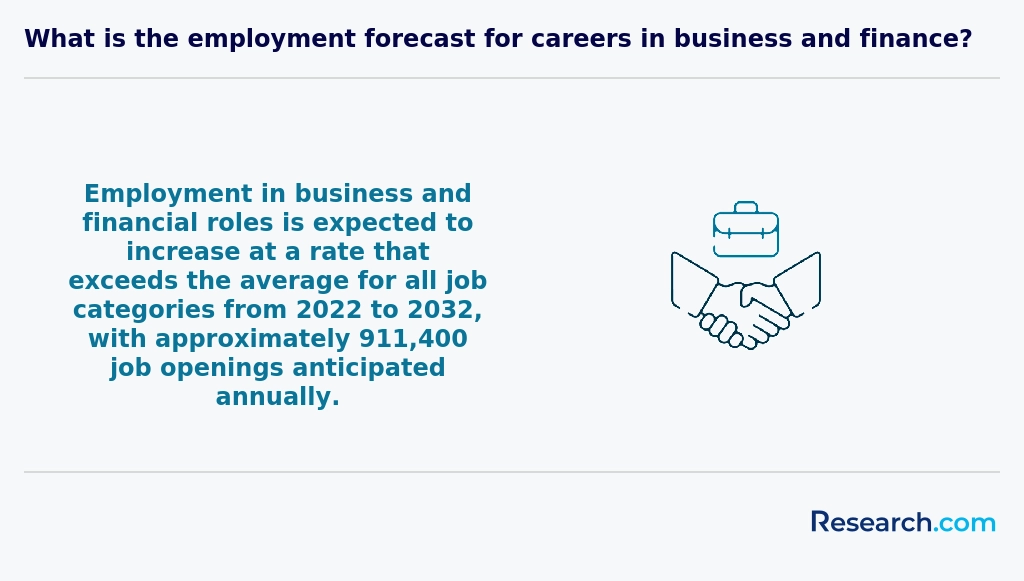
If you're earning a business degree in Chicago, you're stepping into a city loaded with opportunities. Graduates from popular schools like the University of Illinois at Chicago or DePaul often land roles in finance, thanks to big firms like JPMorgan Chase and Northern Trust setting up shop here. Imagine yourself as a financial analyst or investment advisor navigating the city's bustling markets.
Marketing and sales gigs are also hot, especially with Chicago's growing digital media scene. Graduates mention how hands-on projects at their colleges prepare them for brand management or digital marketing roles where creativity meets data.
Another popular path is management-whether it's in HR, operations, or business development. Many graduates rave about leadership training they got right on campus, which employers here really value. Plus, if you're entrepreneurial, Chicago's thriving startup vibe gives you space to launch your own ventures or join exciting new companies.
For those budget-conscious students, it's worth checking out Low Cost Online Business Degree Programs to keep education affordable while still tapping into Chicago business degree job prospects.
The job market for business degree graduates in Chicago is buzzing with opportunity, and it's a great place to kickstart your career. With heavy hitters like Boeing, McDonald's, and United Airlines headquartered here, many grads from schools like the University of Illinois at Chicago find themselves landing roles in finance, marketing, and management quite quickly. A friend who graduated recently shared how internships at local firms opened doors to full-time jobs in consulting and healthcare administration.
Chicago's business degree job opportunities in Chicago benefit from a diverse economy and a growing startup scene, meaning there's something for everyone. Plus, the city's cost of living makes it easier to handle the jump from student life to full-time work. Whether you're aiming for a big corporation or a tech startup, you'll see plenty of pathways to success that align with your interests.
If you're weighing whether business is the right path, check out this list of best college majors to get a job to see how business stacks up against other fields.
2027 Most Affordable Business Degree Programs Ranking in Chicago
Investing in your education is a significant decision that can shape your future, and the Research.com team understands the importance of making informed choices. To assist prospective students in Chicago, we have meticulously crafted the "2027 Most Affordable Business Degree Programs Ranking in Chicago." Our commitment to quality, credibility, and accuracy is reflected in the extensive research and analysis conducted to compile this ranking.
We utilized the following reputable data sources to ensure a comprehensive evaluation of business degree programs:
By exploring this ranking, readers will gain valuable insights into the most cost-effective business degree programs available in Chicago, enabling them to make informed, confident decisions about their education. For more details on our methodology, please visit our Research.com methodology page.


# 9 position
St. Augustine College
Bachelor of Arts in Business Administration

# 10 position
East-West University
Bachelor of Science in Business Administration

# 11 position
The Chicago School at Chicago
Doctor of Business Administration



Frequently Asked Questions About business
Business degree students in Chicago can maximize their learning by engaging deeply with the city's vibrant economy. Chicago ranks as the third-largest business hub in the US, home to over 400 corporate headquarters, including Boeing and McDonald's, offering rich internship and networking opportunities (Chicago Chamber of Commerce, 2023).
Students should leverage connections with local businesses through internships, cooperative education programs, and job shadowing to gain practical experience alongside academic knowledge.
Participating in student-led organizations and attending industry conferences in Chicago can enhance skills and industry insights. Research from the National Association of Colleges and Employers (2023) shows that experiential learning boosts job placement rates for business students by 20% nationally.
Finally, utilizing university resources like career centers and mentorship programs specific to the Chicago job market also improves outcomes.
The business field in Chicago is evolving to include several emerging niches that align with current economic and technological trends. One significant area is sustainable business practices, driven by Chicago's commitment to green initiatives and corporate responsibility. Programs focusing on environmental, social, and governance (ESG) factors are gaining traction.
Another growing niche is data analytics and business intelligence. As Chicago hosts numerous financial and tech companies, expertise in data-driven decision-making is increasingly valuable. According to the Illinois Department of Employment Security, jobs in data analytics grew by over 15% in the last five years.
Additionally, healthcare management is an expanding field, reflecting Chicago's robust healthcare sector. Business degrees combining healthcare knowledge with management skillsets prepare graduates for leadership roles in hospitals and health-focused organizations.
Graduates with a business degree in Chicago should begin preparing early to enter the competitive job market. Networking is essential; Chicago hosts numerous industry events and business meetups where students can connect with employers. According to the Chicagoland Chamber of Commerce, over 4,000 companies operate in the city's diverse economy, offering opportunities in finance, marketing, and management.
Internships with local firms provide practical experience and often lead to job offers. Utilizing university career services and platforms like LinkedIn to build a professional profile also enhances employability. According to the U.S. Bureau of Labor Statistics, business occupations in Chicago grew by 5% from 2018 to 2023, indicating steady demand.
Developing skills in data analysis and digital marketing is recommended, reflecting hiring trends reported by the Illinois Department of Employment Security. Graduates should also consider earning professional certifications, such as CPA or PMP, to stand out in the job search.
Employers in Chicago seek several key skills when hiring business degree graduates. According to the U.S. Bureau of Labor Statistics and local industry reports, strong analytical abilities and proficiency in data interpretation are essential. These skills help graduates navigate Chicago's diverse economy, which includes finance, manufacturing, and technology sectors.
Communication skills, both written and verbal, are equally important. Businesses value graduates who can clearly present ideas and collaborate across teams. The Illinois Workforce Partnership highlights that 78% of Chicago employers prioritize teamwork and problem-solving skills.
Finally, adaptability and digital literacy are crucial, as companies increasingly rely on technology and require employees who can quickly learn new software and tools.
Finding internships in Chicago relevant to a business degree involves leveraging local resources and networks. Chicago hosts over 500 major corporate headquarters, including industries like finance, consulting, and marketing, which offer numerous internship opportunities.
Students should explore university career centers, which maintain partnerships with companies and provide access to exclusive internships. According to the Chicago Careers In Education Office, 70% of internships in the city are secured through on-campus recruiting and career fairs.
Additionally, platforms like Handshake and LinkedIn list Chicago-specific internships. Professional organizations such as the Chicagoland Chamber of Commerce also provide listings and networking events to connect students with businesses.
A business degree significantly enhances career mobility and advancement opportunities in Chicago, a major economic hub with diverse industries. According to the Chicago Metropolitan Agency for Planning, the region is home to over 30 Fortune 500 company headquarters, providing ample opportunities for business graduates.
Possessing a business degree can increase salary potential by 20-30% compared to non-degree holders, based on data from the U.S. Bureau of Labor Statistics. It equips graduates with essential skills like financial analysis, marketing, and management, which are in high demand in Chicago's competitive job market.
Furthermore, networking opportunities through Chicago-based universities and local business organizations often accelerate career growth, enabling graduates to access leadership roles more quickly.
Studying for a business degree in Chicago equips students with skills that span multiple disciplines, preparing them for diverse roles in today's dynamic job market. Chicago's business programs emphasize collaboration between business, technology, economics, and communication fields, reflecting the city's position as a major financial and industrial hub. According to the Chicago Metropolitan Agency for Planning, over 1.7 million people work in diverse sectors, requiring professionals who can navigate complex environments.
Courses often integrate data analytics, marketing, and management, enabling students to work effectively across departments. Local internships and partnerships with firms like Boeing and McDonald's provide practical interdisciplinary experience relevant to regional industry needs.
Choosing between a thesis and a non-thesis business degree program in Chicago depends on your career goals and learning preferences. Thesis programs require conducting original research, suitable for students interested in academic or research careers. Non-thesis options typically focus on practical skills and coursework, appealing to professionals aiming for direct industry roles.
In Chicago, many top business schools align their programs with the city's economic ecosystem, which includes finance, manufacturing, and tech sectors. According to the U.S. Bureau of Labor Statistics, Chicago's business sector grew about 3% annually from 2020 to 2023, increasing demand for applied skills over theoretical research.
Thesis students invest more time in writing and defending research, while non-thesis students often complete internships, helping build local business networks. Look for programs accredited by AACSB to ensure quality education in the city's competitive market.
Students based in Chicago seeking to study business abroad have several options through partnerships and exchange programs offered by local universities. Institutions like the University of Illinois at Chicago and DePaul University support study abroad opportunities in business-focused programs across Europe, Asia, and Latin America. According to NAFSA, about 15% of U.S. business undergraduates participate in international study experiences, enhancing their global competencies.
Many Chicago schools offer short-term international trips as well as semester-long exchanges, often with partner universities in countries such as Spain, Germany, and China. These programs help students gain exposure to global business practices while earning credits toward their degree.
Financial aid and scholarships are increasingly available to support study abroad, making these options more accessible. The Chicago community's strong business networks can further assist students interested in internships or research projects abroad, preparing them for a competitive global market.
Chicago offers a variety of part-time job opportunities that complement business degree education, enhancing both practical skills and professional networks. Roles in retail management, sales, and customer service are common, providing experience in leadership, communication, and problem-solving. According to the Illinois Department of Employment Security, sales positions in Chicago grew by 4.5% in 2023, reflecting strong demand.
Internships and assistant roles within Chicago's expanding financial and marketing sectors also support business studies. The city hosts over 50 Fortune 500 companies, increasing chances for internships at reputable firms. Many students seek part-time bookkeeping or administrative roles to build expertise in accounting and operations.
Additionally, Chicago's robust startup scene offers part-time roles in project management and business analysis, valuable for applied learning. These positions often provide exposure to real-world challenges relevant to coursework, enhancing job readiness upon graduation.
Chicago offers extensive networking opportunities for business students through its vibrant economic ecosystem. The city hosts over 130,000 business establishments, creating ample chances for students to connect with industry leaders and professionals. Institutions like the University of Illinois at Chicago and DePaul University actively promote networking events, job fairs, and mentorship programs.
Additionally, Chicago's numerous professional organizations, such as the Chicagoland Chamber of Commerce and the Chicago Network, provide workshops and speaker series tailored to business students. According to the Chicago Metropolitan Agency for Planning, the finance and professional services sectors are among the fastest-growing, emphasizing strong prospects for internships and job placements.
Alumni networks play a crucial role for business degree students in Chicago by providing valuable professional connections. These networks often include graduates working in Chicago's leading industries such as finance, consulting, and technology. By tapping into this community, students gain access to mentorship opportunities, internships, and job referrals, which can significantly improve career prospects.
According to the Illinois Board of Higher Education, nearly 70% of business professionals in Chicago cite networking as essential for career advancement. Alumni events and online platforms help students connect with experienced professionals, fostering collaborations and information sharing.
This support is especially important in Chicago's competitive business environment, where local knowledge and trusted relationships often influence hiring decisions.
Customizing a business degree program in Chicago allows students to align their education with personal career goals. Many local universities offer flexible curricula featuring electives in finance, marketing, entrepreneurship, and supply chain management. This flexibility helps students target industries prominent in Chicago, such as finance, manufacturing, and logistics, which account for a significant share of the city's $692 billion GDP (Chicago Metropolitan Agency for Planning, 2023).
Students can also pursue internships with firms headquartered in Chicago, including major corporations and startups, to gain practical experience. Additionally, selecting programs with strong alumni networks in the city supports career advancement. Certificates and specializations in emerging fields like data analytics and digital marketing are increasingly available, reflecting employer demand in the region.
Business students in Chicago often face high tuition costs and living expenses, as the city ranks above the national average for both. According to the College Board, the average annual cost for in-state students at public universities in Illinois is over $13,000, with private institutions charging substantially more. This financial burden can limit access to resources and increase student debt.
Additionally, Chicago's competitive job market challenges students seeking internships and employment. The city's dynamic economy demands up-to-date skills in technology and data analytics, placing pressure on students to continuously adapt their learning.
Balancing demanding coursework with networking opportunities and part-time jobs is another common struggle.
With a business degree, you can pursue several professional certifications to enhance your career prospects in Chicago's competitive market. Popular certifications include the Certified Public Accountant (CPA) for those interested in accounting and finance. The CPA credential is highly valued in Chicago's large financial sector.
Another option is the Project Management Professional (PMP) certification, ideal for graduates aiming to lead projects in various industries. PMP holders often see salary boosts in Chicago's expanding tech and services fields.
The Chartered Financial Analyst (CFA) designation is suited for those focused on investment management. Chicago ranks among the top U.S. cities for financial services jobs, according to the U.S. Bureau of Labor Statistics.
Additionally, the Certified Management Accountant (CMA) credential offers recognition in managerial accounting and strategic management. This can be beneficial in Chicago's diverse business environment.
Crafting a winning application for a business program in Chicago requires clear demonstration of your academic strengths and career goals. Admissions committees value a strong GPA, ideally above 3.0, and competitive standardized test scores such as the GMAT or GRE, though some Chicago schools may waive these for qualified candidates.
Highlight relevant professional experience, internships, or leadership roles within Chicago's diverse business environment. Chicago is home to over 400 corporate headquarters, including major finance and manufacturing firms, which can provide valuable context for your ambitions.
Additionally, write a compelling personal statement that reflects your understanding of Chicago's dynamic business climate. Use data from sources like the Chicago Economic Development Corporation to tailor your goals to regional industry trends. Finally, secure thoughtful letters of recommendation from professionals familiar with your work ethic.
Global perspectives on a business career emphasize adaptability and cultural awareness in an interconnected economy. A 2023 report from the World Economic Forum highlights that U.S. business graduates, including those from Chicago, increasingly require skills in global markets, digital innovation, and sustainability.
Chicago hosts numerous multinational corporations, like Boeing and McDonald's, providing diverse career opportunities shaped by international trade and finance. According to the Chicago Metropolitan Agency for Planning, the region's exports reached $36 billion in recent years, illustrating the city's global business impact.
Education in Chicago often integrates international case studies and language skills, preparing graduates for worldwide roles. This trend reflects broader U.S. higher education goals, as noted by the National Center for Education Statistics, emphasizing global competency for business students entering a competitive job market.
Gaining practical experience while studying for a business degree in Chicago is crucial for career success. Many local universities and colleges offer internships with top employers, including firms in finance, marketing, and management, which are prominent fields in Chicago's $700 billion economy, according to the Chicago Metropolitan Agency for Planning.
Students can often participate in cooperative education programs (co-ops), which combine classroom study with paid work experience. Additionally, Chicago's extensive network of startups and corporate headquarters provides numerous volunteer and part-time opportunities.
Business schools also frequently host consulting projects and case competitions, allowing students to solve real business challenges while building professional networks.
Choosing the right concentration within a business degree program in Chicago requires careful consideration of your career goals and local market demands. Chicago's economy is diverse, with strengths in finance, manufacturing, technology, and healthcare, influencing concentration options at universities like DePaul and the University of Illinois at Chicago.
Research local employment trends; for example, finance and accounting sectors employ over 150,000 people in the Chicago metro area, according to the Chicago Metropolitan Agency for Planning (CMAP) 2023 report. Concentrations in marketing or supply chain management align well with Chicago's role as a major logistics hub.
Consider internship opportunities in the city's numerous corporate headquarters or startups to gain practical experience. Additionally, examine program curriculum flexibility to ensure alignment with your interests. Utilize resources from the National Association of Colleges and Employers (NACE) for updated career outlooks in Chicago's business sectors.
- 2027 Most Affordable Business Degree Programs Ranking in River Forest
- 2027 Most Affordable Business Degree Programs Ranking in Kenosha
- 2027 Most Affordable Business Degree Programs Ranking in Milwaukee
- 2027 Most Affordable Business Degree Programs Ranking in West Lafayette
- 2027 Most Affordable Business Degree Programs Ranking in Madison
- 2027 Most Affordable Business Degree Programs Ranking in Fort Wayne
- 2027 Most Affordable Business Degree Programs Ranking in Dubuque
- 2027 Most Affordable Business Degree Programs Ranking in Indianapolis
- 2027 Most Affordable Business Degree Programs Ranking in Louisville
- 2027 Most Affordable Business Degree Programs Ranking in Minneapolis
See What Experts Have To Say About Studying Business
Read our interview with Business experts

David W. Stewart
Business Expert
Emeritus President's Professor of Marketing
Loyola Marymount University

Ingrid S. Greene
Business Expert
Clinical Assistant Professor of Management
Loyola Marymount University


- Part-Time Students: 9 Things You Need to Know – EU Business School https://www.euruni.edu/blog/part-time-students-9-things-you-need-to-know/
- Free Business Management Courses https://www.chicagoinstituteofbusiness.com/
- Is a thesis always mandatory in a master's degree program? - EFMU: The Euler-Franeker Memorial University and Institute https://euler.euclid.int/is-a-thesis-always-mandatory-in-masters-degree-program/
- Career Goals: 17 Inspirational Examples for you in 2026 https://www.imd.org/blog/learning-and-development/career-goals/
- Tuition - City Colleges of Chicago https://www.ccc.edu/departments/tuition-and-fees/
- How Long Does It Take to Get a Business Administration Degree? - Team Academy https://teamacademy.nl/how-long-does-it-take-to-get-a-business-administration-degree/
- 8 Best Places to Study Abroad for Business [+ How to Choose] https://www.semesteratsea.org/study-abroad-for-business/
- Global Perspectives: International Opportunities for Business School Students - SBS Swiss Business School https://sbs-uae.org/global-perspectives-international-opportunities-for-business-school-students-3/
- Top 10 Skills Employers Seek in Business Graduates in 2026 https://www.ibat.ie/blogs/top-10-skills-employers-seek-in-business-graduates-in-2026
- How to Identify Profitable Business Niches: A Guide for ... https://www.invoiceonline.com/the-entrepreneur-s-handbook/entrepreneurship/business-strategy/how-to-identify-profitable-business-niches-97365


