2027 Best Business Degree Programs Ranking in Saint Paul

Co-Founder and Chief Data Scientist
Choosing the right business degree program in Saint Paul is an important step toward a successful career. This article introduces the 2027 Best Business Degree Programs Ranking in Saint Paul, created by the Research.com team of data scientists to guide you in selecting programs that truly stand out.
By exploring this ranking, you'll gain clear insights into the top options available, helping you make a confident and informed decision. A business degree can open doors to exciting opportunities and personal growth, and this guide is here to support your journey.
Key benefits of getting business degree in Saint Paul
- Salary for business degree graduates: Graduates in Saint Paul can expect competitive salaries like a Business Development Executive earning a mean annual wage of $83,190 or a Business Analyst making about $112,950 a year, reflecting strong financial rewards.
- Career paths: A business degree from a popular Saint Paul college opens doors to diverse roles in management, sales, and analysis, offering exciting opportunities to grow in various industries.
- Benefits of online degrees: Earning a business degree online from a Saint Paul university allows for flexible scheduling and balancing work or family, making education more accessible without sacrificing quality.
- 2027 Best Business Degree Programs Ranking in Saint Paul
- What can I expect from business degree in Saint Paul?
- Where can I work with business degree in Saint Paul?
What can I expect from business degree in Saint Paul?
The average cost of pursuing a business degree in Saint Paul is quite accessible, especially when compared to national rates. Graduates from Metropolitan State University often highlight full-time undergraduate tuition averaging around $9,000 per year for in-state students, a price point that eases financial worries and allows focus on learning and experience. Graduate programs, such as MBAs offered at the University of St. Thomas, typically range between $20,000 and $40,000 depending on program length and specialization, which many find a worthwhile investment given the career opportunities tied to the city's strong business community.
Many students appreciate that flexible course formats-like evening, weekend, or online classes-fit their busy lifestyles, letting them work and study simultaneously. This adaptability, combined with moderate tuition fees, makes Saint Paul a practical choice for adult learners looking to balance career growth and education.
Business students often point to the value gained through internships with local giants like 3M and Ecolab, which not only reinforce classroom skills but can also help justify costs by opening doors to future jobs.
Where can I work with business degree in Saint Paul?
Graduates from business programs at universities like the University of St. Thomas and Hamline University in Saint Paul find diverse employment opportunities across several thriving industries. Many quickly secure roles in financial services, joining major banks or insurance firms like Travelers Insurance, where they apply skills in risk management and underwriting. One graduate shared how internships through their Saint Paul college led directly to a finance position at a well-known regional bank.
Others land roles in healthcare administration at organizations like Regions Hospital or HealthPartners, managing budgets or supply chains. Business students in Saint Paul often benefit from project-based learning that mirrors real-world healthcare challenges, enhancing their readiness for these roles.
Manufacturing firms such as Ecolab and 3M offer careers in operations and procurement, and graduates appreciate Saint Paul's network events connecting them with these employers. Tech startups also attract entrepreneurial-minded students who use their marketing and business development skills to help innovate locally.
Additionally, many alumni secure city government jobs focused on budgeting and economic development, leveraging strong ties between universities and Saint Paul's public sector. These varied paths show how Saint Paul's business degree programs open doors to fulfilling careers.
Graduates with a business degree in Saint Paul often start their careers earning competitive salaries. For instance, business development executives typically make around $83,190 annually, providing a solid foundation for early-career professionals. Those advancing to roles like business analysts can see their earnings rise significantly, with an average annual wage near $112,950. This level of compensation reflects the high demand for analytical skills in Saint Paul's evolving market.
Students from Saint Paul's respected institutions find that combining their education with local internships can accelerate salary growth and job placement. One graduate shared how practical experience at a Twin Cities company helped secure a business development role with a promising salary starting point. Another recent graduate moved into a business analyst position, appreciating both the rigorous curriculum at their college and the vibrant Saint Paul business community that values technical know-how and networking.
Focusing on in-demand skills and building connections in finance, healthcare, or technology sectors can open doors to higher-paying opportunities. Seeking certifications aligned with business roles in Saint Paul also strengthens earning potential while keeping graduates competitive in a thriving job market.
- Tuition for business degrees at public universities in Saint Paul typically ranges from $15,000 to $25,000 per year for in-state students.
- Private institutions may charge over $40,000 annually, while community colleges offer more affordable options like associate degrees and certificates.
- The average starting salary for business graduates in Saint Paul is about $55,000 per year, varying by discipline such as finance, marketing, and management.
- Median salaries can rise to between $85,000 and $95,000 annually with experience or advanced degrees.
- Business-related job growth is strong in sectors like finance, insurance, health care, and professional services, with roles such as financial analysts and marketing managers in demand.
- Specializations like supply chain management, data analytics, and entrepreneurship are becoming common in local business programs to match market needs.
Completing a business degree in Saint Paul typically takes about four years for full-time students enrolled in programs at well-known local institutions like the University of St. Thomas or Hamline University. Graduates often share how the structured curriculum balances finance, marketing, and management courses with general education, making steady progress achievable.
For students balancing work or family, part-time enrollment extends the timeline to around five or six years. Many find evening and weekend classes at these colleges invaluable for managing responsibilities without sacrificing momentum. Flexible scheduling options create a manageable pathway to finishing on your own terms.
Associate degrees usually wrap up in two years, offering a practical start for those eager to enter the workforce or transfer into bachelor's programs. Meanwhile, ambitious professionals pursuing an MBA at local universities often complete it in two years full-time, with accelerated tracks shortening that to 12-18 months-though they demand dedication and focus.
Overall, Saint Paul students appreciate that program flexibility and accessible class schedules empower them to tailor their studies, making the journey both realistic and rewarding.
Choosing between online and on-campus business degrees in Saint Paul hinges on how you prefer to learn and engage. On-campus programs, like those at the University of St. Thomas, offer direct interaction with professors and classmates, creating lively discussions and immediate feedback. Graduates often recall hands-on group projects and easy access to internships through local business connections-valuable for building a professional network.
Online options from institutions such as St. Catherine University provide flexibility, letting you balance work and family while progressing at your own pace. Students appreciate recorded lectures and interactive forums that fit their schedules, though they need strong self-motivation. A graduate shared that participating in virtual discussions felt rewarding, even without face-to-face contact.
Cost can be similar across formats, but online programs may save commuting time and offer more adaptable schedules. If you thrive in a structured environment with spontaneous networking, on-campus is ideal. If flexibility and independence matter most, online programs are a practical choice.
For prospective students in Saint Paul, MN, who are eager to pursue a business degree but are concerned about the financial implications, exploring affordable options is crucial. One of the key considerations is the cost of attending a business program, which can vary significantly depending on the institution. Students can explore resources such as affordable business schools in minnesota to find programs that fit their budget. By weighing factors such as tuition fees, financial aid, and potential return on investment, students can make informed decisions about their educational journey. Additionally, understanding the job market and career pathways available to business graduates in Saint Paul can help students gauge the potential long-term benefits of their investment. Ultimately, finding an! affordable business program that aligns with one's career aspirations and financial situation is essential for a successful and fulfilling educational experience.
The average cost of a business degree in Saint Paul varies depending on whether you attend a public or private institution. For in-state students, the median total cost is around $44,226, while out-of-state students may face expenses closer to $55,156. Graduates from popular Saint Paul universities often reflect on managing these costs by combining scholarships, part-time work, and careful budgeting for tuition and living expenses. This median cost includes tuition and fees, but students should also anticipate additional expenses such as textbooks, campus fees, and daily living costs.
Many business students budgeting for tuition and fees in Saint Paul find that choosing a public university significantly reduces costs. Besides delivering solid academic programs, these schools often provide valuable resources for internships and networking. Graduates often feel optimistic about their investment, especially when they leverage financial aid. Nearly 85% of undergraduates receive some form of financial support, helping to reduce the financial burden.
It's wise to explore all options, including considering some of the affordable business schools in minnesota known for quality education at lower costs. These choices help prospective students find a balance between cost and the experience of studying business in Saint Paul.
Understanding the average cost of business degree in Saint Paul and planning accordingly can transform what initially feels like a daunting financial commitment into an exciting investment in your future career.

Building on a bachelor’s in Business, many Saint Paul graduates elevate their expertise and leadership potential by pursuing an MBA or specialized master’s degree. An advanced credential can accelerate career growth, expand professional networks, and unlock executive-level positions in finance, consulting, and healthcare management. For students prioritizing both speed and flexibility, consider exploring our best accelerated online mba degree programs, which offer rigorous curricula in as little as 12–18 months and accommodate working professionals. Key advantages of an accelerated MBA pathway include:
- Concentrated Curriculum: Core courses in strategy, organizational behavior, and advanced analytics are delivered in intensive modules, enabling rapid skill acquisition and immediate application on the job.
- Flexibility: Online formats provide asynchronous lectures, virtual collaboration tools, and streamlined admissions processes-ideal for balancing work, family, and study.
- ROI and Career Impact: Graduates from top-tier accelerated programs often report salary increases of 20–30% within two years, driven by enhanced leadership roles and specialized competencies. Whether aiming for C-suite roles or entrepreneurial ventures, strategically selecting an advanced degree program can transform career trajectories and deliver measurable returns on educational investment.
Students pursuing a business degree in Saint Paul can access diverse financial aid options that ease the cost of education. Federal aid through FAFSA is key, offering grants like the Pell Grant-providing up to $7,395 yearly without repayment-and low-interest Direct Subsidized and Unsubsidized Loans. Many Saint Paul business students have tapped into work-study programs, allowing them to gain valuable job experience while funding their studies part-time.
Local scholarships from institutions such as the University of St. Thomas and Hamline University reward academic achievement and leadership, making them a practical target for applicants. Graduates often share how these merit-based scholarships lessened their financial burden and motivated them during their studies.
Employers in Saint Paul also support working students through tuition assistance, reducing out-of-pocket costs for those balancing jobs and coursework. Additionally, private scholarships from business foundations add another funding layer. Using resources like the Minnesota Private College Scholarship Network helps Saint Paul's future business leaders find tailored opportunities to fund their degrees.
In today’s rapidly evolving business landscape, supplementing a traditional degree with specialized certifications can significantly boost your career advancement and practical skill set. Many professionals choose to continue their education through targeted online courses and industry-recognized certifications that keep them updated with modern business trends and technologies. These certifications not only enhance your resume but also provide credibility and competitive edge in the job market. For instance, obtaining business certificates in areas like digital marketing, project management, or analytics can open doors to managerial roles and entrepreneurial opportunities. Additionally, exploring a list of the best online business certificates to advance your career can be an effective next step. By integrating these professional development opportunities with your academic background, you can tailor your expertise to meet industry demands and position yourself ahead in your chosen field.
To enroll in a business degree program in Saint Paul, you'll first need a high school diploma or an equivalent credential like a GED. Graduates from local schools often recall how meeting this basic requirement gave them the confidence to tackle college coursework confidently. Most programs, such as those at the University of St. Thomas or Hamline University, also ask for standardized test scores like the SAT or ACT, although test-optional policies mean you can sometimes skip this-check individual school rules carefully.
Beyond grades and tests, strong letters of recommendation and well-crafted personal statements can set your application apart. Many students share that these elements helped admissions see their drive and leadership potential clearly. Having some practical experience, like internships or part-time roles related to business, adds real-world context that impresses admissions officers.
Some transfer-friendly colleges require transcripts showing you've completed courses in math, economics, or English to prepare for business classes. Also, don't overlook financial aid steps like filling out the FAFSA early, which can make your business degree affordable and lighten financial stress during your studies.
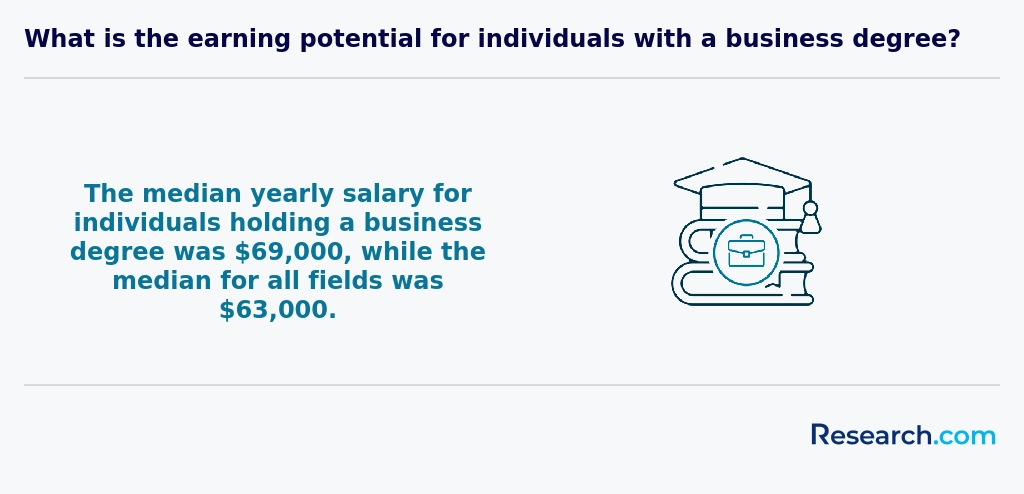
Based on our rigorous methodology and comprehensive data analysis, here are the top five business degree programs in Saint Paul, MN for 2024: 1. University of St. Thomas - Overall Score: 94.7 - Highlights: AACSB accreditation, strong finance curriculum, average class size of 25. 2. Hamline University - Overall Score: 92.3 - Highlights: Flexible online format, emphasis on ethical leadership, 85% job placement rate. 3. Metropolitan State University - Overall Score: 89.8 - Highlights: Affordable tuition, diverse student body, integrated internship program. 4. Concordia University, St. Paul - Overall Score: 87.5 - Highlights: Accelerated MBA track, average graduate salary of $75,000, strong alumni network. 5. Saint Paul College - Overall Score: 85.2 - Highlights: Two-year associate degree pathway, seamless transfer agreements, dedicated career services. Each program has been evaluated on factors such as accreditation, faculty expertise, student outcomes, cost, and employer reputation. For students seeking budget-friendly online alternatives or comparative insights into low-cost business degrees, explore our Low Cost Online Business Degree Programs Ranking in Wichita, KS.
Business degree programs in Saint Paul typically include core courses in management, marketing, finance, accounting, and economics, forming a strong foundation needed to succeed in diverse industries.
Graduates from popular Saint Paul colleges often share how classes like financial accounting and organizational behavior helped them understand real-world business challenges clearly, such as managing budgets or leading teams effectively. Practical courses in business ethics and business law ensure students are prepared for ethical decision-making in modern workplaces.
Advanced courses focus on strategic management, supply chain logistics, and entrepreneurship-topics that local businesses frequently require. For instance, students engaged in case studies tied to Twin Cities' finance and healthcare sectors found these highly rewarding for applying classroom knowledge.
- Financial Analysis and Reporting
- Marketing Research and Consumer Behavior
- Operations Management and Logistics
- Human Resource Management
- Business Statistics and Data Analysis
Many programs emphasize leadership and project management skills through hands-on internships, providing valuable experience to compete confidently in the Saint Paul job market. Flexible schedules, including evening and online options, allow working professionals to balance education and career growth successfully.
Business degree specializations in Saint Paul commonly include finance, marketing, management, entrepreneurship, and supply chain management. Finance students develop skills in investment analysis and risk management, fitting perfectly with job markets in Minneapolis-St. Paul where banking and insurance roles continue growing. Marketing focuses on digital advertising and consumer behavior, a major advantage as local companies seek graduates skilled in modern marketing strategies. Management tracks equip learners with leadership and organizational abilities, ideal for Saint Paul's diverse industries like healthcare and manufacturing.
Graduates from entrepreneurship programs frequently highlight hands-on experiences supported by local incubators, enabling them to confidently start businesses in the vibrant Twin Cities economy. The supply chain specialization suits those aiming for roles in logistics given Saint Paul's strategic transportation hubs. For students weighing options, many find it useful to check Minnesota colleges' offerings and consider list of the best online business certificates to advance your career that complement degree paths.
Understanding the variety and regional relevance of Saint Paul business degree concentration options helps students align their studies with career goals in a competitive market.
Focus first on accreditation when choosing the best business degree programs Saint Paul offers. Graduates from accredited institutions in the city often praise how their programs connected them with local industries like finance and healthcare, giving them a real advantage in job hunting. Opt for schools accredited by bodies such as AACSB to ensure high-quality education recognized by employers.
Consider affordability carefully. Many students found affordable business schools in Saint Paul through public universities that offer competitive tuition rates for in-state learners. One graduate recalled balancing tuition costs with living expenses while still benefiting from valuable faculty mentorship and smaller class sizes, which personalized their learning experience.
Look into curriculum flexibility and specialization. Business students often emphasize the importance of programs offering part-time, evening, or online courses to fit around work or family commitments. Those eager to fast-track their career also explore best accelerated online mba degree programs available locally, combining convenience with rigorous study.
Graduates pursuing a business degree in Saint Paul have diverse career paths available, ranging from finance and accounting to marketing and entrepreneurship. Many find opportunities in the city's strong corporate sectors such as banking and healthcare, leveraging Saint Paul's position within the thriving Minneapolis-Saint Paul metro area. For example, graduates from local universities often secure roles in financial firms, tapping into steady job growth projected in the financial activities sector. This makes business degree career opportunities in Saint Paul particularly promising.
Marketing and sales positions also attract business graduates, especially those skilled in digital marketing and brand management. Saint Paul's mix of retail giants and technology startups creates vibrant roles in consumer engagement and market research. Additionally, many students appreciate internship programs offered by colleges here, which connect them directly to local companies and enhance their job prospects.
For those inclined toward operations, supply chain management careers are increasingly common, reflecting national growth trends. Entrepreneurship thrives as well, supported by city resources like incubators and business development centers. Graduates often start ventures or join innovative startups, energized by Saint Paul's collaborative environment. To explore affordable educational options, students can refer to the Low Cost Online Business Degree Programs Ranking in Wichita, KS, which provides insights for budget-conscious learners considering nearby alternatives or online studies.
The job market for business degree graduates in Saint Paul is among the most promising in the region, driven by a diverse economy and presence of large corporations like 3M and Ecolab. Graduates find ample opportunities in fields such as financial analysis, marketing, and human resources. Many students from well-known local universities report solid internship experiences that have grown into full-time roles. Developing skills in data analysis and strategic planning enhances employability, especially as employers favor candidates who can blend traditional business acumen with emerging data-driven decision-making.
For those weighing education costs, public universities in Saint Paul offer in-state tuition between $9,000 and $15,000 annually, making business degrees affordable compared to private institutions. Balancing tuition with realistic earning potential is crucial, and entry-level median wages around $76,000 in the Twin Cities area encourage confidence in long-term returns. To accelerate your path, consider exploring a fastest associates degree, which many local students use to gain early market entry in the business sphere.
Focusing on Saint Paul job outlook for business graduates, the region's strong small and medium-sized business sector provides diverse roles and encourages entrepreneurial ventures. Access to numerous professional networks and business incubators makes it easier to connect with employers and mentors, enhancing career growth.
2027 Best Business Degree Programs Ranking in Saint Paul
Investing in your education is a significant decision that can shape your future, and the Research.com team understands the importance of making informed choices. To assist prospective students in Saint Paul, we have meticulously crafted the "2027 Best Business Degree Programs Ranking in Saint Paul." Our commitment to quality, credibility, and accuracy is reflected in the extensive research and analysis conducted to compile this ranking.
We utilized the following reputable data sources to ensure a comprehensive evaluation of business degree programs:
By exploring this ranking, readers will gain valuable insights into the best business degree programs available in Saint Paul, helping them make informed decisions about their educational paths. For more details on our methodology, please visit our Research.com methodology page.


Frequently Asked Questions About business
Business degree students in Saint Paul can maximize their learning experience by combining classroom education with practical opportunities offered locally. Saint Paul hosts various Fortune 500 companies and a growing startup scene, providing internships that strengthen real-world skills. Leveraging partnerships between universities and businesses helps students gain relevant work experience.
Engaging in student organizations like the business clubs at the University of St. Thomas or Hamline University encourages networking and leadership development. Additionally, attending local workshops or seminars sponsored by Saint Paul's Chamber of Commerce keeps students updated on market trends.
According to the U.S. Bureau of Labor Statistics, Saint Paul's job market supports diverse roles in finance, management, and marketing, which aligns with business degree specializations. Students should explore hands-on projects and case competitions to better prepare for this competitive environment.
Emerging niches within the business field reflect shifts in technology, sustainability, and data-driven decision-making. In Saint Paul, programs increasingly emphasize areas such as business analytics, which combines data science with business strategy to optimize operations. According to a 2023 report by the Minnesota Department of Employment and Economic Development, jobs requiring analytics skills are projected to grow by 15% in the Twin Cities metro, which includes Saint Paul.
Another growing area is sustainable business. Companies in Saint Paul are adopting greener practices, creating demand for expertise in environmental economics and corporate social responsibility. Additionally, digital marketing and e-commerce have expanded rapidly, fueled by the region's strong tech infrastructure and the rise of local startups. Entrepreneurship education also gains importance, reflecting Saint Paul's innovative small business environment.
Preparing for the job market after completing a business degree in Saint Paul involves a combination of practical experience and strategic networking. According to the Minnesota Department of Employment and Economic Development, the Twin Cities metro area, including Saint Paul, shows a steady growth in business-related roles, especially in finance, marketing, and management.
Students should seek internships within Saint Paul's dynamic sectors such as finance, healthcare, and manufacturing to gain real-world experience. The city's growing startup ecosystem also offers opportunities for hands-on learning and professional connections.
Leveraging local university career centers can improve job search skills and access to job fairs. Additionally, engaging with business organizations such as the Saint Paul Area Chamber of Commerce provides valuable networking and mentorship chances.
Employers in Saint Paul highly value business graduates who possess strong analytical and communication skills. According to data from the Minnesota Department of Employment and Economic Development (DEED), proficiency in data interpretation and strategic decision-making ranks among the top skills sought in local business roles. Candidates with the ability to effectively present ideas and collaborate across teams also have a competitive edge.
Technical skills, including familiarity with business software like Microsoft Excel and data analysis tools, are increasingly important. Employers look for graduates who demonstrate adaptability and problem-solving abilities to thrive in the dynamic Saint Paul business environment.
Finding internships in Saint Paul relevant to a business degree involves several practical steps. Start by exploring university career centers at institutions like the University of St. Thomas, which connect students with local businesses. Saint Paul is home to a strong corporate presence in finance, healthcare, and retail, sectors that frequently offer internship opportunities.
Online job portals such as Handshake and internships.com can provide listings specifically for Saint Paul. Networking events hosted by the Saint Paul Area Chamber of Commerce are also valuable for meeting employers. According to the Minnesota Department of Employment and Economic Development, business internships in the Twin Cities area have grown by 8% annually, highlighting local demand. Utilizing LinkedIn and reaching out directly to businesses can further enhance internship prospects.
In Saint Paul, earning a business degree can significantly enhance career mobility and advancement opportunities. The city's diverse economy, including sectors like finance, healthcare, and manufacturing, values candidates with formal business education. According to the Minnesota Department of Employment and Economic Development, professionals with business degrees in the Twin Cities area tend to experience a 10-15% higher rate of promotion compared to those without degrees.
Business graduates often acquire critical skills such as leadership, strategic planning, and financial analysis. These competencies are highly sought after by local employers, facilitating quicker access to managerial roles. Additionally, Saint Paul's growing startup ecosystem offers graduates entrepreneurial pathways supported by networks accessible through business programs.
Overall, a business degree in Saint Paul serves as a key driver of both vertical and lateral career growth within the region's evolving job market.
Studying for a business degree in Saint Paul equips students with skills that extend beyond traditional commerce. Many local universities integrate interdisciplinary coursework, blending business with technology, health care, and public policy. This approach reflects the city's diverse economy, where sectors like finance, manufacturing, and healthcare frequently overlap.
Programs emphasize critical thinking, communication, and project management, preparing graduates for roles requiring collaboration across fields. According to the Minnesota Department of Employment and Economic Development, interdisciplinary skills boost employment prospects in the Twin Cities metro area.
Additionally, internships in Saint Paul's varied industries offer practical experience, helping students apply business principles in real-world multidisciplinary settings.
Choosing between a thesis and a non-thesis business degree program in Saint Paul depends on your career goals and learning preferences. Thesis programs typically emphasize research, ideal for students planning to pursue a PhD or roles in business analytics or consulting. Non-thesis programs focus more on coursework and practical skills, appealing to professionals seeking immediate entry into management or entrepreneurship.
Saint Paul offers various options backed by institutions like the University of St. Thomas and Hamline University, both recognized for strong business faculties. According to the Bureau of Labor Statistics, the Twin Cities metro area, including Saint Paul, expects a 9% growth in business-related jobs by 2030, reinforcing the value of adaptable skills.
Students based in Saint Paul seeking to study business abroad have various pathways through partnerships between local institutions and international universities. Schools in the Twin Cities, including those in Saint Paul, often participate in exchange programs allowing months abroad at partner universities. Such programs typically include locations in Europe, Asia, and Latin America, enhancing global business perspectives.
Additionally, many business programs in Minnesota are accredited by AACSB, facilitating credit transfer for study abroad components. According to the Minnesota Office of Higher Education, about 10% of business students engage in international study experiences, reflecting growing interest.
This approach enables Saint Paul students to gain global competencies without enrolling in foreign universities full-time, combining local knowledge with international business practices.
Saint Paul offers various part-time job opportunities that align well with business degree studies. Many students find internships or assistant roles in local financial institutions, such as Wells Fargo and Bremer Bank, where they can apply classroom knowledge in real-world settings. According to the Minnesota Department of Employment and Economic Development, the Twin Cities metro area, including Saint Paul, hosts over 1,200 businesses in finance and insurance sectors, providing ample opportunities.
Retail management positions in downtown Saint Paul can help students develop leadership and customer service skills important for business careers. Additionally, roles in marketing firms and non-profits allow hands-on experience with sales strategies and organizational operations.
Moreover, several Saint Paul startups frequently seek interns in business analytics and project coordination. These roles offer practical exposure to data-driven decision making, a skill highly valued in today's market.
Business students in Saint Paul benefit from a variety of networking opportunities tailored to support career growth and professional connections. The city hosts numerous events through local chambers of commerce and industry-specific meetups, fostering connections with professionals in finance, marketing, and entrepreneurship. Minnesota's robust business community, which includes over 100,000 companies statewide, offers internships and mentorship programs frequently accessed by university students.
Saint Paul's universities often partner with nearby corporate headquarters, including 3M and Ecolab, providing students access to networking fairs and guest lectures. Additionally, organizations like the Saint Paul Area Chamber of Commerce offer workshops and business forums designed to enhance professional skills and expand student networks.
Alumni networks play a crucial role for business degree students in Saint Paul by providing valuable connections within the local and regional economy. Graduates from institutions like the University of St. Thomas and Hamline University often stay engaged, offering mentorship and career guidance to current students.
These networks can open doors to internships and job opportunities in the Twin Cities metro area, which hosts over 20,000 business establishments, including major corporations like Ecolab and Securian Financial.
According to the Saint Paul Chamber of Commerce, 65% of local employers prefer hiring candidates who have professional referrals, highlighting the importance of alumni connections in job placement.
Such networks also facilitate knowledge sharing and can enhance students' understanding of industry trends, fostering career growth in Minnesota's competitive business market.
Customizing a business degree program in Saint Paul to align with your career goals involves selecting elective courses and concentrations that match your interests. Many local institutions offer specializations such as finance, marketing, or supply chain management, which reflect the needs of Saint Paul's diverse economy. For example, the city's strong healthcare and manufacturing sectors create demand for expertise in healthcare management and operations.
Internships and cooperative education opportunities with Saint Paul businesses provide practical experience and networking advantages. Students can also engage in leadership programs or business clubs to develop soft skills highly valued by employers, according to data from the Minnesota Department of Employment.
Flexibility in course formats, including evening and online classes, allows working professionals in Saint Paul to pursue advanced degrees while maintaining employment.
Business students in Saint Paul often encounter challenges balancing rigorous coursework with part-time jobs, as many seek to offset rising tuition costs. According to the National Center for Education Statistics, the average undergraduate tuition in Minnesota increased by roughly 3.5% annually over recent years, impacting students' financial planning.
Another common obstacle is securing relevant internships in Saint Paul's competitive market. Local industries, including finance and manufacturing, demand practical experience, but available positions can be limited compared to larger metropolitan areas.
Additionally, students face the challenge of adapting to evolving business technologies and data analytics tools integral to modern curricula. Staying updated often requires extra effort beyond standard classes.
Networking remains essential but challenging, as Saint Paul's business community is smaller than neighboring Minneapolis, limiting some opportunities for connections.
With a business degree in Saint Paul, graduates can pursue several professional certifications to enhance their careers. Popular options include the Certified Public Accountant (CPA) for those interested in accounting, which requires meeting education and exam standards set by the Minnesota Board of Accountancy.
The Project Management Professional (PMP) certification is ideal for students aiming to lead projects, requiring proven experience and passing an exam administered by the Project Management Institute.
Additionally, the Certified Financial Planner (CFP) credential is valuable for professionals focusing on personal finance and wealth management.
These certifications often increase earning potential and job opportunities in the competitive Saint Paul market.
Writing a winning application for a business program in Saint Paul begins with understanding the competitive nature of admissions. Many local universities, like the University of St. Thomas, attract hundreds of applicants for their business degrees, so clarity and professionalism matter. Start by crafting a strong personal statement that highlights your unique experiences, career goals, and motivation for studying business in Saint Paul's diverse economic environment.
Include specific examples of leadership or teamwork, as Saint Paul's job market values practical skills alongside academic achievements. Make sure to meet all application deadlines and submit transcripts with a competitive GPA, typically above 3.0 for business programs here. Familiarity with regional industries, supported by data from the Saint Paul Chamber of Commerce, adds credibility to your application.
A business career today requires a global mindset, especially for students in Saint Paul aiming to stay competitive. According to the U.S. Bureau of Labor Statistics, jobs in management, finance, and marketing often involve international collaboration or understanding global markets.
Saint Paul's economy is integrated with global trade, particularly through its role in the Twin Cities metropolitan area, which is a hub for multinational corporations. Business degrees here increasingly emphasize skills like cross-cultural communication and international business law.
Experts highlight that understanding global supply chains and digital commerce is crucial, as these areas are rapidly growing worldwide. Saint Paul universities often incorporate real-world case studies from emerging markets to prepare students.
Gaining practical experience while studying for a business degree in Saint Paul is essential for career readiness. Many local universities offer internships facilitated through partnerships with prominent Saint Paul companies, including finance, healthcare, and retail sectors. According to the Greater Saint Paul Chamber of Commerce, over 60% of business students secure internships before graduation.
Students can also engage in cooperative education programs, which combine classroom learning with paid work placements. Additionally, business schools often host case competitions and networking events, providing real-world challenges and connections.
Volunteering with nonprofit organizations or local startups is another way to gain hands-on experience while building community ties.
Choosing the right concentration within a business degree program in Saint Paul involves evaluating your career goals and the local job market. Popular concentrations include finance, marketing, management, and supply chain, aligning with Saint Paul's strong sectors like finance and manufacturing, according to the Saint Paul Chamber of Commerce. Researching local employers and industry growth can guide your decision. For example, Saint Paul's growing healthcare and tech industries may influence demand for specialized business skills. Consulting academic advisors and reviewing course offerings at institutions like the University of St. Thomas can also provide valuable insights into concentrations that fit your interests and market needs.
- 2027 Best Business Degree Programs Ranking in Minneapolis
- 2027 Best Business Degree Programs Ranking in Dubuque
- 2027 Best Business Degree Programs Ranking in Madison
- 2027 Best Business Degree Programs Ranking in Milwaukee
- 2027 Best Business Degree Programs Ranking in Kenosha
- 2027 Best Business Degree Programs Ranking in River Forest
- 2027 Best Business Degree Programs Ranking in Chicago
- 2027 Best Business Degree Programs Ranking in Kansas City
- 2027 Best Business Degree Programs Ranking in West Lafayette
- 2027 Best Business Degree Programs Ranking in Fort Wayne
See What Experts Have To Say About Studying Business
Read our interview with Business experts

David Souder
Business Expert
Senior Associate Dean for Faculty and Research
Michigan State University


Ingrid S. Greene
Business Expert
Clinical Assistant Professor of Management
Loyola Marymount University

- Online Degree vs. Traditional: Choosing the Right Path https://beal.edu/online-degree-vs-traditional/
- Networking Tips for Business Students: Building a Foundation for Success https://londonsba.org.uk/blog/networking-tips-for-business-students-building-a-foundation-for-success/
- A 2016 Global Perspective on Business and Career Planning https://careerproinc.com/blogging/a-2016-global-perspective-on-business-and-career
- Bachelor of Science in Business Administration https://spsps.edu.ph/bachelor-of-science-in-business-administration/
- 1. Online registration https://moderna.edu.pl/majors/management/bachelor-of-management/business-management/
- Tuition and incidental fees - Saint Paul University https://ustpaul.ca/en/financial-services/tuition-and-incidental-fees-2/
- How to Write a Statement of Purpose for Business School https://www.statementswritingservices.com/blog/how-to-write-a-statement-of-purpose-for-business-school.html
- 5+1: Five challenges facing business schools and one solution https://charteredabs.org/insights/opinion/51-five-challenges-facing-business-schools-and-one-solution
- Jobs after studying business administration: opportunities at a glance | JobTeaser https://www.jobteaser.com/en/advices/jobs-after-studying-business-administration-opportunities-at-a-glance
- Business Study Abroad Programs | Go Overseas https://www.gooverseas.com/study-abroad/business