2027 Best Business Degree Programs Ranking in Minneapolis

Co-Founder and Chief Data Scientist
Choosing the right business degree program can shape your future career and open many exciting opportunities. This article presents the 2027 Best Business Degree Programs Ranking in Minneapolis, carefully developed by the Research.com team of data scientists. It provides clear insights to help you confidently evaluate your options.
Whether you're starting your educational journey or thinking about advancing your skills, understanding which programs stand out is valuable. Earning a business degree can boost your knowledge and set you on a path toward personal and professional growth. Explore this ranking to find the program that fits your goals and aspirations.
Key benefits of getting business degree in Minneapolis
- Business degree graduates in Minneapolis can expect competitive salaries, such as a Business Development Executive earning a mean annual wage of $83,190 and a Business Analyst earning around $112,950, reflecting strong earning potential.
- Graduates from local universities often pursue diverse career paths including business analysis, project management, and account management, offering exciting opportunities to grow in various industries.
- Online business degrees from Minneapolis institutions provide flexibility and convenience, allowing students to balance studies with work while gaining skills that employers highly value, making it easier to advance quickly.
- 2027 Best Business Degree Programs Ranking in Minneapolis
- What can I expect from business degree in Minneapolis?
- Where can I work with business degree in Minneapolis?
What can I expect from business degree in Minneapolis?
The average cost of pursuing a business degree in Minneapolis varies significantly depending on the institution and residency status. For instance, public universities like the University of Minnesota offer more affordable in-state tuition rates, which can be a crucial factor for local students managing budgets. Graduates from these schools often describe relief at accessing quality education without excessive debt, especially when paired with scholarships aimed specifically at business students.
Conversely, private institutions such as Augsburg University and the University of St. Thomas generally come with higher tuition costs. Some students reflect positively on these investments, emphasizing the value of smaller class sizes and personalized networking opportunities, though others mention weighing these benefits against the financial strain involved.
Many Minneapolis business students share experiences balancing part-time work or internships with their studies, which can help offset costs. Additionally, financial aid availability and scholarship programs frequently make education more attainable, but the variability means that prospective students should carefully assess their specific situation rather than relying on average figures alone.
Where can I work with business degree in Minneapolis?
Graduates with a business degree from Minneapolis institutions such as the University of Minnesota's Carlson School of Management often find themselves stepping into a robust job market shaped by major corporations like Target and U.S. Bancorp. These employers provide tangible opportunities in finance, marketing, and supply chain roles, which many recent graduates describe as rewarding for applying their academic skills in dynamic settings.
However, not all paths lead to large corporations. Some graduates favor the city's growing startup scene, where smaller companies offer hands-on experiences in project management and business development that can feel more personally impactful. This diversity in opportunities reflects the city's entrepreneurial spirit and support from agencies like the Minnesota Department of Employment and Economic Development.
Public sector roles also attract graduates seeking meaningful community work, often within city agencies or nonprofits. These positions typically emphasize strategic planning and leadership, aligning with the values of those pursuing purpose-driven careers.
Lastly, the strong financial services industry in Minneapolis-Saint Paul provides a wide array of career avenues, from risk management to corporate finance. Graduates report that exposure to national firms like Ameriprise Financial adds both prestige and professional growth to their early careers, confirming that Minneapolis delivers a range of pathways for business degree holders.
Graduates with a business degree in Minneapolis often see promising salary opportunities, especially when employed in roles backed by reliable data. For example, business analysts-a common career path for recent grads-earn a mean annual wage of about $112,950 in the Minneapolis area, according to the U.S. Bureau of Labor Statistics. This figure not only reflects local demand but also the strong presence of corporations near popular schools like the University of Minnesota's Carlson School of Management, where graduates frequently land analytics roles with competitive pay.
Similarly, business development executives report a mean annual wage around $83,190, illustrating that entry points into corporate growth and sales can be financially rewarding. A recent graduate from Augsburg University shared enthusiasm about starting as a business development exec, noting how the salary enabled them to comfortably settle into Minneapolis's urban lifestyle.
While figures vary by specialization and experience, these wages highlight the financial potential of a business degree here. Still, students should remember that salaries often improve with added certifications or advanced degrees, reflecting the dynamic and competitive job market distinctive to Minneapolis's diverse economy.
- In-state tuition at public universities like the University of Minnesota is about $14,000 per year, while out-of-state students pay around $30,000 annually.
- Private colleges in Minneapolis charge between $30,000 and over $50,000 per year for business degrees.
- Entry-level business graduates in the Minneapolis area earn an average salary of $55,000 per year.
- Experienced business professionals can expect salaries between $85,000 and $95,000 annually.
- The local job market offers roles in finance, marketing, consulting, and supply chain with a lower unemployment rate than the national average.
- Strong entrepreneurship support and university-business partnerships provide additional career and networking opportunities.
Completing a business degree in Minneapolis typically takes about four years for a traditional Bachelor of Business Administration, as seen at institutions like the University of Minnesota and Concordia University. Many graduates recall the steady rhythm of balancing core subjects such as finance and marketing across roughly 120 credit hours, creating a solid foundation. Some students find the standard timeline energizing, enjoying the deep dive into each discipline.
Yet, completion times can vary. For example, motivated students at Minneapolis colleges have shared how accelerated programs or summer courses helped them finish in three years, turning their ambitions into reality faster. Conversely, others balancing work and studies often opt for part-time schedules, stretching their journey but gaining valuable professional experience simultaneously.
Graduate business degrees also reflect a similar flexibility. Full-time MBA students in Minneapolis usually complete their studies in about two years, while part-time or executive programs extend that period, allowing working professionals to thrive in and out of the classroom.
Key factors such as enrollment status, transfer credits, and specialized coursework shape each student's timeline uniquely, demonstrating that the path to a business degree in Minneapolis can be both structured and adaptable.
To maximize your experience and future career prospects in Minneapolis’ competitive business landscape, focus on building a strong network, leveraging campus resources, and continuously upgrading your skills both inside and outside the classroom. Begin by actively engaging with professors and peers-attending workshops, joining business clubs, and seeking mentorship opportunities can provide practical insights that complement your coursework. Additionally, make it a habit to participate in industry events and internships, which not only allow you to apply classroom theories in real-world settings but also help build meaningful connections with local business leaders. Staying updated with industry trends is crucial; consider subscribing to business journals, following influential thought leaders, and exploring innovative online courses designed for busy professionals. For example, you might explore popular online business certificates to advance your career as a flexible option to enhance your expertise and keep pace with evolving market demands. Finally, set clear, achievable goals for both your academic performance and career development, ensuring that every class, project, or networking event contributes to a broader professional growth strategy. By combining academic rigor with proactive career planning, you’ll be well-prepared to navigate the challenges of the business world and seize emerging opportunities.
Choosing between an online and on-campus business degree in Minneapolis often comes down to how students want to engage with their education and the local community. Graduates from the University of Minnesota or the Carlson School of Management frequently mention the value of face-to-face interaction, describing how hands-on projects and internships coordinated in person helped them build strong, practical skills. These on-campus programs create structured schedules that encourage active participation and immediate feedback, making the learning experience deeply immersive.
Conversely, those pursuing online business degrees appreciate the flexibility to study around work or family life, accessing lectures anytime without the need to commute across Minneapolis. Graduates highlight how this flexibility reduces stress and financial burdens, especially since online tuition often costs less-sometimes significantly so-because of saved campus fees and housing costs.
Networking is perceived differently by students in each format. While on-campus learners benefit from local events and career fairs that foster direct connections, online students find growing value in virtual networking platforms and occasional in-person residency sessions that still help develop meaningful relationships.
Minneapolis business degree programs distinguish themselves through robust industry partnerships and hands-on internship opportunities that bridge classroom learning with real-world experience. Leading institutions collaborate with Fortune 500 companies and thriving startups alike, ensuring students gain practical insights and professional networks before graduation. These strategic alliances not only enhance skill development but also significantly improve job placement rates and career readiness. Key corporate partners and internship programs include:
- Target Corporation: Structured summer internships in marketing analytics and supply chain management, with many interns receiving full-time offers.
- 3M: Co-op programs in innovation and product development, allowing students to rotate through R&D, marketing, and operations roles.
- General Mills: Semester-long practicums in finance and business strategy, coupled with mentorship from senior executives.
- Local startups and incubators: Short-term project-based internships that foster entrepreneurial skills and creative problem-solving. Students typically apply for internships through university career centers, which host annual career fairs attracting over 100 employers. The University of Minnesota’s Carlson School of Management, for example, reports that 85% of its business undergraduates complete at least one internship, with an average internship-to-job conversion rate of 60%. Augsburg University’s online cohort benefits from virtual internship placements, connecting remote learners with companies across Minnesota’s fintech and health-tech sectors. For students balancing cost and quality, exploring the Most Affordable Online Business Degree Programs Ranking in Ohio can offer valuable insights into comparable programs that prioritize affordability alongside internship-driven curricula. By leveraging these industry ties, Minneapolis graduates emerge not only with academic credentials but also with a competitive edge in today’s dynamic job market.
The average cost of a business degree in Minneapolis reflects a range influenced by school type and residency status. Graduates from public universities, such as the University of Minnesota Twin Cities, often share that in-state tuition costs are manageable at around $17,000 total, easing financial stress while still delivering quality education. For those coming from out-of-state or attending private schools like the University of St. Thomas or Augsburg University, expenses rise significantly, with total costs nearing $44,000 or higher. This variance highlights the importance of understanding the business degree tuition fees Minneapolis students face, as it directly affects long-term budgeting and debt management.
Many students find that balancing tuition with additional expenses-like fees, textbooks, and living costs-requires careful planning. Some recent graduates recall budgeting tightly but feeling rewarded by strong professional networks and career resources available locally. The reality of these costs encourages prospective business majors to explore options such as scholarships or financial aid programs, both of which can make a significant difference.
For those concerned about affordability, it's useful to explore the cheapest business programs in Minnesota, which offer alternatives without sacrificing educational quality. Considering the median total costs, it's clear that Minneapolis offers varied opportunities for students with different financial backgrounds who want to pursue a business degree.
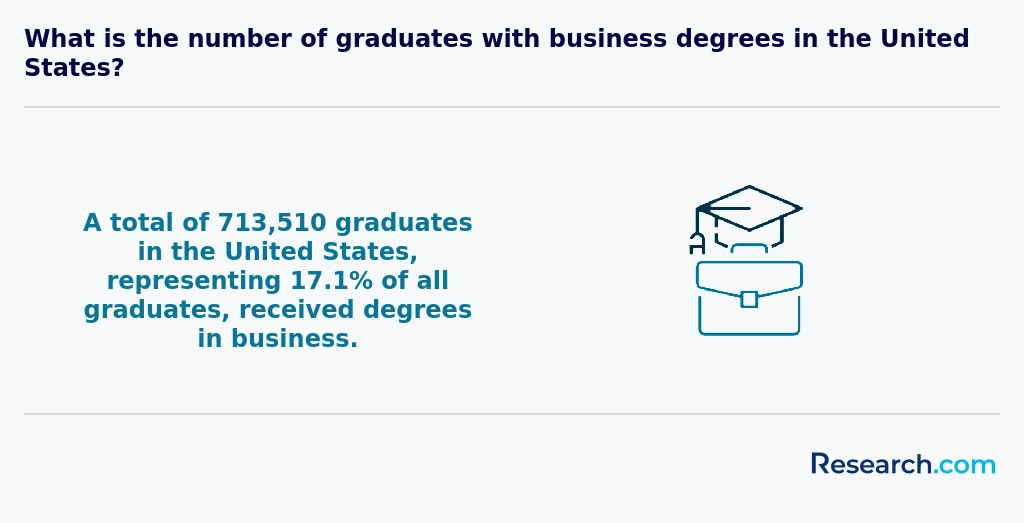
Minneapolis-area universities recognize the diverse needs of business professionals, offering a range of accelerated MBA and combined degree pathways designed to fit demanding schedules. Accelerated MBA programs often compress a traditional two-year curriculum into as little as 12 to 18 months, delivering the same rigorous coursework in finance, marketing, and strategic management at an accelerated pace. For those balancing full-time work and academic goals, these formats can significantly reduce both time-to-degree and total tuition costs. Local institutions such as the Carlson School of Management and Augsburg University partner with industry experts to integrate real-world projects and networking events directly into the curriculum. This practical focus ensures that graduates step into leadership roles with advanced analytical and strategic skills. Beyond standalone MBAs, many schools also offer dual-degree options-pairing an MBA with concentrations in Data Analytics, Supply Chain Management, or Public Policy-enabling students to tailor their education to niche sectors in Minneapolis’s vibrant economy. Prospective candidates should evaluate program structure, cohort size, and specializations to find the best fit. Work experience requirements and GMAT/GRE waivers vary by institution, so it’s important to review each program’s admissions criteria early in the application process. For a comprehensive comparison of top-tier accelerated MBA pathways nationwide, consider exploring our specialist ranking of mba accelerated programs. By pursuing an accelerated MBA or combined degree in Minneapolis, students can rapidly advance their careers, maximize return on investment, and join a network of alumni driving innovation across the Twin Cities.
Financial aid for business students in Minneapolis often begins with federal resources like the FAFSA, unlocking access to Pell Grants and Direct Loans. Graduates from the University of Minnesota's Carlson School of Management often describe how Pell Grants, providing up to $7,395 annually, eased their tuition burden, allowing them to focus more on studies than finances. Meanwhile, Direct Subsidized Loans offer manageable repayment options, a relief to many balancing work and classes.
State aid plays a vital role as well. The Minnesota State Grant, based on financial need, benefits in-state students attending Minneapolis institutions. Alumni recall how this support made attending local colleges, where tuition can exceed $11,700 annually for public programs and far higher for private ones, feel more achievable.
Private scholarships from groups like the Minneapolis Foundation also provide crucial funds, often targeting business disciplines. Some graduates highlight how employer tuition reimbursement plans or cooperative education programs helped them gain real industry experience while minimizing debt.
When exploring business degree options in Minneapolis, MN, one crucial factor to consider is affordability. Prospective students often seek programs that balance quality education with financial viability. To assist in this search, it's essential to research institutions that offer competitive tuition rates without compromising on the educational experience. For instance, exploring the cheapest business programs in Minnesota can provide valuable insights into affordable options that still offer a high-quality education. This approach enables students to make informed decisions that align with their financial capabilities and career aspirations, ultimately leading to a more sustainable and successful educational journey.
Enrolling in a business degree program in Minneapolis typically requires a high school diploma or its equivalent, with many local institutions like the University of Minnesota-Twin Cities expecting applicants to have a GPA around 2.5 to 3.0. Graduates often recall that meeting this benchmark felt both attainable and motivating, as it reflected their consistent effort during high school.
Standardized tests such as the SAT or ACT have historically played a role, but many Minneapolis universities now offer test-optional paths, reflecting a shift toward more holistic admissions. This means students who've excelled in other areas, like strong extracurriculars or work experience, still have a fair chance.
Students also find that having foundational courses in math, economics, and English significantly eases their transition into business studies, a sentiment echoed by graduates from various Minneapolis colleges who felt better prepared and confident navigating complex concepts.
For those pursuing graduate programs such as the MBA, institutions often request GMAT or GRE scores, although real-world experience is increasingly valued as an alternative, helping diverse candidates showcase their strengths beyond tests.
- High school diploma or equivalent
- A minimum GPA (often 2.5 or higher)
- Standardized test scores (SAT or ACT), though increasingly test-optional
- Prerequisite coursework in math and English
- For graduate programs, GMAT/GRE scores or equivalent professional experience
Administrative steps like submitting transcripts, letters of recommendation, and personal statements are common. Many Minneapolis applicants report that these requirements, while sometimes daunting, offered valuable opportunities for self-reflection and to express genuine passion for business studies.
Business degree programs in Minneapolis commonly include a mix of core courses such as Principles of Management, Financial and Managerial Accounting, Marketing Fundamentals, and Business Law. Graduates from institutions like the University of Minnesota's Carlson School of Management often recall how Principles of Management helped them understand real organizational challenges during internships at major local firms like Target.
Courses in Microeconomics and Macroeconomics provide essential frameworks to analyze business environments, while Organizational Behavior and Business Ethics encourage students to consider human dynamics and moral responsibilities in the workplace. Many students appreciate how these classes prepare them to navigate Minneapolis's diverse economy, from healthcare to manufacturing.
Data Analysis and Statistics are increasingly valued, reflecting how decisions rely on interpreting complex data. Electives in finance or supply chain management allow for specialization, enhancing job readiness. Minneapolis-based graduates frequently highlight the practical connection between coursework and local industry, making their studies feel both relevant and energizing.
Business degree specializations in Minneapolis reflect the city's dynamic economic landscape, with students commonly choosing areas like finance, marketing, supply chain management, entrepreneurship, and human resources management. For example, graduates from popular universities in Minneapolis often highlight how the finance specialization connects them with top regional banks, providing them a tangible edge when entering the competitive job market.
Students focusing on marketing appreciate how Minneapolis's vibrant retail and advertising sectors complement their studies, often leading to hands-on projects with local companies. Those concentrating on supply chain management benefit greatly from proximity to industry leaders like Target and 3M, which enrich classroom learning with actionable insights into logistics and operations. Entrepreneurship concentrations resonate with students drawn to the Twin Cities' growing startup ecosystem, where local incubators and venture capital groups foster innovation. This diversity in Minneapolis business degree concentration options aligns well with the city's role as a commercial hub while supporting varied career ambitions.
Experiential learning is a common thread, with many programs integrating internships or cooperative education that leverage the city's network. Students have found that pursuing popular online business certificates to advance your career alongside these specializations further boosts their employability, especially in sectors linked to the local economy.
Choosing the best business degree in Minneapolis involves weighing several critical factors beyond just reputation. Graduates from well-known institutions like the University of Minnesota's Carlson School often highlight the value of AACSB accreditation, which signals program quality and can boost employer confidence. However, affordability remains a major concern for many prospective students; considering affordable business colleges Minneapolis offers means balancing tuition costs with potential scholarships or financial aid. Some students share that aligning their studies with Minneapolis' strong logistics and supply chain industries helped open doors to internships at companies like 3M and Target, proving the advantage of selecting programs with relevant specializations.
Another important consideration is program format. Graduates juggling work have praised hybrid and online options for their flexibility, which is why exploring mba accelerated programs can be particularly beneficial. Smaller programs may offer personalized attention, while larger schools provide extensive networking opportunities. By reflecting on these diverse experiences, you can better choose a business degree tailored to your career goals within Minneapolis' unique economic landscape.

Graduates with a business degree in Minneapolis often find career paths in financial services, marketing, consulting, supply chain management, and entrepreneurship. For example, many graduates from local institutions like the University of Minnesota report landing roles as financial analysts or investment advisors in the city's strong banking sector, benefitting from competitive salaries. However, it's important to recognize that success in these roles depends heavily on evolving market demands and professional networking.
Marketing is another vibrant option, with Minneapolis-based graduates frequently entering brand management or digital marketing positions, especially given the local growth of e-commerce and tech companies. Consulting opportunities are also attractive for graduates seeking to advise on business strategies, though breaking into this field often requires persistence and specialization.
Supply chain roles leverage Minneapolis's strategic transport infrastructure, appealing to graduates interested in logistics coordination for retail and manufacturing firms. Meanwhile, entrepreneurship thrives amid strong startup support, with many graduates motivated by incubators and programs in the Twin Cities. Prospective students concerned about costs may explore affordable options as outlined in the Most Affordable Online Business Degree Programs Ranking in Ohio. Overall, considering these prospects is key when evaluating business degree career opportunities Minneapolis offers.
The business degree job opportunities Minneapolis offers are shaped by its diverse economy, which includes finance, healthcare, and retail sectors. Graduates from local institutions such as the University of Minnesota-Twin Cities often find roles in major corporations like Target or U.S. Bancorp, gaining valuable experience in financial analysis or marketing management. While some graduates report appreciation for the city's moderate cost of living, others highlight competition for entry-level positions, especially in niche areas like consulting. This mix of factors suggests the job market is promising but requires proactive skill development and networking.
Minneapolis business degree salary prospects generally align with the city's economic diversity. Financial managers earn around $135,000 annually, reflecting attractive compensation that can motivate recent graduates. Many start between $50,000 and $65,000, a reasonable range considering living expenses. Business students often benefit from university connections to local chambers and nonprofits, which boost internship and job placement chances. For those weighing education costs, public universities charge about $15,000 per year for in-state students, balancing quality and affordability well. Some explore fastest associate degree online options to complement their career path.
2027 Best Business Degree Programs Ranking in Minneapolis
Investing in your education is a significant decision that can shape your future, and the Research.com team understands the importance of making informed choices. To assist prospective students in Minneapolis, we have meticulously crafted the "2027 Best Business Degree Programs Ranking in Minneapolis." Our commitment to quality, credibility, and accuracy is reflected in the extensive research and analysis conducted to compile this ranking.
We utilized the following reputable data sources to ensure a comprehensive evaluation of business degree programs:
By exploring this ranking, readers will gain valuable insights into the best business degree programs available in Minneapolis, enabling them to make well-informed decisions about their educational paths. For more details on our methodology, please visit our Research.com methodology page.


Frequently Asked Questions About business
Business degree students in Minneapolis can maximize their learning experience by actively engaging with the city's vibrant economic scene. Minneapolis is home to numerous Fortune 500 companies, including Target and U.S. Bancorp, providing valuable internship and networking opportunities. According to the Minneapolis Regional Chamber of Commerce, business sectors such as finance, retail, and healthcare continue to grow, which students should explore through internships to gain real-world skills.
Students benefit from participating in local business competitions, workshops, and clubs offered by universities. Additionally, leveraging connections with the Minneapolis-Saint Paul business community can enhance job placement rates, reported to be above 85% within six months for many local programs. Utilizing these resources will enrich academic learning with practical experience.
Emerging niches within the business field in Minneapolis reflect broader national and regional trends. One fast-growing area is sustainable business practices, driven by local companies' increasing focus on environmental responsibility. The Minneapolis-Saint Paul metropolitan area hosts numerous startups and established firms investing in green technologies and sustainable supply chains.
Another rising niche is data analytics and business intelligence. According to the Minneapolis Regional Chamber of Commerce, demand for skilled data analysts in business roles has grown by over 15% in recent years. Students pursuing business degrees often specialize in data-driven decision making to meet this need.
Additionally, healthcare management is prominent due to Minnesota's large healthcare sector, including institutions like Mayo Clinic.
These niches offer opportunities for graduates to align with evolving industry demands in Minneapolis.
After earning a business degree in Minneapolis, preparing for the job market involves several strategic steps. First, take advantage of local networking opportunities, such as events hosted by the Minneapolis Regional Chamber of Commerce, which connects graduates with employers.
Minneapolis has a strong economy with key industries in finance, healthcare, and retail, meaning business graduates should tailor their resumes to these sectors. According to the U.S. Bureau of Labor Statistics, the Minneapolis-St. Paul area expects a 7% growth in management occupations through 2030.
Internships and cooperative education programs offered by many Minneapolis institutions provide valuable practical experience and increase employment prospects. Graduates should also enhance skills in data analysis and digital marketing, in demand locally.
Finally, leveraging university career centers and online platforms like LinkedIn can help secure interviews and employment in the competitive Minneapolis job market.
Employers in Minneapolis highly value business graduates who demonstrate strong analytical skills. According to the Minneapolis Regional Chamber, companies increasingly seek candidates capable of data-driven decision-making, particularly with proficiency in Excel and business intelligence tools.
Communication is another key skill. Local employers emphasize the need for clear verbal and written communication, essential for teamwork and client relations in Minneapolis's diverse business environment.
Additionally, problem-solving abilities are critical. Many Minneapolis businesses, especially in finance and healthcare sectors, look for graduates who can navigate complex challenges effectively.
Leadership and adaptability also rank highly, as the city's dynamic economy demands professionals who can manage change and inspire teams.
Finding internships in Minneapolis relevant to a business degree involves leveraging local resources and networking opportunities. Minneapolis hosts numerous Fortune 500 companies like Target and Best Buy, providing a rich internship market for business students.
Students should utilize university career centers, which offer internship listings, résumé reviews, and employer connections tailored to local industries. For example, the University of Minnesota's Carlson School of Management regularly updates internship postings specific to business fields.
Additionally, engaging with Minneapolis professional organizations such as the Twin Cities Business Networking Group can enhance access to internships and mentoring.
Online platforms like Handshake and LinkedIn also list internships specific to Minneapolis. According to the Minnesota Department of Employment and Economic Development, business roles represent nearly 25% of available internships in the metro area, highlighting ample opportunities.
In Minneapolis, earning a business degree significantly enhances career mobility and advancement opportunities. The city's diverse economy, encompassing finance, manufacturing, and technology sectors, values formal business education highly. According to the Greater Minneapolis Chamber of Commerce, professionals with business degrees earn on average 20-30% higher salaries than those without.
Business programs equip graduates with skills in leadership, finance, and strategic management, which local employers prioritize for managerial roles. Additionally, Minneapolis hosts numerous networking events and internships, offering valuable industry connections.
Graduates often find it easier to transition between industries or advance within companies, reflecting national trends reported by the U.S. Bureau of Labor Statistics showing faster promotion rates for degree holders in business fields.
Studying for a business degree in Minneapolis equips students with skills that span multiple disciplines, essential for today's integrated job market. Programs often combine core business principles with courses in technology, communication, and analytics. This approach reflects the diverse economy of Minneapolis, which has strong sectors in finance, healthcare, and manufacturing, demanding employees who think beyond traditional boundaries.
Many local institutions emphasize experiential learning through partnerships with major corporations such as Target and UnitedHealth Group. These collaborations provide practical exposure to interdisciplinary work environments.
According to the Minneapolis Regional Chamber of Commerce, over 60% of business roles require cross-functional expertise, highlighting the value of an education that merges business fundamentals with broader skills.
Choosing between a thesis and a non-thesis business degree program in Minneapolis depends on your career goals and time commitment. A thesis option usually involves in-depth research and can prepare you for doctoral studies or roles that value analytical skills. In contrast, non-thesis programs focus more on coursework and practical applications, ideal for professionals aiming to enter or advance in Minneapolis's dynamic business sectors quickly.
Minneapolis hosts a diverse economy, including finance, healthcare, and retail industries, where practical skills are highly valued, making non-thesis programs attractive to many students. According to the Bureau of Labor Statistics, business-related jobs in the Twin Cities area grew by 7% from 2018 to 2023.
Thesis programs often take longer to complete and require strong research skills. If you plan to work or study further in academia, this is a significant advantage. Non-thesis degrees may also include internships or capstone projects, offering hands-on experience aligned with local business needs.
Students based in Minneapolis interested in studying business abroad have several options through partnerships between local universities and international institutions. The University of Minnesota's Carlson School of Management offers study abroad programs in over 30 countries, including popular destinations like the United Kingdom, China, and Spain. These programs typically last a semester or a summer, providing immersive learning experiences combined with global business perspectives.
Additionally, Augsburg University and other Minneapolis schools enable students to participate in exchange programs or short-term study tours focused on international business. According to the Institute of International Education, about 60% of U.S. business students choose programs in Europe or Asia for their study abroad experiences.
Such opportunities help students build global networks and develop cross-cultural skills crucial in today's competitive business environment, aligning well with Minneapolis's status as a growing business hub with multinational companies.
Minneapolis offers various part-time job opportunities that align well with business degree studies. Many students find roles in retail management and customer service valuable, as these positions develop skills in sales, communication, and operations. According to the Minneapolis Regional Chamber of Commerce, the city's strong retail and corporate sectors provide numerous openings for business students seeking practical experience.
Internships or part-time roles in local financial firms and marketing agencies can enhance understanding of finance, analytics, and digital marketing. Minneapolis is home to major corporations such as Target and U.S. Bank, which occasionally offer student-friendly positions.
Additionally, roles in small business consulting or event planning develop organizational and leadership skills crucial for business careers. These part-time jobs help students apply classroom theories in real-world business environments while managing their academics.
Minneapolis offers a rich environment for business students seeking networking opportunities. The city hosts numerous professional groups such as the Minneapolis/St. Paul Business Journal events and the Twin Cities chapter of the American Marketing Association, which regularly welcome students. Business degree programs often provide access to local internships within major corporations like Target and 3M, allowing practical connections.
The University of Minnesota's Carlson School of Management connects students with over 1,100 companies through career fairs and networking events. Additionally, Minneapolis's active startup ecosystem, supported by organizations like MN Cup, enables students to engage with entrepreneurs and investors, enhancing real-world business contacts.
Alumni networks play a crucial role in enhancing the experience of business degree students in Minneapolis. These networks offer valuable connections to professionals and companies within the city's strong business community, including sectors like finance, healthcare, and retail. According to the Minneapolis Regional Chamber of Commerce, local businesses often seek graduates through alumni referrals, which can increase job placement rates for students.
Moreover, alumni often provide mentorship opportunities, helping current students navigate their careers and develop practical skills. Participation in these networks can lead to internships, job placements, and partnerships that are particularly relevant given Minneapolis's diverse economy.
Strong alumni ties also support ongoing professional development through events and workshops, enabling students and graduates to stay updated with industry trends specific to Minneapolis's market.
Minneapolis offers a range of customizable business degree programs to help students align education with career goals. Many local universities provide flexible options, such as selecting concentrations in finance, marketing, or entrepreneurship-fields supported by Minneapolis's strong corporate sectors including finance and healthcare.
Students can also tailor their degrees through elective courses, internships, or cooperative education programs. For example, the Minneapolis-Saint Paul metropolitan area hosts major companies like Target and U.S. Bank, creating valuable internship opportunities to gain practical experience.
Additionally, students may enhance their degrees by pursuing dual majors or certificates in areas like data analytics or sustainability, meeting emerging industry demands identified by the Minneapolis Chamber of Commerce.
Business students in Minneapolis often face challenges balancing rigorous coursework with practical experience demands. Many programs require internships or projects, which can be competitive due to the city's strong business presence, including headquarters such as Target and U.S. Bancorp. According to the Minnesota Private College Council, about 45% of local business students struggle with securing relevant hands-on opportunities.
Another common challenge is managing financial pressures. Tuition and living costs in Minneapolis are moderately high, with the average annual expense for business students around $20,000 to $30,000, per data from the College Board. Students often juggle part-time jobs alongside study, affecting their academic focus.
Additionally, adapting to rapidly evolving business technologies and data analytics tools presents a steep learning curve, emphasized by local educators during forums at the Carlson School of Management. This requires ongoing commitment beyond traditional lectures.
With a business degree in Minneapolis, graduates can pursue several professional certifications that enhance career opportunities and earning potential. Popular certifications include the Certified Public Accountant (CPA) for those interested in accounting, and the Project Management Professional (PMP), which is valued across many industries.
The Certified Financial Planner (CFP) is another option, especially relevant given Minneapolis's strong financial sector, home to major firms like U.S. Bancorp. For marketing professionals, the Professional Certified Marketer (PCM) credential offers specialized expertise.
According to the Minnesota Department of Employment and Economic Development, these certifications can increase salary prospects by 10-20%. Local universities and training centers in Minneapolis offer preparation courses tailored to these certifications.
Writing a winning application for a business program in Minneapolis begins with showcasing your academic achievements clearly. Most top programs look for a strong GPA, typically above 3.0, and relevant coursework in economics, math, or business. Craft a compelling personal statement that highlights your goals and how studying in Minneapolis, a regional economic hub with companies like Target and U.S. Bank, aligns with your career plans.
Include well-chosen letters of recommendation from professors or work supervisors who can attest to your skills and work ethic. Many Minneapolis schools also require the GMAT or GRE, so preparing thoroughly can improve your competitiveness. Pay close attention to application deadlines and requirements for each program, as they may vary.
Global perspectives on business careers emphasize adaptability and cultural awareness, essential traits as companies increasingly operate across borders. For Minneapolis students, this means understanding international markets and diverse consumer behaviors is critical. The Twin Cities area hosts several multinational corporations such as Target and 3M, offering practical insights into global business operations.
According to the U.S. Bureau of Labor Statistics, international business-related jobs are projected to grow 7% through 2031, reflecting steady demand. Business programs in Minneapolis often incorporate case studies and internships with global firms to prepare graduates for these opportunities.
Students with global business knowledge tend to perform better in leadership roles, particularly in supply chain management and finance, fields prominent in Minneapolis's economy. This trend highlights the benefits of pursuing a business degree with an international focus to remain competitive.
Gaining practical experience while studying for a business degree in Minneapolis is highly feasible due to the city's strong corporate landscape. Many universities encourage internships, cooperative education (co-op) programs, and part-time work with local businesses. Minneapolis hosts headquarters for major companies like Target, U.S. Bancorp, and 3M, offering a wealth of internship opportunities for students.
Additionally, students can engage in hands-on projects through university-affiliated business incubators and consulting groups. Participating in local networking events and business competitions can further enhance real-world skills. According to the Minneapolis Regional Chamber of Commerce, 65% of business students secure internships before graduation, highlighting the city's dynamic market.
Choosing the right concentration within a business degree program in Minneapolis involves evaluating your career goals, local industry demands, and personal interests. Minneapolis is a key hub for finance, healthcare, and manufacturing, so concentrations like finance, healthcare management, or supply chain management may offer strong job prospects. According to the Minneapolis Regional Chamber, finance and professional services jobs have grown steadily over the past five years.
Consider the program's connections to Minneapolis employers for internships and networking. Review curriculum flexibility and opportunities for experiential learning. Also, research salary data for graduates in various concentrations to align your choice with potential earnings.
- 2027 Best Business Degree Programs Ranking in Dubuque
- 2027 Best Business Degree Programs Ranking in Madison
- 2027 Best Business Degree Programs Ranking in Milwaukee
- 2027 Best Business Degree Programs Ranking in Kenosha
- 2027 Best Business Degree Programs Ranking in River Forest
- 2027 Best Business Degree Programs Ranking in Chicago
- 2027 Best Business Degree Programs Ranking in Kansas City
- 2027 Best Business Degree Programs Ranking in West Lafayette
- 2027 Best Business Degree Programs Ranking in Fort Wayne
- 2027 Best Business Degree Programs Ranking in Indianapolis
See What Experts Have To Say About Studying Business
Read our interview with Business experts

David W. Stewart
Business Expert
Emeritus President's Professor of Marketing
Loyola Marymount University

David Souder
Business Expert
Senior Associate Dean for Faculty and Research
Michigan State University

Ingrid S. Greene
Business Expert
Clinical Assistant Professor of Management
Loyola Marymount University

- Associate Degree in Business | Community Colleges for Business in MN | Normandale Community College https://www.normandale.edu/academics/degrees-certificates/business/index.html
- What is the future of bachelor’s degrees in business? https://www.amba-bga.com/insights/what-is-the-future-of-bachelors-degrees-in-business
- Business | Minneapolis Community & Technical College https://minneapolis.edu/academics/school-business-and-economics/business
- Online Degree vs. Traditional: Choosing the Right Path https://beal.edu/online-degree-vs-traditional/
- Niche Business Ideas: A Guide to Profitable Niche Business Selection - Inar Learn https://inarlearn.com/niche-business-ideas-a-guide-to-profitable-niche-business-selection/
- Professional Business Certifications to Boost Your Career in 2025 https://www.business.com/articles/best-business-certifications/
- Bringing global perspectives to leadership in business https://www.eaie.org/resource/global-perspectives-leadership-business.html
- A guide to finding an internship https://www.ipag.edu/en/blog/guide-finding-internship
- Skills Employers Look for in Business Graduates – EU Business School https://www.euruni.edu/blog/skills-employers-look-for-in-business-graduates/
- Jobs after studying business administration: opportunities at a glance | JobTeaser https://www.jobteaser.com/en/advices/jobs-after-studying-business-administration-opportunities-at-a-glance