2027 Most Affordable Business Degree Programs Ranking in Dover

Co-Founder and Chief Data Scientist
Choosing the right business degree program can feel overwhelming, especially when affordability matters. To help students in Dover make informed decisions, the Research.com team of data scientists created the 2027 Most Affordable Business Degree Programs Ranking in Dover.
This article breaks down the best value programs, making it easier for you to find a degree that fits both your goals and budget. Earning a business degree opens doors to exciting career opportunities, and understanding your options is the first step toward success.
Explore the ranking to discover programs worth considering for your future.
Key benefits of getting business degree in Dover
- Salary for business degree graduates: Graduates can expect rewarding salaries such as $83,190 annually for Business Development Executives and $112,950 for Business Analysts, reflecting strong earning potential in Dover's job market.
- Career paths: Business degree holders from local institutions in Dover often pursue dynamic roles in sales, analysis, or management, offering diverse opportunities to grow professionally and find fulfilling work.
- Online degree benefits: Earning a business degree online provides flexibility to balance work and studies, helping students in Dover gain valuable skills without sacrificing their current responsibilities.
- 2027 Most Affordable Business Degree Programs Ranking in Dover
- What can I expect from business degree in Dover?
- Where can I work with business degree in Dover?
What can I expect from business degree in Dover?
When budgeting for a business degree in Dover, expect tuition costs to be noticeably affordable, especially at state-supported institutions. For example, graduates from Delaware Technical Community College often highlight how the Associate in Applied Science in Business Administration allowed them to complete foundational coursework without incurring heavy debt. This college's tuition rates for residents are significantly lower than private alternatives, making initial business education accessible and practical.
Those pursuing bachelor's degrees at local universities report that costs rise but remain reasonable compared to national averages, thanks to resident tuition breaks. Financing education here often involves a mix of scholarships, work-study, and internships, which many students find reduces their out-of-pocket expenses. Practical experiences, like internships connected to Dover's finance and manufacturing sectors, enhance value beyond simple tuition numbers.
Students also appreciate programs that support smooth transfer paths from community colleges to four-year institutions, preserving affordability over the long term. The affordability combined with hands-on opportunities leaves many graduates confident they've gained strong value for their investment in Dover's business education options.
Where can I work with business degree in Dover?
Graduates with a business degree in Dover often find abundant job opportunities across diverse sectors locally. For example, many from the University of Delaware's business programs have successfully stepped into roles at banks and credit unions around the city, working as financial analysts or loan officers. These positions let you apply analytical skills on real client portfolios, making work both challenging and rewarding.
Healthcare companies in Dover also recruit business graduates for administrative roles. Graduates from Delaware State University often share how they transitioned into billing supervision or healthcare operations, gaining hands-on experience managing teams and budgets within the city's medical facilities.
Retail management and supply chain coordination are other common paths, especially for those who interned with local stores or distribution centers during their studies. Dover's retail sector appreciates business grads who can effectively manage operations and enhance customer service.
Working for government agencies is a solid route too, as many business graduates find stability and competitive benefits as budget analysts or procurement specialists in Dover's state and local offices.
Smaller startups around Dover offer roles in entrepreneurship and project management, ideal for graduates eager to shape growing businesses. Practical exposure from college projects often makes graduates confident stepping into these dynamic environments.
Graduates with a business degree in Dover often start their careers earning around the national average, but specific roles show clear potential for higher pay. For example, business development executives in the area can expect a mean annual wage of approximately $83,190, reflecting steady demand within local industries such as government contracting and healthcare administration.
Many graduates from popular business programs at Dover's universities share how landing a role as a business analyst has become a realistic and rewarding goal. These professionals earn a notably higher mean salary of $112,950 annually, especially if they develop technical skills in data analysis and strategic planning.
Choosing to specialize in areas like financial management or business analytics, as some recent graduates from Dover-based colleges have done, can boost salary prospects and job security. Studying locally offers access to internships and networking within the Dover business community, positioning graduates for roles that pay well above $80,000 right after college.
- In-state tuition for business degrees near Dover ranges from $7,000 to $12,000 per year, while private or out-of-state costs can exceed $20,000 annually.
- Associate degrees and transferable credits at community colleges offer a more affordable option around $4,000 per year.
- Business-related jobs in Dover are expected to grow by about 8% over the next decade, matching national growth forecasts.
- Starting salaries for business graduates usually range from $45,000 to $55,000, with mid-career professionals earning up to $80,000 annually.
- Local internships through companies and government agencies support practical experience and improve job placement rates.
- Business programs in Dover cover fields like accounting, finance, marketing, and management, often with flexible or online study options.
Completing a business degree in Dover generally takes two to four years depending on the program and your pace. Many students at Delaware Technical Community College find that their associate degree wraps up in about two years, covering crucial business basics that open doors to entry-level jobs or a smooth transfer to a bachelor's program.
At the University of Delaware, bachelor's degree graduates typically spend four years full-time immersed in courses like marketing, finance, and management. Some students who take summer classes or heavier course loads celebrate finishing in three years, making faster progress toward their goals.
For those juggling work or other commitments, part-time study is common, often extending the timeline by one or two years. Flexible online or hybrid options at local schools let learners design a pace that fits busy lives while still making steady progress.
Graduate degrees like the MBA usually take about two years full-time, with part-time and accelerated options for those who want to balance career and study more easily.
Online and on-campus business degrees in Dover differ mainly in how you engage with your studies and the community. On-campus students at popular local colleges enjoy direct interaction with professors and classmates, creating strong connections through study groups and internships offered right on campus. These graduates often recall how face-to-face networking opened doors to local business events and job opportunities.
In contrast, online students appreciate the flexibility to balance work, family, and school without the daily commute. Graduates from online programs nearby share how they managed coursework around their schedules, studying evenings or weekends from home. While the learning is just as rigorous-Dover's institutions ensure faculty quality matches on-campus programs-these students actively build professional relationships through virtual platforms, which requires discipline and initiative.
Costs also differ: online degrees in Dover generally save money on commuting and campus fees, typically ranging from $8,000 to $12,000 annually, compared to about $10,000 or more for in-person programs. Both paths prepare you well for a business career, but deciding depends on how you want to learn and connect while managing expenses.
While affordability and career outcomes are key factors in choosing a business program, prospective students should also consider the vibrant campus life and supportive community present in Dover, DE. Many local institutions not only offer rigorous academic curricula but also provide a rich array of extracurricular activities, alumni networks, and student organizations that foster personal growth. Students often highlight the welcoming campus atmosphere, where clubs, leadership initiatives, and cultural events contribute to building lifelong connections and soft skills critical for professional success. For those exploring career possibilities alongside academic pursuits, engaging with career centers can open pathways toward opportunities such as a business administration job after graduation. Additionally, modern facilities and student services-from tutoring centers to wellness programs-ensure that learners receive comprehensive support, creating an environment that nurtures both academic excellence and personal development. This holistic approach helps students transition smoothly from classroom learning to real-world challenges, making the overall educational journey in Dover both enriching and memorable.
The average cost of a business degree in Dover typically centers around $10,670 for in-state students, reflecting a balance between affordability and quality education. Graduates from Delaware State University often share how this investment felt manageable, especially compared to private institutions where tuition can soar beyond $20,000 annually. This pricing aligns well with what many seek when exploring affordable business degree programs Dover 2027.
Beyond tuition, practical expenses like books, supplies, and room and board contribute to the overall cost. Many students budget around $1,200 yearly for books and about $10,000 for living expenses, realistic figures that help keep finances clear and predictable. Graduates often cite that being mindful of these costs while attending a local public university helped them graduate without overwhelming debt.
Comparing your options, it's worth noting that private colleges near Dover may offer more personalized class sizes but typically ask for significantly higher tuition. Meanwhile, institutions like Delaware State provide a solid curriculum close to home, ideal for balancing education costs with daily life. For those considering flexible learning to control expenses further, you might explore online business administration programs.
Taking advantage of in-state tuition benefits, scholarships, and financial aid opportunities is key. Former students highlight how early application for scholarships and on-campus jobs eased the financial burden, making even the median total cost a positive investment toward their future in business.

To find the most affordable business programs in Delaware, students should research institutions that offer competitive tuition rates and financial aid options. One resource to consider is the most affordable business programs in Delaware, which provides a comprehensive ranking of programs based on affordability and quality. When applying to these programs, students should ensure they meet the prerequisites, which typically include a high school diploma, minimum GPA, and standardized test scores. Additionally, students should review the curriculum and specializations offered, as well as internship opportunities and career services, to ensure the program aligns with their career goals. By carefully evaluating these factors and exploring financial aid options, students can make an informed decision and find an affordable business program in Delaware that suits their needs.
Students pursuing business degrees in Dover typically start by completing the FAFSA to access federal aid like Pell Grants, which can cover up to $7,395 annually without repayment. Graduates from local colleges often highlight how Pell Grants significantly eased their financial stress, letting them focus more on studies than debts. Many also utilize federal Direct Loans, especially subsidized loans that don't accrue interest while enrolled half-time-this practical step reduces loan burdens during school.
State-specific programs like the Delaware SEED Scholarship provide valuable tuition relief to residents attending in-state schools. Business students often share that these merit- and need-based awards made attending institutions in Dover much more affordable, especially when combined with federal help.
Local scholarships from community groups and businesses further boost funding, while federal work-study offers hands-on work opportunities that pay and build resumes simultaneously. Students at popular Dover colleges find that visiting financial aid offices early uncovers institutional scholarships tied to academics or leadership, creating a layered financial safety net that helps turn their business goals into reachable realities.
To enroll in a business degree program in Dover, the first practical step is ensuring you have a high school diploma or GED, the baseline for admission at institutions like Delaware State University or Goldey-Beacom College. Graduates often recall how having a solid academic foundation made tackling freshman courses feel manageable, boosting their confidence early on.
Next, prepare your official transcripts demonstrating a GPA generally between 2.5 and 3.0. This shows schools that you have the academic discipline needed for business studies. A graduate shared that focusing on courses like math and English in high school helped them excel, as these subjects develop critical thinking and analysis skills highly valued in local Dover universities.
Some schools still ask for SAT or ACT scores. Aim for an SAT score of 1050 to 1200 to stay competitive, especially at regional public universities. However, don't stress too much if your school is test-optional; strong recommendation letters and personal essays describing your career goals can significantly sway admissions decisions.
If you're a transfer or adult student, gather official transcripts from previous colleges and double-check that your credits transfer. Graduates often highlight how completing introductory business or economics courses beforehand eased their transition and helped them feel ready to engage fully with the curriculum.

In Dover, business degree programs typically include core courses like Financial Accounting and Managerial Accounting, which help you understand how to read and manage financial statements-skills graduates find immediately useful when starting internships or entry-level jobs. Marketing Principles and Consumer Behavior are also common, teaching you how to analyze customer needs and develop effective outreach strategies, essential for roles in sales or product management.
Management courses focus on leadership and organizational behavior, giving you practical tools to lead teams successfully. For example, students at popular Dover colleges often share how these classes helped them confidently handle group projects and prepare for supervisory positions.
Economics and business ethics form a crucial part of the curriculum, offering insight into economic trends and responsible decision-making, which employers value highly. Electives in entrepreneurship and international business let you explore passions like launching startups or navigating global markets, skills emphasized in programs at well-known Dover institutions.

Business degree programs in Dover typically offer specializations that directly align with local industry demands. Popular tracks include Accounting, Marketing, Management, Finance, and Entrepreneurship. Graduates from Dover's well-regarded colleges often share how their Accounting focus helped them quickly meet CPA certification requirements and secure roles in reputable firms. Marketing students appreciate hands-on projects that emphasize digital campaigns, making them competitive in Dover's dynamic business environment.
For students targeting the region's expanding financial sector, Finance offers practical skills in investment and risk management, crucial for landing analyst positions. Those drawn to launching startups find Entrepreneurship courses especially motivating, as they cover everything from innovative business planning to local market strategies. Many schools also provide interdisciplinary options combining business with data analytics or international business, adapting to evolving professional landscapes.
With affordable business majors in Dover, students report feeling confident investing in their education without overwhelming debt. Exploring international business careers within these programs further broadens opportunities, helping students tailor their specialization to fit both personal ambitions and regional growth areas.
Start by verifying program accreditation, especially AACSB, which signals rigorous business education respected by local employers in Dover. Graduates from well-accredited colleges often share how this recognition opened doors to quality internships and jobs within the region's growing business community. Next, compare tuition costs carefully; many local students find that opting for affordable business degree programs in Dover helps them avoid heavy debt while accessing quality instruction and practical experience.
Consider curriculum options and how well they match your career goals. For example, some graduates from Dover's popular colleges highlight how specializing in entrepreneurship or finance gave them an edge in securing roles at nearby firms. Also, assess the career support services offered-schools with strong internship programs and local business ties provide smooth paths from classroom to employment.
Delivery format matters: whether you attend on campus for hands-on networking or choose a hybrid approach for flexibility. For detailed comparisons on cost and programs, check the most affordable business programs in Delaware.
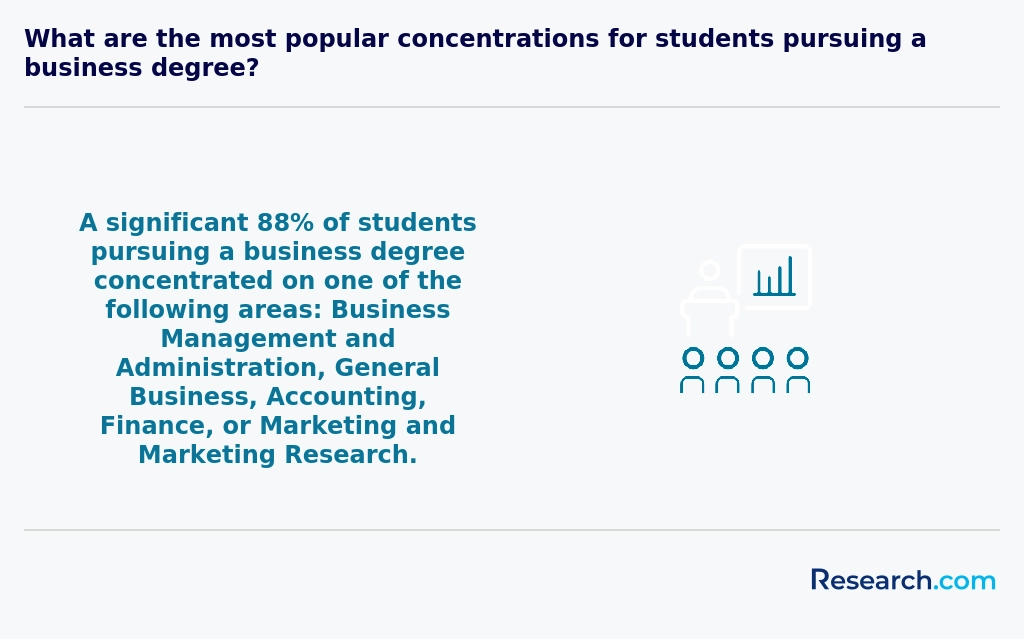
Graduates holding a business degree in Dover find solid career paths in finance, marketing, management, and entrepreneurship thanks to the city's diverse economy and strong corporate presence. Many succeed as financial analysts or accountants in local banks, leveraging Delaware's role as a corporate hub. Marketing roles like brand management or digital marketing specialist also attract graduates, especially with opportunities for remote work tied to nearby metropolitan areas.
Management careers, including operations and human resources manager positions, are common outcomes for those from popular colleges in Dover. These roles benefit from the practical leadership and organizational skills graduates develop during their studies. Entrepreneurs often utilize local incubators and business development centers to launch ventures successfully, applying critical finance and strategy knowledge gained at campus programs.
For students exploring career options with a business degree Dover offers practical experience and networking opportunities essential for growth. Exploring the full range of choices can be supported by resources detailing business administration job prospects, helping students and graduates navigate their next steps confidently.
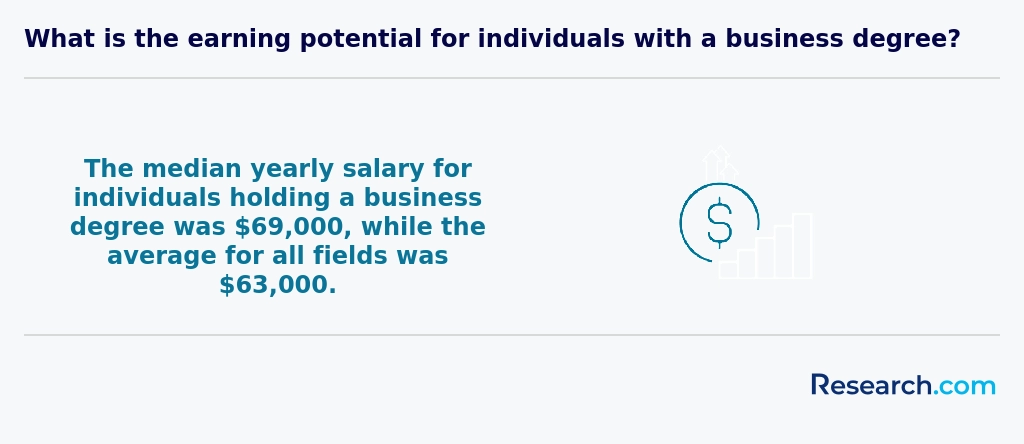
The job market for business degree holders in Dover is dynamic, offering solid opportunities particularly for those willing to leverage local connections. Graduates from popular colleges in Dover often land roles as business analysts, marketing coordinators, or sales managers in finance, healthcare management, and government sectors. This steady demand aligns well with the employment outlook for business graduates Dover, where the relatively low unemployment rate of 4.5% in early 2024 reflects ongoing workforce needs.
Many graduates share that internships with city administration or regional businesses are critical for gaining practical experience and standing out in this competitive market. The average salary of about $70,000 for business and financial roles in Delaware is competitive, especially when paired with Dover's affordable cost of living. Choosing to study business locally also helps manage costs, with in-state tuition averaging $12,500 annually, making it a practical step toward a rewarding career.
For those balancing work and study, exploring anchors part-time Ph.D. in economics programs can offer long-term advancement without sacrificing immediate income. This strategic focus ensures business graduates are well-prepared to meet Dover's evolving job market demands.
2027 Most Affordable Business Degree Programs Ranking in Dover
Investing in your education is a significant decision that can shape your future, and the Research.com team is fully aware of the importance of making informed choices. To support prospective students in Dover, we have carefully developed the "2027 Most Affordable Business Degree Programs Ranking in Dover." Our dedication to quality, credibility, and accuracy is evident in the thorough research and analysis conducted for this ranking.
We utilized the following reputable data sources to ensure a comprehensive evaluation of business degree programs:
By consulting this ranking, readers will gain valuable insights into the most affordable business degree options in Dover, empowering them to make well-informed educational decisions. For more information about how we created this ranking, please visit our Research.com methodology page.

Frequently Asked Questions About business
Business degree students in Dover can maximize their learning by engaging actively with both academic and professional opportunities available locally. Enrolling in internships or cooperative education programs with Dover's growing business community, including sectors like logistics and finance, helps bridge theory and real-world practice. According to the Delaware Department of Labor, internships increase employment chances by 40% for recent graduates.
Additionally, students should utilize campus resources such as career centers and business clubs to develop networking and leadership skills. Attending local business seminars and workshops offered by organizations like the Dover Chamber of Commerce is also beneficial. Combining classroom learning with community engagement prepares students effectively for the competitive US job market.
The business field in Dover is evolving rapidly, with several emerging niches gaining prominence. One key area is sustainable business practices, driven by increasing local and global emphasis on environmental responsibility. Companies in Dover are seeking professionals skilled in integrating sustainability with profitability.
Another growing niche is digital marketing and analytics, as businesses invest heavily in online presence and data-driven decision-making. According to the Delaware Department of Labor, job postings for marketing analysts in Dover have increased by more than 15% over the past two years.
Health care management is also expanding, reflecting Dover's robust medical sector. Business graduates with expertise in health administration will find opportunities in hospitals and health services organizations. Lastly, entrepreneurship and innovation education is popular, aligning with Dover's supportive startup environment, bolstered by regional incubators and funding.
Preparing for the job market after earning a business degree in Dover requires a strategic approach. First, students should engage in internships or cooperative education programs during their studies. According to the National Association of Colleges and Employers, employers prioritize candidates with practical experience. In Dover, local businesses in finance, healthcare, and retail often offer such opportunities.
Networking is equally important; attending local business events and joining professional associations like the Dover Chamber of Commerce can create valuable connections. Additionally, career services at Dover's colleges provide resume workshops and interview preparation tailored to the regional market.
Graduates should also consider obtaining relevant certifications, such as Certified Business Analysis Professional (CBAP), which can enhance employability. Finally, staying current with business trends and expanding skills through online courses adds a competitive edge in today's job market.
Employers in Dover highly value business degree graduates who demonstrate strong analytical and communication skills. According to recent data from the Delaware Department of Labor, 78% of local businesses prioritize critical thinking and problem-solving abilities in new hires. This reflects the increasing complexity of the business environment in the area.
Additionally, teamwork and leadership are essential skills, with many companies seeking graduates who can effectively manage projects and collaborate across departments. Digital literacy, particularly proficiency in data analysis tools and Microsoft Office, is another key requirement.
These skills prepare graduates to contribute meaningfully to Dover's diverse economic sectors, including finance, healthcare, and retail.
Finding internships in Dover relevant to a business degree involves strategic planning and utilizing local resources. Start by visiting the career services offices at Dover-area colleges, such as Delaware State University or Delaware Technical Community College, which often maintain internship listings tailored for business students.
Local business associations like the Dover Chamber of Commerce offer networking events and job fairs that can connect students with internship opportunities. According to the Delaware Department of Labor, sectors such as finance, retail, and small business services dominate Dover's economy, providing varied fields for business internships.
Online platforms like Handshake and LinkedIn also list internships targeted to the Dover area. Additionally, contacting local companies directly or applying through their websites can reveal unadvertised positions. Starting early and building a professional network is critical to securing a meaningful business internship in Dover.
A business degree significantly enhances career mobility and advancement opportunities for individuals in Dover. According to the U.S. Bureau of Labor Statistics, workers with a bachelor's degree in business generally enjoy a 15% higher employment rate compared to those without a degree. In Dover, where the local economy includes sectors like finance, healthcare, and retail, a business degree equips graduates with versatile skills valued across industries.
Employers in the Dover area often prefer candidates with formal business education for leadership and management roles, increasing chances of promotion. Networking opportunities through local colleges also connect students with Dover-based companies, further supporting career growth.
Studying for a business degree in Dover equips students with skills that transcend traditional business functions. Curricula often incorporate modules from economics, information technology, and communication, fostering versatile knowledge applicable in interdisciplinary roles.
Dover's institutions emphasize real-world problem-solving, integrating case studies that require collaboration across departments such as marketing, finance, and data analytics. This approach mirrors professional environments where cross-functional teamwork is vital.
According to the Delaware Department of Labor, 35% of business graduates in Dover report working in roles that combine skills from multiple fields within five years of graduation. Such data underscores the value of an interdisciplinary foundation offered by local programs.
Ultimately, these degrees prepare students not only to manage core business challenges but also to adapt to diverse roles involving technology, strategy, and communication in a dynamic economy.
When choosing between a thesis and a non-thesis business degree program in Dover, consider your career goals and learning preferences. Thesis programs often suit students interested in research or pursuing a PhD, involving a significant research project. Non-thesis options are typically more coursework-based, appealing to those aiming to enter the workforce quickly.
In Dover, business schools like Delaware State University provide both tracks, reflecting national trends where about 40% of business master's students choose thesis paths. Employers in Dover's growing finance and logistics sectors value practical skills gained in non-thesis programs, but research experience can open doors in academia or consulting.
Students based in Dover looking to study business abroad have several avenues within the US higher education system. Many universities offer exchange programs or dual-degree options with international institutions, providing valuable global experience. Notably, schools near Dover, such as the University of Delaware, have partnerships that enable students to spend a semester or year abroad studying business.
Studying business abroad can enhance cultural understanding and global networking opportunities, essential skills in today's economy. According to the Institute of International Education, over 300,000 US students studied abroad in 2022, with business being one of the top majors.
Financial aid and scholarships are often available specifically for study-abroad business students, helping to offset costs. Students are encouraged to consult their college's international office to explore tailored options that fit their academic goals.
Students pursuing business degrees in Dover can benefit from a variety of part-time job opportunities that enhance their academic learning. Retail positions in local stores offer practical experience in sales and customer service, essential skills for business management. Internships at financial institutions, such as local banks, provide exposure to banking operations and financial analysis, aligning with finance-related studies. According to the Delaware Department of Labor, Dover's growing service sector supports numerous part-time roles ideal for students balancing work and education.
Additionally, administrative assistant roles in small businesses help develop organizational and communication skills. These jobs reinforce classroom concepts like project management and strategic planning.
Business students in Dover benefit from a range of networking opportunities that connect them with local industries and professionals. The University of Delaware's Alfred Lerner College of Business and Economics offers events such as career fairs and networking mixers that attract over 100 regional employers annually. These events provide direct access to recruiters from finance, healthcare, and tech sectors.
In addition, the Dover Chamber of Commerce frequently hosts business forums and workshops where students can meet local entrepreneurs and executives. Students can also join professional organizations like the Delaware Society of CPAs and the Delaware Small Business Chamber to expand their contacts.
Internships available through local companies like Dover Motorsports and state government offices enhance practical experience and industry relationships. According to the Delaware Department of Labor, about 65% of students who participate in internships secure jobs through networking connections formed during their placements.
Alumni networks offer significant advantages to business degree students in Dover by providing valuable connections for career advancement. These networks allow students to engage with graduates who have experience in Delaware's diverse business sectors, including finance, healthcare, and transportation. According to the Delaware Department of Labor, 65% of recent business graduates in Dover found employment through networking opportunities.
Through alumni events, mentorship programs, and online platforms, students gain insight into industry trends and job openings. Business schools in Dover often maintain active alumni associations that support students with internships and job placements, enhancing their professional prospects.
Customizing a business degree program in Dover allows students to align their education with specific career goals. Many local institutions offer flexible majors and concentrations such as finance, marketing, or entrepreneurship, helping tailor studies to individual interests. Additionally, students can often choose electives that develop specialized skills relevant to the Dover job market, which includes sectors like maritime commerce and healthcare administration. Experiential learning options, such as internships with local businesses, also enhance practical knowledge. According to the U.S. Department of Education, programs in Delaware reported a 12% increase in customizable curriculum features since 2020, reflecting growing adaptability in business education.
Business students in Dover often face several challenges common to many US higher education environments. One primary issue is managing rising tuition costs, which can strain budgets, especially as Delaware's average annual in-state tuition for public universities was about $11,792 in 2023 (NCES data). Balancing coursework with part-time jobs is another frequent struggle for many students seeking financial stability.
Additionally, students encounter difficulties with adapting to the competitive nature of business programs. This includes understanding complex topics like finance, marketing, and data analysis, which require strong quantitative and analytical skills.
Networking opportunities in Dover may be more limited compared to larger metro areas, challenging students to find internships and connections critical for career advancement. Lastly, the evolving business landscape demands continual technological proficiency, pushing students to stay updated with the latest digital tools and platforms.
With a business degree, graduates in Dover have access to several valuable professional certifications that can enhance their careers. Popular choices include the Certified Public Accountant (CPA) for those interested in accounting, and the Project Management Professional (PMP), which is highly regarded in project and operations management.
Many business graduates also pursue the Certified Financial Planner (CFP) credential, especially if they aim to work in financial services. The Chartered Financial Analyst (CFA) designation is another option for those focused on investment analysis and portfolio management.
Locally, the demand for project managers and financial analysts in Dover is growing, reflecting national trends reported by the U.S. Bureau of Labor Statistics. Candidates with such certifications often see up to a 20% salary increase, according to the Project Management Institute's 2023 report.
Writing a winning application for a business program in Dover requires clear focus and preparation. First, tailor your personal statement to highlight your motivation for studying business and how it aligns with your career goals. Admissions committees in Dover often look for applicants who demonstrate leadership potential and practical experience.
Include specific examples of internships, volunteer work, or relevant jobs that show your commitment to the field. According to the Delaware Department of Labor, the business sector in Dover is growing, emphasizing skills in management and finance. Mentioning awareness of local economic trends can strengthen your case.
Ensure all academic records meet the program's requirements, often including a minimum GPA of 3.0 for competitive business schools in the area. Lastly, request strong recommendations that can vouch for your abilities and character to stand out in Dover's competitive applicant pool.
Global perspectives on a business career emphasize adaptability and cross-cultural skills, crucial for success in today's interconnected economy. Graduates with business degrees, particularly in the U.S., benefit from curricula that integrate international markets and diverse economic models. According to the U.S. Bureau of Labor Statistics, business and financial occupations are expected to grow 8% from 2022 to 2032, reflecting sustained demand.
In Dover, the local economy's blend of manufacturing, retail, and logistics creates unique opportunities for business graduates to engage with both regional and global supply chains. Institutions in Delaware also emphasize experiential learning and global case studies to prepare students for multinational roles.
Gaining practical experience while studying for a business degree in Dover is essential to enhance your skills and employability. Many local colleges and universities encourage internships with nearby companies, providing real-world exposure. According to the National Association of Colleges and Employers, 60% of business students nationally complete at least one internship before graduation, a trend also growing in Dover. Participating in cooperative education programs or part-time work related to business fields offers hands-on opportunities. Additionally, engaging in student-run organizations or business competitions hosted by Dover institutions allows you to apply classroom knowledge practically, building your professional network early.
Choosing the right concentration within a business degree program in Dover requires understanding both your interests and local market demands. Common concentrations include finance, marketing, management, and entrepreneurship. Reviewing job outlook data specific to Dover can guide your choice. For example, the Delaware Department of Labor reports a steady growth in finance and healthcare management roles locally.
Consider your career goals and seek concentrations that align with industries prominent in Dover's economy, such as financial services and logistics. Visiting college advisors or attending local career fairs can provide insight into which specializations offer better employment prospects.
Also, evaluate program curriculum and internship opportunities available in Dover to ensure practical experience contributes to your concentration choice.
- 2027 Most Affordable Business Degree Programs Ranking in New Castle
- 2027 Most Affordable Business Degree Programs Ranking in Wilmington
- 2027 Most Affordable Business Degree Programs Ranking in Philadelphia
- 2027 Most Affordable Business Degree Programs Ranking in Baltimore
- 2027 Most Affordable Business Degree Programs Ranking in Saint Davids
- 2027 Most Affordable Business Degree Programs Ranking in Lancaster
- 2027 Most Affordable Business Degree Programs Ranking in College Park
- 2027 Most Affordable Business Degree Programs Ranking in Washington
- 2027 Most Affordable Business Degree Programs Ranking in Reading
- 2027 Most Affordable Business Degree Programs Ranking in Arlington
See What Experts Have To Say About Studying Business
Read our interview with Business experts

David W. Stewart
Business Expert
Emeritus President's Professor of Marketing
Loyola Marymount University

Ingrid S. Greene
Business Expert
Clinical Assistant Professor of Management
Loyola Marymount University


- Financial Aid at CBS | BAföG, Scholarships & Loans at a glance https://www.cbs.de/en/financing/financial-aid
- Undergraduate Business Major Prerequisites | OnlineMBA.com https://www.onlinemba.com/resources/undergraduate-business-major-prerequisites/
- A 2016 Global Perspective on Business and Career Planning https://careerproinc.com/blogging/a-2016-global-perspective-on-business-and-career
- How Many Years to Study Business Administration https://applyuni.com/blog/en/how-many-years-to-study-business-administration/
- Global careers, real impact: building your career with an international business degree | University of East London https://www.uel.ac.uk/blog/global-careers-real-impact-building-your-career-international-business-degree
- The Seven Biggest Challenges Faced by Student Entrepreneurs https://venturewell.org/blog/five-biggest-challenges/
- Online Business Administration Degree - MSU Denver https://www.msudenver.edu/online/business-administration-bs/
- How to Choose a Business Degree - GradLime https://gradlime.com/choose-business-degree/
- Bringing global perspectives to leadership in business https://www.eaie.org/resource/global-perspectives-leadership-business.html
- 55 Trending Business Ideas for 2025 and Beyond https://www.uschamber.com/co/start/business-ideas/top-trending-business-ideas