2027 Most Valuable Business Degree Programs Ranking in the Northeast

Co-Founder and Chief Data Scientist
Choosing the right business degree program can shape your future career and open doors to exciting opportunities. If you're a student in the Northeast, this article will guide you through the 2027 Most Valuable Business Degree Programs Ranking in the Northeast. Created by the Research.com team of data scientists, this ranking helps you identify programs that offer strong value and promising outcomes.
Reading this article will make your decision easier by spotlighting top programs based on data-driven insights. A business degree can truly empower your ambitions and set you on a path to success.
Key benefits of getting business degree in the Northeast
- Business degree graduates in the Northeast can earn competitive salaries, such as business analysts making a mean annual wage of $112,950 and business development executives earning about $83,190 per year.
- Graduates from popular Northeast universities often pursue diverse careers in business strategy, finance, and marketing, gaining skills that open doors to rewarding leadership roles.
- Online business degrees from reputable Northeast schools offer flexible learning schedules and practical experience, allowing students to balance work and study while advancing their careers efficiently.
- 2027 Most Valuable Business Degree Programs Ranking in the Northeast
- What can I expect from business degree in the Northeast?
- Where can I work with business degree in the Northeast?
What can I expect from business degree in the Northeast?
The average cost of earning a business degree in the Northeast typically ranges depending on the type of institution you choose. Graduates from private universities such as those in Boston or at the Wharton School of the University of Pennsylvania often report tuition and fees exceeding $50,000 annually. This investment can feel daunting at first, but many find that scholarships and financial aid can significantly reduce the burden over their four years.
Meanwhile, students attending public state universities in the Northeast experience more manageable costs, often paying less than half of private tuition. One graduate from a state university recalls budgeting carefully and using part-time internships to help cover expenses, making the degree affordable without sacrificing practical work experience.
Crucially, students consistently emphasize the value of this investment. With starting salaries averaging around $65,000, especially in cities like New York and Boston, many feel the upfront expenses pay off quickly. Aligning your budget with realistic salary expectations can help you plan effectively.
Where can I work with business degree in the Northeast?
Graduates from business programs at institutions like Boston University or New York University find themselves well positioned to enter the Northeast's diverse job market. Finance dominates, with opportunities at major firms in New York City, Boston, and Philadelphia. Imagine starting your career as a financial analyst at a top bank like JPMorgan Chase right after graduation - that's a common path for many alumni.
Healthcare is another practical option. Business graduates often take on administrative or operational roles within large hospital networks or biotech companies, especially in cities rich with healthcare resources like Boston. These roles combine business acumen with real-world impact, fueling both career growth and job satisfaction.
Technology and consulting firms in Boston and Hartford also hire business graduates, particularly those adept at data analysis or project management. Many graduates share stories of eventually leading strategic consulting projects, experiences that build confidence and marketable skills.
Finally, retail and supply chain management in New Jersey and Pennsylvania offer steady roles in marketing and logistics, with competitive wages that reflect the region's strong industrial base. For students aiming to stay local, this blend of industries offers clear, achievable career routes tailored to your business degree.
If you graduate with a business degree in the Northeast, you can expect to start your career in roles like Business Development Executive, where the mean annual wage is around $83,190 according to the latest data. Graduates from institutions such as Boston University or New York University often share how this salary aligns well with entry-level positions in vibrant cities like Boston and New York City, where networking opportunities abound.
For those aiming higher, becoming a Business Analyst typically offers a mean salary of $112,950 annually. Graduates pursuing this path from well-regarded colleges like Northeastern University find the demand for analytical skills particularly strong, especially in finance and tech sectors, making it easier to secure these lucrative roles.
Realistically, if you're planning to work in the Northeast, consider the higher cost of living in metropolitan areas, but also the greater earning potential. Practical steps include gaining internships and certifications during your studies to boost your hiring prospects and maximize your salary in these competitive markets.
- Tuition at public universities in the Northeast ranges from $15,000 to $30,000 per year for in-state students.
- Private universities often charge over $45,000 annually, with additional fees, housing, and materials increasing total costs.
- Starting salaries for business graduates in the region typically range from $55,000 to $65,000 per year.
- Mid-career business professionals can earn more than $100,000, especially in finance, consulting, and marketing roles.
- Major cities like New York, Boston, and Philadelphia offer diverse job opportunities in industries such as banking, technology, and healthcare management.
- Many business programs provide internships, co-ops, and strong alumni networks to help with career placement.
Completing a business degree in the Northeast typically takes about four years for full-time students at well-known institutions like Boston University or the University of Pennsylvania. Many graduates recall balancing a steady course load with extracurriculars and internships across bustling cities such as Boston and Philadelphia, making the timeline manageable yet dynamic.
If you opt for accelerated programs offered by some Northeast colleges, you can finish in three years by taking heavier course loads or attending sessions year-round. This can feel challenging but rewarding as you enter the workforce faster. On the other hand, part-time options, popular among those juggling jobs and family responsibilities, may extend your program up to five years or more.
Graduate business degrees reflect similar flexibility. For example, an MBA usually takes two years full-time, but part-time or executive formats may stretch to three or four years-ideal for professionals advancing careers in finance or marketing sectors prevalent in the region.
Many students appreciate how local schools encourage earning credits through AP courses or transfer credits, often shortening their journey toward graduation. Those mindful of costs, which can exceed $50,000 annually, often tailor their pacing to balance finances and studies effectively.
Understanding the true value of a business degree means looking beyond graduation day to measure how quickly you recoup tuition and living expenses. On average, Northeast institutions charge between $47,400 and $52,320 for a 120-credit bachelor’s program. With a starting salary around $65,000 and mid-career earnings approaching $108,000, most graduates break even within four to six years. Key factors influencing ROI include program length, delivery format, and institutional prestige. • Tuition vs. Earnings: If you invest $50,000 in tuition and fees, an average annual salary increase of $20,000 over non-degree holders translates to a payback period of approximately 2.5 years after accounting for taxes and living costs. • Accelerated Programs: Enrolling in the best accelerated online business administration degree options can reduce tuition costs and time to graduation, boosting ROI by allowing earlier entry into higher-paying roles. • Online vs. On-Campus: Online formats can lower living expenses, while on-campus programs may offer stronger networking benefits. Balancing these trade-offs is critical for maximizing net ROI. • Career Trajectory: Graduates who enter high-demand fields-such as business analytics or project management-often see an 80% to 100% salary jump within five years, further shortening their break-even point. By calculating your personalized payback period-total cost divided by projected annual salary gain-you can make data-driven decisions aligned with both your financial goals and career aspirations.
Choosing between online and on-campus business degrees in the Northeast means deciding how you want to engage with your studies and peers. Graduates from well-known institutions like Boston University often highlight the energy of in-person classes, where lively discussions and group projects create strong bonds and real-time feedback. This face-to-face interaction aids deeper understanding and builds a network that can open doors to internships and local job fairs.
On the other hand, graduates from online programs at schools such as Northeastern University applaud the flexibility to study on their schedules, balancing work and family with coursework. These students appreciate virtual live sessions and recorded lectures that allow for efficient time management without sacrificing content quality.
Financially, on-campus tuition in the Northeast can be steep, often $20,000 to $50,000 yearly at private institutions, while online programs generally save costs by cutting out commuting and campus fees. Despite this, some elite schools maintain similar tuition rates for both formats, signaling their commitment to program consistency.
Ultimately, consider how much you value direct campus experiences versus flexible learning when choosing your path.
The average total cost of a business degree in the Northeast generally hovers around $51,284, with in-state students typically paying closer to $35,274. These numbers represent the full package, combining tuition, fees, and living expenses. Graduates from popular institutions like the University of Massachusetts Amherst or Penn State often share how managing these costs shaped their college experience, especially balancing the higher living expenses typical of the Northeast.
When evaluating the average cost of business degree Northeast options, it's crucial to compare in-state versus out-of-state tuition. Out-of-state students often face significantly steeper expenses, approaching the median total cost. This makes understanding residency status an essential budgeting step-particularly for those eyeing private schools where costs can soar further. Practical students recommend connecting with financial aid offices early and exploring scholarships to ease the financial load.
Living expenses in cities such as Boston or New York City add another layer of cost that frequently surprises first-year business students. Practical budgeting for housing, transportation, and course materials alongside tuition is a smart way to avoid unexpected debt. Many students find it helpful to use real-life examples of peers from their schools to guide their own expenses and lifestyle choices.
To plan realistically, students should research specific institutions carefully and consider total expense for business degree programs Northeast offers. For those committed to pursuing a business degree, actively tracking all costs and potential aid will create a clearer financial pathway toward graduation without undue stress.

Pursuing a business degree in the Northeast offers a unique blend of academic rigor, professional opportunities, and cultural diversity that can significantly enhance one's career prospects and personal growth. The region is home to a multitude of prestigious institutions, each with its own strengths and specializations, providing students with a wide range of options to find the best fit for their educational and career goals. One of the primary reasons to pursue a business degree in the Northeast is the access to a vibrant network of professionals, entrepreneurs, and innovators. This network can provide invaluable mentorship, internship opportunities, and job placements, setting graduates on a path to success from the outset. Furthermore, the Northeast's economic landscape, which includes major financial hubs like New York City and Boston, offers a dynamic environment where theoretical knowledge can be applied in real-world settings, making the learning experience more engaging and effective. The cultural and industrial diversity of the region exposes students to a broad spectrum of business practices, from startups to multinational corporations, equipping them with the adaptability and understanding necessary to thrive in an increasingly global business environment. Additionally, many institutions in the Northeast offer specialized programs, such as sustainability, entrepreneurship, and international business, which cater to the evolving needs of the industry and prepare graduates to address the complex challenges of the modern business world. By choosing to pursue a business degree in the Northeast, students are not only investing in their education but also in their future, gaining access to a rich tapestry of experiences, connections, and opportunities that can propel them toward achieving their professional aspirations.
Students aiming for business degrees in the Northeast should start by filling out the FAFSA early to secure federal aid like Pell Grants and subsidized loans. For example, graduates from Boston University have credited early FAFSA submissions for easing their tuition burden through up to $7,395 in Pell Grants. Next, explore state-specific grants such as New York's TAP program, which offers up to $6,165 annually-many Rutgers University students in New Jersey also benefit from similar state grants tailored to residents.
Don't overlook private college scholarships. Business majors at Northeastern University often find merit- and need-based awards focused on leadership and academic excellence. These scholarships can make a significant difference given private tuition surpasses $50,000.
Consider employer tuition reimbursements if you're working part-time or full-time. Many graduates from finance and consulting sectors in NYC report receiving 50% to 100% tuition coverage from their employers, substantially reducing out-of-pocket costs.
Finally, regional business organizations often provide scholarships that reward community involvement and career goals. Students leveraging these resources report a meaningful sense of support throughout their studies.
In today’s rapidly evolving market, understanding emerging trends in business education is essential for students aspiring to thrive in tomorrow’s economy. This section explores how technological advancements, evolving industry demands, and innovative teaching methodologies are reshaping business curricula and student expectations. Increasingly, institutions are integrating data analytics, artificial intelligence, and digital marketing into their programs to prepare graduates for the challenges of a globalized economy. Moreover, the rise of remote work and digital transformation has led to more dynamic online learning environments that emphasize flexibility and real-world application. As many prospective students seek a curriculum that blends traditional business fundamentals with modern tech skills, exploring options like a business degree becomes increasingly relevant. This forward-looking perspective not only helps students align their educational choices with future job market trends but also underscores the importance of continuous learning and adaptability in the ever-changing business landscape.
To enroll in a business degree program in the Northeast, start by ensuring you have a solid high school diploma or equivalent. Graduates from popular institutions here often recall how excelling in subjects like algebra, statistics, English, and social studies was key to gaining admission. These courses build the foundational skills-quantitative analysis and effective communication-that business programs demand.
Standardized tests like the SAT or ACT may still factor in, but many Northeastern schools have adopted test-optional policies, especially following national trends. Competitive students share how strong math scores gave them an edge, particularly at prestigious colleges known for rigorous business curricula.
If pursuing graduate studies, prepare by completing an accredited undergraduate degree and aim to gather 2 to 5 years of relevant work experience. Many MBA applicants at regional universities highlight how submitting well-crafted personal statements and securing recommendation letters helped showcase their leadership potential, sometimes even waiving GMAT or GRE requirements based on work history and GPA.
Understanding these prerequisites early will help you confidently plan your academic journey in the Northeast's vibrant business education landscape.

Evaluating the true value of a business degree requires more than comparing tuition figures and starting salaries-it’s about understanding your return on investment (ROI). To calculate ROI, subtract the total cost of attendance (tuition, fees, and living expenses) from the projected earnings over a defined period, then divide by the total cost. For example, a bachelor’s program costing $200,000 with a five-year post-graduation earnings increase of $400,000 yields an ROI of 100%. This metric helps prospective students compare programs beyond sticker price, identifying those that deliver the greatest financial payoff. In the Northeast, where tuition often exceeds national averages, payback periods can vary widely. A student who finances a $50,000 annual program but secures a Project Manager role at $80,220 per year may recoup their investment in just three years, thanks to salary premiums in metropolitan markets. Conversely, programs with similar costs but lower alumni starting salaries could extend payback to five or six years. Prospective applicants should model scenarios based on conservative salary projections and account for interest on student loans. Non-tuition factors-such as internship stipends, employer tuition reimbursement, and accelerated pathways-also influence ROI. Many institutions offer co-op placements and graduate assistantships that offset costs while building valuable professional networks. Additionally, candidates balancing work and study might pursue hybrid or online formats to reduce living expenses, as seen in programs highlighted in our Cheapest Online Master's in Business Degree Programs Ranking in the South, offering a blueprint for affordable alternatives. Ultimately, an informed ROI analysis empowers you to select a business program that aligns with both your career aspirations and financial goals. By charting tuition outlays against realistic earnings scenarios-and accounting for scholarships or employer support-you can identify the programs in the Northeast that deliver the strongest long-term benefits and shortest payback horizons.
Business degree programs in the Northeast typically include core courses like accounting, finance, marketing, management, and economics, forming a strong foundation that graduates from schools like Boston University and New York University often praise for real-world relevance. These classes teach practical skills such as analyzing financial statements and understanding consumer behavior, which former students say helped them confidently handle internships and entry-level jobs.
Management courses emphasize leadership and strategic planning, turning theoretical concepts into actionable insights-graduates recall group projects that mirrored actual workplace challenges, making learning feel immediate and useful. Economics classes cover both micro and macro perspectives, helping students from Northeastern institutions grasp market fluctuations they will encounter in cities like Philadelphia and Boston.
Additionally, electives like entrepreneurship and digital marketing allow students to explore current trends, often integrated through hands-on projects or case studies. Many alumni note that this approach makes the coursework engaging and directly applicable to the growing tech and healthcare sectors dominant in the Northeast.
Business degree specializations in the Northeast reflect the region's dynamic economic landscape. Graduates from well-known universities often highlight finance as a key track, leveraging proximity to Wall Street and major financial institutions. Marketing is another popular path, especially given the strong media presence in cities like New York and Boston, where students learn digital marketing and brand management through real-world projects.
Other top Northeast business program concentrations include management, supply chain logistics, and entrepreneurship. Students appreciate management concentrations for their focus on leadership skills applicable in the region's corporate and professional services sectors. Supply chain and logistics offer practical experience tied to the Northeast's extensive transportation networks, while entrepreneurship programs foster innovation, tapping into the vibrant start-up communities throughout Boston and Philadelphia.
Many students also seek out emerging specializations like business analytics, blending technology with traditional business methods. If speed is a priority, consider the best accelerated online business administration degree options that some regional schools offer, helping you enter this competitive market faster.
Start by verifying the accreditation of the business schools you're considering; AACSB accreditation is essential for a respected degree in the Northeast. Graduates from schools like the University of Pennsylvania or New York University often highlight how this standard helped open doors in competitive finance and consulting roles. Next, assess specializations that fit your career goals-whether it's data analytics, supply chain management, or entrepreneurship-to ensure you gain relevant skills that employers value.
Cost plays a crucial role, especially given the high tuition in private Northeast universities. Many students find it practical to compare these costs with more affordable business schools in the Northeast such as the University of Massachusetts system. Research scholarships or financial aid to ease the burden. For flexible learners balancing work and study, look for programs offering part-time or online options. One can explore the Cheapest Online Master's in Business Degree Programs Ranking in the South for cost-effective paths that might align with Northeastern students' needs.
Consider the school's career services and alumni network, which often define your internship and job opportunities in major metro hubs like Boston and New York City. Graduates consistently praise programs that connect them directly with local industries. Check graduation and employment rates to measure real outcomes. Finally, reflect on the campus culture and environment: urban campuses fuel ambition through proximity to business districts, while smaller schools might offer more personalized interaction. This practical approach helps you choose from the best business degree programs Northeast that fit both your ambitions and lifestyle.
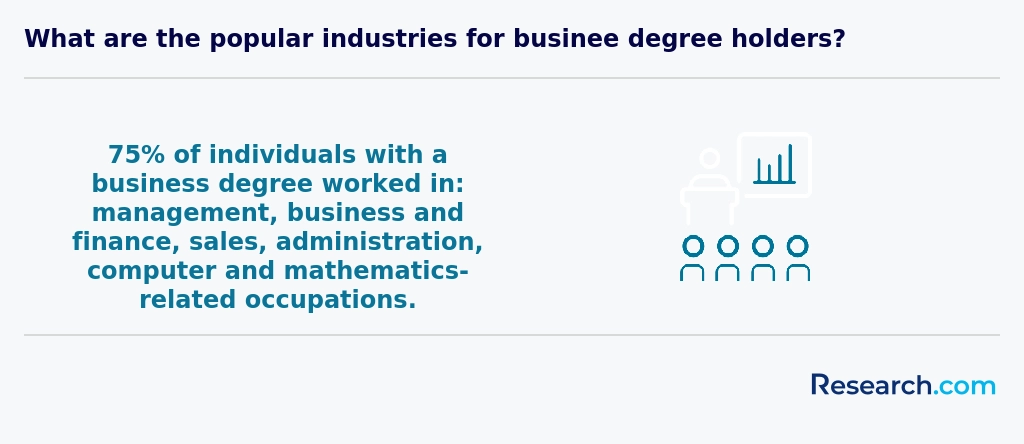
Graduates with a business degree in the Northeast find a wide array of career paths thanks to the region's diverse economic landscape. Many leverage their degree to enter finance roles in bustling hubs like New York City and Boston, becoming financial analysts or investment bankers. These positions benefit from the region's strong financial industry network, which supports steady growth and high earning potential. Others find success in marketing and sales, particularly at technology or healthcare companies, where graduates use communication and digital marketing skills to drive impactful campaigns. This variety of career options makes a business degree career opportunities Northeast especially practical for those seeking diverse job prospects in robust markets.
Consulting also remains a thriving pathway for graduates attending schools in the Northeast, where global firms have offices, providing real-world consulting experience. Similarly, management roles in retail, healthcare, and startups offer ample chances to develop leadership skills. For students interested in innovation, entrepreneurship flourishes in cities like Boston and Philadelphia, making it a vibrant option for motivated graduates ready to lead new ventures.
Those aiming to advance their credentials or reposition their careers should consider the easiest master degree to obtain. This option can quickly open doors to high paying jobs with business degree Northeast graduates often seek, maximizing their return on investment in the region's competitive job market.
Business graduates in the Northeast benefit from a job market that is not only strong but also highly diverse. Graduates from universities such as those in Boston and New York find opportunities in finance, management, and consulting firms that pay median salaries exceeding $115,000 annually. Many report gaining practical experience through internships with Wall Street firms and multinational corporations, which helps them seamlessly transition into full-time roles.
For those weighing the cost of earning a business degree in the Northeast, public universities offer in-state tuition around $12,000 per year, making education affordable while still providing access to expanding small and medium enterprises that seek skills in entrepreneurship and digital marketing. Networking through local professional organizations further enhances job placement success. If you're considering advanced studies, exploring doctorate programs without dissertation can be a practical path to deepen your expertise without prolonging time in school.
Understanding the employment outlook for business graduates Northeast shows a 7% job growth projection, surpassing the national rate. Graduates often find rewarding roles in emerging sectors like healthcare management and sustainable business, reflecting the region's evolving economy and promising career longevity.
2027 Most Valuable Business Degree Programs Ranking in the Northeast
Investing in your education is a significant decision that can influence your professional and personal future, and the Research.com team is fully aware of the weight this choice carries. To help students and professionals navigate the options, we have carefully developed the "2027 Most Valuable Business Degree Programs Ranking in the Northeast." Our dedication to quality, credibility, and accuracy is demonstrated through the thorough research and rigorous analysis behind this ranking.
We utilized the following reputable data sources to ensure a comprehensive and trustworthy evaluation of business degree programs:
By exploring this ranking, readers will gain valuable insights into the highest value business degree programs in the Northeast, enabling them to make well-informed educational investments based on credible data. For a more detailed understanding of our process, please visit our Research.com methodology page.


# 7 position
Pennsylvania State University-Main Campus
Bachelor of Science in Business


# 10 position
Northeastern University Professional Programs
Master of Business Administration


Frequently Asked Questions About business
Business degree students in the Northeast can enhance their learning experience by leveraging the region's strong network of industries and academic resources. Many universities collaborate with major financial centers like New York City and Boston, offering students access to internships and real-world projects. According to the National Association of Colleges and Employers (NACE), internships significantly improve job placement rates for business graduates in these markets.
Additionally, students should engage with business clubs and attend regional conferences to develop professional connections. Utilizing campus career services and seeking mentorship from faculty with industry experience are also key strategies.
Online platforms and workshops offered by Northeastern schools provide opportunities to stay updated on emerging business trends, fostering continuous learning beyond the classroom.
The business landscape in the Northeast is evolving, with several emerging niches gaining traction. One growing area is sustainable business management, driven by increased regional focus on environmental responsibility and corporate social governance. According to the Bureau of Labor Statistics, green jobs in business sectors are expected to grow faster than average through 2028.
Another promising niche is data analytics and business intelligence. Institutions like Northeastern University report rising enrollment in programs focused on data-driven decision-making, reflecting strong industry demand in finance and healthcare sectors centered in cities like Boston and New York.
Additionally, fintech and digital currency management are gaining prominence. With New York serving as a major financial hub, business graduates skilled in blockchain technology and digital payments find increasing opportunities. These niches align with regional economic trends and offer robust career paths for new students.
Graduates with business degrees in the Northeast can enhance their job prospects by leveraging regional resources and trends. The Northeast is home to major financial and corporate hubs like New York City, Boston, and Philadelphia, which offer abundant internship and networking opportunities vital for early career development. According to the Bureau of Labor Statistics, these urban centers have a business employment growth rate above the national average.
Engaging with alumni networks and attending local industry events can provide valuable connections. Additionally, obtaining certifications such as the CPA or CFA can differentiate candidates in competitive markets. Utilizing career services at universities and participating in cooperative education programs also supports smoother transitions into the workforce.
Employers in the Northeast highly value business graduates who demonstrate strong analytical skills. According to the National Association of Colleges and Employers (NACE) 2023 report, 82% of employers in this region prioritize candidates with the ability to interpret data and make informed decisions.
Communication skills are also crucial. Nearly 75% of surveyed employers emphasize clear verbal and written communication as essential for teamwork and leadership roles.
Adaptability is another key skill. With rapid changes in industries like finance and technology common in the Northeast, graduates who can manage uncertainty and learn quickly stand out to hiring managers.
Finally, foundational business knowledge combined with proficiency in digital tools, such as Excel and management software, remains a core expectation.
Finding internships in the Northeast relevant to a business degree requires a targeted approach. The region hosts numerous major financial and corporate hubs, including New York City and Boston, offering diverse internship opportunities in finance, marketing, and management.
Start by leveraging university career centers, which often partner with local businesses to provide exclusive internship listings. According to the National Association of Colleges and Employers (NACE), over 60% of business students in the Northeast secure internships through campus resources.
Additionally, use online platforms like Handshake and LinkedIn to search for openings. Networking through local business organizations such as chambers of commerce or industry-specific groups also increases chances. Employers like JPMorgan Chase and Fidelity Investments frequently offer internships tailored to business students in the region.
In the Northeast, earning a business degree significantly enhances career mobility and advancement. According to the U.S. Bureau of Labor Statistics, the region's strong economy and concentration of industries such as finance, technology, and healthcare provide ample opportunities for business graduates to climb the career ladder.
Graduates with business degrees often see higher starting salaries compared to non-degree holders. For example, National Association of Colleges and Employers (NACE) data from 2023 shows that business majors in the Northeast earn an average starting salary about 15% above the national average.
Moreover, the degree equips students with versatile skills, making it easier to transition between sectors. Networking opportunities facilitated by regional schools also play a crucial role in career growth.
Studying for a business degree in the Northeast equips students for interdisciplinary roles by integrating diverse academic fields. Many institutions emphasize collaboration between business, technology, economics, and communication departments. This approach reflects the complex demands of regional industries such as finance, healthcare, and technology, which are significant employers in states like New York and Massachusetts.
According to the National Center for Education Statistics, over 70% of business programs in this region offer dual major options or minors in related disciplines. This fosters versatile skill sets, enabling graduates to solve multifaceted problems and adapt across sectors.
Furthermore, experiential learning through internships in major urban centers provides hands-on exposure to diverse corporate environments, enhancing practical interdisciplinary competencies.
Choosing between a thesis and a non-thesis business degree program in the Northeast depends on your career goals and learning preferences. Thesis programs require original research and suit students interested in academic or research careers. These programs often take longer but provide deeper knowledge in a specific area.
Non-thesis programs focus on coursework and practical skills, appealing to professionals aiming for leadership roles or immediate workforce entry. According to the National Center for Education Statistics, approximately 60% of business master's graduates in Northeastern states opt for non-thesis programs due to their flexibility and shorter duration.
Consider the program's format, faculty expertise, and available resources when deciding.
Students based in the Northeast looking to study business abroad have several robust options. Many universities in this region, including institutions in New York, Massachusetts, and Pennsylvania, offer exchange programs with renowned international business schools. For example, top-ranked schools like Boston University and New York University maintain partnerships with schools across Europe and Asia, allowing students to earn credit toward their degree while gaining global experience.
Additionally, organizations such as NAFSA report that about 10% of U.S. business students study abroad, with the Northeast contributing significantly due to its concentration of business programs.
These opportunities often include internships and research projects that help students develop international business skills critical in today's global market.
Part-time job opportunities that complement business degree education in the Northeast often include roles in retail management, customer service, and administrative assistance. These positions help develop skills in communication, organization, and leadership, which are crucial for business students.
Internships with local startups or financial firms in cities like Boston and New York offer practical experience in marketing, finance, and operations. According to the U.S. Bureau of Labor Statistics, the Northeast hosts a high concentration of finance and insurance jobs, making part-time roles in these sectors valuable for business students.
Additionally, university-sponsored on-campus jobs such as research assistants in business departments provide analytical and project management experience. Engaging in such roles helps students apply theoretical knowledge in real-world settings, enhancing their resumes and networks.
The Northeast offers robust networking opportunities for business students through its concentration of top universities and proximity to major financial and corporate hubs like New York City and Boston. Schools often provide access to career fairs, alumni events, and mentorship programs that connect students with industry leaders.
According to the National Association of Colleges and Employers (NACE), over 80% of business graduates in the Northeast secure internships through university-sponsored networking events. Regional business conferences and professional organizations such as the Northeast Business Group on Health also facilitate valuable connections.
Moreover, proximity to Wall Street and the headquarters of Fortune 500 companies enables students to participate in internships and cooperative education programs, providing real-world experience and expanding their professional networks early in their careers.
Alumni networks play a crucial role for business degree students in the Northeast by providing strong professional connections. Many top business schools in this region have extensive alumni bases, often numbering in the tens of thousands, which can aid in job placement and career advancement.
These networks offer mentorship opportunities, internships, and exclusive job leads, especially important in competitive markets like New York City and Boston. According to the National Association of Colleges and Employers, 70% of jobs are found through networking, highlighting the value of alumni connections.
Furthermore, alumni events and online platforms foster ongoing engagement, enabling students to learn industry insights and expand their professional circles regionally and nationally.
Many business schools in the Northeast offer flexible degree programs allowing students to tailor their studies to specific career goals. Customization often includes selecting concentrations such as finance, marketing, entrepreneurship, or supply chain management. For example, schools in New York and Massachusetts frequently provide specialized tracks reflecting the region's strong finance and tech industries.
Additionally, students can gain practical experience through internships with local businesses and financial institutions, which enhances career readiness. According to the National Center for Education Statistics, nearly 70% of Northeast business students engage in internships before graduating.
Cross-disciplinary electives and dual-degree options are also common, enabling students to combine business with law, data analytics, or international relations. This adaptability helps learners meet evolving job market demands and employer expectations in the Northeast's diverse economy.
Business students in the Northeast often face challenges related to high tuition costs. According to the College Board, public colleges in this region can charge over $12,000 annually for in-state students, with private institutions exceeding $50,000. Balancing academics and part-time work is common, as many students seek internships to gain practical experience in competitive markets like New York and Boston.
Additionally, students encounter intense competition for internships and jobs due to the region's concentration of financial and corporate headquarters. Networking skills become essential for success.
Finally, adapting to rapidly changing business technologies and remote learning environments remains a significant hurdle, amplified by evolving employer expectations.
With a business degree from the Northeast, you have access to several well-recognized professional certifications that can enhance your career. Common options include the Certified Public Accountant (CPA), especially popular for accounting graduates. The CPA credential is highly valued across Northeastern financial hubs like New York and Boston.
Many graduates also pursue the Project Management Professional (PMP) certification, which is sought after in industries such as finance, healthcare, and technology prevalent in the region.
Additionally, the Certified Financial Analyst (CFA) designation is notable among business majors interested in investment management and finance. According to the CFA Institute, the Northeast hosts a large concentration of CFA charterholders due to its strong financial sector.
Other certifications include Certified Management Accountant (CMA) and Chartered Financial Consultant (ChFC), which provide diverse opportunities in financial planning and management roles within the Northeast's business landscape.
Writing a winning application for a business program in the Northeast requires clear demonstration of academic strengths and relevant experience. Top schools such as those in Boston and New York emphasize a strong GPA, typically above 3.5, alongside competitive standardized test scores like the GMAT or GRE. Including internships or work experience in finance, marketing, or management can set applicants apart.
Applicants should also craft a compelling personal statement detailing career goals and how the program aligns with those ambitions. According to the National Association of Colleges and Employers, 65% of business programs in the Northeast prioritize leadership potential demonstrated through extracurricular activities.
Letters of recommendation from professional or academic contacts who can attest to your skills are essential. Finally, thorough research of each program's unique offerings helps tailor your application to meet specific admissions criteria.
Global perspectives on a business career emphasize adaptability, innovation, and cultural awareness. For students in the Northeast, such as those attending schools in New York, Boston, or Philadelphia, exposure to international markets is increasingly important. According to the U.S. Bureau of Labor Statistics, business occupations in major Northeast metropolitan areas are projected to grow by 7% through 2031, reflecting global economic integration.
Many Northeast programs include coursework on global trade, international finance, and cross-cultural management to prepare graduates for worldwide challenges. Employers in the region value graduates who understand diverse markets and regulatory environments, especially given the Northeast's role as a hub for finance, technology, and international business.
Research from the National Association of Colleges and Employers highlights that 60% of top employers seek candidates with global business knowledge, underscoring its importance. Business degrees in the Northeast increasingly focus on developing skills like strategic thinking and global communication, aligning with the demands of a connected world economy.
Gaining practical experience while studying for a business degree in the Northeast is crucial for building a competitive edge. Many universities in this region offer internships through partnerships with local industries, including finance, healthcare, and technology sectors centered in cities like New York, Boston, and Philadelphia.
According to the National Association of Colleges and Employers (NACE), nearly 60% of Northeast business students secure internships during their studies. These internships often lead to full-time job offers.
Additionally, cooperative education programs (co-ops) combine classroom learning with paid work experience, enabling students to apply theoretical knowledge in real-world business settings.
Students can also participate in case competitions and business incubators housed at several Northeast institutions, enhancing problem-solving skills.
Choosing the right concentration within a business degree in the Northeast starts with understanding local industry demands. The region's economy strongly emphasizes finance, healthcare, technology, and manufacturing, so concentrations like finance, healthcare management, and information systems often align well with job opportunities.
Research from the Bureau of Labor Statistics notes that financial activities employ a large share of professionals in states like New York and Massachusetts. Additionally, networking availability and internships in nearby urban centers such as New York City and Boston provide practical experience that can guide your choice.
Consider your strengths and career goals, and review program curricula to find specializations emphasizing skills valued by regional employers.
See What Experts Have To Say About Studying Business
Read our interview with Business experts

Ingrid S. Greene
Business Expert
Clinical Assistant Professor of Management
Loyola Marymount University

David W. Stewart
Business Expert
Emeritus President's Professor of Marketing
Loyola Marymount University

David Souder
Business Expert
Senior Associate Dean for Faculty and Research
Michigan State University

- Graduate Tuition https://www.nec.edu/admission/graduateadmissions/graduate-tuition
- 7 Practical Graduate Business Certificates to Round Out Your Resume https://www.umassglobal.edu/blog-news/7-practical-graduate-business-certificates-round-out-your-resume
- 5+1: Five challenges facing business schools and one solution https://charteredabs.org/insights/opinion/51-five-challenges-facing-business-schools-and-one-solution
- How to Identify Profitable Business Niches: A Guide for ... https://www.invoiceonline.com/the-entrepreneur-s-handbook/entrepreneurship/business-strategy/how-to-identify-profitable-business-niches-97365
- Interdisciplinary Business https://www.okwu.edu/academics/undergraduate/bachelor-interdisciplinary-business/
- Ten Types of Business Degree Specializations | AIU https://www.aiuniv.edu/degrees/business/articles/10-types-of-business-degree-specializations-you-can-pursue
- Know more about thesis vs non- thesis: what is the difference? https://studyfans.com/en/blogs/816
- Networking Tips for Business Students: Building a Foundation for Success https://londonsba.org.uk/blog/networking-tips-for-business-students-building-a-foundation-for-success/
- Business degree: What to study and how to find a job https://brive.com/blog/studies/business-degree-guide-to-study-and-find-a-job/
- Business BSc (Hons) https://www.nulondon.ac.uk/degrees/undergraduate/business/