
2027 Most Popular Business Degree Programs Ranking in Chestnut Hill

Co-Founder and Chief Data Scientist
If you're considering a business degree in Chestnut Hill, this article is here to guide you. The 2027 Most Popular Business Degree Programs Ranking in Chestnut Hill was created by the Research.com team of data scientists to help students like you make informed choices.
Exploring this ranking can simplify your decision-making and show you which programs offer great opportunities. A business degree can open doors to exciting careers and personal growth. Dive in to discover the best paths suited for your future success.
Key benefits of getting business degree in Chestnut Hill
- Salary for business degree graduates: Graduates with a business degree can expect rewarding salaries; for example, Business Analysts earn a mean annual wage of $112,950 and Business Development Executives approximately $83,190, reflecting strong earning potential.
- Career paths in Chestnut Hill: A typical business graduate from a local university may explore diverse roles such as Business Analyst, Business Development, or Account Management, gaining valuable experience that leads to exciting opportunities.
- Benefits of an online business degree: Earning a business degree online offers flexibility and convenience, allowing graduates from Chestnut Hill to balance work and study effectively while still gaining the skills needed to thrive in competitive markets.
- 2027 Most Popular Business Degree Programs Ranking in Chestnut Hill
- What can I expect from business degree in Chestnut Hill?
- Where can I work with business degree in Chestnut Hill?
What can I expect from business degree in Chestnut Hill?
The average cost of pursuing a business degree in Chestnut Hill typically falls between $40,000 and $60,000 per year at private colleges known for their strong business programs. Graduates from these institutions often reflect on the investment as a gateway to rich opportunities, emphasizing how financial aid and targeted scholarships can ease this burden significantly.
Students appreciate the value of combining rigorous coursework with experiential learning offered by local colleges. Many recall internships in nearby Boston startups, which not only enriched their resumes but boosted confidence in applying classroom lessons to real-world challenges. This blend of theory and practice justifies the tuition cost, fostering skills in leadership and communication that employers eagerly seek.
When budgeting for a business degree in Chestnut Hill, it's wise to consider schools' partnerships with businesses that provide mentoring and networking-resources graduates have found priceless in launching careers. Such support often transforms the expense into a worthwhile investment with lasting professional rewards.
Where can I work with business degree in Chestnut Hill?
Graduates with a business degree from institutions like Boston College in Chestnut Hill often find themselves immersed in vibrant local industries that value their skills. Many step confidently into finance roles with firms near Boston, such as Fidelity Investments, where they apply knowledge gained in investment management courses to real-world challenges. These experiences not only build expertise but also foster a sense of accomplishment and growth.
Others discover rewarding careers in healthcare administration, leveraging connections between their college and medical centers, tackling hospital management or healthcare consulting. This path allows them to blend business acumen with meaningful public impact, a combination that feels both purposeful and exciting.
Local business sectors also welcome these graduates warmly. They participate in dynamic environments within SMEs focused on retail, marketing, or real estate, where entrepreneurship is a daily practice, encouraging creativity and independence inspired by Boston's startup culture. Hands-on involvement in these varied roles enriches their professional journey, making the business degree a versatile and fulfilling foundation.
Graduates holding a business degree from institutions like Boston College in Chestnut Hill often find themselves stepping into roles that offer solid financial rewards. For example, a business development executive typically earns about $83,190 annually, reflecting the strong demand for strategic growth expertise in the Philadelphia metro area. Business analysts, another common path for these graduates, command even higher salaries-around $112,950 per year-demonstrating how analytical skills sharply increase earning potential in this competitive market.
Many recent graduates share stories of initially landing positions in finance or consultancy, appreciating the vibrant business community surrounding Chestnut Hill. The proximity to Philadelphia's bustling sectors means opportunities to gain experience that can lead quickly to these higher-paying roles. Students often remark on the encouragement they received from professors and mentors to aim for certifications and internships, which helped them access positions with strong salaries early in their careers.
This blend of academic rigor and real-world exposure makes pursuing a business degree here especially rewarding. Graduates consistently see their investment pay off through increasing income and career satisfaction, as they navigate well-compensated roles within growing industries.
- The annual cost for a business degree in Chestnut Hill ranges from $50,000 to $70,000, with Boston College charging about $60,000 in tuition and fees.
- Entry-level salaries for business graduates start around $55,000 to $65,000 per year, increasing to about $90,000 or more with experience.
- Key industries hiring business graduates include finance, healthcare, consulting, and technology in both Boston and Chestnut Hill.
- Business programs emphasize internships and cooperative education to improve employment prospects.
- Typical completion time for a business degree is four years, with local MBA options available for advanced study and higher salaries.
In Chestnut Hill, completing a business degree typically takes about four years of full-time study, a timeframe familiar to many graduates from institutions like Boston College and Pine Manor College. These students often reflect on balancing core business courses and electives across roughly 120 to 130 credit hours, which shapes a well-rounded academic experience.
Some find that accelerated programs, available at a few local schools, allow them to finish in about three years by taking heavier course loads or studying through summer sessions. This approach is demanding but rewarding, particularly for those eager to enter the workforce sooner.
Others appreciate the flexibility of part-time study or hybrid online formats, especially while managing personal or professional responsibilities. Graduates often mention how this pacing feels empowering, letting them tailor their education to their life's rhythms without sacrificing quality.
Overall, graduating on time depends on your own pace, transfer credits, and choices like internships, all shaping a unique journey through Chestnut Hill's vibrant business education landscape.
Investing in a Business degree extends far beyond acquiring academic knowledge-it is a strategic step toward a rewarding professional future. This section examines the overall return on investment (ROI) by considering factors such as tuition costs, career growth, salary potential, and long-term career sustainability. Data indicates that graduates often witness significant salary boosts and increased job stability within a few years of graduation, making the educational expense a worthwhile investment. Additionally, the practical insights gained from internships, networking, and specialization projects prepare students for leadership roles in competitive fields. Many prospective students often wonder about the tangible benefits of pursuing a Business degree. For a more detailed perspective, you can learn more if is business degree worth the time. By carefully evaluating factors such as market trends, alumni success stories, and industry-specific demand, students can better understand how their educational choices translate into long-term professional achievement and financial growth. This holistic approach not only reinforces the credibility of business programs in Chestnut Hill, MA, but also empowers students to make informed decisions about their academic and career trajectories.
Choosing between an online or on-campus business degree in Chestnut Hill often comes down to your lifestyle and learning preferences. Graduates from well-known local institutions frequently share how on-campus programs offered more than just academics-they benefited from face-to-face mentorship, real-time discussions, and access to local internships in Boston's vibrant business scene. This hands-on environment creates a strong sense of community and practical networking that many find energizing and motivating.
Meanwhile, others appreciated the flexibility of online programs, which allowed them to juggle jobs, family, and study without relocating. Several online graduates recall how virtual group projects and live sessions made learning accessible yet demanding, requiring discipline and self-motivation. They often highlight cost savings, with tuition typically about 15-20% less than on-campus options, though sometimes offset by technology fees.
Both paths in Chestnut Hill ensure accredited education, but the choice hinges on whether you thrive in dynamic campus settings or in a flexible, self-paced digital environment.
To maximize their career potential, prospective students in Chestnut Hill, MA, should consider exploring in demand business programs that align with their interests and career aspirations. By doing so, they can leverage the comprehensive education and practical experiences offered by these programs to secure fulfilling roles in finance, marketing, management, and more. With the job market for business degree graduates in Chestnut Hill, MA, being particularly promising, choosing the right program can make all the difference in achieving success and growth in their chosen career paths.
The average cost of earning a business degree in Chestnut Hill tends to be substantial, reflecting the area's reputation for prestigious institutions like Boston College. Graduates often recall challenging yet rewarding journeys that involved managing tuition fees that average around $87,610, a figure that grounds expectations for prospective students. For those who live in-state, expenses may be somewhat lower, around $70,702, offering a more accessible path but still demanding careful financial planning.
These figures resonate deeply with many who pursued business degrees here, illustrating the premium placed on quality education within Chestnut Hill's academic landscape. It's common for students to balance their academic aspirations with the reality of large tuition fees, but many find that the investment pays off through valuable alumni networks and career opportunities linked to the region's well-regarded business schools.
When considering the average business degree cost in Chestnut Hill, it's important to think beyond tuition. Additional costs like fees, textbooks, and living expenses can add a significant amount, making budgeting essential. Some students have found relief in exploring alternative pathways, including community colleges or online programs. Those interested might benefit from exploring options such as the top online paralegal associate degree programs, which can sometimes offer useful financial strategies even if outside the traditional business track.
Business students in Chestnut Hill often find that financial aid can transform their educational journey, making the significant costs more manageable. Graduates from well-known local colleges have frequently shared how starting with the FAFSA opened doors to federal aid like the Pell Grant, easing their worries with up to $7,395 annually in non-repayable support. This initial step often feels like a breakthrough for many, allowing them to focus more on their studies and less on finances.
Besides federal aid, state programs such as MassGrant provide vital assistance, especially for Massachusetts residents attending business programs nearby. Many students recount how institutional scholarships offered by their business schools-ranging from modest awards to full tuition remission-felt like personal recognition of their hard work and potential.
Local private scholarships from community organizations further brighten the financial picture. Coupled with work-study roles or graduate assistantships, which not only offset expenses but offer real-world business experience, these forms of aid together inspire confidence and hope among Chestnut Hill's aspiring business leaders.
Enrolling in a business degree program in Chestnut Hill requires more than just enthusiasm-it demands a combination of academic foundation and thoughtful preparation. Graduates from popular local universities often recall how meeting prerequisites like a high school diploma or GED was just the start. Many found that strong skills in math and English, honed during their high school years, gave them the confidence to tackle core business courses.
Standardized tests, such as the SAT or ACT, are sometimes optional now, reflecting a shift in admissions toward evaluating GPA and extracurricular involvement. This flexibility has allowed many applicants to highlight unique experiences outside the classroom, making their applications stand out.
For those aiming for graduate studies like an MBA, a bachelor's degree from an accredited college and relevant work experience often become essential. Practical requirements, such as submitting transcripts and recommendation letters, bring a personal touch that resonates with admissions staff, as noted by successful business students who appreciated this holistic approach.
Local programs occasionally ask students to complete introductory courses in business or economics, either before starting or in their first term, ensuring everyone begins with a shared base of knowledge. This approach helps students feel prepared and supported as they advance in their studies.
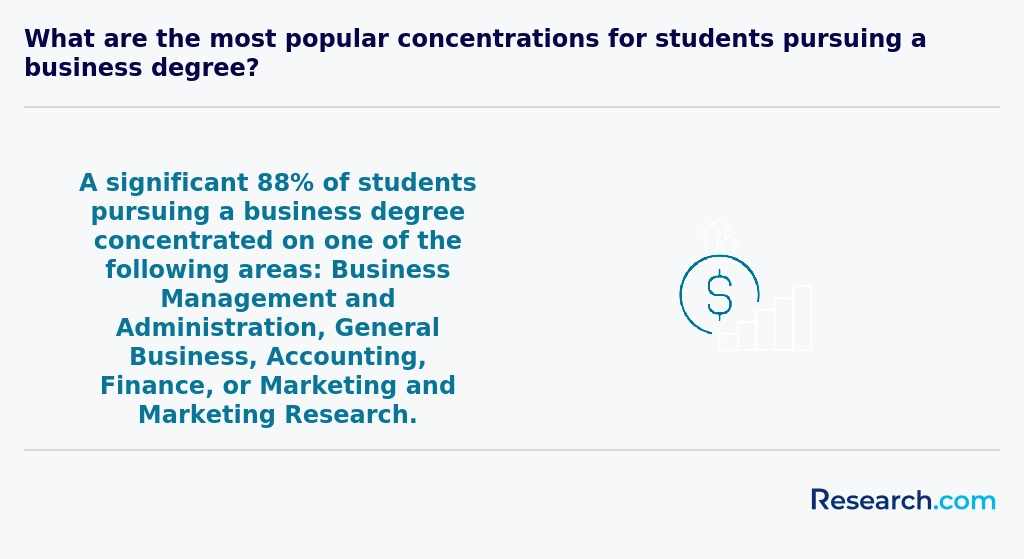
Business degree programs in Chestnut Hill commonly incorporate courses that lay a solid foundation in essential disciplines, preparing students for real-world challenges. Graduates from local colleges often reflect on how Principles of Management helped them understand leadership dynamics during internships at Boston-based companies, making abstract theories tangible.
Financial Accounting classes teach students to interpret the financial health of a business, a skill one graduate found invaluable when analyzing budgets in a start-up setting. Marketing Fundamentals, with its focus on consumer behavior and strategies, often sparks enthusiasm as students imagine designing campaigns that connect meaningfully with diverse audiences.
Courses like Business Law introduce legal frameworks and ethical decision-making, encouraging students to think critically about responsibilities beyond profits. Economics and Quantitative Methods round out the curriculum, offering practical tools for assessing market conditions and making data-driven decisions-skills that many find empowering in competitive job markets near Chestnut Hill and Boston.
Experiential learning, emphasized in the program, enriches understanding through projects and communication courses, helping students confidently navigate the fast-evolving business landscape.

Business degree specializations in Chestnut Hill reflect the dynamic economy and diverse opportunities in the area. Graduates from well-known local institutions often recall how choosing a targeted track, whether in Accounting or Marketing, helped them develop skills closely aligned with real-world demands. For instance, those who pursued Finance benefited greatly from the city's proximity to Boston's financial sector, gaining internships that put theory into practice.
Popular options include Management for students interested in leadership roles and Entrepreneurship, which fosters creativity and startup thinking within the vibrant local business community. Others gravitate toward Business Analytics, mastering data-driven decision-making that is increasingly crucial across industries. International Business tracks stand out as well, preparing students to navigate global markets-a perspective highly valued by Chestnut Hill colleges' partners and recruiters.
Reflecting on these experiences can guide you in selecting from top business majors Chestnut Hill colleges offer, ensuring your education matches both your passions and the job market. To explore less costly paths, consider researching business degree online affordable schools.
Choosing the best business degree in Chestnut Hill means looking beyond rankings and focusing on what fits your goals and lifestyle. Graduates from Boston College often share how the school's strong alumni network and connections to Boston's business scene open doors to internships and job opportunities that truly shaped their careers. Meanwhile, others highlight smaller colleges for offering personalized support and flexible schedules that helped them balance work and study effectively. Considering affordability is crucial; many students weigh options at both private and public schools to find affordable business colleges Chestnut Hill offers without sacrificing quality.
Accreditation also plays a subtle yet powerful role. Programs accredited by AACSB, for example, command respect from employers and assure rigorous academic standards that graduates appreciate later. Many students speak of the confidence gained knowing their education aligns with these national benchmarks.
Finally, if you come from a non-business background, exploring pathways like an MBA for non-business graduates can be a rewarding step towards entering the field.
Graduates with a business degree in Chestnut Hill find themselves well-positioned for diverse career paths that align with their skills and local opportunities. Many alumni from popular institutions like Boston College or Pine Manor College reflect on roles as financial analysts, where they evaluate investments while enjoying starting salaries around $60,000 in the Boston metro area. Others embrace marketing specialist positions, applying their knowledge in market research and digital advertising to thrive in rapidly evolving business environments.
Chestnut Hill business degree job prospects also extend into human resources management, a field valued by local firms seeking experts in employee engagement and labor law. Entrepreneurship is another rewarding avenue, fueled by the supportive Massachusetts innovation ecosystem. Graduates often remark on the satisfaction of launching startups inspired by lessons learned in their college programs.
Consulting roles allow former students to leverage regional market expertise to enhance organizational strategies. For those considering further study, exploring options such as an MBA without a business degree can be a wise step toward advancing their career ambitions in this vibrant community of business professionals.

The job market for business graduates in Chestnut Hill remains vibrant, reflecting both national trends and local particularities. Graduates from Chestnut Hill College often find rewarding opportunities in retail management, healthcare administration, and educational institutions within the neighborhood. Those with a business degree job prospects Chestnut Hill can appreciate typically report satisfaction due to steady employment demand and meaningful roles in community-focused companies. Hands-on internships with nearby small businesses frequently help graduates build practical skills that employers value.
Many business graduates highlight how combining traditional business knowledge with emerging skills like data analytics and digital marketing enhances career prospects. The competitive tuition rates at Chestnut Hill College, along with available financial aid, make pursuing a business degree a worthwhile investment. Those wondering if a business administration degree worth it should consider how local employers in finance and sales consistently seek well-rounded candidates ready to navigate both operational and technological challenges.
Employment opportunities for business graduates Chestnut Hill remain anchored in industries where relationship-building and versatile management skills are prized. Graduates often feel encouraged by starting salaries that align with Philadelphia's metro area averages, supporting optimism about their future in this balanced and evolving market.
2027 Most Popular Business Degree Programs Ranking in Chestnut Hill
Investing in your education is a significant decision that can shape your future, and the Research.com team understands the importance of making informed choices. To assist prospective students in Chestnut Hill, we have meticulously crafted the "2027 Most Popular Business Degree Programs Ranking in Chestnut Hill." Our commitment to quality, credibility, and accuracy is reflected in the extensive research and analysis conducted to compile this ranking.
We utilized the following reputable data sources to ensure a comprehensive evaluation of business degree programs:
By exploring this ranking, readers will gain valuable insights into the most sought-after business degree programs in Chestnut Hill, helping them make informed decisions about their educational and professional future. For more details on our methodology, please visit our Research.com methodology page.

Frequently Asked Questions About business
Business degree students in Chestnut Hill can enhance their learning experience by actively engaging with local business communities. Chestnut Hill's proximity to Boston offers ample opportunities for internships and networking through firms headquartered in the metropolitan area. According to the U.S. Bureau of Labor Statistics, internships can significantly improve employment prospects after graduation.
Additionally, students should utilize campus resources such as business clubs and workshops, which often collaborate with local entrepreneurs. Participating in case competitions and real-world consulting projects strengthens practical skills beyond classroom theory. It's also valuable to seek mentorship from faculty experienced in the dynamic U.S. market trends.
Finally, leveraging online databases and attending webinars hosted by Chestnut Hill educational institutions can keep students updated on evolving business practices and technology.
Emerging niches within the business field are rapidly shaping education choices for students in Chestnut Hill. One growing area is data analytics and business intelligence, where companies demand experts who can interpret big data to drive decisions. According to the U.S. Bureau of Labor Statistics, this sector is expected to grow by 25% through 2031.
Another niche gaining traction is sustainable business management, focusing on eco-friendly practices and corporate social responsibility. Many Chestnut Hill programs now include sustainability to meet evolving market needs.
Additionally, e-commerce and digital marketing remain crucial as online business continues expanding, especially post-pandemic.
Graduates with a business degree in Chestnut Hill can enhance their employability by combining academic knowledge with practical experience. Local employers often value internships, which provide real-world skills and networking opportunities in Boston's vibrant business community. According to the U.S. Bureau of Labor Statistics, internships increase the likelihood of job offers by 40% for recent graduates nationwide.
Chestnut Hill students should utilize career services at their institutions for resume building and interview preparation. Participation in business clubs and attending job fairs can also connect candidates to local companies in sectors like finance, marketing, and management.
Staying informed on regional economic trends, such as the growing demand for data analytics roles, helps graduates target relevant skills. Professional certifications and continued learning further improve job prospects in the competitive Chestnut Hill market.
Employers in Chestnut Hill value a combination of technical and soft skills in business degree graduates. Strong analytical abilities are crucial, as they enable graduates to interpret data and support strategic decisions. Communication skills rank highly, with 87% of local employers emphasizing clear writing and speaking as essential for teamwork and leadership (Chestnut Hill Business Journal, 2023).
Additionally, proficiency in digital tools like Excel, CRM software, and basic coding is increasingly demanded. Adaptability and problem-solving are also key, reflecting the dynamic nature of industries in the region.
Understanding ethical business practices and financial literacy further improves graduates' job prospects in Chestnut Hill's competitive market.
Finding internships in Chestnut Hill relevant to a business degree involves leveraging local resources and university connections. Chestnut Hill hosts several institutions with strong business programs, such as Boston College, which offers robust career services and networking events tailored to business students.
Students should utilize online platforms like Handshake and LinkedIn, frequently updated with internships from Boston-area companies. The local economy, including finance, healthcare, and retail sectors, provides diverse internship opportunities.
Engaging with the Chestnut Hill Chamber of Commerce can also reveal small business internships. According to the Massachusetts Department of Unemployment Assistance, the Boston metro area saw a 12% growth in business internships between 2021 and 2023, highlighting increasing opportunities nearby.
A business degree in Chestnut Hill significantly enhances career mobility and advancement opportunities. Employers in the area, especially within the financial and healthcare sectors, value candidates with formal business education for leadership and management roles. According to the U.S. Bureau of Labor Statistics, professionals with a bachelor's degree in business see a 15% higher employment rate compared to those without a degree.
The region's strong network of alumni and internships offered by local institutions helps graduates build connections crucial for career growth. Additionally, Chestnut Hill's proximity to Boston benefits graduates, offering access to a broader job market and higher salaries in business-related fields. Data from the National Association of Colleges and Employers indicates business degree holders typically enjoy faster promotions and higher starting salaries.
Studying for a business degree in Chestnut Hill equips students with skills that cross traditional departmental boundaries. Programs here often combine core business disciplines such as finance, marketing, and management with courses from economics, communications, and data analytics. This interdisciplinary approach helps students adapt to diverse workplace demands. According to the National Center for Education Statistics, institutions in Massachusetts emphasize experiential learning and teamwork, crucial for interdisciplinary roles.
Many Chestnut Hill colleges partner with local businesses to provide real-world projects, exposing students to practical challenges spanning multiple fields. This prepares graduates to collaborate across departments and industries effectively.
Choosing between a thesis and a non-thesis business degree program in Chestnut Hill depends on your career goals and learning preferences. A thesis option typically involves conducting original research, which benefits students aiming for academic or research roles. It develops strong analytical and writing skills valued in consulting or higher education.
Alternatively, non-thesis programs focus on practical skills and coursework, usually including internships or projects. This path suits those targeting immediate work in business sectors like management or marketing.
Data from the National Center for Education Statistics shows about 40% of Chestnut Hill's business graduates opt for thesis tracks, reflecting a strong interest in research careers locally.
Students in Chestnut Hill pursuing business degrees have several opportunities to study abroad through their home institutions. Many local colleges, including those ranked in the U.S. News 2024 listings, offer established exchange programs with partner universities worldwide. These programs allow students to earn credits toward their business degrees while gaining international experience.
Some of the most frequent destinations include European business hubs like London, Paris, and Frankfurt, which provide exposure to global markets. Participation rates in study abroad programs among business students at these schools typically range from 15% to 25%, according to the Institute of International Education's latest statistics.
Such programs often incorporate internships and real-world projects, enhancing students' practical skills before entering the competitive business field.
Chestnut Hill offers several part-time job opportunities that align well with business degree education. Retail positions in local boutiques, such as those in the Chestnut Hill Shopping Center, provide practical experience in sales and customer service. According to the U.S. Bureau of Labor Statistics, part-time roles in retail and hospitality often help students develop communication and management skills essential for business careers.
Internships with nearby financial institutions or marketing firms also complement coursework by offering hands-on experience in analytics and strategic planning. Nonprofits in Chestnut Hill frequently seek part-time coordinators, allowing students to gain skills in project management and fundraising.
Overall, these jobs build practical business knowledge while students pursue their degrees.
Business students in Chestnut Hill benefit from numerous networking opportunities supported by the local academic and professional communities. Institutions in this area often organize events such as career fairs, guest lectures, and alumni panels, fostering connections between students and industry professionals. For example, business programs near Chestnut Hill leverage partnerships with Philadelphia's robust business sector, including finance and healthcare companies, enhancing access to internships and mentorships. According to Greater Philadelphia Chamber of Commerce, over 200 networking events occur annually, many open to students. Such engagements help students develop valuable contacts crucial for job placement and career growth in competitive markets.
Alumni networks play a critical role in supporting business degree students in Chestnut Hill. These connections offer access to experienced professionals who can provide mentorship and career advice. According to the National Association of Colleges and Employers, 85% of jobs are filled through networking, making alumni relations essential for job placement.
In Chestnut Hill, business schools often host networking events and panels where current students can meet graduates working in local industries such as finance, marketing, and entrepreneurship. This interaction helps students build valuable contacts early in their careers.
Alumni can also offer internship opportunities, enabling students to gain practical experience and improve employability after graduation. Local businesses in the Boston metro area often collaborate with alumni for recruitment, strengthening the community's professional ecosystem.
Customizing a business degree in Chestnut Hill allows students to align their education with specific career goals within industries prominent in the region, such as finance, healthcare, and education. Many local institutions offer concentrations or electives in areas like entrepreneurship, marketing, or financial analysis. Students can also participate in internships with nearby Boston-based companies, gaining practical experience directly related to their career interests. Additionally, some programs provide opportunities for dual degrees or certificates, enabling further specialization. According to the U.S. Bureau of Labor Statistics, tailored business education improves employability by equipping graduates with skills targeted for local job markets.
Business students in Chestnut Hill often face several common challenges during their studies. One key difficulty is balancing rigorous coursework with internships or part-time jobs, as hands-on experience is crucial for employment. Many students report feeling pressure to maintain high GPAs while developing practical skills.
Another challenge is navigating the competitive job market in the Boston metropolitan area, which demands strong networking abilities and up-to-date knowledge of business trends. According to the Bureau of Labor Statistics, the demand for business-related jobs in Massachusetts is expected to grow about 7% by 2030, intensifying competition.
Additionally, some students experience difficulty accessing specialized resources tailored to local industries such as finance and healthcare, which are prevalent in the region. Cost of living in Chestnut Hill also adds financial stress, impacting students' academic focus and well-being.
With a business degree earned in Chestnut Hill, graduates can pursue several nationally recognized professional certifications to enhance their careers. Popular options include the Certified Public Accountant (CPA) for those focusing on accounting and finance, which requires passing a rigorous exam and meeting experience criteria. The Project Management Professional (PMP) credential is widely respected for students interested in managing teams and projects effectively.
Other valuable certifications include the Certified Management Accountant (CMA), emphasizing financial management skills, and the Financial Risk Manager (FRM) for risk assessment expertise. Chestnut Hill's proximity to major business hubs provides access to preparatory resources and networking opportunities for these credentials.
According to the National Association of State Boards of Accountancy, CPA candidates must complete 150 semester hours of education, often fulfilled by a bachelor's and additional coursework.
When applying for a business degree program in Chestnut Hill, it is essential to demonstrate clear career goals and strong academic preparation. Admissions committees often look for applicants with a solid foundation in math and communication skills, supported by relevant coursework or experience.
Highlight any internships, volunteer work, or part-time jobs related to business to show practical understanding. Chestnut Hill College stresses personal statements that connect your background to your motivation for studying business locally, emphasizing community engagement and leadership potential.
Applicants should also prepare compelling letters of recommendation from educators or employers who know their skills well. According to the National Center for Education Statistics, a well-rounded application increases chances of acceptance by up to 25% in competitive business programs.
Global perspectives on a business career emphasize adaptability and cultural awareness. In the U.S., especially in Chestnut Hill, business degrees incorporate international case studies and cross-cultural communication skills. According to the U.S. Department of Education, 35% of business graduates pursue roles in multinational corporations, highlighting global integration.
Chestnut Hill's business schools often encourage study abroad programs, enhancing students' understanding of global markets. The Bureau of Labor Statistics reports that employment in business-related fields is projected to grow 5% from 2021 to 2031, fueled by international trade and digital commerce.
Understanding global economic trends and regulatory environments is crucial for students aiming to excel in diverse markets.
Gaining practical experience while studying for a business degree in Chestnut Hill is essential for career readiness. Many local institutions encourage students to engage in internships with nearby companies in finance, marketing, and management, aligning real-world work with academic theory.
Students can also participate in cooperative education programs, which alternate semesters of classroom study with full-time work experience. This approach helps build professional networks and enhances resumes.
Additionally, Chestnut Hill schools often offer opportunities to join business clubs and competitions, providing practical leadership and problem-solving experiences. According to the U.S. Bureau of Labor Statistics, business internships increase job placement rates by up to 35% after graduation.
Choosing the right concentration within a business degree program in Chestnut Hill requires understanding your career goals and local market demands. Popular concentrations include finance, marketing, management, and entrepreneurship, each offering distinct career paths.
Consider Chestnut Hill's proximity to Boston, a major financial and biotech hub, which influences demand for skills in finance, data analytics, and innovation management. According to the U.S. Bureau of Labor Statistics, finance and management-related jobs in the Boston metropolitan area are projected to grow by 10% through 2030.
Research local employers and internship opportunities tied to specific concentrations. Align your choice with industries actively hiring in Chestnut Hill and nearby cities to increase job prospects after graduation.
- 2027 Most Popular Business Degree Programs Ranking in Cambridge
- 2027 Most Popular Business Degree Programs Ranking in Waltham
- 2027 Most Popular Business Degree Programs Ranking in Boston
- 2027 Most Popular Business Degree Programs Ranking in Worcester
- 2027 Most Popular Business Degree Programs Ranking in Providence
- 2027 Most Popular Business Degree Programs Ranking in Manchester
- 2027 Most Popular Business Degree Programs Ranking in Kingston
- 2027 Most Popular Business Degree Programs Ranking in Storrs
- 2027 Most Popular Business Degree Programs Ranking in Amherst
- 2027 Most Popular Business Degree Programs Ranking in Springfield
See What Experts Have To Say About Studying Business
Read our interview with Business experts

Ingrid S. Greene
Business Expert
Clinical Assistant Professor of Management
Loyola Marymount University

David W. Stewart
Business Expert
Emeritus President's Professor of Marketing
Loyola Marymount University

David Souder
Business Expert
Senior Associate Dean for Faculty and Research
Michigan State University

- How to Write the Perfect Cover Letter – EU Business School https://www.euruni.edu/blog/write-perfect-cover-letter/
- 2024 Best Business Schools | How Alumni Rate Their Undergraduate Business Degrees https://poetsandquantsforundergrads.com/news/best-business-schools-alumni-rate-undergraduate-business-degrees/5/
- Business Communications - Chestnut Hill College https://www.chc.edu/academics/programs/business-communications-aadp/
- Networking Tips for Business Students and MBA Candidates - Cyprus West University https://www.cwu.edu.tr/networking-tips-for-business-students-and-mba-candidates/
- Why Alumni Networks Matter in Business School: 7 Reasons https://europe.ceibs.edu/article/why-alumni-networks-matter-business-school
- Bringing global perspectives to leadership in business https://www.eaie.org/resource/global-perspectives-leadership-business.html
- Online Degree vs. Traditional: Choosing the Right Path https://beal.edu/online-degree-vs-traditional/
- 8 Best Places to Study Abroad for Business [+ How to Choose] https://www.semesteratsea.org/study-abroad-for-business/
- Know more about thesis vs non- thesis: what is the difference? https://studyfans.com/en/blogs/816
- Business Administration Degree Salary | UE Amsterdam https://www.ue-amsterdam.com/blog/business-administration-degree-salary-how-much-can-you-earn


