2027 Most Popular Business Degree Programs Ranking in Massachusetts

Co-Founder and Chief Data Scientist
Choosing the right business degree program in Massachusetts can shape your future career and open doors to exciting opportunities. This article introduces the 2027 Most Popular Business Degree Programs Ranking in Massachusetts, developed by the Research.com team of data scientists. Their data-driven approach helps students make informed decisions about which programs truly stand out.
Exploring this ranking allows you to discover business degrees that align with your goals and interests. Pursuing a business degree can boost confidence, develop valuable skills, and inspire new ambitions. Take this step toward a promising future with clarity and confidence.
Key benefits of getting business degree in Massachusetts
- Salary for business degree graduates: Graduates in Massachusetts can expect competitive earnings, with roles like Business Development Executives averaging $83,190 annually and Business Analysts earning about $112,950, reflecting strong financial rewards for the degree.
- Career paths: A typical business graduate from a well-known Massachusetts university often explores diverse careers such as marketing, finance, or consulting, offering exciting opportunities to grow and succeed in dynamic industries.
- Online degree benefits: Earning a business degree online from a respected Massachusetts university allows for flexible scheduling and balancing work or family, making education more accessible while maintaining quality learning experiences.
- 2027 Most Popular Business Degree Programs Ranking in Massachusetts
- What can I expect from business degree in Massachusetts?
- Where can I work with business degree in Massachusetts?
What can I expect from business degree in Massachusetts?
The average cost of a business degree in Massachusetts varies significantly depending on the type of institution. Graduates from private universities such as Harvard or Boston University often recall the challenge of managing tuition fees that can exceed $50,000 annually. While these students recognize the cost as a substantial investment, they appreciate the extensive resources, networking opportunities, and career support these schools provide. In contrast, business students at public institutions like the University of Massachusetts report a much lower annual tuition, closer to $15,000 for in-state residents, making education more accessible without sacrificing the quality of instruction and practical experiences.
Many students find financial aid and scholarships crucial in balancing these costs. For example, some graduates highlight assistantships that not only alleviate expenses but also deepen their learning through involvement in research or business projects. The financial burden is often offset by the dynamic local economy, where internships and job offers in Boston's finance and tech sectors provide real-world value that justifies the expense.
Where can I work with business degree in Massachusetts?
Graduates from business programs at institutions like Boston University and Northeastern often find themselves drawn to Massachusetts' thriving financial services sector. Many report excitement landing roles at firms headquartered in Boston, such as Fidelity Investments or State Street, where skills in financial analysis and risk management are vital. However, it's worth noting that competition for these positions can be intense, and internships during study often make a crucial difference.
Others with business degrees turn to the technology industry, especially around Cambridge. Here, recent graduates describe engaging work in project management or product marketing at tech firms like Akamai or Wayfair, appreciating the dynamic, innovative atmosphere. While the tech sector rewards creativity, it demands adaptability to rapid change, which can be challenging but also invigorating.
Healthcare administration positions attract business graduates seeking meaningful roles managing budgets and operations within Massachusetts' large hospital systems. Graduates from schools such as UMass Amherst note the rewarding sense of contributing to impactful healthcare delivery, even as regulations and funding can complicate management.
Business degree holders also explore careers in retail management, education administration, and government agencies. These paths offer a steadier pace for those seeking balance, with many highlighting satisfaction from supporting community and organizational growth. Ultimately, Massachusetts presents diverse opportunities, though success often depends on leveraging local networks and internships gained during study.
Graduates from business programs at well-known Massachusetts institutions, such as Boston University or Boston College, commonly step into roles like Business Development Executive or Business Analyst, where current data shows average annual wages around $83,190 and $112,950 respectively. These figures illustrate real earning potential, yet salaries can vary based on the specific company, location within the state, and individual experience.
For example, a recent graduate working as a Business Analyst at a tech firm in Cambridge might enjoy a salary well above $110,000, reflecting both industry demand and the value placed on analytical skills. Meanwhile, those entering business development roles in Boston often start near the $83,000 benchmark, which still represents a strong entry-level income compared to national averages.
Massachusetts graduates often express enthusiasm about negotiating salaries that align with their advanced skills, particularly when combined with internships or certifications earned during their studies. Real-life experiences show that while some face competitive job markets, the state's thriving sectors like finance and technology generally reward business grads well.
- Annual tuition for in-state students at public universities ranges from $15,000 to $25,000, while private colleges can charge over $40,000 per year.
- Entry-level salaries for business graduates typically start between $55,000 and $65,000 annually, depending on the field and employer.
- With experience and certifications, average salaries can increase to between $90,000 and $110,000 per year.
- Massachusetts offers strong job opportunities in finance, technology, health care, and professional services, especially in the Greater Boston area.
- The state has a lower unemployment rate than the national average, aiding job placement after graduation.
Completing a business degree in Massachusetts typically takes about four years for a full-time undergraduate student pursuing a Bachelor of Business Administration, much like the national standard. Graduates from institutions such as Boston University often recall the steady pace that allowed them to deeply engage with course material while balancing internships and part-time jobs, creating a rewarding learning experience. However, those enrolled part-time or in online programs might take longer, reflecting a need for flexibility rather than a disadvantage.
For graduate students, MBA programs at universities like Northeastern generally span one to two years full-time, with many appreciating the intensive but manageable schedule that accelerates career advancement. Some find combined bachelor's and MBA programs appealing, as these pathways let motivated students complete both degrees in roughly five years-saving time and offering continuity in study.
Across Massachusetts, certificate and associate degrees provide quicker routes into business roles, often under two years, suiting those eager to enter the workforce promptly while gaining foundational skills.
In today’s ever-evolving business landscape, staying ahead means continuously adapting to new educational trends and industry demands. As technology and global market dynamics reshape the way business is taught and practiced, innovative learning models-such as hybrid programs, micro-credentials, and online certifications-are becoming essential complements to traditional degree programs. These emerging trends not only provide flexibility for busy professionals but also equip graduates with the latest skills needed to lead in diverse sectors. For instance, supplementing your business degree with Best Online Business Certificates can enhance your expertise in digital marketing, data analytics, and strategic innovation, making you a more competitive candidate in the job market. Embracing these advancements can bridge the gap between academic theory and practical application, ensuring that graduates are well-prepared to navigate the challenges of modern business environments while capitalizing on long-term career growth opportunities.
In Massachusetts, choosing between online and on-campus business degrees often hinges on how students want to engage with their education. Graduates from Boston University recall the energizing buzz of attending lectures in person, where spontaneous discussions and group projects spark deeper understanding. This hands-on environment fosters strong connections with professors and peers, often leading to valuable networking opportunities through campus events and business clubs.
On the other hand, graduates from the University of Massachusetts Online highlight the freedom to study whenever their schedule allows, which is especially helpful for those juggling jobs or family responsibilities. The asynchronous format demands self-discipline but offers flexibility not typically available in traditional settings.
Financial considerations also come into play, as many find the online programs' lower tuition appealing without sacrificing recognized accreditation. Ultimately, the decision reflects personal learning preferences and life circumstances, with both formats respected by Massachusetts employers when paired with solid academic performance.
Massachusetts business graduates often weigh tuition costs against salary outcomes to determine true return on investment (ROI). On average, in-state public tuition totals around $45,040 for a four-year bachelor’s degree, while private nonprofit institutions can exceed $166,160. With median starting salaries near $69,000 and mid-career wages reaching $108,790 for roles like business analyst, many students recoup their investment within six to eight years, depending on living expenses and debt levels. To accelerate payback, consider programs that balance cost with time-to-degree and networking opportunities. In-state public universities typically offer the lowest sticker price, but private schools often provide generous merit scholarships or cohort cohorts that fast-track graduation. Prospective MBA candidates can further shorten their timeline and amplify ROI by enrolling in an online mba accelerated pathway, which combines flexible scheduling with intensive coursework to enter the workforce sooner. When evaluating ROI, factor in additional elements such as internship stipends, alumni mentorship, and post-graduation placement rates. Calculate your payback period by dividing total debt by expected annual salary increase-this simple metric clarifies how long before you start netting real gains. Ultimately, a data-driven approach to ROI ensures you choose a business degree that aligns with both your financial goals and career aspirations in Massachusetts’ competitive market.
The average cost of a business degree in Massachusetts typically falls around a median total of $58,359, reflecting both tuition and additional expenses. For in-state students, the median total cost is slightly lower, about $44,571, which can make pursuing a Massachusetts-based degree more financially accessible. Despite these figures, many students find the investment worthwhile due to the quality of education and career opportunities available in the region.
Graduates from renowned institutions like Babson College or Boston University often recall balancing the high costs with financial aid and scholarships, which are commonly awarded specifically to business students. These awards help offset the steep tuition fees typical for private colleges, where annual costs can exceed $50,000. Public universities provide a more affordable option, especially for residents, with in-state tuition significantly less expensive than out-of-state rates, sometimes nearly halving costs.
Living expenses in Boston and its metropolitan area add another layer to the total cost, where fees, housing, and books may increase expenses by $15,000 to $20,000 annually. This urban setting offers vibrant networking and internship opportunities, contributing to graduates' positive learning experiences and enhanced career readiness. Prospective students weighing Massachusetts business degree tuition fees should research options carefully, including the most affordable business programs in Massachusetts.

Measuring the return on investment (ROI) of a Business degree is crucial for students balancing educational costs against future earnings. In Massachusetts, the strong job market and high average salaries can significantly shorten the payback period. Average Costs vs. Earnings • Average four-year in-state tuition and fees: $45,040 • Average private nonprofit tuition and fees: $166,160 • Mean annual salary for Business degree holders in MA: $75,000–$110,000 Payback Period Estimates • Public In-State Schools: 1.5–2.5 years • Private Institutions: 2.5–3.5 years Key Factors Affecting ROI • Specialization Choice: Finance and Data Analytics graduates report up to 20% higher starting salaries. • Internship Participation: Students with multiple internships secure offers averaging 12% above market entry-level pay. • Scholarships & Aid: Merit-based awards can reduce payback by up to 12 months. Comparative Insights For a regional cost comparison, explore Cheapest Online Business Degree Programs Ranking in South Carolina, which highlights how tuition and earning potential vary across states. Maximizing Your ROI 1. Target High-Demand Specializations: Focus on fields such as Healthcare Management or Supply Chain Analytics. 2. Leverage Career Services Early: Engage with employer networking events during freshman and sophomore years. 3. Pursue Work-Study and Cooperative Education: Paid co-op programs can offset tuition and boost post-graduation offers. By analyzing both direct costs and projected earnings, prospective students can make data-driven decisions that align with their financial and professional goals. This ROI framework ensures you understand not only the price of your education but also the value it delivers throughout your career.
Business students in Massachusetts often rely on a mix of financial aid sources to manage the significant tuition costs at institutions like Boston University or UMass Amherst. Federal aid, including Pell Grants and Direct Loans, remains a foundational support. For example, many undergraduates recall how a Pell Grant award, up to $7,395 for 2023-2024, noticeably eased their financial burden without the pressure of repayment.
State-specific help, such as the Massachusetts State Grant Program, can add thousands more, especially for full-time residents, complementing federal funds. Graduates from Northeastern University often highlight institutional scholarships that reward academic merit, sometimes covering full tuition, which transformed their educational experience from stressful to empowering.
- Employer tuition assistance programs also play a crucial role; several students share how local companies' reimbursement initiatives encouraged them to pursue advanced business degrees without accruing excessive debt.
- Additionally, the Federal Work-Study program offers hands-on campus jobs, enabling students to earn while gaining community service or professional experience.
Graduate business students sometimes secure assistantships or fellowships that provide stipends and tuition waivers in exchange for teaching or research. These roles, though competitive, can profoundly enhance both financial stability and academic engagement at schools like Boston College or Brandeis University.
When exploring business degree programs in Massachusetts, affordability is a crucial factor to consider. Students should weigh the costs of tuition, fees, and living expenses against the potential return on investment, including future salary expectations and career advancement opportunities. For those seeking to manage costs, exploring the most affordable business programs in Massachusetts can be a prudent approach, allowing them to balance educational aspirations with financial realities. By understanding the financial implications of their choices, students can make informed decisions about their educational pathway, ensuring that they select a program that not only meets their academic needs but also aligns with their budget and career goals.
To enroll in a business degree program in Massachusetts, students typically need a high school diploma or an equivalent credential like a GED. Massachusetts institutions, including Boston University and Northeastern University, often expect a strong academic record focused on math, English, and social studies. Graduates from these programs often reflect on how this foundation prepared them well for the analytical demands of their courses.
Standardized tests such as the SAT or ACT remain optional at many business schools, though submitting competitive scores-usually around 1200-1400 on the SAT-can enhance an application, especially for out-of-state students. One graduate shared that submitting test scores helped strengthen their candidacy at a competitive Boston school.
Applicants must also submit essays, letters of recommendation, and sometimes attend interviews. These allow admissions committees to gauge interpersonal skills and motivation, traits that business programs value highly.
For graduate-level business degrees, additional prerequisites such as relevant work experience or prior coursework are common. Many MBA programs in Massachusetts recommend two to three years in related fields, a real-world touchpoint that past students found valuable for connecting theory with practice.
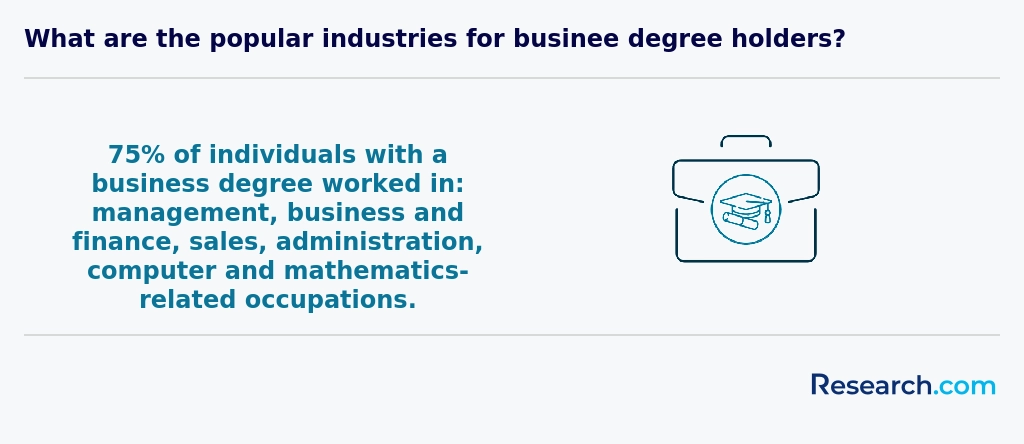
Business degree programs in Massachusetts commonly include foundational courses such as Introduction to Business, Microeconomics, Macroeconomics, Financial and Managerial Accounting, Business Statistics, Principles of Marketing, Organizational Behavior, and Business Law and Ethics. Graduates from schools like Boston University and Northeastern often describe these classes as essential building blocks that provide a solid understanding of core business principles.
At more advanced levels, students encounter specialized courses tailored to Massachusetts' dynamic economy, including Corporate Finance, Supply Chain Management, Entrepreneurship, International Business, and Data Analytics. For example, those studying at Babson College highlight how Entrepreneurship courses resonated with their experiences in Boston's vibrant startup scene, making theory feel immediately relevant and inspiring.
Internships and project-based learning offered by many Massachusetts institutions help students connect abstract theories to real-world challenges, boosting confidence and practical skills. However, some graduates point out that while the curriculum is broad, the intense focus on established disciplines might overlook emerging trends outside of the state's prevailing industries.
Business degree specializations in Massachusetts reflect the state's competitive and varied economy, with popular fields such as finance and marketing attracting many students. Graduates from universities like Boston University often share how the finance specialization connects them to internships with major firms in Boston's financial district, which adds real-world value to their studies. However, while finance is a strong draw, some students find marketing offers a more creative path, especially in digital marketing, leveraging the region's vibrant tech startups to develop skills in data-driven campaigns.
Massachusetts business program concentration options also include entrepreneurship, a favorite among students from campuses near Cambridge. These students frequently experience the advantages of local incubators and accelerators firsthand, embedding them in the state's startup culture. Meanwhile, management tracks with focuses on human resources and project management prepare students to lead diverse teams.
Additionally, niche specializations like supply chain management, international business, and business analytics are gaining popularity as companies in Massachusetts navigate global markets and data reliance. Students weighing these options might consider exploring Best Online Business Certificates to complement their degree and enhance career prospects.
Choosing the right business degree in Massachusetts involves assessing what aligns best with your career aspirations and circumstances. Graduates from schools like Boston University often mention that specializing in areas such as finance or entrepreneurship made a significant difference in their job satisfaction and career progression. Meanwhile, those who opted for more general degrees appreciate the flexibility it offered in various business sectors. Cost remains a crucial aspect: public universities tend to be more affordable for in-state students compared to private institutions, yet community colleges provide some of the most budget-friendly options without sacrificing quality. Many students find that factoring in living expenses and additional fees provides a clearer picture of the true investment.
Accreditation by the AACSB is a hallmark of excellence in Massachusetts, held by institutions including Northeastern University and the University of Massachusetts Amherst, reassuring students focused on post-degree success. Others highlight how being near Boston's business hubs created unexpected networking opportunities and internships. For those balancing work and study, exploring online mba accelerated options can offer the flexibility needed without compromising learning quality. Considering these factors will guide you to select the best business degree programs in Massachusetts that fit both your goals and resources.
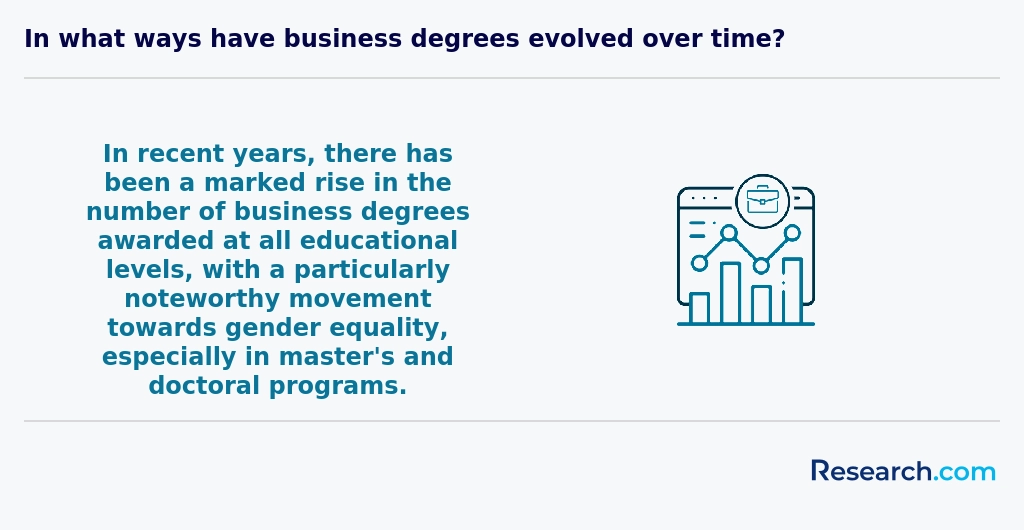
Business graduates in Massachusetts encounter diverse career paths shaped by the state's robust economy and unique industry mix. Those interested in finance often find opportunities in Boston's financial sector, working as financial analysts or investment professionals. Graduates from universities like Boston University or Northeastern University describe the dynamic industry environment as both challenging and rewarding, highlighting salaries around $85,000 for mid-level roles. For those drawn to marketing and sales, Massachusetts' booming biotech and healthcare sectors present real-life roles in managing strategic partnerships or product launches for companies statewide.
Considering business degree career opportunities in Massachusetts also means exploring management positions across varied industries such as retail or manufacturing. Graduates frequently mention feeling empowered by leadership roles where skills like data analysis directly impact operations. Meanwhile, entrepreneurship thrives through vibrant innovation hubs in Cambridge, where new ventures rely heavily on foundational business knowledge learned during college.
While the path is promising, prospective students should weigh the cost of education, comparing options like public versus private tuition. For guidance, students often consult resources like the Cheapest Online Business Degree Programs Ranking in South Carolina to evaluate affordability alongside local opportunities.
The business degree job opportunities in Massachusetts remain strong, supported by the state's diverse economy centered around finance, technology, healthcare, and education. Graduates from well-known institutions such as Boston University and Northeastern University often find themselves recruited by Fortune 500 companies or fast-growing startups. Many describe their internships in the Greater Boston area as invaluable for building networks and gaining practical experience, which directly impacts their employability after graduation.
While the median annual wage for business occupations in Massachusetts sits around $70,000, which is competitive compared to national figures, students should approach this figure critically. Tuition costs, especially at private universities, can surpass $45,000 annually, making the return on investment a key consideration for those weighing business degree employment outlook and personal finances. Some graduates explore options like an accelerated college degree to reduce education costs and enter the job market sooner.
Business graduates frequently find roles in sectors such as financial services, healthcare administration, and consulting, yet these sectors vary widely in growth and salary prospects. Understanding this variability and carefully researching local industry trends can make a noticeable difference in long-term career success and satisfaction.
2027 Most Popular Business Degree Programs Ranking in Massachusetts
Investing in your education is a significant decision that can shape your future, and the Research.com team understands the importance of making informed choices. To assist prospective students in Massachusetts, we have meticulously crafted the "2027 Most Popular Business Degree Programs Ranking in Massachusetts." Our commitment to quality, credibility, and accuracy is reflected in the extensive research and analysis conducted to compile this ranking.
We utilized the following reputable data sources to ensure a comprehensive evaluation of business degree programs:
By exploring this ranking, readers will gain valuable insights into the most popular business degree programs in Massachusetts, helping them make well-informed decisions about their educational and professional futures. For more details on our methodology, please visit our Research.com methodology page.


Frequently Asked Questions About business
Business degree students in Massachusetts can maximize their learning experience by combining academic study with practical opportunities. Massachusetts is home to a robust economy with major industries including finance, biotechnology, and technology, offering valuable local internship prospects.
Engaging in internships with companies like Fidelity Investments or biotech firms in Cambridge helps students gain real-world skills. According to the Massachusetts Department of Higher Education, approximately 60% of business students participate in experiential learning such as internships or cooperative education.
Students should also take advantage of networking events and business clubs offered by many Massachusetts institutions to build professional connections early.
Enrolling in courses with a focus on data analytics or entrepreneurship can align studies with current business trends in the state's competitive market.
Emerging niches within the business field in Massachusetts reflect broader economic and technological trends. One rapidly growing area is data analytics and business intelligence. Local companies increasingly rely on data-driven decisions, creating demand for professionals skilled in these techniques. According to the Massachusetts Technology Collaborative, demand for data analysts in the state has grown by over 25% in recent years.
Another expanding niche is sustainable business practices. Massachusetts is a leader in clean energy and green technology, encouraging businesses to adopt eco-friendly strategies. This has spurred demand for experts in sustainability management.
Additionally, healthcare management is rising due to the state's robust medical and biotech sectors, with hospitals and biotech firms seeking skilled business managers. These trends highlight opportunities for students to specialize in areas that match Massachusetts' dynamic economy.
Preparing for the job market after earning a business degree in Massachusetts requires strategic planning and practical experience. Massachusetts hosts a competitive business landscape, with Boston recognized as a top metro area for finance, technology, and consulting jobs according to the U.S. Bureau of Labor Statistics (2023). Graduates are encouraged to engage in internships during their studies with local companies to build networks and gain relevant skills.
Additionally, leveraging career services at Massachusetts colleges can help students access job fairs and employer connections. Certification programs in data analytics or project management, widely valued in the state's business sector, enhance employability. Developing strong communication and leadership skills is equally important for success.
Employers in Massachusetts highly value business degree graduates who demonstrate strong analytical skills. With Boston being a leading financial and tech hub, proficiency in data analysis and problem-solving is essential. According to Burning Glass Technologies, demand for candidates with quantitative skills in Massachusetts jobs has increased by 15% over the last three years.
Communication and teamwork are crucial skills as many business roles require collaboration across diverse teams. Employers also prioritize leadership abilities, with many expecting graduates to manage projects and motivate teams effectively.
Technological proficiency, including familiarity with business software and digital tools, is increasingly important. The Massachusetts Technology Collaborative highlights that 70% of local employers seek tech-savvy business graduates.
Finding internships in Massachusetts relevant to a business degree involves leveraging several resources available to students. Many universities in the state, like Boston University and Northeastern, have dedicated career centers that connect students with local companies. Massachusetts is home to a vibrant business ecosystem, including finance, technology, and healthcare sectors, offering varied internship opportunities.
Students should utilize online platforms such as Handshake and the Massachusetts Executive Office of Labor and Workforce Development's job bank. Networking events and industry-specific job fairs held in cities like Boston provide valuable access to employers. According to the Bureau of Labor Statistics, Massachusetts hosts over 100,000 business-related job openings annually, highlighting ample internship availability.
Internships may be seasonal or part-time, often requiring students to apply several months in advance. Proactively engaging with alumni networks and LinkedIn can also increase chances of securing positions aligned with specific business interests and career goals.
A business degree in Massachusetts significantly boosts career mobility and advancement opportunities. According to the Massachusetts Department of Higher Education, graduates with business qualifications often see a faster rise in management roles compared to those without degrees. The state's strong economy, driven by finance, technology, and healthcare sectors, demands skilled business professionals. This trend is reflected in the U.S. Bureau of Labor Statistics, which projects 8% growth in business and financial occupations in Massachusetts through 2030, outpacing the national average.
Additionally, top employers in Boston and Cambridge often require formal business education for senior positions, emphasizing strategic and leadership skills gained through these programs.
Studying for a business degree in Massachusetts equips students with a broad skill set that bridges multiple disciplines, preparing them for versatile roles in today's dynamic workforce. Programs often integrate courses in finance, marketing, management, and technology, encouraging collaboration across these areas. According to the Massachusetts Department of Higher Education, over 65% of business programs in the state offer interdisciplinary coursework or dual majors, emphasizing flexibility and innovation.
Many universities also partner with local industries, including the thriving biotech and finance sectors in Boston, providing real-world experience. This hands-on approach fosters problem-solving skills applicable in diverse sectors beyond traditional business roles.
Moreover, Massachusetts business students commonly engage in projects combining data analysis, communication, and strategy, enabling them to adapt quickly to evolving corporate environments and interdisciplinary teams.
Choosing between a thesis and a non-thesis business degree program in Massachusetts depends on your career goals and learning preferences. Thesis programs emphasize research and analytical skills, ideal for students considering doctoral studies or roles in academia and consulting. Non-thesis options focus on practical coursework and internships, suitable for those aiming at immediate employment in Massachusetts's vibrant industries like finance or technology.
According to the Massachusetts Department of Higher Education, business graduates with research experience often pursue advanced roles or PhDs, while non-thesis grads typically enter the workforce faster. Cost, time commitment, and your interest in research should guide your decision.
Students in Massachusetts seeking to study business abroad have several avenues through their home institutions. Many Massachusetts colleges, such as Boston University and Northeastern University, offer established study abroad programs focused on international business. These programs often include partnerships with universities in Europe, Asia, and Latin America.
According to the Institute of International Education, about 11% of U.S. business students participate in study abroad programs, with Massachusetts leading in student mobility due to its strong university network. Students may choose short-term summer programs, semester exchanges, or dual-degree options combining business coursework abroad with their home curriculum.
The Massachusetts business education ecosystem supports such opportunities by encouraging global exposure, which employers value highly in multinational firms centered in the Boston metropolitan area, a major hub for finance, consulting, and technology.
Massachusetts offers diverse part-time job opportunities that align well with business degree education. Popular roles include retail management, where students apply principles of marketing and customer service. Internships in local startups or established firms in Boston's thriving finance and tech sectors provide hands-on experience in project management and data analysis.
According to the Massachusetts Department of Unemployment Assistance, nearly 30% of part-time workers in the state are in professional or business services, indicating strong opportunities for business students.
Additionally, roles such as administrative assistant or sales associate help develop communication and organizational skills crucial for business careers. Many universities in Massachusetts, like Boston University and Northeastern, facilitate internships that connect students with nearby companies offering relevant part-time work.
Business students in Massachusetts benefit from robust networking opportunities across numerous universities and professional organizations. Many institutions, including Boston University and Northeastern University, host regular career fairs and industry-specific networking events that connect students with local employers.
The Massachusetts Business Roundtable and the Massachusetts Technology Leadership Council provide valuable platforms for students to engage with seasoned professionals and entrepreneurs. According to the Massachusetts Department of Higher Education, these connections increase job placement rates and internships within the state's growing industries.
Additionally, Boston's role as a major business hub-with its concentration of finance, biotech, and tech firms-offers students access to influential alumni networks and mentorship programs. These opportunities support career development while fostering essential industry relationships early in students' academic journeys.
Alumni networks play a significant role in shaping the career paths of business degree students in Massachusetts. These networks offer valuable connections to professionals across the state's robust business sectors, including finance, technology, and healthcare.
Massachusetts is home to several top-ranked business schools, whose alumni often hold influential positions in companies based in Boston and beyond. According to the Mass. Executive Office of Labor and Workforce Development, nearly 20% of business graduates remain employed within the state, highlighting the importance of local connections.
Through mentorship programs, networking events, and job referrals, alumni networks help students access hidden job markets and internship opportunities.
Moreover, many networks support entrepreneurship by providing resources and guidance to startups, a key sector in Massachusetts's economy.
In Massachusetts, many colleges offer flexible business degree programs that allow students to tailor their studies to specific career goals. Customization options often include selecting concentrations such as finance, marketing, entrepreneurship, or data analytics. This approach helps students develop skills aligned with regional economic demands, especially in Boston's growing financial and tech sectors. According to the Massachusetts Department of Higher Education, nearly 40% of business undergraduates choose specialized tracks to enhance employability. Additionally, internships and cooperative education experiences provide practical training tied to local industries, enabling students to build professional networks while earning credit. Elective courses also let students explore interdisciplinary topics relevant to business strategy and innovation.
Business students in Massachusetts often face several challenges during their academic journey. One common issue is the high cost of education. According to the College Board, the average tuition and fees for in-state students at public universities in Massachusetts was over $14,000 in 2023, while private institutions can exceed $50,000 annually. This financial burden leads many students to balance part-time jobs alongside their studies.
Additionally, Massachusetts has a competitive job market, especially in business-related fields like finance and technology. Networking and gaining relevant internship experience are crucial but can be difficult to secure due to high demand.
Finally, rapidly evolving business trends require students to continuously update their skills, particularly in areas like data analytics and digital marketing.
With a business degree from Massachusetts institutions, students can pursue several valuable professional certifications that enhance career prospects. Popular options include the Certified Public Accountant (CPA), crucial for those interested in accounting and finance roles. The CPA license requires passing a rigorous exam and meeting state-specific experience requirements. Business graduates can also consider the Project Management Professional (PMP) certification, which is highly respected across industries.
Other common certifications include the Certified Management Accountant (CMA) and Chartered Financial Analyst (CFA), both offering deeper expertise in finance and management. According to the Massachusetts Workforce Skills Cabinet, demand for financial analysts and accountants is expected to grow by over 7% by 2030, emphasizing the value of such credentials.
Writing a winning application for a business program in Massachusetts requires clarity, focus, and evidence of genuine interest. Start by thoroughly researching the specific programs; Massachusetts hosts top institutions like Boston University and Northeastern University, known for strong business faculties. Highlight your academic achievements clearly, especially in quantitative subjects, as business programs often seek candidates with analytical skills.
Personal statements should connect your career goals with the program's strengths. According to the Massachusetts Department of Higher Education, business degrees in the state align closely with its robust finance and technology sectors, so emphasize relevant experience. Include strong letters of recommendation from professionals familiar with your work ethic and abilities.
Many programs also value internships or volunteer work that demonstrate leadership and teamwork. Lastly, ensure all deadlines and application requirements are meticulously followed to avoid disqualification.
A business career today is viewed through a global lens, reflecting the interconnected economy in which professionals operate. Graduates with business degrees from Massachusetts institutions benefit from preparing to work in diverse markets, as companies increasingly value skills in international trade, finance, and cross-cultural communication. According to the Massachusetts Executive Office of Labor and Workforce Development, over 25% of the state's businesses engage in export, highlighting the global opportunities for business professionals.
Additionally, global perspectives emphasize sustainability and ethical leadership, which are integral to many Massachusetts business programs. Understanding global economic trends and policies equips graduates to navigate challenges and innovate within multinational corporations or startups.
Gaining practical experience while studying for a business degree in Massachusetts is crucial for career readiness. Many universities and colleges in the state offer internship programs connected with Boston's robust financial, healthcare, and tech industries. For example, students can secure internships with companies like Fidelity Investments or Massachusetts General Hospital. According to the Massachusetts Department of Higher Education, over 70% of business students participate in internships or cooperative education programs before graduation.
Additionally, many schools provide experiential learning opportunities such as consulting projects with local businesses and student-run investment funds. Some institutions also have strong alumni networks offering mentorship and job shadowing. These experiences help students apply classroom knowledge to real-world situations and build professional connections early in their careers.
Choosing the right concentration within a business degree program in Massachusetts requires understanding your career goals and the state's economic landscape. Massachusetts hosts a strong presence in finance, technology, healthcare, and education sectors, impacting demand for specific business skills.
Look at concentrations like finance, marketing, entrepreneurship, or healthcare management. For example, finance graduates benefit in Boston's robust financial district, which employs over 200,000 people (Massachusetts Executive Office of Labor and Workforce Development, 2023).
Consider what skills align with local industries and your interests. Research graduation employment rates and internship opportunities offered by universities. Networking within Massachusetts business communities also helps clarify which concentration matches both your potential and market needs.
- 2027 Most Popular Business Degree Programs Ranking in Connecticut
- 2027 Most Popular Business Degree Programs Ranking in Maine
- 2027 Most Popular Business Degree Programs Ranking in Delaware
- 2027 Most Popular Business Degree Programs Ranking in Maryland
- 2027 Most Popular Business Degree Programs Ranking in Indiana
- 2027 Most Popular Business Degree Programs Ranking in Georgia
- 2027 Most Popular Business Degree Programs Ranking in Illinois
- 2027 Most Popular Business Degree Programs Ranking in Florida
- 2027 Most Popular Business Degree Programs Ranking in Alabama
- 2027 Most Popular Business Degree Programs Ranking in Missouri
See What Experts Have To Say About Studying Business
Read our interview with Business experts

Ingrid S. Greene
Business Expert
Clinical Assistant Professor of Management
Loyola Marymount University

David W. Stewart
Business Expert
Emeritus President's Professor of Marketing
Loyola Marymount University

David Souder
Business Expert
Senior Associate Dean for Faculty and Research
Michigan State University

- 9 Different Types of Business Degrees and Career Paths https://www.umassglobal.edu/blog-news/9-different-types-business-degrees-and-career-paths
- Guide to Business Internships | Higherin https://higherin.com/career-guides/business/business-internships
- Business Administration Degree Salary | UE Amsterdam https://www.ue-amsterdam.com/blog/business-administration-degree-salary-how-much-can-you-earn
- Career Goals: 17 Inspirational Examples for you in 2026 https://www.imd.org/blog/learning-and-development/career-goals/
- Bringing global perspectives to leadership in business https://www.eaie.org/resource/global-perspectives-leadership-business.html
- The Biggest Challenges for Business School Students | EU Business School https://www.euruni.edu/blog/the-biggest-challenges-for-business-school-students/
- Business Administration Program | Cape Cod Community College https://live-capecod.cleancatalog.io/business/associate-in-science/business-administration-program
- How to Write a Statement of Purpose for Business School https://www.statementswritingservices.com/blog/how-to-write-a-statement-of-purpose-for-business-school.html
- Top Undergraduate Business Schools in Massachusetts https://www.sparkadmissions.com/blog/top-undergraduate-business-schools-massachusetts/
- A guide to finding an internship https://www.ipag.edu/en/blog/guide-finding-internship