
2027 Most Popular Business Degree Programs Ranking in Missouri

Co-Founder and Chief Data Scientist
Choosing the right business degree program can shape your future career and open doors to exciting opportunities. This article introduces the 2027 Most Popular Business Degree Programs Ranking in Missouri, created by the Research.com team of data scientists to guide students like you.
By exploring this ranking, you'll gain clear insights into top programs worth considering, helping you make a confident and informed decision. Earning a business degree offers valuable skills and strong career potential that can inspire personal and professional growth.
Discover programs that fit your goals and take charge of your success today.
Key benefits of getting business degree in Missouri
- Business degree graduates in Missouri can earn competitive salaries, such as an average of $83,190 annually for Business Development Executives and $112,950 for Business Analysts, reflecting strong financial opportunities in the state.
- Graduates from popular Missouri universities often pursue diverse careers in management, analysis, and development, allowing flexible paths tailored to personal interests and skills.
- Obtaining a business degree online from Missouri institutions offers convenience and affordability, enabling learners to balance work and study while gaining valuable skills recognized by employers.
- 2027 Most Popular Business Degree Programs Ranking in Missouri
- What can I expect from business degree in Missouri?
- Where can I work with business degree in Missouri?
What can I expect from business degree in Missouri?
The average cost of pursuing a business degree in Missouri is notably affordable compared to national rates, making it an attractive option for many students. Tuition at public institutions such as the University of Missouri's Trulaske College of Business typically ranges from moderate in-state fees to higher out-of-state rates, but always remains competitive within the Midwest region. Graduates from Missouri universities often express relief at managing costs while receiving high-quality education accredited by AACSB, which assures rigorous academic standards.
Many business students share experiences of accessing scholarships and financial aid specifically targeted to business disciplines, significantly reducing their financial burdens. For example, a graduate from a public university in Kansas City found that combining internships with part-time campus jobs eased financial stress, allowing focused immersion in studies and practical learning opportunities. By choosing Missouri, students benefit not only from affordable tuition but also from an environment rich in support services, career networking, and connections to local industries, enhancing both educational value and career readiness.
Where can I work with business degree in Missouri?
Graduates with a business degree from Missouri institutions such as the University of Missouri and Missouri State University often find themselves well-prepared to enter diverse industries across the state's vibrant economy. Many quickly secure roles in corporate management and finance at headquarters of leading companies like Emerson Electric or Enterprise Holdings, benefiting from hands-on internship experiences and local networking opportunities.
Those focused on the financial sector frequently pursue careers as financial analysts or accountants in bustling urban centers like St. Louis and Kansas City, where banking and insurance companies maintain strong presences. Business students passionate about healthcare find rewarding positions in administration at organizations including BJC HealthCare, leveraging the state's expanding healthcare job market.
Entrepreneurial graduates often embrace small business management, contributing to startups or retail firms supported by resources like the Missouri Small Business Development Centers. Additionally, supply chain roles with giants such as Amazon appeal to those drawn to logistics. Government and nonprofit sectors also regularly recruit business professionals for budgeting and program management, providing stability and meaningful impact within local communities.
Graduates with a business degree in Missouri can expect competitive earnings, reflecting the robust local economy and diverse industries. For example, business development executives in Missouri earn a mean annual wage of approximately $83,190, offering a solid starting point for those entering the corporate world. Graduates stepping into business analyst roles enjoy even higher earning potential, with mean annual wages around $112,950, showcasing the value of analytical skills acquired during study.
Many Missouri business degree holders from institutions such as the University of Missouri or Saint Louis University find these salaries encouraging, affirming the worth of their educational investment. Real-life experiences shared by recent alumni highlight how opportunities in Kansas City's growing markets translate to rewarding careers both professionally and financially.
Moreover, hourly wages, such as the $40 for business development executives and $54.30 for business analysts, provide flexibility for consulting or freelance engagements, enhancing income streams. These figures reassure prospective students that a business degree from Missouri's reputable colleges opens doors to prosperous career paths supported by solid financial rewards.
- Tuition for business degrees in Missouri ranges from under $5,000 per year at community colleges to over $25,000 annually at private schools.
- In-state students at public universities typically pay between $8,000 and $12,000 per year for tuition and fees.
- Entry-level salaries for business graduates average around $50,000 annually, with mid-career salaries ranging from $70,000 to $95,000.
- Key job markets include St. Louis, Kansas City, and Columbia, with strong demand in finance, marketing, management, and entrepreneurship.
- Many Missouri business programs are AACSB accredited and offer flexible learning options like online and evening classes.
Completing a business degree in Missouri typically requires about four years for full-time undergraduate students, such as those attending the University of Missouri or Missouri State University. Many graduates recall the balance between rigorous coursework and campus activities, which made the traditional timeline manageable and rewarding. For students who take advantage of accelerated programs offered by some Missouri institutions, it's possible to finish in as little as three years by enrolling in summer classes and heavier course loads, saving both time and tuition costs.
Graduate business degrees like the MBA generally take one to two years when pursued full-time at institutions like Saint Louis University. Working professionals often choose part-time or online MBA programs, stretching completion to three or four years, allowing them to advance careers simultaneously. Many students appreciate this flexibility, which lets them apply classroom knowledge directly to their jobs, making the experience both practical and motivating.
Part-time attendance or balancing jobs can extend degree completion beyond five years, but opportunities for credit transfers and prior learning assessments offered across Missouri reduce this burden, letting many students accelerate their progress toward a business degree.
When considering a business degree program in Missouri, one of the critical factors to evaluate is the cost. The affordability of a program can significantly influence a student's decision, as it directly impacts their financial situation and potential return on investment. Prospective students should research the tuition fees, additional costs such as textbooks and software, and any available financial aid options. For those looking for affordable business programs in Missouri, understanding the total cost of attendance is essential. This includes calculating the cost per credit hour, which can range from $99 to $109 for many programs, and factoring in any non-tuition expenses, such as a non-refundable shipping and handling fee of about $65 per semester. By carefully assessing these costs and exploring available financing options, students can make informed decisions about their educational pursuits and set themselves up for long-term financial stability.
Online business degree programs in Missouri cater well to working professionals and adult learners, offering flexibility that eliminates commuting and fits study around busy schedules. Graduates from the University of Missouri System often highlight the convenience of asynchronous coursework, allowing them to complete assignments and lectures on their own time without sacrificing quality. This format requires strong self-discipline and reliable technology but provides access to accredited programs across the state without relocating.
Conversely, on-campus programs at institutions like Washington University in St. Louis or Saint Louis University immerse students in a traditional college environment. Graduates recall the value of real-time classroom discussions, group projects, and face-to-face networking opportunities with Missouri business leaders. The proximity to campus resources, internships, and career fairs enhances local job prospects and creates a dynamic learning community.
Both paths reflect high academic standards in Missouri, but the choice depends on one's lifestyle and career aspirations, balancing flexibility and direct interaction with faculty and peers.
Missouri’s business education landscape is rapidly evolving as new digital and global trends reshape traditional learning models and career pathways. Today’s business degree programs are integrating cutting-edge subjects such as fintech, sustainable business practices, and data-driven decision-making to prepare students for an increasingly complex marketplace. By embracing these emerging trends, institutions in Missouri are not only enhancing classroom experiences with interactive learning and virtual simulations but also strengthening ties with local industries to provide real-world project opportunities. This forward-thinking approach equips graduates to navigate challenges such as digital transformation and global market shifts while building critical skills in innovation and strategic planning. For those looking to supplement their degree with additional credentials, you can Best Online Business Certificates offer flexible learning options that complement formal education and accelerate career growth. As the business world continues to evolve, staying abreast of industry developments and cultivating an adaptive mindset will be key to long-term professional success in Missouri and beyond.
The average cost of a business degree in Missouri varies depending on the type of institution and residency status, but the median in-state total cost is approximately $17,754. Graduates from well-known Missouri universities with strong business programs, such as the University of Missouri in Columbia or Saint Louis University, often reflect positively on their investment, noting how tuition and fees are balanced with quality education and opportunities. These institutions maintain competitive pricing while offering robust financial aid options that often ease the financial burden on students.
For those mindful of expenses, community colleges remain a practical choice, with tuition significantly lower, making the average cost of business degrees more accessible. This affordability opens doors to aspiring students who seek to begin their academic journey locally before transferring to a four-year university, a strategy praised by many business degree holders for reducing debt.
Additional living costs such as housing and supplies add to total expenses but can be managed with diligent budgeting and on-campus resources. Considering personal experiences shared by recent graduates, managing these costs thoughtfully transforms what might initially seem daunting into a rewarding pathway to earning a Missouri business degree.
Prospective students should explore the variety of tuition options and financial aid packages to find the best fit. To discover more about affordable business pathways tailored to Missouri students, consider reviewing affordable business programs in Missouri, which highlights institutions balancing cost and quality education.
Understanding Missouri business degree tuition and fees is crucial for planning a successful academic and financial journey in business education.
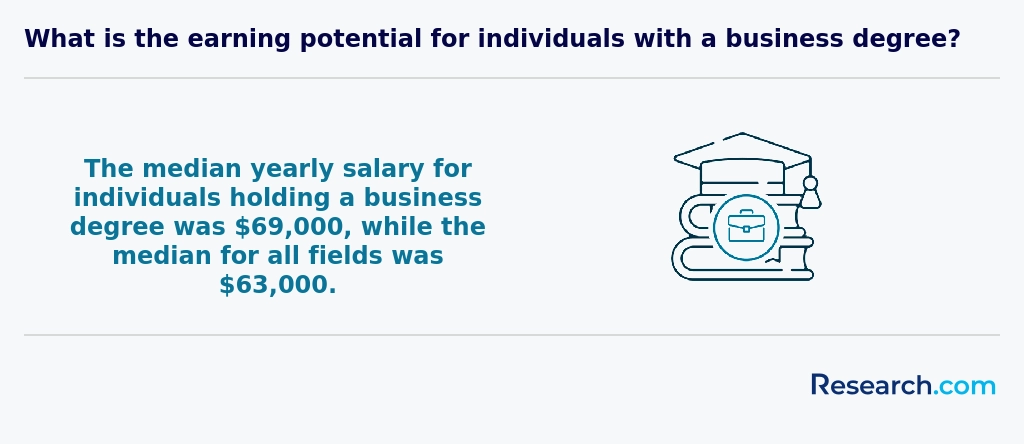
Investing in a business degree can yield substantial returns, but understanding the payback period and long-term earnings is essential for making an informed choice. In Missouri, graduates typically see their tuition investment recovered within 3–5 years, depending on specialization and mode of study. According to recent data, the average annual salary of $69,000 for business degree holders in Missouri translates to a return rate exceeding 12% per annum when compared to program costs ranging from $12,600 to $21,060. Key factors influencing ROI include:
- Time to Payback: With mean starting salaries of $80,220 for Project Managers and $108,790 for Business Analysts, full-time graduates often recoup bachelor’s tuition within 4 years.
- Career Growth Potential: Business Analysts report salary increases of 8–12% within the first five years, while Management Consultants can see 15% growth with an MBA or advanced certification.
- Flexible Learning: Online programs reduce opportunity costs by allowing continued employment; for a list of highly affordable online options, see our Cheapest Online Business Degree Programs Ranking in Pittsburg, KS. Strategies to maximize ROI: 1. Select a specialization with high demand-data analytics, supply chain management, and digital marketing consistently top hiring forecasts. 2. Leverage internships and cooperative education to secure job offers pre-graduation, reducing job search time. 3. Apply for scholarships and employer tuition-reimbursement programs to lower upfront costs. By considering these ROI metrics and planning strategically, prospective students can ensure their business degree in Missouri pays dividends both financially and professionally.
Students pursuing business degrees in Missouri have access to various financial aid options that help make education more affordable. Many graduates recall how the Free Application for Federal Student Aid (FAFSA) unlocked Pell Grants, which provide non-repayable funds up to $7,395 for the 2023-2024 academic year, significantly easing tuition payments at institutions like the University of Missouri or Missouri State University.
State-specific programs also play a crucial role. For example, Access Missouri Financial Assistance offers need-based grants that many business undergraduates rely on to bridge the gap between tuition fees and personal finances. These grants often mean the difference between working extra hours and focusing on studies.
Scholarships from universities and local organizations further empower students. Graduates fondly remember how merit scholarships and business association awards recognized their academic achievements and leadership, reducing debt burdens and increasing their confidence.
Work-study jobs connected to business fields provide valuable experience while supporting living expenses. This combination of federal aid, state grants, scholarships, and work-study opportunities creates a manageable financial path for Missouri business students.
To enroll in a business degree program in Missouri, students must first hold a high school diploma or equivalent, such as a GED. Popular institutions like the University of Missouri expect applicants to have completed essential coursework in mathematics-including algebra, geometry, and statistics-which reflects the practical skills needed in business. Strong communication abilities demonstrated through English classes and writing samples are also crucial, as graduates often recall how these skills helped them excel in presenting business ideas and reports.
Applicants typically submit standardized test scores like the SAT or ACT; however, many Missouri schools have adopted test-optional policies to accommodate diverse student backgrounds. For example, graduates from large public universities appreciate the flexibility, which allowed them to focus on building relevant experience instead of test preparation.
Business programs may also recommend or require introductory classes in economics or accounting, helping students enter coursework with foundational knowledge. Additionally, personal statements and letters of recommendation provide insight into a candidate's motivation and potential, echoing the positive feedback from alumni who found these materials essential in reflecting their passion for business.
For those pursuing graduate business degrees in Missouri, such as an MBA, holding a bachelor's degree with a competitive GPA-usually around 3.0-is mandatory. Many programs require GRE or GMAT scores, though some waive these requirements when applicants demonstrate strong professional experience or academic records, making the path accessible for working professionals aiming to advance.

Missouri’s top universities offer a variety of Master of Business Administration (MBA) pathways tailored to working professionals and recent graduates alike. Whether you’re seeking a full-time, part-time, executive, or fully online MBA, understanding program formats, admissions criteria, and time-to-completion is essential. Admissions Criteria and GMAT Waivers Most traditional MBA programs in Missouri require a bachelor’s degree from an accredited institution, a minimum GPA (often 3.0), and GMAT or GRE scores. However, several schools now offer GMAT waivers for candidates with significant work experience, strong undergraduate performance, or advanced professional certifications. Executive MBA formats typically prioritize leadership background over standardized test results, accelerating the path to degree completion. Program Formats and Duration • Full-Time MBA: A two-year cohort model with intensive coursework, capstone projects, and in-person networking events. • Part-Time MBA: Evening and weekend classes over 24–36 months, enabling students to balance career advancement with academic rigor. • Executive MBA: Designed for senior managers, this 18–24 month program combines on-campus residencies with online modules. • Online MBA: Asynchronous and synchronous options allow completion in 12–24 months, ideal for professionals nationwide. Specializations and Experiential Learning Missouri MBAs offer concentrations in finance, marketing analytics, supply chain management, and entrepreneurship. Many programs integrate hands-on residencies, consulting practicums, and global study tours. These immersive experiences not only reinforce theoretical concepts but also expand your professional network. Cost and Financial Support Tuition for MBA programs in Missouri varies from $30,000 to $60,000, depending on residency status and program prestige. Graduate assistantships, employer tuition reimbursement, and merit-based scholarships can offset expenses. Prospective students should review each school’s financial aid policies well before application deadlines. Exploring Accelerated No-GMAT Paths For career-driven professionals seeking maximum flexibility, consider researching online accelerated mba programs no gmat. These programs enable completion in as little as 12 months, often without GMAT/GRE requirements, and leverage cutting-edge digital platforms for collaborative learning. By evaluating format, specialization, cost, and admissions criteria, prospective MBA candidates in Missouri can select the graduate business degree that best aligns with their personal and professional goals.
Business degree programs in Missouri typically include a comprehensive set of courses designed to build both foundational knowledge and practical skills. Core classes such as Financial Accounting and Managerial Accounting equip students with the ability to analyze financial statements-skills that graduates from popular universities in Missouri often cite as invaluable when managing budgets during internships or campus organizations.
Courses like Principles of Marketing and Organizational Behavior provide insights into consumer strategy and team dynamics, lessons frequently applied by students in class projects reflecting real Missouri business scenarios, such as marketing agricultural products or navigating workplace challenges in manufacturing firms.
Missouri students also engage with Microeconomics and Macroeconomics, grounding their understanding of how economic factors impact local and global markets relevant to industries prominent in the state.
Additional classes in Business Law and Ethics prepare students to face real-world legal and ethical dilemmas, enhancing their confidence to operate responsibly in Missouri's diverse business environments. Many graduates appreciate how these courses blend theory with practical applications that mirror their professional experiences in the region.
Business degree specializations in Missouri offer students a diverse array of pathways designed to meet specific career ambitions and industry demands. Popular concentrations include Accounting, essential for those aiming to excel in financial reporting and tax preparation, highly relevant given the state's robust financial services sector. Graduates from institutions like the University of Missouri often highlight how Marketing specializations prepare them to thrive in Kansas City's dynamic advertising industries by focusing on consumer behavior and digital strategies. Finance tracks emphasize investment and risk management, aligning with Missouri's expanding banking and insurance markets.
Missouri business degree concentration options also frequently include Management, which equips students for leadership roles through practical coursework in organizational behavior, and Entrepreneurship, which resonates with students eager to launch startups supported by growing incubator programs. Supply Chain Management reflects Missouri's strategic role in national transportation, preparing graduates for logistics careers. Many students find that experiential learning, often integrated with internships at local firms, enhances their readiness for the workforce.
For those looking to enrich their expertise further, Missouri offers supported avenues like International Business and Business Analytics, aligning with global trends and data-driven decision-making. Prospective students can explore Best Online Business Certificates to supplement their degree and increase employability.
To choose the best business degree in Missouri, prioritize attending institutions with recognized accreditation, such as AACSB or ACBSP, which indicate rigorous academic standards. For instance, graduates from the University of Missouri-Columbia often highlight how AACSB accreditation enhanced their confidence and appeal to employers in local financial and manufacturing sectors. Considering affordability is equally crucial; many students benefit from attending affordable business colleges in Missouri, like community colleges or smaller public universities, which offer more accessible tuition and transfer pathways. Aligning program specializations with your career aspirations is important too. Students focusing on entrepreneurship or marketing often share how relevant internships and cooperative education at these schools provided practical experience that boosted their employability. Additionally, flexible scheduling options, including online courses, appeal to working adults balancing jobs and studies. Many find success by exploring online accelerated mba programs no gmat, which accommodate busy lifestyles while accelerating career progression.

Graduates holding a business degree in Missouri find diverse career paths within the state's robust economy, ranging from financial analysis to entrepreneurship. For instance, many alumni from popular universities in Missouri secure financial analyst positions in St. Louis or Kansas City, where the banking sectors offer competitive salaries near $65,000 annually. Such roles allow graduates to develop critical skills in market analysis and investment strategies, fueling confidence in their professional growth.
Other prominent business degree career options in Missouri include marketing management within the expanding digital media and healthcare industries, which provide vibrant opportunities for creative and strategic thinkers. Human resources specialists play essential roles in the workforce development of Missouri's manufacturing firms, highlighting another viable career path for business graduates. Operations management positions capitalize on Missouri's strategic transportation location, creating vital logistical solutions.
Many graduates also pursue entrepreneurial ventures, empowered by Missouri's supportive small business environment and state-sponsored financial assistance. Students often explore affordable education through programs highlighted in the Cheapest Online Business Degree Programs Ranking in Pittsburg, KS, which enhances accessibility for aspiring professionals focused on top business careers in Missouri 2027.
The job market for business degree holders in Missouri remains robust, with consistent demand in finance, marketing, management, and human resources fields. Graduates from prominent institutions such as the University of Missouri frequently share positive experiences, highlighting how internships and cooperative education programs effectively bridge classroom learning with real-world business challenges. This hands-on approach fosters confidence and valuable professional contacts within Missouri's diverse economy.
Missouri's business degree job opportunities in Missouri benefit from a central location in the Midwest and a balanced economic landscape, featuring major employers like Cerner and Edward Jones. These companies, along with numerous startups in urban centers like St. Louis and Kansas City, create a fertile ground for career growth. Graduates often secure roles as financial analysts, management consultants, and accountants, with the state expecting about 5% growth in business management positions over the next decade.
Cost-conscious students find appeal in Missouri's affordable public university tuition, which enhances the practical value of their degrees. For those balancing work with study, there are also options such as the best associate degree in 6 months online, catering to flexible educational pathways.
2027 Most Popular Business Degree Programs Ranking in Missouri
Investing in your education is a significant decision that requires careful consideration, and the Research.com team is aware of the responsibility involved in guiding prospective students. To support those seeking the best business degree opportunities in Missouri, we have rigorously developed the "2027 Most Popular Business Degree Programs Ranking in Missouri." Our dedication to quality, credibility, and accuracy is evident through thorough research and analysis.
We utilized the following reputable data sources to create this ranking:
By consulting this ranking, readers will gain valuable insights into the top business degree programs in Missouri, empowering them to make well-informed and confident decisions about their educational and professional futures. For further information on how the ranking was compiled, please visit our Research.com methodology page.


Frequently Asked Questions About business
Business degree students in Missouri can enhance their learning by actively engaging in internships with prominent local industries. Missouri hosts major companies like Cerner and Emerson, offering valuable real-world experience. According to the Missouri Department of Higher Education, internships can increase job placement rates by up to 20%.
Students should also leverage networking opportunities through university-affiliated business clubs and Missouri Chamber of Commerce events. These connections often lead to mentorship and job prospects.
Additionally, utilizing Missouri's growing entrepreneurial ecosystem, such as the Missouri Innovation Campus, allows students to develop practical skills.
Participating in case competitions and applied learning projects further deepens understanding of business concepts.
The business field in Missouri is evolving, with several emerging niches gaining attention among students and employers. One growing area is data analytics, as companies increasingly rely on data-driven decisions. Missouri universities have expanded their offerings in this field to meet rising demand. Another fast-developing niche is supply chain management, driven by Missouri's central location as a transportation hub, supporting logistics and distribution careers.
Additionally, sustainable business practices and corporate social responsibility are becoming significant as local organizations respond to environmental challenges. Entrepreneurship and technology integration also form vital emerging sectors, reflecting the state's growing startup culture and digital economy. According to Missouri Economic Research and Information Center, these niches offer promising job growth.
After completing a business degree in Missouri, preparing for the job market involves several strategic steps. First, gaining relevant experience through internships or cooperative education programs offered by universities can significantly improve employment prospects. Missouri's strong sectors, such as manufacturing and healthcare, often seek candidates with practical skills combined with academic knowledge.
Networking is also crucial; joining local business organizations like the Missouri Chamber of Commerce helps connect graduates with potential employers. Additionally, Missouri reports an average annual wage of about $70,000 for business professionals, underscoring the importance of specialized skills in finance, marketing, or analytics.
Continuously updating one's knowledge through certifications, such as in project management or data analysis, further enhances competitiveness in Missouri's evolving job market.
Employers in Missouri value a blend of technical and soft skills when hiring business degree graduates. According to the Missouri Economic Research and Information Center, strong communication abilities top the list, essential for collaboration across diverse industries in the state.
Analytical thinking and proficiency in data interpretation are increasingly important, especially in sectors like finance and healthcare that dominate Missouri's economy. Business graduates skilled in financial literacy and with hands-on experience in tools like Excel or Tableau stand out to employers.
Leadership and problem-solving are also critical, as Missouri businesses seek candidates who can drive innovation and manage teams effectively. Additionally, adaptability and digital literacy align with the state's evolving market demands.
Finding internships in Missouri relevant to a business degree involves several strategic steps. Start by exploring university career centers, as many Missouri colleges maintain strong ties with local businesses and offer structured internship programs. For example, the Missouri Chamber of Commerce promotes connections between students and employers. Additionally, online platforms like Handshake and LinkedIn provide listings specific to Missouri-based companies.
Networking is crucial; attending events hosted by organizations such as the Kansas City Economic Development Corporation can open doors to internships. Missouri's diverse economy-spanning finance, manufacturing, and agribusiness-offers varied opportunities suitable for business students. According to the Missouri Department of Higher Education, about 60% of students secure internships before graduation, improving employment prospects.
A business degree in Missouri significantly enhances career mobility and advancement opportunities. According to the Missouri Economic Research and Information Center, industries such as finance, marketing, and management show steady growth, creating demand for qualified business professionals. Graduates with business degrees often experience higher employment rates and salary increases compared to those without degrees.
Employers in Missouri value skills gained through business programs, including leadership, critical thinking, and data analysis, which are essential for managerial roles. Furthermore, many Missouri universities offer internships and networking opportunities that connect students with local businesses, easing the transition into the workforce.
Data from the U.S. Bureau of Labor Statistics highlights that Missouri's metropolitan areas, like St. Louis and Kansas City, have competitive job markets where business graduates can access numerous advancement pathways. This makes a business degree a valuable asset for long-term career growth within the state.
Studying for a business degree in Missouri equips students with diverse skills essential for interdisciplinary roles. Programs emphasize collaboration across fields such as finance, marketing, information technology, and management. This approach reflects Missouri's growing economy, which integrates sectors like agriculture, manufacturing, and healthcare, requiring adaptable business professionals.
Missouri universities often incorporate real-world projects and internships, fostering practical experience in cross-functional teams. According to the Missouri Economic Research and Information Center (MERIC), industries in the state increasingly seek graduates who understand multiple business disciplines alongside technological and analytical skills.
This broad-based education enhances graduates' ability to navigate complex challenges, communicate with varied stakeholders, and lead initiatives that merge business knowledge with other fields.
When choosing between a thesis and a non-thesis business degree program in Missouri, students should consider career goals and program structure. A thesis option often suits those interested in research or planning to pursue a PhD, as it involves original research and a formal defense. According to the National Center for Education Statistics, about 40% of Missouri's business graduate students opt for thesis tracks to deepen academic expertise.
Non-thesis programs focus on practical skills through coursework and internships, appealing to professionals aiming for industry roles. Missouri's robust business sectors, including finance and manufacturing, value these applied experiences. Evaluating faculty expertise, program flexibility, and post-graduation employment rates shared by institutions can guide students toward the best fit.
Students based in Missouri have several valuable options for studying business abroad through established exchange programs and partnerships offered by local universities. Institutions like the University of Missouri and Saint Louis University provide access to global business education by collaborating with universities in Europe, Asia, and Latin America. These programs often allow students to earn credits toward their Missouri degree while gaining international business perspectives.
According to the Institute of International Education, about 10% of Missouri's business students participate in study abroad programs, reflecting growing interest in global markets. Financial aid and scholarships specifically for study abroad in business are also offered by many Missouri universities, helping reduce costs for undergraduate and graduate students.
Part-time job opportunities in Missouri that complement business degree education often include roles in retail management, marketing assistance, and financial services. For example, many students find valuable experience working as bank tellers or customer service representatives for local banks such as UMB or Commerce Bank, which are headquartered in Missouri. These roles develop skills in finance and client interaction.
Internships in local companies or startups around Kansas City and St. Louis also provide hands-on experience in business analytics and project management. According to the Missouri Chamber of Commerce, internships and part-time roles in these areas help students build practical knowledge.
Additionally, positions in sales and administrative assistance contribute to developing organizational skills important for future business leaders. Such jobs allow students to apply classroom theories in real-world environments while networking within Missouri's growing business community.
Business students in Missouri benefit from a variety of networking opportunities that enhance their academic experience and career prospects. Universities like the University of Missouri and Washington University in St. Louis host business clubs, career fairs, and mentorship programs connecting students with industry leaders.
The state offers access to organizations such as the Missouri Chamber of Commerce and the St. Louis Regional Chamber, which frequently collaborate with schools to provide internships and networking events.
Furthermore, Missouri's growing economy, ranked among the top 25 states for business in 2023 by CNBC, offers students direct links to companies in finance, manufacturing, and technology sectors. These opportunities help students build professional relationships early in their careers.
Alumni networks provide significant advantages for business degree students in Missouri. Many Missouri universities, such as the University of Missouri and Missouri State University, have extensive alumni bases active in the state's diverse economy. These networks offer students mentoring opportunities, internships, and direct job referrals, improving employment prospects after graduation.
According to the Missouri Department of Higher Education, students connected to alumni groups report higher job placement rates within six months post-graduation. Networking events and online platforms enable students to build relationships with professionals in key Missouri industries like finance, healthcare, and manufacturing.
Additionally, alumni often facilitate career advice that reflects local market trends, helping students tailor skills to Missouri's business environment.
In Missouri, customizing a business degree to fit your career goals is possible through elective courses, concentrations, and internships. Many universities offer specializations like finance, marketing, or entrepreneurship to tailor your studies. For example, the University of Missouri system provides numerous tracks allowing students to focus on sectors vital to Missouri's economy, such as agribusiness or healthcare management.
Additionally, Missouri ranks highly in small business innovation, making internships with local firms invaluable. You can also leverage partnerships between schools and Missouri's major industries, including manufacturing and finance, to gain practical experience. According to the Missouri Department of Higher Education, flexibility in course selection helps graduates meet specific job market needs effectively.
Business students in Missouri commonly face challenges related to balancing cost and quality of education. According to the Missouri Department of Higher Education, tuition fees vary widely, often creating financial strain for many. Additionally, job market competition in urban centers like St. Louis and Kansas City demands strong internship experience, which can be difficult to secure. Time management is another hurdle, as students juggle coursework, part-time jobs, and networking opportunities. Missouri's evolving economy requires students to stay updated with technology and data analytics skills, which some programs may not fully emphasize yet. Access to mentorship and career guidance remains uneven across institutions.
A business degree from a Missouri institution opens doors to various professional certifications that can enhance career prospects. Popular options include the Certified Public Accountant (CPA) credential, especially relevant for accounting majors and regulated by the Missouri State Board of Accountancy. Another widely recognized certification is the Project Management Professional (PMP), which equips graduates with skills to manage complex projects across industries.
For those interested in finance, the Chartered Financial Analyst (CFA) designation is valued and accessible after passing exams and meeting work experience requirements. Additionally, the Certified Management Accountant (CMA) certification is suited for professionals focusing on financial management and strategic business analysis.
Missouri's robust economy, with key sectors in manufacturing and financial services, benefits from these credentials, increasing employability and earning potential locally, according to data from the Missouri Economic Research and Information Center (MERIC).
Writing a winning application for a business program in Missouri requires clear focus and preparation. Start by highlighting your academic achievements, especially in quantitative subjects like math and economics, as Missouri schools often emphasize these skills. Missouri's top programs, including those at the University of Missouri and Saint Louis University, value strong GPA and test scores.
Demonstrate relevant experience, such as internships or leadership roles, to show your commitment to business. Tailor your personal statement to reflect how Missouri's economic environment, with its strengths in agriculture, manufacturing, and finance, aligns with your career goals. Include specific reasons for choosing the program and how it fits your aspirations. According to Missouri Department of Higher Education data, clear, focused applications increase admission chances significantly.
A business career in Missouri offers strong connections to global markets, reflecting the international nature of commerce today. According to the Missouri Economic Research and Information Center, businesses in Missouri engage extensively in exports, particularly in aerospace, automotive, and agricultural sectors, linking local economies to global supply chains. This global perspective is emphasized in many Missouri universities' business programs, where students learn about international trade, global finance, and cross-cultural management.
Understanding global business practices is crucial, as 67% of Missouri's manufacturing output reaches foreign markets, according to the U.S. Census Bureau. Consequently, graduates with a business degree gain valuable insights into worldwide economic trends and diverse business cultures, preparing them for careers that transcend regional boundaries.
Students pursuing a business degree in Missouri can gain practical experience through multiple avenues integral to the state's higher education system. Many Missouri universities offer cooperative education (co-op) programs, allowing students to alternate between classroom study and paid work in relevant industries. According to the Missouri Department of Higher Education & Workforce Development, nearly 60% of business students participate in internships or co-ops during their studies.
Internships with local businesses, including St. Louis-based corporations and Kansas City firms, provide hands-on learning while building professional networks. Additionally, programs often incorporate case competitions and consulting projects that simulate real-world business challenges.
Students may also join campus business clubs and organizations that connect them with mentors and industry leaders, fostering experiential learning beyond the classroom environment.
Choosing the right concentration within a business degree program in Missouri depends largely on your career goals and the local economy. Missouri's diverse industries, including manufacturing, healthcare, and finance, create demand for varied business skills. For example, concentrations like finance or accounting align well with opportunities in Kansas City's financial sector and St. Louis's corporate headquarters.
Researching job market trends through sources such as the Missouri Economic Research and Information Center can help identify in-demand skills. Additionally, consider concentrations that offer practical experience or internships with Missouri companies. Understanding your strengths and interests alongside regional demand is key to making an informed choice.
- 2027 Most Popular Business Degree Programs Ranking in Kansas
- 2027 Most Popular Business Degree Programs Ranking in Iowa
- 2027 Most Popular Business Degree Programs Ranking in Nebraska
- 2027 Most Popular Business Degree Programs Ranking in Arkansas
- 2027 Most Popular Business Degree Programs Ranking in Illinois
- 2027 Most Popular Business Degree Programs Ranking in Indiana
- 2027 Most Popular Business Degree Programs Ranking in Minnesota
- 2027 Most Popular Business Degree Programs Ranking in Colorado
- 2027 Most Popular Business Degree Programs Ranking in Louisiana
- 2027 Most Popular Business Degree Programs Ranking in Alabama
See What Experts Have To Say About Studying Business
Read our interview with Business experts


David W. Stewart
Business Expert
Emeritus President's Professor of Marketing
Loyola Marymount University

Ingrid S. Greene
Business Expert
Clinical Assistant Professor of Management
Loyola Marymount University

- Online and Traditional Business Degrees Comparison | Free Essay Example https://studycorgi.com/online-and-traditional-business-degrees-comparison/
- Tuition & Costs https://www.ucmo.edu/future-students/tuition-and-costs/
- BUSINESS MANAGEMENT ENGLISH (THESIS / NON-THESIS) - Lisansüstü Eğitim Enstitüsü https://lee.nisantasi.edu.tr/en/business-management-english-thesis-non-thesis/
- How to Use Your MBA for Career Growth While You’re Still Studying - International Career Institute USA https://icieducation.com/blog/how-to-use-your-mba-for-career-growth-while-youre-still-studying/
- Why Employers Prize a Global Perspective from MBA Graduates | WU Executive Academy https://executiveacademy.at/en/knowledge/career/why-employers-prize-a-global-perspective-from-mba-graduates
- Business Degree Options - Academics https://www.ncmissouri.edu/academics/business-degree-options/
- Enterprise project challenge https://barclayslifeskills.com/help-others/lessons/enterprise-project-challenge/
- Global Perspectives: International Opportunities for Business School Students - SBS Swiss Business School https://sbs-uae.org/global-perspectives-international-opportunities-for-business-school-students-3/
- 1. Online registration https://moderna.edu.pl/majors/management/bachelor-of-management/business-management/
- Guide to Business Internships | Higherin https://higherin.com/career-guides/business/business-internships


