2027 Most Affordable Business Degree Programs Ranking in Reading

Co-Founder and Chief Data Scientist
Are you considering pursuing a business degree in Reading but unsure where to start? This article introduces the 2027 Most Affordable Business Degree Programs Ranking in Reading, created by the Research.com team of data scientists. It's designed to guide you through choosing programs that balance quality and cost effectively.
Discover programs that offer strong foundations for your career without overwhelming financial stress. Earning a business degree can open doors to exciting opportunities, and this ranking helps you make an informed, confident decision tailored to your goals.
Key benefits of getting business degree in Reading
- Business degree graduates can earn attractive salaries; for example, Business Analysts typically make around $112,950 annually, while Business Development Executives earn about $83,190 per year, reflecting strong financial potential.
- A popular Reading university graduate might explore diverse career paths including business analysis, development, or account management, offering flexibility and growth opportunities in different industries.
- Completing a business degree online from a well-known Reading institution allows for greater schedule flexibility and can better suit working professionals, making it easier to balance education and personal life.
- 2027 Most Affordable Business Degree Programs Ranking in Reading
- What can I expect from business degree in Reading?
- Where can I work with business degree in Reading?
What can I expect from business degree in Reading?
The average cost of earning a business degree in Reading is relatively affordable compared to other metro areas. Graduates from local colleges report paying tuition in the range of $10,000 to $15,000 annually at public institutions, thanks to competitive state tuition policies. This affordability allows students to focus on their studies without overwhelming financial stress, making it possible to balance part-time work or internships effectively.
Many business students find that scholarships and financial aid from institutions in Reading help reduce out-of-pocket expenses further. For example, those attending universities known locally for strong business programs often secure funding tied directly to their academic performance or community involvement, which lightens the financial load and opens doors to more hands-on learning opportunities.
Graduates recall how this manageable cost, paired with strategic budgeting, made live-work-study balances practical, especially when engaging with Reading's regional firms for internships. The ability to invest savings earned from internships back into tuition or living expenses helps students stay motivated and confident throughout their education journey.
Where can I work with business degree in Reading?
Graduates from business programs at universities in Reading often start by targeting roles in the local manufacturing sector, thriving here with companies specializing in food processing and machinery. Imagine landing a position managing supply chains or finance teams in these firms-these jobs provide hands-on experience aligned with what students study in school.
Many recent grads find rewarding opportunities in Reading's retail and wholesale trade companies, where managing marketing campaigns or store operations builds valuable business acumen. Practical internships completed during studies at popular Reading colleges frequently lead to these roles, which combine local market knowledge with professional skills.
Healthcare administration is another promising path, especially given Reading Hospital's influence. Graduates report excitement about helping streamline healthcare finance or operations, directly enhancing patient services. Local programs emphasize this career direction thanks to regional demand.
For those interested in finance, Berks County's banks and insurance firms offer solid entry points. Graduates often begin analyst or accounting roles, benefiting from the county's steady growth. Practical coursework on financial systems at Reading's colleges equips them well.
Finally, don't overlook small businesses in Reading where graduates use their business degrees to drive development and HR initiatives, gaining versatile skills that fit well within the close-knit regional economy. Many enjoy how their education translates directly to supporting these entrepreneurial ventures.
Graduates with a business degree in Reading often start with salaries around $55,000, especially in roles like business analysts or marketing coordinators. For example, recent alumni from local colleges pursuing business programs report stepping into analyst positions with strong pay and clear paths for advancement. The U.S. Bureau of Labor Statistics notes that business analysts nationally earn a mean annual wage of $112,950, which aligns well with mid-career potential in Reading's growing market.
Moving beyond entry level, business development executives based in the area enjoy an average salary of about $83,190. This figure reflects Reading's expanding commercial sectors, where graduates find rewarding opportunities applying their skills in finance, data analytics, and operations.
Success stories from students at popular Reading institutions often highlight how networking and internships accelerate salary growth. Business graduates who leverage these practical experiences typically see quicker salary increases, fitting within the local landscape where competitive pay supports a comfortable lifestyle.
- Tuition for business degrees in Reading ranges from $12,000 to $25,000 per year at public schools and $30,000 to $45,000 at private colleges.
- Starting salaries for business graduates in Reading average around $50,000 annually, depending on specialization.
- Median income for business professionals grows to about $80,000 per year after five to ten years of experience.
- Business job opportunities in Reading are expected to grow by approximately 5% over the next decade.
- Key hiring sectors include finance, insurance, healthcare, and technology, with a preference for skills in analytics, communication, and leadership.
- Accreditation by organizations like AACSB is recommended for aligning with industry standards and improving career prospects.
Completing a business degree in Reading typically takes around four years of full-time study for an undergraduate program, like a Bachelor of Business Administration. Graduates from local colleges often share how this timeline matched their expectations, allowing them to start careers promptly after finishing. For those juggling jobs or family, part-time options extend this to six years or more, providing a manageable pace without sacrificing income or personal time.
Graduate degrees, such as an MBA, usually require two years full-time. Many Reading professionals appreciate flexible programs from nearby universities offering evening or online classes. This helps them maintain work-life balance while advancing in their careers. Some opt for accelerated one-year tracks to fast-track promotions, while others stretch their studies over several years. These examples show that choosing a schedule that fits your lifestyle is key to success.
Local institutions align with national credit requirements and accreditation standards, ensuring your degree holds weight. Graduates often mention the relief of knowing their program adapts to real-life demands without compromising quality or recognition.
Choosing between an online and on-campus business degree in Reading often comes down to how you learn best and your lifestyle needs. Graduates from local colleges share that on-campus programs foster strong connections through face-to-face classes, campus events, and easy access to nearby businesses for internships. For example, many find networking during campus-hosted workshops invaluable for landing jobs in Reading's business hubs.
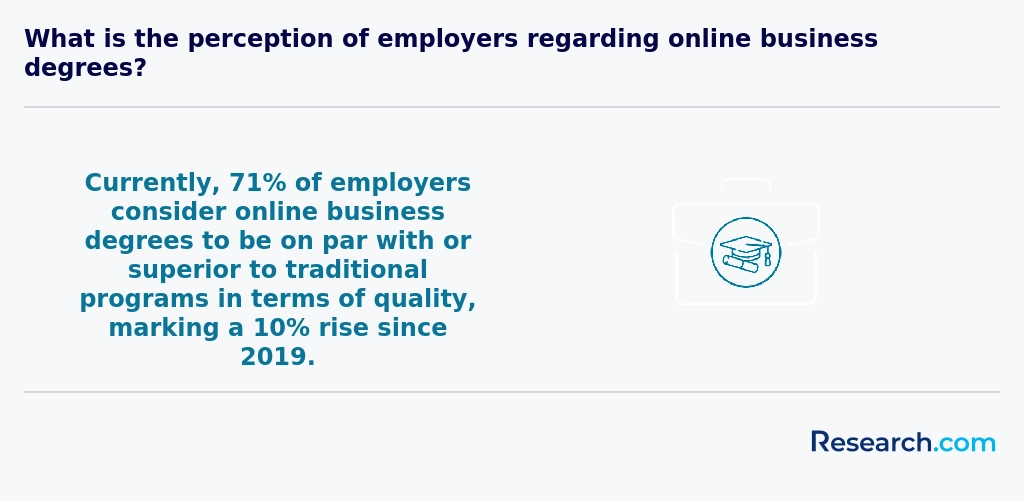
On the other hand, online business degrees offer flexibility that appeals to working adults or parents balancing family. A recent graduate pursuing an online program from Reading appreciated the ability to study evenings without sacrificing work hours, highlighting how this format fits busy schedules. The online option can reduce tuition by up to 30%, making it a budget-friendly choice without compromising the accredited, quality curriculum found at Reading's top institutions.
Whether in-person or virtual, the key is selecting the format that matches your daily routine and career goals while taking advantage of Reading's educational and local business resources.
The average business degree cost in Reading typically amounts to around $45,000 for in-state students, while out-of-state students should anticipate closer to $57,550 for the total program. These figures represent median total costs, combining tuition, fees, and other expenses over the course of the degree. Graduates from local universities, such as Pennsylvania State University's Berks campus, often share how the affordability combined with quality instruction helped them focus on gaining practical skills without overwhelming financial stress.
Beyond tuition, students must consider additional annual costs like books and supplies, which average about $1,200, and living expenses, which tend to be around $12,000 in Reading-a figure noticeably lower than metropolitan areas. This makes budgeting more manageable and helps students keep debt to a minimum. Practical, in-person advice from recent graduates emphasizes the importance of factoring these expenses into your planning for an affordable business degree in Reading tuition fees.
Many business programs in Reading also offer scholarships, financial aid, and work-study opportunities that can significantly reduce out-of-pocket costs. Prospective students should proactively reach out to schools to explore these options early on. For a detailed comparison and to identify some of the most cost-effective opportunities, consult the listing of affordable business schools in pennsylvania, which highlights accessible programs within the Commonwealth and specifically in Reading.
To maximize the benefits of pursuing a business degree in Reading, PA, it's essential to consider various factors beyond the curriculum, including the cost, flexibility, and potential career outcomes. Understanding these aspects can help students make informed decisions that align with their academic and professional goals. For instance, exploring affordable business schools in pennsylvania can provide valuable insights into institutions that offer quality education at a lower cost, making it more accessible to a wider range of students. By weighing these factors, students can optimize their educational experience, setting themselves up for success in the competitive business landscape of Reading, PA.
Business students in Reading can access several key financial aid options to ease tuition costs. Graduates from local institutions like Albright College often emphasize the value of completing the FAFSA early to qualify for federal aid-this includes Pell Grants, which do not need to be repaid, and federal student loans with favorable terms. These forms of assistance form a solid foundation for managing expenses.
State aid through the Pennsylvania State Grant Program is another vital resource. Since Reading students reside in Berks County, they frequently benefit from this program, which considers financial need and college costs to provide significant yearly support. For example, a student at a private Reading college found the state grant effectively reduced their tuition by several thousand dollars.
Merit-based scholarships at local colleges reward academic excellence and leadership, offering renewable funds that can lighten financial burdens over time. Graduates recall how scholarships motivated them while fostering a sense of accomplishment. Additionally, private scholarships from Reading-area businesses target aspiring business majors, providing numerous opportunities to supplement aid.
Work-study jobs on campus or with community partners enable students to earn while gaining experience, which many business students appreciate as a practical way to offset costs and build resumes.
To enroll in a business degree program in Reading, you first need a high school diploma or GED. Graduates from local colleges often say that solid math skills made a big difference during their studies, so focus on completing core subjects like math, English, and social studies. Many programs require SAT or ACT scores, typically around the national average of 1050-1150, but some Reading schools have become test-optional, easing that pressure.
Next, submit your application along with official transcripts. Students who have taken the extra step of including letters of recommendation and a personal essay find that it helps admissions understand their passion and career goals, which many alumni highlight as key in securing their spot.
If you're transferring or aiming for advanced business studies, be prepared to show completed courses in economics or accounting with a GPA around 2.5 to 3.0. This practical foundation ensures you're ready for the coursework at Reading's universities known for strong business programs.
As the business landscape evolves, business degree programs in Reading, PA, are continuously adapting to meet emerging industry demands and technological advancements. Students can expect curricula that increasingly incorporate digital transformation, data analytics, and innovation-driven strategies. This forward-thinking approach not only enhances classroom learning but also bridges the gap between academic knowledge and practical application in a dynamic marketplace. Institutions are partnering with local businesses and tech enterprises to provide experiential learning opportunities, ensuring that graduates are well-prepared for future challenges. Moreover, industry leaders anticipate a growing emphasis on skills such as cybersecurity, AI integration, and sustainable business practices, which will shape the courses and specializations offered in the coming years. For those exploring long-term career prospects, these trends are critical indicators of how traditional business roles are evolving. To discover more about shaping your future in this field, visit Business Administration Careers and explore a wide array of opportunities that align with modern business demands.
Students pursuing a business degree in Reading typically start with core courses such as Introduction to Business, Principles of Management, Financial Accounting, and Business Law. Graduates from well-known Reading institutions often highlight how these classes build a clear understanding of managing organizations, reading financial statements, and handling legal issues-skills they regularly apply during internships.
Beyond basics, practical topics like marketing strategies, human resource management, and organizational behavior help students develop real-world abilities to lead teams and promote products effectively. For example, one graduate recalls using marketing concepts learned in class to help a local startup boost its social media engagement during a placement.
Courses in business communication and ethics ensure students are prepared to interact professionally and make responsible decisions-key factors employers value highly in Reading's competitive job market. Quantitative courses like statistics and economics sharpen analytical skills, which graduates use daily when evaluating business performance or market trends.
Many programs in Reading also allow focused electives, such as entrepreneurship or international business, letting students tailor their studies toward their career ambitions, making their degree experience both practical and motivating.
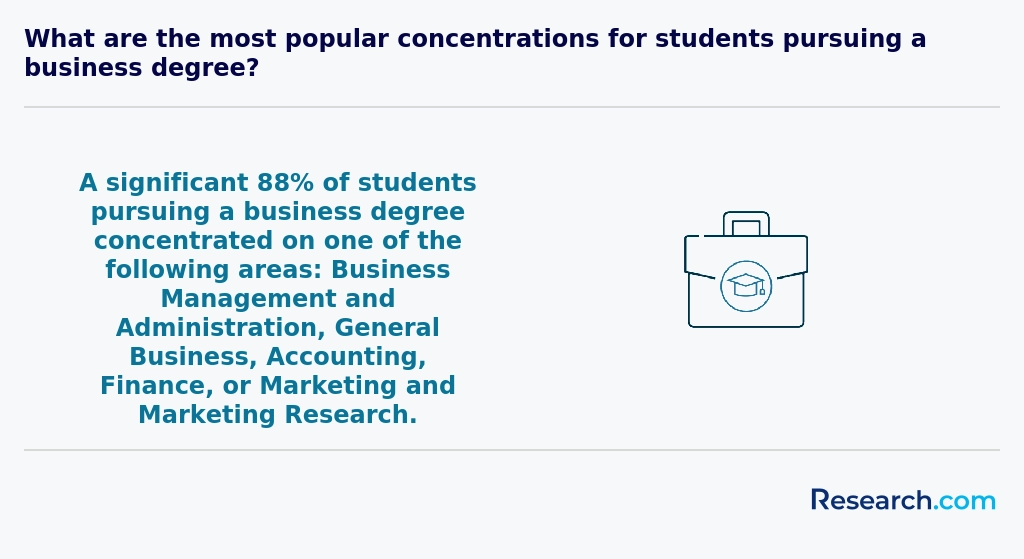
Business degree specializations in Reading typically include Accounting, Marketing, Finance, Management, and Supply Chain Management. Graduates from popular colleges in the area often highlight how specializing in Accounting equipped them for rigorous financial roles, while those in Marketing appreciated hands-on projects involving digital campaigns. Management specializations stand out for their focus on leadership and strategic planning, preparing students to confidently step into managerial roles within Reading's diverse industries. Finance students frequently share how the curriculum's emphasis on investment and risk management aligns with the city's strong banking and retail sectors.
Many students at Reading institutions find that choosing a specialization tailored to local employment trends increases their job prospects. For example, graduates specializing in Supply Chain Management often secure roles with manufacturers in the area, directly applying their logistics skills. Those seeking affordable business programs with specialties Reading can find practical options that balance cost and relevant expertise. To explore career pathways after specializing, prospective students can refer to Business Administration Careers to align their education with clear professional goals.
Start by examining the curriculum offered by the best business colleges in Reading 2027, ensuring it covers core areas like marketing, finance, and management while allowing for specialization. Graduates from local universities often praise programs that mix theory with hands-on projects, preparing them for real-world challenges in Reading's diverse industries.
Next, assess tuition costs carefully. Many seek affordable business degree programs in Reading to avoid heavy debt. Look into financial aid and in-state tuition rates to find a balance between cost and quality. Numerous students appreciate schools that offer flexible schedules, including evening or online classes, which help working professionals continue their education without sacrificing income.
Accreditation is key. Pick programs accredited by respected bodies to boost your chances of graduation and employment. Alumni from accredited colleges report seamless transitions into Reading's business community, thanks to strong local ties and internship opportunities. If speed is a priority, consider options to get a bachelor's degree fast while maintaining quality standards.

Graduates from popular business programs in Reading often find diverse career paths rooted in the town's evolving economy and proximity to larger hubs like Philadelphia. Many who completed their degrees at local community colleges or universities have moved into roles such as business analysts, helping companies streamline operations, or marketing coordinators managing both digital and traditional campaigns. These roles are practical choices given the strong demand highlighted in job opportunities with business degree Reading offers.
Others leverage their financial knowledge as advisors or accountants, roles critical in both personal and corporate finance sectors. Several graduates share how human resource specialist positions appealed to them due to the chance to directly impact workplace culture and recruitment processes at regional companies.
For those weighing whether to specialize further, exploring the easiest subject for phd can complement practical skills gained with a business degree. This boosts career flexibility and opens doors to higher-level management or consultancy roles. Many business degree career options in Reading also include entrepreneurship, supported by local programs that provide mentoring and seed funding, fueling graduates' confidence to start their own ventures.
The job market for business degree graduates in Reading offers steady opportunities, especially for those keen on roles like business analysts, marketing coordinators, and supply chain supervisors. Business graduates from local colleges often find entry-level positions within the thriving manufacturing and retail sectors, benefiting from the city's smaller size and strong community ties. While salaries around $64,000 are moderate compared to larger metros, the lower cost of living in Reading makes these positions financially viable for recent grads building their careers. Networking is also enhanced by easy access to Philadelphia, allowing graduates to expand connections and explore opportunities beyond the local market. Many graduates emphasize how studying business here provides practical skills aligned with regional demands, making the career transition smoother.
For those aiming to balance cost and quality of education, pursuing affordable online masters programs is a popular choice among business students in Reading. This approach helps graduates invest wisely in their education without accruing excessive debt, reinforcing the positive outlook for career opportunities for business graduates in Reading.
2027 Most Affordable Business Degree Programs Ranking in Reading
Investing in your education is a significant decision that can shape your future, and the Research.com team understands the importance of making informed choices. To assist prospective students in Reading, we have meticulously crafted the "2027 Most Affordable Business Degree Programs Ranking in Reading." Our commitment to quality, credibility, and accuracy is reflected in the extensive research and analysis conducted to compile this ranking. We utilized the following reputable data sources to ensure a comprehensive evaluation of business degree programs:
By exploring this ranking, readers will gain valuable insights into the most affordable business degree options in Reading, enabling them to make well-informed educational choices and invest wisely in their future. For more details on our methodology, please visit our Research.com methodology page.
# 1 position
Pennsylvania State University-Penn State Berks
Bachelor of Science in Business


Frequently Asked Questions About business
Business degree students in Reading can maximize their learning experience by actively engaging with local professional networks. Reading's proximity to numerous corporate headquarters and small businesses offers valuable internship opportunities, which enhance practical skills beyond classroom theory.
Students should also participate in campus clubs or organizations focused on entrepreneurship and business strategy. Research from the National Association of Colleges and Employers (NACE) shows that 65% of employers prefer candidates with related extracurricular involvement.
Additionally, leveraging online resources and workshops provided by US universities can broaden business knowledge and develop soft skills like communication and teamwork. Reading students benefit from accessing these support services to complement their academic work.
The business field is rapidly evolving, with several emerging niches gaining attention among students and professionals. Areas such as data analytics, sustainable business, and digital marketing are becoming increasingly important. According to the U.S. Bureau of Labor Statistics, jobs in data analysis are projected to grow 25% through 2031, highlighting the demand for expertise in this area.
In Reading, companies emphasize sustainability, creating opportunities in green business practices and corporate social responsibility. Additionally, digital marketing skills, including social media strategy and e-commerce, are critical as businesses adapt to online consumer trends. These niches offer practical and forward-thinking career paths.
After completing a business degree in Reading, preparing for the job market requires a strategic approach. Graduates should focus on building relevant skills such as communication, data analysis, and project management, which are highly valued by local employers. According to the U.S. Bureau of Labor Statistics, Reading's business sector is growing, especially in finance and management roles.
Networking is essential; attending local business events and joining chambers like the Berks County Chamber of Commerce can open doors. Internships and part-time roles during studies provide practical experience and improve employability.
Additionally, leveraging career services offered by universities for resume building, interview practice, and job placement is recommended to maximize success in the competitive market.
Employers in Reading highly value business degree graduates who demonstrate strong analytical skills. According to the U.S. Bureau of Labor Statistics, analytical thinking is crucial for addressing complex business challenges effectively. Communication abilities, both written and verbal, are also essential, enabling graduates to collaborate clearly with teams and clients.
Leadership and teamwork experience rank prominently, with local Reading employers emphasizing adaptability in dynamic market conditions. Additionally, proficiency in digital tools such as Microsoft Excel and data visualization software is increasingly sought after, reflecting the growing role of technology in business.
Finally, problem-solving skills remain vital, bolstered by the ability to interpret financial data and market trends, particularly important in Reading's diverse economic sectors, according to a 2023 Reading Chamber of Commerce report.
Finding internships in Reading for business degree students involves several practical steps. Begin by exploring local companies, especially in finance, retail, and manufacturing sectors, which are prominent in Berks County according to the Reading Area Chamber of Commerce. Networking events hosted by organizations like the Berks Business Education Coalition can provide valuable contacts.
Many students use college career centers to connect with internship opportunities tailored to business majors. Websites such as Handshake and Internships.com also list openings specific to the Reading area.
Additionally, engaging with local government and nonprofits can reveal internships that offer hands-on business experience. According to the U.S. Bureau of Labor Statistics, internships improve job placement chances after graduation, making them an essential part of your educational journey.
A business degree significantly enhances career mobility and advancement opportunities for individuals in Reading. According to the U.S. Bureau of Labor Statistics, graduates with business qualifications often see a 10-15% higher likelihood of promotion within five years compared to those without. Local employers, especially in Reading's growing finance and technology sectors, actively seek candidates with business skills for managerial roles. Earning a degree provides access to essential knowledge in leadership, finance, and marketing, which are critical for climbing organizational ladders. Additionally, networking opportunities through Reading's universities connect students with regional businesses, boosting job prospects and career growth.
Studying for a business degree in Reading equips students with skills that extend beyond traditional business concepts, preparing them for interdisciplinary roles across various sectors. Programs often integrate courses in economics, information technology, and communication, reflecting the diverse demands of today's job market.
Reading's proximity to major industry hubs provides opportunities for practical experience, enhancing adaptability. According to the U.S. Bureau of Labor Statistics, interdisciplinary competencies can increase employability by over 20% in competitive fields.
Business curricula in Reading also emphasize data analysis and project management, which are crucial in roles combining business strategy with technical expertise. This broad-based approach ensures graduates can navigate complexities in technology, finance, and marketing effectively.
Choosing between a thesis and a non-thesis business degree program in Reading depends largely on your career goals and learning preferences. A thesis option typically appeals to students who want to pursue research, PhD studies, or roles requiring strong analytical skills. It involves writing a substantial research paper under faculty supervision.
In contrast, non-thesis programs focus on coursework and practical skills, which benefit professionals aiming for immediate application in business sectors like finance or marketing. According to the U.S. Department of Education, about 60% of business graduate students prefer non-thesis tracks for faster completion.
Local Reading universities often provide both options, with thesis programs sometimes requiring 6 to 12 additional credit hours. Cost and time commitment should also factor into your decision, given the average Reading graduate tuition rates fluctuate around $15,000 per year.
Students based in Reading who wish to study business abroad have several options through US higher education institutions. Many American universities offer international campuses or exchange programs, allowing Reading-based students to study business courses overseas while earning credits toward a US degree. For example, institutions like New York University and the University of Southern California have campuses in Europe and Asia, which might be accessible through partnerships.
Additionally, US students can enroll in accredited online business degree programs that include international study components or internships abroad, blending remote learning with hands-on global experience.
According to Open Doors 2023 report by the Institute of International Education, approximately 18% of US students in business majors participate in study abroad programs, reflecting growing interest in global business education.
Part-time jobs in Reading can significantly enhance the business degree experience by providing practical skills and networking opportunities. Many students find roles in local retail management, where they develop teamwork and customer service skills relevant to business studies. According to the U.S. Bureau of Labor Statistics, part-time positions in sales and administrative support remain among the most accessible for students nationwide.
Internships and assistant roles in financial services firms in Reading also offer exposure to real-world business operations. Additionally, positions in marketing, event planning, or small business support in the community allow students to apply classroom knowledge. These roles help build critical thinking and problem-solving skills valued by employers.
Business students in Reading benefit from various networking opportunities that support professional growth. Local universities often host business clubs and events that connect students with alumni and industry leaders. According to the Reading Economic Partnership, the city hosts regular business forums and chamber of commerce events where students can engage with local entrepreneurs and executives.
Additionally, internships play a significant role; many companies in Reading's growing tech and service sectors offer internships tailored to business students. Professional associations like the American Management Association also provide local chapters and workshops accessible to students, helping them build valuable contacts.
Alumni networks offer significant advantages to business degree students in Reading. These networks connect current students with graduates who have established careers, providing valuable mentorship and insights into local industries. According to the National Association of Colleges and Employers, 70% of positions are filled through networking, highlighting the practical benefits for job placement.
In Reading, strong alumni ties can open doors to internships and employment within the city's growing business sector, especially in finance and technology. Universities often host events that foster connections, allowing students to build professional relationships before graduation. This real-world support complements academic learning and enhances career readiness.
Customizing a business degree program in Reading allows students to align their education with specific career goals. Many local institutions offer elective courses focused on areas like marketing, finance, or entrepreneurship. This flexibility enables students to develop specialized skills that meet local industry demands.
Internships and cooperative education opportunities in Reading's growing sectors, such as manufacturing and technology, provide practical experience. These can be integrated into degree requirements, enhancing job readiness.
Students may also pursue certificate programs alongside their degree, adding credentials in project management or data analytics, which are highly valued by Reading employers according to the U.S. Bureau of Labor Statistics.
Advising services at Reading colleges help tailor course selections to career objectives, ensuring relevant knowledge and professional networks.
Business students in Reading often face challenges related to balancing coursework with practical experience. Many programs emphasize internships and networking, but finding local opportunities can be competitive due to the city's size and market concentration. According to the U.S. Bureau of Labor Statistics, gaining real-world experience is crucial for career success in business fields. Additionally, keeping up with evolving technology and digital tools is a common issue, as businesses increasingly rely on data analytics and software skills. Financial constraints also pose a challenge, with average tuition in the area ranging from $15,000 to $25,000 per year, impacting access to resources and professional development.
With a business degree in Reading, graduates can pursue several professional certifications to enhance their career prospects. Popular options include the Certified Public Accountant (CPA) for those interested in accounting and finance. This certification is highly respected nationwide and beneficial in Reading's growing financial services sector.
Another valuable certification is the Project Management Professional (PMP), which is recognized internationally and aligns well with management roles in Reading's expanding business environment. Additionally, the Chartered Financial Analyst (CFA) designation is ideal for students aiming for investment and financial analysis careers.
These certifications typically require passing rigorous exams and meeting experience criteria. According to the U.S. Bureau of Labor Statistics, holders of such certifications often see a salary increase of 10-20% compared to non-certified peers.
Writing a winning application for a business program in Reading requires clear focus and preparation. Start by researching the specific programs offered by local institutions such as Albright College, which provides a variety of business degrees accredited by AACSB, a mark of quality in business education.
Highlight your academic achievements, especially in relevant subjects like economics, math, or statistics. Since Reading's economy emphasizes manufacturing and logistics, applicants should demonstrate interest or experience related to these fields.
Providing a compelling personal statement that outlines your career goals and how the program aligns with them is crucial. Mention practical skills and any internships or work experience you have in business settings.
Lastly, submit strong letters of recommendation from teachers or employers who can speak to your aptitude in business or leadership.
The global perspective on a business career highlights the increasing demand for professionals who understand diverse markets and cultural dynamics. According to the U.S. Bureau of Labor Statistics, the business and financial sector is expected to grow by 8% between 2022 and 2032, reflecting strong opportunities worldwide.
Reading, Pennsylvania, benefits from its proximity to major urban centers like Philadelphia, which supports a growing business environment. Local institutions emphasize international business practices and global strategy, preparing graduates for careers in multinational corporations.
Many U.S. business programs now integrate global case studies and offer study-abroad options. This equips students to navigate complex economic systems globally, a necessity in today's interconnected market.
Understanding global markets and cultural intelligence is a key advantage for business graduates, enhancing their employability in both domestic and international firms.
Students pursuing a business degree in Reading can gain practical experience through internships, cooperative education programs, and local business projects. Many universities in the area partner with established firms, providing access to roles that build real-world skills. According to the National Association of Colleges and Employers, internships increase employment prospects by 60%.
Additionally, Reading's diverse economy, including finance, manufacturing, and retail sectors, offers ample opportunities for hands-on learning. Participating in case competitions or joining student business organizations also helps develop leadership and teamwork abilities.
Some programs incorporate consulting projects with local companies, allowing students to solve actual business challenges while earning credit.
Choosing the right concentration within a business degree program in Reading involves aligning your career goals with the local job market. Reading's economy features strong sectors such as manufacturing, healthcare, and logistics, so concentrations like supply chain management, healthcare administration, or finance may offer promising opportunities.
Consider programs accredited by AACSB or ACBSP, which ensure quality education recognized by employers. Reviewing course content, faculty expertise, and internship availability in Reading-based companies also helps.
The U.S. Bureau of Labor Statistics notes that business-related fields are growing at an average rate of 8% nationally, with Reading showing similar trends. Exploring networking opportunities through local business organizations can further clarify your choice.
- 2027 Most Affordable Business Degree Programs Ranking in Lancaster
- 2027 Most Affordable Business Degree Programs Ranking in Allentown
- 2027 Most Affordable Business Degree Programs Ranking in Bethlehem
- 2027 Most Affordable Business Degree Programs Ranking in Saint Davids
- 2027 Most Affordable Business Degree Programs Ranking in Wilmington
- 2027 Most Affordable Business Degree Programs Ranking in Philadelphia
- 2027 Most Affordable Business Degree Programs Ranking in New Castle
- 2027 Most Affordable Business Degree Programs Ranking in Wilkes-Barre
- 2027 Most Affordable Business Degree Programs Ranking in Scranton
- 2027 Most Affordable Business Degree Programs Ranking in Baltimore
See What Experts Have To Say About Studying Business
Read our interview with Business experts

David Souder
Business Expert
Senior Associate Dean for Faculty and Research
Michigan State University

David W. Stewart
Business Expert
Emeritus President's Professor of Marketing
Loyola Marymount University

Ingrid S. Greene
Business Expert
Clinical Assistant Professor of Management
Loyola Marymount University

- How to Write a Statement of Purpose for Business School https://www.statementswritingservices.com/blog/how-to-write-a-statement-of-purpose-for-business-school.html
- The Seven Biggest Challenges Faced by Student Entrepreneurs https://venturewell.org/blog/five-biggest-challenges/
- 9 Different Types of Business Degrees and Career Paths https://www.umassglobal.edu/blog-news/9-different-types-business-degrees-and-career-paths
- Global Perspectives: International Opportunities for Business School Students - SBS Swiss Business School https://sbs-uae.org/global-perspectives-international-opportunities-for-business-school-students-3/
- Undergraduate Fees and Funding https://www.reading.ac.uk/ready-to-study/study/fees-and-funding/fees-and-funding-ug
- Business degree: What to study and how to find a job https://brive.com/blog/studies/business-degree-guide-to-study-and-find-a-job/
- 1. Online registration https://moderna.edu.pl/majors/management/bachelor-of-management/business-management/
- The Smart Student’s Guide to Choosing a Business Degree – EU... https://www.euruni.edu/blog/the-smart-students-guide-to-choosing-a-business-degree/
- Five Business Concentrations To Consider Now https://poetsandquantsforundergrads.com/news/five-business-concentrations-to-consider-now/
- Exploring Different Types of Business Majors https://www.ivywise.com/ivywise-knowledgebase/exploring-different-types-of-business-majors/