
2027 Best Online Bachelor's in Business Degree Programs Ranking in Connecticut

Co-Founder and Chief Data Scientist
If you're considering pursuing a business degree in Connecticut, this article is here to guide you. It features the 2027 Best Online Bachelor's in Business Degree Programs Ranking in Connecticut, carefully crafted by the Research.com team of data scientists to help you find top programs worth your time and investment.
Choosing the right business degree can open doors to exciting career opportunities and personal growth. Reading this ranking can simplify your decision-making and give you confidence in selecting a program that fits your goals and lifestyle.
Key benefits of getting online business degree in Connecticut
- Business degree graduates in Connecticut can expect rewarding salaries, with roles like Business Development Executive earning a mean annual wage of $83,190 and Business Analyst positions offering around $112,950 per year.
- Graduates from popular Connecticut universities often pursue diverse careers in marketing, finance, and management, opening doors to exciting opportunities across various industries.
- Online business degrees offer flexibility and convenience, allowing students to balance work and study effectively while gaining the same recognized credentials as traditional programs from respected Connecticut institutions.
- 2027 Best Online Bachelor's in Business Degree Programs Ranking in Connecticut
- What can I expect from online business degree in Connecticut?
- Where can I work with online business degree in Connecticut?
What can I expect from online business degree in Connecticut?
The average cost of an online business degree in Connecticut ranges between $15,000 and $30,000, depending on the institution and program length. Graduates from well-known schools in Hartford or Stamford often share how this investment unlocked opportunities in thriving local industries, from financial services to healthcare management.
Many students appreciate the balance of affordability and quality, especially at colleges that offer flexible payment plans or financial aid tailored to working professionals. The accessible tuition encourages learners to focus on gaining real-world skills in digital marketing or strategic leadership, crucial for Connecticut's competitive economy.
Picture a graduate who managed coursework while working full-time, supported by online classes from a respected Connecticut university. Their affordable degree didn't just provide knowledge; it opened doors to internships and networking events with top firms in New Haven, fueling career growth and confidence.
The even balance of cost and value empowers students to pursue their dreams without overwhelming debt, making a business degree in Connecticut a bright pathway to success.
Where can I work with online business degree in Connecticut?
Graduates with an online business degree in Connecticut find themselves stepping into a thriving job market full of exciting opportunities. Many alumni from renowned schools like Fairfield University and the University of Connecticut share how their degrees opened doors in dynamic fields such as finance, healthcare, and manufacturing. Imagine working for leading finance companies in Hartford, where your skills as a financial analyst or risk manager are highly valued in this national industry hub.
Others have discovered rewarding careers in healthcare management, helping hospitals streamline operations and improve patient experiences. Manufacturing giants like Pratt & Whitney welcome business graduates into roles that shape supply chains and project management, offering a hands-on impact in aerospace and defense sectors.
For those with an entrepreneurial spirit, Connecticut's small business landscape offers countless opportunities to lead marketing, sales, or development initiatives. Business graduates feel empowered knowing their degree equips them to contribute meaningfully across these diverse industries, shaping their futures with confidence and purpose.
Graduates with an online business degree in Connecticut can look forward to rewarding salary prospects that reflect their hard work and skills. For instance, business analysts, a popular role among alumni from institutions like the University of Connecticut and Quinnipiac University, earn an impressive mean annual wage of $112,950. This level of compensation highlights the value of solid analytical expertise gained through rigorous coursework and real-world projects.
Additionally, business development executives in Connecticut see strong earnings, with an average annual wage of $83,190. Graduates stepping into these positions often share stories of how their education helped them build confidence and strategic thinking skills, enabling them to thrive in fast-paced corporate environments.
The financial strength of Connecticut's business hubs, including Hartford, means graduates enjoy access to dynamic industries where these salaries are not just numbers-they're the foundation for fulfilling careers and continued growth. This kind of financial reward brings not only stability but also encouragement to pursue further certifications and leadership roles.
- Online business degree tuition in Connecticut ranges from about $10,000 to $25,000 per year for in-state students, with community colleges offering lower rates than private schools.
- Early-career salaries for business graduates average around $55,000 annually, increasing to between $85,000 and $95,000 in mid-career roles.
- Key job roles for graduates include management, marketing, financial analysis, and business consulting, with steady demand in the state's job market.
- Connecticut's proximity to major financial centers like New York City supports strong employment and salary opportunities.
- Students should choose online programs with regional accreditation recognized by the U.S. Department of Education to ensure degree value.
Completing an online business degree in Connecticut is a journey full of flexibility and opportunity. Most students at renowned schools like the University of Connecticut or Central Connecticut State University find that, with full-time dedication, they can finish in about four years-just like traditional programs but with the freedom to study from anywhere. Many graduates appreciate how asynchronous courses fit their busy lives, whether balancing work, family, or other commitments.
Part-time learners often take around five to six years, turning their education into a manageable step-by-step adventure. Others thrive with accelerated tracks, wrapping up in as little as two to three years, energized by the prospect of launching their careers sooner. Transfer credits from previous studies can further speed up the process, making it even more accessible.
This flexibility means every student can craft their own path to success, blending ambition with their unique lifestyle while earning a respected degree that opens doors in Connecticut's vibrant business community.
Graduates from top Connecticut schools like the University of Connecticut often highlight the vibrant energy of on-campus business programs, where lively classroom discussions and in-person networking spark motivation and lasting connections. Imagine collaborating on projects in a dynamic Hartford campus space, surrounded by peers who share your ambitions-this face-to-face interaction brings ideas to life instantly.
On the other hand, many online business students appreciate the freedom to learn at their own pace while balancing careers and family. Alumni of institutions offering online degrees celebrate how flexible schedules empower them to study after work or during quiet weekends, transforming any space-whether a cozy home office or a local café-into a productive classroom.
Both paths in Connecticut open exciting doors: traditional students thrive amid direct access to campus resources, while online learners enjoy personalized pace and cost savings. Whichever route you choose, these programs inspire confidence and equip you to grow in Connecticut's dynamic business environment.
The average cost of an online business degree in Connecticut offers a range of opportunities tailored to fit different budgets and ambitions. Public universities in the state typically charge between $300 and $600 per credit hour for online business courses, making the total tuition for a full bachelor's degree around $36,000 to $72,000. Many Connecticut-based graduates share how this investment opened doors to rewarding careers without overwhelming financial strain, especially when factoring in in-state tuition advantages.
Alternatively, private colleges in Connecticut offer online business programs with tuition ranging from $800 to over $1,000 per credit hour. While this can push total costs beyond $96,000, graduates often express satisfaction with the personalized education experiences and networking opportunities these institutions provide-advantages that can be invaluable for building a successful business career.
Beyond tuition, students should consider additional expenses like technology fees and course materials, typically adding $1,000 to $3,000 over the course of their studies. Many find that exploring financial aid, scholarships, and state-sponsored programs in Connecticut significantly eases these costs. Those looking for cost-effective pathways might also explore the cheapest online accounting certificate programs to complement their business skills.
By understanding Connecticut online bachelor's degree tuition fees and planning carefully, it's possible to pursue a quality business education that fits your goals and life. Whether studying part-time while working or diving into a full course load, many graduates celebrate their decision as a confident step toward a brighter professional future.
Many students pursuing an online business degree in Connecticut find hope and opportunity through accessible financial aid options that make their dreams achievable. Graduates from schools like the University of Connecticut and Quinnipiac University often share how federal aid, especially the FAFSA, opened doors with grants and loans they could manage comfortably. Grants like the Federal Pell Grant, which can offer up to $7,395 annually, have relieved burdens and helped focus on studies instead of finances.
State programs such as the Roberta B. Willis Scholarship and the Connecticut Independent College Student Grant provide targeted support, especially for residents actively pursuing their education locally. Merit-based scholarships from universities reward hard work and leadership, fueling motivation for business students to excel.
Many have leveraged federal student loans for their low interest and flexible repayment, and some fortunate students valued employer tuition assistance, balancing part-time study with career growth. These layered aid opportunities turn ambition into reality for online business learners across Connecticut.
Completing prerequisite coursework in math, English, or social sciences can boost your confidence and preparation. Alumni often reflect on how these subjects sharpened their skills for real-world business challenges. Additionally, submitting essays, recommendation letters, and resumes gives you a chance to showcase your unique story and motivation - factors that admissions committees at Connecticut colleges highly value. Embracing technology with a reliable computer and internet ensures you stay connected and succeed in the dynamic online environment.
Online business degree programs in Connecticut offer a rich variety of courses designed to equip you with both foundational knowledge and practical skills essential for today's dynamic business world. Graduates from well-known state universities often share how courses like Principles of Management helped them confidently lead teams in real work environments, while Financial and Managerial Accounting proved crucial for understanding their companies' financial health.
Marketing Fundamentals brings excitement as students create real marketing plans, often inspired by Connecticut's vibrant industries like finance and manufacturing. Studying Business Law and Economics gives students valuable insights into the legal and economic forces shaping local and global markets, making their education especially relevant to Connecticut's strong economy.
Many find that courses in Business Ethics, Corporate Social Responsibility, and Information Systems Management deeply resonate, showing them how to make ethical decisions and leverage technology to solve real business challenges. With options to specialize in areas such as digital marketing or supply chain management, online students from Connecticut truly feel empowered to build rewarding, impactful careers.
Online business degree programs in Connecticut offer a vibrant array of specializations designed to fit your unique goals. Graduates from well-known institutions in the state often share how choosing a path like Finance or Accounting opened doors in the thriving financial services sector of Connecticut's economy. Others find their passion in Marketing or Entrepreneurship, harnessing skills in digital branding or innovative business planning to launch successful ventures.
Popular specializations such as Management and Supply Chain Management prepare students for leadership roles, with graduates describing hands-on experiences managing projects and navigating operations in real-world contexts. International Business stands out, reflecting Connecticut's global trade scene, where students develop expertise in cross-cultural marketing and global finance. For anyone seeking the best online business majors Connecticut has to offer, these specializations align perfectly with the state's dynamic workforce and growing industries.
Many students balance life and learning, curious about how long to finish an MBA online, adding flexibility to an already exciting journey.
Choosing the best online business degree in Connecticut means focusing on quality, flexibility, and how well the program fits your life. Graduates from well-known Connecticut colleges often share how accreditation by agencies like AACSB added real value to their resumes, opening doors in competitive job markets. Many found that programs offering asynchronous classes allowed them to balance work or family responsibilities while advancing their studies at their own pace.
Affordability is another key factor. Students seeking affordable online business bachelor's programs Connecticut frequently highlight the benefits of in-state tuition options at public universities, making their education more accessible without compromising quality. These pragmatic students often select programs with strong career support, connecting them to local industries like finance and healthcare, which are thriving in Connecticut.
Practical curriculum and specialization choices help make studies meaningful. Graduates from Connecticut's business schools praise programs that incorporate hands-on projects or virtual internships that prepare them for real-world challenges. For those considering advancement, exploring a part-time PhD in healthcare can be a powerful way to deepen expertise while maintaining their careers.
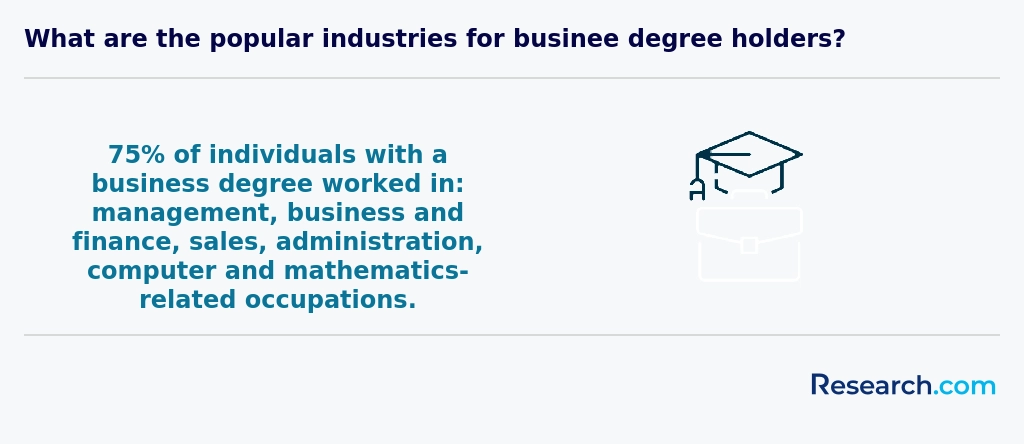
Graduates holding an online business degree in Connecticut discover vibrant career paths across finance, marketing, management, and entrepreneurship. Many find success in Hartford's robust insurance and finance sectors, excelling as financial analysts or risk management specialists. Others leverage their skills in marketing and sales, benefiting from Connecticut's proximity to New York and Boston to thrive as marketing managers or business development professionals.
Those pursuing management enjoy opportunities to lead teams and drive operational success in companies statewide, especially those who studied at popular institutions like the University of Connecticut. Graduates often express pride in applying skills like project management and organizational behavior to real-world challenges, finding satisfaction in improving workplace efficiency.
Entrepreneurial spirits flourish in cities like Stamford and New Haven, where startup incubators encourage graduates to launch new ventures with confidence. Connecticut's online business degree careers Connecticut offer flexibility and growth, inspiring students to consider low-cost graduate degrees that support their ambitions and financial goals.
The job market for online business degree graduates in Connecticut is vibrant and full of promise, reflecting strong employment opportunities across key industries like finance, insurance, manufacturing, and healthcare. Graduates from popular institutions such as the University of Connecticut and Quinnipiac University often share how their online business degree opened doors to roles in management and financial analysis, perfectly aligning with Connecticut's economic strengths.
Connecticut's business degree employment opportunities continue to grow steadily, supported by the state's reputation as a center for insurance and financial services in Hartford. Employers appreciate the adaptability and tech-savvy skills that online graduates bring, especially as businesses embrace hybrid work models. Stories from alumni highlight success in securing positions that offer competitive salaries starting around $77,000, with plenty of room for advancement.
For those exploring the best options, programs featured in the Best Online Business Degree Programs Ranking ensure affordable tuition and valuable local connections that boost career prospects. This makes pursuing an online business degree in Connecticut an inspiring choice in today's dynamic job market.
2027 Best Online Bachelor's in Business Degree Programs Ranking in Connecticut
Investing in your education is a significant decision that can shape your future, and the Research.com team understands the importance of making informed choices. To assist prospective students in Connecticut, we have meticulously crafted the "2027 Best Online Bachelor's in Business Degree Programs Ranking in Connecticut." Our commitment to quality, credibility, and accuracy is reflected in the extensive research and analysis conducted to compile this ranking.
We utilized the following reputable data sources to ensure a comprehensive evaluation of business degree programs:
By exploring this ranking, readers will gain valuable insights into the highest-quality online business degree programs in Connecticut, enabling them to make well-informed decisions about their educational investments. For more information on how this ranking was created, please visit our Research.com methodology page.
# 1 position
Charter Oak State College
Bachelor of Business Administration


# 4 position
Post University
Bachelor of Management

Frequently Asked Questions About business
Online business degree students in Connecticut can maximize their learning experience by actively engaging with virtual class discussions and networking opportunities. Connecticut's growing business sectors, such as finance and insurance, often emphasize practical skills like data analysis and strategic planning, so students should seek courses with hands-on projects. Utilizing resources from accredited institutions ensures high-quality education aligned with state economic needs. Additionally, joining local business organizations or virtual internships can connect students with Connecticut employers and real-world challenges. According to the Connecticut Department of Labor, sectors such as finance have a projected 3.2% job growth, highlighting the importance of relevant skills for career success.
The business landscape in Connecticut is evolving, with several emerging niches gaining attention in online business degrees. One key area is data analytics, driven by Connecticut's growing finance and insurance sectors that rely on data to guide decisions. According to the Connecticut Department of Labor, jobs in business analytics have grown faster than average in recent years.
Another rising field is sustainable business, reflecting increased corporate focus on environmental responsibility. Many Connecticut companies are adopting green policies, creating demand for professionals skilled in sustainable practices.
Health care management also ranks high, supported by Connecticut's expanding health care industry. Online programs often include this specialty to meet workforce needs. These niches represent viable, future-focused areas within business education for Connecticut students.
After completing an online business degree in Connecticut, graduates should focus on building practical skills and professional networks to improve job market readiness. Connecticut's business sector, including finance, insurance, and manufacturing, offers diverse opportunities but also demands strong interpersonal and technological skills, according to the Connecticut Department of Labor.
Internships and cooperative education programs, even virtually, provide valuable experience and industry contacts. Graduates can also benefit from joining local business organizations such as the Connecticut Business & Industry Association for networking and professional development.
Additionally, earning relevant certifications like Project Management Professional (PMP) or Lean Six Sigma can boost employability by demonstrating specialized knowledge.
Understanding regional salary trends can help graduates negotiate better job offers; for example, the average business analyst salary in Hartford is above the national median, as reported by the Bureau of Labor Statistics in 2023.
Employers in Connecticut prioritize a strong blend of technical and interpersonal skills in business degree graduates. According to the Connecticut Business & Industry Association, critical thinking and problem-solving rank among the top sought-after abilities. Graduates should also demonstrate proficiency in data analysis, as 62% of local employers value candidates who can interpret and utilize business data effectively.
Effective communication remains essential, particularly in remote and hybrid work settings common in Connecticut's finance and insurance sectors. Leadership and teamwork skills are also highly regarded, with 70% of hiring managers expecting new employees to contribute collaboratively from day one.
Additionally, digital literacy-including familiarity with business software and online collaboration tools-is increasingly crucial. This reflects Connecticut's growing emphasis on innovation across its diverse economy.
Finding internships in Connecticut relevant to a business degree involves a strategic approach combining online resources and local networking. Start by exploring internship portals such as Handshake and Connecticut's Department of Economic and Community Development, which list opportunities with local businesses. Connecticut's economy features strong finance, insurance, and manufacturing sectors, offering diverse internship roles for business students.
Utilizing university career services-even for online students-can connect you with internship programs affiliated with schools like the University of Connecticut. Networking through LinkedIn and business organizations, such as the Connecticut Business & Industry Association, also increases chances of securing internships. According to the Connecticut Business & Industry Association, over 60% of internships convert to job offers, making early engagement valuable.
An online business degree in Connecticut provides significant benefits for career mobility and advancement. Connecticut's economy, driven by finance, insurance, and manufacturing sectors, demands professionals with strong business skills. According to the Connecticut Department of Labor, individuals with at least a bachelor's degree in business tend to experience a 15% higher employment rate than those without.
Online degrees offer flexibility, allowing students to continue working while upgrading their skills. This flexibility supports career changes and promotions within firms, especially in urban centers like Hartford and Stamford, where many corporations are headquartered.
The accreditation standards of Connecticut's online business programs ensure graduates possess relevant skills valued by employers, enhancing professional credibility and opportunities for leadership roles.
Studying for a business degree in Connecticut offers a strong foundation tailored to interdisciplinary roles by integrating diverse fields such as finance, marketing, management, and information technology. Many programs emphasize critical thinking, communication, and problem-solving skills that are essential across industries.
Connecticut's business education often collaborates with its robust sectors, including insurance and manufacturing, exposing students to real-world applications through case studies and internships. The state's Connecticut Department of Labor reports that industries require versatile professionals capable of managing cross-functional teams.
Additionally, online business degrees commonly incorporate courses in data analytics and ethics, preparing students to navigate complex business environments. This blend equips graduates to adapt quickly and contribute in roles that intersect multiple disciplines, meeting the evolving demands of Connecticut's diverse economy.
Choosing between a thesis and a non-thesis business degree program in Connecticut involves considering your career goals and learning preferences. Thesis programs emphasize research skills and require students to complete an extensive project, suitable for those aiming for advanced studies or research roles.
Non-thesis options typically focus on practical skills through coursework and internships, ideal for students targeting immediate employment in Connecticut's diverse business sectors. According to the Connecticut Department of Labor, finance and insurance companies employ around 75,000 people statewide, highlighting opportunities where applied knowledge is valuable.
Ultimately, evaluate your readiness for in-depth research and your professional objectives when deciding the path.
Students in Connecticut seeking to study business abroad through online degree programs have several options. Many accredited U.S. universities offer online bachelor's degrees with international business concentrations, allowing students to gain global perspectives without leaving home. Some programs include virtual exchange opportunities and partnerships with overseas institutions, enhancing cross-cultural learning.
Additionally, Connecticut's strong business environment, ranked in the top 20 states for economic competitiveness by the U.S. Chamber of Commerce, supports the relevance of international business studies. Students can benefit from courses focusing on global trade, finance, and entrepreneurship tailored to Connecticut's economic context.
Resources like the Connecticut Office of Higher Education provide guidance on accredited programs, ensuring quality education aligned with U.S. standards.
Part-time job opportunities in Connecticut can effectively complement an online business degree by providing practical experience alongside academic learning. Roles such as sales associates, marketing interns, or administrative assistants are especially relevant. According to the Connecticut Department of Labor, retail and professional services sectors are among the largest employers statewide, offering numerous part-time positions where business students can build valuable skills.
Internships in finance or local startups also present opportunities for hands-on exposure to operations, management, or data analysis. Additionally, Connecticut's growing insurance and healthcare industries often seek part-time business support roles, which align with coursework in business strategy, finance, and management.
Engaging in these jobs helps students apply theory to real-world challenges and enhances their resumes for future career advancement.
Online business students in Connecticut have access to multiple networking opportunities that support their career growth. Many Connecticut universities offering online business degrees facilitate virtual networking events and webinars. These programs often partner with the state's robust business community, including industries like insurance and finance, which make up 15% of the local economy according to the Connecticut Department of Economic and Community Development (DECD).
Students can join professional organizations such as the Connecticut Business & Industry Association and participate in online forums. Additionally, colleges provide access to alumni networks and mentorship programs, helping students connect with experienced professionals across Connecticut and beyond. These resources are vital for building relationships in a competitive job market.
Alumni networks offer significant advantages to students pursuing online business degrees in Connecticut. These networks provide valuable connections to experienced professionals who understand the local business environment. According to the Connecticut Business & Industry Association, networking can lead to increased job opportunities in the state's diverse economy, including finance, healthcare, and manufacturing sectors.
Through alumni events, mentorship programs, and online platforms, students gain access to advice, internships, and job referrals. Research from the National Association of Colleges and Employers shows that 85% of jobs are filled through networking, highlighting the importance of these connections.
In Connecticut, local alumni are often influential in regional companies, making their support crucial for graduates entering competitive markets.
Customizing an online business degree program in Connecticut allows students to align their education with specific career goals. Many institutions offer elective courses and concentrations such as finance, marketing, or entrepreneurship. This flexibility helps tailor skills to industries thriving in Connecticut, like insurance and finance, which employ a large portion of the state's workforce according to the Connecticut Department of Labor.
Students can also choose experiential learning options like internships or project-based courses relevant to local businesses. Additionally, some programs provide partnerships with companies in Hartford and Stamford, two key business hubs. Selecting courses in data analytics or supply chain management can prepare graduates for Connecticut's growing sectors.
Online business students in Connecticut often face challenges related to time management and balancing their studies with work or family responsibilities. Many programs require self-discipline to keep up with coursework without the structure of on-campus classes.
Connectivity issues can also impact the learning experience, especially in rural areas where high-speed internet access is less reliable. According to the Connecticut Department of Economic and Community Development, about 10% of residents still lack adequate broadband service, which can hinder participation in live lectures or group projects.
Additionally, some students report difficulties with networking and building relationships remotely, which is critical in business education. Limited opportunities for hands-on experiences like internships can also affect skill development. Navigating financial aid and understanding state-specific regulations adds another layer of complexity for online learners.
With an online business degree, Connecticut students can pursue several valuable professional certifications that enhance career prospects. Common certifications include the Certified Public Accountant (CPA) for those focused on accounting, and the Project Management Professional (PMP) for management roles. The Certified Business Analysis Professional (CBAP) is another option that aligns with skills taught in many business programs.
Connecticut's growing finance and insurance sectors increase demand for certifications like the Financial Risk Manager (FRM) and Chartered Financial Analyst (CFA), supported by local professional organizations.
These certifications often require passing exams and meeting experience criteria, boosting credibility in competitive markets in Connecticut and beyond.
Crafting a strong application for an online business degree in Connecticut requires clear focus and preparation. Start by thoroughly researching programs accredited by recognized bodies like AACSB or ACBSP, ensuring quality education and employer recognition.
Highlight relevant work experience or internships, especially within Connecticut's thriving insurance and finance sectors, which employ over 12% of the state's workforce according to the Connecticut Department of Labor (2023). Strong letters of recommendation from industry professionals or professors can reinforce your commitment and potential.
Write a concise personal statement explaining your career goals and how the program aligns with Connecticut's business environment. Demonstrating knowledge of local market trends reflects genuine interest. Finally, ensure all transcripts and test scores meet deadlines to avoid delays in the admissions process.
The global perspective on a business career emphasizes adaptability, cultural awareness, and digital proficiency. Employers increasingly seek graduates who can navigate international markets and diverse work environments. According to the Connecticut Department of Labor, the state's business sector is expanding, with a growing focus on global trade and technology-driven markets.
Online business degree programs in Connecticut often highlight global case studies and cross-border strategies to prepare students for these trends. The U.S. Bureau of Labor Statistics projects a 7% growth in management occupations through 2031, driven in part by globalization.
This evolving landscape requires business professionals to combine traditional skills with global insights and digital tools, making an online degree from Connecticut institutions well-suited for future opportunities.
Students pursuing an online business degree in Connecticut can gain practical experience through internships offered by local companies. Connecticut hosts numerous businesses, including financial firms and manufacturing companies, making it a strategic location for industry-related work. Many universities in the state collaborate with employers to provide virtual internships, which can be completed alongside online coursework.
Additionally, students can participate in business simulations and case study projects integrated into online programs. These activities enhance real-world problem-solving skills.
Joining student-run organizations or networking groups focused on Connecticut's business landscape also offers practical learning and professional connections. The state's Department of Economic and Community Development lists resources to help students connect with local opportunities.
Choosing the right concentration within an online business degree in Connecticut starts with understanding your career goals. Business fields like finance, marketing, or supply chain management each match different industry demands. For example, Connecticut hosts many financial services firms, making finance concentrations popular for local job opportunities, according to the Connecticut Department of Labor.
Research the concentrations offered by programs and consider their alignment with Connecticut's economy. Look for programs reflecting regional strengths, such as insurance or healthcare administration, important sectors in the state's labor market.
Additionally, examine course content and faculty expertise to ensure strong academic support in your chosen concentration. Online flexibility allows you to balance study and work while focusing on an area that advances your professional aspirations within Connecticut's business landscape.
- 2027 Best Online Bachelor's in Business Degree Programs Ranking in Massachusetts
- 2027 Best Online Bachelor's in Business Degree Programs Ranking in Pennsylvania
- 2027 Best Online Bachelor's in Business Degree Programs Ranking in Maryland
- 2027 Best Online Bachelor's in Business Degree Programs Ranking in Maine
- 2027 Best Online Bachelor's in Business Degree Programs Ranking in Virginia
- 2027 Best Online Bachelor's in Business Degree Programs Ranking in Ohio
- 2027 Best Online Bachelor's in Business Degree Programs Ranking in Kentucky
- 2027 Best Online Bachelor's in Business Degree Programs Ranking in South Carolina
- 2027 Best Online Bachelor's in Business Degree Programs Ranking in Indiana
- 2027 Best Online Bachelor's in Business Degree Programs Ranking in Michigan
See What Experts Have To Say About Studying Business
Read our interview with Business experts

David Souder
Business Expert
Senior Associate Dean for Faculty and Research
Michigan State University


Ingrid S. Greene
Business Expert
Clinical Assistant Professor of Management
Loyola Marymount University

- Exploring Different Types of Business Majors https://www.ivywise.com/ivywise-knowledgebase/exploring-different-types-of-business-majors/
- 2024 Best Business Schools | How Alumni Rate Their Undergraduate Business Degrees https://poetsandquantsforundergrads.com/news/best-business-schools-alumni-rate-undergraduate-business-degrees/5/
- Is a thesis always mandatory in a master's degree program? - EFMU: The Euler-Franeker Memorial University and Institute https://euler.euclid.int/is-a-thesis-always-mandatory-in-masters-degree-program/
- Compare 13 Undergrad + 11 Grad Business Schools in Connecticut https://www.discoverbusiness.us/education/schools/us/connecticut/
- Career Goals: 17 Inspirational Examples for you in 2026 https://www.imd.org/blog/learning-and-development/career-goals/
- Best Online Business Administration Degree Programs in Connecticut | UniversityHQ https://universityhq.org/best-colleges/connecticut/online-business-administration-degrees/
- Business Programs https://www.conncoll.edu/career/job-and-graduate-school-resources/online-job-search-resources/business-programs/
- 10 Key Benefits of Part-Time Jobs for Students While Studying https://www.ue-amsterdam.com/blog/top-10-benefits-of-working-part-time-for-students-while-studying
- BUSINESS MANAGEMENT ENGLISH (THESIS / NON-THESIS) - Lisansüstü Eğitim Enstitüsü https://lee.nisantasi.edu.tr/en/business-management-english-thesis-non-thesis/
- The Biggest Challenges for Business School Students | EU Business School https://www.euruni.edu/blog/the-biggest-challenges-for-business-school-students/


