
2027 Most Valuable Business Degree Programs Ranking in Fairfax

Co-Founder and Chief Data Scientist
Choosing the right business degree program can shape your future career and success. This article introduces the 2027 Most Valuable Business Degree Programs Ranking in Fairfax, created by the Research.com team of data scientists to guide you toward the best options available locally.
By exploring this ranking, you'll gain insights into programs that offer strong value and promising outcomes. Whether you're starting your journey or considering a change, understanding these options can help you make confident, informed decisions. A business degree can open doors to exciting opportunities and growth in Fairfax's vibrant community.
Key benefits of getting business degree in Fairfax
- Business degree graduates in Fairfax can expect competitive salaries, such as a Business Development Executive earning around $83,190 annually and a Business Analyst making approximately $112,950 per year, reflecting strong financial prospects.
- Graduates from popular Fairfax colleges often explore diverse career paths, including roles in business development, analysis, and account management, offering exciting opportunities to grow and specialize in fields that match their passions.
- Choosing an online business degree from a recognized Fairfax institution provides flexibility and convenience, enabling students to balance studies with work or family while gaining the same valuable skills as in traditional programs.
- 2027 Most Valuable Business Degree Programs Ranking in Fairfax
- What can I expect from business degree in Fairfax?
- Where can I work with business degree in Fairfax?
What can I expect from business degree in Fairfax?
The average cost of pursuing a business degree in Fairfax typically ranges from $25,000 to $50,000 per year, depending on whether you attend a public institution like George Mason University or opt for a private college. Graduates often recall the initial financial investment as daunting but ultimately worthwhile, given the practical exposure and career connections gained.
Consider a typical scenario where a student immerses themselves in George Mason's experiential learning environment, balancing tuition costs with internships and local networking opportunities. These real-world experiences, tied to the Washington, D.C. business community, make the expense feel like an investment rather than a burden. Many alumni describe the blend of theoretical classes with hands-on projects as invaluable, giving them confidence to navigate job markets with resilience.
This balance between cost and opportunity challenges the assumption that only the cheapest or the most expensive options yield results. Fairfax's business programs demonstrate that careful engagement and leveraging local resources can turn tuition dollars into meaningful career momentum.
Where can I work with business degree in Fairfax?
Graduates with a business degree from institutions like George Mason University often find their careers intertwined with Fairfax's unique economic landscape. Many quickly secure roles in government-related sectors, working for giants such as Leidos or Booz Allen Hamilton, where their skills in management and finance directly influence key projects tied to national security and federal contracts. This proximity to the federal sphere isn't just a job opportunity; it's a gateway to making tangible impacts on public policy and innovation.
Other graduates pursue careers in dynamic private companies across technology, finance, and real estate. Imagine stepping into a marketing manager role at a local tech startup, leveraging both classroom knowledge and entrepreneurial spirit to drive growth in a competitive market. The vibrant SME scene in Fairfax empowers many to create or join innovative ventures, reflecting the city's entrepreneurial energy.
Business students also report fulfilling careers in the nonprofit sector, managing fundraising and community outreach for thriving local organizations. Here, the business degree transforms into a tool for social impact-a reminder that success isn't confined to corporate boardrooms but extends into shaping stronger communities.
Graduates holding a business degree in Fairfax often find themselves stepping into roles with promising earnings right from the start. For instance, those entering positions like Business Development Executives report a mean annual wage around $83,190, reflecting the strong local economy and corporate presence near institutions like George Mason University.
Moving beyond entry-level, Business Analysts-a popular career path for Fairfax business grads-achieve even more impressive salaries. With a mean annual wage of approximately $112,950 and an hourly rate of $54.30, these figures highlight the tangible benefits of specialized skills gained through programs offered by Fairfax colleges.
These salaries are not mere statistics but real outcomes experienced by graduates who have navigated Fairfax's competitive job market. The proximity to major employers such as Capital One and Booz Allen Hamilton often translates into lucrative opportunities, making the pursuit of a business degree here an investment with rewarding financial returns.
- The average annual cost for public undergraduate business programs in Fairfax ranges from $12,000 to $25,000, while private schools can exceed $40,000.
- Graduates typically start with salaries around $55,000 per year, growing to $85,000-$95,000 within five to ten years.
- Key local industries include financial services, government contracting, consulting, and technology management.
- Popular business specializations are entrepreneurship, international business, and information systems.
- Internships and networking opportunities are widely available through Fairfax universities, enhancing career prospects.
Completing a business degree in Fairfax typically takes around four years for full-time students, a timeline familiar to many pursuing their undergraduate studies at institutions like George Mason University. Graduates often recall balancing intense coursework with personal commitments, finding pride in reaching this milestone within a conventional timeframe.
However, not every journey fits this mold. Some students, motivated by career urgency or personal goals, embrace accelerated programs that shrink the timeframe to as little as three years. These paths demand discipline and relentless focus but reward students with the excitement of entering the workforce sooner.
For those juggling work or family, part-time or online options stretch completion to five or six years, a reality many Fairfax students accept with perseverance and hope, valuing the flexibility as a necessary investment in their future.
Graduate business degrees, like a full-time MBA, usually take about two years, though many local professionals extend that period over three to five years to maintain balance. The diversity of experiences here paints a vivid picture: how you approach your business education in Fairfax deeply shapes the time it takes and the pride you feel completing it.
As the business landscape continues to evolve, prospective students and industry professionals alike are keeping a close eye on emerging trends that will shape the future of business education in Fairfax, VA. Today’s curricula are increasingly integrating topics such as digital transformation, data analytics, and sustainability-not only to stay relevant with market demands but also to cultivate innovative mindsets among graduates. For instance, many top programs are now offering specialized courses in artificial intelligence, big data, and digital marketing, which equip students with the critical skills required in fast-paced industries. Moreover, the growing importance of experiential learning means that future business degree programs will likely feature expanded internship opportunities, partnerships with local businesses, and real-world consulting projects that bridge the gap between theory and practice. These initiatives not only enhance learning outcomes but also improve graduates’ marketability. Staying ahead of these trends is essential for students aiming to maximize their career potential. For more insights on how digital strategies are central to modern business education and career progression, you might consider exploring our detailed guide on the Business Marketing Degree. As the competitive job market continues to evolve, understanding and adapting to these trends will help business graduates position themselves as agile, forward-thinking professionals ready to lead the next generation of business innovation.
Many Fairfax business students find the choice between online and on-campus formats is less about convenience and more about their ideal learning environment. Graduates from George Mason University often recall how face-to-face interactions with professors and peers sparked meaningful discussions and immediate networking that helped land internships with local IT firms or government contractors.
Conversely, those who pursued business degrees online appreciate the flexibility to study after work or family time, especially from Northern Virginia Community College's programs. Their experience reflects a self-driven discipline that builds time-management skills highly valued in entrepreneurship and marketing roles.
Cost differences also shape decisions. On-campus students embrace the vibrant campus life but face higher expenses, while online learners enjoy saving on commuting and housing, though tuition fees may be comparable. Both paths offer robust preparation for Fairfax's competitive business sectors, but the choice hinges on how one values direct interaction versus adaptable scheduling in shaping their career journey.
The average cost of a business degree in Fairfax typically hovers around $14,220 for in-state students, reflecting a blend of tuition, fees, and essential expenses. Graduates from George Mason University often describe their experience as a balance between quality education and manageable costs, especially when factoring in financial aid that reduces the sticker price significantly. Many recount how public institutions offer a clear pathway to affordable yet reputable business programs, challenging the notion that costly tuition always equals better value.
Community colleges like Northern Virginia Community College provide an even more economical starting point, with tuition substantially lower than four-year universities. Students who begin at NOVA appreciate the chance to gain foundational knowledge with minimal debt before transferring. This strategy resonates well with those mindful of financial commitments, illustrating how smart decisions can influence the overall average cost of business degree in Fairfax.
Private colleges in Fairfax, however, carry much higher price tags, often exceeding $50,000 annually. Yet many business graduates from these institutions highlight the specialized programs and expansive networking opportunities that justify the expense, reflecting a personal investment in their future careers.
Understanding these nuances is crucial for any prospective student. Those aiming for a balance between cost and prestige might explore financial strategies and resources like the top online MBA Ohio programs that showcase innovative ways to access quality education without excessive financial strain.
For anyone intrigued by Fairfax business degree tuition and fees, the journey involves weighing institutional offerings, residency status, and available aid to truly grasp the real cost beneath the surface numbers.

Financial aid for business students in Fairfax often means navigating a mix of federal, state, and local resources tailored to ease the financial strain of pursuing a degree. Many students start by completing the FAFSA to unlock Pell Grants-federal awards reaching up to $7,395-that have transformed the affordability of attending public universities in Virginia.
Virginia's own Tuition Assistance Grant and state scholarships add another layer of support, especially for those enrolled in in-demand fields like business. Graduates from George Mason University recall how merit-based scholarships through the School of Business recognized their academic and leadership efforts, not only reducing costs but also boosting their confidence and campus engagement.
Beyond institutional aid, business students in Fairfax tap into private scholarships offered by local chambers of commerce and nonprofits that aim to cultivate future business leaders. Some describe the feeling of finding these scholarships as a breakthrough moment during their financial planning.
Work-study roles and employer tuition reimbursements also play crucial roles, with local companies investing in employees' education as a win-win. This blend of aid options encourages students to view financial barriers as challenges to be creatively overcome.
Enrolling in a business degree program in Fairfax isn't just about ticking boxes; it's about proving your readiness to dive into a dynamic field. Graduates from George Mason University often recall how essential having a strong academic foundation was before their first class-high school coursework in math, English, and social studies wasn't just recommended, it was expected. This grounding helped them confidently tackle foundational topics like economics and accounting right from the start.
Many have found standardized tests a flexible hurdle-some Fairfax schools no longer require SAT or ACT scores, reflecting a broader shift toward evaluating potential beyond numbers. What truly stands out, though, are personal statements and recommendations that reveal real motivation and ambition. One graduate found that sharing internship experiences in local businesses made a compelling case for admission, showing not just readiness, but passion.
Transfer students feel this too-they know submitting official transcripts and demonstrating relevant prior coursework can open doors. Fairfax's blend of community colleges and universities means your unique journey is recognized, encouraging applicants to reflect deeply on how their past prepares them for a successful business career.
When considering a business degree in Fairfax, VA, one of the most crucial decisions is choosing the right business school. This decision can significantly impact one's educational experience, career opportunities, and future success. Prospective students should research and evaluate various factors such as accreditation, program specializations, tuition costs, student support services, class size, and alumni network. For those interested in exploring top-ranked institutions, visiting the valuable business school in Virginia can provide valuable insights into the most esteemed programs in the area. By carefully assessing these factors and considering the unique needs and goals of each student, individuals can make an informed decision that sets them on a path to achieving their full potential in the business world.
Business degree programs in Fairfax thoughtfully combine foundational courses with specialized subjects that reflect the region's unique business landscape. Graduates often recall how mastering Principles of Management and Financial Accounting gave them confidence to tackle real workplace challenges during internships in local tech firms or government contractors.
Core courses like Marketing Fundamentals and Business Law sharpen practical skills, preparing students to navigate Fairfax's competitive markets and complex regulatory environment. Alumni from leading Fairfax colleges describe how courses in Economics and Statistics transformed abstract theory into actionable insights, empowering them to make data-driven decisions in fast-paced industry settings.
What sets Fairfax apart is the emphasis on region-specific topics such as government procurement and contract management. Students here frequently share stories of applying classroom knowledge directly to the federal contracting projects that dominate the local economy, fueling their enthusiasm and sense of purpose.
With growing digital transformation across Fairfax businesses, courses in business analytics and entrepreneurship ignite a spirit of innovation. These studies equip students not just with knowledge, but with the excitement of shaping emerging startups and established companies alike.

Business degree specializations in Fairfax challenge students to think beyond traditional career paths, offering focused expertise that matches the local economy's complexity. Graduates from popular universities often reflect on how choices like Finance-covering investment management and financial analysis-opened doors to high-paying roles in the Washington metro area. These specializations aren't just academic tracks; students live them through internships with Fairfax's financial firms, gaining confidence and real-world savvy.
Other concentrations like Marketing demand creative agility, as graduates describe mastering digital strategies in dynamic retail and corporate settings. Management tracks foster leadership skills prized by both government contractors and tech companies headquartered nearby. This practical, hands-on approach sets Fairfax apart, ensuring students can lead diverse teams effectively.
Fairfax business degree concentration options also include Information Systems and Entrepreneurship, where learners mingle tech insight and innovation with business acumen-key to thriving in Fairfax's tech-savvy environment. Interested students often explore the best business schools for MBA to expand their opportunities beyond undergraduate studies.
Choosing the best business degree in Fairfax means looking beyond flashy brochures and rankings. Graduates from George Mason University often share how AACSB accreditation signaled to employers that their education was rigorous and respected-something less tangible yet profoundly impactful when job hunting. Thinking deeper, specialization matters: Fairfax's dynamic sectors like government contracting and tech influence which concentrations truly open doors. Alumni frequently describe how focusing on these industries gave them a competitive edge locally.
Financially, seeking affordable business schools Fairfax VA offers can transform your study experience from a burdensome investment into an inspired pursuit. Beyond tuition numbers, real-world exposure in this region makes a difference-internships near Washington D.C. not only fund education but also shape practical skills and confidence, reflecting stories from students who thrived by blending study with work. Career services here connect learners to networks that feel like communities rather than just professional contacts.
Choosing a program also means imagining your daily classroom environment. Smaller class sizes and faculty engaged in current business trends fuel meaningful discussions and personalized mentorship, often cited by graduates who recall how these moments sparked their passion. For those uncertain about business directions, understanding career paths, perhaps even in niche roles, can be clarified by visiting resources like actuary profession explained, illuminating unexpected opportunities within a broad business education.
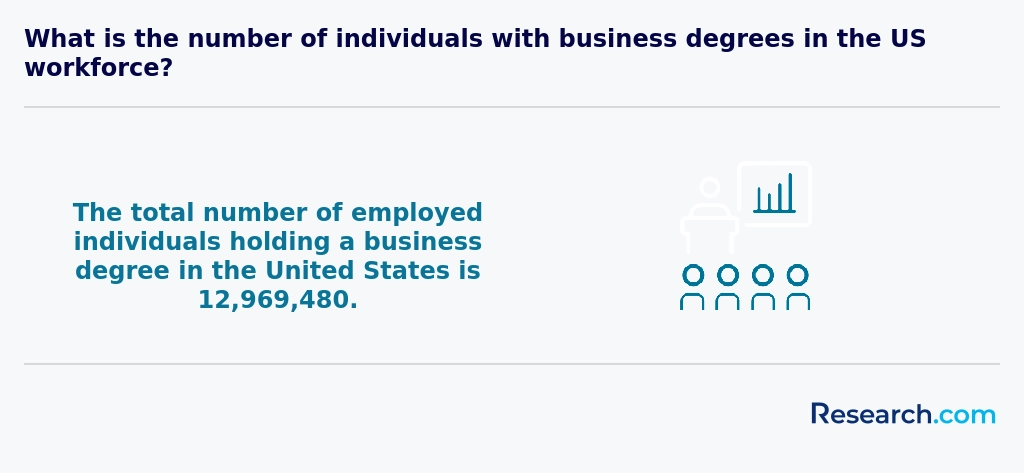
Graduates with a business degree in Fairfax often find themselves at the crossroads of multiple exciting career paths that defy conventional expectations. From financial analysts leveraging sharp quantitative skills to marketing specialists crafting compelling brand narratives, the varied roles reflect the area's robust economic fabric. Business students from well-regarded Fairfax colleges describe how their internships with local government contractors or in tech startups broadened their horizons beyond traditional corporate roles, revealing dynamic opportunities in operations management and consulting.
Exploring business degree career opportunities in Fairfax uncovers roles embedded in sectors where innovation meets strategic growth. For instance, graduates sometimes dive into human resources within firms that prioritize employee well-being and culture-a stark contrast to the stereotype of HR as purely administrative. The region's proximity to Washington, D.C. catalyzes unique experiences, allowing students practical exposure to defense contracting or supply chain logistics that challenge and hone their problem-solving capabilities.
Prospective students might also explore options beyond Fairfax through resources like business schools in Georgia with MBA programs, offering comparative perspectives on top job options for Fairfax business graduates who envision regional or national impact.
The reality for business degree graduates in Fairfax challenges assumptions about competitive job markets. Many find themselves stepping confidently into roles with government contractors or technology firms that thrive just beyond classroom walls. One graduate from a local university recalls leveraging strategic planning skills to land a contract management position within a few months of graduation, attributing success to Fairfax's vibrant economy alongside its proximity to Washington, D.C. This environment creates a compelling case for those considering business degree job opportunities in Fairfax, where internships transform theoretical knowledge into impactful real-world experience.
Fairfax business degree employment outlook remains strong, supported by median salaries for financial managers exceeding $150,000 and diverse openings in financial services and consulting. Graduates often highlight the synergy between their academic preparation and the needs of local employers-especially in project management and marketing roles influenced by the region's tech corridor. For students weighing their options, exploring a doctorate in accounting distance learning could further enhance prospects in this dynamic marketplace, helping to tailor expertise toward specialized career paths.
2027 Most Valuable Business Degree Programs Ranking in Fairfax
Investing in your education is a significant decision that can shape your career and future, and the Research.com team understands the importance of making well-informed choices. To support prospective students in Fairfax, we have meticulously developed the "2027 Most Valuable Business Degree Programs Ranking in Fairfax." Our dedication to quality, credibility, and accuracy is demonstrated by the extensive research and thorough analysis behind this ranking.
We utilized the following reputable data sources to ensure a comprehensive evaluation of business degree programs:
By exploring this ranking, readers will gain valuable insights into the most valuable business degree programs available in Fairfax, empowering them to make confident and informed decisions about their educational journeys. For more information on how this ranking was created, please visit our Research.com methodology page.

Frequently Asked Questions About business
Business degree students in Fairfax can maximize their learning experience by actively engaging with local industry networks. Fairfax's proximity to Washington, D.C., offers access to numerous internships at government agencies and private firms, which provide practical experience alongside academic study. According to the Fairfax County Economic Development Authority, sectors like technology and finance are rapidly growing, giving students opportunities to apply classroom knowledge in real-world settings.
Additionally, students should utilize campus resources such as business clubs and mentoring programs. Networking with professionals and alumni can open doors to career opportunities. Participating in case competitions and workshops also helps develop critical problem-solving skills valued by employers.
Emerging niches within the business field in Fairfax reflect broader economic trends and technological advances. Areas such as data analytics, sustainable business practices, and digital marketing are growing rapidly. According to the Bureau of Labor Statistics, jobs related to data analysis are expected to grow by 25% nationally through 2031, with Fairfax benefiting from its proximity to government agencies and tech firms.
Additionally, sustainability consulting is gaining traction as companies focus on environmental impact and social responsibility. Local organizations, including those in Fairfax County, increasingly seek expertise in green supply chain management and corporate social responsibility.
Another notable niche is e-commerce and digital marketing. With Fairfax's rising number of startups and access to digital infrastructure, skills in online brand management and social media strategy are in high demand.
Preparing for the job market after completing a business degree in Fairfax involves several key steps. First, gaining practical experience through internships is crucial; local companies like Boeing and Capital One often offer internship programs for business students. According to Fairfax County Economic Development Authority, the business sector in Fairfax has grown by 5.2% annually, increasing opportunities for graduates.
Networking is equally important. Joining local business associations, such as the Fairfax Chamber of Commerce, can connect students with professionals and potential employers. Developing strong communication and analytical skills, emphasized in Fairfax's accredited business programs, also helps graduates stand out in competitive job markets.
Finally, staying updated on industry trends and continuing education through certifications can enhance employability and career growth.
Employers in Fairfax prioritize strong communication skills in business degree graduates. Clear written and verbal communication is essential for teamwork and client relations. According to the Fairfax County Economic Development Authority, about 75% of local businesses value adaptability and problem-solving abilities highly.
Analytical skills are also crucial; graduates must interpret data effectively to make informed business decisions. The demand for proficiency in technology, particularly in data analytics and business software, continues to grow across industries in Fairfax.
Leadership and project management experience often help graduates stand out. A 2023 survey by the Northern Virginia Chamber of Commerce reported that 68% of employers seek candidates who can lead diverse teams and manage complex projects efficiently.
Finding internships in Fairfax relevant to a business degree involves a strategic approach combining local resources and networking. Fairfax is home to a number of large employers in sectors like finance, technology, and government contracting, offering many internship opportunities. According to the Fairfax County Economic Development Authority, companies such as Freddie Mac and Booz Allen Hamilton frequently provide internships that suit business students.
University career centers in Fairfax, like those at George Mason University, serve as primary hubs for internship postings and application support. Utilizing these centers can significantly increase chances of finding position openings.
Additionally, online platforms like Handshake and internships.com list local business internships tailored to college students. Engaging with professional networking events and local chambers of commerce can also lead to valuable connections and potential internships.
A business degree in Fairfax significantly enhances career mobility and advancement opportunities. According to the U.S. Bureau of Labor Statistics, professionals with business degrees often experience faster promotion rates compared to those without. Fairfax's diverse economy, which includes technology, government contracting, and finance sectors, values graduates with strong business knowledge.
Local employers frequently seek candidates with skills in management, finance, and marketing, which business programs emphasize. Additionally, networking opportunities provided by Fairfax-based universities help graduates connect with industry leaders, improving job prospects.
Data from Fairfax County Economic Development Authority highlights higher average salaries for degree holders, further underlining the value of a business education in this region.
Studying for a business degree in Fairfax offers a solid foundation for interdisciplinary roles by combining core business principles with skills from related fields such as technology, communication, and data analysis. Local programs emphasize collaboration across departments, preparing students to navigate complex, multifaceted business environments.
Fairfax's proximity to Washington, D.C., and its diverse economy-featuring government contracting, technology, and finance sectors-provides students with real-world exposure to interdisciplinary challenges. According to the U.S. Bureau of Labor Statistics, occupations requiring cross-functional skills in the Fairfax area are projected to grow by 8% through 2030, underscoring expanding demand.
Many Fairfax institutions incorporate experiential learning, internships, and case studies focused on integrative problem-solving, enhancing adaptability across business, tech, and policy domains.
Choosing between a thesis and a non-thesis business degree program in Fairfax depends on your career goals and learning preferences. A thesis program involves conducting original research and writing a detailed paper, which is ideal for students aiming for doctoral studies or research careers. Non-thesis options emphasize coursework and practical skills, suited for professionals seeking quicker entry into management or industry roles.
Fairfax's proximity to Washington, D.C. offers unique opportunities for internships and networking, which can influence your choice. According to Fairfax County Economic Development Authority, business sectors like technology and consulting are growing, favoring practical skills from non-thesis tracks.
Consider also program duration: thesis degrees may take longer due to research demands. Reviewing program specifics from local universities can clarify which aligns with your aspirations.
Students based in Fairfax who want to study business abroad have various pathways within the US higher education system. Many Fairfax institutions, such as George Mason University, offer exchange programs with international partner universities, allowing students to earn credits overseas while pursuing their business degrees. These programs often include destinations in Europe, Asia, and Latin America, providing exposure to global markets and diverse business practices.
Additionally, Fairfax students can enroll in study abroad programs organized through US universities that collaborate with institutions recognized for strong business curricula. According to the Institute of International Education, about 20% of US business students participate in such programs, gaining valuable international experience.
Financial aid options and scholarships specifically targeting business students from Fairfax are available to support these opportunities, making global study more accessible.
Fairfax offers a range of part-time job opportunities that align well with business degree studies. Positions such as administrative assistants, sales associates, and marketing interns provide practical experience in office management, customer relations, and market analysis. According to the Fairfax County Economic Development Authority, the local economy hosts diverse firms including technology, finance, and retail sectors, which value interns and part-time workers with business knowledge.
Many students find opportunities in financial services firms located near George Mason University, gaining exposure to accounting and financial planning. Local startups also seek interns for digital marketing and business development roles, which complement coursework in entrepreneurship. These part-time jobs allow students to build skills relevant for future careers in business management and strategy.
Business students in Fairfax benefit from numerous networking opportunities through local universities and professional organizations. George Mason University, the largest public institution in the area, hosts career fairs and industry-specific networking events connecting students with regional employers. According to GMU's Career Services, over 85% of business students engage in internships, boosting professional contacts.
Fairfax's proximity to Washington, D.C., enhances networking through access to national business conferences and trade associations. The Fairfax County Chamber of Commerce regularly organizes mixers and seminars, offering students chances to meet established professionals and local entrepreneurs.
Student clubs and honor societies such as Beta Gamma Sigma also facilitate connections, fostering peer relationships and mentorship within the business community.
Alumni networks significantly benefit business degree students in Fairfax by providing vital connections within the local and national business community. These networks offer mentorship opportunities, job leads, and internships, enhancing students' career prospects.
Studies show that 85% of jobs are filled through networking, which highlights the importance of strong alumni ties. In Fairfax, many universities host events connecting students with alumni working in prominent companies like Deloitte and Booz Allen Hamilton, both major employers in the region.
Access to seasoned graduates allows students to gain real-world insights and practical advice valuable for career development and entrepreneurial ventures.
Customizing a business degree program in Fairfax allows students to align their education with specific career goals. Many institutions offer concentrations or specializations such as finance, marketing, or entrepreneurship. This approach helps tailor coursework to practical skills demanded by local industries.
Students can also choose elective classes, internships, or cooperative education opportunities within the Fairfax area to gain real-world experience. According to the Fairfax County Economic Development Authority, sectors like technology and government contracting are prominent, providing relevant internship placements.
Additionally, flexible scheduling options, including evening and online classes, support working professionals aiming to advance their careers while studying.
Business students in Fairfax often face challenges balancing rigorous coursework with internships and part-time jobs. According to the National Center for Education Statistics, many students report spending over 30 hours weekly on academic commitments. The competitive local job market, influenced by proximity to Washington, D.C., adds pressure to gain relevant experience early.
Financial obstacles also affect students, as tuition rates in Virginia have risen approximately 3% annually over the past five years, impacting affordability. Navigating networking opportunities within Fairfax's evolving business sectors requires strong interpersonal skills, which some students find difficult to develop in academic settings alone.
Additionally, adaptability to emerging technologies and increasing emphasis on data analytics create a learning curve for students without prior technical backgrounds. Fairfax's diverse economy demands broad skill sets, challenging students to stay current with industry trends while completing their degrees.
With a business degree in Fairfax, you can pursue several professional certifications that boost your career prospects. Popular options include the Certified Public Accountant (CPA) for accounting professionals and the Project Management Professional (PMP), highly regarded in various industries. The Certified Financial Planner (CFP) and Chartered Financial Analyst (CFA) designations are also valuable for finance-focused graduates.
Local employers in Fairfax often seek candidates with certifications, as reported by the Fairfax County Economic Development Authority, noting a 15% increase in demand for certified professionals since 2020.
Choosing the right certification depends on your specific career goals and industry interests.
Writing a winning application for a business program in Fairfax begins with understanding the local academic landscape. Fairfax hosts several respected institutions such as George Mason University, known for its robust business curriculum and connections to the D.C. metropolitan economy. Applicants should highlight relevant work experience, leadership skills, and community involvement, as admissions committees value practical business acumen alongside academic achievements.
It is important to tailor your personal statement to emphasize how Fairfax's dynamic economy, which includes over 2,300 business establishments per the U.S. Census Bureau, aligns with your career goals. Providing clear examples of teamwork and problem-solving enhances your profile.
Be sure to prepare strong letters of recommendation from academic or professional mentors familiar with your skills. Additionally, maintain a competitive GPA, generally above 3.0 for local business schools, to increase your chances. Lastly, prepare thoroughly for any required standardized tests like the GMAT or GRE, as these scores remain a critical part of many Fairfax-area business program applications.
The global perspective on a business career emphasizes the increasing importance of cross-cultural skills and international market understanding. According to the U.S. Bureau of Labor Statistics, business management jobs are growing by 8% nationally through 2031, with Fairfax reflecting similar trends due to its proximity to government agencies and multinational corporations.
Fairfax's business degree programs often include global business courses, reflecting the need for graduates to navigate international trade and global supply chains effectively. Institutions here align curricula with global standards, preparing students for careers that extend beyond U.S. borders.
The World Economic Forum highlights that adaptability and digital literacy are essential for future business leaders, relevant to Fairfax's tech-driven economy. This global outlook strengthens the career prospects for local students in a competitive market.
Gaining practical experience while studying for a business degree in Fairfax is essential for career readiness. Many local universities, such as George Mason University, offer cooperative education programs and internships that connect students with businesses in the Washington metropolitan area. According to the Fairfax County Economic Development Authority, the region hosts over 30,000 businesses, providing ample internship opportunities in sectors like technology, finance, and consulting.
Students often participate in case competitions, student-run investment funds, or consulting projects facilitated by their schools. These experiences help develop real-world skills and professional networks. Additionally, attending local business events or networking groups can expand practical knowledge and career contacts.
Choosing the right concentration within a business degree program in Fairfax involves aligning your interests with local industry demands. Fairfax's economy emphasizes sectors like technology, government contracting, and finance, making concentrations in information systems, public administration, or financial management valuable. According to the Fairfax County Economic Development Authority, tech jobs grew by 7% in recent years, highlighting IT-related business fields.
Assess your career goals and research which business specializations employers in Fairfax seek most. Many universities offer guidance counselors to help integrate personal strengths with market needs. Additionally, review course offerings and internship opportunities linked to Fairfax businesses for practical experience.
Reviewing alumni outcomes and regional employment data from sources such as the Virginia Employment Commission can further inform your concentration choice.
- 2027 Most Valuable Business Degree Programs Ranking in Arlington
- 2027 Most Valuable Business Degree Programs Ranking in Washington
- 2027 Most Valuable Business Degree Programs Ranking in Baltimore
- 2027 Most Valuable Business Degree Programs Ranking in Lynchburg
- 2027 Most Valuable Business Degree Programs Ranking in Virginia Beach
- 2027 Most Valuable Business Degree Programs Ranking in Newark
- 2027 Most Valuable Business Degree Programs Ranking in New York
- 2027 Most Valuable Business Degree Programs Ranking in Brooklyn
- 2027 Most Valuable Business Degree Programs Ranking in Raleigh
- 2027 Most Valuable Business Degree Programs Ranking in Bronx
See What Experts Have To Say About Studying Business
Read our interview with Business experts

Ingrid S. Greene
Business Expert
Clinical Assistant Professor of Management
Loyola Marymount University


David Souder
Business Expert
Senior Associate Dean for Faculty and Research
Michigan State University

- Online and Traditional Business Degrees Comparison | Free Essay Example https://studycorgi.com/online-and-traditional-business-degrees-comparison/
- Jobs after studying business administration: opportunities at a glance | JobTeaser https://www.jobteaser.com/en/advices/jobs-after-studying-business-administration-opportunities-at-a-glance
- Online Degree vs. Traditional: Choosing the Right Path https://beal.edu/online-degree-vs-traditional/
- Top 10 Skills Employers Seek in Business Graduates in 2026 https://www.ibat.ie/blogs/top-10-skills-employers-seek-in-business-graduates-in-2026
- Skills Employers Look for in Business Graduates – EU Business School https://www.euruni.edu/blog/skills-employers-look-for-in-business-graduates/
- Niche Business Ideas: A Guide to Profitable Niche Business Selection - Inar Learn https://inarlearn.com/niche-business-ideas-a-guide-to-profitable-niche-business-selection/
- Business Administration at Fairfax University of America https://www.uniflik.com/study-abroad-universities/Fairfax-University-of-America/courses/Business-Administration-10016854
- 2024 Best Business Schools | How Alumni Rate Their Undergraduate Business Degrees https://poetsandquantsforundergrads.com/news/best-business-schools-alumni-rate-undergraduate-business-degrees/5/
- Global careers, real impact: building your career with an international business degree | University of East London https://www.uel.ac.uk/blog/global-careers-real-impact-building-your-career-international-business-degree
- 9 Different Types of Business Degrees and Career Paths https://www.umassglobal.edu/blog-news/9-different-types-business-degrees-and-career-paths


