2027 Most Valuable Business Degree Programs Ranking in Raleigh

Co-Founder and Chief Data Scientist
Choosing the right business degree program can shape your future career and open exciting opportunities. This article introduces the 2027 Most Valuable Business Degree Programs Ranking in Raleigh, created by the Research.com team of data scientists to guide students like you in making smart, informed decisions.
By exploring this ranking, you'll discover programs that offer strong value and potential for success. Earning a business degree is a powerful step toward building your skills, confidence, and professional network in Raleigh's vibrant community.
Key benefits of getting business degree in Raleigh
- Business degree graduates in Raleigh can earn competitive salaries, with roles like Business Development Executives making around $83,190 annually and Business Analysts earning about $112,950 per year.
- Graduates from local institutions often pursue diverse careers, including marketing, finance, and consulting, offering rewarding growth opportunities in Raleigh's dynamic business environment.
- Online business degrees provide flexibility and allow students to balance work and study effectively, making it easier to gain practical experience while earning a respected credential from a recognized Raleigh university.
- 2027 Most Valuable Business Degree Programs Ranking in Raleigh
- What can I expect from business degree in Raleigh?
- Where can I work with business degree in Raleigh?
What can I expect from business degree in Raleigh?
The average cost of earning a business degree in Raleigh can vary quite a bit, but many students find public universities like North Carolina State University offer a more budget-friendly option. In-state tuition at places like NC State's Poole College of Management tends to be noticeably more affordable, making it easier to manage without stacking up debt. Out-of-state students usually pay more, but there are plenty of scholarships and financial aid avenues that grads often talk about as real game-changers to lighten the load.
Graduates often mention how the value of their education balances out the cost-thanks to strong connections with local companies like IBM and Lenovo, internships and job opportunities are plentiful. Many say the real-life experience they gained through consulting projects or co-ops was worth every penny, helping them step confidently into the job market without the guesswork.
So, while price tags vary, Raleigh's mix of accessible tuition and solid career prospects makes the investment feel smart and doable for many business students around here.
Where can I work with business degree in Raleigh?
If you're studying business in Raleigh, chances are you'll find plenty of exciting job options right here in the city. Graduates from places like NC State and Meredith College often land roles in finance companies-think big names like Fidelity Investments, where skills in accounting and business management really shine. It's pretty common to hear how grads easily transition into these finance gigs because Raleigh's financial sector is booming.
Lots of classmates I know also jump into tech firms like Red Hat or IBM. They're not just coding; they're handling business analytics, project management, or marketing-helping shape how cool new products get to market. The city's energy around startups also pulls many into launching their own business or working in local incubators where support is solid and the vibe is encouraging.
And don't overlook healthcare or nonprofits. Graduates find roles managing operations at places tied to UNC REX or Duke Health, or handling budgeting and strategy for local nonprofits or government agencies. The variety is great; it feels like no matter what part of business you're into, Raleigh's got a spot for you.
If you're studying business in Raleigh, you're walking into a pretty promising salary scene. Graduates from well-known schools around here often start in roles like business development executive, where the average annual salary clocks in at about $83,190. That's a solid paycheck right out of college, especially when paired with Raleigh's reasonable cost of living.
Some graduates dive into business analyst positions, which pay even better - the average salary here is around $112,950 per year. Imagine working on exciting projects at Research Triangle Park startups or established companies, using your skills to solve real problems and getting paid handsomely for it.
A lot of business grads from Raleigh universities find it encouraging to see their earnings grow quickly. Starting with entry-level roles paying $50K-$65K and, within a few years, moving up to mid-level management making $70K to $95K, thanks to opportunities in tech, finance, and healthcare sectors flooding the area.
Choosing business in Raleigh doesn't just mean great academics; it means stepping into a local job market ready to reward your hustle with competitive pay and room to grow.
- Tuition for business degrees in Raleigh ranges from $7,000 to $10,000 per year at public universities and $20,000 to $35,000 at private institutions.
- Additional costs such as housing, books, and fees can add several thousand dollars to the total expenses.
- Entry-level business graduates in Raleigh earn an average salary of around $50,000 per year.
- With five to ten years of experience, salaries commonly increase to between $75,000 and $100,000 annually.
- Raleigh's job market is strong in industries like technology, healthcare, and finance, providing good employment opportunities for business graduates.
- The unemployment rate for business majors in Raleigh is lower than the national average, supported by nearby Research Triangle Park's extensive job offerings.
If you're thinking about a business degree in Raleigh, most grads from places like North Carolina State University or Meredith College tell you it usually takes about four years. That's the typical full-time timeline for a bachelor's, packed with classes in everything from marketing to finance. Some go the faster route though, juggling summer courses or heavier loads to wrap up in three years-definitely intense but doable if you're motivated.
For those eyeing an MBA, it's usually one to two years full-time, but Raleigh also offers part-time or online options that stretch two to three years, perfect if you're working while studying. Community college grads often start with a two-year associate degree at spots like Wake Technical Community College, then transfer credits to speed up their bachelor's. It's all about finding the right balance that fits your life and goals here in Raleigh's business education scene.
When considering a business degree, it's essential to evaluate the program's value, especially in a state like North Carolina, which boasts a thriving economy and a high demand for skilled business professionals. Investing in a business education from a reputable institution can significantly impact one's career prospects and financial stability. For those interested in pursuing a business degree in North Carolina, particularly in cities like Raleigh, researching and identifying a valuable business school is crucial. This involves looking into factors such as the school's reputation, accreditation, curriculum, faculty expertise, and networking opportunities. Prospective students can visit valuable business school in north carolina to find comprehensive rankings and reviews of business schools in the state, helping them make informed decisions about their educational investments. By choosing a valuable business school in North Carolina, students can position themselves for success in the competitive job market, equipped with the skills, knowledge, and network necessary to thrive in their chosen careers.
If you're looking at business degrees in Raleigh, the biggest difference between online and on-campus programs often comes down to how you want to experience college life. On-campus programs at places like North Carolina State University or Meredith College mean you'll be walking into classrooms, joining study groups, and chatting with professors face-to-face. Many grads say that the energy of being on campus and attending local career fairs helped them build connections that landed internships and jobs around the Research Triangle.
On the flip side, online business degrees give you way more flexibility. You can study from home or wherever your schedule takes you, which is perfect if you're juggling work or family. Students often mention loving the freedom to complete coursework whenever it fits their day. The cost tends to be about the same or a bit cheaper than campus programs, which is a nice bonus.
One thing to keep in mind: on-campus programs offer a vibe and networking opportunities tied closely to Raleigh's busy business scene, while online classes lean on virtual platforms and alumni networks. So it really depends on how you want to learn and connect.
Getting a business degree in Raleigh usually costs around $48,000 in total, which covers tuition and other essentials over the course of the program. For in-state students, the price is friendlier, about $17,500, making it easier to manage financially while still enjoying the vibrant campus life at places like North Carolina State University or Campbell University. Many graduates mention how worth it the investment feels when looking back at the career doors their Raleigh business degree helped open.
Of course, those tuition numbers don't tell the whole story. When calculating the total expenses for business degree Raleigh 2027, you should also factor in fees, books, and your living costs. For instance, students often find themselves budgeting an extra $1,200-$2,000 annually for student fees, around another $1,200 for textbooks, and roughly $11,000 to $13,000 for housing and day-to-day stuff. These details might feel like a juggling act, but with some planning, it's totally doable.
Many local students also explore scholarship options and financial aid, especially at private schools, making tuition easier on their wallets. Whether you're studying full-time, part-time, or online, Raleigh has flexible programs that fit different lifestyles. If you want to check out some of the most practical schools, it's worth looking into the valuable business school in north carolina to find a perfect fit that matches your goals and budget.
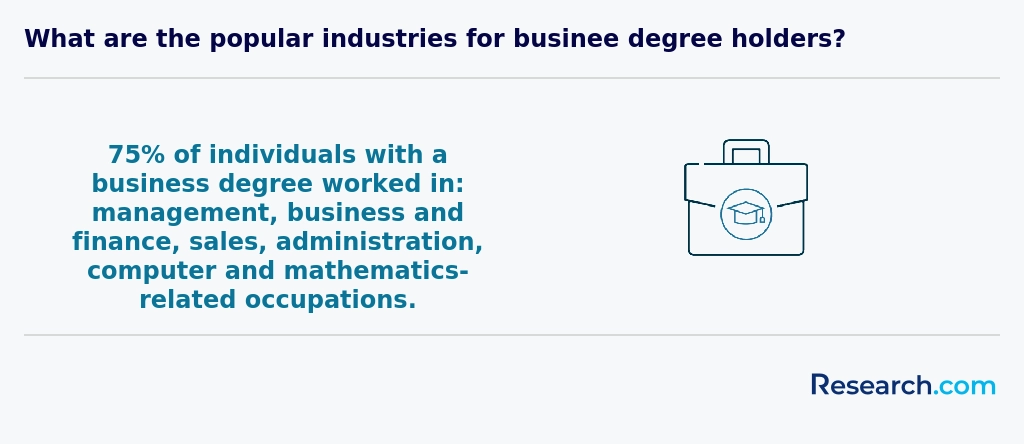
Investing in a business degree in Raleigh, NC, requires a clear understanding of the return on investment (ROI) to ensure your educational expenses translate into long-term career and financial gains. On average, the total cost of a four-year bachelor’s program in Raleigh ranges from $50,400 to $52,400 in tuition alone, while median starting salaries for business graduates hover around $65,000 annually. This equates to a payback period of roughly 9–12 months post-graduation, assuming full-time employment and average living expenses. For students weighing on-campus and online options, comparing tuition rates and earning projections is critical in maximizing ROI. Beyond raw earnings, factors such as scholarship opportunities, work-study programs, and accelerated curricula can further shorten the break-even timeline. Financial aid packages and merit scholarships often reduce total debt by 15–30%, while dual-degree and accelerated tracks can shave one academic year off the standard timeline, enhancing lifetime earnings potential. For budget-conscious students considering flexible formats, our Affordable Online Business Degree Programs Ranking in the West provides insight into high-ROI online options that combine lower tuition with robust career support. When evaluating ROI, also consider non-monetary returns: networking through local internships, mentoring programs, and alumni associations can accelerate promotions and salary increases. Raleigh’s thriving Research Triangle offers internships at leading firms like SAS and Red Hat, where students often convert summer projects into full-time offers. Factoring in these experiential learning opportunities alongside tuition and salary data provides a holistic view of ROI, empowering you to choose the business program that delivers the strongest long-term benefits.
If you're aiming for a business degree in Raleigh, there's quite a bit of financial aid out there that can make your journey easier. For starters, federal aid like the Pell Grant is a lifesaver since it doesn't need to be paid back, and lots of local business students rely on it to cover part of their tuition. Filling out the FAFSA opens doors to these grants, loans, and work-study jobs, which many find handy for handling daily expenses while gaining experience.
State scholarships, like the North Carolina Need-Based Scholarship, are great if you're a resident. Plenty of students at places like North Carolina State University or Meredith College have gotten campus scholarships that reward their hard work and leadership-things you can totally aim for.
Plus, the Raleigh business community is surprisingly supportive with external scholarships and internship opportunities through groups like the Chamber of Commerce. Many grads say combining these resources made a huge difference, helping them focus on classes instead of stressing over cash.
Loans are an option too, but smart students usually go for grants and scholarships first to avoid big debt later on.
One of the key factors that can enhance the overall value of a business degree is the strength of the alumni network and the career support services provided by the institution. A robust alumni network not only offers mentorship and professional guidance but also opens doors to exclusive networking events, internships, and job opportunities. Students who invest in programs with active and engaged alumni communities often find that these connections play a decisive role in securing quality employment after graduation. Universities in Raleigh, NC, are increasingly emphasizing career services that include dedicated job placement centers, resume workshops, and career fairs designed to bridge the gap between academics and the professional world. Many institutions also partner with local businesses to host industry-specific panel discussions and networking mixers, ensuring that current students receive immediate access to current market trends and potential career paths. For instance, some campuses provide one-on-one counseling sessions with career advisors who can help students refine their job search strategies, set up informational interviews, and even secure shadowing opportunities with successful alumni. These initiatives not only build confidence but also deliver practical insights into what employers expect in today’s competitive job market. Moreover, prospective students can explore additional resources, such as easiest business degrees, to compare support structures and understand the unique benefits offered by different programs. By capitalizing on these career support services and tapping into a well-connected alumni network, students can significantly enhance their post-graduation career prospects and ensure a smoother transition into the workforce.
If you're thinking about enrolling in a business degree program here in Raleigh, you'll want to have your high school diploma or GED ready-that's the basic ticket in. Most Raleigh schools ask for at least a decent GPA, usually around 2.5 to 3.0, and some still look at your SAT or ACT scores. But, heads up, many schools are shifting to test-optional policies, which makes things a bit less stressful.
Graduates from local universities often share how completing courses like algebra, geometry, and even introductory business classes before applying helped them feel confident and prepared. If you're coming in as a transfer or eyeing a graduate program, expect to show some relevant college-level courses and maybe take the GMAT or GRE, although many Raleigh programs now waive these if you have solid work experience.
Besides academics, schools here love seeing your personality shine through essays and recommendations-it's your chance to tell why business excites you. Raleigh's vibrant campuses really value that personal touch, making the whole process feel more like a conversation than just a checklist.
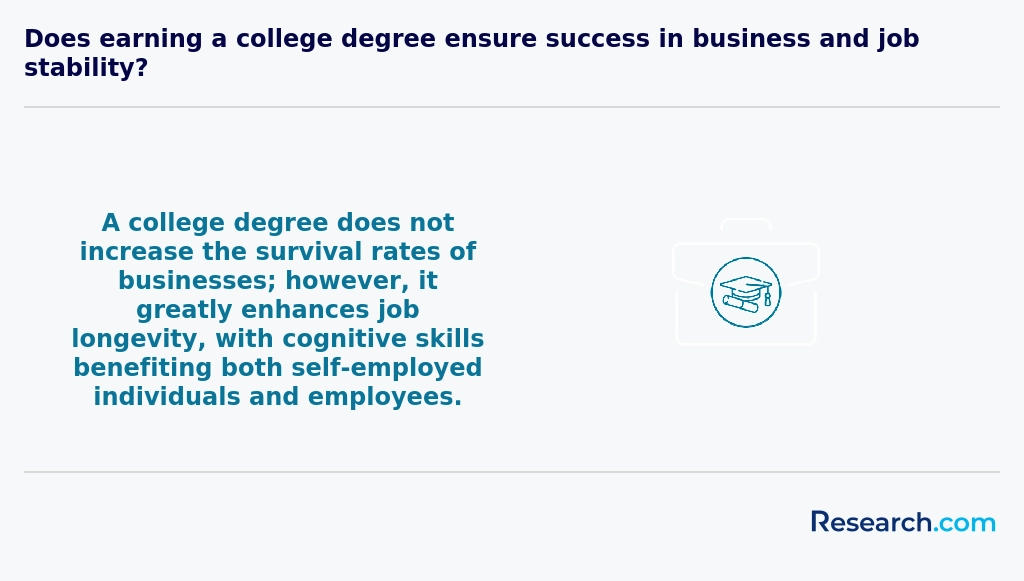
A thorough return on investment (ROI) analysis can help you weigh the total cost of a business degree in Raleigh, NC against the potential earnings and career growth you’ll achieve. By comparing tuition, fees, and living expenses with average graduate salaries and advancement opportunities, you can make a data-driven decision that aligns with your financial goals.
• Upfront Costs vs. Earnings: Calculate the total cost of a bachelor’s or master’s program-including tuition, fees, and housing-and compare it to the median starting salaries for roles like Business Analyst ($108,790) and Project Manager ($80,220). Estimate your payback period by dividing total debt by expected annual income after graduation.
• Financial Aid Impact: Factor in scholarships, grants, and work-study earnings to reduce your net investment. Leveraging institutional and federal aid can shorten your payback period and improve long-term ROI.
• Career Advancement and Salary Growth: Analyze industry trends in Raleigh’s key sectors-technology, healthcare, and finance-to project salary trajectories over 5–10 years. Positions in healthcare management, for instance, are projected to grow by 32% through 2030, often commanding higher mid-career wages.
• Alternative Pathways: Consider cost-effective graduate options such as the cheapest aacsb accredited online mba no gmat if you plan to pursue an advanced degree. Online formats can offer flexibility and lower per-credit rates, further enhancing ROI.
• Non-Monetary Benefits: Account for networking, mentorship, and skill development opportunities that translate into intangible gains-expanded professional networks, leadership experience, and industry certifications can accelerate promotions and salary increases.
Integrating these factors into your decision-making process ensures that you invest in a program that not only fits your budget but also maximizes your career potential in Raleigh’s dynamic business landscape.If you're diving into a business degree in Raleigh, expect to tackle courses that cover all the essentials plus a little extra local flavor. At places like NC State's Poole College of Management, grads often talk about how classes like Principles of Management really helped them understand what it takes to lead a team and keep things running smoothly.
You'll also get hands-on with Financial Accounting, where you learn how to track money in and out - super useful whether you're managing a startup budget or just personal finances. Marketing Fundamentals is another favorite, breaking down how to connect with customers and understand what makes them tick.
Many students rave about how courses in Business Law and Business Ethics brought real-world challenges right into the classroom - think negotiating contracts or deciding what's right in tricky situations. And with Raleigh's booming tech and healthcare sectors, schools throw in specialized options like data analytics and entrepreneurship, so you're ready for the city's job market.
The mix of core subjects and those local specialties gives you the tools and confidence to jump in and make a mark in Raleigh's vibrant business scene.
If you're exploring business degree specializations in Raleigh, you'll find plenty of exciting options designed to match the city's booming industries. Graduates from local universities often talk about how focusing on Finance gave them the skills to thrive in Raleigh's growing banking and tech startup world. Others found Marketing perfect for tapping into the city's vibrant advertising scene, learning everything from digital campaigns to consumer psychology.
Many students dive into management concentrations, discovering leadership and strategic planning that fits perfectly with Raleigh business management concentration options available at popular colleges. Entrepreneurship is another hot pick, with grads sharing how their courses helped them launch startups inspired by the city's innovative vibe.
For those curious about less traditional paths, specializations like Supply Chain Management and Business Analytics offer hands-on skills that align with Raleigh's expanding manufacturing and tech sectors.
If you're still deciding, check out this list of easiest business degrees for a smoother start.
Picking the best business degree programs Raleigh has to offer means looking beyond just the school name. Graduates often share how valuable it was to choose programs with strong accreditation, like those at North Carolina State University, which carry weight with employers thanks to AACSB recognition. That kind of credibility opens doors after graduation.
It also helps to think about what kind of specialization floats your boat-whether it's marketing, supply chain, or entrepreneurship-because Raleigh's schools often have lots of options. Many grads found that hands-on experiences, like internships through local companies in Research Triangle Park, made their resumes pop and gave them real-world confidence.
For those hunting affordable business colleges in Raleigh, comparing tuition is key. Public universities usually come in around $9,000 a year, while private ones can be pricier. Plus, financial aid can soften the hit. If you want flexibility, some grads loved taking evening or hybrid classes so they could juggle work and study. And if you're interested in an option that's both respected and budget-friendly, you might check out the cheapest aacsb accredited online mba no gmat around.

If you're exploring business degree career opportunities in Raleigh, you'll find plenty of paths waiting for you. Graduates from local colleges often step into roles like financial analysts or accountants thanks to the city's strong banking scene. Others dive into marketing and sales, especially with Raleigh's buzzing tech startups where creative minds really get to shine. Many grads also land management spots, handling projects or operations at well-known companies around the Research Triangle.
Some smart grads use what they learned at Raleigh's universities to launch their own startups, tapping into the city's supportive entrepreneurial vibe. The area's logistics and supply chain sector is another hotspot with steady openings. It's inspiring to see that practical experience through internships really ups your chances here - many stories from local students highlight how these real-world gigs turned into full-time jobs.
If you want to check out affordable programs in the region, don't miss the Affordable Online Business Degree Programs Ranking in the West for great options to keep costs low.
The business degree job market Raleigh offers is buzzing with opportunities thanks to the city's strong economy and its spot in the famous Research Triangle. Graduates from places like North Carolina State University often find themselves stepping right into roles as financial analysts, marketing managers, or operations experts. Many recent grads share stories about landing internships that turn into solid jobs, thanks to Raleigh's mix of tech firms and established corporations like IBM and Red Hat.
Raleigh business degree employment outlook is also bright because the city is home to financial giants such as Bank of America and Truist Financial. This means plenty of chances for graduates to dive into careers in banking or digital marketing, especially with the growing need for skills in data analysis and supply chain management. Plus, the overall cost of living here is lower than in other big metros, making it easier for newcomers to settle in and thrive.
Students often wonder about balancing costs and benefits, and luckily, local universities offer great programs-some even with strong networking perks. For those looking for a quicker path into this scene, checking out the fastest online associates degree options can be a smart move to jumpstart your career without a huge time commitment.
2027 Most Valuable Business Degree Programs Ranking in Raleigh
Investing in your education is a significant decision that can shape your future, and the Research.com team understands the importance of making informed choices. To assist prospective students in Raleigh, we have meticulously crafted the "2027 Most Valuable Business Degree Programs Ranking in Raleigh." Our commitment to quality, credibility, and accuracy is reflected in the extensive research and analysis conducted to compile this ranking.
We utilized the following reputable data sources to ensure a comprehensive evaluation of business degree programs:
By exploring this ranking, readers will gain valuable insights into the most valuable business degree programs available in Raleigh, empowering them to make well-informed educational decisions. For more details on our methodology, please visit our Research.com methodology page.


Frequently Asked Questions About business
Business degree students in Raleigh can maximize their learning by engaging with the city's strong economic and educational environment. Raleigh, part of the Research Triangle, hosts over 300 companies in tech, healthcare, and finance, providing ample internship opportunities that complement classroom knowledge. Students should seek internships or cooperative education programs to gain practical experience and professional networking.
Local universities like North Carolina State University offer access to entrepreneurship centers and business incubators, encouraging hands-on projects and innovation. Additionally, students benefit from attending industry events and joining business-related student organizations to develop leadership and communication skills.
According to the U.S. Bureau of Labor Statistics, Raleigh's business sector is growing faster than the national average, making experiential learning essential for career readiness in this competitive market.
The business field is constantly evolving, and several emerging niches are gaining traction in Raleigh, reflecting broader industry trends. One rapidly growing area is data analytics and business intelligence. Companies in Raleigh increasingly seek professionals skilled in interpreting big data to drive strategic decisions, supported by local tech growth.
Sustainable business practices are another key niche, as more organizations commit to environmental responsibility. Knowledge in sustainability management is becoming vital for future business leaders.
The rise of healthcare administration also presents opportunities due to Raleigh's expanding medical sector, with hospitals and health startups requiring specialized managerial expertise.
Finally, e-commerce and digital marketing remain critical, boosted by shifts in consumer behavior and Raleigh's growing startup ecosystem. According to the Raleigh Economic Development office, these sectors have shown consistent job growth over the past five years.
Preparing for the job market after completing a business degree in Raleigh involves several strategic steps. Graduates should leverage local resources such as the Research Triangle Park, which hosts over 300 companies, offering ample internship and networking opportunities (Research Triangle Regional Partnership, 2023). Building strong connections through Raleigh's numerous business networking events and career fairs can improve job prospects.
It is important to develop practical skills like data analysis, digital marketing, and financial management, which are highly demanded by Raleigh employers according to the North Carolina Department of Commerce.
Additionally, many Raleigh universities provide career counseling and resume workshops tailored for business students, which can enhance interview readiness. Maintaining an active LinkedIn profile and engaging with local business groups can also increase visibility to recruiters in this competitive market.
Employers in Raleigh highly value business degree graduates who possess strong analytical and problem-solving skills. According to the Raleigh Chamber of Commerce, 78% of local employers prioritize candidates capable of data-driven decision making. Communication skills, both written and verbal, are essential, as businesses in the Research Triangle collaborate across diverse teams and industries.
Leadership and teamwork abilities are also frequently requested. A report by the North Carolina Department of Commerce highlights that 65% of Raleigh businesses seek graduates who can manage projects and lead groups effectively. Additionally, proficiency with technology, especially Microsoft Excel and business intelligence software, is increasingly important in this tech-driven job market.
Finding business-related internships in Raleigh involves leveraging local resources and understanding the city's economic landscape. Raleigh is part of the Research Triangle, known for its growing business sector including finance, technology, and healthcare industries, which offer multiple internship opportunities.
Students should start by contacting their college career centers, which often maintain partnerships with Raleigh businesses and post internship listings tailored to business majors. Additionally, online platforms like Handshake and Internships.com list thousands of openings specific to the Raleigh area.
Networking plays a critical role. Joining local professional groups such as the Raleigh Chamber of Commerce or attending events hosted by the North Carolina Technology Association can connect students directly with employers.
According to the U.S. Bureau of Labor Statistics, internship participation improves employment outcomes, making early engagement important for business students.
Obtaining a business degree in Raleigh significantly enhances career mobility and advancement opportunities. The city's growing economy, driven by sectors like technology, finance, and healthcare, offers diverse roles requiring business expertise. According to the U.S. Bureau of Labor Statistics, professionals with business degrees often see salary increases of 10-15% compared to those without.
Local employers value skills gained through business programs such as management, finance, and marketing, leading to higher chances for promotions. Research from the Raleigh Chamber of Commerce highlights that individuals with advanced business education are 30% more likely to move into leadership roles. This trend underscores the degree's role in opening doors to mid- and upper-level positions.
Furthermore, business degrees from Raleigh institutions often provide networking opportunities with local companies, fostering connections that aid career growth. Many programs include internships or cooperative education, which studies show boost job placement rates by up to 40% within the region. These benefits make a business degree a strong investment for those targeting career progress in Raleigh's competitive job market.
Studying for a business degree in Raleigh equips students with skills essential for interdisciplinary roles by blending core business knowledge with exposure to technology, healthcare, and finance sectors. Raleigh's strong job market, supported by the Research Triangle Park, offers diverse internship opportunities that foster real-world experience across industries. Programs often incorporate data analytics, project management, and communication skills, responding to employer demands for versatile professionals. According to the U.S. Bureau of Labor Statistics, interdisciplinary roles in Raleigh's business and technology sectors are growing faster than the national average, highlighting the importance of adaptable education. This local ecosystem encourages collaboration across fields, preparing graduates for fluid, multi-industry careers.
When choosing between a thesis and a non-thesis business degree program in Raleigh, consider your career goals first. A thesis program focuses on research and often suits those aiming for academic or analytical roles, including potential PhD studies. Raleigh's growing job market in finance and technology values research skills highly, as reported by the Raleigh Chamber of Commerce in 2023.
The non-thesis track emphasizes practical skills and coursework, which can be more suitable for professionals seeking to advance quickly in management or corporate settings. This option often requires fewer credit hours and allows faster completion, which is ideal in Raleigh's competitive business environment.
Evaluate faculty expertise, curriculum flexibility, and opportunities for internships, especially given Raleigh's connections to industries like banking and IT. Understanding these differences will help align your program choice with your professional aspirations.
Students in Raleigh pursuing business degrees have multiple options to study abroad through their home institutions. Many local universities, including North Carolina State University and nearby Duke University, offer study abroad programs tailored to business majors. These programs provide opportunities ranging from short-term summer courses to full semester exchanges.
According to NAFSA: Association of International Educators, about 10% of US business students participate in study abroad programs, with popular destinations in Europe and Asia. Raleigh students benefit from partnerships that allow credit transfer, ensuring that study abroad enhances rather than delays degree completion.
Additionally, scholarship programs specifically targeting business students exist to help offset costs. Programs often incorporate international internships, which provide practical experience alongside academic study. This practical exposure is valuable in preparing Raleigh students for global business challenges.
Raleigh offers a variety of part-time job opportunities that align well with business degree studies, providing practical experience alongside academic learning. Positions such as administrative assistants, sales associates, and marketing interns are common in the city's growing corporate and startup sectors.
Raleigh's low unemployment rate of about 3.4% (U.S. Bureau of Labor Statistics, 2024) reflects a strong job market, particularly in the finance, healthcare, and technology industries, which seek students with business acumen.
Additionally, roles in customer service and office management help students develop essential skills like communication, organization, and problem-solving, crucial for business careers.
Raleigh offers abundant networking opportunities for business students, connecting them with industry leaders and local entrepreneurs. The city is part of the Research Triangle, known for its strong economy and vibrant startup ecosystem. According to the Raleigh Chamber of Commerce, over 100 business networking groups and events take place annually, providing students chances to build professional relationships.
Universities like North Carolina State University host business mixers, career fairs, and alumni events specifically designed for business majors. Additionally, organizations such as the Raleigh Business & Professional Network promote monthly meetings that encourage collaboration and mentorship.
Overall, Raleigh supports robust, localized networking avenues tailored to business students aiming to enter dynamic markets.
Alumni networks play a crucial role for business degree students in Raleigh by providing access to professional connections and career opportunities. Graduates from Raleigh's business programs often join active networks that include local industry leaders and entrepreneurs. According to the Greater Raleigh Chamber of Commerce, these connections can lead to internships, job placements, and mentorship programs tailored to the city's growing economy.
Many alumni actively participate in events and workshops, offering students practical advice and insights into the regional job market. Networking through alumni helps students navigate Raleigh's competitive business landscape more effectively.
Such networks also foster collaboration, which is valuable for students interested in startups or innovative ventures within Raleigh's vibrant business community.
In Raleigh, students can customize their business degree programs by selecting concentrations that match their career goals, such as finance, marketing, entrepreneurship, or supply chain management. Many universities, including North Carolina State University, offer flexible curricula allowing electives or minors that align with specific industries prominent in the Raleigh area like technology and healthcare.
Internships and cooperative education opportunities with local businesses are often encouraged, providing practical experience in high-growth sectors. According to the Research Triangle Regional Partnership, Raleigh's unemployment rate was around 3.2% in early 2024, reflecting strong job prospects for business graduates with relevant skills and experience.
Students can also engage in networking events or business clubs to connect with professionals, enhancing their career readiness and local industry knowledge.
Business students in Raleigh often face several challenges common to many U.S. urban centers but with local nuances. One significant hurdle is balancing rigorous coursework with internship and networking opportunities, which are crucial in a competitive job market. Raleigh's growing business ecosystem, including the Research Triangle Park, offers many internships, but competition remains intense, especially in tech and finance sectors (N.C. Department of Commerce, 2023).
Another challenge is managing the cost of education alongside living expenses. Although Raleigh offers a lower cost of living compared to major cities, tuition and fees for business programs can still be substantial, requiring many students to seek financial aid or part-time employment.
Finally, students may struggle to find tailored mentorship and career guidance specific to Raleigh's diverse business industries, which range from biotech to financial services. Access to specialized advising is key for navigating this complex market.
With a business degree, graduates in Raleigh can pursue several respected professional certifications that enhance career prospects and skill sets. Common options include the Certified Public Accountant (CPA) for those focused on accounting, and the Project Management Professional (PMP), valued across industries for managing complex projects.
Other notable certifications include the Certified Management Accountant (CMA) and the Chartered Financial Analyst (CFA), both of which focus on financial expertise. According to the Raleigh Chamber of Commerce, finance and accounting roles have grown by 8% in recent years, underscoring the demand for such credentials locally.
Additionally, business graduates may consider certifications in human resources such as the SHRM Certified Professional (SHRM-CP), which supports careers in personnel management.
Crafting a strong application for a business program in Raleigh starts with thorough research of the universities' specific requirements. Many Raleigh institutions seek evidence of leadership, analytical skills, and community engagement. Highlight your involvement in local business events or Raleigh's growing startup ecosystem, which, according to the Raleigh Chamber of Commerce, contributes significantly to the regional economy.
Focus on writing a clear personal statement that aligns your career goals with the program's strengths, such as entrepreneurship or finance. Use quantitative achievements, like internships or GPA, to demonstrate your academic readiness. Including recommendations from professionals familiar with Raleigh's business environment can further strengthen your submission.
The global perspective on a business career emphasizes adaptability and cultural awareness, essential traits in today's interconnected economy. A business degree from Raleigh's institutions prepares students to understand international markets and diverse economic systems.
According to the U.S. Bureau of Labor Statistics, global business competencies increase employment opportunities, especially in cities like Raleigh, where local businesses often engage in international trade. In 2023, Raleigh ranked among the top 10 U.S. metro areas for economic growth, highlighting a vibrant job market for business graduates with a global outlook.
Many programs in Raleigh incorporate global case studies and internships, helping students gain real-world international experience. This prepares graduates to compete in multinational corporations or innovative startups focusing on global expansion.
Students pursuing a business degree in Raleigh can gain practical experience through internships offered by the city's thriving business community. Raleigh is part of the Research Triangle, a hub for technology, finance, and healthcare companies, which regularly provide internship opportunities for business students. Many universities in the area, including North Carolina State University, partner with local businesses to facilitate internships that allow students to apply classroom knowledge in real-world settings.
Additionally, cooperative education (co-op) programs combine academic study with paid work experience. Participating in student organizations such as marketing clubs or business fraternities also helps develop leadership and teamwork skills. According to the Raleigh Chamber of Commerce, over 70% of local businesses prefer hiring graduates with internship experience, highlighting its importance when entering the job market.
Choosing the right concentration within a business degree program in Raleigh depends on both your career goals and local industry trends. Raleigh's economy is strong in technology, finance, and healthcare, which suggests concentrations like information systems, finance, or healthcare management may offer better job prospects. According to the Raleigh Chamber of Commerce, finance and tech sectors have grown by over 7% annually in recent years.
Consider your skills and interests, and research faculty expertise at Raleigh institutions. Also, check internship opportunities in the Triangle area to gain practical experience relevant to your chosen concentration. Programs often offer specializations in areas such as marketing, supply chain management, or entrepreneurship, reflecting regional business demands.
- 2027 Most Valuable Business Degree Programs Ranking in Greensboro
- 2027 Most Valuable Business Degree Programs Ranking in Winston-Salem
- 2027 Most Valuable Business Degree Programs Ranking in Lynchburg
- 2027 Most Valuable Business Degree Programs Ranking in Charlotte
- 2027 Most Valuable Business Degree Programs Ranking in Virginia Beach
- 2027 Most Valuable Business Degree Programs Ranking in Spartanburg
- 2027 Most Valuable Business Degree Programs Ranking in Arlington
- 2027 Most Valuable Business Degree Programs Ranking in Washington
- 2027 Most Valuable Business Degree Programs Ranking in Baltimore
- 2027 Most Valuable Business Degree Programs Ranking in Savannah
See What Experts Have To Say About Studying Business
Read our interview with Business experts

David W. Stewart
Business Expert
Emeritus President's Professor of Marketing
Loyola Marymount University


David Souder
Business Expert
Senior Associate Dean for Faculty and Research
Michigan State University

- Total Cost & Scholarships At P&Q's Top-Ranked Business Schools https://poetsandquantsforundergrads.com/financing/total-cost-scholarships-at-pqs-top-ranked-business-schools/
- What is the future of bachelor’s degrees in business? https://www.amba-bga.com/insights/what-is-the-future-of-bachelors-degrees-in-business
- Business Administration Degree Salary | UE Amsterdam https://www.ue-amsterdam.com/blog/business-administration-degree-salary-how-much-can-you-earn
- Making Business Graduates Work-Ready by Cultivating Their Durable Skills | IntechOpen https://www.intechopen.com/chapters/1220304
- Success Stories: Achieving Your Dreams with an Online Business Degree https://lakewood.edu/online-business-degree-success/
- 2025 Most Affordable Online Business Degrees in North Carolina https://www.onlineu.com/degrees/business/north-carolina
- 55 Trending Business Ideas for 2025 and Beyond https://www.uschamber.com/co/start/business-ideas/top-trending-business-ideas
- Networking Tips for Business Students and MBA Candidates - Cyprus West University https://www.cwu.edu.tr/networking-tips-for-business-students-and-mba-candidates/
- Global careers, real impact: building your career with an international business degree | University of East London https://www.uel.ac.uk/blog/global-careers-real-impact-building-your-career-international-business-degree
- The Biggest Challenges for Business School Students | EU Business School https://www.euruni.edu/blog/the-biggest-challenges-for-business-school-students/