
2027 Most Popular Business Degree Programs Ranking in Florida

Co-Founder and Chief Data Scientist
Choosing the right business degree program in Florida can shape your future success. This article introduces the 2027 Most Popular Business Degree Programs Ranking in Florida, created by the Research.com team of data scientists. It offers clear insights to help you find programs that truly fit your goals.
Exploring this ranking will empower you to make informed decisions and discover opportunities that enhance your career potential. A business degree opens doors to diverse industries and exciting challenges. Dive in to explore programs that could transform your ambitions into reality.
Key benefits of getting business degree in Florida
- Business degree graduates in Florida can earn competitive salaries, such as a Business Analyst with a mean annual wage of $112,950 and a Business Development Executive earning about $83,190 yearly.
- Graduates from popular Florida colleges often explore diverse careers, including roles in business analysis, sales, and management, giving them the flexibility to find a path that fits their interests and goals.
- Online business degrees offer the advantage of flexibility and convenience, allowing students from Florida to balance work, family, and studies while gaining valuable skills and earning a respected credential.
- 2027 Most Popular Business Degree Programs Ranking in Florida
- What can I expect from business degree in Florida?
- Where can I work with business degree in Florida?
What can I expect from business degree in Florida?
The average cost of pursuing a business degree in Florida varies widely depending on the type of institution and residency status, but many students find it manageable due to the state's affordable tuition rates, especially at public universities and community colleges. Graduates from prominent schools report that tuition at a state university can range from around $20,000 to $30,000 per year for in-state students, with private colleges often costing more. However, scholarships, financial aid, and work-study options help ease this financial burden significantly.
Many business students share experiences of balancing internships offered through their university's connections with part-time jobs, making real-world business environments accessible without overwhelming debt. For example, students attending universities known for strong business programs appreciate how integrated cooperative education opportunities add value beyond classroom instruction, leading to feelings of confidence and optimism about their future careers. The blending of affordability with practical exposure creates an encouraging pathway for ambitious students eager to thrive in Florida's vibrant economy.
Where can I work with business degree in Florida?
Graduates from business programs at Florida State University or the University of Miami often find themselves thriving in financial hubs like Miami or Tampa, where roles in banking, investment, and insurance continue to expand. Many describe the excitement of contributing to Miami's growing status as a gateway for Latin American finance, enjoying vibrant networking events and dynamic work environments.
Others pursue careers in healthcare administration, drawn by Florida's immense healthcare sector fueled by its retiree population. Alumni from the University of Central Florida share stories of managing operations at large hospital systems, finding rewarding stability alongside opportunities for innovation in healthcare management.
Entrepreneurial graduates fueled by education from the University of Florida often launch startups in Florida's booming tech scenes, particularly in Tampa Bay and Miami, where increased venture capital flows support fresh business ideas. This sparks excitement and confidence in shaping future markets.
Additionally, tourism and hospitality outlets throughout Orlando attract business graduates eager to apply marketing and management skills in fast-paced, people-centered careers, making work both challenging and fulfilling.
Graduates with a business degree from Florida's top institutions often find themselves stepping into roles with promising salary prospects. For example, business development executives typically earn around $83,190 annually, reflecting the value employers place on skills gained at schools like the University of Florida or Florida State University. Many recent grads recall landing entry-level positions quickly, eager to apply their knowledge in dynamic Florida markets.
Business analysts in the state earn even more, with mean annual wages near $112,950. Graduates from colleges in Miami or Tampa often share stories of how internships and networking helped them secure these high-paying roles in urban business hubs. These figures signal substantial earning potential, especially as Florida's economy grows and diversifies.
While some roles don't have precise data yet, emerging trends suggest that acquiring specialized knowledge-combined with Florida's vibrant business environment-can lead to rewarding careers. These financial incentives motivate many students to pursue advanced business studies and seek leadership opportunities sooner rather than later.
- In-state tuition for business degrees at public universities in Florida ranges from $6,000 to $15,000 per year.
- Private colleges in Florida typically charge over $25,000 annually for business programs.
- Community colleges offer business associate degrees or certificates at under $4,000 per year for in-state students.
- Starting salaries for business graduates in Florida range from $45,000 to $55,000 per year.
- Mid-career business professionals can earn between $70,000 and $90,000 annually, depending on their role and industry.
- Florida offers strong job opportunities in finance, tourism, healthcare administration, international trade, and real estate sectors.
Completing a business degree in Florida usually takes about four years for full-time students attending popular universities like the University of Florida or Florida State University. Graduates often recall navigating a structured schedule of eight semesters, balancing demanding coursework with vibrant campus life. Some found that enrolling in accelerated programs at schools like the University of Miami cut their study time to around three years by taking extra credits or attending summer sessions, which brought a thrilling sense of fast-tracked achievement.
Others, especially those juggling jobs or family commitments while studying business at community colleges such as Miami Dade College, stretched their degrees over six years or more. These students share a rewarding experience of pacing their education to fit real-life demands-feeling confident that flexible part-time options do not compromise their goals.
For graduate students pursuing MBAs in Florida, timelines vary from two years full-time to up to four years for evening or online formats, making it easier to integrate studies with professional growth. This adaptability fosters excitement about earning a degree without pausing one's career journey.
To truly excel in a business degree program in Florida-and translate your academic efforts into a rewarding career-it’s essential to adopt strategies that enhance learning, networking, and professional development. Start by engaging actively in class and seeking out real-world projects that align with your interests. Building a robust professional network through internships, mentorships, and campus events can open doors to exciting opportunities and foster lasting relationships in the industry. Additionally, consider supplementing your education with targeted certifications; for instance, you may explore Best Online Business Certificates to Advance Your Career, which can enhance your resume and make you stand out in a competitive job market. Embrace the versatility of both traditional classes and online learning platforms to refine skills such as strategic thinking, digital literacy, and leadership. By combining academic rigor with extracurricular involvement and continuous skill development, you position yourself to not only meet but exceed industry expectations and achieve long-term professional success.
Graduates from Florida's top business schools, like the University of Florida and Florida State University, often reflect on how the on-campus experience sparked valuable connections. Sitting in lively classrooms, attending career fairs, and collaborating face-to-face with peers helped them build networks that led directly to internships and job offers. The vibrant campus atmosphere made learning feel immediate and engaging, giving a strong sense of community and support.
Conversely, many online business students in Florida embrace the freedom to study around their busy lives. With tools like recorded lectures and virtual discussions, they balance coursework alongside jobs or family responsibilities. A graduate from a Florida college recalls finishing assignments late at night yet feeling empowered by the flexibility and self-paced structure, which traditional classrooms rarely allow.
Looking ahead, the gap between these formats may blur as virtual reality and enhanced online platforms evolve. Florida students might soon enjoy immersive networking events and richer digital interactions that rival campus life, making business education both accessible and deeply connected regardless of location.
The average cost of a business degree in Florida reflects a balance between quality education and affordability, with median in-state total expenses around $13,920. Graduates from public universities like the University of Florida and Florida State University often share stories of investing wisely in their education, appreciating how in-state tuition helps make their business degrees accessible while still benefiting from strong academic reputations. These programs typically combine tuition, fees, and living expenses into a manageable total, making them attractive options for students seeking value.
For those considering private colleges, the financial commitment can be higher, but many students find the personalized attention and smaller class sizes worth the investment. Community colleges, meanwhile, offer an excellent gateway with lower upfront costs that allow newer students or those balancing work and studies to progress affordably toward a business degree. These paths highlight the growing flexibility for prospective students thinking about the average cost of business degree in Florida without sacrificing quality or opportunity.
As future trends lean toward cost transparency and diverse funding options, more students report feeling empowered to plan for their educational expenses. Many explore scholarships and financial aid to mitigate costs, enhancing their ability to pursue careers with confidence. Prospective students interested in the most affordable business schools in Florida benefit especially from current insights into total expenses for business degree programs Florida, which help demystify the financial commitment involved and inspire informed decision-making.
When evaluating business degree programs in Florida, affordability is a crucial factor to consider. Prospective students should research the costs associated with each program, including tuition, fees, and living expenses. To make informed decisions, it's essential to weigh these costs against the potential return on investment, considering factors like career prospects, salary potential, and growth opportunities. For those looking to minimize expenses, exploring the most affordable business schools in Florida can be a strategic starting point. By understanding the financial implications of their educational choices, students can better navigate the path to a successful and fulfilling career in business.
Business students in Florida often find relief through a mix of grants, scholarships, and loans tailored to their needs. Graduates from the University of Florida recall how the Florida Bright Futures Scholarship significantly eased tuition burdens, allowing them to focus more on coursework than finances. Similarly, at Florida State University, many appreciated the Federal Pell Grant, which offered need-based support without the pressure of repayment.
State-specific aid like the Florida Student Assistance Grant (FSAG) frequently sustains full-time students facing financial challenges, especially those attending institutions like the University of Miami or the University of Central Florida. Scholarships aimed at underrepresented groups or specialized business fields, such as marketing or finance, add another layer of support; these often come from both universities and professional organizations passionate about cultivating future leaders.
Beyond traditional aid, graduates mention the growing value of work-study positions and employer tuition assistance programs, especially for part-time or online business students balancing jobs and education. Such opportunities not only defray costs but also provide practical experience, enriching their academic journey in the dynamic Florida business landscape.
Calculating the return on investment (ROI) for a business degree in Florida helps prospective students balance tuition costs against potential earnings. On average, Florida graduates see a payback period of 5–7 years when comparing median starting salaries-around $55,000-to total program costs of $12,600–$13,100. To maximize value: • Compare Total Costs vs. Expected Earnings – Bachelor’s Degree: $12,600–$13,100 tuition over eight semesters – Average Starting Salary: $55,000–$65,000 – Break-even: Approximately 5–6 years • Factor in Salary Growth – Project Manager: $80,220 median annual wage – Business Analyst: $108,790 median annual wage – 10-year career earnings can exceed $900,000 • Leverage Affordable Pathways – In-state tuition rates and community college transfers reduce costs – Accelerated online master’s programs often offer lower per-credit rates-see our Inexpensive Online Master’s in Business Degree Programs Ranking in Orange Beach, AL for benchmarking • Consider Financial Aid Impact – Scholarships, grants, and assistantships can cut net costs by up to 50% – Federal aid and payment plans ease upfront expenses By quantifying both expenses and earnings over time, you can identify which Florida business programs deliver the strongest ROI and align with your long-term financial goals.
Enrolling in a business degree program in Florida usually means meeting a set of evolving prerequisites designed to prepare students for dynamic careers. Most applicants start with a high school diploma or GED and a solid foundation in core courses like math and English, which graduates from University of Florida often recall as vital groundwork for their advanced studies.
Standardized tests like the SAT or ACT remain common requirements, though some Florida colleges are embracing test-optional admissions. This shift allows students who shine through strong essays or interviews-often emphasizing leadership or entrepreneurial spirit-to gain entry without traditional scores. At universities like Florida State, this has opened doors for passionate students who demonstrate business savvy through innovative projects or community involvement.
Prospective students preparing to apply should also be ready to provide official transcripts and meet residency criteria if aiming for in-state tuition, which makes a huge financial difference. Transfer students often reflect on how maintaining a GPA of 2.5 to 3.0 in relevant courses helped secure spots in competitive programs at institutions such as the University of Central Florida.
These evolving prerequisites reflect a forward-looking approach in Florida's business education-balancing academic rigor with a holistic view of student potential and adaptability in a rapidly changing economic landscape.

Assessing the return on investment (ROI) is critical for prospective students weighing the cost of a Florida business degree against long-term earnings. With average undergraduate tuition ranging from $12,600 to $13,100 and graduates reporting an entry-level salary of approximately $80,369, most students recoup their investment within three to four years of full-time employment. Factoring in living expenses, internship stipends, and potential scholarships can accelerate this payback period, especially for those who secure assistantships or merit-based awards during their studies. Beyond salary data, ROI also reflects career growth potential. For example, a graduate who transitions from a $50,000 entry-level role to a $100,000 mid-career position in five to seven years effectively doubles their investment value. Networking opportunities, on-campus career services, and industry partnerships at Florida institutions further enhance earning trajectories by facilitating high-impact internships and mentorships. For graduates seeking to boost their ROI through advanced credentials, exploring accelerated paths can yield significant rewards. Enrolling in the shortest mba program online allows business professionals to obtain a master’s degree in less time, minimize tuition outlays, and command higher salaries sooner-often leading to executive-level roles that amplify both financial and career outcomes.
Business degree programs in Florida typically include foundational courses like Principles of Management and Financial Accounting, which many graduates from the University of Florida describe as eye-opening in understanding how organizations function daily. They often recall projects simulating leadership decisions or balancing company books, sparking excitement about real-world applications.
Courses like Marketing Fundamentals and Business Law are popular at institutions such as Florida State University, where students engage in case studies that reflect Florida's dynamic markets and legal frameworks, making the learning both relevant and engaging. Electives like International Business give a forward-looking edge, especially given Florida's connection to Latin America, allowing students to envision opportunities in global trade hubs.
Graduate students at schools like the University of Miami appreciate the advanced focus on Strategic Management and Technology Management, often working on internships with local companies, which fuels a feeling of readiness and confidence to innovate in diverse economic landscapes. This learning blend perfectly aligns with Florida's evolving business environment.
Business degree specializations in Florida increasingly reflect the state's dynamic economy and its role as a global trade hub. At popular institutions like the University of Florida and Florida State University, graduates often find themselves drawn to fields such as Accounting and Finance, which remain fundamental for entering thriving sectors like real estate, banking, and auditing. Many students express excitement about the practical skills gained through Marketing and Entrepreneurship tracks, especially with Florida's booming tourism market and vibrant startup ecosystem.
Florida business degree program options also cater to emerging industries, with Supply Chain Management evolving rapidly due to the state's strategic logistics position. International Business is another compelling specialization, offering students the chance to engage directly with cross-border trade, which is becoming more relevant as Florida solidifies its economic ties worldwide. Graduates from these programs often share how specialized coursework helps them feel confident navigating complex business landscapes.
For students aiming to complement their studies with focused credentials, exploring the Best Online Business Certificates to Advance Your Career can be a strategic next step, enhancing their qualifications and employability in Florida's competitive markets.
Choosing the best business degree in Florida means looking beyond just reputation-graduates from top institutions like the University of Florida rave about the sense of community and hands-on projects that prepare them for real-world challenges. When considering your options, think about how affordable business schools Florida balance cost with quality; many students find that public universities provide strong programs without overwhelming debt. Aligning your degree with future career ambitions is vital-graduates specializing in marketing or supply chain management at Florida International University describe feeling empowered by curriculum tailored to Miami's dynamic international trade scene.
Flexibility is increasingly important as working professionals pursue their education; the emergence of online, part-time, and evening classes in Florida opens doors for students to learn without sacrificing their job or lifestyle. Many appreciate internship opportunities near urban centers like Tampa and Orlando, where practical experience fuels confidence and job readiness. For those eager to accelerate their path, exploring the shortest mba program online can provide faster entry into the competitive business market.
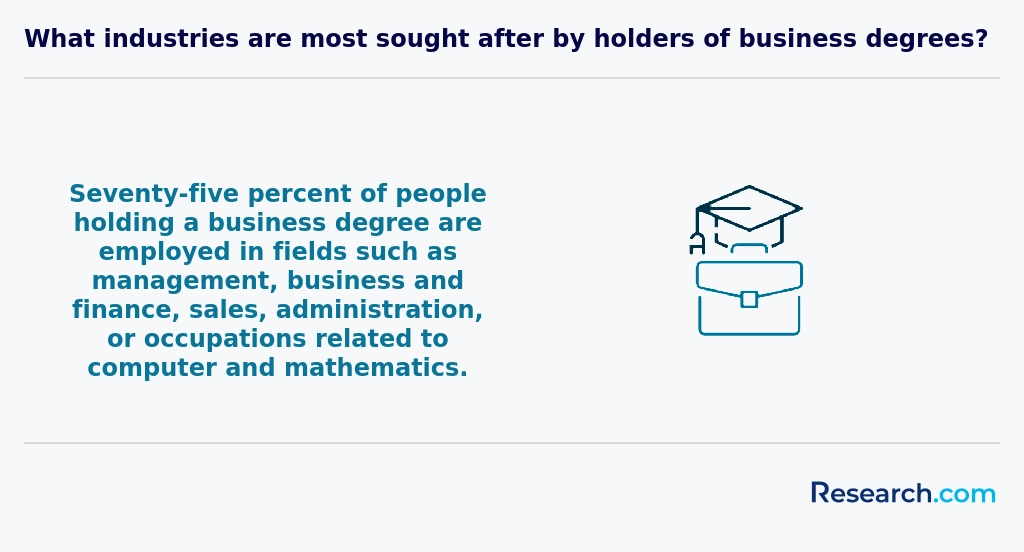
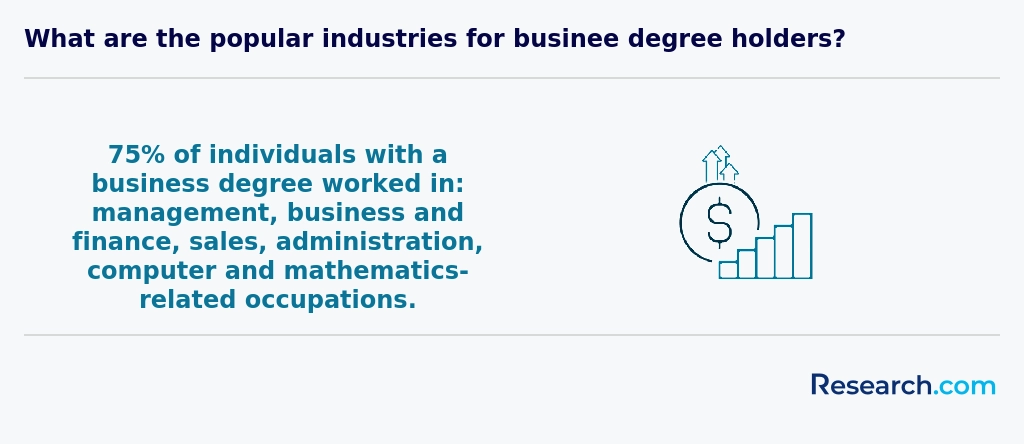
Graduates with a business degree in Florida can anticipate diverse career paths fueled by the state's dynamic economy and growing industries. Many find rewarding roles in corporate management, where they leverage skills honed at institutions like the University of Florida to lead teams and shape strategy, experiencing the satisfaction of tangible business impact. Finance careers, from accounting to financial analysis, thrive due to Florida's status as an international trade hub, attracting graduates eager to navigate global markets and banking sectors.
Marketing and sales opportunities continue to expand, especially in tech-oriented cities such as Miami and Tampa, where graduates from Florida State University apply innovative digital marketing techniques to real-world projects. Entrepreneurship also stands out as a promising path, supported by resources like the Florida Small Business Development Center Network. Many Florida business students share inspiring stories of launching startups, encouraged by curricula that emphasize leadership and innovation, demonstrating the vibrant business degree career opportunities in Florida.
For those considering affordability alongside career potential, exploring Inexpensive Online Master's in Business Degree Programs Ranking in Orange Beach, AL can offer practical options without compromising future prospects.
Graduates with a business degree in Florida find themselves in a dynamic job market fueled by the state's diverse economy. Popular universities like the University of Florida and Florida State University produce alumni who enter fields such as financial services in Miami or healthcare administration driven by the state's aging population. Networking events often bring students face-to-face with local employers actively seeking fresh talent. Leveraging internships in real estate and marketing helps many new graduates secure competitive roles, reflecting the strong Florida business degree career outlook.
Business students often share stories of landing positions in marketing or sales roles linked to Florida's booming tourism industry, feeling optimistic about their career trajectories. The state's relatively affordable tuition compared to national averages encourages more students to pursue advanced credentials, enhancing job prospects. Many also explore certificates that make money to stand out and adapt to evolving industry demands, ensuring they remain competitive as the job landscape changes.
2027 Most Popular Business Degree Programs Ranking in Florida
Investing in your education is a significant decision that can shape your future, and the Research.com team understands the importance of making informed choices. To assist prospective students in Florida, we have meticulously created the "2027 Most Popular Business Degree Programs Ranking in Florida." Our commitment to quality, credibility, and accuracy is demonstrated through extensive research and analysis behind this ranking.
We utilized the following reputable data sources to ensure a comprehensive evaluation of business degree programs:
By exploring this ranking, readers will gain valuable insights into the most popular and high-quality business degree options available in Florida, empowering them to make well-informed educational choices. For more details on our methodology, please visit our Research.com methodology page.


Frequently Asked Questions About business
Business degree students in Florida can maximize their learning experience by engaging deeply with Florida's diverse economic landscape. Internships and cooperative education programs offer valuable practical experience, especially in sectors like tourism, international trade, and finance, where Florida excels. According to the Florida Department of Economic Opportunity, tourism and trade contribute over 20% of the state's GDP, providing abundant opportunities for hands-on learning.
Students should also leverage networking events hosted by Florida's numerous chambers of commerce and business associations. Connecting with local entrepreneurs and industry professionals expands knowledge beyond the classroom.
Participating in student organizations focused on business and entrepreneurship can develop leadership skills and teamwork. Additionally, Florida's public universities emphasize data analytics and technology integration in business curricula, areas critical for today's job market, as highlighted by the National Center for Education Statistics.
Utilizing campus resources like career counseling and business labs further supports academic and professional growth in this competitive field.
Emerging niches within the business field in Florida reflect wider national trends influenced by technology and sustainability. One growing area is data analytics, which combines business knowledge with data science to help organizations make informed decisions. According to the Florida Department of Economic Opportunity, jobs in this sector are expected to grow by over 15% through 2030.
Another niche gaining traction is green business and sustainability management. With Florida's vulnerability to climate change, companies increasingly seek professionals skilled in environmentally responsible practices. Universities in Florida are responding with specialized courses and degrees.
Healthcare management also stands out due to Florida's large aging population. This field focuses on efficient administration of medical services, an aspect critical in the state's growing healthcare market.
After earning a business degree in Florida, preparing effectively for the job market is vital to leverage regional opportunities. Florida's diverse economy-including tourism, international trade, and healthcare-demands tailored skills. Graduates should focus on internships and networking, particularly through local chambers of commerce and professional business organizations such as the Florida Small Business Development Center Network.
Understanding labor market trends is also crucial. According to the Florida Department of Economic Opportunity, employment in management and business occupations is projected to grow 7.5% through 2030, outpacing many other sectors. This highlights the importance of gaining relevant skills in data analysis, digital marketing, and financial management.
Additionally, certifications like Project Management Professional (PMP) or Certified Public Accountant (CPA) can enhance employability. Utilizing university career centers and attending job fairs statewide can also connect graduates with Florida-based employers seeking business professionals.
The demand for business degree graduates in Florida emphasizes both technical and soft skills. Employers highly value strong analytical abilities, as data-driven decision-making is crucial across industries in the state. According to the Florida Department of Economic Opportunity, skills in financial analysis and market research are especially sought after.
Communication skills, including teamwork and leadership, rank prominently. Florida's growing sectors, such as tourism and international trade, often require graduates to collaborate effectively and manage diverse teams. Furthermore, proficiency in digital tools like Excel, CRM software, and basic coding enhances job prospects.
Adaptability and problem-solving are essential, reflecting the dynamic Florida economy influenced by global trends. The National Association of Colleges and Employers reports that these skills consistently top employer preferences nationwide, which aligns with Florida's business environment.
Finding internships in Florida relevant to a business degree involves tapping into multiple resources. Many Florida colleges and universities offer career services that connect students with local companies in finance, marketing, and management sectors. For example, the University of Florida and Florida State University maintain extensive internship databases tailored for business majors. Additionally, platforms like Handshake are widely used across campuses to list internship opportunities. Florida's diverse economy, including tourism, real estate, and international trade, offers a broad range of business-related internships.
According to the Florida Department of Economic Opportunity, internships are increasingly available in growing metropolitan areas like Miami and Tampa, where business jobs are expanding.
Networking through local chambers of commerce and attending business events is another effective way to uncover opportunities. Students should also consider reaching out directly to companies in sectors like banking, consulting, and technology, which are strong in Florida's economy.
Obtaining a business degree in Florida significantly improves career mobility and advancement prospects. Florida's diverse economy, which includes key sectors like tourism, finance, and international trade, demands professionals with strong business skills. According to the Florida Department of Economic Opportunity, business and financial operations occupations grew by 7.5% from 2019 to 2023, indicating rising employment opportunities for degree holders.
A business degree provides essential knowledge in management, marketing, and finance, which employers value highly. Graduates often qualify for higher-paying roles and leadership positions more quickly than those without formal education. The University of Florida's Warrington College of Business notes that Florida graduates report a 15% average salary increase within five years of earning their degree.
Moreover, many Florida companies prefer recruiting from in-state universities due to familiarity with regional market conditions. This regional connection can enhance networking and career advancement prospects locally.
Studying for a business degree in Florida equips students with a strong interdisciplinary foundation essential for today's dynamic job market. Florida's universities emphasize integrating business principles with fields like technology, healthcare, and environmental studies. This approach reflects the state's diverse economy, ranking fourth largest in the US with sectors such as tourism, international trade, and healthcare driving growth (U.S. Bureau of Economic Analysis, 2023).
Business programs often include coursework in data analytics, communication, and ethics, preparing graduates for complex decision-making roles. Collaborative projects and internships offered in Florida's business schools foster practical skills across different industries. According to the Florida Department of Education, over 65% of business graduates find roles in interdisciplinary teams within their first year. This reflects the value Florida employers place on versatile business knowledge combined with sector-specific expertise.
Choosing between a thesis and a non-thesis business degree program in Florida depends on your career goals and learning preferences. Thesis programs require conducting original research and writing a detailed paper, ideal for students planning to pursue doctoral studies or research-oriented careers.
Non-thesis programs focus more on coursework and practical skills, appealing to professionals seeking faster completion and immediate job-market readiness. According to the National Center for Education Statistics, many Florida universities offer both options in business degrees, catering to diverse student needs.
Consider your interest in research, available time, and whether you aim to work in academia or business industries where practical skills are preferred.
Students in Florida pursuing business degrees have several opportunities to study abroad through formal exchange programs and partnerships facilitated by their US institutions. Many universities in Florida, including the University of Florida and Florida State University, maintain affiliations with business schools worldwide, offering semester- or year-long study options overseas.
According to the Institute of International Education's 2022 data, business and management rank among the top fields for US students studying abroad, emphasizing the appeal of global experience for future business professionals.
Florida students can explore programs in Europe, Asia, and Latin America, often earning credits that count toward their degree. Popular destinations include Spain, the United Kingdom, and Brazil, reflecting Florida's economic ties and cultural connections. Additionally, some institutions provide internships abroad, combining academics with practical business experience.
Costs and scholarships vary; however, many Florida universities assist with financial aid to support study abroad participation in business disciplines.
Part-time job opportunities in Florida that complement business degree education are abundant and varied. Many students find roles in retail management, offering practical experience in customer service and inventory control, which are essential business skills. Internships or part-time positions in local banks also provide insight into financial operations and client management, key areas in business studies.
Moreover, Florida's growing tourism and hospitality sectors create roles in hotel management and event planning, helping students develop organizational skills and sales strategies. According to the Florida Department of Economic Opportunity, employment in these industries is expected to grow steadily through 2027.
Students often seek internships with small businesses or startups in cities like Miami and Orlando, gaining hands-on experience in marketing, project management, and entrepreneurship.
Business students in Florida have access to a variety of valuable networking opportunities that can enhance their career prospects. Many universities partner with local industries, allowing students to attend networking events, career fairs, and workshops. For example, the University of Florida and Florida State University frequently host business conferences and alumni mixers. According to the Florida Chamber of Commerce, networking events in cities like Miami, Tampa, and Orlando attract hundreds of professionals yearly, creating strong connections for students.
Additionally, Florida's rapidly growing economy, driven by sectors such as tourism and finance, offers internships and mentoring programs. Professional organizations such as the Florida Business Association provide student memberships, enabling direct contact with industry leaders. These experiences help students build practical skills while expanding their professional networks within the state.
Alumni networks play a crucial role in supporting business degree students in Florida by providing valuable professional connections. Graduates who engage with their school's alumni community gain access to mentorship opportunities and industry insights, which can be pivotal for career advancement.
Florida's dynamic economy, including large sectors like tourism, finance, and international trade, offers vast networking advantages through alumni channels. According to the Florida Department of Economic Opportunity, strong local connections can increase job placement rates by up to 25% for business graduates.
Moreover, alumni networks often organize events and workshops that help students develop soft skills and stay updated on market trends. These networks also facilitate internships and job referrals, enhancing students' practical experience and employability in competitive Florida markets.
Customizing a business degree in Florida allows students to align their education with specific career goals. Many Florida universities offer flexible programs with concentrations such as finance, marketing, entrepreneurship, or supply chain management. According to the Florida Department of Education, over 70% of business programs in the state provide elective courses and internships, which help tailor learning experiences to industry demands.
Students can also choose from online or hybrid course formats, fitting studies around work commitments. Additionally, programs often incorporate partnerships with Florida's growing sectors, like tourism and international trade, offering networking and practical applications. This customization improves job readiness in Florida's competitive market.
Business students in Florida often encounter several challenges during their studies. One major hurdle is the rising cost of tuition. According to the Florida Department of Education, the average annual tuition for public universities has increased by over 15% in the last five years, creating financial pressure for many.
Another challenge is balancing internships and coursework. Florida's business market is competitive, especially in hubs like Miami and Orlando, which means students often struggle to secure relevant work experience while maintaining academic performance.
Additionally, adapting to rapidly changing technologies in areas like data analytics and digital marketing requires continuous learning beyond the classroom. This can be demanding, particularly for those without prior tech backgrounds.
With a business degree in Florida, graduates can pursue several professional certifications that enhance their career opportunities. Popular options include the Certified Public Accountant (CPA) certification, especially relevant in Florida's growing financial sector. According to the Florida Department of Business and Professional Regulation, over 70,000 CPAs were active in the state as of 2023.
The Project Management Professional (PMP) certification is another valuable credential. Florida's expanding industries, like healthcare and construction, increasingly require project management expertise. Additionally, the Certified Management Accountant (CMA) certification can help graduates specializing in finance or accounting.
For marketing graduates, the Professional Certified Marketer (PCM) designation is recognized nationally and valued in Florida's competitive business environment. These certifications often require passing exams and meeting experience criteria, which vary by credentialing organization.
Applying to a business program in Florida requires careful preparation to stand out in a competitive pool. Start by crafting a clear, concise personal statement that highlights your goals and aligns with the strengths of Florida's business schools. Focus on your leadership experiences and any work related to Florida's key industries like tourism or finance. According to the Florida Department of Education, emphasis on community involvement and internships can significantly boost your profile.
Present strong academic records with a competitive GPA, ideally 3.0 or higher for top programs. Many Florida universities also consider test scores like the GRE or GMAT.
Finally, secure professional or academic recommendation letters that specifically speak to your potential in business studies.
Business careers today are shaped by global trends such as digital transformation, sustainability, and cross-cultural collaboration. Graduates with business degrees in Florida enter a diverse job market influenced by international trade and investment, given Florida's role as a gateway to Latin America and beyond. According to the U.S. Bureau of Labor Statistics, business-related occupations in Florida are projected to grow by 8% through 2031, reflecting strong demand locally and globally.
Understanding global economics and cultural differences provides a clear advantage for Florida students seeking leadership roles. Many Florida institutions emphasize international business and multilingual skills to prepare students for this globalized landscape.
Florida offers numerous ways for business students to gain practical experience while pursuing their degrees. Many universities incorporate internships and cooperative education programs that connect students with local companies, including the state's growing finance and tourism sectors. For example, the Florida Department of Economic Opportunity reports that over 1.5 million people work in trade, transportation, and utilities, industries rich with internship opportunities.
Students can also engage in business competitions, consulting projects, and student-run enterprises offered through campus organizations. Networking events and career fairs hosted by Florida institutions further support real-world experience. These practical initiatives strengthen resumes and improve job prospects post-graduation.
Choosing the right concentration within a business degree in Florida involves evaluating your career goals and the state's economic landscape. Florida's diverse economy, with strong sectors like tourism, international trade, and finance, influences demand for specific business skills.
Research shows concentrations such as finance, marketing, and supply chain management are popular due to Florida's status as a trade hub and tourist destination (Florida Department of Economic Opportunity, 2023). Align your choice with industries experiencing growth to improve job prospects.
Consider programs that offer internships or partnerships with local businesses, as hands-on experience in Florida's unique markets enhances learning.
Finally, assess your strengths and interests to select a concentration that fits both your skills and the economic opportunities available in Florida.
- 2027 Most Popular Business Degree Programs Ranking in Georgia
- 2027 Most Popular Business Degree Programs Ranking in Alabama
- 2027 Most Popular Business Degree Programs Ranking in Louisiana
- 2027 Most Popular Business Degree Programs Ranking in Arkansas
- 2027 Most Popular Business Degree Programs Ranking in Missouri
- 2027 Most Popular Business Degree Programs Ranking in Indiana
- 2027 Most Popular Business Degree Programs Ranking in Illinois
- 2027 Most Popular Business Degree Programs Ranking in Maryland
- 2027 Most Popular Business Degree Programs Ranking in Delaware
- 2027 Most Popular Business Degree Programs Ranking in Kansas
See What Experts Have To Say About Studying Business
Read our interview with Business experts

Ingrid S. Greene
Business Expert
Clinical Assistant Professor of Management
Loyola Marymount University

David W. Stewart
Business Expert
Emeritus President's Professor of Marketing
Loyola Marymount University


- How to Identify Profitable Business Niches: A Guide for ... https://www.invoiceonline.com/the-entrepreneur-s-handbook/entrepreneurship/business-strategy/how-to-identify-profitable-business-niches-97365
- 9 Different Types of Business Degrees and Career Paths https://www.umassglobal.edu/blog-news/9-different-types-business-degrees-and-career-paths
- Guide to Business Internships | Higherin https://higherin.com/career-guides/business/business-internships
- 1. Online registration https://moderna.edu.pl/majors/management/bachelor-of-management/business-management/
- business degree - Tłumaczenie na polski – słownik Linguee https://www.linguee.pl/angielski-polski/t%C5%82umaczenie/business+degree.html
- Jobs after studying business administration: opportunities at a glance | JobTeaser https://www.jobteaser.com/en/advices/jobs-after-studying-business-administration-opportunities-at-a-glance
- 50 Business Ideas Positioned for Growth in 2026 and Beyond https://www.uschamber.com/co/start/business-ideas/top-trending-business-ideas
- 2024 Best Business Schools | How Alumni Rate Their Undergraduate Business Degrees https://poetsandquantsforundergrads.com/news/best-business-schools-alumni-rate-undergraduate-business-degrees/5/
- A 2016 Global Perspective on Business and Career Planning https://careerproinc.com/blogging/a-2016-global-perspective-on-business-and-career
- Business degree: What to study and how to find a job https://brive.com/blog/studies/business-degree-guide-to-study-and-find-a-job/


