2027 Most Popular Business Degree Programs Ranking in Maine

Co-Founder and Chief Data Scientist
Choosing the right business degree program can shape your future career and open doors to exciting opportunities. For students in Maine, understanding which programs stand out is essential.
The article introduces the 2027 Most Popular Business Degree Programs Ranking in Maine, created by the Research.com team of data scientists. This ranking helps you make an informed choice by highlighting top programs worth considering in your area.
Reading this guide will empower you to find a program that aligns with your goals and sets you up for success in the business world.
Key benefits of getting business degree in Maine
- Business degree graduates in Maine can expect strong earning potential, with roles like Business Development Executive earning a mean annual wage of $83,190 and Business Analyst positions offering about $112,950.
- Graduates from institutions such as the University of Maine often pursue diverse careers in marketing, finance, and management, enjoying flexible and rewarding job opportunities across industries.
- Obtaining a business degree online from schools like the University of Southern Maine allows for flexible scheduling and balancing work or family life, making education more accessible and convenient without sacrificing quality.
- 2027 Most Popular Business Degree Programs Ranking in Maine
- What can I expect from business degree in Maine?
- Where can I work with business degree in Maine?
What can I expect from business degree in Maine?
The average cost of earning a business degree in Maine varies depending on the institution and program level. For example, public universities like the University of Maine typically charge in-state tuition rates around $11,000 to $13,000 per year for undergraduate business programs, while private colleges may range from $30,000 to $40,000 annually. Graduates often describe balancing this investment with access to personalized faculty mentorship and smaller class sizes, which enhances their learning experience and career preparation.
Many students pursuing MBAs at Maine's institutions report costs between $20,000 and $40,000 for the entire program, reflecting a range of flexible options for traditional and working professionals. These costs are often offset by internships and co-op opportunities integrated into curricula, providing hands-on experience with local businesses in Portland or Bangor, which many alumni credit for improving job prospects.
Graduates emphasize that Maine's business degrees offer good value, given the strong link between program content and regional job market demands, especially in growing sectors like financial services and supply chain management.
Where can I work with business degree in Maine?
Business degree graduates in Maine find diverse career opportunities across key state industries. For example, healthcare, which employs about 19% of Maine's workforce, offers roles in hospital administration and healthcare management where graduates from the University of Southern Maine often secure positions enhancing patient services and streamlining operations.
The manufacturing sector, vital to Maine's economy with firms in paper products and shipbuilding, recruits business graduates into supply chain management and procurement, areas where University of Maine alumni have excelled by improving efficiency and cost control.
Retail trade is another strong employer, with graduates from colleges like Husson University thriving in marketing and sales management by leveraging digital analytics to boost customer engagement in local and regional businesses.
Tourism contributes over $7 billion annually to Maine's economy, creating demand for hotel management and event planning expertise. Graduates working in these fields often describe rewarding experiences balancing customer satisfaction with operational strategy.
Additionally, entrepreneurship and financial services opportunities abound in Maine's growing startup ecosystem and regional banks in Portland and Bangor, where business graduates apply skills learned at Maine's top schools to drive innovation and compliance.
Graduates with business degrees in Maine can expect competitive salaries that reflect both local economic conditions and specialized roles. For instance, a business analyst, a common position for degree holders, commands a mean annual wage of $112,950, well above the state's median for business-related jobs. Meanwhile, business development executives typically earn around $83,190 per year and an hourly rate near $40, showcasing strong earning potential shortly after graduation.
Students from well-known Maine institutions, such as the University of Southern Maine and Husson University, often find that their degree not only equips them with practical skills but also connects them with regional employers who value local market insight. Graduates frequently share how internships and networking facilitated by these colleges translate into lucrative job offers, especially in cities like Portland, where businesses seek candidates familiar with Maine's economic landscape.
These figures highlight the substantial financial benefits of pursuing business studies locally, illustrating that with the right skills and connections, a business degree in Maine can serve as a powerful career springboard.
- Maine offers business programs at public universities like the University of Maine and private colleges, including Bachelor of Business Administration (BBA) and Master of Business Administration (MBA) degrees.
- Tuition for in-state undergraduate business students at public universities ranges from $12,000 to $15,000 per year, while private colleges charge between $30,000 and $45,000 annually.
- Entry-level salaries for business graduates in Maine typically range from $45,000 to $55,000 per year, with experienced professionals earning between $70,000 and $90,000 annually.
- Key industries hiring business graduates include healthcare administration, financial services, retail management, and government roles, mainly in cities like Portland, Bangor, and Augusta.
- Job growth for business-related positions in Maine is moderate, with steady increases expected in management, financial analysis, and business operations jobs.
- Many Maine business programs offer hands-on experiences such as case studies, local company projects, and leadership training, with some schools accredited by AACSB.
The typical completion time for a business degree in Maine varies by program level and study format. A standard bachelor's degree usually takes around four years of full-time study, matching national averages and requiring approximately 120 to 130 credit hours. Graduates from institutions like the University of Maine often report finishing within this timeframe, especially if they leverage transfer credits or advanced placement.
Associate degrees in business, commonly offered by Maine community colleges, typically require about two years of full-time study. These programs lay essential groundwork in core business subjects and provide a practical launchpad toward bachelor's degrees.
Some students choose part-time study or online and hybrid options at schools such as Husson University to balance work and study, which can extend completion time but offers valuable flexibility. Accelerated bachelor's degree tracks are also available, enabling motivated students to finish in as little as three years by taking heavier course loads or attending summer sessions.
MBA programs in Maine usually take two years full-time, though many professionals opt for part-time or online formats lasting three to four years, accommodating career commitments without sacrificing progress.
Calculating the return on investment (ROI) for a business degree in Maine starts with comparing total program costs against median starting salaries and long-term earning potential. With average in-state tuition ranging from $10,000 to $20,000 per year and out-of-state costs up to $40,000, students can anticipate a total investment between $30,000 and $80,000 for a bachelor’s degree. On the earnings side, Project Managers report median salaries of $80,220 and Business Analysts earn around $108,790 annually. By dividing total cost by first-year salary, graduates can estimate a payback period of roughly one to two years-an attractive timeframe compared to national averages. Specializations, program length, and delivery format significantly impact ROI. A four-year on-campus program with a specialization in finance may yield higher starting salaries but also incur living expenses, whereas a two-year accelerated option reduces living costs and accelerates career entry. For professionals seeking to fast-track their credentials, exploring an fast mba online can shrink the payback period while leveraging prior work experience for cost savings. Internships and partnerships with local businesses further amplify ROI by providing real-world experience before graduation. Maine’s tight-knit business community offers numerous co-op placements in Portland, Bangor, and beyond, allowing students to build networks that often translate into job offers. Tracking alumni salary progression over five years reveals average salary growth rates of 5–7% annually, suggesting that initial tuition costs can be recovered multiple times over the span of a career. Ultimately, a high ROI business degree in Maine balances affordable tuition, strong career services, and robust employer connections. By assessing total cost, expected salary trajectory, and program duration, prospective students can make data-driven decisions that align with both their budget and long-term financial goals.
In Maine, choosing between online and on-campus business degrees largely depends on lifestyle and learning preferences. Online programs, such as those offered by the University of Southern Maine, provide flexibility with asynchronous classes, enabling students to balance work and family while studying at their own pace. Graduates appreciate this adaptability, especially when managing full-time jobs.
Conversely, on-campus degrees at institutions like the University of Maine offer structured schedules and face-to-face interaction. Students benefit from direct networking with professors and peers, gaining access to internships and vibrant campus events that enhance real-world business skills.
Cost differences are notable. In-state tuition averages around $13,000 annually at Maine's public universities, but on-campus students often face additional housing and commuting expenses. Meanwhile, online students sometimes see lower fees due to reduced facility costs.
Both formats maintain rigorous academic standards, backed by AACSB accreditation. Yet, online learners must demonstrate strong self-discipline, while on-campus students thrive with more structured support and daily campus engagement.
When considering a business degree in Maine, one of the crucial factors for many students is affordability. The cost of tuition, living expenses, and other fees can quickly add up, making it essential to find programs that offer quality education at a reasonable price. For those looking for most affordable business schools in maine, there are several options to explore. Many institutions in Maine offer scholarships, grants, and financial aid packages that can significantly reduce the financial burden. Additionally, some colleges and universities provide online or part-time programs that can help students balance their studies with work or other commitments, further enhancing affordability. By researching and comparing the costs and financial aid options of different business programs in Maine, prospective students can make informed decisions about their educational investments.
The average total cost of obtaining a business degree in Maine is approximately $42,510, with in-state students typically paying around $14,242. This significant difference highlights the financial advantage for Maine residents pursuing their degree at local public universities. Graduates from institutions like the University of Maine often reflect positively on their ability to manage these costs, especially when supplemented by scholarships or financial aid, making their education feel like a valuable investment rather than a burden.
Students attending private colleges in Maine, such as Bates College or Colby College, usually encounter higher tuition costs, yet many find the personalized support and extensive alumni networks to be well worth the expense. For those seeking more affordable pathways, community college business programs offer attractive options with costs closer to $3,500 to $5,000 annually for residents, enabling students to start their careers or transfer credits toward four-year degrees.
When planning for a business degree, it's important to consider the total expenses for business degree 2027 Maine students face, which include textbooks, housing, and other fees. Graduates often note that understanding these costs early helped them balance work and study efficiently. Prospective students looking for the most affordable business schools in maine can explore diverse institution types to align costs with their educational goals and financial situations.

Students pursuing business degrees in Maine benefit from multiple financial aid sources tailored to offset tuition costs that range from $10,000 to $15,000 annually at public universities, and around $30,000 at private institutions. Federal aid begins with completing the FAFSA, unlocking access to programs like the Pell Grant, which provides up to $7,395 per year for qualifying low-income students. Graduates from popular schools such as the University of Southern Maine report that this grant often covers a significant portion of their tuition, easing financial pressures early on.
The Maine State Grant Program, another key resource, supports residents attending in-state colleges by reducing expenses for those with demonstrated financial need. Numerous institutions also offer scholarships specifically targeting business students, rewarding academic achievement and leadership. For example, business students often receive scholarships sponsored by local businesses and alumni, creating a connection to Maine's economic community.
Private scholarships from organizations like the Maine Business School Alumni Association further supplement aid, while work-study and internship opportunities enable students to gain valuable experience without compromising finances. Many graduates recall how cooperative education roles helped them build resumes and manage costs simultaneously.
Excelling in a business degree program involves more than just mastering classroom material-it’s about building practical skills, effective time management, and a professional network that supports your long-term goals. Begin by setting clear academic and career targets; map out your semester with dedicated study sessions, internship goals, and opportunities to engage with industry professionals. Joining study groups and participating in workshops can boost your understanding of complex subjects, while seeking advice from faculty and career advisors helps tailor your learning experience to current market trends. For instance, exploring resources like Best Online Business Certificates to Advance Your Career can provide you with additional certifications that enhance your resume and open up further career opportunities. Furthermore, staying updated on industry news and participating in online communities can deepen your knowledge and build lifelong connections that are essential for a thriving business career.
Enrolling in a business degree program in Maine typically requires applicants to have completed high school or hold an equivalent credential like a GED. Popular institutions such as the University of Maine emphasize strong academic backgrounds, especially in mathematics-including algebra and statistics-alongside English proficiency and foundational knowledge in social studies and economics. These subjects prepare students for the analytical and communication demands in business courses.
While SAT or ACT scores used to be mandatory, many Maine colleges have shifted to optional testing policies, making admission more accessible without compromising standards. For example, many graduates from Bowdoin College recall the flexibility this policy offered during the application process.
For MBA candidates, prerequisites intensify. They must hold a bachelor's degree, usually with a minimum GPA of 3.0, and often provide two years of relevant work experience. Submission of recommendation letters and a goal-oriented personal statement is also common, reflecting a holistic evaluation approach that many successful business students at Husson University experienced firsthand.
Investing in a business degree is about more than tuition-it’s about long-term value. By comparing average costs against salary outcomes, prospective students can make data-driven decisions and maximize their career earnings. Average Investment vs. Earnings
- In-State Bachelor’s Tuition: $10,000–$20,000 per year
- Out-of-State Bachelor’s Tuition: $25,000–$40,000 per year
- Room, Board & Supplies: ~$11,000 per year
- Average Early-Career Salary: $55,000–$65,000
- Mid-Career Salary (5–10 years): $80,000–$110,000 Payback Period Based on these figures, most graduates recoup their total cost of attendance within 4–6 years post-graduation. Those entering high-growth roles such as Business Analyst or Project Manager often achieve break-even even faster, thanks to starting salaries above the state average. ROI Metrics to Consider • Return on Tuition: Calculate by dividing total net earnings (salary minus living costs) by total program cost. • Time to Break-Even: The number of years needed for cumulative net earnings to surpass your investment. • Lifetime Earnings Premium: The projected 10-year income difference between degree holders and non-degree holders. Tips to Enhance ROI 1. Leverage internships and co-op programs to boost starting salary offers. 2. Apply for grants and scholarships to reduce out-of-pocket expenses. 3. Compare online alternatives and accelerated tracks-for more budget-minded options, explore our Inexpensive Online Master's in Business Degree Programs Ranking in Ohio. 4. Network early through campus clubs and local business chapters to secure high-return job leads. By focusing on ROI metrics, Maine business students can choose programs that deliver measurable financial benefits and faster career advancement.
Business degree programs in Maine typically include core courses such as Principles of Management, which equips students with leadership strategies applicable in organizations ranging from startups to established companies. Finance-related classes like Financial Accounting and Managerial Accounting teach graduates essential skills for managing budgets and making informed financial decisions.
Marketing Fundamentals courses focus on understanding consumer behavior and crafting advertising campaigns-skills alumni often rely on when entering competitive markets. Business Law provides a solid foundation in U.S. legal regulations, enabling students from schools like the University of Southern Maine to navigate real-world compliance challenges confidently.
Economics classes, covering both micro and macro perspectives, help students grasp market dynamics and economic policy impacts, often discussed in case studies and internships that emphasize practical understanding. Additionally, courses on Business Ethics and Corporate Social Responsibility reflect the growing importance graduates feel about responsible management in today's business environment.
Operations Management prepares students to improve efficiency in production and services, a key skill cited positively by recent business graduates pursuing careers in Maine's healthcare and financial sectors.
Business degree specializations in Maine cover several focused areas aligned with current market needs. Graduates from the University of Southern Maine and other well-regarded colleges often emphasize accounting, a specialization combining practical auditing skills with financial reporting expertise. Many students pursuing marketing gain hands-on experience in digital marketing and sales strategy, which resonates with Maine's diverse economic sectors.
Finance remains a top business major in Maine universities, with programs emphasizing investment and corporate finance. Graduates report positive outcomes as financial management skills translate directly into roles in banking and insurance, frequently leading to higher-than-average median salaries.
Management and entrepreneurship tracks also draw interest, especially with Maine's growing startup environment and family business focus. Real-world projects in leadership and innovation prepare students to excel locally. Some schools extend offerings into supply chain management and international business, reflecting Maine's trade and tech opportunities.
Students considering their pathways can also explore Best Online Business Certificates to Advance Your Career to complement their degree and boost employability.
Choosing the best business degree programs in Maine requires analyzing accreditation, cost, and program flexibility. Graduates from institutions like the University of Maine often emphasize the value of AACSB accreditation, which assures quality and enhances employability. For many, attending an accredited school opens doors to competitive internships and robust alumni networks, critical for early career success. In-state tuition averages around $10,000 annually for public schools, making affordability a decisive factor. Private colleges can exceed $30,000 per year, so comparing overall expenses-including fees and materials-is essential.
Students also look for programs that offer diverse specializations such as finance, marketing, or entrepreneurship, often with options for online or hybrid delivery. Those balancing work appreciate flexible formats, like fast mba online pathways, which enable continuous career development without interruption. Successful graduates report how local business partnerships provided real-world experience, reinforcing skill application and confidence. Considering these factors systematically helps pinpoint affordable business degrees in Maine 2027 that align with career goals and financial realities.
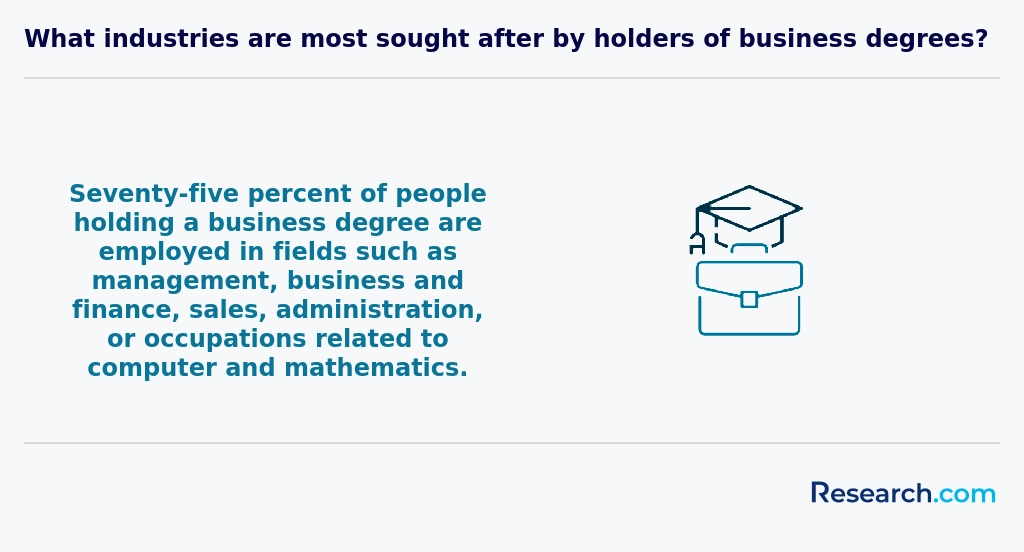
Business degree career opportunities in Maine span diverse roles reflecting the state's varied economy. Graduates from institutions like the University of Southern Maine frequently step into management positions, leading teams in small to mid-sized companies across healthcare, manufacturing, and technology sectors. Financial careers are also prevalent, with many finding work as analysts or accountants in Portland's growing financial services market. Marketing and sales roles benefit from the state's tourism and retail industries, where graduates apply digital skills to promote Maine's local products.
Entrepreneurship remains a strong option, supported by Maine's thriving startup ecosystem and business incubators. Graduates often express enthusiasm about launching ventures in sustainable products or craft manufacturing. The best business jobs in Maine with degree also include specialized careers such as human resources, supply chain, and data analysis, highlighting the flexible advantages of this degree.
Cost-effectiveness is a major factor, with schools like the University of Southern Maine offering affordable programs. For those considering advanced studies, the Inexpensive Online Master's in Business Degree Programs Ranking in Ohio can provide valuable guidance.
The business degree job outlook in Maine reflects steady growth across multiple sectors, including healthcare administration, retail, manufacturing, and sustainability-focused enterprises. Graduates from well-known Maine institutions often find opportunities in Portland's expanding startup ecosystem, where business skills in operations and financial planning are in high demand. Many report gaining practical experience through internships, which strengthens their placement in roles like supply chain management or project coordination within local companies.
Employment opportunities for business majors in Maine tend to offer median salaries near $60,000, with variations depending on industry and experience level. Students pursuing education at public universities benefit from in-state tuition between $8,000 and $12,000, making the return on investment appealing amid stable job prospects. Private colleges, although costlier, provide access to robust alumni networks that facilitate career advancement.
For those considering further specialization, options such as the 1 year masters online can enhance qualifications and increase competitiveness in management, finance, and marketing roles.
2027 Most Popular Business Degree Programs Ranking in Maine
Investing in your education is a significant decision that can shape your future, and the Research.com team understands the importance of making informed choices. To assist prospective students in Maine, we have meticulously crafted the "2027 Most Popular Business Degree Programs Ranking in Maine." Our commitment to quality, credibility, and accuracy is reflected in the extensive research and analysis conducted to compile this ranking.
We utilized the following reputable data sources to ensure a comprehensive evaluation of business degree programs:
By exploring this ranking, readers will gain valuable insights into the most popular and well-regarded business degree programs offered in Maine, enabling them to make informed decisions about their educational futures. For more details on our methodology, please visit our Research.com methodology page.


Frequently Asked Questions About business
Business degree students in Maine can maximize their learning experience by actively engaging with local industry opportunities. Maine's economy, known for sectors like healthcare, manufacturing, and tourism, offers valuable internships to apply classroom knowledge. According to the Maine Department of Labor, internships in business-related fields have grown by over 10% in recent years, providing practical insights and networking prospects.
Students should also leverage connections with Maine's Chamber of Commerce and regional business associations to attend workshops and events. Participating in case competitions and consulting projects at universities sharpens critical thinking and problem-solving skills.
Additionally, Maine's focus on small business entrepreneurship enables students to work closely with startups, enriching their understanding of business operations within the state's unique economic context.
The business landscape in Maine is evolving, creating exciting new niches for students pursuing business degrees. One fast-growing area is sustainable business management. Given Maine's emphasis on environmental conservation and renewable energy, businesses focused on green practices and corporate social responsibility are expanding rapidly.
Another emerging niche is data analytics and business intelligence. As companies rely more on data-driven decisions, expertise in data interpretation becomes valuable across sectors.
Additionally, e-commerce management is gaining traction, with Maine's local businesses increasingly adopting online sales platforms. This shift boosts demand for professionals skilled in digital marketing and supply chain logistics.
These niches reflect broader national trends but also align closely with Maine's economic priorities. According to the Maine Department of Labor, job growth in these fields is expected to outpace traditional roles through 2030.
Preparing for the job market after completing a business degree in Maine involves strategic steps aligned with the state's economic landscape. Maine's economy features key sectors like healthcare, manufacturing, and tourism, creating diverse business opportunities.
Graduates should engage in internships and cooperative education programs offered by institutions like the University of Southern Maine, which collaborate with local businesses. According to Maine's Department of Labor, the unemployment rate for business majors tends to be lower than the state average when students gain work experience during study.
Building professional networks by attending local business events and joining organizations such as the Maine Small Business Development Centers helps graduates connect with employers. Additionally, mastering skills in digital marketing, data analysis, and financial management increases competitiveness in Maine's evolving job market.
Employers in Maine value several key skills when hiring business degree graduates. Strong communication abilities top the list, as effective teamwork and client interactions are critical in Maine's diverse economy, including sectors like finance and healthcare.
Analytical skills are also highly sought after. According to the Maine Department of Labor, graduates who can interpret data and apply problem-solving techniques are preferred in management roles. Additionally, proficiency in technology and software related to business operations remains essential.
Leadership and adaptability are important, as Maine businesses frequently face changing market conditions. A 2023 survey by the Maine Business School Alliance found 68% of local employers rank these traits as vital for new hires.
Finding internships in Maine relevant to a business degree involves exploring various local opportunities linked to the state's economic sectors. Maine's business environment includes industries like healthcare, retail, manufacturing, and finance, which often offer internships for business students.
Students should begin by consulting career services at their university, such as the University of Southern Maine or Bowdoin College, which maintain internship databases and employer contacts.
Networking through local business events and chambers of commerce, including the Maine State Chamber of Commerce, can also lead to internship placements. Additionally, online platforms like Handshake frequently list internships specific to Maine's market.
According to the Maine Department of Labor, businesses in Portland, Bangor, and Lewiston are among the top recruiters for interns in finance, marketing, and management roles.
Obtaining a business degree in Maine can significantly enhance career mobility and advancement within the state's competitive job market. According to the U.S. Bureau of Labor Statistics, sectors such as finance, management, and marketing are projected to grow by over 5% in Maine through 2030, creating demand for well-educated business professionals.
Graduates with business degrees benefit from a strong understanding of management principles and practical skills, positioning them for leadership roles in local industries like healthcare, retail, and manufacturing. The University of Maine System reports that business degree holders have a 15% higher likelihood of promotion compared to those without a degree.
Additionally, networking opportunities through Maine's business schools foster connections essential for career advancement. Employers in Maine increasingly value the analytical and strategic thinking skills gained through business education, making a degree a critical asset for upward mobility.
Studying for a business degree in Maine equips students with versatile skills applicable across multiple industries. Maine's business programs emphasize interdisciplinary learning, combining core business knowledge with courses in economics, technology, and communication. This approach prepares graduates to adapt to diverse roles, such as management, marketing, or data analysis.
Maine's economy, which includes sectors like healthcare, manufacturing, and maritime industries, benefits from professionals who understand how business intersects with these fields. For example, the University of Southern Maine offers programs with practical projects that integrate teamwork and problem-solving from various disciplines.
According to the Maine Department of Labor, the demand for business professionals with cross-functional skills is projected to grow by 8% through 2030, reflecting the importance of interdisciplinary training in the state's job market.
Choosing between a thesis and a non-thesis business degree program in Maine depends on your career goals and learning preferences. Thesis programs require original research and a formal paper, ideal for students considering doctoral studies or research roles. Non-thesis tracks focus on coursework and practical skills, suited for those aiming at immediate professional advancement or management positions.
According to the U.S. Bureau of Labor Statistics, Maine's business sector expects steady growth, highlighting demand for practical skills. Local universities like the University of Southern Maine report higher enrollment in non-thesis options, reflecting market needs.
Consider faculty expertise, available research resources, and your timeline. Thesis programs often take longer but can deepen subject mastery.
Students based in Maine who wish to study business abroad have several pathways to consider. Many Maine colleges, including the University of Maine, offer established study abroad programs that partner with institutions across Europe, Asia, and Latin America. These programs allow students to earn credit toward their business degrees while gaining international experience.
Additionally, Maine students can explore exchange programs sponsored by organizations such as the Institute of International Education, which reports that around 10,000 U.S. business students study abroad annually. Popular destinations include the United Kingdom, Spain, and China.
Some Maine business programs integrate international internships, providing practical experience with global companies. Financial aid and scholarships specific to study abroad are often available to alleviate costs, making global study more accessible for Maine's business students.
Part-time job opportunities in Maine that complement business degree education often focus on gaining practical experience in finance, marketing, and management. Retail positions in stores across Portland and Bangor provide valuable skills in customer service and sales, crucial for business students.
Internships or assistant roles in local banks or credit unions, such as Bangor Savings Bank, allow students to understand financial operations in real-world settings. According to the Maine Department of Labor, the finance sector experienced steady growth of 3% annually from 2018 to 2023, increasing opportunities.
Additionally, Maine's small business environment offers roles in business development and administrative support that build leadership and organizational skills.
Business students in Maine benefit from strong networking opportunities through local universities and statewide organizations. Schools like the University of Southern Maine and the University of Maine offer active business clubs and connections with industry leaders. These institutions host career fairs and guest speaker events that bring together students and professionals.
The Maine Department of Economic and Community Development promotes business growth, providing students access to internships and mentorships in companies across sectors such as healthcare, manufacturing, and technology. According to the Maine State Chamber of Commerce, nearly 75% of businesses engage with educational institutions to support workforce development.
Joining local professional groups such as the Portland Regional Chamber of Commerce also expands networking possibilities, enabling students to build valuable contacts before graduation.
Alumni networks provide valuable support for business degree students in Maine by facilitating connections with experienced professionals across the state. These networks often host events, mentoring programs, and job boards, which can enhance career opportunities for current students. According to the Maine Department of Labor, networking is a key factor in securing internships and employment within Maine's growing sectors like finance, healthcare management, and retail.
Participation in an alumni network allows students to gain insights into local business practices and trends, particularly important in Maine's unique economic landscape. Additionally, these connections can lead to referrals and partnerships, accelerating career growth effectively.
Many Maine business schools report that active alumni involvement improves student retention and post-graduation employment rates, which benefits both students and institutions.
In Maine, customizing a business degree to fit your career goals typically involves selecting concentrations or electives that align with your interests. Many universities offer specializations such as finance, marketing, entrepreneurship, or supply chain management, allowing students to focus on in-demand skills. For example, the Maine Department of Labor highlights growth in sectors like healthcare administration and small business management, which can inform your choices.
Internships and cooperative education opportunities with local companies are also valuable for practical experience and networking. You may also consider integrating courses in emerging fields such as digital marketing or sustainable business practices to stay competitive in Maine's evolving job market.
Business students in Maine often face challenges related to the state's limited urban economic hubs compared to larger states. This can affect internship and networking opportunities, which are crucial for real-world experience. According to the Maine Department of Labor, sectors like healthcare and manufacturing dominate employment, but business-specific openings remain competitive.
Additionally, students may struggle with balancing coursework and part-time jobs, as Maine's higher education institutions generally have smaller class sizes and fewer specialized business tracks than national averages reported by the National Center for Education Statistics. Access to cutting-edge business technology and resources is also a common concern.
Financial strain is another frequent issue. The average tuition at Maine public universities ranges from $10,000 to $15,000 annually, above the national average for public institutions, making affordability a key hurdle for many aspiring business students.
A business degree from a Maine institution opens doors to various professional certifications that can enhance your career prospects. Popular certifications include the Certified Public Accountant (CPA) for those focused on accounting, which requires meeting educational and exam criteria set by the Maine Board of Accountancy. Another valuable certification is the Project Management Professional (PMP), recognized across industries for demonstrating advanced project management skills.
Additionally, the Certified Financial Planner (CFP) credential suits graduates aiming at financial advising roles. Maine's growing small business sector benefits from professionals with certifications like the Certified Management Accountant (CMA). National data from the U.S. Bureau of Labor Statistics highlights steady demand for such credentials, which often lead to higher salaries and job stability in Maine's competitive business market.
To write a winning application for a business program in Maine, start by researching the specific requirements of each institution, such as the University of Maine or Husson University. Highlight your academic achievements, especially in math and related subjects, as these are critical for business studies. Include relevant work experience or internships to demonstrate practical skills. Strong recommendation letters from teachers or employers improve your profile. A well-crafted personal statement should clearly explain your career goals and why the Maine business environment interests you. According to the Maine Department of Labor, sectors like finance and retail drive local business growth, so emphasize your awareness of regional economic trends.
A business career today requires understanding both local and global markets. Many companies in Maine engage in international trade, especially in sectors like marine products and technology. According to the Maine Department of Economic and Community Development, global commerce influences nearly 20% of the state's GDP, highlighting the importance of global business knowledge.
Business degree programs in the U.S. often include global perspectives, teaching students about international finance, trade regulations, and cross-cultural communication. Such skills prepare graduates to work in multinational firms or manage businesses that operate beyond state borders.
For Maine students, this global awareness can open opportunities not only in local industries but also in expanding international markets, aligning with trends across American business education recognized by the National Center for Education Statistics (NCES).
Students pursuing a business degree in Maine can gain practical experience through internships offered by local companies and nonprofit organizations. These opportunities often integrate real-world projects with academic learning. For example, Portland and Bangor have growing business hubs where students can intern in finance, marketing, and management roles.
Many Maine colleges encourage participation in cooperative education programs. These programs alternate classroom study with paid work experience, giving students a competitive edge in the job market. According to the Maine Department of Labor, internships in business fields have increased by 12% over the past five years, reflecting strong industry engagement.
Business students can also get involved in campus-run consulting groups or student organizations that partner with Maine's small businesses to provide strategic support. This hands-on approach helps develop leadership and problem-solving skills essential for business careers.
Choosing the right concentration within a business degree program in Maine involves considering both your personal interests and the state's economic landscape. Maine's top industries include healthcare, tourism, and manufacturing, which influence demand for business skills in areas like healthcare management, marketing, and supply chain management. According to the Maine Department of Labor, sectors such as financial services and technology are also growing, offering opportunities in finance and information systems concentrations.
Research programs at local universities to see which concentrations align with these regional industries. Also, explore internship options and alumni outcomes to understand practical career paths. This approach helps match your degree focus with job prospects in Maine's evolving economy.
- 2027 Most Popular Business Degree Programs Ranking in New Hampshire
- 2027 Most Popular Business Degree Programs Ranking in Connecticut
- 2027 Most Popular Business Degree Programs Ranking in Delaware
- 2027 Most Popular Business Degree Programs Ranking in Maryland
- 2027 Most Popular Business Degree Programs Ranking in Indiana
- 2027 Most Popular Business Degree Programs Ranking in Georgia
- 2027 Most Popular Business Degree Programs Ranking in Illinois
- 2027 Most Popular Business Degree Programs Ranking in Florida
- 2027 Most Popular Business Degree Programs Ranking in Alabama
- 2027 Most Popular Business Degree Programs Ranking in Missouri
See What Experts Have To Say About Studying Business
Read our interview with Business experts


Ingrid S. Greene
Business Expert
Clinical Assistant Professor of Management
Loyola Marymount University

David W. Stewart
Business Expert
Emeritus President's Professor of Marketing
Loyola Marymount University

- Networking Tips for Business Students: Building a Foundation for Success https://londonsba.org.uk/blog/networking-tips-for-business-students-building-a-foundation-for-success/
- What is the future of bachelor’s degrees in business? https://www.amba-bga.com/insights/what-is-the-future-of-bachelors-degrees-in-business
- Tuition & Fees: Costs of Attendance: Thomas College: Maine https://www.thomas.edu/admissions-aid/tuition-fees/
- Business Administration Degree Salary | UE Amsterdam https://www.ue-amsterdam.com/blog/business-administration-degree-salary-how-much-can-you-earn
- Interdisciplinary Business https://www.okwu.edu/academics/undergraduate/bachelor-interdisciplinary-business/
- Exploring Different Types of Business Majors https://www.ivywise.com/ivywise-knowledgebase/exploring-different-types-of-business-majors/
- The Biggest Challenges for Business School Students | EU Business School https://www.euruni.edu/blog/the-biggest-challenges-for-business-school-students/
- Business degree: What to study and how to find a job https://brive.com/blog/studies/business-degree-guide-to-study-and-find-a-job/
- Jobs after studying business administration: opportunities at a glance | JobTeaser https://www.jobteaser.com/en/advices/jobs-after-studying-business-administration-opportunities-at-a-glance
- Business Administration Online Associate Degree - Southern Maine Community College https://www.smccme.edu/academics/pathways/business-hospitality/business-administration-online-associate-degree/