2027 Most Valuable Business Degree Programs Ranking in Auburn

Co-Founder and Chief Data Scientist
Choosing the right business degree program in Auburn can feel overwhelming, but you're not alone. This article presents the 2027 Most Valuable Business Degree Programs Ranking in Auburn, carefully crafted by the Research.com team of data scientists to guide you toward informed decisions.
Understanding which programs offer the best value helps you focus on opportunities that align with your goals. A business degree opens doors to exciting careers, personal growth, and long-term success.
Reading this ranking will empower you to select a program that fits your ambitions and sets you up for a bright future.
Key benefits of getting business degree in Auburn
- Graduates with a business degree in Auburn can expect strong earning potential, with roles like Business Development Executive earning a mean annual wage of $83,190 and Business Analyst roles averaging $112,950 annually.
- Business degree holders from Auburn universities enjoy diverse career paths including analysis, management, and development, allowing flexibility to find a rewarding role that matches their skills and interests.
- Completing a business degree online in Auburn offers convenience and flexibility, enabling students to balance work and study while gaining valuable skills recognized by employers.
- 2027 Most Valuable Business Degree Programs Ranking in Auburn
- What can I expect from business degree in Auburn?
- Where can I work with business degree in Auburn?
What can I expect from business degree in Auburn?
The average cost of a business degree in Auburn varies depending on the institution and degree level, but many students find it affordable compared to other regions. At Auburn University's Harbert College of Business, in-state undergraduate tuition typically ranges around $11,000 per year, while out-of-state students can expect closer to $30,000 annually. Graduate programs such as the MBA often have higher tuition, generally between $25,000 and $35,000 for the full program, though options for part-time study and assistantships can reduce this cost.
Graduates frequently mention that the investment feels justified given the quality of education, hands-on experiences, and strong local industry connections available. Students at Auburn often benefit from smaller class sizes and personalized mentoring, which enhance learning without the high price tags seen elsewhere. Practical experiences like internships with nearby manufacturing and tech firms provide excellent value, turning tuition into real-world career opportunities.
Financial aid, scholarships, and work-study programs offered by Auburn institutions help substantially lower out-of-pocket costs, making the business degree journey more manageable and encouraging students to stay fully engaged with their studies and career goals.
Where can I work with business degree in Auburn?
Graduates with a business degree from Auburn University often secure roles in the city's diverse job market, which spans finance, manufacturing, retail, and technology. For instance, many find rewarding careers at regional banks like Regions Bank, handling financial analysis or customer relations, reflecting a strong alignment between academic training and employer needs.
Others enter manufacturing firms such as Lockheed Martin or Continental AG, taking on operations management or supply chain roles. Auburn business students frequently share how internships and cooperative education opportunities on campus help them build real-world skills that directly translate into these positions.
Retail and marketing careers also attract business grads, with growing local chains seeking savvy professionals skilled in digital marketing and store management. Many Auburn business graduates highlight how involvement in campus marketing clubs enhances their confidence and practical knowledge before entering this competitive sector.
Additionally, Auburn's blossoming tech scene and Innovation District offer exciting paths in business development and product management. Graduates often express enthusiasm about networking events facilitated by their university, which connect them with startup founders and entrepreneurs eager to hire business talent.
Public sector roles in administration and grant management at local government and nonprofits provide further options, benefiting from Auburn's close ties with city organizations and the university community.
Graduates with a business degree in Auburn often find rewarding salaries that align with local economic conditions and opportunities. For example, business development executives report a mean annual wage of about $83,190, reflecting a solid income early in management roles within Auburn's diverse industries.
Business analysts, another common career path for Auburn business graduates, have even higher earning potential, with a mean annual salary around $112,950. Many Auburn University alumni in this role highlight their ability to leverage skills in data analytics, contributing to this strong earning figure.
While some roles like project managers or operations supervisors lack specific local salary data, graduates commonly see entry to mid-level salaries ranging from $45,000 to $85,000 based on reports from the Auburn University Career Center. Many find success by concentrating on skill sets valued in Auburn's manufacturing and service sectors.
Focusing on applied skills and networking through Auburn's campus resources can significantly impact career advancement and salary growth in this competitive market.
- Auburn offers business programs at public and private institutions covering finance, marketing, management, and entrepreneurship.
- In-state tuition at public universities ranges from $10,000 to $14,000 per year, while out-of-state students pay around $28,000 annually.
- Private universities typically charge over $35,000 per year for business degrees.
- Starting salaries for business graduates are between $50,000 and $60,000, with mid-career earnings often reaching $90,000 or more.
- Key industries hiring business graduates include finance, healthcare administration, automotive production, and technology services.
- Business programs emphasize internships and co-op experiences to improve practical skills and employability.
Completing a business degree in Auburn typically takes about four years for full-time students at institutions like Auburn University. Many graduates find this timeframe manageable because the curriculum is well-structured, allowing them to steadily progress through core courses and electives without feeling overwhelmed. For example, students often appreciate the clear semester-by-semester planning that lets them balance academics with campus life.
Part-time students or those working while studying may take longer-often five to six years-but benefit from flexible class schedules, including evening and online options offered by local schools. Graduates juggling jobs share how this flexibility helps them maintain steady progress without sacrificing income.
Graduate degrees like Auburn's MBA generally require two years full-time, with some accelerated programs cutting that to as little as 12 months. Many find these formats motivating since the shorter timeframe means they can advance their careers faster.
Utilizing transfer credits and summer courses further helps reduce time to graduation, making the process feel personalized and achievable.
Choosing between an online and on-campus business degree in Auburn depends largely on your lifestyle and learning preferences. On-campus programs at Auburn's well-regarded institutions offer face-to-face interaction with professors and peers, which graduates often highlight as invaluable for networking and collaboration. Picture yourself participating in group projects or internships that provide hands-on experience and direct mentoring, enriching your education beyond textbooks.
Conversely, online business degrees offer flexibility that suits working professionals or those with family responsibilities. Graduates appreciate completing coursework on their own schedules while maintaining their careers. For example, Auburn University's online programs typically cost 25-30% less, helping students save on commuting and housing. The digital format uses video lectures and virtual discussions, maintaining a strong connection to course material without sacrificing quality.
Ultimately, if you thrive in a structured, social setting, an on-campus program may energize your studies. If balancing commitments and convenience are priorities, online learning provides a practical, accessible path to a business degree in Auburn.
The average cost of a business degree in Auburn varies depending on residency, with in-state students typically paying a median total of about $12,890, while out-of-state students face significantly higher costs near $51,558. Graduates from Auburn University and other local schools often share that managing these expenses involves not only tuition but also additional costs for textbooks, housing, and daily living. This range reflects the total tuition and fees for business programs Auburn students can expect, making it crucial to budget beyond just tuition alone.
Many business students find value in seeking scholarships and financial aid offered by Auburn universities, which can ease financial pressure. Some students start their education at community colleges nearby, benefiting from lower tuition rates before transferring credits to a four-year institution, a smart strategy that aligns with the average cost of a business degree in Auburn 2027. This approach allows students to minimize debt and focus on academic success.
Considering the overall financial commitment, it is practical for potential MBA candidates in Auburn to research how long is an MBA program to plan for costs effectively, especially since graduate business degrees usually have higher tuition. Graduates often highlight how thoughtful financial planning and utilization of local resources contribute positively to their educational journey and career readiness.
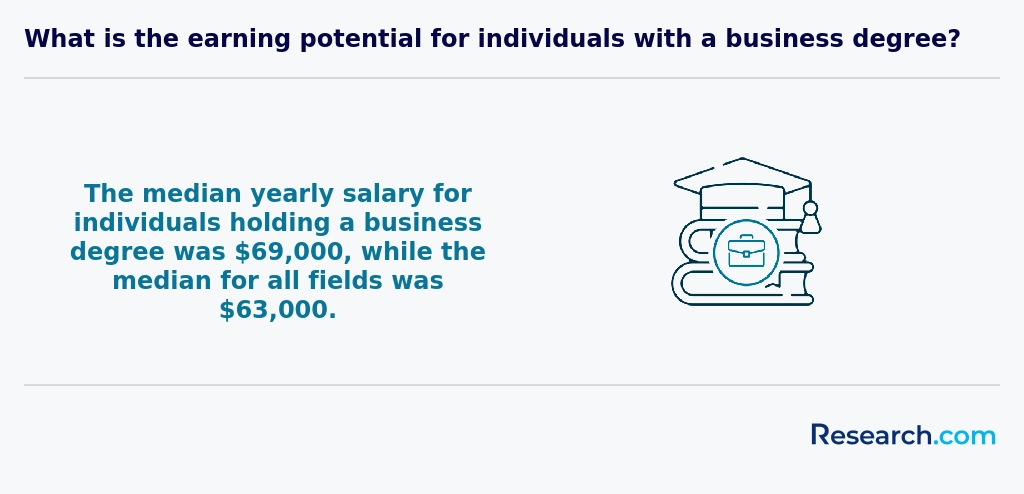
As Auburn’s business landscape evolves, it is essential for prospective students to stay informed about emerging trends that will shape their educational and career paths. Today’s curriculum is increasingly integrating technology and data analytics, preparing graduates for a digital-first business environment. For instance, many programs are now emphasizing skills in artificial intelligence, cybersecurity, and digital transformation-key areas that are predicted to drive future market demand. In addition to technological advancements, there is a growing emphasis on sustainability and ethical business practices. Employers are actively seeking professionals who can balance profit with environmental and social responsibility. This trend is reflected in curriculum updates that incorporate corporate social responsibility and sustainable development strategies, ensuring that graduates are well-equipped to tackle complex global issues. Moreover, local industry partnerships are expanding, offering students increased opportunities for internships, mentorship programs, and practical projects that enhance real-world readiness. These collaborations help bridge the gap between academic theory and workplace demands, fostering a competitive edge in the job market. Students interested in exploring leadership pathways can gain early exposure to diverse roles, from emerging startup environments to established corporate structures. For those considering long-term career growth, a forward-thinking approach to education can unlock multiple avenues, including roles in Business Administration Careers. Embracing these trends and understanding the dynamic nature of business education in Auburn, AL, can empower students to make informed decisions and position themselves at the forefront of industry innovation.
Business students in Auburn can tap into a variety of financial aid options designed to lighten the cost burden. Federal aid is a key resource-grants like the Pell Grant provide non-repayable funds up to $7,395, offering immediate relief. Many graduates recall how these grants made a real difference during tough financial times.
State programs in Alabama, such as the Alabama Student Assistance Program (ASAP) and the Alabama Student Grant (ASG), offer additional grants to residents, helping with tuition at Auburn University and other local colleges. These aids are crucial for students balancing budgets without sacrificing education quality.
Merit-based scholarships from Auburn University's Harbert College of Business, ranging between $1,000 and $5,000, reward strong academics and leadership. Alumni often share how these awards boosted their confidence and kept their focus on studies instead of finances.
Private scholarships from local businesses and organizations also provide targeted support for business majors, helping with specialized interests like marketing or management. Combining these aids can make reaching your degree goals in Auburn feel not just possible, but exciting and achievable.
To further enhance their educational journey, students in Auburn, AL, can explore various academic and career resources that support their growth. For those interested in business education, understanding the landscape of valuable business schools in alabama can provide insights into the quality and reputation of local institutions. Many universities and colleges in the area offer resources such as career counseling, internship opportunities, and networking events that can significantly impact a student's career trajectory. Additionally, engaging with local business communities and alumni networks can offer valuable connections and mentorship opportunities, making the transition from academia to the professional world smoother. By leveraging these resources, students can make informed decisions about their education and career paths, ultimately leading to a more successful and fulfilling professional life.
To enroll in a business degree program in Auburn, you'll first need a high school diploma or equivalent like a GED. Most Auburn schools expect a GPA between 2.5 and 3.0, ensuring you're ready for college-level business challenges. For example, recent graduates from Auburn University mention how maintaining a strong GPA helped them feel confident when tackling complex business courses.
While some programs still require SAT or ACT scores, many have moved to test-optional policies to make applications less stressful. Submitting official transcripts is a must, especially to highlight strengths in math subjects such as algebra and statistics, which are heavily used in business studies.
Writing a personal statement is another common step. Students from Auburn State College share how this essay allowed them to express their passion for business and clarify career goals, making their applications stand out.
Letters of recommendation, though sometimes optional, add a personal touch and can showcase your work ethic or leadership skills, important traits valued at Auburn's business schools.
Additionally, be ready to complete prerequisite courses like introductory economics or accounting early on, which former students say helped build a solid foundation for more advanced classes.

Business degree programs in Auburn, such as those offered at Auburn University, include core courses designed to develop essential skills and knowledge for real-world success. Graduates often recall how classes like Principles of Management helped them understand leadership by applying concepts directly during group projects and internships.
Courses in Financial and Managerial Accounting provide practical tools for budgeting and financial decision-making, vital for everyday business scenarios. Marketing Fundamentals classes bring lessons to life through case studies on launching products in local markets similar to those in Alabama.
Students also take Business Law and Ethics to navigate legal challenges confidently, an experience many find empowering when working with startups or established firms nearby. Coursework in Economics and Statistics and Business Analytics equips learners with the ability to analyze trends and data, skills highly praised by Auburn graduates now working in regional companies.
Elective options allow tailoring studies toward finance, entrepreneurship, or supply chain management, giving Auburn students a distinct edge as they prepare for diverse career paths.

Business degree specializations in Auburn cover key areas that prepare students for real-world challenges. Popular options include Accounting, which equips graduates for careers in auditing and taxation, often leading to CPA certification. Students focusing on Finance gain hands-on experience through internships with local banks, learning about investment management and corporate finance. Marketing majors explore digital marketing and consumer trends, tapping into growth opportunities brought by digital transformation.
Management programs develop leadership and strategic planning skills, vital for supervisory roles across various industries in Auburn. Supply Chain Management benefits from Auburn's manufacturing base, teaching inventory control, procurement, and logistics. Graduates from Auburn's business schools often share how these specializations helped them secure jobs by emphasizing practical skills and local industry connections.
If you want to explore options further, check out this resource here to find programs that match your goals. Choosing your specialization in Auburn business degree program options means gaining expertise tailored to a dynamic job market with a strong regional focus.
To choose the best business degree in Auburn, start by pinpointing your area of interest within business, such as marketing, finance, or entrepreneurship. Graduates from Auburn University often share how focusing on a specialization boosted their confidence and career clarity. Auburn's well-known programs emphasize real-world skills through partnerships with local businesses, offering valuable internships that help students turn classroom knowledge into practical experience. When considering affordable business colleges Auburn Alabama offers, keep in mind that tuition at Auburn University for in-state students is around $11,000 annually, making it accessible yet competitive. It's wise to factor in additional costs like books and living expenses to avoid surprises.
Many successful students in Auburn highlight the benefits of flexible scheduling options, including hybrid courses that let them balance work and study. Also, research the faculty's expertise and program outcomes, as these significantly impact your education quality. For guidance on career paths, check Auburn's resources on the best industries for MBA graduates, which helps align your degree choice with market demand.
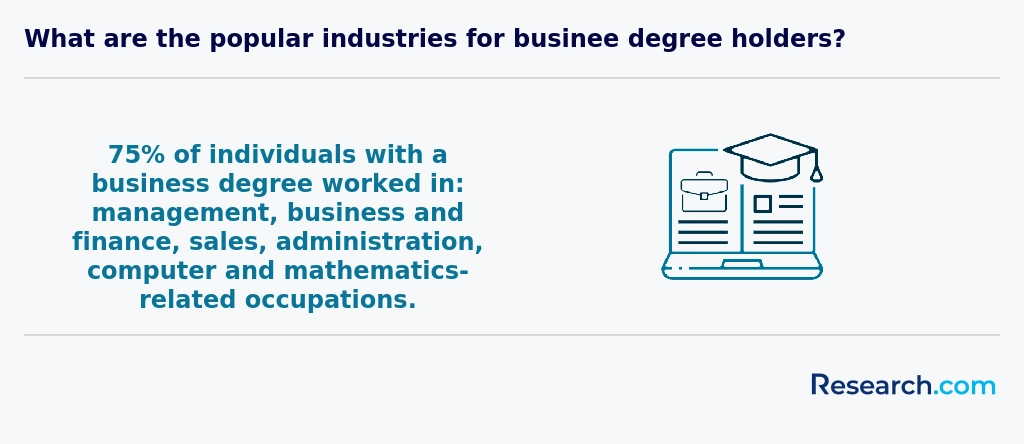
Graduates with a business degree in Auburn have diverse career options, including financial services, marketing, management, and entrepreneurship. Many graduates from Auburn's top business schools have found success as financial analysts or auditors, benefiting from local demand and median salaries around $77,000. Others leverage Auburn's strategic location to thrive in marketing roles focused on digital marketing and sales strategy, especially with growing e-commerce businesses nearby.
Management careers are also popular paths, with roles in operations, human resources, or project coordination offering steady growth nationally. Auburn business students often engage with the local startup ecosystem, supported by resources like the Auburn Chamber of Commerce, fueling entrepreneurial ambitions and helping graduates turn ideas into viable ventures.
For those exploring specialized areas, supply chain management and consulting open additional pathways requiring strong analytical skills developed during studies. Auburn graduates commonly share how hands-on experiences at local universities prepared them for these roles. Investing in a business degree here is practical, with tuition aligned to national averages and favorable employment outcomes within six months. For more insight, explore college majors with highest income that complement your Auburn business degree approach.

The job market for business degree graduates in Auburn is robust, reflecting the city's expanding economy and strong employer ties to Auburn University. Graduates from Auburn's popular business programs often find roles in management, marketing, and financial analysis within well-established firms in manufacturing, retail, and technology. Local employers value the practical skills students gain through internships and cooperative education opportunities offered by universities in the area, which helps graduates smoothly transition into careers.
Students who engage actively with university career centers report landing positions with competitive starting salaries aligned with national trends, typically between $45,000 and $55,000 annually. Those willing to embrace commuting options to nearby cities like Birmingham or Atlanta further enhance their Auburn business degree employment outlook by accessing a broader network of opportunities.
Entrepreneurial graduates often explore small business ventures or entrepreneurship careers with high potential, leveraging Auburn's supportive local economy and resources. This creates dynamic pathways for business degree job opportunities in Auburn that combine financial stability with personal growth and community impact.
2027 Most Valuable Business Degree Programs Ranking in Auburn
Investing in your education is a significant decision that can shape your future, and the Research.com team understands the importance of making informed choices. To assist prospective students in Auburn, we have meticulously crafted the "2027 Most Valuable Business Degree Programs Ranking in Auburn." Our commitment to quality, credibility, and accuracy is reflected in the extensive research and analysis conducted to compile this ranking.
We utilized the following reputable data sources to ensure a comprehensive evaluation of business degree programs:
By exploring this ranking, readers will gain valuable insights into the most valuable business degree programs available in Auburn, helping them make well-informed decisions about their educational paths and career prospects. For more details on our methodology, please visit our Research.com methodology page.

Frequently Asked Questions About business
Business degree students in Auburn can enhance their learning by engaging actively with local economic resources and academic offerings. Auburn University, the primary institution in the area, provides access to well-ranked programs, such as its Harbert College of Business, known for practical learning and strong industry connections according to U.S. News & World Report. Students benefit by participating in internships with local companies, gaining real-world experience in sectors like manufacturing, finance, and agribusiness prevalent in Alabama.
In addition, joining student organizations like the Auburn Business Club offers networking opportunities and leadership development. Utilizing campus resources such as career services helps students align their academic paths with career goals effectively. Auburn's economic landscape, with a business growth rate outpacing the national average by 2% in recent years (U.S. Bureau of Labor Statistics), means vibrant job prospects for well-prepared graduates.
The business field is rapidly evolving, with several emerging niches gaining importance. In Auburn, data analytics and digital marketing stand out as key growth areas. According to the Bureau of Labor Statistics, jobs in business analytics are expected to grow 25% nationally from 2021 to 2031, highlighting the demand for data-driven decision-making skills.
Sustainability management is another important niche, reflecting growing interest in environmentally responsible business practices. Auburn-based companies increasingly seek professionals versed in sustainable strategies.
Additionally, entrepreneurship with a focus on technology startups is thriving in the region, supported by local incubators and innovation centers. Finally, supply chain management, especially with the rise of e-commerce, presents solid career opportunities for business graduates.
After completing a business degree in Auburn, preparing for the job market involves several key steps to enhance employability. First, gaining hands-on experience through internships or cooperative education programs is crucial. Auburn's strong ties with local industries, including finance and manufacturing, provide valuable opportunities for real-world learning.
Networking is also essential. Joining student organizations like the Auburn Business Association or attending career fairs hosted by Auburn University helps build professional connections. According to the Bureau of Labor Statistics, internships increase the likelihood of job offers by 63%.
Finally, developing soft skills such as communication and problem-solving complements technical knowledge, making graduates well-rounded candidates for Auburn's competitive business job market.
Employers seeking business graduates in Auburn highly value a combination of technical knowledge and soft skills. According to data from the Auburn Chamber of Commerce, critical thinking and problem-solving rank among the top skills desired. These abilities help graduates navigate complex business environments effectively.
Communication skills are equally important. Employers emphasize clear verbal and written communication to support teamwork and client interactions. Additionally, proficiency in data analysis and financial literacy is increasingly demanded due to Auburn's growing industries in finance and manufacturing.
Leadership and adaptability are also crucial. Local companies report favoring graduates who can manage projects and adjust quickly to change. These competencies enhance a candidate's workplace success and long-term career growth.
Finding internships in Auburn that complement a business degree involves leveraging multiple resources. Start by exploring university career centers like Auburn University's Career Center, which often list local business internships and offer resume workshops. Networking is crucial; joining business student organizations provides access to alumni and local professionals. Auburn's growing economy, led by sectors such as manufacturing and finance, presents varied internship opportunities.
Online platforms like Handshake and internships.com also feature openings specifically tailored to business students in Auburn. Additionally, businesses listed with the Auburn Chamber of Commerce frequently offer internship programs. Consistently applying early and preparing thoroughly for interviews boosts chances of success.
In Auburn, earning a business degree significantly enhances career mobility and advancement opportunities. Local employers increasingly seek candidates with formal education in business, valuing skills in management, finance, and marketing. According to the U.S. Bureau of Labor Statistics, business-related occupations in Alabama are projected to grow by 8% from 2022 to 2032, indicating expanding job prospects.
Auburn's strong regional economy, supported by sectors like manufacturing, technology, and finance, benefits graduates who often experience quicker promotions and salary increases. Studies by the National Association of Colleges and Employers show business degree holders typically earn 20% more than those without degrees, underscoring the financial advantages of such education.
Furthermore, Auburn's networking events and internship programs connected to local businesses help graduates build professional relationships, crucial for career development. Access to these resources allows degree holders to switch industries and assume leadership roles more easily than their non-degree peers.
Studying for a business degree in Auburn offers students a strong foundation in core business principles while encouraging interdisciplinary learning. Programs often integrate courses in economics, information technology, and communication, preparing graduates for diverse roles that span multiple fields.
The University of Auburn, for example, collaborates with local industries to provide real-world projects, allowing students to apply cross-disciplinary skills like data analysis and project management. According to Auburn's College of Business, over 70% of their business students participate in internships or cooperative education, enhancing practical experience in varied environments.
This approach equips students to navigate complex problems by combining knowledge from finance, marketing, and technology. The emphasis on teamwork and leadership further supports adaptability in interdisciplinary settings, a necessary quality as businesses increasingly rely on integrated strategies worldwide.
Choosing between a thesis and a non-thesis business degree program in Auburn depends largely on your career goals and learning preferences. Thesis programs typically emphasize research, ideal for students aiming to pursue doctoral studies or research-focused roles. These programs require producing original work under faculty supervision.
Non-thesis options usually focus on practical skills through coursework and internships, suitable for those targeting immediate employment in Auburn's growing business sectors such as finance, manufacturing, or retail. Auburn's business schools often highlight strong industry connections benefiting non-thesis students.
According to Auburn University's 2023 graduate outcomes report, 65% of business graduates employed locally favored non-thesis programs for faster job placement.
Students based in Auburn seeking to study business abroad have several opportunities through exchange and study abroad programs offered by local universities such as Auburn University. These programs often partner with institutions worldwide, allowing students to gain international experience while earning credits toward their degrees.
Business students can explore options in Europe, Asia, and Latin America, which are popular destinations due to established academic collaborations. For example, Auburn University's business study abroad options include partnerships with universities in Spain, China, and Brazil, providing exposure to diverse markets and business practices.
Additionally, some programs integrate internships abroad, enhancing practical skills. The Institute for International Education reported that over 40% of business students in the U.S. participate in credit-earning study abroad experiences, highlighting the value of global exposure in business education.
In Auburn, part-time job opportunities that complement business degree education often focus on roles that build practical skills and professional networks. Common positions include retail management assistant, which helps students understand customer relations and inventory control. According to the Auburn Chamber of Commerce, local businesses frequently seek interns and part-time staff in marketing, sales, and administrative roles.
Finance-related positions, such as bank teller or bookkeeping assistant, allow students to apply financial principles learned in class. Additionally, roles in local startups or campus organizations provide valuable experience in entrepreneurship and project management. These jobs not only enhance resumes but also familiarize students with Auburn's business environment and workforce trends.
Business students in Auburn benefit from various networking opportunities designed to connect them with local industries and professional communities. Auburn University's Harbert College of Business hosts numerous events, including career fairs and guest speaker series, attracting over 400 companies annually. These events provide direct access to employers and alumni ready to offer mentorship and job opportunities.
The city of Auburn also supports students through organizations like the Auburn Chamber of Commerce, which frequently collaborates with academic programs to facilitate internships and networking receptions. Additionally, student-led groups such as the Auburn Business Club provide platforms for peer networking and leadership development.
Local business meetups, workshops, and conferences often include students, fostering relationships with entrepreneurs and executives in Alabama's growing economy. According to the Alabama Department of Labor, Auburn's business sector has expanded by 3.5% recently, increasing demand for well-networked graduates.
Alumni networks offer significant advantages to business degree students in Auburn by providing valuable connections and career support. Through these networks, students gain access to experienced professionals who can offer mentorship, internship opportunities, and job referrals. Auburn University's Harbert College of Business, for example, leverages its extensive alumni base of over 40,000 graduates nationwide to support current students.
Strong alumni engagement in Auburn helps foster professional development events and networking sessions that improve students' chances of employment. According to the National Association of Colleges and Employers (NACE), students with active alumni connections have higher job placement rates post-graduation.
These networks also enable students to build relationships within local industries, particularly in finance, marketing, and supply chain sectors, which are prominent in Auburn's economy.
Customizing a business degree program in Auburn allows students to tailor their education to specific career interests. Many Auburn institutions offer a variety of concentrations such as finance, marketing, management, and entrepreneurship. For example, students can select electives aligned with local industry needs, which benefit from the city's growing sectors like manufacturing and aerospace.
Internships and cooperative education programs available through Auburn's universities often provide valuable real-world experience and networking opportunities. According to the Auburn Chamber of Commerce, over 30% of businesses actively seek graduates with relevant practical skills. This makes choosing applied courses and hands-on projects essential.
Some schools also allow students to pursue dual majors or minors, enabling broader expertise that can enhance employability in competitive markets.
Business students in Auburn often face challenges related to balancing rigorous coursework with practical experience. Many programs emphasize not only theory but also internships and real-world applications, which can be time-consuming yet essential for career readiness. According to the National Center for Education Statistics, about 45% of business majors across the U.S. report difficulty managing workload and internship demands simultaneously.
Additionally, navigating the competitive job market in Alabama requires strong networking and soft skills. Auburn students must often seek opportunities beyond campus, attending local business events or joining professional organizations to build connections.
Financial constraints are also a concern. Tuition and living costs continue to rise, and students frequently rely on part-time jobs or loans, which can impact study time and focus.
With a business degree in Auburn, graduates can pursue several well-recognized professional certifications to enhance their career prospects. Popular options include the Certified Public Accountant (CPA) credential for those interested in accounting and finance. The CPA requires passing a rigorous exam and meeting state experience requirements.
Another notable certification is the Project Management Professional (PMP), valuable for managing projects in various industries. Additionally, the Certified Management Accountant (CMA) focuses on financial management and strategic business assessment.
Locally, Auburn's strong ties to industries like manufacturing and finance increase demand for professionals holding these credentials. According to the Auburn Chamber of Commerce, holders of such certifications often earn 10% to 15% higher salaries on average.
Writing a winning application for a business program in Auburn requires careful preparation and attention to detail. Start by researching programs to understand their unique offerings and admission criteria. For example, Auburn University's Harbert College of Business emphasizes leadership and innovation, which should reflect in your application.
Strong academic records are important; aim for a GPA above 3.0, as competitive applicants often exceed this. Include standardized test scores if required, although many programs offer test-optional policies.
Craft a compelling personal statement that highlights your career goals, relevant experience, and why Auburn's program fits your ambitions. Incorporate specific examples of leadership or teamwork.
Finally, secure professional or academic recommendations that attest to your skills and motivation.
The global perspective on a business career increasingly values cross-cultural skills and international experience. Business professionals are expected to understand diverse markets and economic systems. In Auburn, business degree programs emphasize these global competencies through study-abroad options and partnerships with international organizations.
According to the U.S. Bureau of Labor Statistics, employment in business-related fields is projected to grow 8% from 2022 to 2032, reflecting strong demand worldwide. Auburn's focus on global business prepares students to compete in multinational companies and navigate complex global supply chains.
Furthermore, Auburn's business graduates often pursue careers in sectors like finance, marketing, and international trade where global awareness is vital. Resources such as Auburn University's Harbert College of Business offer students access to global case studies and internships that enhance real-world skills.
Students pursuing a business degree in Auburn can gain practical experience through internships, cooperative education programs, and campus resources. Auburn University's Harbert College of Business offers connections with local companies, providing internship opportunities that integrate real-world business challenges with academic learning. According to the National Association of Colleges and Employers, over 60% of business students complete internships before graduation, enhancing their employability.
Additionally, students may participate in student-run organizations and consulting projects. These activities simulate workplace environments and develop leadership and problem-solving skills relevant to business careers. Local Auburn businesses, ranging from manufacturing to technology firms, often collaborate with academic programs to provide practical training.
Choosing the right concentration within a business degree program in Auburn involves considering your career goals, interests, and local job market demands. Popular business concentrations in Auburn include finance, marketing, management, and entrepreneurship. According to the Alabama Department of Labor, finance and management roles show steady growth in the Auburn area, reflecting the presence of local businesses and startups.
Students should explore concentration options that align with their strengths and long-term objectives. Auburn University and other local colleges offer tailored programs that emphasize practical experience, which can be crucial for job placement.
Additionally, researching internship opportunities and networking within Auburn's business community can help clarify which concentration fits best. Engaging with faculty and career advisors often provides valuable insights to make informed decisions.
- 2027 Most Valuable Business Degree Programs Ranking in Montgomery
- 2027 Most Valuable Business Degree Programs Ranking in Birmingham
- 2027 Most Valuable Business Degree Programs Ranking in Atlanta
- 2027 Most Valuable Business Degree Programs Ranking in Macon
- 2027 Most Valuable Business Degree Programs Ranking in Mobile
- 2027 Most Valuable Business Degree Programs Ranking in Knoxville
- 2027 Most Valuable Business Degree Programs Ranking in Nashville
- 2027 Most Valuable Business Degree Programs Ranking in Spartanburg
- 2027 Most Valuable Business Degree Programs Ranking in Savannah
- 2027 Most Valuable Business Degree Programs Ranking in Jacksonville
See What Experts Have To Say About Studying Business
Read our interview with Business experts

David Souder
Business Expert
Senior Associate Dean for Faculty and Research
Michigan State University

Ingrid S. Greene
Business Expert
Clinical Assistant Professor of Management
Loyola Marymount University

David W. Stewart
Business Expert
Emeritus President's Professor of Marketing
Loyola Marymount University

- How to Write the Perfect Cover Letter – EU Business School https://www.euruni.edu/blog/write-perfect-cover-letter/
- Top 10 Skills Employers Seek in Business Graduates in 2026 https://www.ibat.ie/blogs/top-10-skills-employers-seek-in-business-graduates-in-2026
- Business degree: What to study and how to find a job https://brive.com/blog/studies/business-degree-guide-to-study-and-find-a-job/
- Global Perspectives: International Opportunities for Business School Students - SBS Swiss Business School https://sbs-uae.org/global-perspectives-international-opportunities-for-business-school-students-3/
- Thesis vs. Non-Thesis Master’s Programs: Which One Is Right for You? | UT Permian Basin Online https://online.utpb.edu/about-us/articles/humanities/thesis-or-no-thesis-which-one-is-right-for-you
- Bringing global perspectives to leadership in business https://www.eaie.org/resource/global-perspectives-leadership-business.html
- 55 Trending Business Ideas for 2025 and Beyond https://www.uschamber.com/co/start/business-ideas/top-trending-business-ideas
- 8 Best Places to Study Abroad for Business [+ How to Choose] https://www.semesteratsea.org/study-abroad-for-business/
- Business Administration at Auburn University https://www.uniflik.com/study-abroad-universities/Auburn-University/courses/Business-Administration-10011438
- Top 10 Emerging Business Niches of 2026 & How to Plan for Them https://prometai.app/blog/emerging-niches-business-planning