2027 Most Valuable Business Degree Programs Ranking in Birmingham

Co-Founder and Chief Data Scientist
Choosing the right business degree program is a big step toward a rewarding career. For students in Birmingham, this article offers clear guidance by presenting the 2027 Most Valuable Business Degree Programs Ranking in Birmingham created by the Research.com team of data scientists.
Designed to help you make an informed decision, the ranking highlights programs that provide strong opportunities and practical value.
Reading this article can inspire confidence in your choice and show how a business degree can open doors to exciting futures.
Key benefits of getting business degree in Birmingham
- Salary for business degree graduates: Graduates can expect competitive wages, with roles like Business Analysts earning a mean annual wage of $112,950 and Business Development Executives earning around $83,190 in the US, reflecting strong financial prospects.
- Career paths: A business degree from a university in Birmingham opens doors to diverse fields such as marketing, finance, and consulting, offering vibrant opportunities to grow professionally and personally.
- Online degree benefits: Earning a business degree online from a Birmingham university offers flexibility to balance work and study, freeing you to gain experience while advancing your education at your own pace.
- 2027 Most Valuable Business Degree Programs Ranking in Birmingham
- What can I expect from business degree in Birmingham?
- Where can I work with business degree in Birmingham?
What can I expect from business degree in Birmingham?
The average cost of obtaining a business degree in Birmingham generally aligns with national in-state tuition averages, typically ranging from $10,000 to $15,000 per academic year at well-regarded public universities. Out-of-state students face higher tuition, often doubling these figures, but many business students highlight extensive scholarship opportunities that significantly offset costs. Graduates from prominent Birmingham colleges report that financial aid packages, including merit-based awards for business majors, have made their education more affordable and reduced reliance on loans.
Tuition rates at institutions such as the University of Alabama at Birmingham and local community colleges reflect this trend, providing competitive pricing relative to the quality of education. Many students appreciate the balance of cost and practical learning experiences gained through internships facilitated by these schools, which often lead to regional business internships in sectors like healthcare, finance, and manufacturing. This real-world application validates the investment, making the financial commitment feel worthwhile and promising for return on investment.
Where can I work with business degree in Birmingham?
Graduates with a business degree in Birmingham find ample employment opportunities across key sectors such as finance, healthcare, manufacturing, and professional services. Many alumni from popular institutions like the University of Alabama at Birmingham and Birmingham-Southern College pursue roles in regional banks or investment firms, capitalizing on Birmingham's robust financial sector which employs thousands in positions like financial analysts and compliance officers.
Healthcare administration is another common path, especially within UAB Health System, where business skills help optimize patient care and operational processes. Manufacturing companies in Birmingham also recruit business graduates for roles in supply chain and production management, supported by the state's 70,000+ manufacturing jobs.
Entrepreneurial graduates often engage with Innovation Depot, contributing to startups that benefit from skills in marketing and strategic planning. Additionally, professional services firms in consulting and digital marketing frequently seek graduates to aid strategic growth, matching the versatility emphasized in Birmingham's diverse job market.
Graduates with a business degree from institutions like the University of Birmingham often enter the local job market with starting salaries between $45,000 and $55,000, aligning with regional norms. Several alumni report beginning their careers in roles such as marketing coordinators or financial analysts within Birmingham's diverse business sectors.
For those advancing to positions like Business Development Executive, the mean annual wage reaches around $83,190, reflecting strong growth potential as skills and experience mature. Business analysts, another common career outcome for Birmingham graduates, can expect an impressive average salary of $112,950 annually, demonstrating the lucrative opportunities available through specialized expertise.
These figures underscore why many graduates feel motivated and confident about their future career prospects right after leaving Birmingham-based colleges. With Birmingham's expanding economy and growing industries, these earnings represent not just financial stability but a pathway to fulfilling professional development locally.
- Annual tuition at public universities like UAB ranges from $10,000 to $12,000 for in-state students, while private universities cost between $25,000 and $30,000 per year.
- Additional expenses such as housing, books, and personal costs can add several thousand dollars to the total annual cost.
- Entry-level salaries for business graduates in Birmingham average between $50,000 and $55,000 annually.
- With experience, median salaries often exceed $80,000 after 10 years in the field.
- Key industries hiring business graduates include finance, healthcare administration, manufacturing, and professional services.
- Business programs focus on experiential learning and internships to help improve job prospects.
Completing a business degree in Birmingham typically spans four years for full-time undergraduates, aligning with the standard eight-semester structure of 120 to 130 credit hours. Graduates from institutions such as the University of Alabama at Birmingham often describe this timeline as manageable yet intensive, balancing course loads during fall and spring semesters with optional summer classes to accelerate progress.
For those juggling work or family commitments, part-time enrollment is common, extending the degree to five years or more. Birmingham colleges frequently support evening and online classes, providing flexibility that many students value deeply as it enables steady advancement without sacrificing other responsibilities.
Graduate degrees like an MBA usually require one to two years full-time, with some students opting for a three-year part-time schedule to maintain work-life balance. Alumni frequently highlight how the program's intensity fosters meaningful learning experiences despite shorter duration, enhancing career prospects in Birmingham's competitive market.
Graduates of Birmingham’s business programs enjoy more than a solid academic foundation-they benefit from robust alumni networks and dedicated mentorship initiatives that propel their careers forward. Many institutions foster a culture of connecting current students with successful alumni through career fairs, networking events, and one-on-one mentoring sessions. These relationships not only offer insider advice on navigating competitive industries but also provide practical support for securing internships, job placements, and entrepreneurial ventures. In addition, several programs integrate career development workshops and guest speaker events where industry leaders share insights on emerging trends, ensuring that students remain well-informed about the evolving business landscape. These hands-on opportunities promote lifelong learning and community building beyond the classroom. For further insights on related pathways and resources, check out our easiest business majors section. Embracing these alumni and mentorship opportunities can dramatically enhance your educational experience, offering a tangible pathway from academic achievement to professional success in Birmingham’s vibrant business ecosystem.
Birmingham students pursuing business degrees face distinct experiences depending on whether they choose online or on-campus programs. On-campus degrees, such as those at the University of Alabama at Birmingham, offer immersive environments with direct interaction-students benefit from face-to-face discussions, hands-on group projects, and immediate feedback from professors. Graduates often highlight the strong networking opportunities on campus and access to university resources, which support both academic and career growth.
In contrast, online business degrees provide flexibility crucial for students balancing work or family. Many Birmingham-area students report that accredited online programs replicate the academic rigor of traditional formats through recorded lectures and online forums. Although online tuition tends to be slightly higher-ranging from $15,000 to $30,000 per bachelor's degree-students save on commuting and facility fees, allowing for manageable schedules.
The choice often hinges on learning styles and lifestyle needs: campus programs foster community and engagement, while online options offer adaptable pacing without sacrificing educational quality.
The average cost of a business degree in Birmingham varies considerably depending on enrollment status and institution type. Data indicates that in-state students pursuing business programs at public universities, such as the University of Alabama at Birmingham (UAB), typically face a median total cost of approximately $13,920 for the entire degree. Out-of-state students at these public institutions might expect median total costs closer to $38,602, reflecting higher tuition rates and fees. Private institutions in Birmingham often align with these upper figures, although specific totals may differ.
Graduates from UAB and other local schools frequently highlight how manageable expenses and scholarship opportunities help maintain financial balance throughout their studies. For example, merit-based scholarships at UAB allow many students to substantially reduce educational costs, fostering a positive experience that balances budget concerns with academic rigor. Living expenses and necessary fees such as technology and health insurance can add several thousand dollars annually, but diligent planning can ensure these costs remain affordable.
When estimating total expenses for business degree programs Birmingham offers a practical opportunity for students aiming for quality education without overwhelming debt. Compared to national figures, local costs are notably reasonable, especially for residents. Interested students can explore options at valuable business schools in Alabama to assess universities that match their financial and academic goals.
When it comes to selecting a business school in Birmingham, AL, there are several factors to consider, including accreditation, curriculum, faculty expertise, and networking opportunities. For those interested in pursuing a degree from one of the valuable business schools in Alabama, researching the specific strengths and specializations of each institution can be instrumental in making an informed decision. Many schools in Birmingham offer unique programs and resources, such as mentorship initiatives, career counseling, and internship opportunities, that can significantly enhance the educational experience and post-graduation outcomes. By carefully evaluating these aspects and considering personal interests and career goals, prospective students can choose a business school that best aligns with their aspirations and sets them up for success in the competitive business landscape of Birmingham, AL.
Business students in Birmingham have several financial aid options to ease their education costs, which average around $10,000 per year at public universities and surpass $20,000 at private colleges. Federal aid through the Free Application for Federal Student Aid (FAFSA) is a primary resource, unlocking Pell Grants up to $7,395 annually, awarded based on financial need with no repayment required. Many students rely on federal Direct Subsidized and Unsubsidized Loans with low-interest rates and flexible repayment plans to cover remaining expenses.
State-level assistance, such as the Alabama Student Assistance Program, offers need-based grants ranging from a few hundred to several thousand dollars for in-state business students. Institutional scholarships at schools like the University of Alabama at Birmingham empower high-achieving business majors by covering up to 50% of tuition, significantly lightening financial burdens.
Graduates often recall how scholarships from local professional organizations, like the Birmingham Business Alliance or the National Black MBA Association, provided both financial support and valuable networking opportunities. Additionally, work-study programs give students practical experience and income, making campus life more manageable alongside rigorous coursework.
Calculating the return on investment (ROI) for a business degree helps you understand how quickly your education will pay dividends in your career. On average, Birmingham graduates accumulate total program costs-tuition, fees, and living expenses-of approximately $120,000 for a four-year bachelor’s degree at a public institution and $160,000 at a private college. With an average starting salary of $60,000 for entry-level roles such as marketing coordinator or financial analyst, many graduates recoup their investment within two to three years. Key ROI metrics to consider:
- Average Tuition and Fees: $30,000–$40,000 per year (public, in-state); $35,000–$45,000 per year (private)
- Average Early Career Salary: $55,000–$65,000 annually
- Median Student Debt at Graduation: $25,000–$30,000
- Estimated Payback Period: 2–3 years for public programs; 3–4 years for private programs Reducing your upfront cost accelerates ROI. For example, choosing a hybrid or fully online program at a competitive rate can lower total expenses by 15–20%. For a detailed comparison of affordable online options, explore our Low Cost Online Business Degree Programs Ranking in Pittsburgh, PA. Additional strategies to enhance ROI:
- Scholarships and Assistantships: Seek merit-based awards at UAB or Samford to cut costs by up to 50%.
- Accelerated Degree Tracks: Complete degree requirements in three years through summer sessions.
- Employer Tuition Reimbursement: Partner with local firms offering education benefits for part-time study. By understanding these ROI factors, you’ll be better equipped to choose a program that aligns with both your financial goals and long-term career aspirations.
To enroll in a business degree program in Birmingham, applicants must meet several key prerequisites reflecting both academic and extracurricular readiness. Most universities, including popular options like the University of Alabama at Birmingham (UAB), require a high school diploma or GED as a baseline. Graduates commonly emphasize that a strong academic record, particularly in mathematics, English, and social studies, is crucial for acceptance and success in business courses.
Standardized testing plays a significant role; UAB, for example, typically looks for SAT scores between 1050 and 1200 or ACT scores from 21 to 27. These benchmarks help ensure students are prepared for the rigors of college-level business education. Many graduates recall how meeting these standards boosted their confidence entering the program.
Additionally, engaging in extracurricular activities such as DECA, student government, or business-related internships is often encouraged. Admissions committees value leadership and practical experience that illustrate commitment and initiative. For international students, demonstrating English proficiency through TOEFL or IELTS scores is mandatory, ensuring they can thrive academically and socially within Birmingham's business schools.
Business degree programs in Birmingham, AL, distinguish themselves through robust internship pipelines and industry collaborations that bridge classroom learning with real-world experience. Universities such as the University of Alabama at Birmingham (UAB) and Samford University maintain formal partnerships with local leaders-Regions Financial, Alabama Power, Thompson Tractor, and Birmingham Business Alliance-to offer semester-long internships, capstone projects, and co-op placements. These opportunities allow students to:
- Apply strategic management and data-analysis skills on live projects, from market research for tech startups to financial audits at regional banks.
- Build professional networks by working alongside seasoned executives and attending sponsored workshops, career fairs, and networking events connected to the Birmingham Business Alliance.
- Gain credit and often stipends for roles in marketing, supply-chain optimization, or healthcare administration at top employers like UAB Hospital and Blue Cross Blue Shield of Alabama. On-campus career centers report that over 85% of business undergraduates complete at least one internship before graduation, with 60% receiving full-time job offers from their internship hosts. For students balancing work or family commitments, hybrid and online programs also facilitate virtual internships with national firms-many of which waive GMAT requirements. In fact, those exploring affordable graduate options may find value in the cheap mba online no gmat required pathway, which combines flexible learning with curated corporate partnerships. By leveraging these internships and industry connections, Birmingham business students transform theoretical knowledge into market-ready expertise, accelerating their career trajectories from day one.
Business degree programs in Birmingham commonly include core courses such as Accounting, Finance, Marketing, Management, and Economics. Graduates from local universities frequently note that foundational classes like Principles of Marketing and Financial Accounting were essential in developing practical knowledge applicable in diverse industries. For instance, marketing students often engage in real-world projects analyzing consumer behavior, mirroring scenarios they might encounter in roles at Birmingham's bustling commercial sector.
Specialized courses like Entrepreneurship, Supply Chain Management, and Business Analytics offer hands-on experience with emerging business trends. Many students appreciate the opportunity to apply analytical tools learned in Business Analytics classes to interpret data for decision-making, reflecting the city's growing emphasis on data-driven approaches.
Institutions renowned for business studies in Birmingham incorporate internships and cooperative education programs, enabling students to connect theory with practical tasks, such as managing organizational projects or navigating business law complexities. Graduates often highlight how these experiences boosted their confidence and readiness for leadership roles.
Additionally, some programs align coursework with certifications like CMA or PMP, enhancing the competitive edge of Birmingham students in the US job market.
Business degree specializations in Birmingham commonly include finance, marketing, management, entrepreneurship, supply chain management, and international business. Graduates from universities such as the University of Alabama at Birmingham report how finance specialization equips them with skills in investment analysis and corporate finance, leading to starting salaries between $55,000 and $70,000. Those focusing on management often highlight leadership and strategic planning experiences that prepare them for diverse managerial roles across the city's industries. Marketing specializations reflect Birmingham's expanding tech and retail sectors, offering practical knowledge in digital marketing and consumer behavior.
Local students also benefit from specializations in entrepreneurship and supply chain management, which align with Birmingham's small business growth and its strategic position as a transport hub. Many programs incorporate internships in healthcare and technology, providing hands-on experience valued by employers. Increasingly, data analytics and sustainability concentrations are emerging, matching market demands. For those curious about the easiest business majors, Birmingham's offerings provide both depth and practical exposure, making it a strong city for choosing top Birmingham business degree concentrations.
Choosing the best business degree programs Birmingham involves assessing accreditation, curriculum, and career outcomes. Graduates from highly regarded Birmingham colleges appreciate programs accredited by AACSB, which employers nationwide recognize for quality. These students report feeling confident that their degrees carry weight in the job market.
Curriculum variety is a critical factor; many Birmingham schools offer specializations like finance or marketing that align with local industry needs, such as banking and manufacturing. Practical experience through internships tied to Birmingham's economy enhances employability and networking-graduates often highlight these as pivotal to landing their first roles.
Cost is another major consideration. Tuition can range broadly, so comparing business schools in Birmingham along with reviewing financial aid options ensures good value. For students balancing work and study, programs featuring flexible schedules or online options, including cheap mba online no gmat required, are particularly appealing.
Finally, successful alumni emphasize the importance of strong student support services like career counseling and mentoring, which many leading Birmingham institutions provide to help graduates transition seamlessly into their careers.
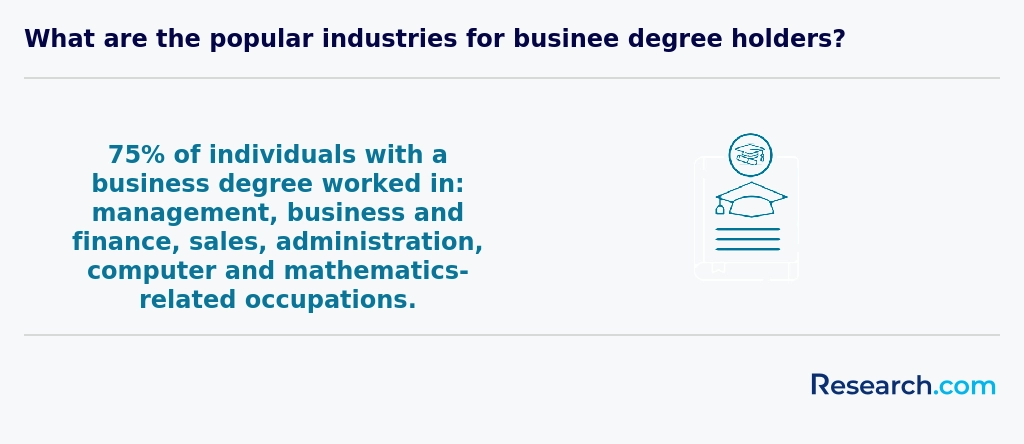
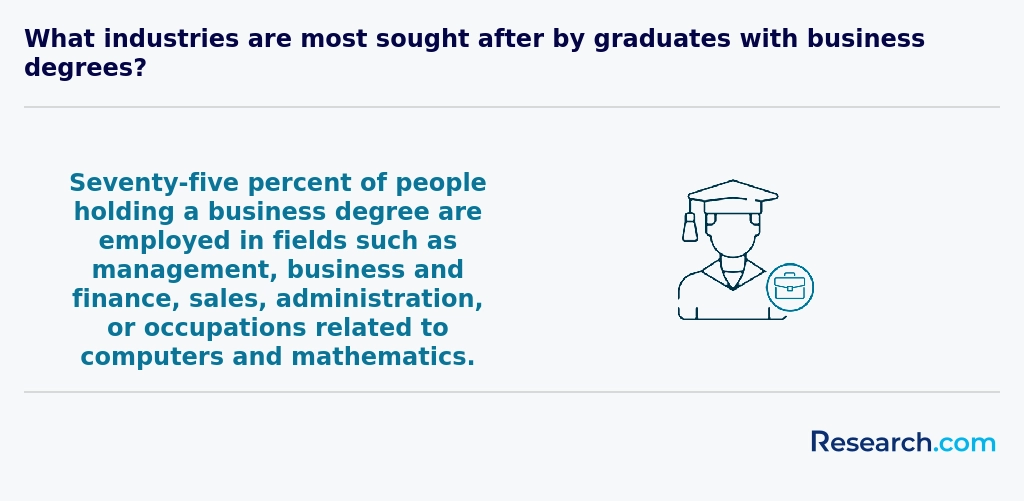
Graduates holding a business degree in Birmingham have access to diverse job opportunities that align closely with the city's robust economic landscape. Popular career paths include corporate management roles such as business analysts and operations managers, particularly within Birmingham's numerous national corporate regional offices. Many business students from local universities report positive career outcomes entering these positions, benefiting from the city's strong demand for strategic leadership.
Finance is another key sector, where graduates often find themselves as financial analysts or accountants. With financial analysts earning a median annual wage of over $81,000 nationwide and job growth expected at 6% by 2030 in metro areas like Birmingham, graduates experience promising prospects. This highlights why jobs for business graduates in Birmingham remain competitive and rewarding.
Marketing and sales roles are also abundant due to Birmingham's diverse business environment. Graduates frequently step into positions such as brand managers or marketing coordinators, utilizing skills honed at prominent local colleges. Entrepreneurial ventures have risen too, supported by organizations like the Birmingham Business Alliance, giving new business degree holders excellent opportunities to innovate.
For cost-conscious students, exploring Low Cost Online Business Degree Programs Ranking in Pittsburgh, PA may provide valuable insight when balancing tuition investment while aiming for career success in Birmingham's market.
The job market for business degree holders in Birmingham is resilient and expanding, driven by growth in sectors like finance, healthcare, and technology. Graduates from universities renowned for their business programs often find opportunities in management consulting, marketing, and financial services within the Birmingham-Hoover metro area. Recent data show business and financial occupations there are projected to grow approximately 7% by 2032, indicating strong demand that aligns well with the national average. This steady growth provides a solid foundation for business degree job opportunities in Birmingham.
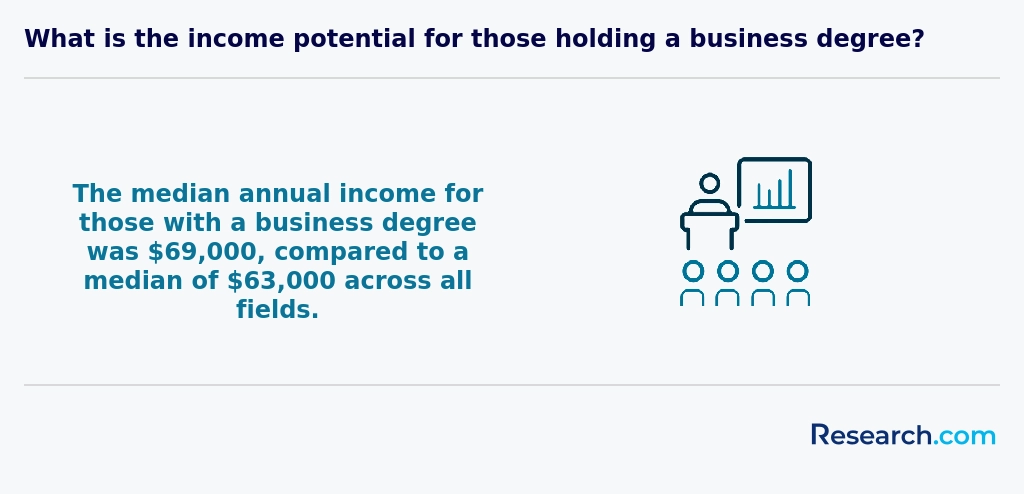
Graduates report a positive experience leveraging connections through networks such as the Birmingham Chamber of Commerce and local incubators, which enhance entry-level positions and internships. Many business students praise practical exposure to digital marketing and data analytics roles, skills highly sought by regional employers. The cost-effectiveness of Birmingham's business programs, combined with competitive salary prospects-median wages near $70,000-makes the city attractive. Students also explore a 6-month online certification program that pays well to complement their degree and boost employment outlook.
2027 Most Valuable Business Degree Programs Ranking in Birmingham
Investing in your education is a significant decision that can shape your future, and the Research.com team understands the importance of making informed choices. To assist prospective students in Birmingham, we have meticulously crafted the "2027 Most Valuable Business Degree Programs Ranking in Birmingham." Our commitment to quality, credibility, and accuracy is reflected in the extensive research and analysis conducted to compile this ranking.
We utilized the following reputable data sources to ensure a comprehensive evaluation of business degree programs:
By exploring this ranking, readers will gain valuable insights into the most impactful business degree programs available in Birmingham, empowering them to make well-informed decisions about their educational paths. For more details on our methodology, please visit our Research.com methodology page.


# 4 position
Strayer University-Alabama
Bachelor of Business Administration in Management

Frequently Asked Questions About business
Business degree students in Birmingham can maximize their learning experience by actively engaging with local industries. Birmingham has a growing business sector, especially in finance and technology, offering internship opportunities that enhance practical skills. According to the Birmingham Business Alliance, over 30% of local firms participate in student placement programs annually.
Students should also take advantage of campus resources such as career services, workshops, and networking events. Joining business clubs and attending guest lectures helps connect theoretical knowledge with real-world applications.
Furthermore, using data analytics and case studies focused on Birmingham's economy, as provided in coursework, sharpens problem-solving skills tailored to regional markets.
The business field is evolving rapidly, with several emerging niches gaining importance for students pursuing degrees in Birmingham. One key area is data analytics, which integrates business strategies with big data to improve decision-making. According to the Bureau of Labor Statistics, jobs for data analysts are expected to grow by 25% over the next decade, making this a promising niche.
Another growing sector is sustainable business practices. Companies increasingly focus on environmental impact, and degrees that combine business with sustainability are in demand. The University of Alabama at Birmingham highlights this trend in local corporate social responsibility initiatives.
Healthcare management remains vital in Birmingham due to its robust medical industry. Specialized business programs tailored to healthcare administration offer practical career paths.
Lastly, digital marketing continues to expand, driven by the rise of e-commerce and social media, making it an attractive niche for new business students.
To prepare for the job market after completing a business degree in Birmingham, start by gaining relevant experience through internships or part-time roles. Local companies like Regions Bank and Protective Life often offer entry-level opportunities for recent graduates. Networking is crucial; attend events hosted by the Birmingham Business Alliance to connect with professionals and recruiters.
Develop practical skills such as data analysis and digital marketing, which are in high demand. According to the U.S. Bureau of Labor Statistics, business and financial occupations in Alabama are projected to grow by 5% through 2031. Consider certifications like the CFA or PMP to enhance your resume.
Finally, use your university's career services to refine your resume and practice interviews, ensuring you present yourself confidently to employers in the competitive Birmingham market.
Employers in Birmingham highly value business degree graduates who demonstrate strong analytical and communication skills. According to a 2023 report by the Birmingham Business Alliance, 78% of businesses emphasize critical thinking and problem-solving abilities as essential for new hires.
Additionally, proficiency in data analysis and digital literacy ranks high among desired competencies, reflecting the city's growing tech-driven economy. Effective teamwork and leadership are also prioritized, with 65% of employers seeking candidates able to manage diverse groups and projects collaboratively.
Understanding financial principles and market trends remains fundamental, supported by reports from the U.S. Bureau of Labor Statistics highlighting local demand for finance-related expertise.
Finding internships in Birmingham relevant to a business degree involves a multifaceted approach. Start by exploring opportunities through your university's career center, which often partners with local companies to offer internships.
The Birmingham metropolitan area hosts various businesses, including financial services, healthcare management, and manufacturing, sectors that frequently seek business interns. According to the Birmingham Business Alliance, over 25,000 businesses operate locally, increasing internship availability.
Utilize online platforms like Handshake, LinkedIn, and company websites to find and apply for internships. Networking events and local business meetups can also connect students with potential employers. Applying early and tailoring resumes to highlight business skills improves success rates.
A business degree significantly enhances career mobility and advancement opportunities in Birmingham. According to the Bureau of Labor Statistics, professionals with a bachelor's degree in business earn approximately 15-20% more than those without a degree. Birmingham's growing financial and technological sectors frequently prioritize candidates with formal business education for management roles.
Graduates gain critical skills in leadership, finance, and strategic planning, which are highly valued in Birmingham's competitive job market. Data from the Birmingham Business Alliance highlights that degree holders are 30% more likely to be promoted within their organizations compared to individuals with non-business backgrounds.
This degree also facilitates networking with local industry leaders, further boosting employment prospects and career growth.
Studying for a business degree in Birmingham equips students with skills that span multiple disciplines, crucial for today's complex job market. Programs often include coursework in economics, statistics, marketing, and management, allowing students to develop analytical and communication capabilities applicable across various sectors.
Birmingham, with its strong ties to industries like finance, manufacturing, and technology, offers valuable internship and networking opportunities. According to the Birmingham Business Journal, nearly 65% of graduates find roles that blend business expertise with technology or logistics.
This interdisciplinary training prepares students to tackle challenges by integrating knowledge from different fields, enhancing adaptability and innovation in their careers.
When choosing between a thesis and a non-thesis business degree program in Birmingham, consider your career goals and learning style. Thesis programs focus on research and require students to write an extensive paper, ideal for those aiming for academic or research-oriented careers. Non-thesis programs emphasize practical experience, often including internships or projects, which suits students targeting immediate employment in business roles.
According to the Birmingham Business Alliance, Birmingham's economy is growing in finance and healthcare sectors, making practical skills highly valuable. A non-thesis track often offers networking opportunities within these local industries.
Examine program requirements carefully and consult advisors to determine the best fit for your ambitions.
Students based in Birmingham who wish to study business abroad have various opportunities, particularly in the United States. Many US universities offer exchange programs and dual-degree options tailored for international students. These programs typically combine rigorous coursework in management, finance, and marketing with hands-on internships.
For example, Birmingham's business community, valued at approximately $20 billion annually according to the Birmingham Business Alliance, fosters strong links with universities worldwide. This opens pathways for students to engage in global business environments. Additionally, scholarships and financial aid are often available for study abroad through US colleges, which can help offset the higher costs of international education.
Popular destinations in the US include business schools ranked by U.S. News & World Report, which emphasize leadership development and innovation in business practices. By studying in the US, Birmingham students gain exposure to diverse business cultures and networks, enhancing their competitiveness in global job markets.
Students pursuing business degrees in Birmingham have a variety of part-time job opportunities that can enhance their practical skills and supplement academic knowledge. Popular roles include retail management positions, sales associate jobs, and internships in local financial institutions. According to the Birmingham Business Alliance, the city's growing finance and professional services sector offers valuable internships that provide firsthand experience with market analysis and client relations.
Working in customer service roles at major retail chains can also strengthen communication and leadership skills important in business careers. These jobs typically offer flexible hours, allowing students to balance work and studies effectively. Additionally, roles in marketing agencies or nonprofit organizations help develop project management capabilities, useful for future business leaders.
Business students in Birmingham benefit from robust networking opportunities essential for career development. Local universities often host events connecting students with alumni and business leaders, enhancing professional relationships.
The Greater Birmingham Chamber of Commerce, serving over 1,200 members, regularly organizes workshops and mixers where students can engage with diverse industries. This is crucial in a city known for its growing financial and tech sectors.
Additionally, internships facilitated by university career centers provide practical experience and industry contacts. According to the Birmingham Business Journal, over 60% of business graduates secure internships through these programs.
Such networking avenues support students in building meaningful connections within Birmingham's dynamic business community.
Alumni networks play a significant role in enhancing the experience of business degree students in Birmingham. These networks provide valuable connections that can lead to internships, job opportunities, and mentorship. According to a 2023 report from the Birmingham Business Alliance, 68% of local employers prefer hiring graduates recommended through alumni referrals.
Additionally, alumni events and online platforms create spaces for students to interact with successful professionals, gaining insights into industry trends and career growth. Such engagement helps students build professional skills and expand their local business knowledge, especially in Birmingham's growing financial and tech sectors.
In Birmingham, students can tailor their business degree programs by selecting specific concentrations such as finance, marketing, or supply chain management to align with their career goals. Many local institutions offer flexible curricula that include internships with Birmingham's diverse economic sectors, like banking and manufacturing. According to the Birmingham Business Alliance, experiential learning opportunities greatly enhance job readiness. Additionally, students may benefit from elective courses in emerging areas such as data analytics or entrepreneurship. Customizing your degree through practical experience and focused coursework helps you develop valuable skills that match Birmingham's competitive business environment.
Business students in Birmingham face several common challenges during their studies. One major hurdle is balancing academic workload with practical experience. Many programs emphasize internships, but securing placements can be competitive, especially in a city where local businesses vary in size and sector. According to the Birmingham Chamber of Commerce, around 30% of small businesses offer limited internship opportunities, which can restrict hands-on learning.
Additionally, students often struggle with understanding the real-world application of theoretical concepts. This gap between classroom learning and business practice is noted by educators across Birmingham's universities.
Financial concerns also play a significant role. Tuition and living costs in Birmingham have risen by 5% over the past three years, as reported by the National Center for Education Statistics (NCES), increasing the pressure on students to maintain employment while studying.
With a business degree, graduates in Birmingham can pursue several recognized professional certifications that enhance career prospects. Popular options include the Certified Public Accountant (CPA), ideal for those interested in accounting and finance. The CPA credential is well-regarded nationwide and valuable in Birmingham's diverse business environment.
Another key certification is the Project Management Professional (PMP), which suits graduates aiming for leadership roles in managing projects across industries. This certification demonstrates expertise in planning and executing projects effectively.
Additionally, the Certified Management Accountant (CMA) is an excellent choice for those focusing on financial management and strategic business assessment. It offers strong career potential within Birmingham's growing companies.
Other options include Chartered Financial Analyst (CFA) for finance specialists and Six Sigma certifications for process improvement experts. Each of these credentials can significantly boost employability in Birmingham's competitive job market.
Crafting a strong application for a business degree program in Birmingham requires clarity and focus. Start with a compelling personal statement that highlights your passion for business and how specific programs in Birmingham align with your career goals. Admissions committees value applicants who demonstrate knowledge of local business trends; for example, Birmingham's growing financial and tech sectors offer unique professional opportunities. Include relevant work experience, internships, or volunteer roles to show practical skills.
Be sure to maintain a competitive GPA-many top programs expect at least a 3.0. Standardized tests like the GMAT or GRE might be required, depending on the school.
References from professionals familiar with your work ethic are highly recommended. According to U.S. News & World Report, incorporating evidence of leadership and community involvement increases acceptance chances.
The global perspective on a business career emphasizes adaptability and cross-cultural skills. According to the U.S. Bureau of Labor Statistics, business-related jobs are expected to grow 8% from 2022 to 2032, reflecting steady demand worldwide. Students in Birmingham, Alabama, benefit from proximity to major industries, including banking and manufacturing, which align with global market trends. A 2023 report by the Birmingham Business Alliance highlights the city's growing international trade connections, reinforcing the value of global business knowledge.
Companies increasingly seek graduates who understand international markets and supply chains. Familiarity with global economic policies enhances career prospects. As such, business degrees that integrate global case studies and international internships are highly regarded across U.S. industries.
Gaining practical experience during a business degree in Birmingham is essential for US students aiming to enhance their employability. Many universities in Birmingham offer cooperative education (co-op) programs, allowing students to work in local companies while earning academic credit. According to the National Association of Colleges and Employers, approximately 60% of business students who complete internships receive job offers promptly after graduation.
Birmingham's growing sectors, such as finance and technology, provide abundant internship opportunities. Additionally, students can engage in case competitions, business clubs, and consulting projects with real clients, which are commonly integrated into curricula. These experiences help develop skills crucial for business careers in the US and globally.
Choosing the right concentration within a business degree program in Birmingham begins with understanding your career goals. Popular concentrations include finance, marketing, management, and entrepreneurship. Birmingham's strong regional economy offers opportunities in finance and industrial management, making these promising fields to consider. According to the Birmingham Business Alliance, industries such as banking and manufacturing employ a significant portion of the local workforce, indicating demand for related skills.
Students should also assess their strengths and interests through internships or informational interviews with local professionals. Researching the curriculum is essential; some schools offer hands-on projects or partnerships with Birmingham businesses, enhancing practical experience. Additionally, reviewing employment statistics from the National Center for Education Statistics can help gauge concentration outcomes nationally and locally. Focusing on areas aligned with Birmingham's economic strengths improves marketability after graduation.
- 2027 Most Valuable Business Degree Programs Ranking in Montgomery
- 2027 Most Valuable Business Degree Programs Ranking in Atlanta
- 2027 Most Valuable Business Degree Programs Ranking in Nashville
- 2027 Most Valuable Business Degree Programs Ranking in Macon
- 2027 Most Valuable Business Degree Programs Ranking in Mobile
- 2027 Most Valuable Business Degree Programs Ranking in Jackson
- 2027 Most Valuable Business Degree Programs Ranking in Memphis
- 2027 Most Valuable Business Degree Programs Ranking in Knoxville
- 2027 Most Valuable Business Degree Programs Ranking in Spartanburg
- 2027 Most Valuable Business Degree Programs Ranking in New Orleans
See What Experts Have To Say About Studying Business
Read our interview with Business experts

David Souder
Business Expert
Senior Associate Dean for Faculty and Research
Michigan State University

Ingrid S. Greene
Business Expert
Clinical Assistant Professor of Management
Loyola Marymount University


- Skills Employers Look for in Business Graduates – EU Business School https://www.euruni.edu/blog/skills-employers-look-for-in-business-graduates/
- Top 10 Skills Employers Seek in Business Graduates in 2026 https://www.ibat.ie/blogs/top-10-skills-employers-seek-in-business-graduates-in-2026
- Online Degree vs. Traditional: Choosing the Right Path https://beal.edu/online-degree-vs-traditional/
- Business Study Abroad Programs | Go Overseas https://www.gooverseas.com/study-abroad/business
- Business Management | Top-up | University College Birmingham https://www.ucb.ac.uk/university/undergraduate/courses/business-management-ba-hons-top-up/
- Why the Birmingham Job Market is Thriving | AD Finance https://www.alexanderdaniels.co.uk/9-reasons-birmingham-job-market-thriving/
- Niche Business Ideas: A Guide to Profitable Niche Business Selection - Inar Learn https://inarlearn.com/niche-business-ideas-a-guide-to-profitable-niche-business-selection/
- How to Write a Statement of Purpose for Business School https://www.statementswritingservices.com/blog/how-to-write-a-statement-of-purpose-for-business-school.html
- Global careers, real impact: building your career with an international business degree | University of East London https://www.uel.ac.uk/blog/global-careers-real-impact-building-your-career-international-business-degree
- Study Abroad Blogs https://one-educationgroup.com/en/recommended-3-popular-courses-birmingham-business-school/