2027 Most Popular Business Degree Programs Ranking in San Francisco

Co-Founder and Chief Data Scientist
Choosing the right business degree program in San Francisco can shape your future career and open exciting opportunities. The 2027 Most Popular Business Degree Programs Ranking in San Francisco, created by the Research.com team of data scientists, offers clear insights to help you make an informed decision.
This article highlights programs that stand out in quality and popularity, making your search easier and more confident. Pursuing a business degree can boost your skills, expand your network, and empower your professional growth in a vibrant city like San Francisco.
Key benefits of getting business degree in San Francisco
- Salary for business degree graduates: Graduates can expect rewarding salaries, with roles like Business Development Executive earning an average annual wage of $83,190 and Business Analyst positions offering around $112,950 annually, reflecting strong financial opportunities.
- Career paths: A business graduate from a popular San Francisco university might pursue diverse roles such as business development, analysis, or management, ensuring flexible and exciting professional growth in a vibrant job market.
- Benefits of online degrees: Earning a business degree online from a reputable San Francisco institution offers flexibility and convenience, allowing students to balance work and study while accessing quality education that fits modern lifestyles.
- 2027 Most Popular Business Degree Programs Ranking in San Francisco
- What can I expect from business degree in San Francisco?
- Where can I work with business degree in San Francisco?
What can I expect from business degree in San Francisco?
The average cost of a business degree in San Francisco varies but generally reflects the city's high living expenses and the prestige of its institutions. Graduates from well-known universities in the area often share that tuition for an MBA can range from $60,000 to over $100,000, while undergraduate programs may cost between $40,000 and $70,000. These figures, though significant, are often balanced by the city's vast professional opportunities and network connections.
Many students recall the value of internships and local partnerships that amplify their classroom learning. For instance, at universities near the financial district or Silicon Valley's edge, experiential learning through startups or venture capital firms enriches their understanding and offers real-world applications, justifying the investment. While tuition may feel steep, it's the blend of rigorous academics, access to technology innovators, and proximity to dynamic industries that consistently leaves graduates feeling that their education was worth every dollar.
Where can I work with business degree in San Francisco?
Graduates with a business degree from universities like the University of San Francisco or San Francisco State University often find themselves drawn to the city's thriving sectors in finance and technology. Many share how landing roles at major financial institutions, such as Wells Fargo or Charles Schwab, allowed them to apply analytical skills to investment analysis and financial planning, fueling both professional growth and personal confidence.
Others describe the excitement of joining tech companies near Silicon Valley, like Salesforce or Uber, where their ability to blend business insight with emerging technologies makes them indispensable. For example, graduates working in product management or operations thrive by constantly adapting to innovation-driven environments, which creates a rewarding and dynamic career path.
Business students passionate about marketing or consulting often highlight opportunities at agencies or firms like McKinsey, where strategic thinking and data-driven decision-making are daily tasks. The vibrant San Francisco startup scene also provides many graduates a chance to embrace entrepreneurship or broader roles in human resources and supply chain management, making their journey rich with possibilities and growth.
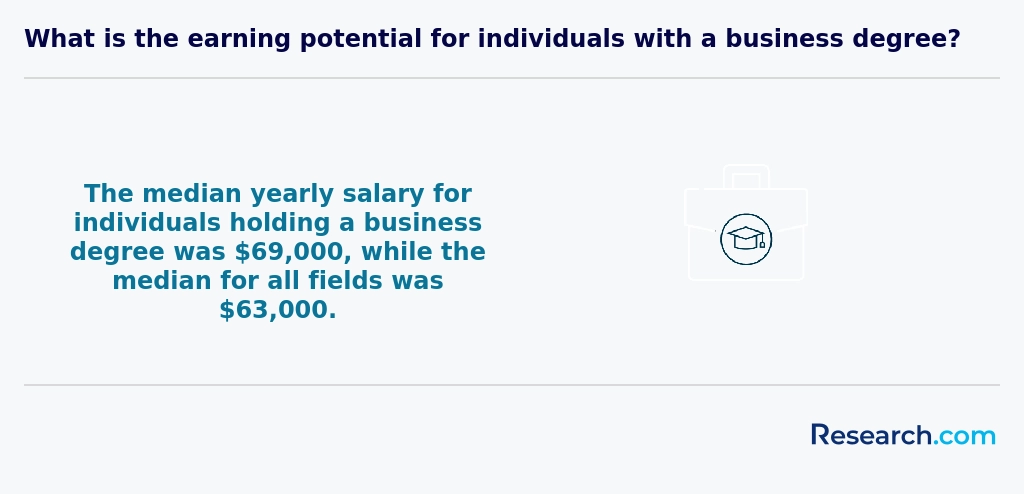
Graduates from business programs at top San Francisco institutions often find encouraging salary prospects. For example, those stepping into roles as Business Development Executives typically earn a mean annual wage of around $83,190, a figure reflecting the region's competitive market. Business Analysts, another common path, enjoy even greater rewards with an average salary near $112,950, benefiting from San Francisco's tech-driven economy.
These figures align with real experiences shared by recent graduates, who mention starting positions offering strong growth potential. Many recall landing roles with salaries that allow them to engage fully with the dynamic local business scene, from startups to established financial firms. The median wage benchmarks set by the U.S. Bureau of Labor Statistics reinforce the idea that a business degree here is a meaningful investment.
Choosing to pursue these careers in San Francisco isn't just about numbers; it's about the opportunity to thrive in an environment rich with innovation and professional networking. Graduates find themselves motivated and confident, supported by both their education and the city's economic strengths.
- Tuition for a bachelor's degree in business in San Francisco ranges from $15,000 to $55,000 per year, varying by public or private institutions.
- Entry-level salaries for business graduates average around $60,000 per year, with mid-career salaries reaching $90,000 to $130,000 depending on experience and specialization.
- Key industries hiring business graduates include technology, finance, consulting, and startups in the Bay Area.
- Internships and networking opportunities are widely available through partnerships with local businesses and universities.
- Many business programs in San Francisco hold AACSB accreditation, which is important for quality and global recognition.
Completing a business degree in San Francisco typically takes about four years for full-time undergraduates at well-known institutions such as San Francisco State University or the University of San Francisco. Graduates often recall the rewarding challenge of balancing rigorous coursework over eight semesters, gaining practical skills while enjoying the city's vibrant business community.
Some students choose accelerated programs offered by several local colleges, finishing their degree in as little as three years. This option demands dedication and the willingness to take summer classes or heavier course loads but provides the excitement of entering the workforce sooner.
Graduate degrees, like the MBA at prominent San Francisco schools, usually require two years full-time. Yet many working professionals appreciate the flexibility of part-time or evening programs, extending to five years, which allow them to gain experience simultaneously. Alumni often express gratitude for this balance, highlighting the value of earning a degree without pausing their career momentum.
: To truly understand the value of a business degree in San Francisco, it's essential to look at the success stories of alumni and the industry connections they've made. Many graduates have gone on to launch successful careers in tech, finance, and entrepreneurship, leveraging the city's vibrant business landscape to their advantage. For instance, a graduate from the University of San Francisco might find themselves well-prepared for internships and careers in tech and finance, thanks to the university's strong connections with local businesses. If you're interested in exploring the most popular business degree programs, you can check out our most popular business degree rankings to find the best fit for your career aspirations. By examining the achievements of alumni and the partnerships between universities and industry leaders, prospective students can gain a deeper understanding of how a business degree in San Francisco can open doors to exciting and rewarding career opportunities.
For many San Francisco students pursuing business degrees, choosing between online and on-campus programs often comes down to lifestyle and learning style. Graduates from local universities frequently reflect on how online programs offered the flexibility to maintain their jobs in the city's fast-paced economy while balancing family commitments. The ability to study without a daily commute was a major relief, allowing them to absorb course material in a more self-directed way.
Conversely, those who attended on-campus programs at well-known San Francisco colleges recall the invaluable face-to-face interactions with professors and peers. These connections often led to internships and networking events held nearby, leveraging the proximity to Silicon Valley's vibrant industry scene. One graduate cited how spontaneous study groups and real-time feedback during lectures helped deepen their understanding and prepared them for a competitive job market.
Cost differences also matter. Many found online programs at local public universities around 10-20% cheaper, an important factor when managing expenses in an expensive city. However, graduates agree that the choice ultimately reflects how much hands-on engagement and networking one values in shaping a successful business career.
When weighing the cost of a business degree in San Francisco against your future earnings, understanding the return on investment (ROI) is crucial. On average, in-state tuition for a bachelor’s business program in the city hovers around $20,000 for a full 120-credit curriculum, while out-of-state students may pay upwards of $40,000. With entry-level salaries for graduates starting near $60,000 and mid-career earnings often surpassing $100,000, the typical payback period for tuition and living expenses ranges between 3 to 5 years. Factoring in high demand for roles like Business Analyst ($108,790/year) and Project Manager ($80,220/year), graduates can expect to recover their investment faster than the national average. To calculate your personal ROI, divide your total program cost by your expected salary increase relative to your pre-degree earnings. For example, if you currently earn $50,000 and anticipate a post-graduation salary of $80,000, a $30,000 tuition investment yields a 66% salary uplift, translating to a full payback in under four years. Including living expenses and potential financial aid, students often find that scholarships and grant support can further shorten this timeline. Always run a conservative estimate to account for variable living costs in a high-cost city like San Francisco. For career-driven professionals balancing work and study, considering flexible, cost-effective pathways can enhance ROI. Many turn to affordable aacsb accredited online mba degree programs to reduce tuition burdens while maintaining accreditation standards, enabling swift re-entry into the workforce and improving long-term earning potential.
The average cost of a business degree in San Francisco reflects a blend of public and private educational opportunities, with the median total cost around $53,884. Graduates from popular institutions like the University of San Francisco and San Francisco State University often recall balancing tuition fees with living expenses, which adds a significant dimension to the overall budget. For in-state students, total costs tend to be closer to $30,736, which can make a meaningful difference when planning finances.
Many students pursuing business degrees in the city appreciate the city's vibrant economy and networking opportunities, despite higher tuition rates at private universities. These costs emphasize the importance of considering not only tuition but also additional expenses such as housing and daily living, which in San Francisco can easily top $20,000 annually. Reflecting on their experience, graduates often highlight how scholarships and financial aid helped ease this burden, making their education more accessible.
Understanding the typical business degree tuition fees San Francisco 2027 can empower prospective students to make informed decisions. It's worth exploring various financial resources and carefully budgeting for all expenses to avoid unwelcome surprises.
For those curious about the most popular business degree choices in California, these considerations further help to shape an educational path that balances quality with affordability.
Financial aid for business students in San Francisco often begins with federal programs like Pell Grants and Direct Loans accessed through FAFSA. Graduates from local institutions such as San Francisco State University frequently recall how Pell Grants relieved much of their tuition burden, allowing them to focus more on growing as future business leaders rather than constant financial worry.
California's Cal Grant program also plays a critical role, especially for residents who demonstrate both merit and need. Many business students at the University of San Francisco found Cal Grants instrumental in bridging the gap between tuition and other expenses, fostering a real sense of encouragement to persist in challenging courses.
Institutional scholarships here are another lifeline. Universities tailor these awards to recognize leadership or to support underrepresented groups within business programs. Students often speak warmly of these scholarships as affirmations of their potential, fueling their ambitions in vibrant San Francisco classrooms.
Private organizations, like the National Black MBA Association, provide additional support, supplementing university aid. Coupled with work-study and employer tuition assistance from local tech and finance firms, these resources collectively ease the financial journey toward earning a business degree in this dynamic city.
In an era where tuition and living expenses in San Francisco can strain even the most budget-savvy students, exploring online business degrees offers a cost-effective alternative without sacrificing program quality. Many accredited online programs provide flexible pacing, digital networking opportunities, and lower per-credit fees-helping you maximize your return on investment. For instance, institutions featured in our Cheapest Online Business Degree Programs Ranking in the South demonstrate how students can save thousands on tuition while still accessing robust curricula in management, finance, marketing, and data analytics. Key advantages of these affordable online options include:
- Reduced Overhead Costs: Eliminate commuting and on-campus fees, redirecting savings toward coursework or professional development.
- Flexible Scheduling: Balance full-time work, family commitments, and studies with asynchronous lectures and on-demand resources.
- Equivalent Accreditation: Many online programs hold regional or AACSB accreditation, ensuring employers recognize the rigor of your degree.
- Nationwide Networking: Engage in virtual cohorts that connect you with peers and faculty across different industries and geographies, expanding your professional circle beyond California. By weighing these online alternatives alongside local in-person programs, you can find a pathway that aligns with both your budget and career aspirations.
Enrolling in a business degree program in San Francisco means meeting clear academic and practical prerequisites that reflect the city's dynamic business environment. Graduates from well-known local universities often recall how a strong high school foundation, especially in math and English, was crucial to manage courses in finance, economics, and statistics. Many undergraduates credit their success to maintaining a GPA of 3.0 or higher, which remains a common benchmark, while some found that presenting solid SAT or ACT scores gave their applications an added boost despite the rise of test-optional policies.
For those aiming for an MBA, admission committees at San Francisco's respected institutions usually look for a bachelor's degree and several years of professional experience, emphasizing how real-world insight enhances classroom discussions. A number of graduates reflect fondly on internships with local startups or established companies that enriched their learning and helped build valuable networks in the city's tight-knit business scene.
Financial readiness is also part of the picture, given San Francisco's cost of living and tuition fees, which can be daunting but are seen by many as a worthwhile investment in their future career paths.
As the business landscape in San Francisco continues to evolve, understanding emerging trends can empower you to make informed decisions about your education and career. In today’s rapidly transforming economy, digital innovation, sustainability, and data-driven decision-making are reshaping industries, placing a premium on skills that go beyond traditional business theories. For instance, many local organizations are increasingly integrating digital transformation strategies and leveraging artificial intelligence, which in turn creates high demand for graduates who are both tech-savvy and adept at strategic management. Staying ahead means not only acquiring core business knowledge but also expanding your expertise with emerging skills such as agile project management, green business practices, and advanced data analytics. Recent graduates have noted that internships and hands-on projects-often offered in collaboration with local startups-can provide valuable real-world experience that sets them apart in a competitive job market. Additionally, networking events and mentorship programs in San Francisco frequently include discussions about future trends, offering insights into how business models are evolving in the age of digital disruption. If you’re wondering which areas are currently commanding top salaries and career growth, consider exploring Highest Paying Business Majors to learn more about specialized fields that are driving economic success. Embracing these trends not only enhances your academic journey but also positions you strategically for the future success of your business career in San Francisco.
Graduates from business programs in San Francisco frequently describe their coursework as both challenging and rewarding, grounded in the realities of the city's vibrant economy. Core classes typically include accounting and finance, where students learn to analyze financial statements and master budgeting-skills essential for navigating firms in the financial district or tech startups downtown.
Marketing courses often engage students with the latest digital trends and consumer behavior, directly reflecting the innovative environment found at universities like San Francisco State or the University of San Francisco. Many alumni recall real projects where they crafted brand strategies for local companies, making the lessons feel immediately applicable.
Management classes emphasize leadership and project coordination, preparing students to steer diverse teams in fast-paced settings. Several graduates note that entrepreneurship courses were particularly inspiring, teaching them how to develop business plans and secure venture funding amidst San Francisco's thriving startup culture.
Specializations in areas such as data analytics, international business, and sustainability provide further depth, allowing students to tailor their learning to San Francisco's unique corporate landscape and progressive values.
Business degree specializations in San Francisco are deeply influenced by the city's dynamic economy and its position as a global innovation hub. Graduates from well-known universities often highlight Technology Management as a favorite, where they learn to bridge business with cutting-edge tech trends-a perfect fit given San Francisco's thriving startup scene. Others find Finance appealing, drawn by the city's vibrant fintech and banking sectors, which offer real-world opportunities to apply investment analysis and corporate finance skills.
Marketing is another popular path, especially among those passionate about digital strategies shaped by San Francisco's creative industries. For students who feel the entrepreneurial spirit, programs focused on Entrepreneurship resonate strongly, preparing them for the challenges of launching new ventures in one of the nation's top areas for business startups. Some even pursue Supply Chain Management or International Business to leverage the city's major port and gateway status to Asia-Pacific markets. Those exploring these avenues often consult resources like Highest Paying Business Majors for guidance on their futures.
Choosing the best business degree programs in San Francisco means weighing factors beyond the diploma. Graduates from San Francisco State University often reflect on how the AACSB accreditation of their program assured them of a solid academic foundation, trusted by employers. Location matters too; many find value in programs that connect them directly with Bay Area industries like Salesforce or Wells Fargo, turning internships into meaningful career launches.
Cost is a real concern in the city, and students juggling expenses appreciate programs blending affordability and flexibility. Some have found success studying through affordable aacsb accredited online mba degree programs, which ease the financial strain while maintaining high standards. Prospective students often recommend examining majors that align with San Francisco's tech-driven economy, such as data analytics or entrepreneurship, which open doors to startups and emerging markets.
Balancing cost with curriculum relevance-and seeking careers services that bridge education to opportunity-can transform the business degree experience into both personal growth and professional advancement.
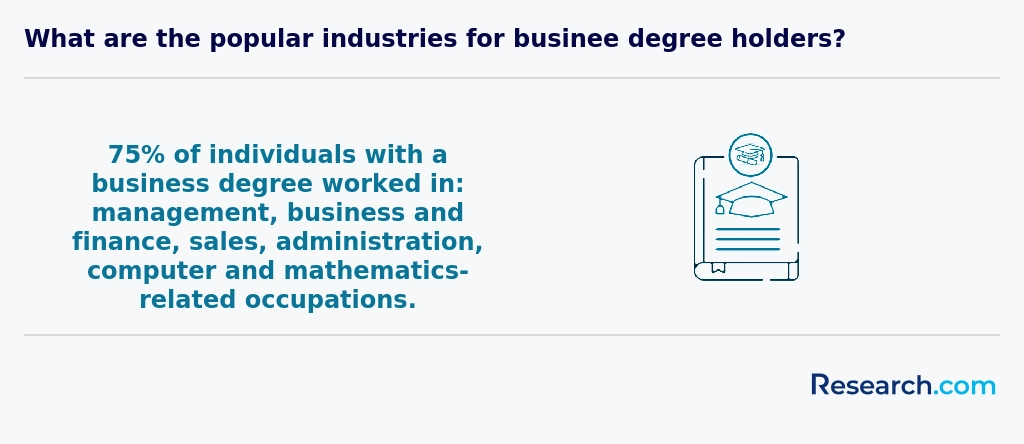
Graduates holding a business degree in San Francisco find their career paths remarkably diverse, reflecting the city's robust economic landscape. In finance, many step into roles such as financial analysts or investment bankers, motivated by the city's proximity to Silicon Valley's venture capital firms. For those coming from universities known for their strong business programs, this pathway often feels like a natural extension of classroom learning into dynamic, high-stakes environments. This blend of academic rigor and practical exposure highlights the appeal of careers with business degree in San Francisco.
Others discover fulfilling opportunities in technology companies-product management and business development roles are common, offering graduates a chance to merge their understanding of business strategy with innovation. Alumni from San Francisco's top colleges regularly share how internships and collaborations with startups shaped their confidence and networks.
The city's lively startup scene also attracts entrepreneurial graduates, who leverage versatile business skills to launch ventures. Meanwhile, roles in marketing management and human resources allow graduates to contribute to brand growth and talent development, rewarding those with a keen strategic mindset.
For prospective students mindful of educational costs, exploring options such as the Cheapest Online Business Degree Programs Ranking in the South can offer valuable alternatives that balance investment and opportunity.
The job market for business degree graduates in San Francisco is notably vibrant, driven by the city's dynamic tech, finance, and entrepreneurial sectors. Graduates from institutions like San Francisco State University or the University of San Francisco often find themselves in competitive roles within tech companies, where skills in marketing, project management, and business development are highly sought after. The appeal of these opportunities is bolstered by higher-than-average salaries, reflecting the city's elevated cost of living and strong economic growth.
Many graduates appreciate the ease of access to an expansive network of startups and venture capital, which fosters an environment rich in innovation and entrepreneurial endeavors. Business students with a passion for launching new ventures or consulting often benefit from this ecosystem, gaining real-world exposure while still in school.
For those considering the financial aspect of education, weighing tuition fees-ranging from more affordable public options to pricier private colleges-against potential post-graduate compensation is essential. Some students explore accelerated bachelors programs to shorten their time to entry into this promising job market. Overall, San Francisco remains a top choice for those focused on the business degree job outlook San Francisco offers.
Graduates report positive career growth aligned with San Francisco business degree employment trends, especially in management and finance roles within the metropolitan area's robust economy.
2027 Most Popular Business Degree Programs Ranking in San Francisco
Investing in your education is a significant decision that can profoundly impact your career and future. The Research.com team recognizes the importance of making well-informed choices, which is why we have carefully developed the "2027 Most Popular Business Degree Programs Ranking in San Francisco." Our dedication to quality, credibility, and accuracy is demonstrated through thorough research and analysis.
We utilized the following reputable data sources to ensure a comprehensive evaluation of business degree programs:
By reviewing this ranking, readers will gain valuable insights into the most popular and credible business degree programs in San Francisco, empowering them to make confident educational decisions. For more information about how this ranking was developed, please visit our Research.com methodology page.


# 5 position
Minerva University
Bachelor of Science in Business Administration

# 6 position
Minerva University
Master of Business Administration

# 8 position
Golden Gate University
Master of Business Administration

# 9 position
Golden Gate University
Bachelor of Science in Business
# 10 position
Academy of Art University
Bachelor of Business Administration

Frequently Asked Questions About business
Business degree students in San Francisco can maximize their learning by engaging directly with the city's thriving economy. San Francisco is home to over 8,000 startups and several Fortune 500 companies, offering valuable internship and networking opportunities. According to the San Francisco Office of Economic and Workforce Development, practical experience is key to career success in this competitive market.
Students should also utilize resources from local universities, such as guest lectures and mentorship programs. Participating in industry groups and business competitions can build real-world skills. Additionally, staying informed on local business trends-like technology and sustainability-can enhance classroom learning and career readiness.
The business field in San Francisco is rapidly evolving, with several emerging niches gaining prominence. One key area is sustainable business and green entrepreneurship, driven by the region's strong environmental advocacy and tech innovation culture. According to the Bay Area Council Economic Institute, green jobs in the area have grown by over 20% in recent years.
Another growing niche is fintech, benefiting from San Francisco's status as a financial technology hub. Local universities now offer specialized courses in blockchain technology and digital currencies, reflecting market demand.
Data analytics and artificial intelligence applications in business strategy also attract many students, given the city's strong tech ecosystem and investment in AI startups.
Preparing for the job market after completing a business degree in San Francisco requires strategic planning and local market awareness. The city's economy heavily features technology, finance, and startups, offering diverse employment opportunities. According to the U.S. Bureau of Labor Statistics, business-related fields in San Francisco are expected to grow by 8% through 2031.
Students should focus on building relevant skills such as data analysis, digital marketing, and project management. Engaging in internships with local companies can provide practical experience and networking connections. The San Francisco Chamber of Commerce highlights the value of attending industry events and joining professional associations to enhance job prospects.
Leveraging university career services and participating in mentorship programs are essential steps. Additionally, understanding the unique challenges of the Bay Area job market-such as high competition and cost of living-can help graduates tailor their job search effectively.
Employers in San Francisco seek business degree graduates with a strong blend of technical and interpersonal skills. Key abilities include data analysis, financial literacy, and proficiency in digital tools such as Excel and CRM software. According to a 2023 LinkedIn report, 68% of San Francisco-based businesses prioritize candidates with analytics capabilities.
Communication skills remain essential; employers value graduates who can present ideas clearly and work effectively in teams. Problem-solving and adaptability are also critical due to the city's dynamic tech-driven economy.
Leadership and project management experience increasingly distinguish candidates in competitive markets. Familiarity with startup culture and innovation trends can enhance job prospects.
Finding internships in San Francisco relevant to a business degree requires a strategic approach. Many top local universities, including San Francisco State University and the University of San Francisco, offer career centers with dedicated internship listings tailored to business students.
Networking is crucial in this city, home to a vibrant economy with leading sectors like technology, finance, and biotech. Platforms such as LinkedIn and Handshake provide access to thousands of business internships in the Bay Area. According to the San Francisco Office of Economic and Workforce Development, over 40% of internships convert into full-time roles, highlighting their importance.
Students should also engage with professional organizations like the San Francisco Chamber of Commerce and attend business-focused career fairs to establish valuable contacts.
Obtaining a business degree in San Francisco can significantly enhance career mobility and advancement opportunities due to the city's dynamic economy and diverse industries. According to the U.S. Bureau of Labor Statistics, business-related roles in the San Francisco metropolitan area are projected to grow at a rate above the national average through 2030, driven by sectors such as technology, finance, and healthcare.
Graduates with business degrees often access a broad network of corporate and startup employers headquartered locally. Additionally, many San Francisco companies prioritize candidates with formal business education, particularly those with skills in data analytics, management, and finance.
A report from the Bay Area Council Economic Institute indicates that professionals with business degrees earn wages approximately 20% higher than those without such qualifications, supporting faster career progression. These advantages contribute to greater upward mobility within competitive job markets across the city.
Studying for a business degree in San Francisco offers a unique advantage for students aiming at interdisciplinary roles. The city's dynamic economy, which includes sectors like technology, finance, and healthcare, encourages integration of diverse skill sets. Many local universities incorporate coursework that blends business fundamentals with data analytics, technology management, and entrepreneurial innovation.
According to the U.S. Bureau of Labor Statistics, the San Francisco metropolitan area has one of the highest concentrations of STEM jobs, which influences business curricula to include technology and quantitative analysis components. This approach prepares graduates to work effectively across traditional boundaries.
Additionally, internships and partnerships with local companies expose students to real-world challenges that require cross-functional collaboration.
Choosing between a thesis and a non-thesis business degree program in San Francisco largely depends on your career goals and learning preferences. A thesis option is research-intensive and suits students interested in analytical skills or pursuing a PhD. Typically, thesis programs require completing an original research project and can take longer to finish.
The non-thesis track focuses on coursework and practical experience, appealing to those aiming for immediate entry into San Francisco's dynamic business sectors such as technology startups or finance. According to the National Center for Education Statistics, nearly 70% of business graduates opt for non-thesis programs due to faster completion and real-world application.
Both options are well-supported by San Francisco institutions, leveraging industry ties in the Bay Area to provide relevant professional opportunities and networking.
Students based in San Francisco seeking to study business abroad have various options through local universities' international programs. Many institutions in the Bay Area, such as the University of San Francisco and San Francisco State University, offer exchange programs with partner schools worldwide, allowing students to earn credits during semesters abroad. Popular destinations include Europe, Asia, and Latin America, aligning with San Francisco's strong global business ties.
According to the Institute of International Education, approximately 25% of U.S. business students participate in study abroad programs, with a growing interest in emerging markets.
These programs often include internships and cultural immersion, enhancing practical skills relevant to multinational companies headquartered in San Francisco.
San Francisco's dynamic economy offers diverse part-time job opportunities that complement business degree education. Students often find roles in finance, marketing, and retail sectors, gaining practical skills alongside academic knowledge.
According to the San Francisco Economic Development Report 2023, the city's finance and technology industries grew by 5.2%, increasing demand for roles such as financial analysts and marketing assistants. These positions provide real-world experience in data analysis, market research, and client management.
Additionally, internships or part-time roles at startups and small businesses are common, offering exposure to entrepreneurship and business operations in a competitive environment. Positions in customer service or sales also develop communication and negotiation skills crucial for future managers.
San Francisco offers rich networking opportunities for business students thanks to its status as a global technology and innovation hub. Students can connect with professionals through numerous industry events, workshops, and meetups regularly held in the city. According to the San Francisco Chamber of Commerce, over 1,000 startups and established companies provide abundant internship and mentorship openings each year.
Universities in the area often partner with local businesses, creating exclusive networking sessions and career fairs for business students. Additionally, organizations like the Silicon Valley Forum organize annual conferences attracting top executives, giving students a chance to engage with leaders and innovators.
Access to alumni networks of prominent San Francisco business schools also helps students build professional relationships and explore job opportunities in finance, tech, and entrepreneurship.
Alumni networks significantly benefit business degree students in San Francisco by providing valuable professional connections in a competitive job market. These networks often include graduates working at major companies like Salesforce, Wells Fargo, and Twitter, creating direct pathways to internships and employment opportunities.
According to the Graduate Management Admission Council, 85% of business graduates in the U.S. found their first job through networking. In San Francisco, where the tech and finance sectors dominate, this figure often translates into strong support for recent graduates.
Additionally, alumni can offer mentorship, industry insights, and guidance on career advancement, which is especially important in San Francisco's dynamic business environment.
Customizing a business degree program in San Francisco allows students to align their education with specific career goals. Many local universities offer flexible curricula with elective courses in areas like technology management, entrepreneurship, and finance, reflecting San Francisco's strong tech and startup economy. Students can often choose concentrations or minors that complement their interests, enhancing job readiness in competitive markets.
Internships and cooperative education programs with leading Bay Area companies provide practical experience and networking opportunities. According to the U.S. Bureau of Labor Statistics, employment in San Francisco's business sectors is projected to grow steadily, underscoring the value of tailored education. Additionally, engaging in local business clubs and workshops can enhance skills beyond the classroom.
Business students in San Francisco often face a high cost of living, which can add financial stress during their studies. According to the Council for Community and Economic Research, San Francisco's living expenses are roughly 82% higher than the national average. This affects rent, transportation, and daily expenses, challenging students to balance budgets alongside tuition fees.
Another challenge is the competitive job market. San Francisco's status as a tech and startup hub means many business students compete for internships and entry-level roles with candidates holding technical skills. Institutions encourage students to develop data analytics or coding knowledge to stay competitive.
Lastly, time management can be difficult as students juggle demanding coursework, networking events, and part-time jobs needed to offset costs. These pressures require strong organizational skills and resilience.
With a business degree in San Francisco, you can pursue a range of professional certifications that enhance your career prospects in the competitive Bay Area market. Popular certifications include the Certified Public Accountant (CPA) for those interested in accounting, and the Project Management Professional (PMP), which is highly valued across industries including tech and finance.
San Francisco's booming tech ecosystem also values certifications like the Certified Business Analysis Professional (CBAP). Moreover, earning a Chartered Financial Analyst (CFA) designation is beneficial for finance professionals in this economic hub.
These credentials often require passing rigorous exams and meeting experience requirements, aligning well with a business degree's foundation.
Applying to a business program in San Francisco requires a clear, focused approach. Start by highlighting relevant work experience, especially in tech or finance, as the Bay Area hosts major companies like Salesforce and Wells Fargo. Admissions committees value applicants who demonstrate leadership and innovation.
Ensure your personal statement reflects an understanding of San Francisco's unique business environment, emphasizing skills in entrepreneurship and digital transformation. According to the Graduate Management Admission Council, 65% of MBA programs now prioritize candidates with analytical and communication skills.
Strong letters of recommendation from industry professionals familiar with local market trends can enhance your application significantly.
Global perspectives on a business career emphasize the increasing importance of cross-cultural skills and adaptability. In San Francisco, a hub for innovation and international business, understanding global markets can significantly boost career prospects. According to the U.S. Bureau of Labor Statistics, employment for business occupations is projected to grow 8% from 2022 to 2032, driven by global trade and technology sectors.
San Francisco's diverse economy, including fintech and tech startups, highlights the value of global business knowledge. Prospective students benefit from programs that incorporate international case studies and language skills. Networking with global companies based in the Bay Area can also open doors to international opportunities.
Business degrees increasingly focus on global ethics, sustainability, and emerging markets, reflecting worldwide business trends. These elements prepare graduates for competitive roles not only locally but internationally, making global perspectives essential.
Gaining practical experience while studying for a business degree in San Francisco is highly achievable due to the city's robust economy and diverse industries. Many universities encourage internships, co-op programs, and consulting projects with local startups and established firms, such as those found in the tech and finance sectors. According to the National Association of Colleges and Employers (NACE), internships increase job offer rates by over 60%. San Francisco offers abundant networking events and career fairs specifically focused on business students, providing direct access to employers. Additionally, students can join business clubs and participate in case competitions to sharpen real-world skills while still enrolled.
Choosing the right concentration within a business degree program in San Francisco requires careful consideration of the city's economic landscape and your personal career goals. San Francisco is a leading hub for technology, finance, and entrepreneurship, making concentrations like finance, marketing, and technology management particularly relevant. According to the U.S. Bureau of Labor Statistics, jobs in financial services in the San Francisco-Oakland-Hayward area are projected to grow faster than the national average through 2028.
Research the concentrations offered by accredited institutions and consider internships or networking opportunities available locally. Fields aligned with startups or the tech industry may provide more job openings, as noted by the San Francisco Office of Economic and Workforce Development. Lastly, reflect on your strengths and interests to select a concentration that aligns with both the market and your aspirations.
- 2027 Most Popular Business Degree Programs Ranking in Berkeley
- 2027 Most Popular Business Degree Programs Ranking in San Jose
- 2027 Most Popular Business Degree Programs Ranking in Santa Clara
- 2027 Most Popular Business Degree Programs Ranking in Stockton
- 2027 Most Popular Business Degree Programs Ranking in Fresno
- 2027 Most Popular Business Degree Programs Ranking in Reno
- 2027 Most Popular Business Degree Programs Ranking in San Luis Obispo
- 2027 Most Popular Business Degree Programs Ranking in Bakersfield
- 2027 Most Popular Business Degree Programs Ranking in Santa Barbara
- 2027 Most Popular Business Degree Programs Ranking in Pasadena
See What Experts Have To Say About Studying Business
Read our interview with Business experts


Ingrid S. Greene
Business Expert
Clinical Assistant Professor of Management
Loyola Marymount University

David Souder
Business Expert
Senior Associate Dean for Faculty and Research
Michigan State University

- Skills Employers Look for in Business Graduates – EU Business School https://www.euruni.edu/blog/skills-employers-look-for-in-business-graduates/
- SFBU’s Three-Year Bachelor’s Degree https://www.sfbu.edu/admissions/sfbus-three-year-bachelors-degree
- Interdisciplinary Business https://www.okwu.edu/academics/undergraduate/bachelor-interdisciplinary-business/
- Professional Business Certifications to Boost Your Career in 2025 https://www.business.com/articles/best-business-certifications/
- How to Identify Profitable Business Niches: A Guide for ... https://www.invoiceonline.com/the-entrepreneur-s-handbook/entrepreneurship/business-strategy/how-to-identify-profitable-business-niches-97365
- Jobs after studying business administration: opportunities at a glance | JobTeaser https://www.jobteaser.com/en/advices/jobs-after-studying-business-administration-opportunities-at-a-glance
- Career Goals: 17 Inspirational Examples for you in 2026 https://www.imd.org/blog/learning-and-development/career-goals/
- Why Employers Prize a Global Perspective from MBA Graduates | WU Executive Academy https://executiveacademy.at/en/knowledge/career/why-employers-prize-a-global-perspective-from-mba-graduates
- Niche Business Ideas: A Guide to Profitable Niche Business Selection - Inar Learn https://inarlearn.com/niche-business-ideas-a-guide-to-profitable-niche-business-selection/
- Top 10 Emerging Business Niches of 2026 & How to Plan for Them https://prometai.app/blog/emerging-niches-business-planning