
2027 Most Popular Business Degree Programs Ranking in California

Co-Founder and Chief Data Scientist
Choosing the right business degree program can shape your future career and open doors to exciting opportunities. This article introduces the 2027 Most Popular Business Degree Programs Ranking in California, created by the Research.com team of data scientists to help you make an informed decision.
Whether you're starting your college journey or considering a change, understanding which programs stand out can guide you toward success. Reading this ranking gives you valuable insights, so you feel confident about investing in a degree that matches your goals and passions.
Key benefits of getting business degree in California
- Salary for business degree graduates: Graduates in California can expect competitive salaries such as $83,190 annually for Business Development Executives and $112,950 for Business Analysts, reflecting strong earning potential in the field.
- Career paths: A business graduate from the University of California, Berkeley often explores diverse roles like marketing, finance, or management, gaining flexibility to pursue rewarding opportunities across many industries.
- Benefits of online degrees: Earning a business degree online from a school like San Diego State University offers convenience and the ability to balance work and study, making your education accessible without sacrificing your current lifestyle.
- 2027 Most Popular Business Degree Programs Ranking in California
- What can I expect from business degree in California?
- Where can I work with business degree in California?
What can I expect from business degree in California?
The average cost of earning a business degree in California varies significantly depending on the type of institution you attend. For example, graduates from California State University campuses often share how the tuition, averaging around $7,000 a year for residents, allowed them to balance education costs with living expenses in vibrant cities like Sacramento or San Diego. Meanwhile, those who enrolled in University of California business programs, which typically charge about $15,000 annually for residents, frequently mention the access they gained to Silicon Valley internships and cutting-edge facilities that fueled their career ambitions.
Many students find financial aid and scholarships crucial in managing these expenses, especially at private schools where costs can be even higher. But beyond tuition, the investment feels worthwhile when these graduates land roles in large firms or launch startups amid California's tech and entertainment hubs, emphasizing that the cost reflects more than just credits-it's a gateway to networks and real-world opportunities unique to the state's dynamic economy.
Where can I work with business degree in California?
Graduates from business programs at schools like UCLA Anderson or USC Marshall often find themselves stepping into dynamic roles across California's vast economic landscape. It's not just about traditional corporate jobs; many discover exciting positions in Silicon Valley's tech giants, where product managers and business analysts shape the future.
Others pursue careers in Los Angeles's bustling financial district, thriving as financial analysts or risk managers for leading banks and investment firms. For those drawn to meaningful impact, healthcare management careers in major hospitals offer the chance to blend business acumen with improving lives, reflecting California's evolving demographic needs.
Graduates also share stories of breaking into entertainment business roles, managing projects for film studios in LA, where creativity fuels career satisfaction beyond numbers and charts. The entrepreneurial spirit is alive too-many choose to launch startups, empowered by strategy and marketing skills honed in college, tapping into California's top ranking for new business formation.
This broad spectrum of pathways shows that a business degree in California opens doors far beyond expectation-inviting graduates to craft careers full of purpose, innovation, and personal fulfillment.
Graduates armed with a business degree from top California institutions like UCLA or UC Berkeley often uncover a landscape of promising financial rewards. For instance, business analysts in the state typically start with a mean annual wage around $112,950, reflecting the high demand and complex skills required in industries clustered around Silicon Valley or Los Angeles. This figure challenges the common belief that all entry-level roles underwhelm financially; instead, it signals the potential for substantial earnings early on.
Consider a recent graduate stepping into a business analyst role at a tech startup in San Francisco-the excitement of contributing to innovative projects is matched by a salary that surpasses many other states' standards. Meanwhile, positions like business development executives report a mean wage near $83,190 annually, underlining that even jobs perceived as stepping stones can offer a solid financial foundation in California's vibrant economy.
Such salary data invites deeper reflection on how regional economic dynamics and institutional prestige empower graduates to command wages well above national averages, transforming typical expectations about earning potential in business careers.
- In-state tuition at California public universities for business degrees ranges from $7,000 to $12,000 per year.
- Private universities in California may charge over $40,000 annually for business programs.
- Entry-level salaries for business graduates in California typically start between $50,000 and $65,000 per year.
- After 5 to 10 years of experience, median salaries for business graduates can reach around $90,000 annually.
- California's economy supports strong demand for business skills in fields like finance, marketing, consulting, and digital marketing.
Completing a business degree in California often defies neat timelines, especially when real life intersects with academia. At community colleges, associate degrees typically span about two years, but many graduates recount stretching to 2.5 years while juggling part-time jobs and family commitments. This flexibility can be both a challenge and a relief.
For those enrolled full-time at California State University campuses, the expectation is around four years. Yet, graduates frequently reflect on their journey extending closer to 4.5 years. Major changes or internships often lead students to embrace a slightly longer path, a trade-off many view as enriching rather than delaying.
At UC campuses or private universities, the number of semester units (120-130) and opportunities for accelerated programs can shorten or lengthen the timeline depending on your ambition and circumstances. MBA aspirants - often working professionals - appreciate part-time, evening classes, sometimes stretching their degrees over three years or more but gaining invaluable real-world insights simultaneously.
Ultimately, the duration is deeply personal, shaped by part-time versus full-time choices, transfer credits, and program flexibility, reflecting the dynamic, often unpredictable rhythm of California life.
When considering a business degree in California, one of the crucial factors is the cost. Prospective students often find themselves wondering about the affordability of these programs. To address this concern, it's essential to explore the most affordable business programs in California, which offer a balance between quality education and financial accessibility. Many of these programs are designed to cater to a wide range of students, from those looking to pursue a traditional on-campus experience to those preferring the flexibility of online degrees. By understanding the options available, students can make informed decisions about their educational paths, ensuring they invest in a program that meets their financial and academic needs. This consideration is vital in today's competitive job market, where graduates need to be well-prepared to navigate the challenges of the business world while also managing their financial obligations effectively.
Graduates from the University of Southern California often recall the energizing buzz of face-to-face collaboration, where vibrant classroom debates and spontaneous networking events create an immersive business learning environment. In contrast, business students at University of California, Irvine appreciate the freedom to juggle coursework around demanding jobs and family schedules, thanks to flexible online formats.
This contrast highlights a core difference: on-campus programs immerse you in a physical space rich with direct faculty interaction and local business connections, valuable in California's thriving economy. Online programs, meanwhile, leverage digital platforms to foster learning at your own pace, which appeals to self-directed learners comfortable with technology.
California State University students attending in person benefit from reduced in-state tuition and immediate access to campus resources, while their online counterparts save on commuting and housing, reflecting personal priorities beyond just education.
Choosing between these routes is not merely about convenience or cost but about the style of engagement you crave-whether it's the dynamic hum of campus life or the quiet satisfaction of mastering material independently.
Investing in a business degree in California often raises questions about the return on investment (ROI) and how quickly graduates can recoup their educational costs. With an average total tuition of $38,496 for public online bachelor’s programs and median starting salaries around $69,000, many students see payback periods as short as 2–4 years. This balance of cost and earning potential positions California business graduates competitively in today’s job market. Several factors influence ROI, including program type, duration, and delivery format. Accelerated programs enable students to enter the workforce sooner, reducing living expenses and opportunity costs. For example, professionals aiming for leadership roles may consider an accelerated MBA track; California’s renowned mba online accelerated options can shorten study timelines to 12–18 months, leading to faster salary growth and career advancement. Geographic location and industry also shape ROI. Graduates entering high-demand sectors-such as tech in Silicon Valley or healthcare management in Los Angeles-often command premium salaries that enhance their long-term earnings. Additionally, networking opportunities embedded in California’s campuses translate into internships and mentorships, which can yield full-time offers and bolster financial returns. To maximize ROI, prospective students should research accredited institutions, compare in-state versus out-of-state tuition rates, and leverage scholarships or employer tuition reimbursement programs. Engaging in internships and professional certifications during studies further elevates marketability. By carefully evaluating program costs against post-graduation salary projections and career support services, students can make informed decisions that ensure their business degree in California delivers substantial and lasting value.
When considering the average business degree cost California students face, it's essential to recognize the striking disparity between public and private institutions. Many graduates from California State Universities recall the relief of paying approximately $16,766 in tuition as in-state students, a figure that feels achievable compared to the daunting price tags seen elsewhere. This median total cost paints a more practical picture than the six-figure sums associated with private schools.
Attending a University of California campus for business studies often means balancing quality with a higher sticker price, but thoughtfully planning around the median cost can help mitigate financial stress. Graduates from these programs often describe a sense of accomplishment that blends rigorous academics with realistic budgeting, reinforcing that the total cost of business degree California residents undertake can align with broader economic goals.
Conversely, students who attend top-tier private universities in California experience a very different reality, facing tuition rates that can push total costs well over $50,000, sometimes even exceeding $120,000 for advanced degrees like the MBA. These numbers provoke vital reflection on what returns students expect for such significant investments and how they navigate that landscape with optimism and strategic financial planning.
Many prospective students, weighing their options, discover extensive financial aid options and scholarship pathways within California's public systems, an encouraging reason to explore the most affordable business programs in California. These opportunities reveal that the average business degree cost California presents can be managed thoughtfully, sparking a hopeful outlook for anyone embarking on their business education journey.
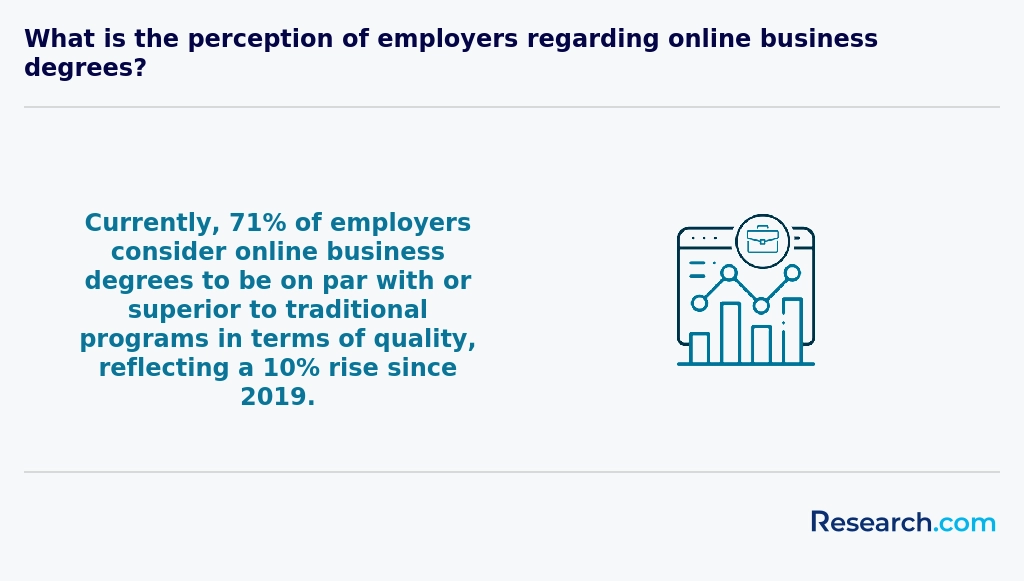
Many business students in California find that federal financial aid, such as Pell Grants and Federal Supplemental Educational Opportunity Grants (FSEOG), forms the backbone of their funding. Imagine attending the Haas School of Business at UC Berkeley and receiving a Pell Grant that doesn't require repayment-this relief is often a game-changer, allowing students to focus on coursework instead of debt. Beyond federal aid, the state's Cal Grant offers up to $12,570 specifically to University of California attendees, a significant boost for those balancing family and work commitments.
Merit-based scholarships from institutions like USC's Marshall School of Business often arrive like unexpected rewards for dedication, encouraging students to push further. Graduates recall how work-study jobs, whether on campus or with approved local businesses, not only eased financial strain but also provided invaluable real-world experience in California's competitive business environment.
Additionally, many students tap into employer tuition assistance, making it possible to juggle advancing their careers while earning degrees-an often overlooked lifeline that turns ambition into achievable goals.
As the business landscape continues to evolve, it’s crucial for prospective students and professionals alike to stay informed about emerging trends that could shape future career opportunities. In recent years, digital transformation and technological integration have revolutionized the way business is taught and practiced, making skills such as data analytics, cybersecurity, and agile project management increasingly valuable. Many institutions are now integrating innovative teaching methods and interdisciplinary approaches to prepare graduates for a rapidly changing market, where adaptability and tech-savviness are key. Furthermore, the rise of remote work and the gig economy has prompted universities to expand their curriculum to include flexible, online learning options. For example, exploring the best online business certificates can provide additional credentials that bolster one’s professional profile and practical expertise. Keeping an eye on these future-oriented trends can help students choose programs that not only meet today’s market demands but are also aligned with the transformative shifts anticipated in tomorrow’s business environment.
Meeting the prerequisites to enroll in a business degree in California goes beyond ticking boxes; it's a defining moment for many students embarking on their career journeys. Graduates from well-known institutions like the University of California campuses often recall how their completion of rigorous high school coursework-especially in mathematics through Algebra II, English, social sciences, and science-became the foundation for thriving in competitive business programs.
Many have felt relief when test-optional policies eased pressure around SAT or ACT scores, highlighting how California's shifting admissions landscape values consistent academic effort and GPA just as much. At community colleges, students appreciate how placement tests in math and English help tailor their course path, making the transition smoother and less intimidating.
For those eyeing MBA programs from California's prestigious schools, holding a bachelor's degree isn't just a formality but a gateway. Graduates frequently mention how preparing competitive GMAT or GRE scores, coupled with two to five years of relevant work experience, enhanced not only their admissions chances but also their confidence and perspective.
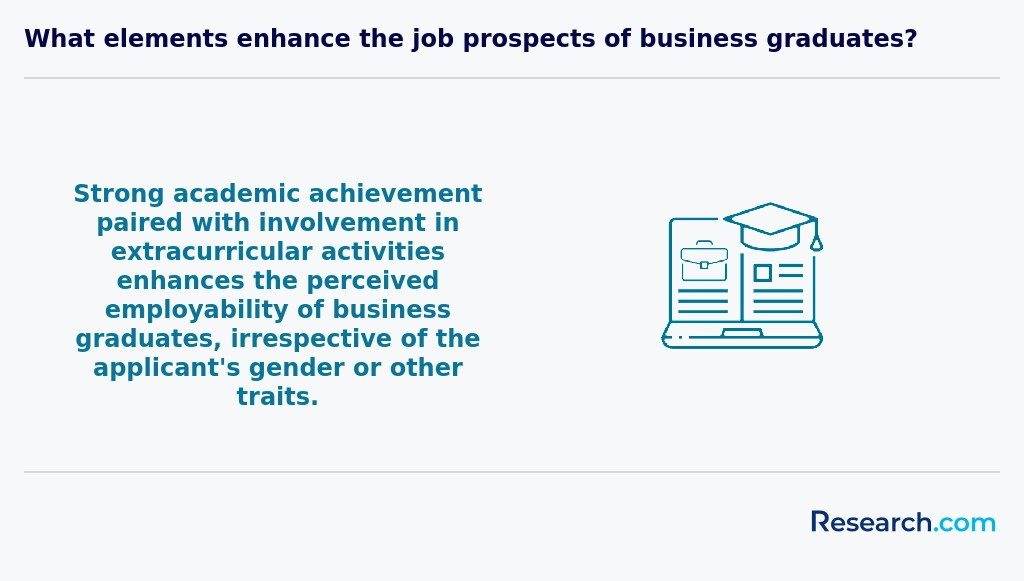
Understanding the true value of a business degree goes beyond tuition figures-it hinges on the return on investment (ROI) you can expect once you enter the workforce. In California, where median salaries for business graduates range from $80,220 for project managers to $108,790 for business analysts, calculating your payback period is critical. On average, a bachelor’s degree in business from a public university costs about $38,496 in tuition, with total student debt averaging $25,000. Given these figures, most graduates recoup their tuition investment within three to five years through increased earning potential and reduced unemployment risk. When evaluating ROI, consider not only direct costs but also opportunity costs-such as foregone income if you study full-time-and potential salary growth over time. For example, graduates who leverage internships and networking often secure higher starting salaries, shortening their ROI timeline. Additionally, online programs can lower living expenses and allow you to continue working; for students seeking cost-effective options, you can compare programs with our Affordable Online Business Degree Programs Ranking in Fayette, IA. To maximize ROI:
- Target specializations with strong market demand, such as data analytics or supply chain management, where starting salaries can exceed $90,000.
- Use financial aid strategically-grants and scholarships can reduce debt burdens and accelerate break-even points.
- Engage in paid internships and co-op experiences to offset education costs and build professional connections. By carefully assessing tuition costs, salary projections, and career advancement opportunities, you can make an informed decision that ensures your business degree delivers lasting financial and professional rewards.
Business degrees in California challenge students with courses that go far beyond simple theory. Graduates from top programs at places like UCLA or San Diego State frequently highlight how mastering Principles of Accounting and Business Finance transformed intimidating numbers into powerful decision-making tools used in real-world boardrooms.
Marketing Fundamentals courses compel students to dive deep into consumer psychology, shaping strategies that drive compelling campaigns in Silicon Valley startups. Organizational Behavior and Management classes don't just teach leadership-they mimic dynamic team scenarios that graduates recall as eye-opening moments, preparing them for fast-paced office cultures across California's industries.
Economics courses weave together micro and macro concepts, helping students understand California's tech booms and agricultural markets alike. Meanwhile, Business Law and Ethics anchor students in the legal realities of entrepreneurship and corporate governance, experiences graduates say sparked an appreciation for responsible innovation in environments like the LA entertainment sector.
Business degree specializations in California reflect the state's diverse economy and prepare students for unique local challenges. From graduates at renowned public universities mastering Accounting or Finance to those at private colleges thriving in Entrepreneurship within Silicon Valley's startup culture, the choices are tailored to real market needs. Imagine a student focusing on International Business, leveraging California's global trade connections to build careers in cross-border commerce, or another delving into Information Systems & Technology, blending cutting-edge IT with traditional business skills.
These concentrations don't just fill textbooks-they mirror the ambitions of students navigating California's competitive landscape. At universities known for their business programs, students feel energized choosing Marketing or Management, knowing these skills unlock doors in entertainment or agriculture sectors. Prospective students should explore California business degree concentration options deeply, as they represent more than academic paths-they shape vibrant, practical career journeys. For those seeking to boost their skill set without committing to a full degree, the best online business certificates can offer valuable alternatives.
Choosing the best business degree in California demands more than just picking a well-known school; it requires a deep look into how the program aligns with your ambitions and lifestyle. Consider the impact of attending a college with recognized accreditation, like those accredited by AACSB, which many graduates from the University of California, Berkeley, praise for boosting their career confidence. Meanwhile, students who pursued affordable business colleges California found success by starting at community colleges that offer solid transfer pathways, helping them manage costs without sacrificing quality.
Think beyond tuition; location plays a pivotal role. Graduates from Los Angeles-based programs often highlight how internships with Fortune 500 companies enhanced their real-world skills and networks, fueling both personal growth and job prospects. Popular entrepreneurship concentrations at universities like USC prove how California's innovative energy translates into opportunities.
For flexible learners balancing work and study, exploring options like an mba online accelerated program can redefine how you approach education, making it possible to adapt while advancing quickly.
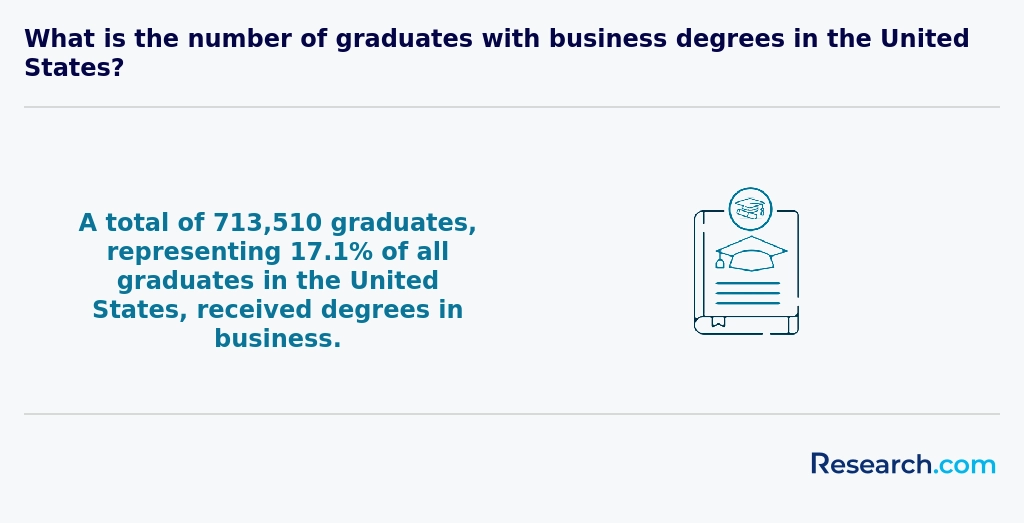
Graduates with a business degree in California find themselves at the crossroads of diverse career paths shaped by the state's vibrant economy. For those emerging from the University of California or California State University systems, opportunities in management roles are tangible and fulfilling, whether as project managers for tech startups in Silicon Valley or operations managers in sprawling manufacturing firms. These positions not only demand strategic thinking but also reward leadership skills honed in real-world internships and campus programs.
Exploring finance and accounting remains a favorite, especially since California's financial hubs like Los Angeles and San Francisco offer higher-than-average salaries. Imagine a recent graduate analyzing market trends for a major firm downtown, empowered by a degree that opens doors in a competitive environment. Business degree career opportunities in California extend beyond numbers; marketing and sales careers tap into the state's booming entertainment and digital sectors, challenging graduates to innovate global strategies.
Entrepreneurial spirits thrive here too, nurtured by resources and networks that make startups appealing despite tuition costs ranging from $30,000 to $50,000 annually. Graduates often attest that the calculated investment in their education unlocks remarkable chances that traditional wisdom might undervalue. For insights on affordable study options, check the Affordable Online Business Degree Programs Ranking in Fayette, IA.
The business degree job outlook in California defies the stereotype of uncertain outcomes often associated with liberal arts paths. Graduates from renowned universities such as the University of California, Berkeley, and the University of Southern California find themselves stepping into a dynamic market where Fortune 500 headquarters and entrepreneurial hubs coexist. It's not just about landing a job-it's about thriving in sectors like finance, marketing, and management within a state whose economic engine keeps expanding. Graduates often share how internships linked to the tech boom or entertainment industry helped launch rewarding careers.
California business degree employment opportunities are further fueled by diverse metropolitan centers such as Los Angeles, San Francisco, and San Diego, where median salaries like $96,000 for financial analysts exemplify real potential. Young professionals feel motivated by scenes of startup pitches and boardroom presentations happening just a few blocks from campuses. Many find that investing time in programs, including fast-track associate degree online options, accelerates the journey toward these roles. The robust market tests applicants but also rewards adaptability and sharpened skills cultivated at local institutions.
2027 Most Popular Business Degree Programs Ranking in California
Investing in your education is a significant decision that can profoundly impact your future, and the Research.com team recognizes the importance of making well-informed choices. To support prospective students in California, we have carefully developed the "2027 Most Popular Business Degree Programs Ranking in California." Our dedication to quality, credibility, and accuracy is evident in the thorough research and analysis undertaken to produce this ranking.
We utilized the following reputable data sources to ensure a comprehensive evaluation of business degree programs:
By reviewing this ranking, readers will gain valuable insights into the most popular business degree programs in California, empowering them to make confident and informed educational decisions. For a detailed explanation of how this ranking was created, please visit our Research.com methodology page.


Frequently Asked Questions About business
Business degree students in California can maximize their learning experience by actively engaging with the state's diverse economy, which is the largest in the US with a GDP exceeding $3.9 trillion (U.S. Bureau of Economic Analysis, 2023). Enrolling in internships within major industries such as technology, entertainment, and agriculture provides practical experience that complements academic study. California is home to over 1.5 million businesses (California Chamber of Commerce, 2023), offering ample opportunities for networking and real-world insights.
Students should also take advantage of California State University and University of California systems, which rank highly for business programs and offer specialized courses tailored to the state's economy. Participating in business competitions and clubs builds important leadership skills and industry connections. Lastly, utilizing campus career centers and attending local business events enhances job prospects and professional growth.
Emerging niches within the business field in California reflect the state's dynamic economy and technological innovation. One key area is sustainable business practices, driven by growing environmental regulations and consumer demand. California universities increasingly offer programs focused on green management and corporate social responsibility.
Another growing niche is data analytics and business intelligence, with the state's tech hubs fueling demand for professionals who can interpret big data to guide decision-making. The Bureau of Labor Statistics reports a 31% growth projected in this area nationally through 2031.
Entrepreneurship and innovation management also stand out, supported by California's startup culture.
Lastly, healthcare management is expanding, thanks to California's large healthcare sector needing skilled administrators.
Graduates with a business degree in California face a dynamic job market shaped by industries such as technology, finance, and entertainment. To prepare effectively, it is crucial to build practical skills alongside academic knowledge. Internships and cooperative education programs offered by many California universities help students gain real-world experience and industry contacts.
Additionally, networking through career fairs and professional organizations like the California Business Roundtable can open doors to employment opportunities. According to the California Employment Development Department, business-related occupations are projected to grow by 8.7% from 2020 to 2030, highlighting strong demand.
Developing proficiency in data analytics, digital marketing, and adaptability to remote work trends will further enhance job prospects in California's competitive business environment.
Employers in California highly value business degree graduates who demonstrate strong analytical and communication skills. According to the California Employment Development Department, skills such as data analysis, critical thinking, and problem-solving are particularly in demand within the state's diverse business sectors.
Additionally, proficiency in digital tools like Excel, Salesforce, and other CRM software is crucial. California's economy, driven by technology and entrepreneurship, emphasizes adaptability and innovation.
Leadership and teamwork abilities also remain essential, as many roles require collaboration across departments or with clients. Overall, graduates should prepare to combine technical skills with effective interpersonal communication to succeed in California's competitive job market.
Finding internships in California relevant to a business degree involves leveraging several key resources. Start by exploring university career centers, as many California colleges partner with local companies to offer internships. The state's diverse economy, including industries like technology, finance, and entertainment, provides numerous opportunities. According to the California Employment Development Department, internships in business sectors showed a 5% increase from 2021 to 2023.
Online platforms like Handshake and LinkedIn are also valuable for locating internships tailored to business students. Networking events hosted by chambers of commerce or professional organizations in cities like Los Angeles and San Francisco help connect students with employers.
In California, earning a business degree significantly enhances career mobility and advancement opportunities. The state's diverse economy, including tech hubs like Silicon Valley and financial centers in Los Angeles, demands skilled business professionals. According to the U.S. Bureau of Labor Statistics, employment in management occupations in California is projected to grow 7% from 2021 to 2031, faster than the national average.
A business degree provides foundational skills in leadership, finance, and marketing, which employers value highly. Graduates often experience higher starting salaries and more rapid promotion compared to those without a degree. Additionally, California companies frequently prefer candidates with accredited business degrees, boosting employability across industries.
Networking opportunities through California universities also play a crucial role in career progression, connecting students to internships and local businesses. Thus, a business degree in California not only equips students with essential skills but also facilitates upward mobility in a competitive market.
Studying for a business degree in California equips students with skills beyond traditional business knowledge, preparing them for interdisciplinary roles. Many California universities integrate courses from technology, communication, and data analytics into their business curricula. This approach reflects the state's diverse economy, which includes strong sectors like tech, entertainment, and finance.
According to the California Economic Forecast, interdisciplinary skills are highly valued in local industries, as 65% of business roles require collaboration across different fields. Students often engage in projects combining business strategy with IT and marketing, enhancing adaptability.
Additionally, California's business programs emphasize critical thinking and problem-solving, traits essential for working across different disciplines. This training supports graduates entering roles in product management, consulting, or supply chain coordination, where comprehensive knowledge is crucial.
Choosing between a thesis and a non-thesis business degree program in California depends largely on your career goals and learning preferences. Thesis programs typically require original research and are suited for students aiming at doctoral studies or research-focused careers. They emphasize analytical skills and academic writing.
Non-thesis programs focus on coursework and practical skills, appealing to professionals seeking immediate application in the California job market. According to the California Employment Development Department, sectors like finance, tech, and entrepreneurship heavily favor practical experience.
Additionally, non-thesis options may offer more flexibility with internships and networking opportunities in bustling business hubs like Los Angeles and Silicon Valley.
Students in California seeking to study business abroad have multiple avenues through U.S. higher education institutions. Many California universities with accredited business programs, such as those accredited by AACSB, offer study abroad partnerships with global universities. These programs often include exchanges or faculty-led short-term trips, allowing students to gain international business perspectives.
California State University and University of California systems report that about 10%-15% of business students participate in study abroad programs, with popular destinations including the UK, Spain, and China. The Cal State system's Global Education Office supports business students in navigating options and financial aid.
Additionally, nationally recognized programs like the Institute for Business Education Abroad provide tailored options for California students to study business fundamentals in Europe or Asia while transferring credits back to their home campuses.
California offers numerous part-time job opportunities that align well with business degree studies. Popular roles include administrative assistants, sales associates, and marketing interns, providing practical experience in business operations. According to the California Employment Development Department, these positions often pay between $15 and $25 per hour, helping students support themselves financially.
Internships in startups or established companies like those in Silicon Valley or Los Angeles offer exposure to real-world business challenges. Roles in customer service, financial planning assistance, or social media management sharpen skills essential to business careers.
Working part-time in these areas complements classroom learning and enhances professional networks.
Business students in California benefit from diverse networking opportunities due to the state's dynamic economy and concentration of global industries. Universities often host career fairs and alumni events that connect students with professionals in technology, finance, and entertainment sectors. According to the National Association of Colleges and Employers (NACE), 75% of internships secure internships through networking, a vital component for career growth.
Moreover, student organizations at institutions like the University of California or Stanford provide platforms to build connections with peers and industry leaders. Local chapters of professional groups such as the California Society of CPAs and chambers of commerce further enhance networking possibilities.
Alumni networks play a crucial role for business degree students in California by providing valuable connections and career opportunities. According to the National Association of Colleges and Employers, 85% of jobs are filled through networking, highlighting the importance of these relationships. California, home to major economic hubs like Silicon Valley and Los Angeles, offers vast alumni networks that often include influential business leaders and entrepreneurs.
These networks facilitate mentorship, internships, and job placements. Alumni can share industry insights specific to California's dynamic business environment, helping students navigate local market trends and challenges. Engaging with alumni also promotes professional growth through events and workshops tailored to business students.
Customizing a business degree in California allows students to align their education with specific career goals. Many universities offer concentrations such as finance, marketing, entrepreneurship, or international business. Selecting relevant electives helps tailor the program to individual interests. Internships and cooperative education programs provide practical experience within California's diverse economy, which includes major industries like technology, entertainment, and agriculture.
Some institutions also allow students to combine business studies with minors or certificates in fields like data analytics or sustainability. According to the National Center for Education Statistics (NCES), California awards more than 40,000 business degrees annually, reflecting wide-ranging opportunities for specialization. This flexibility enables students to build skills suited for the state's dynamic job market.
Business students in California face several challenges as they pursue their degrees. One significant obstacle is the high cost of tuition, which can exceed $15,000 per year at public universities and much more at private institutions, according to the College Board. This financial pressure often leads students to take on debt or work part-time, impacting study time. Additionally, California's competitive job market requires students to gain relevant internship experience early, which can be difficult due to limited positions and high demand.
Another challenge is adapting to the rapid pace of technological change in business practices, requiring continuous learning beyond the classroom. Furthermore, students must navigate diverse regulatory environments, as California has unique laws affecting business operations, especially in industries like tech and entertainment. According to the National Center for Education Statistics, persistence and graduation rates in business programs can be affected by these pressures, underscoring the need for strong time management and support systems.
With a business degree earned in California, professionals can pursue several valuable certifications to enhance their careers. Popular options include the Certified Public Accountant (CPA) credential, especially relevant given California's large economy and demand for accounting expertise. The CPA license requires passing a rigorous exam and meeting California's specific experience criteria, making it a key certification for finance professionals.
Other notable certifications include the Project Management Professional (PMP) designation, which is highly respected across industries, and the Certified Management Accountant (CMA) credential, focusing on financial management skills. California's diverse business environment offers numerous opportunities for holders of these certifications.
According to the California Labor Market Information, certified professionals often earn notably higher salaries, reflecting the certifications' value in this competitive job market.
To write a winning application for a business program in California, start by clearly demonstrating your passion for business and your career goals. Admissions committees at top California universities-such as the University of California, Berkeley, and UCLA-value applicants who show leadership potential and a solid understanding of business fundamentals.
Highlight any relevant experience, including internships or work in California's diverse economy, which is the fifth-largest in the world. According to the California Department of Finance, industries like technology, finance, and international trade dominate the state's business landscape. Tailor your essays to reflect knowledge of these sectors.
Ensure your application includes strong academic records, with competitive GPA and test scores if required. Letters of recommendation should come from supervisors or professors familiar with your business acumen and work ethic. Also, clearly express how the specific business program aligns with your personal and professional growth plans.
Global perspectives on a business career increasingly emphasize adaptability and cross-cultural competence. In California, a state with the fifth-largest economy worldwide, business graduates often engage with international markets and diverse populations. According to the National Center for Education Statistics, California awards more than 50,000 business degrees annually, preparing students for roles that require understanding global trade and digital innovation.
Many employers seek graduates who can navigate global supply chains and emerging markets, skills often highlighted within U.S. business schools' curricula. Programs accredited by AACSB ensure graduates meet international standards, improving their competitiveness worldwide. California's proximity to Asia-Pacific economies and Latin America creates unique opportunities for students to gain global exposure locally.
Gaining practical experience while studying for a business degree in California is essential for career readiness. Many California universities offer internships as part of their curriculum, allowing students to work with local companies in sectors like technology, finance, and entertainment, which are prominent in the state. According to the California Employment Development Department, internships improve job prospects by 20% for business graduates.
Additionally, students can engage in cooperative education programs, where they alternate between academic study and full-time work. Participation in business clubs and competitions further builds skills and networking opportunities.
California's diverse economy provides rich environments to apply classroom knowledge practically before graduation.
Choosing the right concentration in a business degree program in California starts with understanding your career goals and interests. California's diverse economy offers opportunities across fields like finance, marketing, entrepreneurship, and technology management. Data from the California Labor Market and Economic Analysis indicates strong growth in tech and green energy sectors, making concentrations in technology management and sustainability appealing.
Consider your skills and the industry demand in California's major markets such as Silicon Valley and Los Angeles. Research specific programs and their connections to local businesses. Concentrations with practical internships or co-op options can enhance job prospects after graduation.
Review labor statistics from the U.S. Bureau of Labor Statistics and career outlooks by occupation to align your choice with market trends. Consulting academic advisors and attending college info sessions are essential steps to make an informed decision.
- 2027 Most Popular Business Degree Programs Ranking in Nevada
- 2027 Most Popular Business Degree Programs Ranking in Arizona
- 2027 Most Popular Business Degree Programs Ranking in Idaho
- 2027 Most Popular Business Degree Programs Ranking in Washington
- 2027 Most Popular Business Degree Programs Ranking in Colorado
- 2027 Most Popular Business Degree Programs Ranking in Montana
- 2027 Most Popular Business Degree Programs Ranking in Hawaii
- 2027 Most Popular Business Degree Programs Ranking in Kansas
- 2027 Most Popular Business Degree Programs Ranking in Nebraska
- 2027 Most Popular Business Degree Programs Ranking in Minnesota
See What Experts Have To Say About Studying Business
Read our interview with Business experts

David Souder
Business Expert
Senior Associate Dean for Faculty and Research
Michigan State University

David W. Stewart
Business Expert
Emeritus President's Professor of Marketing
Loyola Marymount University

Ingrid S. Greene
Business Expert
Clinical Assistant Professor of Management
Loyola Marymount University

- 9 Different Types of Business Degrees and Career Paths https://www.umassglobal.edu/blog-news/9-different-types-business-degrees-and-career-paths
- Global Perspectives: International Opportunities for Business School Students - SBS Swiss Business School https://sbs-uae.org/global-perspectives-international-opportunities-for-business-school-students-3/
- 1. Online registration https://moderna.edu.pl/majors/management/bachelor-of-management/business-management/
- Business Administration Degrees | Saint Mary's College https://www.stmarys-ca.edu/academics/business/business-administration-degrees
- Business Administration Degree Salary | UE Amsterdam https://www.ue-amsterdam.com/blog/business-administration-degree-salary-how-much-can-you-earn
- 2024 Best Business Schools | How Alumni Rate Their Undergraduate Business Degrees https://poetsandquantsforundergrads.com/news/best-business-schools-alumni-rate-undergraduate-business-degrees/5/
- Bringing global perspectives to leadership in business https://www.eaie.org/resource/global-perspectives-leadership-business.html
- Business degree: What to study and how to find a job https://brive.com/blog/studies/business-degree-guide-to-study-and-find-a-job/
- 5+1: Five challenges facing business schools and one solution https://charteredabs.org/insights/opinion/51-five-challenges-facing-business-schools-and-one-solution
- Scholarships, Grants, and Other Financial Resources for California MBA Students https://mbacaliforniaedu.org/scholarships-grants-and-financial-resources/


