
2027 Most Popular Business Degree Programs Ranking in Washington

Co-Founder and Chief Data Scientist
Choosing the right business degree can shape your future career and open exciting opportunities. For students in Washington, understanding which programs stand out is essential.
This article presents the 2027 Most Popular Business Degree Programs Ranking in Washington, created by the Research.com team of data scientists. It offers clear, data-driven insights to help you explore programs that match your goals and interests.
By reading this ranking, you'll gain valuable guidance in making informed decisions and discovering programs that can enhance your skills and success in the business world.
Key benefits of getting business degree in Washington
- Salary for business degree graduates: Business graduates in Washington can expect rewarding salaries, with roles like Business Development Executives earning a mean annual wage of $83,190 and Business Analysts earning around $112,950, reflecting strong earning potential.
- Career paths: Graduates from popular Washington universities often pursue diverse opportunities in marketing, finance, and consulting, allowing them to find fulfilling careers aligned with their passions and skills.
- Benefits of online degrees: Earning a business degree online offers flexibility and convenience, enabling students from Washington to balance work and study effectively while accessing quality education from reputable institutions.
- 2027 Most Popular Business Degree Programs Ranking in Washington
- What can I expect from business degree in Washington?
- Where can I work with business degree in Washington?
What can I expect from business degree in Washington?
The average cost of earning a business degree in Washington varies depending on the university, but students can generally expect tuition to range between $10,000 and $35,000 per year. For example, graduates from the University of Washington often reflect on the investment as worthwhile, citing not only the comprehensive curriculum but also the invaluable networking opportunities with industry giants like Amazon and Microsoft that shaped their career paths.
Seattle University and Washington State University offer more affordable options without sacrificing quality, allowing students to dive into real-world experiences such as internships and case studies with local businesses. Many students share how these hands-on learning opportunities made their academic journey feel dynamic and directly connected to the thriving Pacific Northwest economy.
Though tuition fees can feel daunting, graduates frequently express excitement over scholarships, financial aid, and part-time work opportunities that help ease costs. This combination allows aspiring business leaders to pursue their dreams in Washington's vibrant business education environment with enthusiasm and confidence.
Where can I work with business degree in Washington?
Graduates with a business degree from universities like the University of Washington or Seattle University find themselves stepping into a vibrant job market brimming with opportunity. Picture landing a marketing role at Amazon's bustling Seattle headquarters, where creative campaigns shape the future of e-commerce. Or imagine joining a growing startup in Spokane, applying entrepreneurial skills learned in class to launch new ventures with bold innovation.
Many graduates dive into finance, working at banking institutions such as U.S. Bank or strategizing at local consulting firms that fuel Washington's economic engine. Business students often share how internships in companies like Microsoft provide hands-on experience in supply chain management or operations, turning coursework into real-world success.
Others find rewarding careers in healthcare administration or government agencies, managing budgets and leading projects that impact communities statewide. The diversity of options-from corporate giants to SMEs and public sectors-means the adventure of a business career in Washington is as wide-ranging as your ambitions.
Picture yourself stepping out of the University of Washington's Foster School of Business, eager to turn your degree into a thriving career. If you chase roles like a Business Development Executive in Washington, you could expect to earn about $83,190 annually, a solid foundation to start your professional adventure. Meanwhile, graduates who navigate their way into becoming Business Analysts find even more inspiring numbers, with a mean annual wage of $112,950-proof that digging into data and strategy pays off well here.
These figures reflect the vibrant economic landscape in Washington, where businesses flourish amid tech giants and innovative startups. Many who graduate from institutions around Seattle report feeling energized by the dynamic market and the prospect of growing their income alongside their experience. Imagine negotiating your first contract or leading a project, knowing your skillset commands competitive wages in one of the country's most bustling regions.
The path after earning your business degree in Washington is open and promising, beckoning you to explore numerous opportunities where your dedication can turn into rewarding financial success.
- Annual tuition costs for business degrees in Washington range from about $11,000 at public universities to over $40,000 at private institutions.
- Total yearly expenses, including fees, books, and housing, vary between $20,000 and $50,000.
- Entry-level salaries for business graduates average around $55,000 per year in Washington State.
- Mid-career salaries typically reach between $85,000 and $95,000, depending on the field and employer.
- Key industries hiring business graduates include technology, manufacturing, healthcare, and trade, especially around Seattle and the Puget Sound area.
Diving into a business degree in Washington often means embarking on a journey that takes about four years for a full-time undergraduate student. Graduates from the University of Washington and Washington State University often share how their vibrant campus life and engaging courses kept them motivated throughout those four years, blending challenging studies with exciting real-world projects.
Some adventurous students choose to speed things up by taking summer classes or online courses, slicing down the usual timeframe-turning their degree into a faster ticket to career opportunities. Part-time learners balancing jobs and studies might stretch their path to five or six years, yet many find this pace offers rich life experience alongside academics.
Graduate business degrees, like the MBA, typically require two years, but Washington's accelerated programs can pack it into just one. Working professionals appreciate flexible executive MBAs that extend over three years, allowing them to sharpen skills without hitting pause on their careers.
For many Washington business degree holders seeking to fast-track their careers, an accelerated MBA offers a compelling blend of rigorous curriculum and time efficiency. These programs typically condense traditional two-year MBAs into 12–18 months by leveraging intensive coursework, streamlined prerequisites, and cohort-based learning. Graduates gain advanced leadership, finance, and strategy skills in a fraction of the time, positioning them for senior management roles or entrepreneurial ventures. Key advantages of accelerated MBA programs include:
- Shortened Time to Completion: Intensive modules and transferable credits from prior business coursework can reduce total credit requirements by up to 30%.
- Flexibility and Accessibility: Many institutions partner with virtual classrooms and on-demand lectures to accommodate working professionals balancing career and personal commitments.
- Networking and Career Services: Cohort structures foster high-impact connections, while dedicated career advisors guide internship placements and executive mentorships. If you’re ready to elevate your credentials without pausing your professional momentum, consider exploring our curated list of the top accelerated mba degree online. These programs combine affordability, accreditation, and industry-aligned specializations, ensuring your investment delivers measurable returns in salary growth and leadership opportunities.
Choosing between online and on-campus business degrees in Washington opens a world of possibilities. Imagine a graduate from the University of Washington thriving in a bustling Seattle hub, benefiting from face-to-face networking at local business incubators and tapping into career services right on campus. The energy of in-person collaboration creates a powerful learning atmosphere that's hard to replicate online.
On the flip side, picture a working professional juggling family life who opts for an online program with a Washington college. Flexibility becomes their greatest ally, allowing them to attend lectures late at night or submit assignments during lunch breaks. Online studies eliminate commuting and parking hassles, making education achievable without sacrificing daily responsibilities.
Both paths offer solid foundations in management, finance, and marketing, supported by accredited programs across the state. Washington grads often report strong employment outcomes, whether they connected through campus events or engaged virtually. Each format invites students to explore business knowledge in ways that fit their unique journeys.
When considering a business degree program in Washington, it's essential to weigh the costs and explore available financial aid options. A critical factor for many students is finding the cheapest business school in Washington, as this can significantly impact their ability to pursue their educational goals without incurring substantial debt. The cost of attending a business program can vary widely, depending on whether it's a public or private institution, the location, and the specific program offerings. Prospective students should research not only the tuition fees but also additional costs such as textbooks, living expenses, and potential fees for online or distance learning programs. Furthermore, understanding the types of financial aid available, including scholarships, grants, and loans, can help make a business degree more accessible. Many institutions in Washington offer financial aid packages to their students, and there are also external organizations that provide support specifically for business students. By carefully considering these factors and exploring all available options, students can make informed decisions about their business education and set themselves up for success in their future careers.
The average cost of pursuing a business degree in Washington presents an intriguing mix, especially when you compare in-state and out-of-state options. For many local undergraduates, the median total cost hovers around $11,250, making it an accessible adventure into business education. Graduates from public institutions like Washington State University often share stories of balancing their budget pleasantly, appreciating both the quality education and the manageable tuition.
Out-of-state students stepping into these business programs face a different financial journey, with costs rising to a median total of approximately $44,334. While this may feel like a steep climb, many find the experience enriching and worth the investment as they dive into diverse campus cultures and wider networking opportunities.
The total expense of Washington business degree programs varies significantly at private institutions, often surpassing public rates. Graduates from schools such as Seattle University recall the hefty upfront tuition but balance it with generous financial aid and scholarships that ease their financial load. Those seeking the cheapest business school in Washington often discover these alternatives and learn to navigate their pathways creatively.
Among those advancing their studies, full-time MBA candidates often see total tuition ranging higher, reflecting the specialized nature of graduate education. All told, these numbers highlight a landscape where smart planning and keen awareness of costs can open doors to fulfilling business careers.

Imagine landing a spot in a business program at the University of Washington and discovering a treasure trove of financial aid designed just for you. Many graduates recall unlocking federal aid like Pell Grants that can provide up to $7,395 a year, a game-changer when tuition crosses $11,000 for in-state students. Filling out the FAFSA feels like applying for a secret handshake to access these benefits, opening doors to low-interest federal loans and work-study opportunities that ease the financial journey.
For those diving into studies at community colleges or state universities, the Washington College Grant often steps in, covering much or all tuition costs based on need. Many feel relief knowing nearly 30,000 fellow state residents took advantage of this aid last year, making it a trusted lifeline.
Graduates from eastern Washington institutions remember the boost from merit scholarships that rewarded their leadership or academic grit, reducing tuition by thousands. Plus, employers in Seattle's tech and finance scenes sometimes brighten the path with tuition assistance, turning work experience into an educational investment.
Exploring these resources feels like charting a personalized map to funding success, uniquely tailored to each business student's adventure in Washington.
Understanding the return on investment (ROI) for a Business degree in Washington is essential for making an informed decision about your education. On average, in-state tuition at public universities like the University of Washington hovers around $11,745 per year, while private institutions can exceed $45,000 annually. However, graduates can expect significant financial gains: with early-career salaries for Business Analysts averaging $68,000 and Project Managers around $65,000, many students recoup their tuition within 3–5 years of full-time work. Key factors influencing ROI include:
- Total Cost of Attendance: Tuition, fees, and living expenses range from $40,000 to $60,000 per year depending on residency and housing choices.
- Post-Graduation Earnings: Median salaries for top roles-such as Business Analyst ($108,790) and Medical and Health Services Manager ($101,340)-underscore the long-term value of business education in Washington’s robust economy.
- Payback Period: Calculated as total debt divided by annual post-tax earnings, most graduates clear undergraduate loans within five years, faster for those leveraging scholarships or graduate assistantships.
- Opportunity Cost: Many online learners balance work and study, reducing lost income and accelerating ROI compared to full-time, on-campus programs. For insights into even more cost-effective options, explore Inexpensive Online Business Degree Programs Ranking in Kentucky. Beyond financial metrics, intangible benefits-such as networking in Seattle’s tech scene, access to incubators, and mentorship from seasoned faculty-amplify career trajectory. By weighing both tangible earnings and experiential gains, prospective students can confidently assess the true ROI of a Business degree in Washington.
To dive into a business degree in Washington, you'll first need a high school diploma or something equivalent like a GED. Many students from popular Washington schools find that strong skills in English, math, and social studies really pave the way-especially math, with courses in Algebra and Geometry being key. Imagine walking through the campus of a well-known state university, where fellow students often share how these classes prepared them for the challenges of business analytics and finance.
Some universities still ask for SAT or ACT scores, though test-optional policies mean you might skip this step depending on the school's vibe. Graduate programs, like MBAs at local colleges, typically expect you to already have a bachelor's degree. Those graduates often mention that showing off economics or statistics courses helped them stand out.
Work experience is golden, especially in Washington's buzzing tech and finance scenes-picture your application glowing brighter with real-world stories. Letters of recommendation and personal essays wrap it all up, bringing your unique motivation to life and getting you closer to that classroom adventure.
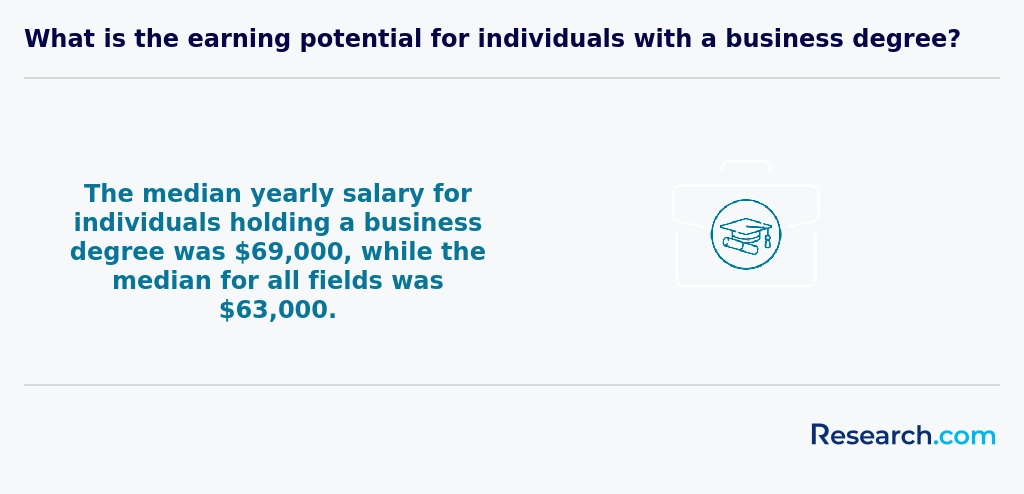
As you consider a business degree in Washington, it’s essential to not only understand present opportunities but also to stay informed about the industry’s future trajectory. Emerging trends such as digital transformation, sustainable business practices, and advanced data analytics are reshaping the corporate landscape. Today’s graduates are encouraged to engage in continuous learning and skill enhancement to remain competitive in a rapidly evolving market. For instance, staying updated on innovations like blockchain for finance or artificial intelligence in marketing can give you a significant edge over peers. Moreover, interdisciplinary approaches-combining traditional business acumen with technological expertise-are increasingly valued by employers. Many professionals have successfully complemented their degrees with specialized training; you might even consider exploring Best Online Business Certificates to broaden your skill set and enhance career prospects. This forward-thinking mindset, coupled with a commitment to lifelong learning, positions graduates not only for immediate success but also as future leaders ready to navigate and shape industry shifts.
In Washington, business degree programs invite you into a world of dynamic courses that blend theory with hands-on learning. Imagine yourself at a bustling campus in Seattle, diving into Principles of Management, where you explore leadership styles and real organizational challenges faced by companies around you.
Graduates often recall the practical insights gained from Financial and Managerial Accounting classes, where deciphering financial reports became second nature-skills immediately useful in internships or local startups. At well-known institutions, Marketing Fundamentals brings classroom concepts to life through case studies on brand campaigns, sparking creativity and strategic thinking.
The journey continues with Business Law, which unravels the legal maze businesses navigate daily, making complex rules feel surprisingly accessible. Economics courses shed light on the forces shaping Washington's unique markets, while Business Statistics and Operations Management sharpen your data skills and boost your ability to streamline real-world processes.
Popular electives like Entrepreneurship or International Business offer exciting pathways to customize your adventure, whether launching a venture in Seattle's tech scene or exploring global opportunities.
Diving into business degree specializations in Washington feels like stepping into a playground of possibilities. Graduates from universities known for their business programs often share how exploring concentrations like finance or marketing opened doors to Seattle's bustling financial district or tech hubs. Choosing finance means mastering investments and corporate finance, with local internships turning theory into lucrative career paths thanks to the strong economy. Marketing students thrive by engaging with digital strategies, influenced by powerhouse companies like Amazon and Microsoft, which makes every class feel connected to real-world innovations.
Other popular Washington business degree concentration options include management, where learners develop leadership skills preparing them to inspire diverse teams, and accounting, highly regarded due to abundant CPA opportunities in the state's corporate landscape. The adventurous also pursue entrepreneurship, fueled by Seattle's thriving startup culture, or supply chain management, perfectly aligned with Washington's major port and logistics ecosystem. Many students enhance their journey with specialized certificates, embracing flexibility in ways that really resonate in today's evolving economy. For those ready to expand their horizons, check out Best Online Business Certificates to complement their studies.
Choosing the best business degree in Washington feels like setting off on a personal quest. Imagine a graduate from the University of Washington sharing how their journey through an AACSB-accredited program opened doors to dynamic careers in Seattle's tech scene. For every adventurer seeking pathways, understanding the variety of programs-from affordable business colleges in Washington state with community college options to four-year universities-can transform your prospects.
Picture yourself balancing work and study, inspired by peers at Washington State University thriving in flexible online or hybrid formats. They often highlight how career support, internships, and strong local industry connections made each step exciting and rewarding. If you're looking for something faster-paced, exploring a top accelerated mba degree online offers adventure with convenience, empowering you to dive right into leadership roles.

Exploring the range of business degree career opportunities in Washington feels like stepping into a world bustling with possibility. Graduates from top schools such as the University of Washington often find themselves navigating paths in financial analysis, marketing leadership, or management consulting within Seattle's vibrant corporate landscape. Imagine collaborating on a data-driven project with a tech giant like Microsoft or Amazon, where your skills in project management meet real-world innovation.
Washington business degree job prospects also include exciting roles in aerospace companies like Boeing, where operations management and procurement open doors to dynamic, hands-on experiences. Many graduates relish the chance to join this expanding sector, applying their education to complex supply chains and strategic growth scenarios.
For those drawn to entrepreneurship, the state's energetic startup ecosystem-rich with incubators and access to venture capital-creates fertile ground for launching a new business adventure. Many business students from Washington's universities cherish the practical internships that prepare them for these ventures. To explore affordable ways to start this journey, students can look into the Inexpensive Online Business Degree Programs Ranking in Kentucky.
The job market for business degree graduates in Washington is vibrant and full of opportunity, especially within hubs like Seattle and Bellevue. Graduates from well-known universities find themselves stepping into roles where innovation meets commerce-financial analysts diving into big data, marketing specialists crafting campaigns for tech giants, and management consultants shaping strategies for Fortune 500 companies. This outlook reflects Washington business degree employment opportunities that many graduates describe as exciting and promising.
Many students from state universities note how their education aligns closely with these opportunities, giving them a competitive edge. The region's lower unemployment rate compared to the national average provides a sense of security and optimism. Fresh graduates often land salaries above $57,000, thanks to the concentrated demand for business savvy in technology-driven industries and entrepreneurial ventures scattered across Washington.
For those exploring flexible learning options to quickly enter this landscape, programs like 1 year master programs online offer a pathway to fast-track their career with strong connections to the local market. This synergy between education costs, skill demand, and employment outlook makes pursuing a business degree here an exhilarating journey.
2027 Most Popular Business Degree Programs Ranking in Washington
Investing in your education is a significant decision that can impact your professional future, and the Research.com team recognizes the importance of providing reliable guidance. To help prospective students in Washington, we have carefully developed the "2027 Most Popular Business Degree Programs Ranking in Washington." Our dedication to quality, credibility, and accuracy is demonstrated through thorough research and data analysis behind this ranking.
We utilized the following reputable data sources to ensure a comprehensive evaluation of business degree programs:
By consulting this ranking, readers will gain valuable insights into popular business degree options in Washington, enabling them to make informed educational choices. For more information on how this ranking was created, please visit our Research.com methodology page.


Frequently Asked Questions About business
Business degree students in Washington can maximize their learning experience by engaging with the state's vibrant economy, especially sectors like technology and international trade. Washington is home to major corporations such as Amazon and Microsoft, offering valuable internship and networking opportunities. According to the U.S. Bureau of Labor Statistics, the Seattle metropolitan area expects faster-than-average job growth in business and financial operations, reinforcing the importance of practical experience alongside academic knowledge.
Students should also leverage local resources such as university career centers and business clubs, which provide workshops and resume support. Participating in case competitions and attending industry conferences within Washington can further enhance real-world skills and professional connections. Additionally, utilizing online platforms offered by Washington universities can support flexible learning tailored to evolving business trends.
Emerging niches within the business field in Washington reflect growing industries and technological innovation. One notable area is sustainable business practices, driven by the state's commitment to environmental stewardship. Many universities now offer specialized courses on corporate social responsibility and green business strategies.
Data analytics and business intelligence are rapidly expanding fields. According to the Washington Technology Industry Association, demand for professionals skilled in big data and analytics is projected to grow over 20% by 2028.
Another key niche is entrepreneurship focused on technology startups, especially in Seattle's thriving tech ecosystem. Programs increasingly emphasize digital transformation and innovation management.
Lastly, supply chain management has gained prominence due to Washington's status as a major U.S. port hub, making expertise in logistics and global trade essential.
After completing a business degree in Washington, preparing for the job market requires strategic steps tailored to the state's dynamic economy. Washington hosts a thriving business environment, including global companies like Amazon and Microsoft, offering abundant employment opportunities.
Graduates should engage in internships or cooperative education programs, which nearly 60% of Washington business students report participating in, according to the National Association of Colleges and Employers (NACE).
Networking is critical. Washington's local chambers of commerce and industry associations provide platforms to connect with professionals. Additionally, leveraging university career centers helps access job fairs and employer contacts.
Developing skills in technology, data analytics, and sustainability aligns with Washington's growing industries, improving employability. Certifications such as Certified Business Analyst or project management enhance resumes for 2027's market demands.
Employers in Washington highly value business degree graduates who demonstrate strong analytical skills. According to the Washington State Workforce Training and Education Coordinating Board, 78% of regional employers seek candidates proficient in data analysis and financial modeling.
Communication skills are equally essential. Graduates must effectively convey complex ideas to diverse teams and stakeholders, as indicated by studies from the University of Washington.
Additionally, problem-solving abilities and adaptability rank among the top skills. The dynamic business environment in Seattle's tech and trade sectors requires graduates who can navigate change and innovate.
Leadership and teamwork experience are also crucial for success in local industries.
Finding internships in Washington relevant to a business degree requires a strategic approach. Start by exploring opportunities through your university's career services, which often have exclusive partnerships with local companies. The Seattle metropolitan area, home to over 200,000 businesses, offers ample internship positions, especially in finance, marketing, and management sectors (U.S. Bureau of Labor Statistics, 2023).
Utilize online platforms like Handshake or the Washington State Internship Network, which focus on regional placements. Networking events and business conferences hosted by groups such as the Washington Technology Industry Association also provide valuable contacts. Additionally, consider applying to internships with Seattle's largest employers, including Amazon and Microsoft, which frequently seek business interns.
A business degree significantly enhances career mobility and advancement opportunities in Washington's competitive job market. According to the Washington State Employment Security Department, industries like technology, finance, and manufacturing actively seek candidates with strong business knowledge. Graduates with business degrees often qualify for managerial and specialized roles, helping them climb the professional ladder more quickly than those without degrees.
Washington's dynamic economy rewards skills in leadership, data analysis, and strategic planning - competencies emphasized in accredited business programs. Additionally, networking opportunities and internships linked to local universities can connect students with employers, increasing chances of promotion and career shifts within the state.
Studying for a business degree in Washington offers a strong foundation for interdisciplinary roles by integrating knowledge from multiple fields. Many Washington universities, such as the University of Washington Foster School of Business, emphasize combining business fundamentals with technology, data analytics, and communication skills. This approach is critical given the state's diverse economy, including sectors like technology, manufacturing, and international trade.
Business programs often include courses in economics, finance, marketing, and information systems to prepare students for versatile careers. According to the Washington Student Achievement Council, nearly 40% of Washington's workforce has jobs requiring skills from various disciplines, highlighting the importance of a multifaceted education.
When choosing between a thesis and a non-thesis business degree program in Washington, consider your career goals and time commitment. Thesis programs emphasize research and critical analysis, ideal for those aiming for academic, consulting, or research-intensive roles. Non-thesis options often focus on practical skills and coursework, fitting professionals targeting faster entry into business or management positions.
Washington's economy, shaped by technology and international trade, values both types of expertise. According to the Washington State Employment Security Department, positions requiring advanced analytical skills frequently favor candidates with research experience, often gained through thesis work.
Furthermore, thesis programs typically demand a longer duration to complete, sometimes extending study by a semester or more. Non-thesis tracks may allow completion in standard timeframes, appealing to working professionals balancing education and employment.
Prospective students are encouraged to review specific university offerings, such as at the University of Washington and Seattle University, to match program structures with personal and professional aims.
Students in Washington seeking to study business abroad have several pathways available through U.S. universities' established international programs. Many schools in Washington, such as the University of Washington, offer exchange agreements with global partner institutions in Europe, Asia, and Latin America. These programs typically last one or two semesters, allowing students to earn credits transferable to their business degree.
A report from NAFSA states that approximately 10% of U.S. business undergraduates participate in study abroad programs, reflecting growing interest. Washington students benefit from diverse options due to the state's strong ties with international markets, especially in technology and trade.
In addition, scholarship opportunities like Gilman and Freeman-Asia support Washington students interested in expanding their global business skills. These experiences help students develop cross-cultural competence, essential for modern business careers.
Part-time job opportunities in Washington that complement business degree education are abundant, reflecting the state's diverse economy. Students often find valuable experience in retail management, customer service, and administrative roles within local companies. These positions help develop essential skills such as communication, leadership, and problem-solving.
Additionally, Washington's strong tech and finance sectors offer internships and part-time roles in marketing, sales, and financial analysis. According to the Washington State Employment Security Department, jobs in professional services grew by 3.5% in 2023, offering relevant openings for business students.
Working in small businesses and startups around Seattle and Spokane also provides exposure to entrepreneurial dynamics, a key business education component.
Washington offers numerous networking opportunities for business students due to its strong economy and vibrant business community. Universities like the University of Washington Foster School of Business provide students with access to career fairs, alumni events, and mentorship programs connecting them with industry leaders in Seattle and beyond.
Business students can benefit from local chapters of professional organizations such as the Washington State Society of Certified Public Accountants and the Seattle Business Alliance. These groups host regular workshops, seminars, and networking mixers to build professional relationships.
According to the Washington State Employment Security Department, sectors like technology, manufacturing, and finance are growing rapidly, increasing chances for internships and job placements through university networks.
Alumni networks play a crucial role for business degree students in Washington by providing valuable connections across various industries. Graduates from Washington's top business schools, such as the University of Washington Foster School of Business, benefit from access to a large community of professionals who can offer mentorship, internships, and job opportunities. According to the Foster School's data, over 23,000 alumni actively engage in networking events and career development programs each year.
These networks make it easier for students to enter competitive markets like Seattle's technology and finance sectors. They also foster collaboration and knowledge sharing, which enhances professional growth. Research from the Washington State Higher Education Coordinating Board highlights how strong alumni ties often lead to higher employment rates and better salaries for recent graduates.
Customizing a business degree program in Washington allows students to align their education with specific career goals. Many universities offer concentrations or specializations such as marketing, finance, entrepreneurship, or supply chain management. This enables students to develop expertise in areas with strong local industry demand, like aerospace, technology, or international trade.
Students can also select electives and internships that give practical experience and expand professional networks. Washington's diverse economy provides ample opportunities for internships in companies like Microsoft and Boeing, which hire business graduates regularly, according to the Washington State Employment Security Department.
Additionally, some programs offer flexible schedules, online courses, or dual degrees to accommodate working professionals seeking advancement or career changes.
Business students in Washington often face several challenges during their studies. One major issue is the high cost of tuition. According to the Washington Student Achievement Council, in-state tuition averages over $11,000 per year at public universities, which can strain student finances. Additionally, the competitive job market in Seattle, a hub for tech and business, means students must gain relevant experience, such as internships, to stand out. Time management is another common barrier, as many students balance studies with part-time work or family responsibilities. Lastly, adapting to rapidly changing business technologies and trends requires constant learning beyond the classroom.
With a business degree in Washington, graduates can pursue several professional certifications that enhance career prospects. Popular options include the Certified Public Accountant (CPA) for those focused on finance and accounting. The CPA is highly valued in Washington's growing financial sector, especially in Seattle's business hubs.
Many also choose the Project Management Professional (PMP) certification, recognized nationwide for managing projects effectively in various industries.
The Certified Management Accountant (CMA) is another valuable credential that targets financial management and strategic business skills, beneficial in Washington's diverse economy.
According to the Washington Workforce Training and Education Coordinating Board, demand for certified professionals in finance and project management is expected to grow over 10% by 2028 in the state, reflecting regional business trends.
Applying to a business program in Washington requires clear demonstration of your academic strengths and professional goals. Start by researching programs accredited by the Association to Advance Collegiate Schools of Business (AACSB), as they represent high-quality curricula recognized nationwide.
Highlight relevant experience in leadership, internships, or community involvement. Many Washington business schools, such as the University of Washington Foster School of Business, emphasize real-world skills alongside academic achievement. According to the National Center for Education Statistics, Washington awarded over 5,000 business-related bachelor's degrees in 2022, reflecting competitive applicant pools.
Strong letters of recommendation and a well-crafted personal statement tailored to Washington's dynamic economy, including its tech and trade industries, can enhance your application.
Business careers in Washington increasingly reflect global trends, with employers valuing cross-cultural communication and international market knowledge. According to the Washington State Employment Security Department, over 20% of jobs in business sectors like finance, marketing, and management involve collaboration with global partners or clients. This requires graduates to understand diverse business environments and global economic shifts.
Many Washington universities have responded by integrating global business courses or study abroad opportunities into their programs. The emphasis is on skills like supply chain management across borders and international business ethics.
In today's global economy, a business degree from Washington prepares students to work in multinational companies or startups aiming to expand internationally. This broad perspective increases job prospects both locally and abroad, confirming the importance of global competence in business education.
Students pursuing a business degree in Washington can gain practical experience through internships, cooperative education (co-op) programs, and hands-on projects offered by many universities. Washington's robust economy, featuring strong sectors like technology, retail, and international trade, provides diverse internship opportunities with companies such as Amazon, Microsoft, and Boeing.
Many Washington colleges require or encourage internships as part of their curricula, allowing students to earn academic credit while building professional networks. According to the Washington State Workforce Training and Education Coordinating Board, internships boost employment prospects by 60% for graduates.
Additionally, business students can engage in consulting projects, case competitions, and student-run organizations. These experiences help develop leadership and problem-solving skills essential for success in the region's competitive business environment.
Choosing the right concentration within a business degree program in Washington involves careful consideration of local industry demands and personal interests. Washington's economy, driven by technology, aerospace, and international trade, often favors concentrations like information systems, supply chain management, and international business.
Students should research job growth projections from sources such as the Washington State Employment Security Department, which highlights strong employment prospects in management and financial sectors. Reflecting on which skills align with these growth areas helps ensure long-term career opportunities.
Additionally, many Washington universities offer internships tied to prominent companies like Microsoft and Boeing, benefiting students focused on technology or operations. Exploring course offerings and connections to Washington's business landscape can guide your choice.
- 2027 Most Popular Business Degree Programs Ranking in Idaho
- 2027 Most Popular Business Degree Programs Ranking in Montana
- 2027 Most Popular Business Degree Programs Ranking in California
- 2027 Most Popular Business Degree Programs Ranking in Nevada
- 2027 Most Popular Business Degree Programs Ranking in Arizona
- 2027 Most Popular Business Degree Programs Ranking in Colorado
- 2027 Most Popular Business Degree Programs Ranking in Nebraska
- 2027 Most Popular Business Degree Programs Ranking in Kansas
- 2027 Most Popular Business Degree Programs Ranking in Minnesota
- 2027 Most Popular Business Degree Programs Ranking in Iowa
See What Experts Have To Say About Studying Business
Read our interview with Business experts

David Souder
Business Expert
Senior Associate Dean for Faculty and Research
Michigan State University

Ingrid S. Greene
Business Expert
Clinical Assistant Professor of Management
Loyola Marymount University


- Bringing global perspectives to leadership in business https://www.eaie.org/resource/global-perspectives-leadership-business.html
- Top 10 Emerging Business Niches of 2026 & How to Plan ... https://prometai.app/blog/emerging-niches-business-planning
- How to Identify Profitable Business Niches: A Guide for ... https://www.invoiceonline.com/the-entrepreneur-s-handbook/entrepreneurship/business-strategy/how-to-identify-profitable-business-niches-97365
- Niche Business Ideas: A Guide to Profitable Niche Business Selection - Inar Learn https://inarlearn.com/niche-business-ideas-a-guide-to-profitable-niche-business-selection/
- Interdisciplinary Business https://www.okwu.edu/academics/undergraduate/bachelor-interdisciplinary-business/
- Business Management https://moderna.edu.pl/majors/management/bachelor-of-management/business-management/
- Skills Employers Look for in Business Graduates – EU Business School https://www.euruni.edu/blog/skills-employers-look-for-in-business-graduates/
- Business Administration, B.A. https://www2.trinitydc.edu/academic_program/business-administration-b-a/
- 50 Business Ideas Positioned for Growth in 2026 and Beyond https://www.uschamber.com/co/start/business-ideas/top-trending-business-ideas
- Top 10 Skills Employers Seek in Business Graduates in 2026 https://www.ibat.ie/blogs/top-10-skills-employers-seek-in-business-graduates-in-2026


