2027 Most Affordable Business Degree Programs Ranking in Washington

Co-Founder and Chief Data Scientist
Choosing the right business degree program can be overwhelming, especially when budgeting is a big concern. This article introduces the 2027 Most Affordable Business Degree Programs Ranking in Washington, carefully developed by the Research.com team of data scientists to guide you in making a smart decision.
Discover programs that combine quality education with cost-effectiveness, giving you the best value for your investment. Earning a business degree opens doors to exciting career opportunities and personal growth. Take a confident step toward your future by exploring these affordable options designed to fit your goals and lifestyle.
Key benefits of getting business degree in Washington
- Salary benefits: Business degree graduates in Washington can expect competitive salaries, such as a Business Development Executive earning a mean annual wage of $83,190 and a Business Analyst making around $112,950 per year, reflecting strong earning potential.
- Career paths: Graduates from popular Washington universities often find diverse opportunities in roles like business analysis, management, and development, giving you flexibility to match your skills and interests with growing industries.
- Online degree advantages: Earning a business degree online from respected institutions in Washington offers convenience and the ability to balance work and study, often accelerating career progress without sacrificing quality education.
- 2027 Most Affordable Business Degree Programs Ranking in Washington
- What can I expect from business degree in Washington?
- Where can I work with business degree in Washington?
What can I expect from business degree in Washington?
Students pursuing a business degree in Washington can expect average costs to vary significantly depending on the type of institution. For example, public universities like the University of Washington offer competitive in-state tuition rates, often making the total cost for a bachelor's degree more affordable compared to private options.
Graduates from programs such as the Foster School of Business often mention managing expenses through financial aid and scholarships offered by these institutions. Community colleges like Bellevue College or Green River College provide a budget-friendly alternative with associate degrees or transfer pathways, reducing overall costs while preparing for business careers.
Many students working part-time or balancing family commitments appreciate the flexible scheduling of evening and online classes, which help control expenses by allowing continuous employment. Additionally, financing options frequently ease the burden, making it possible for local students to invest in their education without overwhelming debt.
In practical terms, a Washington-based business student might expect total tuition costs ranging from $10,000 to $40,000, influenced by enrollment choices and financial support received.
Where can I work with business degree in Washington?
Graduates with business degrees from universities like the University of Washington and Seattle University find rewarding careers in Washington's thriving technology sector. Many land roles at Amazon, Microsoft, or local startups, where they apply skills in project management and business analysis. One graduate shared how internships connected through their college helped them secure a marketing position at a tech firm in Seattle's bustling innovation hub.
Others pursue opportunities in Washington's strong trade and logistics industries. Ports in Seattle and Tacoma offer hands-on roles in supply chain management that graduates from regional schools like Washington State University leverage effectively. These roles foster a sense of achievement by directly impacting international trade operations.
Finance and healthcare are equally promising fields. Graduates often find rewarding positions in banks or healthcare administration, where their knowledge of budgeting and strategic planning translates into real financial stability and positive workplace impact.
For entrepreneurial spirits, Washington's vibrant startup scene encourages business degree holders to launch or consult small businesses, supported by educational programs that emphasize practical experience and networking.
Graduates from business programs in Washington often find rewarding salaries that reflect the state's strong economy. For instance, business analysts-common roles for many from universities like the University of Washington and Seattle University-earn a mean annual wage of about $112,950. This figure shows the substantial earning potential right after graduation, especially when combined with internships and networking opportunities available in Seattle's vibrant business community.
Other roles, such as business development executives, typically start around $83,190 annually. Graduates pursuing these roles at local colleges experience firsthand how Washington's growing tech and trade sectors offer competitive wages. The ability to work with major employers like Amazon or Microsoft enhances these prospects significantly.
If you're debating your career path post-business degree, focusing on analytics or business development areas supported by Washington's job market can maximize your salary. Practical experience, paired with internships during your studies at schools known for strong business curriculums, helps you enter the workforce with confidence and a clear financial advantage.
- In-state tuition for public universities in Washington ranges from $11,000 to $14,000 per year, while private colleges often exceed $30,000 annually.
- Community colleges offer more affordable options with tuition typically under $5,000 per year for business associate degrees or certificates.
- Total costs for a four-year business degree usually range from $40,000 to $120,000, including fees, textbooks, and living expenses.
- Entry-level business graduates earn between $55,000 and $65,000 annually, with mid-career salaries rising to around $90,000 or more depending on their role.
- Key industries hiring business graduates include technology, finance, healthcare management, and retail, especially in urban areas like Seattle and Bellevue.
- Many Washington business schools hold AACSB accreditation, which influences degree quality and employer recognition.
Completing a business degree in Washington typically takes about four years for full-time students, covering roughly 120 to 130 credit hours. Graduates from universities like the University of Washington often describe this timeline as manageable, balancing core business courses with general education and electives.
For those eager to finish sooner, accelerated programs at Washington State University and other colleges offer a faster path, compressing studies into approximately three years by taking extra courses each term-including summer classes. Graduates who choose this route praise the energized pace and the early jumpstart it gives to their careers, though it demands consistent focus and dedication.
Part-time options are ideal for working adults juggling jobs or family, often extending the degree completion time to six years or more. Many find programs with evening or online classes, like those at Seattle University, invaluable for fitting education into busy lives without sacrificing income or personal time.
As the business landscape rapidly evolves, it’s essential for students and professionals alike to stay informed about emerging trends that will shape the industry in the coming years. In today’s data-driven economy, technological advancements such as artificial intelligence, automation, and digital transformation are not only redefining traditional business roles but also creating entirely new opportunities. Forward-thinking institutions are adapting their curricula to incorporate these trends, ensuring graduates are well-prepared for the challenges of tomorrow. By exploring the top business degrees in demand 2025, you can gain insights into which programs are aligning with market needs and future job prospects. Topics such as cybersecurity, sustainable business practices, and remote team management are increasingly emphasized, as businesses aim to innovate and maintain resilience in a global economy. This section aims to provide a snapshot of the future, offering guidance on how to select a program that not only addresses current labor market demands but also equips you with the skills necessary for long-term success. Staying ahead of the curve requires a proactive approach-engaging in continuous learning, networking with industry experts, and leveraging internships to gain hands-on experience in cutting-edge environments. Embracing these strategies will help you build a robust career foundation in business, ensuring that you remain competitive as the dynamics of the industry continue to shift.
Choosing between online and on-campus business degrees in Washington hinges on lifestyle and career goals. Graduates from the University of Washington often highlight the value of in-person classes for building local networks and securing internships through campus career centers. These students enjoy routine schedules and face-to-face interaction, which boosts motivation and hands-on learning.
By contrast, graduates from Central Washington University praise online programs for flexibility, allowing them to balance work and study without commuting. They access lectures and assignments anytime, fitting education around busy lives. This setup reduces costs by eliminating campus fees and living expenses.
On-campus students benefit from spontaneous group projects and direct faculty support, while online learners must proactively engage with peers through virtual platforms to build connections. Both paths maintain strong accreditation standards, so it's about choosing the environment that suits your personal needs and drives your success in Washington's business world.
Investing in a business degree in Washington often yields a compelling return on investment (ROI) when tuition costs are weighed against median post‐graduation salaries. With average tuition expenses for a bachelor’s program ranging from $12,600 to $13,100 per year, and graduates earning median annual wages of $80,220 for Project Managers and $108,790 for Business Analysts, students typically recoup their investment within 3–4 years of full‐time employment. By comparing total program costs-including tuition, fees, and materials-against projected earnings, prospective students can estimate a net ROI exceeding 15% annually. Specialization choices further influence ROI. For example, graduates focusing on finance or data analysis report faster salary growth, whereas roles in healthcare management offer median salaries above $101,340. Factoring in scholarship awards, work-study earnings, and employer tuition reimbursement can shorten payback periods by up to 12 months. Additionally, accelerated graduate pathways-such as 1 year online mba programs-enable professionals to enhance credentials and command higher salaries without lengthy on‐campus commitments. To maximize ROI, students should leverage internship stipends, alumni mentorships, and federal aid. Calculating the net present value (NPV) of projected earnings against upfront costs provides a clear financial framework for decision-making. Ultimately, a strategic approach to program selection, combined with timely financial planning, ensures that a business degree in Washington delivers both substantial career opportunities and sustainable economic gains.
The average cost of a business degree in Washington varies significantly depending on residency status and institution type. For in-state students attending public universities, the total median cost for a bachelor's degree is about $11,250, which makes pursuing business studies at schools like the University of Washington both accessible and valuable. Graduates often highlight that their investment felt worthwhile thanks to strong networking opportunities and career support on campus.
Out-of-state students, however, face a much higher financial commitment with a median total cost around $44,334, reflecting tuition fees that are more than three times higher. This difference encourages many prospective students to consider establishing residency or exploring community colleges as an affordable alternative. Community colleges offer associate-level business degrees with annual tuition generally under $5,000, making them a practical stepping stone.
Private colleges in Washington usually have tuition fees closer to or exceeding $30,000 per year, which adds up quickly. Although the cost is steep, many students appreciate the smaller class sizes and personalized education, which helps them feel confident about their career prospects.
It's important to factor in additional living and learning expenses, which can add $13,000 to $16,000 annually. Washington students looking for the most affordable business degree programs Washington 2027 should consider researching financial aid and scholarships.
For those wanting to explore more budget-friendly options and details on affordable business degree paths, checking out affordable online business schools in Washington can be a smart move.
When navigating the diverse landscape of business degree programs in Washington, prospective students can significantly enhance their educational experience by considering several key factors. For those looking to start or further their education, researching institutions that offer affordable and reputable programs is crucial. Exploring options like affordable online business schools in Washington can provide valuable insights into flexible and cost-effective educational paths. By focusing on accreditation, program specializations, tuition, and financial aid, students can make informed decisions that align with their career aspirations and financial capabilities. Additionally, investigating faculty qualifications, student-to-faculty ratios, and the availability of career services and alumni networks can offer a more comprehensive understanding of what each program has to offer. Ultimately, choosing the right business degree program in Washington requires a thoughtful and multi-faceted approach, one that balances academic rigor, practical experience, and future career prospects.
Business students in Washington can tap into various financial aid options to manage tuition costs, which typically range from $8,000 to $12,000 annually for in-state students at public universities. Many turn first to federal Pell Grants, offering up to $7,395 per year to undergraduates with demonstrated financial need, easing what might otherwise feel like a heavy burden.
Graduates from the University of Washington's Foster School of Business often recall how institutional scholarships-ranging from $1,000 to $10,000-made their education affordable while motivating them to maintain strong academic performance. Meanwhile, state programs like the Washington College Grant provide invaluable support for students from families earning under $75,000, significantly cutting tuition bills at public institutions across the state.
To bridge remaining gaps, many students use federal student loans with manageable fixed interest rates, while others benefit from work-study programs that combine earning with learning. Private business scholarships and employer tuition assistance also offer practical avenues to fund education without overwhelming debt.
Evaluating the return on investment (ROI) of a business degree is critical for students balancing cost with long-term earnings potential. On average, Washington graduates with a bachelor’s in business recoup their tuition within six to eight years, thanks to median entry-level salaries ranging from $60,000 to $75,000. By comparing total program costs-including tuition, fees, and living expenses-to projected earnings, you can estimate your personal payback period and net financial gain. Key factors influencing your ROI:
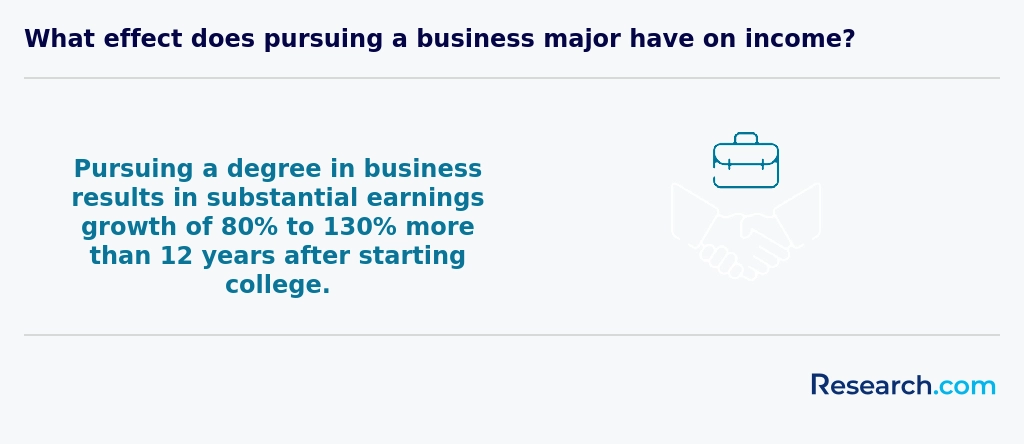
- Total Cost vs. Salary Growth: A public university’s 120-credit program in Washington may cost $36,000–$72,000, while graduates often see salary increases of 80%–130% over a decade, boosting long-term earnings.
- Opportunity Cost: Online programs can reduce hidden costs like commuting and housing. For an alternative perspective, explore our Cheapest Online Business Degree Programs Ranking in New York to compare ROI across states.
- Career Acceleration: Specializations in high-demand areas such as finance, data analysis, and supply chain management typically shorten the time to ROI by unlocking premium roles faster.
- Scholarships and Grants: Leveraging financial aid reduces your initial investment, directly improving ROI. Washington College Grant recipients, for instance, often achieve positive cash flow immediately after graduation. To calculate your personalized ROI: 1. Sum all educational expenses over the program’s duration. 2. Research starting salaries for your target role in Washington. 3. Project salary growth over a 10-year horizon. 4. Divide cumulative earnings by total costs to gauge multiple ROI (e.g., 2x means earning twice what you spent). By proactively assessing these elements, prospective students can make data-driven decisions, ensuring their business degree not only opens doors but also delivers strong financial returns.
To enroll in a business degree program in Washington, you generally need a high school diploma or equivalent, such as a GED. Many students find it helpful to submit SAT or ACT scores; however, schools like the University of Washington have adopted test-optional policies for 2024, making admissions more accessible. Focusing on strong grades in English, math, and social sciences is essential, as these subjects form the foundation for business studies. For instance, graduates from Seattle's leading universities often emphasize how mastering algebra and statistics early on boosted their confidence and readiness for business coursework.
Graduate programs, including MBAs, require a bachelor's degree from an accredited institution. Successful applicants typically maintain a GPA near 3.0 and may submit GMAT or GRE scores, although many schools have eased this requirement recently. Real-world work experience-ranging from two to five years-is often expected, helping students bring practical insights into class discussions. Letters of recommendation and a clear statement of purpose also strengthen applications, highlighting applicants' professional goals and commitment to the field.

Business degree programs in Washington commonly include core courses that give students practical skills applicable to various industries. Graduates from prominent universities often highlight how classes like Financial Accounting helped them confidently interpret business finances in internships at Seattle tech startups. Marketing Principles courses, focusing on customer behavior and strategic planning, allow students to create real marketing campaigns, often tested in local businesses.
Core coursework also frequently covers Business Law and Business Ethics, essential for understanding legal frameworks and fostering integrity in decision-making - skills praised by employers in Washington's diverse sectors like trade and agriculture. Organizational Behavior and Operations Management teach students how to manage teams and streamline processes, which many graduates found invaluable during collaborative projects or supply chain roles in international companies based in Washington.
Many programs offer electives such as Entrepreneurship or Information Systems, enabling students to tailor their education to their career goals. These courses often include hands-on case studies and capstone projects that prepare students to confidently enter Washington's competitive job market.
Business degree specializations in Washington cover a wide range of practical fields tailored to the state's economic landscape. Graduates from the University of Washington often highlight how specializations like Finance and Marketing prepared them for careers in Seattle's booming tech and financial sectors, where skills in investment strategies and brand management are highly valued. At Washington State University, students pursuing Management or International Business appreciated the hands-on learning that aligned perfectly with the demands of global trade hubs like the Port of Seattle and major regional companies.
Many students take advantage of the entrepreneurship programs reflecting Washington's startup culture, gaining confidence in launching new ventures. Meanwhile, specialization in Information Systems Management equips students with the vital ability to bridge technology and business. Choosing one of these targeted paths can make the difference in securing rewarding jobs locally. For actionable insights on these opportunities, explore the top business degrees in demand 2025.
Washington affordable business degree options combined with these specializations give prospective students strong motivation to enroll in business programs that offer market-relevant skills aligned with local industry growth.
Choosing the best business degree in Washington starts with aligning the program curriculum to your career goals. Graduates from the University of Washington's Foster School often highlight how its AACSB accreditation boosted their confidence when applying for competitive finance and entrepreneurship roles. Many found that programs offering flexible schedules, including part-time or online classes, helped balance work and study effectively. If affordability is key, exploring the most affordable business degree programs in Washington at community colleges or regional universities can ease financial stress without sacrificing quality.
Location matters too-students attending schools in Seattle benefit from direct access to internships and networking in tech and retail sectors, opening doors to job opportunities soon after graduation. For those seeking swift advancement, 1 year online mba programs provide a concentrated path with strong career support. Finally, reviewing the strength of career services and alumni networks in Washington schools can make a real difference in finding your ideal business role.
Business degree career opportunities in Washington are diverse, reflecting the state's robust and varied economy. Graduates from prominent institutions like the University of Washington and Washington State University often find roles in finance and accounting, where the state's major corporations provide ample openings for financial analysts, auditors, and managers. Others pursue careers in marketing and sales, leveraging skills to thrive in Seattle's dynamic tech and retail sectors, which constantly seek innovative digital marketing strategies.
Human resources is another promising path, especially with large firms headquartered in Washington prioritizing talent management and organizational growth. Graduates frequently secure internships that translate into full-time roles in recruitment and employee relations. Additionally, operations and supply chain management remain strong options given Washington's strategic importance in logistics and manufacturing.
Some graduates channel their business acumen into entrepreneurship, benefiting from Washington's vibrant innovation centers and support networks. For those researching affordable education options in business, considering the Cheapest Online Business Degree Programs Ranking in New York can provide valuable guidance. Understanding top business jobs for graduates in Washington helps students target sectors with growth and rewarding career outcomes.
The business degree job outlook in Washington remains strong due to the state's diverse economy and the presence of major national and international companies like Amazon and Microsoft. Graduates from popular schools such as the University of Washington and Seattle University often find opportunities in technology firms, financial services, and retail management, reflecting Washington's robust market for business professionals.
Employment opportunities are not limited to large corporations; many graduates successfully join or start small and medium-sized businesses, benefiting from the state's entrepreneurial environment. Graduates often share how their education directly supported roles in supply chain management, consulting, and business analytics, helping them to secure competitive salaries and steady career growth.
Tuition costs at Washington public universities, ranging from $8,000 to $12,000 annually for in-state students, offer a practical investment given the region's job market. With median wages around $72,000 for business-related roles and higher earnings in the Seattle metro area, it's essential to understand what are the highest paying bachelor degrees to maximize your career trajectory in this field.
Washington business degree employment opportunities are especially promising in sectors like healthcare administration and consulting, where graduates frequently report fulfilling and financially rewarding roles.
2027 Most Affordable Business Degree Programs Ranking in Washington
Investing in your education is a significant decision that can influence your professional and personal future, and the Research.com team is dedicated to helping you make well-informed choices. To support prospective students in Washington, we have carefully developed the "2027 Most Affordable Business Degree Programs Ranking in Washington." Our commitment to quality, credibility, and accuracy is demonstrated through thorough research and detailed analysis behind this ranking.
We utilized the following reputable data sources to ensure a comprehensive evaluation of business degree programs:
By reviewing this ranking, readers will gain valuable insights into the most affordable and quality business degree programs in Washington, empowering them to make confident decisions about their education. For more information on how this ranking was created, please visit our Research.com methodology page.
# 1 position
Olympic College
Bachelor of Business Administration

# 2 position
Columbia Basin College
Bachelor of Business Administration


# 4 position
Green River College
Bachelor of Science in Business Administration

# 5 position
Northwest Indian College
Bachelor of Business Administration

# 6 position
Big Bend Community College
Bachelor of Science in Business Administration
# 7 position
Centralia College
Bachelor of Business Administration

# 8 position
Bellingham Technical College
Bachelor of Business Administration

# 9 position
Lower Columbia College
Bachelor of Business Administration

# 10 position
Peninsula College
Bachelor of Business Administration

# 11 position
Pierce College District
Bachelor of Science in Business Administration

# 12 position
Walla Walla Community College
Bachelor of Arts in Business Management

# 13 position
Spokane Falls Community College
Bachelor of Applied Management

# 14 position
North Seattle College
Bachelor of Applied Science in International Business

# 15 position
South Seattle College
Bachelor of Business Administration

# 16 position
Skagit Valley College
Bachelor of Science in Business Administration

# 17 position
Grays Harbor College
Bachelor of Business Administration


# 19 position
Faith International University
Bachelor of Arts in Business

# 20 position
Faith International University
Master of Business Administration
Frequently Asked Questions About business
Business degree students in Washington can maximize their learning by actively engaging with the state's dynamic economy, which includes major industries like technology, aerospace, and international trade. Participating in internships with companies such as Amazon or Boeing provides valuable hands-on experience and networking opportunities. Students should also take advantage of cooperative education programs offered by many Washington universities to gain practical skills while earning credit.
Joining business clubs and attending guest lectures can enhance understanding of real-world challenges. Utilizing resources at institutions like the University of Washington's Foster School of Business, which ranks highly for entrepreneurship, supports academic and professional growth. According to the Bureau of Labor Statistics, Washington offers competitive wages in business roles, making practical experience especially valuable.
Emerging niches within the business field in Washington reflect broader trends in technology, sustainability, and data-driven decision making. One key area is green business and sustainability management, driven by Washington's commitment to environmental policies and clean energy initiatives. According to the Washington State Department of Commerce, demand for professionals skilled in sustainable business practices is projected to grow by over 20% through 2030.
Another expanding niche is business analytics and data science. Institutions like the University of Washington report rising enrollment in programs that combine business acumen with advanced analytics skills. This reflects a national trend where data-informed strategies increasingly shape business decisions.
Additionally, entrepreneurship and innovation continue to thrive, fueled by Seattle's vibrant startup ecosystem, particularly in tech and biotech sectors. Graduates with expertise in managing startups and venture financing will find growing opportunities.
After completing a business degree in Washington, preparing for the job market involves several strategic steps. Networking is crucial; engage with local business organizations such as the Washington State Business Association. Internships or cooperative education programs offered by Washington universities provide practical experience and often lead to job offers. According to the Washington State Employment Security Department, sectors like technology, finance, and healthcare show strong business-related job growth.
Additionally, developing skills in data analysis, digital marketing, and project management can increase employability. Utilize campus career services for resume workshops and interview preparation. Earning relevant certifications such as CPA or PMP can also enhance your profile in competitive Washington job markets.
Employers in Washington seeking business degree graduates prioritize a range of essential skills that enhance workplace effectiveness. Communication skills are highly valued, as clear writing and speaking facilitate teamwork and client relations. Analytical thinking, especially the ability to interpret data, is increasingly important given Washington's growing technology and finance sectors. According to the Washington Workforce Board, 68% of employers favor candidates with strong problem-solving abilities.
Leadership and adaptability are also critical. Graduates must navigate dynamic market conditions, particularly in Seattle's competitive business ecosystem. Additionally, proficiency in digital tools, including Microsoft Office and data analytics software, is frequently requested. These skills collectively prepare business graduates to meet the evolving demands of employers statewide.
Finding internships in Washington relevant to a business degree involves leveraging multiple resources available to students. Start by visiting your college's career services office, which often maintains partnerships with local companies in Seattle and the Puget Sound region-home to major corporations like Microsoft and Amazon.
Additionally, explore local business chambers and professional organizations such as the Washington State Chamber of Commerce, which frequently advertise internship openings. According to the Washington State Employment Security Department, business services roles are growing steadily, increasing internship opportunities.
Online job platforms like Handshake, specifically used by many Washington universities, provide curated listings for business internships. Students should also attend career fairs hosted by institutions and city economic development agencies to network directly with employers.
In Washington, earning a business degree significantly enhances career mobility and advancement opportunities. The state's diverse economy-spanning technology, manufacturing, and international trade-favors candidates with formal business education. According to the U.S. Bureau of Labor Statistics, business and financial occupations in Washington are projected to grow by 7% from 2022 to 2032, faster than the average for all occupations.
A business degree equips graduates with skills in management, finance, and marketing, which are highly valued across industries. Employers in metropolitan areas like Seattle often prefer candidates with formal business credentials for leadership roles.
Moreover, Washington's strong network of business schools and professional organizations supports ongoing skill development, increasing chances for promotions and salary growth. The average annual wage for management roles in Washington exceeds the national average, highlighting the potential return on investment for business graduates (BLS, 2023).
Studying for a business degree in Washington equips students with skills that cross traditional industry boundaries, preparing them for interdisciplinary roles. Many Washington institutions emphasize a curriculum combining business fundamentals with courses in technology, communication, and data analysis. This approach reflects the state's diverse economy, which includes sectors like aerospace, technology, and biotechnology, demanding versatile professionals.
Students often engage in project-based learning, internships, and collaborations with local companies such as Microsoft and Boeing. According to the Washington Student Achievement Council, 65% of business graduates report employment in roles requiring cross-functional expertise within a year of graduation. This practical exposure facilitates adaptability and strategic thinking across multiple domains, crucial for success in evolving markets.
Choosing between a thesis and a non-thesis business degree program in Washington depends on your career goals and learning preferences. Thesis options typically require conducting original research and writing a detailed paper, which suits students aiming for academic or research-oriented careers. Non-thesis programs often focus more on coursework and practical skills, appealing to those seeking direct entry into the business world.
Washington State University and University of Washington offer both paths, with thesis programs generally taking longer to complete. According to the National Center for Education Statistics, nearly 40% of business graduate students choose non-thesis programs for a faster, practice-oriented approach.
Consider job market demands in Washington's business sectors, such as technology and retail, which often prioritize practical experience over academic research. Consulting program advisors can provide guidance tailored to your ambitions and the local economy.
Students based in Washington who wish to study business abroad have diverse options through their home institutions. Many Washington universities, such as the University of Washington's Foster School of Business, offer exchange programs with global partners, enabling students to earn credits overseas. According to the Institute of International Education, around 2,500 Washington students studied abroad in 2022, with popular destinations including the United Kingdom, France, and China, countries known for strong business education.
Additionally, several community colleges in Washington have articulation agreements facilitating international study combined with local degree completion. These programs provide both cultural exposure and valuable global business perspectives.
Washington offers several part-time job opportunities that effectively complement business degree studies. Many students find internships or assistant roles within Seattle's thriving corporate sector valuable. According to the Washington State Employment Security Department, the finance, insurance, and professional services industries have shown steady growth, creating entry-level openings.
Retail management and sales positions also provide practical experience in customer relations, marketing, and operations-key components of business education. Additionally, roles in local startups or nonprofits often allow exposure to business planning and communications.
Part-time jobs in data entry or administrative support in established firms help students apply organizational and analytical skills learned in classrooms directly to workplace challenges.
Washington offers robust networking opportunities for business students through its proximity to vibrant industry hubs like Seattle and Bellevue. Universities often host career fairs, guest lectures, and networking events with local business leaders and alumni. For instance, the University of Washington's Foster School of Business regularly connects students with top companies in technology, finance, and retail, reflecting the region's economy.
Students can join professional organizations such as the Washington State Business Leadership Network or national groups with local chapters. Internships and cooperative education programs further enhance real-world connections, essential for employment after graduation. According to the Washington Student Achievement Council, nearly 70% of students secure internships before completing their degrees.
Alumni networks play a crucial role for business degree students in Washington by providing access to professional connections and mentorship opportunities. Graduates from Washington universities often remain active in local industries such as technology, retail, and finance, fostering strong networking channels. According to the Washington State Employment Security Department, over 20% of business graduates find their first jobs through alumni referrals.
These networks can offer internships, job leads, and advice on career advancement. They also help students understand regional market trends and company cultures specific to Washington's business environment. Engaging with alumni increases the likelihood of securing employment in competitive sectors like Seattle's tech economy.
Additionally, alumni events and online communities facilitate ongoing learning and collaboration, supporting students beyond graduation.
Customizing a business degree in Washington allows students to align their education with specific career goals. Many institutions offer flexible curricula with electives in areas like finance, marketing, entrepreneurship, or supply chain management.
Students can also choose between concentrations or minors that complement their major. For example, adding a technology management focus can be useful given Washington's strong tech industry presence, including companies like Microsoft and Amazon.
Internships and cooperative education programs are common in Washington schools, providing practical experience and local networking opportunities in key sectors such as trade and manufacturing. This hands-on training is essential for career readiness.
Additionally, some programs incorporate experiential learning, case studies, and partnerships with local businesses, giving students real-world insight tailored to Washington's economic landscape.
Business students in Washington often face significant challenges balancing rigorous academic workloads with real-world experience. Many programs emphasize practical skills, requiring internships that compete with class schedules. According to the Washington Student Achievement Council, about 45% of business students juggle part-time jobs, adding to their time management pressures.
Financial concerns also remain prominent. The average annual tuition for in-state public colleges in Washington was approximately $11,500 in 2023, causing many students to seek scholarships or loans. Additionally, adapting to rapid technological changes in business practices, such as data analytics and digital marketing, requires continuous learning beyond traditional coursework.
Networking and competition for internships in Seattle's booming corporate sectors can be intense, impacting student confidence and access to opportunities.
With a business degree from a Washington institution, students can pursue several valuable professional certifications that enhance career prospects. Popular certifications include the Certified Public Accountant (CPA) for those interested in accounting, which requires passing a rigorous exam and meeting state-specific experience requirements administered by the Washington State Board of Accountancy.
Another common certification is the Project Management Professional (PMP), recognized nationwide and offered by the Project Management Institute. PMP holders in Washington earn an average salary increase of 20%, according to the Project Management Institute's 2023 Salary Survey.
Other notable options include the Certified Financial Planner (CFP) and the Six Sigma Green Belt for process improvement roles. These certifications help graduates stand out in Washington's competitive business job market.
Writing a winning application for a business program in Washington requires careful preparation and clear presentation. Applicants should highlight relevant work experience, leadership roles, and academic achievements that showcase their potential for success in business. Many top programs in Washington value a strong personal statement explaining career goals and how the program aligns with them.
Washington's economy is robust in tech and international trade, so emphasizing skills tied to these sectors can strengthen your application. According to the Washington State Employment Security Department, business and financial occupations are expected to grow by 8% through 2028.
Be sure to meet all deadlines, provide accurate transcripts, and secure strong recommendation letters. Some programs may require GRE or GMAT scores, so verify requirements ahead of time to avoid last-minute issues.
Business careers in Washington reflect broader global trends emphasizing adaptability and cross-cultural skills. As an economic hub, Washington state hosts major companies that engage in international trade, requiring graduates to understand global markets. According to the Washington State Employment Security Department (2023), jobs in business-related fields like management and finance are expected to grow about 7% by 2030, partly due to global commerce.
Many US business programs, including those in Washington, integrate international case studies and encourage global internships to prepare students for worldwide challenges. The U.S. Bureau of Labor Statistics highlights the importance of global awareness for business professionals to navigate diverse regulatory and cultural environments effectively.
Ultimately, a business degree in Washington offers a foundation for careers that demand both local expertise and global perspective, reflecting growing international interconnectedness.
Students pursuing a business degree in Washington can gain valuable practical experience through multiple avenues. Internships are a common method, with many universities collaborating with local companies in Seattle and Bellevue, where the state hosts numerous Fortune 500 firms. According to the Washington State Employment Security Department, internships in the business sector often lead to higher employment rates after graduation.
Participating in cooperative education programs, which alternate classroom study with work experience, is another effective strategy.
Additionally, students can engage in university-sponsored business competitions and consulting projects that address real-world challenges.
Networking events and business incubators affiliated with Washington colleges offer exposure to entrepreneurs and industry professionals.
Choosing the right concentration within a business degree program in Washington depends on your career goals and the local job market. Washington's economy features strong sectors like technology, international trade, and healthcare, influencing demand for specializations such as information systems, supply chain management, and healthcare administration. According to the Washington State Employment Security Department, business and financial occupations are projected to grow by 7% through 2030, with particular growth in management and logistics roles.
Research local employers and industry trends to align your concentration with in-demand skills. Many Washington universities offer practical internships and networking opportunities that complement specific concentrations. Consider also your personal strengths and interests to select a focus that enhances both your satisfaction and employability after graduation.
- 2027 Most Affordable Online Business Degree Programs Ranking in New Mexico
- 2027 Most Affordable Online Business Degree Programs Ranking in South Dakota
- 2027 Most Affordable Online Business Degree Programs Ranking in North Dakota
- 2027 Most Affordable Online Business Degree Programs Ranking in Nebraska
- 2027 Most Affordable Online Business Degree Programs Ranking in Kansas
- 2027 Most Affordable Online Business Degree Programs Ranking in Oklahoma
- 2027 Most Affordable Online Business Degree Programs Ranking in Texas
- 2027 Most Affordable Online Business Degree Programs Ranking in Minnesota
- 2027 Most Affordable Online Business Degree Programs Ranking in Missouri
- 2027 Most Affordable Online Business Degree Programs Ranking in Wisconsin
See What Experts Have To Say About Studying Business
Read our interview with Business experts


David W. Stewart
Business Expert
Emeritus President's Professor of Marketing
Loyola Marymount University

Ingrid S. Greene
Business Expert
Clinical Assistant Professor of Management
Loyola Marymount University

- How to Write the Perfect Cover Letter – EU Business School https://www.euruni.edu/blog/write-perfect-cover-letter/
- Top 10 Skills Employers Seek in Business Graduates in 2026 https://www.ibat.ie/blogs/top-10-skills-employers-seek-in-business-graduates-in-2026
- 55 Trending Business Ideas for 2025 and Beyond https://www.uschamber.com/co/start/business-ideas/top-trending-business-ideas
- How to Identify Profitable Business Niches: A Guide for ... https://www.invoiceonline.com/the-entrepreneur-s-handbook/entrepreneurship/business-strategy/how-to-identify-profitable-business-niches-97365
- Internships for Business Administration (BBA) Students | UE Amsterdam https://www.ue-amsterdam.com/blog/exploring-the-internship-opportunities-during-a-bachelor-in-business-administration-degree
- How Long Does It Take to Get a Business Administration Degree? - Team Academy https://teamacademy.nl/how-long-does-it-take-to-get-a-business-administration-degree/
- Networking Tips for Business Students: Building a Foundation for Success https://londonsba.org.uk/blog/networking-tips-for-business-students-building-a-foundation-for-success/
- Bringing global perspectives to leadership in business https://www.eaie.org/resource/global-perspectives-leadership-business.html
- Global Perspectives: International Opportunities for Business School Students - SBS Swiss Business School https://sbs-uae.org/global-perspectives-international-opportunities-for-business-school-students-3/
- BUSINESS MANAGEMENT ENGLISH (THESIS / NON-THESIS) - Lisansüstü Eğitim Enstitüsü https://lee.nisantasi.edu.tr/en/business-management-english-thesis-non-thesis/