
2027 Most Popular Business Degree Programs Ranking in Hawaii

Co-Founder and Chief Data Scientist
Choosing the right business degree program is an exciting step for students in Hawaii looking to advance their careers. This article features the 2027 Most Popular Business Degree Programs Ranking in Hawaii, created by the Research.com team of data scientists to guide you in making an informed decision.
By exploring the ranking, you'll discover programs that match your goals and interests, helping you invest in your future with confidence. A business degree can open doors to rewarding opportunities and personal growth.
Read on to find the best options tailored for you in Hawaii's dynamic job market.
Key benefits of getting business degree in Hawaii
- Salary for business degree graduates: Graduates can expect promising earnings, with Business Analysts earning a mean annual wage of $112,950 and Business Development Executives around $83,190, reflecting strong financial rewards in Hawaii's job market.
- Career paths: A business degree from a well-known Hawaii university opens doors to diverse roles such as marketing, management, and finance, offering exciting opportunities to grow and make an impact locally and beyond.
- Benefits of online degrees: Earning a business degree online in Hawaii offers flexible schedules and is perfect for balancing work and study, providing a convenient and effective way to gain skills without sacrificing personal commitments.
- 2027 Most Popular Business Degree Programs Ranking in Hawaii
- What can I expect from business degree in Hawaii?
- Where can I work with business degree in Hawaii?
What can I expect from business degree in Hawaii?
The average cost of earning a business degree in Hawaii is around $12,000 per year for in-state tuition at public universities, such as the University of Hawaii system. Graduates from programs like the Shidler College of Business at UH Manoa often highlight how this cost is balanced by the unique opportunities available, including internships with local companies in tourism and international trade sectors.
Students frequently find that paying slightly higher living expenses compared to mainland colleges is offset by the strong community connections and practical experiences built into the curriculum. For instance, many recall working directly with Hawaii-based businesses, which gave them real-world skills aligned with the state's economic focus.
By budgeting carefully and taking advantage of in-state tuition rates, prospective business students can make their education both affordable and valuable. These programs emphasize hands-on learning that prepares graduates to thrive in Hawaii's vibrant and diverse economy.
Where can I work with business degree in Hawaii?
Graduates with a business degree in Hawaii often find rewarding careers in sectors shaped by the state's economy. Many quickly land jobs in tourism and hospitality, working for well-known companies like Hawaiian Airlines or Marriott Hotels where they manage operations or lead marketing initiatives. Business students from the University of Hawaii at Manoa often share that internships in local resorts gave them hands-on experience, boosting their confidence and employability.
Beyond tourism, public sector roles offer stability and impact. Graduates from Hawaii Pacific University mention securing positions in government agencies handling budgets or program management, directly contributing to efficient resource use across the island counties.
Entrepreneurial roles within Honolulu's expanding tech and startup scene provide dynamic opportunities for those interested in innovation and sustainable business, often involving e-commerce or digital marketing. Retail management in local and national chains also remains a reliable path, where understanding customer trends translates into career growth.
Financial services, including banking and insurance, provide competitive salary prospects, with many alumni working as analysts and finance managers maintaining Hawaii's economic vitality.
Business graduates in Hawaii often find rewarding salary prospects reflecting the state's vibrant economy. For instance, recent graduates from the University of Hawaii's Shidler College of Business working as Business Development Executives can expect mean annual wages around $83,190. This aligns well with local industry demands, especially in tourism and international trade.
Those advancing as Business Analysts typically earn higher salaries, with a mean annual wage of about $112,950. Graduates highlight how practical skills gained during their studies, such as data analysis and strategic planning, directly increase their value in competitive sectors like hospitality management and retail trade.
While some roles like Project Manager or Operations Supervisor lack detailed wage data, focusing on proven positions helps in realistic career planning. Graduates from Hawaii Pacific University often share their excitement about landing roles where pay reflects the growing tech and health service sectors.
With Hawaii's unique cost of living and dynamic job market, leveraging internships and networking within local companies positions business grads to maximize earnings and build fulfilling careers.
- In-state tuition at public universities in Hawaii ranges from $11,000 to $12,000 per year, while private schools may charge over $30,000 annually.
- Living expenses in Hawaii are significantly higher compared to most other states, adding to the overall cost of education.
- Entry-level business graduates in Hawaii earn between $45,000 and $55,000 annually, depending on specialization and employer.
- Experienced business professionals in the state typically make between $75,000 and $85,000 per year.
- Key job sectors include tourism, hospitality, government, sustainable practices, and technology integration.
- Accredited programs by ACBSP or AACSB International are available in Hawaii, affecting degree quality and recognition.
Completing a business degree in Hawaii typically takes about four years of full-time study for a bachelor's degree, consistent with many students at institutions like the University of Hawaii at Manoa. Graduates often find this timeframe manageable, balancing their coursework with internships and part-time jobs that enhance their real-world skills.
For those pursuing an associate degree at community colleges such as Honolulu Community College, the timeline is usually around two years. These programs provide a practical foundation and can be a springboard for transferring to a university later on.
Graduate business degrees like the MBA generally require about two years of full-time study at schools such as Hawaii Pacific University. Many students appreciate the flexibility of part-time and accelerated options, which allow completion in as little as one year or extend up to three years depending on work and life commitments.
Graduates often highlight how choosing the right program, considering credit transfers, and leveraging online courses help accelerate their journey without sacrificing quality or engagement.
In today's competitive business environment, earning your degree is just the beginning. Lifelong learning and advanced certifications can refine your skillset and keep you ahead in a rapidly evolving market. Whether you want to specialize further or explore emerging trends, supplementing your degree with additional credentials can boost your credibility and career growth. For instance, many professionals are now turning to best online business certificates to advance your career as a flexible and cost-effective way to gain specialized expertise and stay competitive. By integrating targeted certificate programs with your academic background, you can gain practical insights into digital transformation, global market trends, and innovative business strategies. This additional education not only reinforces core business principles but also demonstrates your commitment to continuous professional development-a quality highly valued by employers in today’s dynamic job market. Exploring a mix of degree programs and niche certifications can help you create a comprehensive skill portfolio that leads to long-term success.
Choosing between online and on-campus business degrees in Hawaii depends largely on your lifestyle and career goals. On-campus students at institutions like the University of Hawaii at Mānoa often describe the vibrant campus life as energizing, with easy access to professors, networking events, and local internships that connect them to Hawaii's unique business environment. Attending campus fosters real-time collaboration and face-to-face interactions that many graduates credit for developing strong teamwork and communication skills.
In contrast, online business students appreciate the flexibility to balance studies with work or family, especially important in Hawaii where inter-island travel can be time-consuming and costly. Graduates from online programs highlight how asynchronous classes let them learn at their own pace without sacrificing quality, backed by accreditation assurances.
Financially, on-campus study may involve housing and commuting expenses, while online programs sometimes offer lower or flat tuition rates. Reflect on your priorities: do you thrive in structured, in-person settings, or does a flexible schedule better fit your routine? Both paths support successful careers when aligned with your personal and professional needs.
Return on Investment (ROI) is a critical metric when evaluating the true value of a business degree in Hawaii. By comparing total program costs against post-graduation earnings, students can forecast the time required to recoup their educational investment and measure long-term financial gains.
- Program Cost: The average tuition for a bachelor’s in business ranges from $12,600 to $13,100 over four years, plus $65–$75 per semester in fees.
- Salary Outcomes: Entry-level roles like Project Manager yield approximately $80,220 annually, while Business Analysts command around $108,790.
- Payback Period: Based on these figures, most graduates recover their tuition within two to three years of full-time employment. Moreover, graduates who pursue a master’s degree can enhance ROI by selecting cost-effective programs; for example, explore our Affordable Online Master's in Business Degree Programs Ranking in West Virginia to compare fees and salaries. Factoring in scholarships and financial aid can further accelerate breakeven. Students who leverage federal grants like the Pell Grant or state scholarships often reduce their net cost by 30% to 50%. Compared to the U.S. average ROI of 6–8% on higher-education spending, Hawaii’s business graduates typically see returns of 12–15% annually, driven by strong demand in tourism, healthcare, and finance sectors. Ultimately, understanding ROI empowers prospective students to choose programs that align with both career goals and financial realities, ensuring a clear path to long-term success.
The average cost of a business degree in Hawaii varies significantly depending on residency and institution type. For in-state students, the median total cost is approximately $12,186, making public universities such as the University of Hawaii at Manoa popular choices for affordable business education. Many graduates recall that staying in-state helped them manage expenses while benefiting from a quality curriculum tailored to local economic opportunities.
Out-of-state students face a higher median total cost near $47,509. This figure reflects increased tuition and living expenses, which are notably higher in Hawaii than on the mainland. Despite this, business students at private colleges in Hawaii often echo positive experiences, emphasizing the personalized support and networking advantages these institutions offer, which can justify the greater investment for some.
When budgeting, students should consider additional costs beyond tuition. Annual expenses for books and supplies range from $1,200 to $1,800, while the state's cost of living significantly impacts housing and daily essentials. Many business students have found part-time work or internships within local companies, easing financial pressure and providing valuable real-world skills.
For those seeking guidance on finding an affordable business school in Hawaii, researching scholarship opportunities and residency qualifications can substantially reduce tuition costs. Planning these details helps align educational goals with financial realities, making pursuing a Hawaii business degree a rewarding investment.
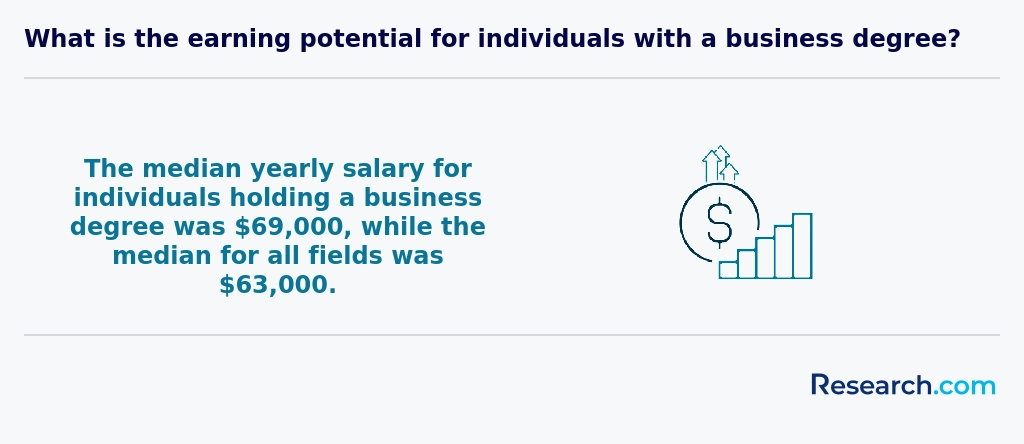
Accreditation is a key indicator of a business program’s credibility and educational rigor in Hawaii. Regional accreditation by the WASC Senior College and University Commission (WSCUC) ensures that institutions meet comprehensive standards for faculty qualifications, curriculum quality, and student support services. On top of regional approval, programmatic accreditation from bodies such as the Association to Advance Collegiate Schools of Business (AACSB) or the Accreditation Council for Business Schools and Programs (ACBSP) demonstrates that a business degree adheres to best practices in teaching, research, and continuous improvement.
- AACSB-accredited programs are widely recognized for their focus on research-driven curricula and faculty scholarship, equipping graduates with cutting-edge insights into global business trends.
- ACBSP accreditation highlights excellence in teaching and learning outcomes, ensuring that course content remains relevant through regular reviews and industry input. Prospective students should verify both institutional and programmatic accreditation on the university’s official website or the accreditor’s directory. Accreditation affects eligibility for federal financial aid, credit transferability, and employer recognition of degrees. For those exploring accelerated pathways, the benefits of program quality still apply-consider options like the shortest mba program online, which combine rigorous standards with a faster time-to-degree. By choosing accredited business programs in Hawaii, students secure an education that meets national benchmarks, supports professional licensure where required, and maximizes return on investment through enhanced career prospects.
Students pursuing a business degree in Hawaii often rely on a combination of federal, state, and institutional financial aid to manage the cost of education. Many graduates from the University of Hawaii share how Federal Pell Grants and Direct Student Loans significantly eased their tuition expenses, allowing them to focus more on studies than debt worries.
The Hawaii State Grant Program offers crucial support for residents, supplementing federal aid and addressing the higher cost of living here. Business majors at the University of Hawaii frequently secure merit-based scholarships awarded for leadership and academic excellence, which help cover textbooks and fees.
Local organizations, including the Hawaii Business Roundtable, occasionally provide additional scholarship funds, strengthening the overall aid landscape. Working students also benefit from employer tuition assistance programs, enabling them to advance career goals without financial strain.
Federal work-study jobs provide practical work experience while offsetting costs-many graduates recall this as a valuable way to build professional skills during their studies at Hawaii's community colleges or four-year universities.
To enroll in a business degree program in Hawaii, you need to meet clear prerequisites that reflect both national standards and local expectations. For undergraduate applicants, having a high school diploma or GED is essential, accompanied by completed courses in math, English, and social studies. Many students who join prominent Hawaiian colleges share that these foundational classes helped them feel confident tackling business concepts linked to Hawaii's unique economy.
Applicants should be ready to submit standardized test scores like the SAT or ACT, although several Hawaiian schools now offer test-optional options, easing admission pressures. Maintaining a GPA around 2.5 to 3.0 is commonly expected, and sharing letters of recommendation or personal statements can greatly strengthen your application by highlighting your motivation.
Graduate business programs, such as MBAs at major universities in Honolulu, require a bachelor's degree and often two years of related work experience. While GMAT or GRE scores are standard, some programs waive these for professionals with solid careers, which many local graduates appreciate.
International students must also demonstrate English proficiency through TOEFL or IELTS, ensuring smooth academic integration in Hawaii's diverse classrooms. Focusing on these prerequisites early will set you up for success in Hawaii's vibrant business education landscape.
To truly maximize the benefits of a business degree in Hawaii, it's essential to consider the affordability of programs. Searching for an affordable business school in Hawaii can be a critical step in making your educational goals more accessible. By evaluating factors such as tuition fees, scholarship opportunities, and the potential return on investment, you can make a more informed decision about your business education. This proactive approach will not only help you navigate the financial aspects of pursuing a degree but also ensure that you're well-prepared for the challenges and opportunities that await you in Hawaii's vibrant business landscape.
Business degrees in Hawaii typically include essential courses like Principles of Management, Financial and Managerial Accounting, Marketing Fundamentals, Business Law, and Economics. These foundational classes equip students with versatile skills essential for any business environment.
At institutions such as the University of Hawaii at Manoa, graduates often recall how courses in hospitality management and sustainable business practices stood out, reflecting Hawaii's tourism-driven market. Experiencing these subjects firsthand helped them grasp how to balance profitability with environmental care-vital in Hawaii's unique economy.
Students also benefit from electives focused on entrepreneurship and international business. These options let learners tailor their studies to their passions, often applying strategies directly within Hawaii's local and native communities. For example, internships at local resorts or startups provide practical experience, boosting confidence to thrive in Hawaii's competitive sectors.
This course mix not only builds practical knowledge but also fosters a deep connection to Hawaii's culture and economy, making the business degree both relevant and inspiring for future professionals.
Business degree specializations in Hawaii are tailored to align with the state's unique economic strengths. Graduates from popular universities and colleges often choose Hospitality Management to dive into tourism and hotel operations, crucial sectors given Hawaii's reliance on tourism. Many students find this specialization rewarding as it prepares them for dynamic, service-oriented careers that directly impact the local economy.
Others pursue Marketing, gaining skills in consumer behavior and digital promotion, perfect for businesses targeting both locals and the international market. Success stories from Hawaii business management programs highlight how hands-on projects with local companies sharpen these skills.
Finance and Accounting remain foundational, providing essential expertise for managing budgets and financial strategies in small and large businesses alike. Meanwhile, Environmental and Sustainable Business Management attracts students passionate about green initiatives, reflecting the state's commitment to sustainability.
With many small businesses fueling Hawaii's economy, specializations in Small Business Management develop entrepreneurship skills that graduates apply directly in their communities. To explore additional pathways, consider checking out best online business certificates to advance your career.
To choose the best business degree in Hawaii, start by checking the accreditation of the program, especially if it's one of the best business degree programs in Hawaii like those at the University of Hawaii at Manoa. Graduates often highlight how AACSB accreditation ensured they received a high-quality education respected by local employers. Next, consider how well the curriculum fits Hawaii's economy-students focusing on tourism or international trade find programs offering related specializations especially rewarding. Cost also plays a big role; while public universities are more affordable, private colleges charge significantly more, so weigh your budget carefully. Many graduates emphasize the importance of internships and strong networking opportunities in Hawaii's unique business sectors like agriculture and hospitality, which can lead to real job offers. Also, explore flexible options such as hybrid or online formats that fit a busy lifestyle. For those wanting to advance quickly, look into the shortest mba program online available in the state to save time and money.
Choosing affordable business colleges in Hawaii with solid post-graduation support can make your degree not just a credential, but a direct path to a fulfilling career.
Graduates with a business degree in Hawaii find rewarding opportunities in fields like hospitality and tourism management, where the state's thriving tourism sector offers roles in hotel management, event planning, and tourism marketing. Many who studied at the University of Hawaii at Manoa, for example, leverage local connections to excel in these areas. Other promising career options include financial services centered in Honolulu, Hawaii's financial hub, and business administration roles supporting small and medium-sized enterprises throughout the islands.
Marketing and sales careers are also growing, with businesses seeking professionals skilled in both local market dynamics and digital strategies. Entrepreneurship flourishes due to supportive programs like the Hawaii Small Business Development Center Network, encouraging graduates to launch startups. Additionally, supply chain and logistics positions are vital due to Hawaii's unique geographic challenges, offering practical roles in inventory and distribution management.
Those interested can explore more affordable business degree options through resources like the Affordable Online Master's in Business Degree Programs Ranking in West Virginia, helping plan financially smart next steps. These pathways reflect the breadth of Hawaii business degree job opportunities available, making it an exciting time to pursue this field locally.
Hawaii's job market for business degree graduates offers promising opportunities, especially for those who leverage local industries such as tourism, finance, and retail. Graduates from popular business programs at universities like the University of Hawaii at Manoa often find their skills in demand due to the state's reliance on these economic sectors. Knowing the local market can set you apart, as many companies prefer candidates with relevant internship experience and strong community networks. This is particularly important since the Hawaii business degree career outlook emphasizes practical experience alongside academic credentials.
For example, graduates frequently secure roles in hospitality management or financial services, where salaries range between $50,000 and $80,000 annually. Success stories often point to the value of internships and networking within Hawaii's close-knit business circles. To maximize employability, students should consider gaining hands-on experience and possibly exploring top paying 6 month certificate programs to complement their degree.
2027 Most Popular Business Degree Programs Ranking in Hawaii
Investing in your education is a significant decision that can shape your future, and the Research.com team understands the importance of making informed choices. To assist prospective students in Hawaii, we have meticulously crafted the "2027 Most Popular Business Degree Programs Ranking in Hawaii." Our commitment to quality, credibility, and accuracy is reflected in the extensive research and analysis conducted to compile this ranking.
We utilized the following reputable data sources to ensure a comprehensive evaluation of business degree programs:
By exploring this ranking, readers will gain valuable insights into the most popular business degree programs in Hawaii, helping them make informed decisions about their educational paths. For more details on our methodology, please visit our Research.com methodology page.


# 10 position
University of Hawaii Maui College
Bachelor of Business Administration

Frequently Asked Questions About business
Business degree students in Hawaii can maximize their learning experience by engaging with the state's unique economic sectors, such as tourism, agriculture, and international trade. According to the Hawaii Department of Business, Economic Development & Tourism, these industries contribute significantly to the local economy, offering practical case studies and internship opportunities.
Students should seek internships with local companies or state agencies to gain hands-on experience.
Participating in networking events and joining business clubs helps build connections within Hawaii's business community.
Additionally, utilizing resources like the University of Hawaii's Center for Career Development can improve job placement after graduation.
Emerging niches in the business field reflect shifting economic trends and technological advances. In Hawaii, tourism-related business management remains key, but new growth areas include sustainable entrepreneurship and renewable energy management, responding to the state's focus on green initiatives. According to the Hawaii Business Roundtable, companies investing in environmental sustainability grew by 15% in 2023.
Data analytics and digital marketing are rapidly growing fields, with businesses seeking specialists to manage big data and online branding. The local tech sector reports a 12% annual job growth in these areas, per the Hawaii Technology Development Corporation. Healthcare management also shows promise due to the aging population and expanding medical facilities across the islands.
Preparing for the job market after earning a business degree in Hawaii involves combining academic skills with practical experience. Hawaii's economy is strongly tied to tourism, retail, and hospitality, so students should focus on industries thriving locally. According to the Hawaii Workforce Development Council, sectors like accommodation, food services, and retail trade employ nearly 30% of the workforce.
Internships and networking are crucial. Engaging with local chambers of commerce or business organizations, such as the Chamber of Commerce Hawaii, helps build connections. Additionally, gaining experience in digital marketing and data analytics, which are increasingly valued skills, can boost employability within Hawaii's growing business sectors.
Employers in Hawaii highly value business degree graduates who demonstrate strong communication and interpersonal skills. According to the Hawaii Business Magazine, local companies emphasize teamwork and the ability to adapt to Hawaii's unique multicultural environment. Analytical thinking and problem-solving skills are also in high demand, as businesses face dynamic market challenges.
Financial literacy and proficiency with digital tools, such as data analysis software, are essential. A report from the University of Hawaii's Economic Research Organization highlights that over 60% of business-related jobs in the state require competency in technology and financial management. Leadership capabilities and ethical decision-making round out the key skills employers expect from graduates in Hawaii's competitive business sector.
Finding internships in Hawaii relevant to a business degree involves leveraging local resources and understanding the state's economic landscape. The Hawaii Chamber of Commerce frequently lists internships in sectors like tourism, finance, and retail, which are vital to the state's $90 billion economy (Hawaii State Department of Business, Economic Development & Tourism, 2023). Many universities, such as the University of Hawaii system, offer career centers that connect students with businesses actively seeking interns.
Networking events and job fairs provide direct contact with potential employers. Additionally, online platforms like Handshake and internships.com feature opportunities targeted specifically to Hawaii markets. Early application is advisable due to competitive demand.
A business degree significantly enhances career mobility and advancement opportunities in Hawaii's competitive job market. According to the U.S. Bureau of Labor Statistics (2023), professions in management, marketing, and finance-common fields for business graduates-are expected to grow steadily in the state. Employers in Hawaii value the practical skills and broad knowledge that business degrees provide, including leadership, communication, and strategic planning.
Additionally, a business degree can open doors to diverse industries such as tourism, real estate, and international trade, all vital to Hawaii's economy. Graduates are better positioned to move into supervisory roles or specialized functions, often with higher salaries. Local reports indicate that individuals holding business degrees in Hawaii earn approximately 15% more on average than those without one, illustrating the degree's tangible impact on career progression.
Studying for a business degree in Hawaii offers unique preparation for interdisciplinary roles by integrating local economic and cultural contexts with core business principles. Programs often emphasize collaboration across fields such as tourism, environmental management, and technology-industries vital to Hawaii's economy. According to the Hawaii Business Research Library, these cross-sector skills respond to the state's diverse market needs.
Students engage in coursework that blends finance, marketing, and sustainability, ensuring flexibility in their careers. Many universities connect classroom learning with community projects, promoting real-world problem solving that spans multiple disciplines.
This approach equips graduates to adapt in roles requiring broad knowledge, valuable in Hawaii's evolving business landscape.
When choosing between a thesis and a non-thesis business degree program in Hawaii, students should consider their career goals and learning preferences. Thesis programs typically involve conducting original research and writing a substantial paper, which can be valuable for those aiming at academic or research-focused careers. Non-thesis options usually emphasize coursework and practical experience, suitable for professionals seeking to advance in industry without a research commitment.
In Hawaii, where sectors like tourism and agriculture dominate, non-thesis programs may offer more immediate applicability. According to the Hawaii Department of Business, Economic Development & Tourism, business graduates often pursue roles requiring practical skills rather than academic research.
It's important for students to consult program requirements at local institutions and assess how each format aligns with their professional objectives.
Students based in Hawaii seeking to study business abroad have several pathways within the U.S. higher education system. Many universities across the mainland offer study abroad programs designed specifically for business majors, often partnering with institutions in Europe, Asia, and Latin America. These programs typically range from one semester to a full academic year, allowing students to earn credits transferable to their home institution.
Hawaiian students may also participate in exchange programs through the University of Hawaii system, connecting with notable international business schools. According to the Institute of International Education, over 60% of U.S. business students engage in some form of international study, enhancing cultural competence and global business skills.
Additionally, online business degree programs with global components, including internships and international case studies, provide flexible options for students unable to relocate. These varied options ensure that Hawaiian students gain valuable international experience to support their career ambitions in business.
Students pursuing business degrees in Hawaii can benefit from part-time jobs that develop practical skills and industry knowledge. Popular opportunities include roles in retail management, hospitality, and local tourism businesses, all significant sectors in Hawaii's economy. According to the Hawaii Department of Labor and Industrial Relations, the hospitality sector employs over 200,000 people statewide, making it an ideal area for business students to gain experience.
Internships or assistant positions in small local companies or startups also provide valuable exposure to marketing, sales, and financial operations. Additionally, jobs in administrative support at university-based business centers help develop organizational and communication skills relevant to business careers.
Business students in Hawaii benefit from a variety of networking opportunities that connect them with local industry professionals and entrepreneurs. Universities such as the University of Hawaii at Manoa host regular career fairs, workshops, and speaker events featuring executives from Hawaii's dominant sectors like tourism, agriculture, and renewable energy.
Additionally, organizations like the Honolulu Chamber of Commerce provide internships and mentorship programs, helping students build meaningful relationships before graduation. According to the Hawaii State Department of Business, Economic Development & Tourism, about 20,000 businesses operate statewide, many eager to collaborate with young talent through networking events.
Students also engage in professional associations such as the Hawaii Venture Capital Association, which promotes start-up growth and innovation, offering another avenue for business networking.
Alumni networks play a significant role in benefiting business degree students in Hawaii by providing valuable connections within the local economy. Hawaii's business community is closely knit, and alumni from institutions like the University of Hawaii have access to well-established professional networks that can assist in job placements and internships.
These networks often host events and mentorship programs, allowing students to engage directly with successful graduates working in fields such as tourism, finance, and entrepreneurship, sectors crucial to Hawaii's economy, which contributes over $70 billion annually according to the Hawaii Tourism Authority.
Furthermore, alumni connections often open doors to exclusive job opportunities and partnerships that enhance students' real-world experience and career growth in Hawaii's unique market.
Customizing a business degree program in Hawaii allows students to align their education with specific career goals. Many universities in Hawaii offer flexible options such as concentrations in areas like finance, marketing, or entrepreneurship. These specializations help students focus on industries vital to Hawaii's economy, including tourism, real estate, and international trade.
Students can also choose elective courses that build skills in leadership, sustainability, or digital marketing, which are in demand locally. Additionally, internship opportunities with Hawaii-based companies provide practical experience and networking connections important for career advancement.
According to the Hawaii Workforce Infonet, sectors like management and business see steady job growth, emphasizing the value of tailored education aligned with market needs.
Business students in Hawaii face several unique challenges related to geography, cost, and limited local opportunities. Due to Hawaii's remote island location, students often encounter higher costs for textbooks, resources, and technology compared to mainland peers, impacting their educational expenses.
Additionally, the state's smaller economy means fewer large corporations and internships in major business sectors, limiting practical work experience. According to the Hawaii Workforce Development Council, nearly 40% of business graduates report difficulty finding local internships.
Students also navigate a higher cost of living, with Hawaii ranking among the top U.S. states for costliness, which can add financial pressure during studies. These factors combined require students to be resourceful and proactive about remote internships and networking beyond Hawaii's borders.
With a business degree in Hawaii, graduates have access to several professional certifications that can enhance career prospects. Popular certifications include the Certified Public Accountant (CPA), especially valuable for those pursuing accounting roles. The CPA credential is recognized nationwide and requires passing the Uniform CPA Examination. Another option is the Project Management Professional (PMP) certification, which is highly regarded in business and technology sectors.
Additionally, the Certified Management Accountant (CMA) and Certified Financial Planner (CFP) certifications are popular among business graduates focusing on finance and management. These credentials signal expertise and can increase earning potential. The University of Hawaii and local professional bodies often offer preparatory courses for these exams.
Writing a winning application for a business program in Hawaii requires a clear understanding of both academic and local business contexts. Start with a strong personal statement that highlights your connection to Hawaii and your interest in contributing to its diverse economy. According to the Hawaii Department of Business, Economic Development & Tourism, major sectors include tourism, agriculture, and technology, so tailoring your goals to these areas can be advantageous.
Include relevant work experience or internships, especially those related to Hawaiian markets. Academic records should demonstrate consistent achievement in quantitative subjects like mathematics and economics. Additionally, letters of recommendation from professionals familiar with Hawaii's business environment add credibility.
Test scores and extracurriculars remain important, but showing cultural awareness and long-term commitment to Hawaii's growth distinguishes your application from others.
The global perspective on a business career increasingly values cross-cultural skills and international experience. Employers seek graduates who understand global markets, diverse consumer behaviors, and international trade regulations. This trend is reflected in U.S. business education, where programs often emphasize global economics and multilingual communication.
For students in Hawaii, this approach is particularly relevant. Hawaii's economy relies heavily on tourism and international trade, requiring business professionals to navigate diverse global networks. According to the Hawaii Department of Business, Economic Development & Tourism, the state's visitor spending reached $17.6 billion in 2023, underscoring the importance of global business knowledge.
Business degrees from Hawaii's universities often include courses focused on Asia-Pacific markets, preparing students to engage with key international partners. This regional emphasis enhances graduates' competitiveness both locally and internationally.
Gaining practical experience while studying for a business degree in Hawaii is essential for career readiness. Many universities in Hawaii offer internship programs that connect students with local businesses, especially in key industries like tourism, finance, and international trade. According to the Hawaii Department of Labor and Industrial Relations, internships in Honolulu's business sector have grown by 12% over the last five years, reflecting increased opportunities for students.
Students can also participate in cooperative education (co-op) programs, combining classroom study with paid work experience. Additionally, engaging with campus business clubs and local networking events provides hands-on learning and valuable industry contacts.
Choosing the right concentration within a business degree program in Hawaii involves aligning your interests with the local economy and job market. Hawaii's economy heavily relies on tourism, hospitality, and international trade, which suggests concentrations like hospitality management or supply chain management could offer strong employment opportunities. According to the Hawaii Department of Labor and Industrial Relations, these sectors collectively employ over 25% of the state's workforce.
It's important to consider your career goals, evaluate course offerings at local universities, and seek programs with internships or partnerships in Hawaii's business community. Reviewing graduation outcomes and job placement rates can also guide your decision.
- 2027 Most Popular Business Degree Programs Ranking in Alaska
- 2027 Most Popular Business Degree Programs Ranking in California
- 2027 Most Popular Business Degree Programs Ranking in Washington
- 2027 Most Popular Business Degree Programs Ranking in Nevada
- 2027 Most Popular Business Degree Programs Ranking in Arizona
- 2027 Most Popular Business Degree Programs Ranking in Idaho
- 2027 Most Popular Business Degree Programs Ranking in Montana
- 2027 Most Popular Business Degree Programs Ranking in Colorado
- 2027 Most Popular Business Degree Programs Ranking in Nebraska
- 2027 Most Popular Business Degree Programs Ranking in Kansas
See What Experts Have To Say About Studying Business
Read our interview with Business experts


David Souder
Business Expert
Senior Associate Dean for Faculty and Research
Michigan State University

David W. Stewart
Business Expert
Emeritus President's Professor of Marketing
Loyola Marymount University

- How to Use Your MBA for Career Growth While You’re Still Studying - International Career Institute USA https://icieducation.com/blog/how-to-use-your-mba-for-career-growth-while-youre-still-studying/
- 1. Online registration https://moderna.edu.pl/majors/management/bachelor-of-management/business-management/
- Networking Tips for Business Students and MBA Candidates - Cyprus West University https://www.cwu.edu.tr/networking-tips-for-business-students-and-mba-candidates/
- Enterprise project challenge https://barclayslifeskills.com/help-others/lessons/enterprise-project-challenge/
- Networking Tips for Business Students: Building a Foundation for Success https://londonsba.org.uk/blog/networking-tips-for-business-students-building-a-foundation-for-success/
- Global Perspectives: International Opportunities for Business School Students - SBS Swiss Business School https://sbs-uae.org/global-perspectives-international-opportunities-for-business-school-students-3/
- Online Degree vs. Traditional: Choosing the Right Path https://beal.edu/online-degree-vs-traditional/
- Professional Business Certifications to Boost Your Career in 2025 https://www.business.com/articles/best-business-certifications/
- Business degree: What to study and how to find a job https://brive.com/blog/studies/business-degree-guide-to-study-and-find-a-job/
- Know more about thesis vs non- thesis: what is the difference? https://studyfans.com/en/blogs/816


