2027 Business Degree Licensure Outcomes Report: Pass Rates, Barriers, and Career Impact

Co-Founder and Chief Data Scientist
Choosing a business degree is partly a licensing decision if your goal is accounting, financial planning, securities, insurance, or advisory work. AICPA-reported CPA Exam section pass rates have recently ranged from roughly 43% to 59%, showing that graduation and licensure are not the same outcome. This guide helps prospective students, current business majors, career changers, and online learners evaluate pass rates, eligibility rules, common delays, costs, and payoff. You will learn how to judge whether a program supports licensure well enough to justify the time, tuition, and exam investment.
Key Things You Should Know
- Business licensure is career-specific: CPA licensure usually requires a bachelor's degree, 150 semester credits, exam passage, and supervised experience, while financial planning, securities, insurance, and tax credentials follow different rules.
- Pass-rate data is most useful when it separates first-time candidates from repeat attempts, reports cohort size, and shows whether graduates met education requirements before sitting for the exam.
- Licensure can expand access to regulated roles and advancement, but barriers such as extra credits, exam retakes, experience requirements, state rules, and $1,000+ in testing and preparation costs can delay ROI.
- Is Professional Licensure Required for Business Degree Careers?
- How Do Business Degree Graduates Qualify for Professional Licensure?
Is Professional Licensure Required for Business Degree Careers?
Professional licensure is not required for every business career. Many graduates work in management, marketing, analytics, operations, human resources, entrepreneurship, or corporate finance without a state license. Licensure matters most when the job involves legally protected services, public representation, fiduciary responsibility, attest work, tax representation, securities transactions, or insurance sales.
The most important distinction is between a business degree and a licensed business profession. A degree may help you qualify for an exam, but the license is usually issued by a state board, federal agency, or professional body after additional requirements are met. Students considering an easy online MBA should be especially careful: an MBA may strengthen management credentials, but it usually does not replace specific CPA accounting-credit rules or securities licensing requirements.
The table below summarizes common business-related credentials and whether a degree alone is enough. Use it to identify whether your target career requires a license, certification, registration, or no formal credential at all.
| Career goal | Common credential or license | Is licensure required? | What the degree usually contributes |
| Public accounting and audit signing authority | CPA license | Yes for regulated CPA services and firm ownership rules in many cases | Accounting and business credits needed for exam and licensure eligibility |
| Corporate accounting or private industry finance | CPA, CMA, or no license depending on role | Often not legally required, but may improve competitiveness | Technical accounting, finance, analytics, and reporting preparation |
| Personal financial planning | CFP certification plus possible securities or insurance licenses | Depends on services offered and employer model | Finance, tax, retirement, estate, and ethics coursework may support eligibility |
| Securities sales or investment advisory work | FINRA exams, state registration, or adviser representative requirements | Usually required for regulated transactions or advice | Business knowledge helps, but employer sponsorship or registration may matter more than the degree title |
| Insurance sales | State insurance license | Yes for selling insurance products | Business coursework may help with product knowledge, compliance, and client communication |
| Management, marketing, HR, operations, entrepreneurship | Usually none | No formal license in most roles | Degree supports hiring, promotion, and skill development rather than legal eligibility |
Licensure is worth prioritizing if your target job legally requires it, if employers in your market screen for it, or if you want long-term mobility into senior regulated roles. It may be less important if your goal is general management, sales leadership, business development, product operations, or analytics roles where portfolios, experience, internships, and software skills carry more weight.
How Do Business Degree Graduates Qualify for Professional Licensure?
Business graduates qualify for professional licensure by meeting a credential's education, examination, experience, and ethics requirements. The exact sequence varies, but the CPA pathway is the clearest example because state boards typically define credit hours, accounting coursework, business coursework, residency rules, experience, and ethics requirements.
Before enrolling, students should map the program against the license they want rather than assuming the school's business label is enough. This is especially important for online, transfer, accelerated, and competency-based formats because a transcript may show total credits without showing the specific accounting or business categories a board requires.
Most business licensure pathways include some version of the following steps. Treat these as a planning checklist, not a substitute for your state board's rules.
- Identify the exact credential needed for your target job, such as CPA, CFP, CMA, securities registration, insurance license, or enrolled agent status.
- Check the issuing authority's education rules, including minimum degree level, total credits, subject-area credits, residency limits, and whether online or transfer credits are accepted.
- Confirm whether the program's curriculum satisfies exam eligibility, final licensure eligibility, or both, because some candidates may sit for an exam before completing all license requirements.
- Ask the school for recent pass-rate data, graduate eligibility data, and the number of candidates included in each reporting year.
- Plan for exam preparation, testing windows, retake policies, experience supervision, ethics exams, background checks, and license application fees.
A common mistake is confusing exam eligibility with license eligibility. For example, a state may allow a candidate to begin CPA testing before all 150 credits are complete, while final licensure still requires the extra credits and qualifying work experience. That distinction can affect job start dates, promotion timing, and whether an employer will reimburse exam costs.
Students comparing regulated business careers with other licensed fields should also notice how different the rules can be across disciplines. For example, online speech pathology programs masters typically involve clinical placement and health-profession licensure requirements, while business pathways often focus more on accounting credits, exams, employer sponsorship, or state registration.
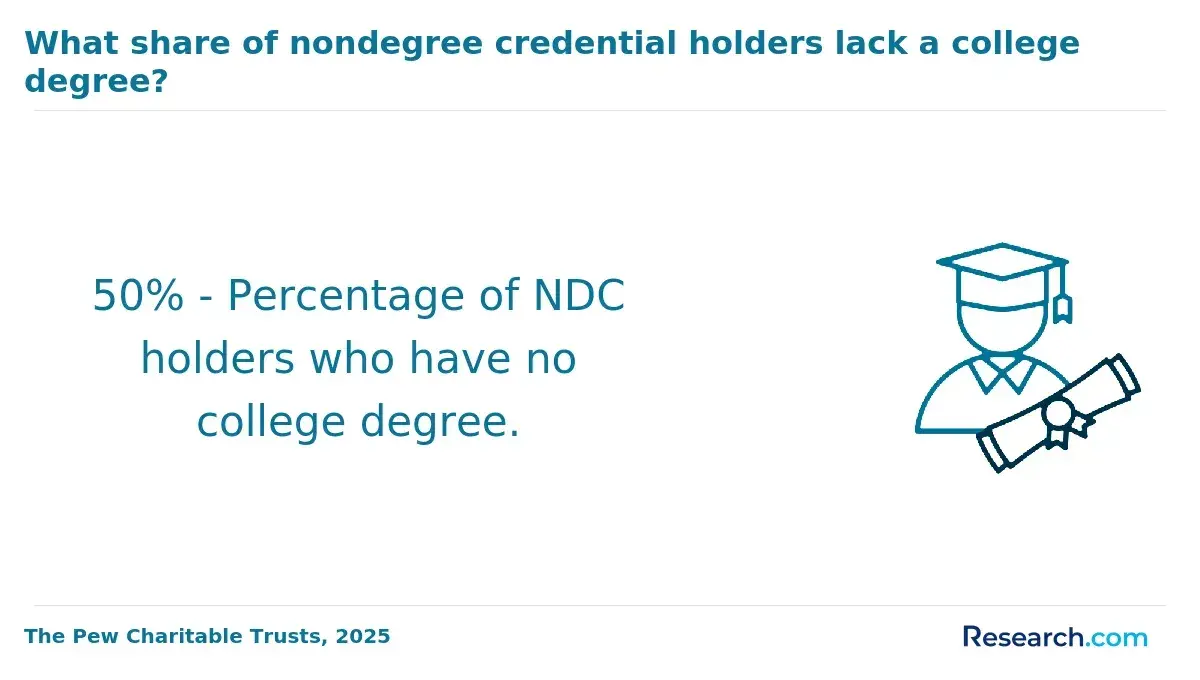
Licensure exam pass rates reveal how well candidates are translating coursework into exam performance, but they do not tell the whole story. A strong pass rate can reflect selective admissions, rigorous teaching, dedicated review support, strong student motivation, employer-sponsored study time, or a small cohort of unusually prepared candidates.
For business degrees, the CPA Exam is the most widely discussed benchmark. Recent AICPA data has shown CPA Exam pass rates varying meaningfully by section, with Financial Accounting and Reporting often among the more difficult sections and Regulation or Business-related sections often higher. That matters because a program's overall "CPA pass rate" can hide weak outcomes in the sections most tied to accounting depth.
The table below explains the pass-rate terms schools may use. Understanding these definitions helps you avoid overvaluing a headline number that may not reflect your risk as a first-time candidate.
| Metric | What it means | Why it matters | Red flag to watch |
| First-time pass rate | Share of candidates who pass on their first attempt | Best indicator of initial readiness and curriculum alignment | School reports only an overall rate and omits first-attempt outcomes |
| Overall pass rate | Passage after combining first-time and repeat attempts | Shows eventual success, but may understate delays and retake costs | High rate looks good but includes multiple retakes over several testing windows |
| Section-level pass rate | Passage by exam section or content area | Shows whether graduates are stronger in audit, tax, reporting, or business concepts | Only a combined rate is shown for a multi-section exam |
| Cohort pass rate | Outcomes for a defined graduating class or testing year | Connects outcomes to a specific program version and student group | No cohort size, no testing year, or no explanation of who was included |
| Ultimate licensure rate | Share of graduates who become licensed after exams, experience, and applications | Best measure of career completion when available | Program reports exam passage but not license completion |
When comparing programs, ask whether pass rates include only candidates who self-reported results, only accounting majors, only graduates who attempted the exam, or all graduates who intended licensure. A program can appear successful if low-performing students never sit for the exam, if data excludes noncompleters, or if small cohorts make outcomes unstable from year to year.
The most useful interpretation is practical: a high first-time pass rate may reduce retake costs and delays, while a low or unreported pass rate increases uncertainty. However, pass rates should be compared alongside tuition, graduation rate, faculty access, internship placement, employer partnerships, and whether the program satisfies your state's education rules.
The most common barriers to business licensure are predictable, but students often discover them too late. The biggest risks are not always academic ability; they can include missing credits, unclear state rules, exam retakes, employer sponsorship delays, cost, and lack of time to study while working.
The table below summarizes barriers that can delay or prevent licensure. It is useful for estimating not only whether you can become licensed, but also how much time and money you may need after graduation.
| Barrier | How it affects licensure | Typical impact on the student | How to reduce the risk |
| Missing required credits | Graduate has a degree but lacks specific accounting, business, ethics, or total-credit requirements | Additional courses, delayed exam approval, or delayed license application | Get a written curriculum-to-board requirement map before enrolling |
| Exam failure or low first-time pass readiness | Candidate must retake one or more sections | Extra fees, more study time, delayed promotion or start date | Use diagnostic practice exams and choose programs with transparent first-time pass data |
| Unclear state eligibility | Program may meet one state's rules but not another's | Licensure portability problems after moving | Check the state board where you plan to work, not only where the school is located |
| Experience requirement | Graduate passes an exam but still needs supervised work | Licensure depends on job placement, supervisor qualifications, and documentation | Ask employers and programs how experience is verified and who can sign off |
| Employer sponsorship or registration | Securities exams and some regulated roles require firm involvement | Cannot complete the credential independently before hiring | Target internships and entry-level roles with firms that sponsor licensing |
| Cost and time pressure | Exam prep, application fees, retakes, and unpaid study time add up | Students may pause or abandon the pathway | Budget for testing before graduation and ask about reimbursement policies |
One red flag is a school that says graduates are "prepared for licensure" but cannot identify the state, exam, credit categories, or recent outcomes. Another is a program that advertises a high pass rate without showing how many students attempted the exam. A 90% pass rate based on a very small or self-selected group may be less useful than a lower but transparent rate from a larger cohort.
Students should also avoid assuming that a business license automatically produces a salary increase. Licensure may open doors, but career impact depends on market demand, employer type, location, experience, specialization, soft skills, and whether the role actually requires the credential.
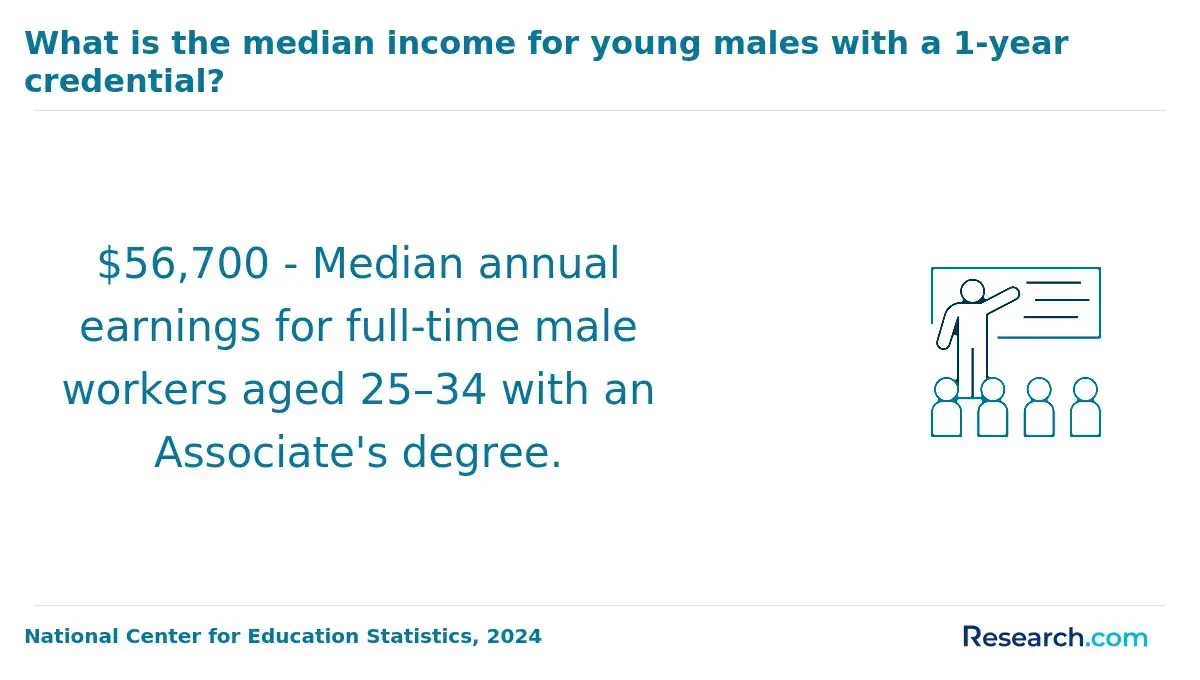
Licensing-exam preparation should begin before the final semester, not after graduation. The students who manage licensure most effectively usually treat exam readiness, credit planning, and experience documentation as part of the degree plan.
Use this sequence to prepare for business licensing exams and reduce the cost of retakes. The steps are especially relevant for CPA candidates, but the same logic applies to CFP, CMA, insurance, securities, and tax credentials.
- Confirm your eligibility date by checking when your transcript will show the required degree, credits, and course categories.
- Choose an exam window that matches your strongest coursework sequence, such as taking an audit-related section soon after completing advanced auditing.
- Take a diagnostic practice test early so you know whether your issue is content knowledge, timing, writing, simulations, or test anxiety.
- Build a study calendar that protects consistent weekly hours and includes cumulative review rather than last-minute memorization.
- Ask whether your school, employer, or professional association offers review-course discounts, exam fee support, or paid study time.
- If you fail a section, request or review the score report, identify the weakest content area, and retake only after completing targeted remediation.
Retakes are not unusual, especially on rigorous professional exams, but they become expensive when candidates repeat the same study method without diagnosing the problem. A student who fails because of weak task-based simulations needs different remediation than a student who knows the content but runs out of time.
Program support can make a measurable difference even when the degree is delivered online. Look for faculty-led review sessions, tutoring in intermediate accounting or tax, embedded exam-style assignments, alumni mentoring, and employer partnerships. Students who prefer accelerated study should balance speed against readiness; the faster route is not always cheaper if it increases retake risk.
State requirements and reciprocity can strongly affect business licensure, especially for CPA candidates, insurance professionals, and investment adviser representatives. The key question is not only "Can I get licensed?" but "Can I use this license where I plan to live and work?"
CPA licensure is state-based, although mobility rules allow many CPAs to practice across state lines under certain conditions. Still, education requirements, ethics exams, residency rules, experience verification, and license renewal rules can vary. Insurance licensing is also state-based, while securities licensing combines federal, state, self-regulatory organization, and employer requirements depending on the role.
Before enrolling in a business program, verify these portability issues directly with the relevant board or authority. This checklist helps prevent the common mistake of choosing a program that works in one jurisdiction but creates barriers in another.
- Check the state where you intend to be licensed first, not just the state where the school is located.
- Confirm whether online, transfer, graduate, pass/fail, internship, and community college credits count toward the required categories.
- Ask whether the program has made a professional licensure disclosure for your state.
- Review whether experience must be completed under a licensed supervisor and whether remote work qualifies.
- Check whether moving states after graduation would require additional coursework, exams, fees, or documentation.
- For securities or insurance roles, ask employers which licenses they sponsor and when sponsorship begins.
Students considering multiple regulated career paths should compare portability early. For example, someone weighing business credentials against a one year online master's in communication may find that communication roles often rely more on employer expectations and portfolio evidence, while regulated business roles may require formal board approval or registration.
The safest approach is to save written records of every eligibility answer you receive. Requirements change, and verbal guidance can be incomplete. Keep course descriptions, syllabi, transcripts, catalog pages, internship records, supervisor forms, and emails from boards or program advisors.
Business licensure costs vary by credential, state, study method, and retake history. Students should budget beyond tuition because exam fees, review courses, applications, transcripts, background checks, ethics exams, continuing education, and license renewals can affect ROI.
The table below shows common cost categories rather than promising one exact total. Use it to build a realistic budget for the credential tied to your career goal.
| Cost category | Where it appears | Why it matters |
| Additional credits | CPA candidates who need 150 credits or specific accounting/business courses | Can add one or more terms if the bachelor's degree is only 120 credits |
| Exam application and testing fees | CPA, CMA, CFP, insurance, securities, and tax exams | Must often be paid before employment benefits or reimbursement begin |
| Review course | CPA, CMA, CFP, and other comprehensive exams | Can improve structure but adds upfront cost |
| Retake fees | Any failed exam section or licensing test | Raises total cost and delays the credential's labor-market value |
| License application and background checks | State licenses and registrations | Required after exam passage in many pathways |
| Continuing education and renewal | Licensed practice after approval | Creates recurring cost and time obligations |
CPA candidates should pay special attention to the 150-credit rule. A traditional bachelor's degree often includes about 120 credits, so the additional 30 credits can be completed through extra undergraduate courses, a graduate certificate, a master's in accounting, an MBA with accounting electives, or another approved route. The cheapest route is not always the best if it fails to satisfy course-category rules.
For planning purposes, many business licensure budgets include these broad expense types. Exact amounts should be confirmed with the testing body, state board, and school before you enroll.
- CPA testing and application expenses can exceed $1,000 before adding a review course, state license fees, or retakes.
- Comprehensive CPA review courses commonly add a separate four-figure expense, although employer reimbursement may reduce the student's net cost.
- CFP, CMA, securities, insurance, and tax credentials have different fee structures, and some require employer sponsorship or membership fees.
- Lost time can be a real cost because studying may reduce work hours, delay job changes, or postpone promotion eligibility.
Timeline also varies. A CPA-focused student may spend four years on the bachelor's degree, additional time earning credits to reach 150, several months passing exam sections, and one or more years documenting qualifying experience depending on state rules. Students who already have credits, employer support, or graduate-level accounting coursework may move faster, while retakes or missing prerequisites can extend the timeline.
Licensure can improve career access because it allows graduates to perform regulated work, compete for roles that screen for credentials, and advance into positions requiring sign-off authority or specialized trust. The effect is strongest when the license is directly tied to the job, such as CPA roles in public accounting, audit, tax, controllership, and certain advisory positions.
Salary data should be used as context, not a guarantee. The U.S. Bureau of Labor Statistics reported a median annual wage of $81,680 for accountants and auditors in May 2024. That figure includes licensed and unlicensed professionals, so it does not isolate the CPA premium, but it shows the broader earnings environment in which accounting credentials are evaluated.
The table below compares licensed and unlicensed business pathways in practical terms. It helps clarify when licensure may be worth the added cost and when experience or skills may be the better investment.
| Outcome factor | Licensed pathway | Unlicensed pathway | Decision meaning |
| Job access | Required or strongly preferred for regulated services, attest work, certain advisory roles, and some promotions | Available in many corporate, operations, marketing, analytics, and management roles | Choose licensure when your target job legally or practically requires it |
| Advancement | May support movement into manager, controller, partner-track, compliance, or advisory leadership roles | Advancement depends more on performance, leadership, technical skills, and industry experience | Licensure is most valuable when senior roles list it as preferred or required |
| Mobility | Can improve credibility across employers, though state rules may still apply | Mobility depends on transferable skills, network, and portfolio of results | Check reciprocity before assuming a license travels easily |
| Cost and delay | Requires exams, fees, study time, continuing education, and sometimes supervised experience | Can enter the workforce sooner with fewer credentialing costs | Consider whether earlier employment outweighs the credential's long-term value |
| Risk | Exam failure, missing credits, and rule changes can delay returns | May face credential ceilings in regulated or prestige-sensitive fields | Match the pathway to the actual hiring criteria in your market |
Current labor-market trends make this decision more nuanced. Automation and AI are changing entry-level bookkeeping, reporting, and analysis tasks, which can increase the value of professionals who combine technical accounting knowledge with judgment, compliance, advisory communication, and systems skills. At the same time, employers still hire many business graduates without licenses for analytics, operations, sales strategy, project management, and business intelligence roles.
The ROI question should be framed this way: will the license unlock roles you cannot realistically access without it, and will those roles justify the extra credits, exam costs, retake risk, and time? If the answer is yes, pass rates and licensure support should be central to program selection. If the answer is no, you may get better value from internships, industry certifications, analytics tools, leadership experience, or a specialized non-licensure master's program.
Business graduates have many strong career options without a professional license. The best non-licensed paths usually reward applied skills, internships, industry knowledge, software fluency, communication, and measurable results rather than board-issued credentials.
These roles can be good alternatives for students who want business careers but do not want the cost, exam pressure, or state-based requirements of licensure. They may also be practical first jobs while a graduate decides whether a license is worth pursuing later.
- Financial analyst roles that focus on budgeting, forecasting, modeling, reporting, or corporate planning.
- Business analyst roles that translate data, processes, and stakeholder needs into operational improvements.
- Marketing analyst or growth roles that use customer data, campaign performance, and market research.
- Operations and supply chain roles focused on logistics, procurement, process improvement, and vendor management.
- Human resources, compensation, recruiting, and talent operations roles that may use optional certifications rather than licenses.
- Sales operations, account management, customer success, and business development roles where performance metrics are central.
- Entrepreneurship, small business management, and consulting support roles where experience and credibility can matter more than formal licensure.
Students should avoid seeing licensed and unlicensed paths as "better" or "worse." They are different investments. A CPA pathway may be a strong choice for audit, tax, or controllership goals, while a non-licensed analytics or operations pathway may offer faster entry, lower credentialing cost, and strong advancement for students with technical and communication skills.
Before choosing, compare job postings in your target city and industry. Count how often the license appears as required, preferred, or irrelevant. If most appealing roles do not ask for a license, your program decision should emphasize internships, employer network, software training, capstone projects, career services, and alumni outcomes rather than licensure pass rates alone.
Accreditation and program quality affect business licensure outcomes because they influence curriculum rigor, transferability, employer trust, and whether state boards accept the coursework. At the institutional level, students should look for recognized regional or national accreditation. At the business-school level, AACSB, ACBSP, or IACBE accreditation may indicate external review of curriculum, faculty qualifications, and assessment practices, though state licensing boards may still focus on course content rather than the business-school accreditor alone.
For CPA-focused students, accreditation is only the starting point. A program can be accredited and still fail to provide enough upper-level accounting credits, audit coursework, tax coursework, or business law credits for a particular state. Conversely, a non-AACSB business program at an accredited institution may still meet a state board's coursework rules if the transcript aligns with the board's categories.
Use the following quality indicators to judge whether a business program is designed for licensure success rather than general business exposure.
- Published CPA, CFP, CMA, or other credential-related outcomes that specify year, cohort size, first-time attempts, and repeat attempts.
- Curriculum maps showing exactly which courses satisfy state accounting, business, ethics, tax, audit, finance, or law requirements.
- Faculty with current professional credentials, recent industry practice, or direct exam-preparation experience.
- Advising that is specific to state licensure rules instead of generic career counseling.
- Access to internships, supervised experience, employer recruitment, or accounting firm pipelines that help graduates finish post-exam requirements.
- Clear transfer-credit policies explaining whether community college, international, pass/fail, competency-based, or graduate credits count toward licensure.
Online versus campus format is usually less important than approval, transcript content, support, and outcomes. A well-designed online accounting program can support licensure if the credits are accepted, courses are rigorous, exams are proctored appropriately, and advising is state-specific. A campus program can still be risky if it does not track exam outcomes or leaves students short of required credits.
Accreditation checks also matter because regulated fields use different approval models. If you are comparing business with people-centered licensed programs such as a family therapy degree, note that counseling-related pathways often depend heavily on state board approval and supervised clinical hours, while business licensure may depend more on course categories, exams, and employer-supervised experience.
Other Things You Should Know About Business
No. A business degree may help you meet education requirements, but licensure usually requires separate exams, applications, fees, experience, ethics requirements, or employer sponsorship depending on the credential.
Ask for the first-time pass rate by exam section, cohort size, reporting year, and the number of graduates who attempted the exam. Overall pass rates can be useful, but they may hide retakes and delays.
It can be, but only if the institution is properly accredited and the courses meet the state board's credit and subject-area rules. Always verify requirements with the state where you plan to seek licensure.
It is usually worth considering when your target role requires or strongly prefers the credential, such as public accounting or regulated advisory work. If your goal is general management, marketing, operations, or analytics, a license may be less important than experience and job-ready skills.
See What Experts Have To Say About Studying Business
Read our interview with Business experts

David W. Stewart
Business Expert
Emeritus President's Professor of Marketing
Loyola Marymount University

Ingrid S. Greene
Business Expert
Clinical Assistant Professor of Management
Loyola Marymount University


- How Do Certifications Influence Salary Increases? https://certiprof.com/blogs/news/how-do-certifications-influence-salary-increases
- Using Data to Increase Exam Pass Rates - ExamSoft https://examsoft.com/resources/examsoft-board-exam-scores/
- Building on the evidence Interventions promoting NCLEX success https://www.scirp.org/journal/paperinformation
- CPA Vs CMA: Which Is Best For Your Accounting Career? https://300hours.com/cpa-vs-cma/
- Salary Raise After Passing CPA E… | CPA Exam Forum https://forum.another71.com/forum/accounting-careers/industry-private-accounting/topic/salary-raise-after-passing-cpa-exams-please-help/
- 2026 Finance Certification Pass Rates Compared | PCC https://professionalcareerclub.com/blog/2026-finance-certification-pass-rates-compared
- How an MBA Can Boost Your Salary and Career Growth https://webber.edu/how-an-mba-can-boost-your-salary-and-career-growth/
- CPA Exam Pass Rates https://accounting.uworld.com/cpa-review/cpa-exam/pass-rates/
- Benefits of a College Degree on Salary & Earning Potential | UMass Global https://www.umassglobal.edu/blog-news/how-college-impacts-salary-and-future-earning-potential
- CFA Pass Rates - What Are the CFA Pass Rates by Exam Level? https://www.efficientlearning.com/cfa/resources/cfa-pass-rates/