
2027 Most Valuable Business Degree Programs Ranking in Miami

Co-Founder and Chief Data Scientist
Choosing the right business degree program in Miami can be overwhelming. This article introduces the 2027 Most Valuable Business Degree Programs Ranking in Miami, developed by the Research.com team of data scientists to guide you toward informed decisions.
Discover which programs offer the best opportunities for your future career. Whether you're starting fresh or considering a change, understanding the value of each degree can save time and effort.
Exploring this ranking empowers you to pursue a path that aligns with your goals and passions, making your education investment truly worthwhile.
Key benefits of getting business degree in Miami
- Business degree graduates in Miami can expect competitive salaries, with roles like Business Development Executives earning about $83,190 annually and Business Analysts making around $112,950 per year, reflecting strong earning potential.
- Graduates from Miami's popular universities often pursue diverse career paths such as marketing, finance, or consulting, offering exciting opportunities to grow and thrive in dynamic industries.
- Online business degrees provide flexibility and convenience, allowing Miami students to balance work and study while gaining skills just as valuable as traditional degrees, opening doors to rewarding careers.
- 2027 Most Valuable Business Degree Programs Ranking in Miami
- What can I expect from business degree in Miami?
- Where can I work with business degree in Miami?
What can I expect from business degree in Miami?
The average cost of pursuing a business degree in Miami varies depending on the institution you choose. Public universities typically offer more affordable tuition, with annual rates around $7,000 to $12,000 for in-state students. Private colleges, known for smaller class sizes and personalized mentorship, often charge between $25,000 and $40,000 per year. Graduates from these institutions often recall balancing their budgets by taking advantage of internships and part-time jobs right in Miami's bustling business districts, turning classroom knowledge into real-world skills.
Many students find that the value gained goes beyond tuition, especially when attending schools with AACSB accreditation. This prestigious recognition signals high-quality teaching and opens doors to internship opportunities in Miami's vibrant sectors like international banking and tourism. Being hands-on in Miami's dynamic market, whether through co-ops or consulting projects, helps graduates feel confident about their career path, knowing their investment paid off not only financially but in experience and connections.
Those who choose Miami's business programs appreciate the city's multicultural environment and global reach, which enrich their education without adding extra cost. Considering program length-typically four years for a bachelor's and one to two years for a master's-students plan ahead to maximize benefits while managing expenses effectively.
Where can I work with business degree in Miami?
With a business degree from schools like the University of Miami or Florida International University, you can step confidently into Miami's vibrant job market. Graduates often find themselves thriving in finance roles at major banks such as Bank of America or Wells Fargo, gaining hands-on experience with financial analysis and investment advising.
Others tap into Miami's unique position as a gateway to Latin America, working in international trade and logistics. Business grads frequently join companies navigating import-export operations, where understanding global commerce is key-imagine coordinating shipments that bridge U.S. and Latin American markets every day.
Many alumni share stories of launching careers in Miami's booming tourism sector. Managing hotels or planning major events energizes those who enjoy dynamic, people-focused environments. Business programs here often include internships that open doors to such roles.
Then there's the growing tech and startup scene, where fresh graduates apply their skills in project or product management. Miami's fast-growing innovation hubs reward entrepreneurial spirit, giving grads chances to shape new ventures right from the start.
Finally, corporate consulting and human resources provide steady, rewarding paths. Miami's diverse economy means you can find your fit-whether advising management teams or shaping company culture-all while earning competitive salaries.
Graduates from business programs in Miami, such as those from the University of Miami or Florida International University, often step into well-paying roles that reward their hard work and ambition. For instance, a Business Development Executive in Miami enjoys an average annual salary of about $83,190, reflecting the city's vibrant economic landscape. Many of these graduates share how securing such positions soon after graduation gave them confidence in pursuing their goals.
Another popular path is becoming a Business Analyst, with an impressive mean annual wage near $112,950. This role is especially appealing to those who love analyzing data to drive strategic decisions in Miami's dynamic companies. It's not uncommon to hear from FIU alumni about how their analytical skills opened doors to these lucrative careers.
As you consider your journey, remember that Miami's diverse industries-ranging from finance to international trade-offer expanding opportunities. Earning these salaries is achievable if you leverage internships, networking, and Miami's unique business environment to gain real-world experience early on.
- The cost of a business degree in Miami ranges from $30,000 to $60,000 at public universities, while private institutions can charge more than $70,000.
- The unemployment rate for business graduates in Miami is around 3% to 4%, which is below the national average.
- Entry-level salaries for business graduates in fields like finance and marketing average between $50,000 and $55,000 annually.
- Mid-career salaries in business roles in Miami typically range from $80,000 to $90,000 per year.
- Many Miami universities have AACSB accreditation, which is important for maintaining high education standards.
- Miami's international and bilingual business environment offers valuable cross-cultural experience and strong internship opportunities.
Completing a business degree in Miami is a journey shaped by your ambition and lifestyle. Most undergraduates at universities like the University of Miami or Florida International University spend about four years pursuing a traditional Bachelor of Business Administration (BBA). However, some graduates have fast-tracked their paths by taking extra courses or summer classes, cutting their studies to just three years. This accelerated route is ideal if you're eager to dive into the vibrant Miami business scene sooner.
Graduate students often choose Miami's MBA programs, which typically take two years full-time. But if balancing work and study is your priority, popular options like FIU's part-time MBA allow you to extend your learning across three years or more, making it easier to gain real-world experience alongside your education.
Community college graduates find great value in completing a two-year associate degree in business, setting a strong foundation before transferring to a four-year institution. These flexible paths show how Miami's educational landscape supports diverse student goals with energy and opportunity.
When evaluating a Business degree in Miami, FL, understanding the return on investment (ROI) is crucial for making an informed decision. On average, local tuition for an online bachelor’s program hovers around $38,496, while graduates in high-demand roles such as Business Analyst report a mean annual wage of $108,790. By comparing total cost of attendance against median starting salaries, students can estimate a break-even period of roughly 2–3 years, assuming full-time employment and conservative living expenses. ROI is influenced by program format and delivery. Traditional on-campus degrees may offer richer networking opportunities but often carry higher fees and ancillary costs (housing, commuting, campus activity fees). Conversely, online programs reduce overhead while maintaining rigorous accreditation standards. Prospective students seeking cost-efficient pathways without sacrificing quality should explore Affordable Online Business Degree Programs, which often feature competitive tuition and flexible schedules, further shortening the ROI timeline. Beyond salary figures, ROI encompasses career advancement and professional development. Miami’s robust business ecosystem-including finance, healthcare administration, and tech startups-enables graduates to access promotion pathways that amplify lifetime earnings. Those who leverage internships, mentorships, and alumni networks can accelerate their ROI by securing roles with signing bonuses or performance-based incentives. Finally, students should factor in financial aid, scholarship opportunities, and employer-sponsored tuition assistance, all of which can drastically improve net ROI. By carefully comparing program costs, projected earnings, and available funding, prospective business students in Miami can ensure their degree delivers both immediate value and long-term financial rewards.
Choosing between an online and an on-campus business degree in Miami really hinges on how you want to experience your education. Graduates from the University of Miami often recall the energizing buzz of face-to-face classes, where networking happens naturally during group projects and campus events. This hands-on environment helps build relationships with professors and local business leaders, offering a real edge in Miami's vibrant market.
On the other hand, online programs like Florida International University's MBA give you the freedom to juggle work, family, and study without the commute. Many students appreciate this flexibility, especially when managing busy schedules in Miami's fast-paced business scene. Online learning relies on video lectures and virtual teamwork, which requires self-discipline but allows you to create your ideal study routine.
Cost differences also play a role: on-campus tuition can be higher, especially when factoring in housing and transit, while online programs often reduce these extra expenses. Whichever path you choose, both formats are designed to equip you with skills to thrive in Miami's diverse industries.
The average cost of a business degree in Miami varies widely depending on the type of institution you choose. For in-state students attending public universities, the median total cost sits around $12,820, making it an attainable goal for many local residents. Graduates from these programs often share how manageable costs paired with quality education gave them a strong foundation without overwhelming student debt.
On the other hand, students opting for private institutions or coming from out-of-state face a median total cost closer to $33,898. While this price is significantly higher, many who have gone through these programs point to the rich networking opportunities and specialized courses that add tremendous value to their business education experience in Miami. It's a trade-off that depends on your long-term career goals and financial planning.
For those looking for a budget-friendly path, community colleges like Miami Dade College offer a fantastic start with tuition fees around $2,500 annually for in-state students. Many students begin here, feeling encouraged by the practical approach and lower total expenses for Miami business degree studies before transferring to four-year institutions to complete their bachelor's degree.
When planning your investment in a business degree, it's essential to consider not only tuition but also expenses like textbooks and living costs. Financial aid, scholarships, and grants can significantly ease this burden. To explore options among the most valuable business schools in Florida, check out valuable business schools in Florida.

Pursuing a business degree in Miami, FL, is a strategic decision that can lead to a fulfilling and successful career, given the city's vibrant business landscape and diverse economy. To make an informed decision, it's essential to explore the valuable business schools in Florida, which offer programs tailored to equip students with the skills necessary to thrive in the competitive business world. By considering factors such as program specialization, accreditation, and networking opportunities, prospective students can identify the most valuable business degree programs that align with their career aspirations and personal goals. This thoughtful approach enables students to maximize their educational investment, preparing them for a wide range of career paths in accounting, marketing, finance, and more, and positioning them for success in Miami's dynamic job market.
When pursuing a business degree in Miami, financial aid can be a real game-changer, allowing you to focus more on learning and less on how to cover tuition. Many students at Florida International University, for instance, tap into federal Pell Grants, which can offer up to $7,395-grant money that doesn't need to be paid back, truly easing the financial burden.
Completing the FAFSA is the first essential step; it opens doors to not only Pell Grants but also Direct Subsidized and Unsubsidized Loans with manageable repayment terms. These loans helped several business graduates manage costs without overwhelming debt after finishing their programs.
Students attending the University of Miami benefit from state initiatives like the Bright Futures Scholarship, which rewards strong academic performance with substantial tuition help. On-campus scholarships and awards based on merit or need further support many, creating opportunities for those juggling work and study.
Local employers often offer tuition reimbursement or scholarships, especially for graduate students balancing careers and education. This blend of federal, state, institutional, and private aid forms a robust safety net that has empowered countless Miami business students to succeed without compromise.
As Miami’s dynamic business landscape evolves, future business graduates can expect innovative shifts that will redefine career pathways and educational focus. Technological advancements, sustainability, and globalization are driving curricular enhancements, with institutions increasingly integrating data analytics, digital marketing, and ethical business practices into their programs. Recent trends highlight a surge in internship programs and industry partnerships that offer students real-world exposure and robust networking opportunities. Moreover, emerging areas such as fintech, renewable energy sectors, and health management are gaining traction-transforming traditional roles and creating novel career prospects. Students considering pathways that offer both flexibility and strategic growth may also want to explore the list of easiest business degrees to balance rigorous academics with career-ready skills. By staying informed about these trends, prospective students and current graduates can make proactive decisions that align with evolving market demands, ensuring they remain competitive in a globally interconnected economy.
To step into a business degree program in Miami, you'll first need a high school diploma or equivalent, like a GED. This foundational credential sets the stage for your academic journey, just as it did for many graduates from Florida International University, who found their early efforts in high school coursework crucial for success. Maintaining a GPA around 2.5 to 3.0 can strengthen your application, reflecting commitment and readiness.
Standardized tests like the SAT or ACT may be required, though some Miami schools now offer test-optional policies-so focus on excelling in your classes and building a strong transcript. For graduate students, especially those aiming for an MBA at institutions like the University of Miami, having an accredited undergraduate degree and relevant work experience-often two to five years-is key. GMAT or GRE scores might be optional, but they remain a valuable tool to showcase your abilities.
Beyond academics, Miami business programs value soft skills like leadership and communication. Sharing meaningful personal statements and solid letters of recommendation can set you apart, revealing your passion and potential to thrive in Miami's vibrant business environment.
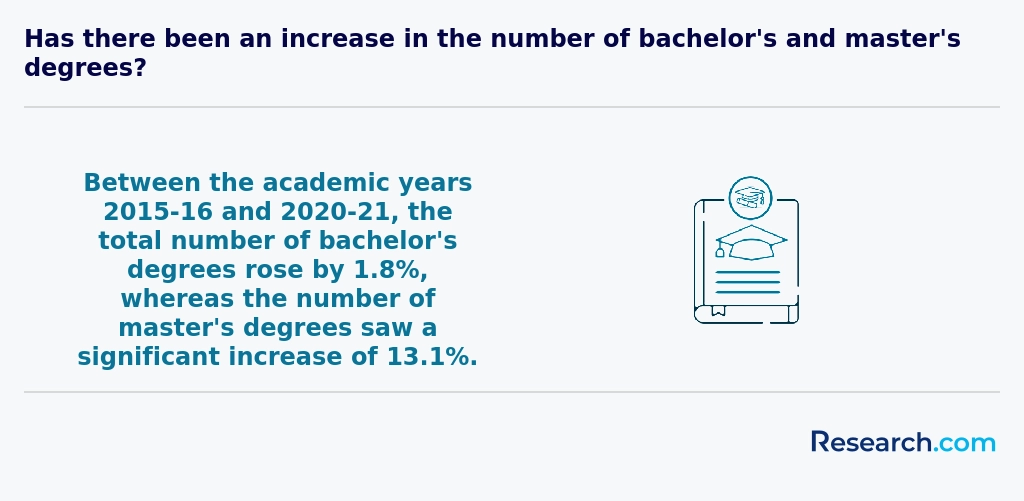
Assessing the return on investment (ROI) for a business degree in Miami involves comparing total educational costs against post‐graduation earnings and career growth. On average, students pay around $38,496 for a public bachelor’s degree and roughly $50,000–$70,000 for an MBA. Given that entry‐level business roles in Miami yield mean salaries of $80,220 for project managers and $108,790 for business analysts, graduates typically recoup their undergraduate investment within three to five years, while MBA holders can break even in as little as two to three years. Long‐term ROI also factors in career advancement: professionals with master’s degrees often enjoy 20–30% higher lifetime earnings compared to bachelor’s degree holders. Moreover, programs with strong career services and alumni networks report placement rates above 85% within six months of graduation. For students seeking to maximize ROI, exploring a low-cost MBA program such as the best affordable mba online no gmat required can significantly reduce upfront investment while delivering high earning potential. To optimize your ROI, consider scholarship opportunities, part-time work-study options, and robust internship pipelines offered by Miami institutions. By strategically selecting a program with competitive tuition, proven job placement, and strong industry partnerships, you’ll position yourself to achieve both financial and professional success in Miami’s dynamic business landscape.
In Miami, business degree programs offer a vibrant mix of courses designed to equip you with practical skills that really matter. At universities like Florida International University, graduates often recall how foundational subjects such as Accounting and Finance gave them confidence in managing real-world budgets and financial reports. Imagine preparing to analyze a company's financial health during internships or your first job-these classes make that possible.
Courses in Marketing and Consumer Behavior allow you to understand what drives customer choices, a crucial skill in Miami's diverse market. Leadership and Organizational Behavior classes teach you how to inspire teams, essential whether you're managing a local startup or a global trade project.
Importantly, Miami's connection to international business means your education often includes Global Supply Chain Management and International Trade. Graduates frequently highlight how projects based on real Miami companies deepened their understanding of cross-border business challenges.
- Principles of Marketing and Consumer Behavior
- Financial Accounting and Managerial Accounting
- Organizational Behavior and Leadership
- Business Law and Ethics
- Microeconomics and Macroeconomics
- Operations and Supply Chain Management
- Business Statistics and Data Analytics
- International Business and Trade
Additionally, classes in Business Law and Ethics prepare you to navigate complex regulations, a must-have skill in Miami's dynamic business landscape. Data analysis and technology courses teach practical skills, like using analytics software, helping you make smarter decisions in fast-paced environments.
Specializations within a business degree in Miami reflect the city's dynamic economy and international flair. Graduates from well-known Miami universities often highlight finance as a top choice, drawn by the city's robust banking and investment sectors. This is a practical path when you consider Miami's role as a financial hub, offering opportunities to work in wealth management and financial analysis with competitive salaries. For those intrigued by diverse cultures and markets, marketing and international business specializations vividly come to life here. Imagine tailoring digital marketing strategies specifically for Miami's multicultural population or navigating global trade laws in one of the city's renowned business programs, where hands-on projects mirror real-world challenges.
In your journey of exploring business degree specializations Miami universities offer, entrepreneurship stands out as an exciting option, fueled by the vibrant startup ecosystem around places like the Miami Innovation Center. Students learn how to launch and scale ventures, often supported by community networks and funding opportunities. Others find management and emerging fields like data analytics and sustainable business particularly empowering, equipping them with skills to lead and innovate locally and globally. If you're mapping out your path, consider exploring a list of easiest business degrees to align your goals with a manageable yet impactful focus.
Choosing the best business degree in Miami means focusing on programs that offer strong regional accreditation and, ideally, AACSB accreditation to ensure your degree holds weight nationally. Graduates from popular universities in Miami often praise the practical curriculum tied to the city's vibrant international trade and finance sectors, which gives them an edge in local job markets. When considering affordable business colleges Miami provide options that fit a range of budgets while still offering quality education and financial aid opportunities.
Look for degrees that offer specializations reflecting Miami's economic strengths, such as international business or entrepreneurship. Many students share how internships with multinational companies based in Miami helped them transform classroom knowledge into career-ready skills. Flexibility matters too-programs with part-time or online formats can accommodate your lifestyle, making education achievable even with work commitments. For example, explore the best affordable mba online no gmat required for a flexible start.
Business degree career opportunities in Miami are as dynamic as the city itself. Graduates from popular schools here often find themselves thriving in finance, working as financial analysts or advisors in a city bustling with banks and investment firms. Many have shared how the hands-on experience they gained at local universities equipped them to confidently enter Miami's competitive markets. Marketing and sales careers flourish thanks to Miami's booming tourism and real estate sectors, where graduates develop skills in customer relations and branding that local employers highly value.
Entrepreneurship also stands out as an exciting path, driven by Miami's energetic startup scene. Graduates enthusiastic about launching tech or e-commerce ventures benefit from local accelerators and investment options, turning bold ideas into thriving businesses. For those interested in logistics, the city's busy port and airport create abundant roles in supply chain management, reflecting the practical experiences students get through internships within Miami's interconnected industries.
Cost-conscious students can explore Affordable Online Business Degree Programs that prepare them for these top career paths for Miami business graduates, balancing quality education with financial sense.
The business degree job opportunities Miami offers are exciting and diverse, reflecting the city's dynamic economic environment. Graduates from well-known Miami universities find themselves stepping into roles as financial analysts, marketing managers, and business consultants who thrive in industries like international trade and tourism. Many of these graduates share how the city's unique position as a financial gateway to Latin America gives their careers an energetic, global edge.
Miami's growing demand for skilled business professionals creates a competitive employment outlook. Those who studied at local colleges often land positions managing real estate ventures or working with emerging small and medium-sized businesses. These roles not only offer rewarding salaries but also provide real-world challenges that sharpen critical thinking and leadership skills-perfect for ambitious graduates.
For students considering flexible learning paths, pursuing an accelerated bachelors degree online through Miami institutions can speed entry into this promising job market. Many report that quick access to key positions fuels their confidence to navigate Miami's thriving business scene with optimism and resilience.
2027 Most Valuable Business Degree Programs Ranking in Miami
Investing in your education is a significant decision that can greatly impact your career trajectory, and the Research.com team is deeply aware of the importance of making well-informed choices. To support prospective students in Miami, we have carefully developed the "2027 Most Valuable Business Degree Programs Ranking in Miami." Our dedication to quality, credibility, and accuracy is evident through the rigorous research and analysis behind this ranking.
We utilized the following reputable data sources to ensure a comprehensive evaluation of business degree programs:
By consulting this ranking, readers will obtain valuable insights into the most valuable business degree programs in Miami, empowering them to make confident, data-driven decisions about their education and future. For more information on our research approach, please visit our Research.com methodology page.

# 3 position
Miami Dade College
Bachelor of Business Administration


# 6 position
Atlantis University
Master of Science in Business Administration

# 8 position
Atlantis University
Bachelor of Science in Business Administration
# 10 position
Polytechnic University of Puerto Rico-Miami
Master of Business Administration

Frequently Asked Questions About business
Business degree students in Miami can maximize their learning experience by engaging deeply with the city's dynamic economic environment. Miami is a major hub for international trade and finance, especially with Latin America, providing students unique opportunities to study global business firsthand. According to the Miami-Dade Beacon Council, over 150 multinational companies have regional headquarters in Miami, allowing students to pursue internships and networking events.
Participating in local business organizations like the Greater Miami Chamber of Commerce offers practical insights and professional connections. Additionally, students should leverage Miami's diverse population to develop cultural competence, a vital skill in today's global markets.
Emerging niches within the business field in Miami reflect both global trends and the city's unique economic landscape. Sectors such as fintech and sustainable business are gaining significant traction, driven by Miami's growing status as a financial hub and its commitment to environmental initiatives. According to the Miami-Dade Beacon Council, fintech companies in the region have increased by over 20% in recent years, creating demand for specialized business skills.
Additionally, health care management and digital marketing are expanding rapidly due to Miami's diverse population and booming tourism industry. Expertise in data analytics and e-commerce also stands out, with many local businesses pivoting to online platforms to reach wider markets.
Preparing for the job market after completing a business degree in Miami involves several key steps. First, gaining practical experience through internships is crucial; Miami's strong tourism, trade, and finance sectors offer many opportunities. According to the U.S. Bureau of Labor Statistics, internships improve employment chances by up to 60% for recent graduates nationwide. Networking also plays a vital role, especially in Miami's diverse business environment. Joining local professional organizations, such as the Miami Chamber of Commerce, can provide valuable connections. Additionally, developing skills in digital marketing, data analysis, and bilingual communication can give graduates a competitive edge in Miami's evolving job market.
Employers in Miami highly value business degree graduates who demonstrate strong communication and analytical skills. According to a 2023 report by the Miami-Dade Beacon Council, 78% of local companies prioritize candidates with the ability to interpret data and make informed decisions.
In addition to technical expertise, teamwork and adaptability are crucial. Miami's diverse economy, which includes finance, tourism, and international trade, requires professionals who can collaborate across cultures and adjust to rapid market changes.
Leadership and proficiency in digital tools such as Excel, Salesforce, and data analytics platforms are also frequently sought. The Miami Chamber of Commerce highlights that 65% of hiring managers look for graduates familiar with digital transformation trends.
Finding internships in Miami relevant to a business degree involves strategic research and networking. Miami's growing economy, especially in finance, international trade, and tourism, offers numerous opportunities. According to the Miami-Dade Beacon Council, over 40% of local businesses have internship programs supporting students.
Start by utilizing university career centers, which often connect students with employers like Royal Caribbean and Bacardi. Online platforms such as Handshake and LinkedIn also list local internships specifically for business majors.
Additionally, professional organizations like the Miami Chapter of the American Marketing Association provide networking events that can lead to internship placements.
In Miami, earning a business degree significantly enhances career mobility and advancement opportunities. The city is a major hub for international trade, finance, and tourism, driving demand for skilled business professionals. According to the U.S. Bureau of Labor Statistics, business and financial occupations in the Miami metropolitan area are projected to grow by 7% from 2022 to 2032, faster than the average for all occupations.
A business degree provides foundational knowledge in management, marketing, and finance, which local employers highly value. Graduates often access higher-level positions in sectors such as banking, real estate, and healthcare administration. Networking opportunities through Miami's diverse business communities further accelerate career growth.
Additionally, many Miami universities offer internships and partnerships with multinational companies, increasing practical experience and employability in competitive markets.
Studying for a business degree in Miami equips students with skills applicable across diverse industries, a necessity given Miami's unique economic landscape. The city's economy spans finance, international trade, tourism, and technology, creating demand for professionals who can navigate multiple disciplines.
Miami's business programs often integrate coursework in marketing, finance, data analytics, and international business. This interdisciplinary approach fosters versatile knowledge, preparing graduates to adapt and collaborate across various sectors. For example, the Miami-Dade Beacon Council notes that the regional economy added over 36,000 jobs in finance and trade in 2023, underscoring demand for flexible expertise.
Moreover, Miami-based programs frequently emphasize bilingual communication and cultural competency due to the city's diverse population. Such training is essential for roles requiring cross-cultural management and global strategy. Overall, local business education aligns with Miami's dynamic market, supporting students targeting interdisciplinary career paths.
Choosing between a thesis and a non-thesis business degree program in Miami depends on your career goals and learning preferences. Thesis programs emphasize research skills, ideal for students aiming for doctoral studies or roles requiring in-depth analytical abilities.
Non-thesis programs focus more on practical coursework, which appeals to professionals seeking immediate application in Miami's dynamic business markets, such as finance and international trade, where rapid decision-making is crucial.
According to the U.S. Department of Education, Miami's business schools typically offer both options, with thesis programs involving around 6 to 12 months of research work. Those interested in leadership or consulting roles might favor non-thesis paths for faster completion.
Cost and time commitment vary, so evaluating program requirements alongside Miami's economic demands helps ensure an informed choice.
Students in Miami interested in studying business abroad have several options through U.S. institutions that offer global study programs. Many universities in Florida, including the University of Miami and Florida International University, facilitate exchange programs and international internships in key business hubs such as Europe, Asia, and Latin America.
These programs often allow students to earn credits toward their degrees while gaining global experience. According to the Institute of International Education's 2023 Open Doors Report, about 10% of U.S. business undergraduates participate in study abroad programs, highlighting a growing trend among Miami students.
Additionally, Miami's strong ties to Latin America create unique partnerships enabling business students to explore markets in Brazil, Mexico, and beyond. This international exposure is crucial for those aiming to work in Miami's diverse and globalized economy.
Miami offers a variety of part-time job opportunities that can effectively complement a business degree education. Popular roles include retail management assistant, where students develop customer service and leadership skills applicable in business settings. According to the U.S. Bureau of Labor Statistics, Miami's retail sector employs over 150,000 workers, providing numerous entry points for students.
Internships in local firms and financial institutions are also valuable, offering real-world experience in marketing, finance, and operations. Miami hosts many multinational companies, enhancing opportunities for networking and practical learning.
Additionally, positions in hospitality management, common in Miami's booming tourism industry, help students hone organizational and managerial competencies essential for business careers.
Business students in Miami benefit from numerous networking opportunities due to the city's thriving economy and diverse industries. Miami is a hub for finance, international trade, and tourism, which creates a dynamic environment for students to connect with professionals. Universities often host career fairs, guest lectures, and networking events with local business leaders.
In addition, organizations like the Greater Miami Chamber of Commerce and Miami-Dade Black Chamber of Commerce offer events and mentorship programs specifically designed for emerging business professionals. According to the Miami Downtown Development Authority, over 200 business events occur annually downtown, many accessible to students.
Professional associations also play a key role. Groups such as the Miami American Marketing Association and local chapters of national business clubs provide platforms for student involvement, skill-building, and relationship development.
Alumni networks provide significant advantages for business degree students in Miami by connecting them to a wide range of local professionals and industries. Miami's diverse economy, including finance, international trade, and tourism, benefits from active alumni communities that offer mentorship, internships, and job opportunities. According to the Miami-Dade Beacon Council, graduates linked through alumni networks experience a higher employment rate within six months of graduation compared to national averages. These networks also facilitate access to exclusive events, workshops, and business forums, enhancing professional development. For business students, these connections often lead to stronger career pathways and a supportive environment in Miami's competitive job market.
Customizing a business degree program in Miami allows students to align their education with specific career goals. Many local universities offer flexible curricula where you can choose concentrations such as finance, marketing, international business, or entrepreneurship. Miami's status as a key international trade hub encourages programs to incorporate Latin American market studies and bilingual business communication, which can be valuable for careers in global commerce.
Internships and cooperative education opportunities are widely available, especially given Miami's diverse economy with strong ties to tourism, banking, and real estate. Utilizing these options can enhance practical experience tailored to your field. According to the U.S. Bureau of Labor Statistics, Miami's employment in business-related occupations is projected to grow by 7% over the next decade, underscoring the benefits of a customized degree focused on expanding industries.
Advisors at Miami institutions often assist students in selecting elective courses and extracurricular activities that match their ambitions, including networking events and professional clubs. This support helps personalize your path and increase job readiness in Miami's competitive business environment.
Business students in Miami often face high tuition costs, with the average annual expense ranging between $10,000 and $25,000 depending on the institution, according to the National Center for Education Statistics. Financial pressure is a common challenge, especially as many students balance part-time jobs alongside studies.
Another significant hurdle is the competitive job market. Miami's economy, driven by tourism, international trade, and finance, demands strong practical skills. Students frequently report difficulty securing meaningful internships that align with their career goals.
Language barriers also impact many, as Miami has a large population of Spanish speakers. Some business students struggle to keep pace with coursework delivered primarily in English, which can affect academic performance.
Graduates with a business degree in Miami can enhance their career opportunities by pursuing several professional certifications. Popular options include the Certified Public Accountant (CPA), especially for those interested in accounting roles. Miami's growing finance sector makes the CPA credential highly valuable.
Another widely recognized certification is the Project Management Professional (PMP), which suits business graduates aiming for leadership in various industries. The PMP is recognized nationwide and can boost salary potential significantly.
For those focused on finance, the Chartered Financial Analyst (CFA) certification offers advanced knowledge in investment management, relevant given Miami's expanding asset management market reported by the Greater Miami Chamber of Commerce.
Additionally, the Certified Management Accountant (CMA) credential is an option for professionals seeking expertise in financial management and strategy within corporations prevalent in Miami's economy.
Writing a winning application for a business program in Miami requires careful preparation and attention to key elements. Admissions committees typically look for strong academic records, clear career goals, and relevant experience. Miami's diverse economy, including its status as a hub for international trade and finance, means programs often value applicants with global awareness and language skills.
Start by crafting a compelling personal statement that highlights your passion for business and how Miami's dynamic market aligns with your ambitions. Include any internships or work experience linked to Miami's key industries like tourism, banking, or technology.
Standardized test scores such as the GMAT or GRE can be important, though some Miami schools may waive them. Check each program's requirements carefully. Include well-written recommendation letters that provide insight into your leadership and teamwork abilities.
Finally, ensure your application is error-free and submitted before deadlines. According to the National Center for Education Statistics, business remains among the top majors in Florida, making competition strong. Presenting a clear, well-documented profile improves your chances.
Business careers today are shaped by a global economy that demands cultural awareness and adaptability. For students in Miami, a city known for its international trade and diverse population, understanding global business perspectives is crucial. According to the U.S. Bureau of Labor Statistics, business professionals with expertise in global markets tend to earn higher salaries and have broader career opportunities.
Miami's role as a gateway to Latin America enhances networking and practical experiences for business students. Universities in the area often emphasize international business, preparing graduates to navigate different legal systems, currencies, and consumer markets.
Furthermore, the global interconnectedness of industries means Miami graduates can work in diverse sectors such as finance, tourism, and logistics, all of which rely heavily on international cooperation.
Gaining practical experience while studying for a business degree in Miami is essential to prepare for the competitive job market. Many universities in Miami offer internship programs that connect students with local companies, including major sectors like finance, tourism, and international trade. For example, Florida International University has partnerships with businesses in Miami's growing finance district, allowing students to earn hands-on experience while earning credits.
Additionally, Miami's strong Hispanic business community offers opportunities to work with diverse enterprises, enhancing cultural and professional skills. Participating in local business competitions and networking events can further boost real-world knowledge. According to the Greater Miami Chamber of Commerce, internships significantly improve employment prospects after graduation.
Choosing the right concentration within a business degree program in Miami depends largely on your career goals and the area's economic landscape. Miami is a major hub for international trade, tourism, and finance, which influences demand for specialties like international business, hospitality management, and finance. According to the Miami-Dade Beacon Council, these sectors consistently drive job growth locally.
Consider programs that offer practical internships or connections with Miami's diverse companies. Research shows students with industry experience have a better employment rate post-graduation. Additionally, explore concentrations with strong networking opportunities and alumni presence in Miami's business community, such as entrepreneurship or marketing.
Assess how each concentration aligns with your personal strengths and interests while also addressing the evolving business trends in Miami's metropolitan market.
- 2027 Most Valuable Business Degree Programs Ranking in Fort Lauderdale
- 2027 Most Valuable Business Degree Programs Ranking in Boca Raton
- 2027 Most Valuable Business Degree Programs Ranking in Fort Myers
- 2027 Most Valuable Business Degree Programs Ranking in Lakeland
- 2027 Most Valuable Business Degree Programs Ranking in Orlando
- 2027 Most Valuable Business Degree Programs Ranking in Tampa
- 2027 Most Valuable Business Degree Programs Ranking in Winter Park
- 2027 Most Valuable Business Degree Programs Ranking in Daytona Beach
- 2027 Most Valuable Business Degree Programs Ranking in Gainesville
- 2027 Most Valuable Business Degree Programs Ranking in Jacksonville
See What Experts Have To Say About Studying Business
Read our interview with Business experts


David W. Stewart
Business Expert
Emeritus President's Professor of Marketing
Loyola Marymount University

Ingrid S. Greene
Business Expert
Clinical Assistant Professor of Management
Loyola Marymount University

- Jobs after studying business administration: opportunities at a glance | JobTeaser https://www.jobteaser.com/en/advices/jobs-after-studying-business-administration-opportunities-at-a-glance
- Miami Musings: Favorite Courses of Miami Business Majors https://poetsandquantsforundergrads.com/students/miami-musings-favorite-courses-of-miami-business-majors/
- Interdisciplinary Business https://www.okwu.edu/academics/undergraduate/bachelor-interdisciplinary-business/
- Online and Traditional Business Degrees Comparison | Free Essay Example https://studycorgi.com/online-and-traditional-business-degrees-comparison/
- Skills Employers Look for in Business Graduates – EU Business School https://www.euruni.edu/blog/skills-employers-look-for-in-business-graduates/
- Business Administration Degree Salary | UE Amsterdam https://www.ue-amsterdam.com/blog/business-administration-degree-salary-how-much-can-you-earn
- Is a thesis always mandatory in a master's degree program? - EFMU: The Euler-Franeker Memorial University and Institute https://euler.euclid.int/is-a-thesis-always-mandatory-in-masters-degree-program/
- The 6 Best Places to Study Abroad for Business Students https://www.ciee.org/go-abroad/college-study-abroad/blog/6-best-places-study-abroad-business-students
- Business degree: What to study and how to find a job https://brive.com/blog/studies/business-degree-guide-to-study-and-find-a-job/
- 1. Online registration https://moderna.edu.pl/majors/management/bachelor-of-management/business-management/


