2027 Most Affordable Business Degree Programs Ranking in California

Co-Founder and Chief Data Scientist
Choosing the right business degree program in California can feel overwhelming. That's why this article presents the 2027 Most Affordable Business Degree Programs Ranking in California, carefully crafted by the Research.com team of data scientists.
By exploring these rankings, you'll gain clear insights into programs that offer great value without compromising quality. Whether starting fresh or planning to advance your career, understanding affordable options helps you make confident decisions. A business degree opens doors to exciting opportunities and growth-take the first step toward a bright future today.
Key benefits of getting business degree in California
- Business degree graduates in California can enjoy strong salaries, such as Business Development Executives earning about $83,190 annually and Business Analysts making around $112,950 per year, reflecting rewarding financial prospects.
- Graduates from popular California universities often find diverse career paths in marketing, finance, and management, offering exciting opportunities to grow in dynamic industries.
- Completing a business degree online, like those offered by well-known California schools, provides flexibility and convenience, allowing you to balance work and study without sacrificing quality education.
- 2027 Most Affordable Business Degree Programs Ranking in California
- What can I expect from business degree in California?
- Where can I work with business degree in California?
What can I expect from business degree in California?
The average cost of pursuing a business degree in California varies widely, depending on where you choose to study. Graduates from community colleges often highlight how affordable their education was, with tuition sometimes costing just a few thousand dollars annually, making it an excellent pathway for students mindful of budget. On the other hand, attending a well-known university like those in the University of California or California State University systems can be more expensive, with total undergraduate tuition and fees typically ranging from $15,000 to $45,000 per year.
Many business students recall the value of investing in programs accredited by AACSB, which is recognized throughout California as a marker of quality education and truly pays off when launching your career. Financing strategies like scholarships, work-study, and internships within the bustling economies of Silicon Valley or Los Angeles also help ease the financial journey.
Ultimately, a smart approach balances cost with opportunity, ensuring you graduate ready to thrive in California's dynamic business world.
Where can I work with business degree in California?
Graduates with a business degree from California universities like UCLA or UC Berkeley find themselves stepping into a world brimming with possibilities. Imagine joining the buzzing corridors of Silicon Valley, where companies like Apple and Google seek business-savvy professionals to drive innovation in management, marketing, and finance. Many graduates from these schools share how exciting it is to work at the forefront of technology and strategy.
Others choose to build their careers in finance hubs such as Los Angeles or San Francisco, taking on roles as financial analysts or investment advisors. These positions demand sharp analytical skills learned in classrooms and internships, leading to real-world success stories.
Healthcare administration, retail, and hospitality sectors also welcome business grads enthusiastically. Those from institutions like San Diego State find meaningful roles managing operations and customer relations, often citing the vibrant culture and networking opportunities that California cities provide.
Entrepreneurship flourishes here too-graduates often launch startups backed by venture capital from California's dynamic business ecosystem. The state's vast economy invites you to dream big and turn business knowledge into impactful careers.
Graduates with a business degree in California can anticipate strong earning potential, particularly if you leverage the state's dynamic job market. For example, those stepping into roles like Business Development Executive typically earn a mean annual wage of about $83,190. If you advance to become a Business Analyst, salaries jump significantly, with an average around $112,950 annually.
Picture graduates from universities such as the University of California, Berkeley or UCLA who tap into the vibrant Bay Area tech scene or Los Angeles' entertainment industry. Their ability to secure positions offering above-average wages reflects the state's economic strength. Many of these graduates share inspiring stories of rapidly increasing incomes as they gain experience and take on specialized roles.
Though salaries vary by region and specialization, keep in mind that these figures are often balanced against California's higher cost of living. Still, investing in your business degree here opens doors to fulfilling careers with competitive pay and remarkable growth opportunities.
- In-state tuition at California State University averages around $7,000 per year, while University of California schools average about $13,000 annually.
- Private universities in California typically charge between $30,000 and $50,000 or more per year for business degrees.
- Entry-level salaries for business graduates in California range from $50,000 to $65,000 per year.
- Experienced business professionals in California often earn more than $90,000 annually, with managerial roles paying higher.
- Employment in business and financial occupations in California is expected to grow at or above the national average through the late 2020s.
- Internships and practical experience are highly valued by employers, benefiting students from schools with strong corporate partnerships.
Completing a business degree in California usually takes dedication and a clear plan. For instance, a full-time student at a university like UCLA or the California State University system often finishes a Bachelor of Business Administration in about four years. These students juggle roughly 15 credit hours per semester, steadily progressing through approximately 120 to 130 credits. Many graduates remember the rewarding challenge of staying on pace while balancing campus life and internships.
Community colleges such as Santa Monica College offer an associate degree in business that typically takes two years when attending full-time. Graduates from these schools often share how these programs create a strong foundation and a smooth transition to four-year universities.
For those pursuing an MBA, the timeline varies widely. Full-time MBA students at schools like the University of Southern California can complete their degree in two years, though accelerated programs can shorten this to one intense year. Part-time or online options stretch the journey to three to five years, perfect for professionals balancing work and study.
Choosing the right pace for you matters-whether it's following the traditional four-year path or embracing flexible schedules. Remember, every credit earned brings you closer to your goals and the exciting future that awaits in the world of business.
Choosing between online and on-campus business degrees in California often comes down to how you want to experience your education. Graduates from the University of California campuses frequently praise the rich face-to-face interaction they enjoyed-collaborating on group projects, attending lively discussions, and networking directly with professors and peers. This traditional campus life creates a vibrant environment filled with opportunities, from using state-of-the-art business labs to accessing career centers that help launch careers.
Meanwhile, online programs in California give the gift of flexibility. Many students balancing work or family have found that accessing lectures anytime lets them learn without sacrificing other commitments. For example, graduates from California community colleges and online bachelor's completion programs talk about the freedom to study at their own pace, which can be a game-changer when managing a busy life.
Both formats serve different lifestyles but maintain strong California accreditation, ensuring your degree is respected. Whether it's the buzzing halls of California State Universities or the digital classrooms favored by working professionals, your business degree in California is designed to fit your unique journey.
One of the most critical considerations for prospective students is the return on investment (ROI) for a business degree in California. By comparing total program costs-tuition, fees, and living expenses-with median starting salaries, you can estimate how quickly you’ll recoup your educational investment. According to recent data, the average total cost for a California bachelor’s in business ranges from $36,000 to $120,000, depending on in-state or private institution rates. With entry-level salaries such as $80,220 for Project Managers and $108,790 for Business Analysts, the typical payback period spans between 3 to 5 years. Factors that accelerate ROI include: • Lower-cost online options: Online programs often reduce overhead, cutting tuition by up to 30%. • Accelerated pathways: Shorter formats condense learning into fewer semesters, translating to less time out of the workforce. For an even faster trajectory, consider our one year mba online programs, which can deliver an MBA credential in as little as 12 months. • Employer tuition assistance: Many California employers offer partial or full reimbursement, shortening the payback timeline. • Internship and co-op earnings: Paid internships during your program can offset costs and build your professional network, often leading to job offers before graduation. To maximize ROI, weigh program accreditation, alumni salary outcomes, and financial aid packages. By targeting schools with strong career services and industry partnerships, you not only reduce debt but also position yourself for competitive roles that fast-track salary growth.
The average cost of a business degree in California varies greatly depending on where you choose to study and your residency status. For in-state students attending public universities such as those in the California State University system, the total cost over four years typically hovers around $16,766. Graduates from these schools often recall balancing tuition with part-time work or scholarships, relieved to have found financial aid options that kept their education affordable and accessible.
Out-of-state students can expect a significantly higher expense, often reaching median totals near $52,442 for the entire degree. Private institutions push this figure even higher, sometimes doubling costs compared to public options. However, many who invested in these prestigious programs share how their immersive experiences and strong alumni networks have opened doors for career growth swiftly after graduation.
When planning for this investment, it's important to factor not only tuition but also living expenses, books, and additional fees. Students at urban campuses in California encounter high living costs, which can raise the overall price substantially. Those seeking an affordable online business school in California can access flexible programs that reduce housing and commuting costs, easing financial pressure while delivering quality education.
If you're researching affordable business degree programs California 2027 offers, remember to explore various schools' offerings thoroughly and utilize financial aid resources. Many students find that strategic choices, including selecting in-state public universities or online options, make a business degree not only attainable but also a rewarding step toward an inspiring career.

Embarking on your business education journey begins long before you step onto campus. Laying a strong academic foundation, refining your analytical and communication skills, and understanding the complete scope of business degree requirements are all crucial initial steps. Prospective students can benefit from taking advanced math and economics courses in high school, participating in extracurricular activities that foster leadership, and seeking internships or volunteer opportunities to gain early exposure to real-world business challenges. In addition, building a robust application portfolio that highlights academic achievements, meaningful project experiences, and community involvement can set you apart in the competitive admissions process. Engaging with current students and alumni, attending virtual open houses, and exploring detailed program insights on university websites further demystify the path ahead. Preparing early not only boosts your confidence but also ensures that you select a program with a curriculum and support system aligned with your career aspirations.
Many students pursuing a business degree in California find relief through the Free Application for Federal Student Aid (FAFSA), which unlocks access to grants, loans, and work-study opportunities. For example, graduates from the University of California campuses often benefited from the Pell Grant, receiving up to $7,395 annually, easing their financial stress without adding debt.
State-specific aid is another vital resource. Business students at California State University campuses commonly use the Cal Grant, which can cover up to $5,742 per year, directly lowering tuition costs. Community college students often start their journey benefiting from the California College Promise Grant, waiving fees and making early business education affordable before transferring to a four-year university.
Beyond government aid, many business schools in California offer scholarships targeted at ambitious students like veterans or first-generation college attendees. Graduates from these programs recall how institutional grants provided crucial support, allowing them to focus on studies rather than finances.
Private scholarships from organizations such as the California Society of CPAs further empower students by funding essentials beyond tuition, like textbooks and professional development, making the pursuit of a business degree more attainable and rewarding.
To further enhance your understanding of the most affordable business degree programs in California, it's essential to consider the resources available to you. When exploring options for your business education, looking into an affordable online business school in California can provide you with the flexibility and affordability you need. This approach allows you to balance your educational pursuits with other responsibilities, making it an attractive option for many prospective students. By leveraging such resources, you can make informed decisions about your educational path and set yourself up for success in the competitive business landscape of California.
To enroll in a business degree program in California, you'll need more than just a desire to succeed-you'll need a solid academic foundation. Most successful applicants to schools like UCLA or Berkeley come prepared with a high school diploma that includes key coursework: four years of English, three years of math (covering algebra and geometry), and science classes that sharpen analytical thinking. Think of these prerequisites as stepping stones-each course builds confidence and skills essential for business studies.
Graduates from California State Universities often highlight how meeting the "A-G" requirements helped them transition smoothly. These include social science, arts, and foreign language studies, helping you develop a well-rounded perspective.
If you're aiming for an MBA, remember that schools expect you to hold a bachelor's degree and bring valuable work experience-usually between two and five years. Many also look at GRE or GMAT scores, but some programs waive these if your experience shines.
Keeping your GPA strong-typically around 2.0 to 3.0-is crucial, especially at more competitive campuses. Lastly, while test scores like the SAT are increasingly optional, preparing for them can never hurt your chances.
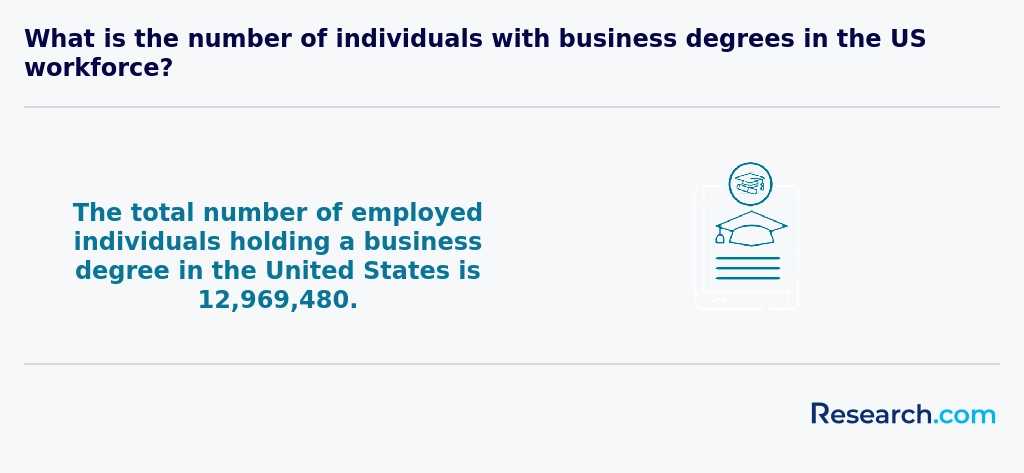
When evaluating the true affordability of a business degree in California, it’s essential to weigh your total investment against expected earnings to understand your payback period. On average, California students graduate with $25,000–$35,000 in debt when attending public universities and $40,000–$60,000 from private institutions. With entry-level salaries for business majors ranging from $55,000 to $70,000, you can estimate a 4–6 year loan repayment timeline, depending on your monthly payments and interest rates.
Key factors that affect your ROI include:
- Debt Load: Lower‐tuition public schools like California State University campuses often yield smaller loan balances, reducing financial stress after graduation.
- Starting Salary: Graduates who secure roles in high-demand fields such as Business Analytics or Project Management report average starting salaries above $75,000, accelerating payback.
- Graduation Rate and Time to Degree: Completing your degree in four years rather than five can save up to 25% on tuition and living costs, boosting long-term ROI.
- Additional Income Streams: Internships, work-study programs, and part-time roles can offset tuition costs and provide practical experience that often translates into higher starting offers.
For students considering flexible delivery formats, online programs can lower tuition per credit hour and eliminate relocation or commuting expenses. For instance, many graduates reference rankings like Inexpensive Online Business Degree Programs Ranking in Maine to compare program costs and structure before committing. By calculating your total cost of attendance and contrasting it with projected earnings, you’ll gain a clear picture of which California business program delivers the strongest ROI for your personal and professional goals.
When pursuing a business degree in California, you'll dive into courses that build a strong foundation in both theory and real-world application. Core classes like Financial Accounting and Managerial Accounting teach you how to interpret numbers, which is essential for making smart business decisions-something graduates from UCLA and UC Berkeley often highlight as a game-changer in their careers.
Marketing Principles and Business Law courses sharpen your ability to understand consumer behavior and navigate the legal landscape, vital skills for entrepreneurs launching startups in Silicon Valley or creative ventures in Los Angeles.
Many students at San Diego State University or Cal State Fullerton find that classes in Finance and Management prepare them to lead teams effectively, understanding everything from investment strategies to workplace dynamics.
Finally, Economics and Business Ethics help you see the bigger picture-how markets function and what it means to run a responsible business. These courses, paired with internships and group projects, transform classroom concepts into practical skills ready for California's vibrant and competitive business environment.
When pursuing a business degree in California, students encounter a vibrant array of specializations that align closely with the state's diverse economy. Graduates from universities like UCLA and San Diego State often highlight how choosing Finance and Accounting prepared them to thrive in Los Angeles's competitive banking sector, while others who focused on Entrepreneurship found their footing launching startups in the buzzing Silicon Valley ecosystem.
Specializations such as Marketing tap into California's dynamic entertainment and tech scenes, teaching students to harness digital tools that influence millions. Meanwhile, Management Information Systems offers a tech-savvy path, appealing to those eager to blend business acumen with data-driven decisions - a perfect fit for companies in the Bay Area.
For students navigating California affordable business degree options, options like Human Resource Management and Supply Chain Management emphasize practical skills in labor relations and logistics, which are crucial given the state's diverse workforce and major shipping ports. Understanding your goals and regional opportunities will guide you in choosing the right path within the broad scope of a business degree requirements.
When choosing the best business degree in California, start by focusing on what truly matters to you: the program's accreditation, affordability, and how well it aligns with your career goals. Graduates from schools like the University of California and California State University often share that attending regionally accredited programs, especially those with AACSB accreditation, opened doors to impressive internships in cities like Los Angeles and San Francisco. Cost-wise, it's smart to compare tuition fees and explore financial aid options because many students find affordable business degree programs California that balance quality and price.
Flexibility is another key factor. Many working professionals appreciate programs offering evening or online classes, which some campuses have expanded recently. For those considering accelerated options, exploring one year mba online programs can be a game changer.
Finally, consider the location's networking potential and post-graduate success. Internships in vibrant business hubs and strong employment rates, often highlighted by California colleges, illustrate practical, real-world benefits that bring confidence and excitement to your educational journey.

Graduates with a business degree in California find themselves stepping into a dynamic world of opportunity where the state's diverse economy truly shines. From bustling finance sectors in San Francisco to innovative marketing roles supporting Silicon Valley's tech giants, the pathways are wide and promising. Many who study at leading universities like the University of California campuses or private schools in Los Angeles share how their education opened doors in investment analysis, corporate finance, and digital marketing, fields that thrive here thanks to California's unique blend of industries.
For those seeking management careers, graduates often describe exciting roles in operations, supply chain, and human resources within sprawling manufacturing and logistics companies. This practical exposure is invaluable for honing skills that improve efficiency and leadership. Another inspiring path is entrepreneurship, especially for those immersed in California's startup culture. Graduates report feeling empowered to launch ventures that contribute to the state's record as the top hub for new businesses.
When considering the business degree cost, students balance tuition against the potential for rewarding salaries in top business careers for California graduates. Public universities offer affordable options, while private colleges provide specialized programs. If you're mindful of expenses, exploring options through Inexpensive Online Business Degree Programs Ranking in Maine can be a smart move toward your goals. Embracing the variety of career opportunities in California with a business degree means stepping confidently into a future full of potential.
The job market for a business degree in California is vibrant and packed with opportunity. Graduates from leading universities across the state often find themselves thriving in competitive sectors like technology, finance, and entertainment. Many have shared how internships and networking in cities like San Francisco and Los Angeles have opened doors to roles in management or marketing, helping them secure positions with salaries ranging from entry-level $55,000 up to impressive figures in metropolitan hubs.
California's strong economy means graduates benefit from a wide variety of options, whether at major firms or smaller businesses operating in suburban areas. If you're exploring business programs, consider that the career outlook here reflects steady growth, positioning you for success. Those interested in quicker routes might explore easiest associate degrees to start building experience while working toward a bachelor's.
Overall, the California business degree job outlook California offers is one filled with promise, encouraging proactive students to leverage both academic resources and industry connections to stand out.
2027 Most Affordable Business Degree Programs Ranking in California
Investing in your education is a significant decision that can shape your future, and the Research.com team understands the importance of making informed choices. To assist prospective students, we have meticulously developed the "2027 Most Affordable Business Degree Programs Ranking in California." Our dedication to quality, credibility, and accuracy is evident in the thorough research and analysis undertaken to compile this ranking.
We utilized the following reputable data sources to ensure a comprehensive evaluation of business degree programs:
By exploring this ranking, readers will gain valuable insights into the most affordable and high-quality business degree options in California, empowering them to make well-informed educational decisions. For more information on how this ranking was created, please visit our Research.com methodology page.
# 1 position
University of the People
Master of Business Administration

# 2 position
University of the People
Bachelor of Science in Business Administration
# 3 position
Haven University
Master of Business Administration

# 4 position
Bethesda University
Bachelor of Arts in Business Administration

# 5 position
Bethesda University
Master of Business Administration


# 10 position
San Diego Global Knowledge University
Bachelor of Business Administration

# 11 position
Minerva University
Bachelor of Science in Business Administration

# 12 position
Minerva University
Master of Business Administration
# 13 position
Ashford University
Bachelor of Business Administration

# 14 position
Ashford University
Master of Business Administration
# 15 position
Ashford University
PhD in Business Administration
# 16 position
United States University
Master of Business Administration


# 19 position
San Francisco Bay University
Master of Business Administration


Frequently Asked Questions About business
Business degree students in California can maximize their learning experience by engaging in internships with the state's diverse industries, such as technology, entertainment, and international trade. California hosts over 14 million employed individuals, offering rich networking opportunities for students to build professional connections. Participating in student organizations and case competitions helps develop practical skills beyond classroom theory. Additionally, leveraging resources like the University of California's Career Centers and local Small Business Development Centers can provide guidance and real-world insights. California's emphasis on innovation means students should also explore courses integrating data analytics and digital marketing, disciplines which have shown 20% employment growth recently per the California Employment Development Department.
The business field in California is evolving rapidly, with several emerging niches gaining attention. One key area is sustainable business practices, driven by California's strong environmental regulations and consumer demand for green solutions. Graduates skilled in sustainability can find opportunities in corporate social responsibility and environmental consulting.
Another growing niche is data analytics and business intelligence. As companies rely more on big data, professionals who can analyze trends and guide decision-making are in high demand.
Additionally, tech entrepreneurship and innovation management are expanding, especially in Silicon Valley. These areas merge business acumen with technology skills, reflecting the state's leadership in the tech industry.
Graduates with a business degree in California should begin preparing early for the competitive job market. Building practical skills through internships or cooperative education programs is vital. According to the California Labor Market Dashboard, sectors like finance, technology, and healthcare increasingly value hands-on experience alongside academic credentials.
Networking remains crucial; attending career fairs hosted by universities and joining professional organizations like the California Business Roundtable can open doors to job opportunities. Additionally, proficiency in digital tools such as Excel, data analytics, and customer relationship management software strengthens employability.
California's diverse economy offers varied roles, but nearly 60% of business graduates find work within six months post-graduation when leveraging campus career services and industry connections (National Association of Colleges and Employers, 2023).
Employers in California prioritize a mix of technical and soft skills when hiring business degree graduates. According to the National Association of Colleges and Employers (NACE), communication and problem-solving skills rank among the top attributes. In California's diverse economy, teamwork and adaptability are also critical due to rapidly changing industries such as technology, entertainment, and finance.
Data from the California Labor Market Information highlights that leadership and analytical thinking are essential for advancing in management roles. Familiarity with data analysis tools, including Excel and business intelligence software, improves employability.
Overall, graduates who combine strong interpersonal abilities with digital literacy stand out in California's competitive job market.
Finding internships in California relevant to a business degree involves a strategic approach focused on networking, university resources, and online platforms. California houses major business hubs like Los Angeles and Silicon Valley, offering diverse opportunities in finance, marketing, and technology sectors.
Students should utilize career services at their institutions, which often provide exclusive access to internship listings and employer connections. According to the California Employment Development Department, internships enhance employability by providing practical skills and professional experience.
Furthermore, websites like Handshake and LinkedIn list numerous internships targeting California business students. Engaging in local business organizations and attending career fairs also increases chances of securing internships.
A business degree in California significantly enhances career mobility and advancement opportunities. California's diverse economy, spanning technology, finance, and entertainment sectors, demands skilled business professionals familiar with local market trends. Graduates with business degrees often enter roles in management, marketing, and finance, where earning potential typically increases with education.
According to the U.S. Bureau of Labor Statistics, California's business and financial occupations are projected to grow by 10% from 2022 to 2032, higher than the national average. Employers often prefer candidates holding degrees for leadership and specialized positions.
Possessing a business degree also supports career shifts into emerging industries, facilitated by California's dynamic and innovative economy.
Studying for a business degree in California offers students unique opportunities to develop skills applicable across various industries. California's diverse economy, which ranks as the fifth-largest in the world, encourages interdisciplinary learning to meet employer demands. Business programs often integrate coursework in technology, communication, and data analysis, reflecting trends in sectors such as Silicon Valley tech and entertainment.
Universities incorporate case studies and projects that require collaboration across fields like marketing, finance, and information systems. According to the California Community Colleges Chancellor's Office, over 70% of business graduates find employment in roles that blend multiple disciplines. This practical exposure prepares students for flexible career paths and leadership positions in dynamic markets.
Choosing between a thesis and a non-thesis business degree program in California depends largely on your career goals and personal preferences. Thesis programs require original research and are ideal for those considering a future in academia or research-based roles. Non-thesis programs typically focus on coursework and practical skills, often appealing to students aiming for immediate employment or professional advancement.
In California, where the business sector is highly diverse-with industries ranging from tech in Silicon Valley to entertainment in Los Angeles-non-thesis programs may provide more flexibility and networking opportunities. According to the National Center for Education Statistics, many California institutions offer both types, with non-thesis options being more prevalent in flexible online or part-time formats.
Consider whether you prefer hands-on projects or research-based study, and review specific program requirements and faculty expertise at your chosen school to make an informed decision.
California students seeking to study business abroad have several structured options through their home institutions. Many California universities with business programs-such as the University of Southern California and University of California campuses-offer exchange programs with global partner schools. These allow students to earn credits overseas while staying enrolled at their California university.
Programs often target key business hubs like London, Singapore, and Hong Kong, providing exposure to international markets. The Institute of International Education reports that about 10% of California higher education students participate in study abroad annually, with business as a popular major.
Additionally, students can access short-term faculty-led trips or semester-long immersive programs tailored to business disciplines. These opportunities help students build global networks, gain cross-cultural management skills, and increase competitiveness in California's diverse economy, which ranks as the fifth-largest globally by GDP according to the World Bank.
California offers numerous part-time job opportunities that effectively complement a business degree education. Many students seek roles in retail management, customer service, and administrative support, which develop essential skills in communication, leadership, and organization. According to the California Employment Development Department, jobs in sales and office administration show consistent growth statewide.
Internships and assistant positions in startups and tech companies, especially in Silicon Valley, allow students to gain experience in marketing, finance, and project management. The state's vibrant economy supports over 3.6 million small businesses, providing frequent opportunities for hands-on involvement. Additionally, part-time roles in banking or accounting firms are valuable for applying financial principles learned in class.
Networking is a crucial aspect of earning a business degree in California, widely recognized for its robust economy and diverse industries. Many universities offer dedicated career services and host networking events, connecting students with alumni and local business leaders. For example, the California Chamber of Commerce provides valuable union opportunities and professional contacts for students statewide.
Business students often participate in student organizations such as the American Marketing Association or Finance Clubs, which foster peer networking and industry engagement. In Silicon Valley and Los Angeles, students can access startup incubators and tech meetups, essential for those interested in entrepreneurship or innovation.
According to the U.S. Bureau of Labor Statistics, California employs over two million people in business-related fields, highlighting a broad, active job market for graduates. Additionally, career fairs and internships through universities expose students to companies like Google, Wells Fargo, and others headquartered in California, significantly enhancing career prospects.
Alumni networks provide valuable support for business degree students in California by opening doors to professional connections. These networks often include thousands of graduates working across various industries in the state's dynamic economy, which is the largest in the US with a $3.9 trillion GDP as of 2023 (U.S. Bureau of Economic Analysis).
Business students benefit from mentorship opportunities, internships, and job referrals through alumni relationships. Many universities host networking events and career fairs where students can meet alumni who are established professionals in fields like technology, finance, and entrepreneurship.
According to the National Association of Colleges and Employers, 80% of jobs are filled through networking, highlighting the importance of alumni connections for job placement in competitive markets like California.
Engaging with alumni can also provide guidance on industry trends and practical insights that enhance academic learning and career readiness.
Customizing a business degree program in California involves selecting electives and concentrations that align with your career goals. Many California universities offer specialized tracks such as finance, marketing, entrepreneurship, or supply chain management. This flexibility allows students to tailor their studies to local industry demands. For example, California's tech hub creates strong opportunities for those focusing on technology management or innovation.
Students can also enhance their education through internships and cooperative education programs, gaining practical experience in California's diverse economy. According to the National Center for Education Statistics, over 65% of business students in California engage in internships before graduation, which helps align academic learning with real-world skills.
Additionally, choosing courses in emerging fields like sustainable business or data analytics can boost job prospects in California's competitive market. Working with academic advisors to map out a personalized curriculum is essential to ensure alignment with future career objectives.
Business students in California often face high tuition costs, with public universities averaging over $8,000 per year for in-state students, according to the National Center for Education Statistics. This financial burden can lead to significant debt, affecting career choices post-graduation. Additionally, the competitive job market in California's key industries such as technology and finance adds pressure to gain relevant internships and practical experience.
Students also encounter challenges balancing rigorous coursework with networking opportunities crucial for business careers. The rapid pace of technological change requires continuous learning beyond traditional curricula. Furthermore, disparities in access to resources across community colleges and universities can impact student success rates, reported by the California Community Colleges Chancellor's Office.
With a business degree in California, graduates can pursue several professional certifications to boost their careers. Popular options include the Certified Public Accountant (CPA), especially relevant for those interested in accounting and finance. The state of California requires 150 semester units and passing the Uniform CPA Exam for licensure.
Another key certification is the Project Management Professional (PMP), recognized across various industries. It validates skills in managing projects and teams efficiently.
Many graduates also consider the Certified Management Accountant (CMA), which focuses on financial management and strategic leadership. This certification sees growing demand in California's corporate sector.
Additionally, the Chartered Financial Analyst (CFA) credential is valuable for those aiming at investment and financial analysis roles. According to the California Employment Development Department, demand for these certifications is rising with the state's expanding business market.
To write a winning application for a business program in California, start by thoroughly researching the specific requirements of your target schools. Many California universities value strong academic records, including a competitive GPA-often above 3.0-and standardized test scores if required. Highlight relevant work experience, internships, or leadership roles in business-related activities, as these demonstrate practical skills. Craft a clear, concise personal statement that explains your career goals and reasons for choosing the program. According to the National Center for Education Statistics, California enrolls over 80,000 business undergraduates, making it essential to stand out with focused essays and strong recommendations.
Business careers today demand a global mindset due to increasing economic interconnectedness. Graduates with international business skills often have an advantage in California's diverse markets, where trade with Asia and Latin America is vital. According to the California Employment Development Department, jobs in business and finance are projected to grow by 8% through 2030, partly driven by global trade relations. Understanding global markets helps professionals adapt strategies for multinational companies and startups alike. Additionally, many California business programs integrate global case studies and foreign exchange opportunities to better prepare students for worldwide challenges and collaborations.
Gaining practical experience while studying for a business degree in California is essential for career readiness. Many universities in California offer internship programs that connect students with local companies, allowing them to apply classroom knowledge in real business environments. According to the National Association of Colleges and Employers (NACE), about 60% of business students secure internships during their studies, improving job prospects after graduation.
Additionally, California's vibrant economy provides ample opportunities in fields such as finance, marketing, and entrepreneurship. Students can also engage in cooperative education (co-op) programs or participate in business-related student organizations, which often host networking events and case competitions.
Choosing the right concentration within a business degree program in California depends on your career goals and local job market trends. Popular concentrations include finance, marketing, entrepreneurship, and supply chain management. California's economy, the largest in the US, boasts major sectors like technology, entertainment, and international trade, influencing demand for specific skills.
According to the California Employment Development Department, fields like technological innovation and logistics are growing rapidly. Considering concentrations aligned with sectors prominent in California can improve job prospects.
Additionally, evaluate available internships and networking opportunities offered by schools; these can play a vital role in gaining practical experience and industry connections specific to California's business environment.
- 2027 Most Affordable Online Business Degree Programs Ranking in New Mexico
- 2027 Most Affordable Online Business Degree Programs Ranking in Texas
- 2027 Most Affordable Online Business Degree Programs Ranking in Oklahoma
- 2027 Most Affordable Online Business Degree Programs Ranking in Kansas
- 2027 Most Affordable Online Business Degree Programs Ranking in Nebraska
- 2027 Most Affordable Online Business Degree Programs Ranking in South Dakota
- 2027 Most Affordable Online Business Degree Programs Ranking in North Dakota
- 2027 Most Affordable Online Business Degree Programs Ranking in Minnesota
- 2027 Most Affordable Online Business Degree Programs Ranking in Missouri
- 2027 Most Affordable Online Business Degree Programs Ranking in Wisconsin
See What Experts Have To Say About Studying Business
Read our interview with Business experts

David W. Stewart
Business Expert
Emeritus President's Professor of Marketing
Loyola Marymount University

Ingrid S. Greene
Business Expert
Clinical Assistant Professor of Management
Loyola Marymount University


- B.S. in Business Administration | B.S. in Business Admin. California https://www.pacificoaks.edu/academic-programs/bs-business-admin/
- 2024 Best Business Schools | How Alumni Rate Their Undergraduate Business Degrees https://poetsandquantsforundergrads.com/news/best-business-schools-alumni-rate-undergraduate-business-degrees/5/
- BUSINESS MANAGEMENT ENGLISH (THESIS / NON-THESIS) - Lisansüstü Eğitim Enstitüsü https://lee.nisantasi.edu.tr/en/business-management-english-thesis-non-thesis/
- A 2016 Global Perspective on Business and Career Planning https://careerproinc.com/blogging/a-2016-global-perspective-on-business-and-career
- Top 10 Skills Employers Seek in Business Graduates in 2026 https://www.ibat.ie/blogs/top-10-skills-employers-seek-in-business-graduates-in-2026
- 2025 Most Affordable Online Business Degrees in California https://www.onlineu.com/degrees/business/california
- Bringing global perspectives to leadership in business https://www.eaie.org/resource/global-perspectives-leadership-business.html
- Online Degree vs. Traditional: Choosing the Right Path https://beal.edu/online-degree-vs-traditional/
- Networking Tips for Business Students: Building a Foundation for Success https://londonsba.org.uk/blog/networking-tips-for-business-students-building-a-foundation-for-success/
- Networking Tips for Business Students and MBA Candidates - Cyprus West University https://www.cwu.edu.tr/networking-tips-for-business-students-and-mba-candidates/