
2027 Most Affordable Business Degree Programs Ranking in Fort Lauderdale

Co-Founder and Chief Data Scientist
If you're considering pursuing a business degree in Fort Lauderdale, this article is here to guide you. It features the 2027 Most Affordable Business Degree Programs Ranking in Fort Lauderdale, created by the Research.com team of data scientists to help students make informed decisions.
Choosing the right program can impact your career and finances positively. This ranking highlights affordable options without compromising quality, making your educational journey rewarding and accessible. Whether you're starting fresh or advancing your skills, this guide supports your goals with clarity and trustworthiness.
Key benefits of getting business degree in Fort Lauderdale
- Salary for business degree graduates: Business degree holders in Fort Lauderdale can earn competitive salaries, with roles like Business Development Executives earning a mean annual wage of $83,190 and Business Analysts earning $112,950, reflecting strong financial rewards.
- Career paths: Graduates from popular Fort Lauderdale universities often find diverse opportunities in business sectors such as marketing, finance, and consulting, enabling a dynamic and rewarding professional journey.
- Online degree benefits: Earning a business degree online in Fort Lauderdale offers flexibility and convenience, allowing students to balance work and study while gaining valuable skills recognized by employers.
- 2027 Most Affordable Business Degree Programs Ranking in Fort Lauderdale
- What can I expect from business degree in Fort Lauderdale?
- Where can I work with business degree in Fort Lauderdale?
What can I expect from business degree in Fort Lauderdale?
The average cost of tuition for a public business bachelor's degree in Fort Lauderdale generally falls between $5,000 and $10,000 per year for in-state students, which makes pursuing a business education here relatively affordable compared to national averages. Graduates from institutions like Broward College and Nova Southeastern University often mention that this cost balance allows them to focus more on their studies and internships rather than financial stress.
However, tuition is just one part of the financial equation. Many students also highlight how available financial aid packages and scholarships specifically geared toward business programs help cushion overall expenses and open doors that might otherwise feel out of reach. For instance, some find that these aids enable them to engage in valuable networking events and case competitions without worrying about immediate costs.
Despite these advantages, it's important for prospective students to carefully assess total program costs and living expenses to avoid unexpected burdens. While some benefit from flexible part-time options designed for working professionals at these colleges, others may find balancing work and study challenging but rewarding in gaining real-world experience.
Where can I work with business degree in Fort Lauderdale?
Graduates with a business degree in Fort Lauderdale find themselves navigating a landscape rich with diverse opportunities. Many from local institutions like Nova Southeastern University report engaging career paths in financial services, where firms such as Citrix and FIS offer roles in banking and investment analysis that blend analytical rigor with real-world impact. Yet, it's wise not to assume finance is the only route; the city's bustling Port Everglades opens doors for those interested in logistics and international trade, where business grads apply skills in supply chain management amid a dynamic shipping environment.
Tourism and hospitality also draw business graduates, especially those from colleges near downtown, who share stories of stepping into hotel management or event planning positions that demand creativity and customer-focus, providing a sense of fulfillment. Healthcare administration emerges as a promising field as well, with hospitals seeking graduates to lead budgeting or strategic initiatives. Meanwhile, those with entrepreneurial spirits are energized by Fort Lauderdale's start-up culture, applying consulting and project management skills within SMEs. This variety reflects the adaptable nature of business studies here, encouraging students to consider multiple pathways rather than a single assumption of success.
Business degree graduates in Fort Lauderdale often find promising salary prospects, with roles like Business Development Executives earning an average of about $83,190 annually according to the latest data. Those stepping into business analyst positions, commonly sought after by local companies, can expect median wages around $112,950, reflecting the value of analytical skills in the region's diverse economy.
Graduates from institutions such as Nova Southeastern University or Broward College report earning initial salaries in the $45,000 to $55,000 range, which tends to grow as they gain experience or certifications like CPA or PMP. For example, a recent graduate who started as a business development executive at a logistics firm near Port Everglades shared optimistic views on rapid career growth and salary increases tied to demonstrated project success.
It's worth noting that while averages provide guidance, actual earnings can vary widely depending on the company's size, industry focus-like finance or tourism-and individual negotiation skills. Many Fort Lauderdale business grads emphasize the importance of internships and local networking to bridge the gap between academic knowledge and real-world demands, resulting in more competitive salaries and meaningful career trajectories.
- Tuition for business degrees in Fort Lauderdale ranges from $5,000 to $15,000 per year at public institutions and $20,000 to $40,000 at private schools.
- Living expenses in Fort Lauderdale typically add about $15,000 annually to the cost of education.
- Entry-level salaries for business graduates average between $45,000 and $55,000 per year locally.
- Mid-career business professionals can earn from $70,000 to $90,000 or more, especially in management or specialized roles.
- The job market favors skills in business analytics, digital marketing, and international business management.
- Many programs include internships and cooperative education to improve graduate employability in sectors like sustainability and technology.
Completing a business degree in Fort Lauderdale typically takes about four years for full-time undergraduates, mirroring the standard across the nation. Graduates from institutions like Nova Southeastern University often find that this timeline aligns well with the 120 to 130 credit hours required, enabling a steady but manageable pace. However, this timeframe is not one-size-fits-all.
Many students balance studies with work or family, choosing part-time enrollment that can extend the process to five or six years. For instance, graduates who navigated evening classes reported feeling empowered by the flexibility but acknowledged the longer commitment required. Florida Atlantic University's varied evening and online course options reflect the city's adaptability to such needs.
For master's degrees, timelines vary more dramatically: full-time MBA programs generally last two years, while accelerated tracks can be completed in one. Part-time MBAs, favored by working professionals, take between three and four years, allowing students to grow their careers alongside their studies. This variety ensures Fort Lauderdale's business students have options tailored to their lifestyle and goals.
Choosing between an online and on-campus business degree in Fort Lauderdale often hinges on how much you value direct interaction versus flexibility. Graduates from local universities share that attending classes in person helped them form meaningful connections with professors and peers, which opened doors to internships in the city's booming tourism and finance sectors. The face-to-face environment offered at schools like Nova Southeastern University nurtures networking through events and career fairs, making the learning experience feel lively and supportive.
Conversely, alumni of online programs emphasize the freedom to study around work or family demands. They appreciate being able to log in at any hour and avoid commuting hassles, especially important in Fort Lauderdale's traffic. However, some note that maintaining motivation without daily campus routines requires discipline. Many online programs have adapted by using virtual collaboration tools to simulate classroom discussions, bridging the gap between convenience and engagement.
Differences also emerge in cost and resource access. While tuition may be similar, on-campus students tap into libraries and tutoring centers instantly, whereas online learners must seek out digital alternatives. Ultimately, weighing these factors against personal circumstances is key.
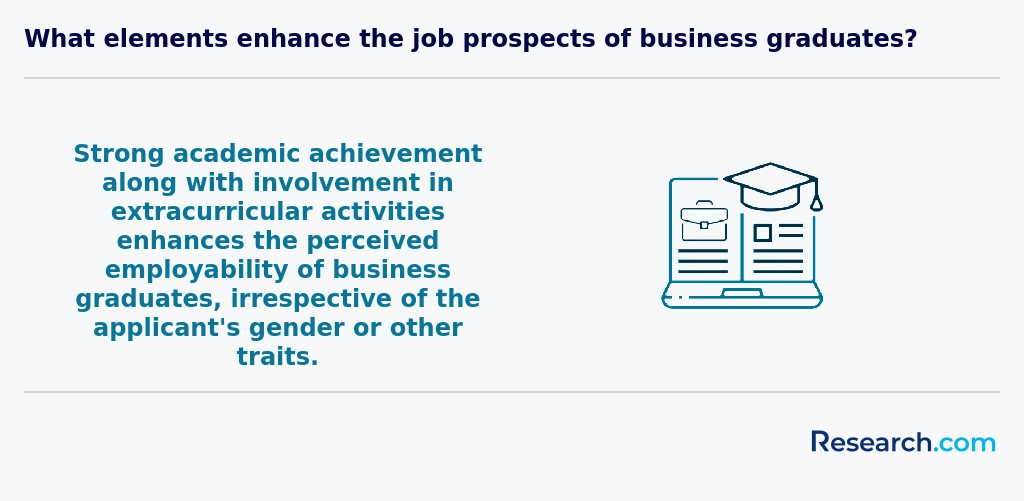
A vibrant campus life can be just as influential to your success in a business degree program as classroom learning. Students at Fort Lauderdale institutions benefit from engaging extracurricular activities, strong alumni networks, and dedicated student support services that enrich their academic journey. Many campuses offer specialized clubs and organizations-such as business fraternities, entrepreneurial incubators, and networking events-that provide invaluable opportunities to build relationships with peers, industry professionals, and mentors. These experiences not only boost personal development but also enhance your resume and future career prospects. Moreover, interactive workshops, leadership programs, and social events create an immersive environment where academic theories translate into real-world skills. For instance, several students have shared how participation in case competitions and industry fairs directly led to career-defining internships and full-time roles. If you want to explore a program that integrates both rigorous academics with an engaging student community, consider reviewing our comprehensive guide on Business degree options to make the most informed decision for your future.
The average cost of a business degree in Fort Lauderdale reflects a balance between public and private education options, with in-state students typically facing a total median cost around $25,056 and out-of-state students averaging closer to $39,720. Graduates from Florida Atlantic University often share how the in-state tuition, combined with manageable living expenses, allowed them to pursue their goals without overwhelming debt, making FAU a practical choice for those seeking an affordable business degree. This contrasts with experiences of those attending Nova Southeastern University, where tuition costs are higher but many students find value in the personalized programs and networking opportunities offered by this private institution.
When considering the average cost of a business degree in Fort Lauderdale, it is important to note that tuition is only part of the picture. Expenses such as books, supplies, and living costs can add significantly to the total investment. Students in the region regularly mention budgeting for these factors as crucial, and many leverage scholarships, grants, and state-funded financial aid to ease this burden. For those exploring affordable business degree programs Fort Lauderdale offers, examining institutions that balance strong academics with cost-efficiency is key. To explore options further, prospective students may find the affordable business schools in Florida a helpful resource.
Choosing an accredited business degree program ensures your education meets rigorous standards and is recognized by employers and professional bodies. In Fort Lauderdale, the Southern Association of Colleges and Schools Commission on Colleges (SACSCOC) provides regional accreditation for most universities, while programmatic accreditations-such as AACSB (Association to Advance Collegiate Schools of Business) and ACBSP (Accreditation Council for Business Schools and Programs)-validate the quality of specific business curricula. Key accreditation considerations:
- Regional vs. National: Regional accreditation (e.g., SACSCOC) is widely accepted and often required for credit transfers and federal financial aid.
- Programmatic Credentials: AACSB-accredited programs are highly prestigious, reflecting a commitment to faculty research and student outcomes. ACBSP focuses on teaching excellence and practical learning experiences.
- Employer Recognition: Graduates from accredited programs are more competitive in the job market; many employers and professional certifications (e.g., CPA, CFA) require degrees from accredited institutions. To verify accreditation, visit the accrediting agency’s website or your institution’s accreditation page. Prospective students should also consider specialized recognitions, such as STEM designation for analytics-focused programs or state licensure alignment for fields like human resources. For those looking to accelerate their credentials, exploring an intensive track-such as a 1 year mba-can offer both affordability and the assurance of accredited quality, positioning graduates for swift career advancement.
Students pursuing business degrees in Fort Lauderdale often find a range of financial aid options that ease the burden of tuition and fees. For instance, graduates from Broward College frequently mention how merit-based scholarships rewarded their hard work, enabling them to focus on studies rather than financial stress. Meanwhile, those at Nova Southeastern University appreciate need-based scholarships that acknowledge challenging personal circumstances, providing crucial support when other funding isn't enough.
Federal aid remains a key pillar: applying through FAFSA opens doors to Pell Grants, which can significantly diminish costs without the worry of repayment. Many local business students have reported relying on these grants to bridge funding gaps, especially since Florida's in-state tuition for public universities is already more affordable compared to private institutions.
State programs like Florida's Bright Futures Scholarship also help academically strong students secure funding tied to performance, which can cover a substantial part of tuition at regional universities. Still, some graduates caution that private loans and employer tuition assistance, while useful, may come with strings attached, such as repayment obligations or employment terms that might not suit everyone's career plans.
Overall, prospective students in Fort Lauderdale are encouraged to engage directly with financial aid offices at their chosen colleges to navigate these options effectively, tailoring aid strategies to their unique circumstances and goals.
Investing in a business degree in Fort Lauderdale, FL, isn’t just about tuition-it’s about long-term value. With average bachelor’s program costs ranging from $3,000 per year at community colleges to over $20,000 annually at private institutions, and master’s degrees averaging $48,000–$51,000, understanding payback periods is crucial. Project Managers earning $80,220 annually and Business Analysts at $108,790 translate into salary premiums that often recoup undergraduate costs within 3–5 years. For master’s graduates, the boost in earning potential can reduce time to break even by 2–4 years compared to bachelor’s holders. Beyond salaries, consider placement rates and career support. Programs with strong internship pipelines and dedicated career services can accelerate job offers, reducing post-graduation unemployment to below 5%. Networking through alumni events further increases starting salaries by up to 10%. When assessing affordability, calculate total cost-including fees and materials-and compare it against median entry-level wages to estimate ROI. For those weighing graduate options with similar affordability goals, explore Inexpensive Online Master's in Business Degree Programs Ranking in Tennessee for additional low-cost pathways and salary projections.
Enrolling in a business degree program in Fort Lauderdale typically requires a high school diploma or GED, establishing a solid foundation for college-level business studies. Graduates from local institutions often recall how meeting a minimum GPA of around 2.5 to 3.0 was a key step, reflecting their steady academic performance rather than perfection. While some students felt unsure about submitting SAT or ACT scores, many appreciated the flexibility offered by test-optional policies adopted after the pandemic.
Applicants may also need to provide letters of recommendation and personal statements that express genuine passion for business, helping admissions teams see beyond grades. For example, students at both community colleges and four-year universities in Fort Lauderdale found emphasizing prior coursework in math or economics crucial for demonstrating readiness. Transfer students valued how previously earned credits eased their transition, showing the practical benefits of preparation.
Overall, these prerequisites mirror a balance between academic rigor and personal motivation, making the process achievable and rewarding for dedicated applicants in Fort Lauderdale's diverse educational landscape.
When exploring options for business education in Fort Lauderdale, FL, it's essential to consider the affordability of programs alongside their quality and reputation. Students should research and compare tuition fees, financial aid options, and potential return on investment for each institution. For instance, looking into affordable business schools in Florida can provide valuable insights into budget-friendly alternatives that still offer excellent educational experiences. By weighing these factors, prospective students can make informed decisions that align with their financial capabilities and career aspirations, ultimately setting themselves up for success in the competitive business landscape of Fort Lauderdale.
Business degree programs in Fort Lauderdale typically include core courses such as finance, marketing, management, accounting, and economics. Graduates from well-known local colleges often highlight how these classes provided practical frameworks, like analyzing real company financials or developing marketing campaigns tailored to South Florida's unique demographics.
For instance, a finance course might involve case studies on investment strategies influenced by the booming regional tourism and international trade sectors. Similarly, management classes often discuss leadership challenges faced by businesses thriving in the dynamic Fort Lauderdale economy. This hands-on approach helps students connect theory with the local business environment.
- Principles of Management: Focuses on leadership and organizational behavior relevant to local industries.
- Financial and Managerial Accounting: Emphasizes interpreting financial data for business decisions.
- Marketing Fundamentals: Covers consumer behavior and strategic planning suited to regional markets.
- Business Finance: Teaches investment analysis within Fort Lauderdale's economic context.
- Microeconomics and Macroeconomics: Introduces economic principles affecting local and national commerce.
Many graduates appreciate electives like International Business or Hospitality Management, reflecting Fort Lauderdale's role in global trade and tourism, which enriches their educational experience by aligning coursework with real-world opportunities.
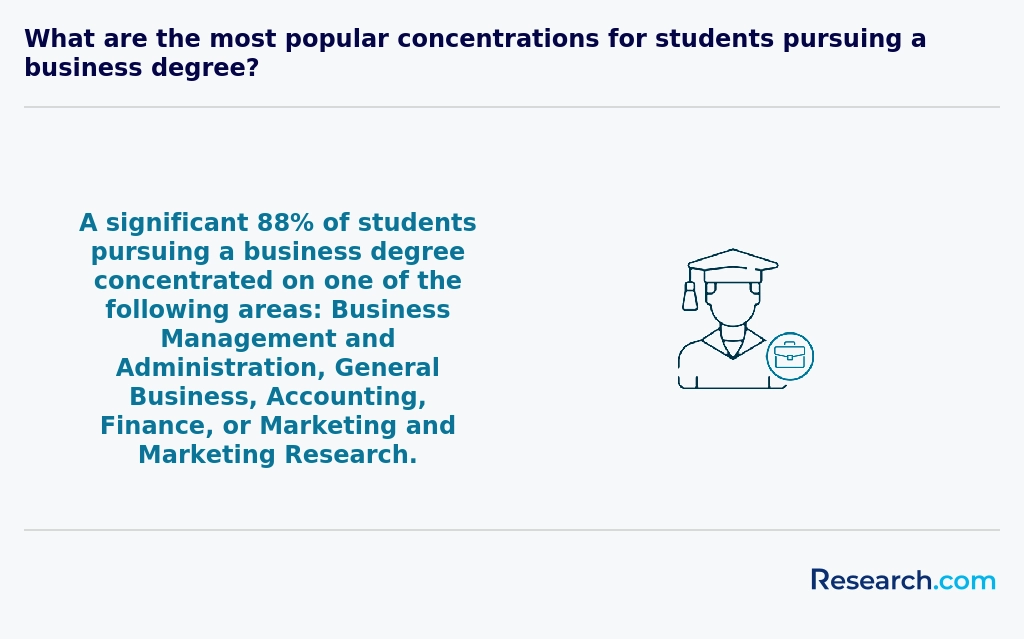
Business degrees in Fort Lauderdale commonly offer specializations such as Marketing, Finance, Management, International Business, and Entrepreneurship. Graduates from popular colleges often highlight how Marketing courses, focused on digital strategies and consumer behavior, prepare them for South Florida's dynamic economy. Others emphasize Finance, noting Fort Lauderdale's growing sectors like banking and real estate that provide tangible internship opportunities aligned with their studies. Management specializations foster leadership skills, reflecting real workplace scenarios graduates encounter in local businesses.
However, while these are typical areas, students should critically evaluate whether these specializations align with their individual career goals, especially considering Fort Lauderdale's unique industries like international trade and tourism. For example, students focusing on International Business find value in understanding cross-cultural management-a skill directly applicable to the city's busy port activity. Similarly, Entrepreneurship tracks attract those eager to join South Florida's emerging startup scene, offering practical experiences within nearby incubators.
Those exploring business degree specializations in Fort Lauderdale can learn more about tailored programs by visiting the Business degree options offered at local institutions, balancing their interests with the city's economic opportunities.
Choosing the best business degree in Fort Lauderdale hinges on carefully weighing factors beyond surface-level appeal. Graduates from well-known local institutions often emphasize the importance of confirming accreditation, like AACSB recognition, to ensure their diploma holds weight nationwide. For those seeking affordable business degree programs Fort Lauderdale offers tuition ranges that vary significantly, so comparing costs and exploring financial aid is essential to avoid unanticipated debt.
Curriculum relevance is another critical consideration. With Fort Lauderdale's economy rooted in tourism, trade, and finance, students who aligned their studies with these sectors found internships and networking opportunities more accessible. Many graduates remark that these connections significantly boosted their confidence in entering competitive job markets. Some students also considered a 1 year mba to balance advancing their career promptly.
Insights from alumni suggest evaluating class size and faculty expertise improves learning experiences, particularly for those looking into the best business schools Fort Lauderdale 2027 will feature. Practical internship programs forged through university-business partnerships tend to enhance employment prospects, reflecting the city's 10% projected job growth in related sectors.
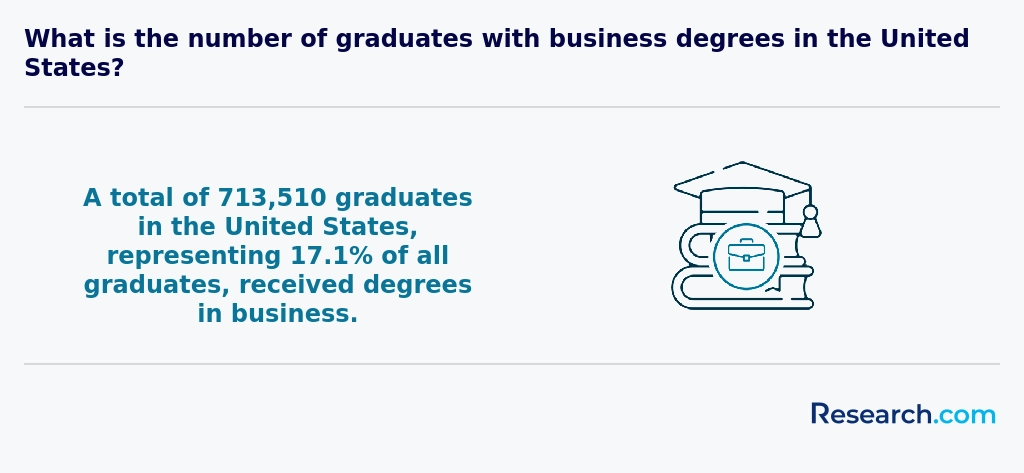
Graduates pursuing a business degree career opportunities in Fort Lauderdale often find diverse options aligned with the city's strong sectors such as financial services, tourism, and technology. Many business students from well-known local universities share how internships at regional banks or accounting firms gave them real-world exposure to financial analyst or auditor roles. This practical experience, coupled with Fort Lauderdale's projected 12% growth in financial occupations, boosts confidence in the job market despite occasional uncertainties tied to economic fluctuations.
Similarly, Fort Lauderdale business degree job prospects expand into marketing and sales, especially given the city's booming tourism industry that contributed billions in 2023. Graduates recount using data analytics and digital platforms to support small businesses, enhancing their career readiness. Some even explore entrepreneurship, taking advantage of the city's startup-friendly environment to launch ventures in logistics or hospitality, though they acknowledge the risks inherent in new business management.
For those weighing educational costs against outcomes, exploring options like the Inexpensive Online Master's in Business Degree Programs Ranking in Tennessee can be helpful for strategic planning, especially since Florida's average business degree costs range up to $100,000. With mid-career salaries from $70,000 to $90,000, graduates feel optimistic about their future. Still, many emphasize that success depends on leveraging networking opportunities and gaining leadership roles in management or nonprofit sectors.
The job market for business degree holders in Fort Lauderdale reflects a dynamic regional economy anchored by industries like tourism, finance, and international trade. Business graduates from popular local universities often find themselves drawn to roles in financial services or maritime trade, given the prominence of Port Everglades. Graduates report positive experiences securing positions in logistics, finance, and hospitality, highlighting the area's diverse hiring landscape. However, competition remains strong, and salaries-while higher than national averages with a median around $72,000-vary widely depending on experience and sector.
Tuition costs at Fort Lauderdale institutions, ranging between $10,000 and $25,000 annually, influence students' decisions, as many carefully weigh education expenses against projected earnings. The city's entrepreneurial scene also attracts graduates eager to launch startups or work in small business management, offering practical grounds to apply skills. For those seeking accelerated options, exploring a fast track degree can be advantageous to enter this competitive market sooner. Overall, business degree job opportunities in Fort Lauderdale require blending academic preparation with strategic industry engagement.
2027 Most Affordable Business Degree Programs Ranking in Fort Lauderdale
Investing in your education is a significant decision that can shape your future, and the Research.com team understands the importance of making informed choices. To assist prospective students in Fort Lauderdale, we have meticulously crafted the "2027 Most Affordable Business Degree Programs Ranking in Fort Lauderdale." Our commitment to quality, credibility, and accuracy is reflected in the thorough research and analysis conducted to compile this ranking.
We utilized the following reputable data sources to ensure a comprehensive evaluation of business degree programs:
By exploring this ranking, readers will gain valuable insights into the most affordable business degree programs in Fort Lauderdale, helping them make well-informed decisions about their educational investments. For more information on how this ranking was created, please visit our Research.com methodology page.
# 1 position
Broward College
Bachelor of Business Administration


Frequently Asked Questions About business
Business degree students in Fort Lauderdale can enhance their education by engaging with local industry opportunities. Fort Lauderdale's growing economy, particularly in tourism, finance, and international trade, offers practical internships and part-time roles, which allow students to apply theoretical knowledge in real-world settings. According to the Greater Fort Lauderdale Alliance, nearly 12% job growth is expected in professional and business services through 2028.
Students should also leverage networking events hosted by local chambers of commerce and business associations. These platforms foster connections with experienced professionals and potential mentors.
Furthermore, many Fort Lauderdale institutions emphasize experiential learning through case studies and group projects, which help develop critical thinking and collaboration skills essential for business success.
Emerging niches within the business field in Fort Lauderdale reflect broader national trends while leveraging local industry strengths. One key area is financial technology (fintech), influenced by South Florida's growing role as a financial hub. According to the Broward County Economic Development Partnership, fintech startups have increased by over 20% in recent years, creating demand for expertise in digital payments and blockchain.
Another growing niche is sustainable business practices, as companies prioritize environmental responsibility. Programs focusing on sustainability management prepare graduates to lead in eco-friendly corporate strategies.
Additionally, healthcare administration is expanding due to Fort Lauderdale's robust healthcare sector, supporting business professionals who manage growing medical facilities and services.
After completing a business degree in Fort Lauderdale, preparing for the job market requires strategic planning. Fort Lauderdale's growing economy, particularly in finance, tourism, and international trade, offers various opportunities for graduates. According to the U.S. Bureau of Labor Statistics, business-related roles in the Miami-Fort Lauderdale metropolitan area are expected to grow by 7% through 2030, which is slightly above the national average.
Networking is crucial; students should engage with local business groups such as the Greater Fort Lauderdale Chamber of Commerce. Internships during or after studies provide practical experience and build professional connections. Additionally, tailoring resumes to highlight skills relevant to key Fort Lauderdale employers can boost chances for employment.
Continued education, like certifications in digital marketing or financial analysis, also enhances competitiveness in this dynamic market. Accessing career services from local colleges can provide valuable resources and job-placement assistance specific to the region's industry trends.
Employers in Fort Lauderdale highly value business degree graduates who demonstrate strong analytical skills. According to the U.S. Bureau of Labor Statistics, 70% of local businesses prioritize candidates who can interpret data to make informed decisions. Communication skills are equally critical, as nearly 65% of firms in Fort Lauderdale emphasize collaboration and presentation abilities.
Tech proficiency, especially in tools like Excel, CRM software, and basic programming, is another sought-after skill. The South Florida Business Journal highlights that digital literacy is a top requirement for 58% of local management roles. Additionally, adaptability and problem-solving capabilities help graduates navigate the fast-changing market environment common in Fort Lauderdale's diverse economy.
Finding internships in Fort Lauderdale relevant to a business degree involves several strategic steps. Start by leveraging local universities such as Nova Southeastern University or Broward College, which often have dedicated career services and partnerships with local businesses. According to the Greater Fort Lauderdale Alliance, the city hosts a robust business sector including finance, tourism, and logistics, offering diverse internship opportunities.
Networking plays a crucial role; attending local business events and utilizing platforms like LinkedIn can connect students with potential employers. Additionally, exploring Fort Lauderdale-based companies' career pages and applying directly increases chances of securing internships. Many firms value candidates with real-world experience when hiring full-time.
A business degree in Fort Lauderdale significantly enhances career mobility and advancement opportunities in the region's diverse economy. According to the U.S. Bureau of Labor Statistics, sectors such as finance, real estate, tourism, and international trade-which are key in Fort Lauderdale-show steady projected growth. A formal business education equips graduates with essential skills in management, marketing, and finance, aligning with employer demands locally.
The Miami-Fort Lauderdale-West Palm Beach metro area reported a median annual wage of approximately $75,000 for business and financial occupations (BLS, 2023). This suggests graduates often access higher-paying roles faster than those without degrees. Additionally, local networking through internships and partnerships with Fort Lauderdale businesses further supports career advancement.
Studying for a business degree in Fort Lauderdale equips students with versatile skills suited for interdisciplinary roles across various industries. Local programs emphasize collaboration between business, technology, healthcare, and environmental studies, reflecting the region's diverse economy. For example, Broward County's growing healthcare and marine sectors require managers fluent in both business principles and specialized knowledge.
Fort Lauderdale's educational institutions often partner with local businesses, offering internships and real-world projects. This hands-on experience gives students insight into how business decisions impact different fields. According to the U.S. Bureau of Labor Statistics, skills like data analysis, communication, and critical thinking are highly valued in interdisciplinary jobs.
Overall, business degrees in Fort Lauderdale blend theoretical knowledge with practical exposure, preparing graduates to work effectively at the nexus of multiple disciplines.
Choosing between a thesis and a non-thesis business degree program in Fort Lauderdale depends on your career goals and learning preferences. A thesis option typically suits students aiming for research roles or further graduate studies, as it requires original research and a formal defense. Non-thesis programs focus more on coursework and practical skills, appealing to professionals seeking immediate application in industries such as finance, hospitality, and international trade, which dominate Fort Lauderdale's economy.
According to the U.S. Bureau of Labor Statistics, business jobs in the Miami-Fort Lauderdale area are projected to grow steadily, increasing demand for applied skills over research experience. Cost and program duration also vary, with thesis paths often taking longer. Reviewing local university offerings and internship opportunities can clarify which track aligns best with your professional ambitions.
Students based in Fort Lauderdale who wish to study business abroad have several routes available within the US higher education system. Many universities in Florida, including those near Fort Lauderdale, maintain partnerships with international institutions, offering exchange programs that allow students to spend a semester or year overseas. For example, Nova Southeastern University facilitates global internships and study options covering Europe, Asia, and Latin America.
Additionally, accredited online business programs from Fort Lauderdale institutions often include study abroad components or global residencies. These opportunities enable learners to gain international experience while maintaining ties to their home campus. According to the Institute of International Education, over 30% of U.S. business students participate in such programs annually, reflecting growing interest in global business perspectives.
Fort Lauderdale's diverse economy offers several part-time job opportunities that align well with business degree studies. Popular roles include retail management, customer service, and administrative assistants, which help develop skills in organization, communication, and leadership. According to the U.S. Bureau of Labor Statistics, the Miami-Fort Lauderdale metro area had a 4.3% unemployment rate in early 2024, indicating steady job availability across sectors.
Internships at local financial institutions and marketing firms are also valuable. These positions provide real-world experience in finance, digital marketing, and operations management. Networking within Fort Lauderdale's growing business community can enhance career prospects for students.
In addition, many students find roles in hospitality management appealing due to the city's strong tourism industry, contributing an estimated $5 billion annually to the local economy, per Visit Lauderdale reports.
Business students in Fort Lauderdale benefit from a vibrant network of professional opportunities. Local universities like Florida Atlantic University and Nova Southeastern University frequently host networking events, career fairs, and guest lectures with industry leaders. These events allow students to connect with employers from sectors such as finance, real estate, and tourism, which are key to Fort Lauderdale's economy.
The Greater Fort Lauderdale Alliance and the Broward Workshop offer business students access to local business communities and entrepreneurial resources. According to the U.S. Bureau of Labor Statistics, the region's professional and business services sector is projected to grow by 4% annually through 2026, enhancing internship and entry-level job prospects.
Students are encouraged to join local chapters of organizations like the U.S. Hispanic Chamber of Commerce and the Fort Lauderdale Chamber of Commerce, which provide mentoring and networking platforms critical for career advancement.
Alumni networks provide significant advantages for business degree students in Fort Lauderdale by offering valuable connections in the local market. Fort Lauderdale's economy, driven by finance, tourism, and international trade, supports a growing demand for business professionals. According to the Greater Fort Lauderdale Alliance, over 50,000 new jobs were added in the region between 2020 and 2023, many within business sectors.
Former students often share job leads, mentorship, and internship opportunities, which can be crucial for recent graduates. Networking events hosted by universities foster in-person engagement, helping students build relationships with experienced professionals. Many Fort Lauderdale business schools report alumni participation rates above 30%, highlighting network strength and accessibility.
Customizing a business degree program in Fort Lauderdale allows students to align their studies with specific career goals. Many local institutions offer flexible curricula with concentrations such as marketing, finance, entrepreneurship, and international business. Students can select electives and projects that emphasize skills relevant to growing sectors in Fort Lauderdale, including tourism and marine industries, reflecting the city's $12 billion tourism economy (Fort Lauderdale City Economic Reports, 2023).
Internships and cooperative education opportunities with local companies provide practical experience tailored to individual ambitions. Additionally, some schools allow for dual degrees or certificates in areas like data analytics or supply chain management, enhancing employability in competitive markets. Utilizing academic advising ensures that course choices support long-term professional objectives effectively.
Business students in Fort Lauderdale often face challenges related to balancing coursework and work commitments. Many students work part-time or hold internships to gain practical experience, which can complicate time management. This issue is common nationwide but is notably relevant in Fort Lauderdale's competitive job market, where students seek to establish local professional connections.
Financial pressure is another frequent challenge. According to the National Center for Education Statistics (NCES), Florida's average undergraduate tuition remains a barrier for some students, leading to concerns about student debt.
Additionally, adapting to rapidly changing business technologies and market trends demands constant learning and flexibility from students.
With a business degree in Fort Lauderdale, students can pursue several professional certifications that enhance career prospects. Popular certifications include the Certified Public Accountant (CPA) for those interested in accounting. The CPA credential is widely respected and often required for advanced financial roles.
The Project Management Professional (PMP) certification is another valuable option, demonstrating expertise in managing complex projects. The Fort Lauderdale job market values PMP holders across industries, especially with the region's growing business sectors.
Additionally, the Certified Management Accountant (CMA) focuses on financial management and strategy, complementing a business degree well. The Chartered Financial Analyst (CFA) certification is ideal for finance professionals aiming for investment roles.
These certifications are nationally recognized, and many Fort Lauderdale institutions offer preparatory courses aligned with local employer needs.
To write a winning application for a business program in Fort Lauderdale, start by researching local institutions such as Nova Southeastern University and Florida Atlantic University, which offer reputable business degrees. Highlight your understanding of Fort Lauderdale's growing business environment, particularly in tourism and international trade, sectors that contribute significantly to the city's economy according to the Greater Fort Lauderdale Alliance.
Focus your personal statement on demonstrating leadership skills and real-world business experiences, as admissions committees prefer candidates who can connect theory to practice. Include any internships or projects linked to Florida's business landscape.
Ensure your application materials-transcripts, test scores, and recommendation letters-are complete and showcase strong academic performance. Finally, tailor your goals to align with business opportunities unique to Fort Lauderdale to stand out from other applicants.
The global perspective on pursuing a business career emphasizes adaptability and cultural awareness. In today's interconnected economy, professionals who understand international markets are highly valued. U.S. business graduates, including those from Fort Lauderdale, benefit from curricula integrating global finance, trade, and management principles.
Fort Lauderdale's business community reflects international trade trends, especially in tourism and port logistics, impacting job opportunities locally and abroad. According to the Greater Fort Lauderdale Alliance, the region supports over 30,000 business-related jobs, many linked to global commerce.
Graduates with a global outlook can expect better career mobility, as multinational companies operating in Florida seek employees familiar with diverse markets. U.S. business schools increasingly include global case studies and language skills to prepare students for these roles.
Students pursuing a business degree in Fort Lauderdale can gain practical experience through internships with local companies. Fort Lauderdale's diverse economy, including finance, tourism, and logistics sectors, offers numerous options. According to the Greater Fort Lauderdale Alliance, the region hosts over 1,600 manufacturing and professional services firms that regularly seek interns.
Many institutions encourage students to participate in cooperative education (co-op) programs, combining classroom learning with paid work experience. Additionally, students can join business clubs or student organizations that often facilitate networking events and case competitions.
Volunteering for nonprofits or startup ventures in Fort Lauderdale also provides valuable hands-on experience, enhancing resumes and skill sets.
Choosing the right concentration within a business degree program in Fort Lauderdale involves aligning your interests with local industry demands. Fort Lauderdale's economy strongly features tourism, marine industries, and finance, making concentrations like hospitality management, international business, and finance particularly relevant. According to the Florida Department of Economic Opportunity, sectors linked to trade, transportation, and professional services are rapidly growing in the area.
Consider your career goals and research job openings in Fort Lauderdale to identify in-demand skills. Many local institutions offer tailored courses reflecting regional business needs. Internships and networking opportunities in Fort Lauderdale's diverse market can also guide your decision toward a practical and rewarding concentration.
- 2027 Most Affordable Business Degree Programs Ranking in Boca Raton
- 2027 Most Affordable Business Degree Programs Ranking in Miami
- 2027 Most Affordable Business Degree Programs Ranking in Fort Myers
- 2027 Most Affordable Business Degree Programs Ranking in Lakeland
- 2027 Most Affordable Business Degree Programs Ranking in Tampa
- 2027 Most Affordable Business Degree Programs Ranking in Daytona Beach
- 2027 Most Affordable Business Degree Programs Ranking in Jacksonville
- 2027 Most Affordable Business Degree Programs Ranking in Savannah
- 2027 Most Affordable Business Degree Programs Ranking in Macon
- 2027 Most Affordable Business Degree Programs Ranking in Montgomery
See What Experts Have To Say About Studying Business
Read our interview with Business experts


David W. Stewart
Business Expert
Emeritus President's Professor of Marketing
Loyola Marymount University

Ingrid S. Greene
Business Expert
Clinical Assistant Professor of Management
Loyola Marymount University

- Business degree: What to study and how to find a job https://brive.com/blog/studies/business-degree-guide-to-study-and-find-a-job/
- BUSINESS MANAGEMENT ENGLISH (THESIS / NON-THESIS) - Lisansüstü Eğitim Enstitüsü https://lee.nisantasi.edu.tr/en/business-management-english-thesis-non-thesis/
- Global Perspectives: International Opportunities for Business School Students - SBS Swiss Business School https://sbs-uae.org/global-perspectives-international-opportunities-for-business-school-students-3/
- How to Write a Statement of Purpose for Business School https://www.statementswritingservices.com/blog/how-to-write-a-statement-of-purpose-for-business-school.html
- Is a thesis always mandatory in a master's degree program? - EFMU: The Euler-Franeker Memorial University and Institute https://euler.euclid.int/is-a-thesis-always-mandatory-in-masters-degree-program/
- A guide to finding an internship https://www.ipag.edu/en/blog/guide-finding-internship
- Business Classes in Broward County, Florida | Course Types https://www.browardcommunityschools.com/explore-the-business-classes-available-at-broward-community-schools/
- 8 Best Places to Study Abroad for Business [+ How to Choose] https://www.semesteratsea.org/study-abroad-for-business/
- How a Business Degree Built for Adults Accelerates Career Momentum https://www.marian.edu/blog/2026/01/how-a-business-degree-built-for-adults-accelerates-career-momentum.php
- Business Study Abroad Programs | Go Overseas https://www.gooverseas.com/study-abroad/business


