2027 Most Affordable Business Degree Programs Ranking in Auburn

Co-Founder and Chief Data Scientist
Choosing the right business degree program can feel overwhelming, especially when budget matters. This article presents the 2027 Most Affordable Business Degree Programs Ranking in Auburn, created by the Research.com team of data scientists to help you make an informed decision.
By exploring this ranking, you'll discover cost-effective options without sacrificing quality. Earning a business degree opens doors to exciting career opportunities and personal growth. Reading this guide could be the first step toward building a successful future that fits your goals and finances.
Key benefits of getting business degree in Auburn
- Salary prospects: Business degree graduates in Auburn can expect strong earning potential, with roles like Business Analyst averaging an annual salary of $112,950 and Business Development Executives earning around $83,190. These figures highlight rewarding financial opportunities in the business field.
- Career pathways: Graduates often find exciting options in management, sales, and analysis, benefiting from a versatile education that prepares them for dynamic roles in various industries across Auburn and beyond.
- Online degree benefits: Completing a business degree online offers flexibility and convenience, helping graduates balance work and study while gaining practical skills, ideal for busy professionals seeking growth without pausing their careers.
- 2027 Most Affordable Business Degree Programs Ranking in Auburn
- What can I expect from business degree in Auburn?
- Where can I work with business degree in Auburn?
What can I expect from business degree in Auburn?
When considering the cost of earning a business degree in Auburn, you'll find that Auburn University's Raymond J. Harbert College of Business offers a remarkably affordable option for in-state students. Many graduates recall the relief of manageable tuition fees, especially when compared to national averages. This affordability means you can focus more on gaining valuable experience rather than worrying excessively about financial strain.
In-state tuition for business programs typically falls below many other public institutions in the Southeast, making it easier for students to invest in internships and networking opportunities that are crucial for success. Graduates often mention how this balance between cost and quality allowed them to confidently pursue career-building activities without overwhelming debt.
Financial aid and scholarships specifically for business students add another layer of support, making Auburn not only a smart academic choice but a practical financial one. Picture yourself gaining cutting-edge knowledge while also benefiting from a cost structure designed to encourage your growth.
Where can I work with business degree in Auburn?
Graduates from business programs at Auburn University and local colleges find themselves welcomed in a variety of thriving industries right here in Auburn. Imagine stepping into a bank like AuburnBank, where your skills in finance and client management open doors to real-world roles, from financial analysis to loan management. Many peers have shared how starting in such environments provided them with strong foundations and confidence to grow professionally.
The manufacturing sector near Auburn creates dynamic opportunities too. Business graduates often engage in supply chain management and operations-roles that challenge you to optimize efficiencies and lead projects, making every day feel rewarding and impactful. The practical knowledge gained during internships at local plants helps them hit the ground running.
Marketing, sales, and business development positions at both established retailers and emerging e-commerce companies also attract business grads. This is where creativity meets strategy, as graduates coordinate campaigns and analyze customer behavior to drive success. Several alumni from Auburn's business programs have thrived here, enjoying fast-paced environments that constantly keep them learning.
For those drawn to education, roles in university administration and program coordination offer meaningful ways to apply business acumen while contributing to the community. Working on campus allows you to combine passion with professionalism in a supportive setting.
Overall, Auburn's diverse economy and growing sectors enable business graduates to find fulfilling careers close to home, equipped with practical skills nurtured during their studies. This local advantage blends opportunity with inspiration, making the journey after graduation an exciting one.
If you're pursuing a business degree in Auburn, you can feel confident that your investment will likely pay off with competitive earnings. Graduates from Auburn University's business programs frequently step into roles such as Business Development Executives, where the national mean annual wage is about $83,190. This aligns well with Auburn's thriving business sectors and offers a solid financial foundation.
More experienced graduates who become Business Analysts can expect even greater rewards. According to the latest data, the mean annual salary for this role is approximately $112,950 nationwide. Given Auburn's strong ties to industries in finance and consulting, such roles often offer upward mobility and rewarding compensation as professionals grow their skills and portfolios.
Many graduates find that practical internships and networking through Auburn's Chamber of Commerce boost their chances of landing these well-paid roles. Hearing about peers quickly advancing in salary after graduating from Auburn University's business school is common and inspiring for current students ready to take charge of their futures.
- Annual tuition for in-state students at public universities in Auburn ranges from $10,000 to $15,000, while out-of-state students may pay up to $25,000.
- Private institutions in Auburn typically charge tuition fees exceeding $30,000 per year.
- Starting salaries for business graduates in Auburn average between $50,000 and $55,000 annually.
- Mid-career business professionals in the area can earn more than $80,000, depending on their specialization and industry.
- Local job opportunities include roles in finance, marketing, management, and entrepreneurship within diverse sectors like manufacturing, healthcare, and technology.
- Many Auburn business programs offer internships and cooperative education to provide practical experience valued by employers.
Completing a business degree in Auburn typically takes about four years for full-time students at institutions like Auburn University. Many graduates find themselves thriving within this timeline by committing to around 15 credit hours per semester. Imagine balancing your classes with campus activities while steadily progressing toward those 120 credit hours needed for your Bachelor of Business Administration or Bachelor of Science in Business.
Part-time students, often juggling work and study, might take five to six years, but they embrace the journey knowing it fits their lifestyle. Some students accelerate their pace by taking summer courses or heavier semester loads, cutting completion time to as little as three years when dedication allows.
For those pursuing graduate business degrees such as the MBA, expect about two years full-time or longer if attending part-time with evening classes that accommodate busy professionals. Many Auburn business students find flexibility in course schedules, making it possible to tailor their education to their personal goals without sacrificing quality or momentum.
In today’s fast-evolving economic landscape, a comprehensive business education goes beyond local job markets and traditional curricula by addressing global trends and future industry shifts. As technology disrupts traditional business models and sustainability becomes central to corporate strategies, students in Auburn, AL, benefit from programs that integrate insights on digital innovation, environmental responsibility, and international market dynamics. Acquiring a business degree now means preparing for a connected world where understanding cross-border dynamics and cultural sensitivities can set you apart in the competitive job market. Programs that include studies in global business strategies enable graduates to navigate diverse regulatory environments and adapt to rapid technological changes. For instance, courses often emphasize the increase in remote work, the impact of automation on supply chain management, and the importance of ethical leadership in global operations. Furthermore, exploring the nuances of international trade and foreign market investments can provide a strategic edge to graduates aiming to work in multinational corporations or launch their own global ventures. For those looking to further explore the international aspect of business education, check out What You Need to Know About Becoming an International Business Major. This resource offers detailed insights into how enhancing your curriculum with an international perspective can open doors to diverse career opportunities and foster a mindset geared toward global success. Embracing such trends ensures that business programs remain relevant, empowering students to become agile leaders in an interconnected marketplace.
Choosing between online and on-campus business degrees in Auburn means weighing how you want to experience your education. Graduates from Auburn University often recall the vibrant energy of walking to classes, engaging in lively discussions with professors, and networking at career fairs on campus. This face-to-face connection fosters lasting relationships and hands-on opportunities that many find invaluable.
On the other hand, students pursuing online degrees enjoy the freedom to study around their schedules, making it ideal for those balancing work or family. For instance, a busy professional enrolled through Auburn's online business program shares how asynchronous lectures let them learn evenings after work, saving on commuting and housing costs.
While tuition for both formats is competitive within Auburn-hovering around $11,000 annually for in-state students-online learning often adds small fees for technology, though it offsets parking and campus fees. These real-life experiences illustrate how your choice shapes not just your education but your daily life.
The average cost of obtaining a business degree in Auburn is around $12,890 for in-state students. This figure reflects the total expenses at Auburn University, which is the most recognized institution for business studies in the area. Graduates often share that investing in this education feels worthwhile, especially when they compare their tuition costs to peer institutions elsewhere, highlighting Auburn's affordability and quality. Out-of-state students can expect significantly higher costs, nearing $51,558, which is still competitive when considering the robust business programs available.
Many students pursuing affordable Auburn business degree programs find it encouraging that the university offers a balance between cost and educational value. Past graduates frequently point out how scholarships, assistantships, and financial aid opportunities helped reduce their net expenses, making the business degree more accessible. Imagine entering classrooms where professors connect theory to real-world business challenges, all within a cost that doesn't overwhelm your finances.
For those aiming at graduate-level business education, Auburn's programs often come with higher upfront costs but promise lasting returns in career growth. As you explore your options, it's a good idea to investigate all available funding avenues and program structures to fit your budget and goals.
Students interested in finding quality programs with practical credentials might consider investigating accredited cop schools, which can offer additional pathways to complement their business education while managing expenses effectively.
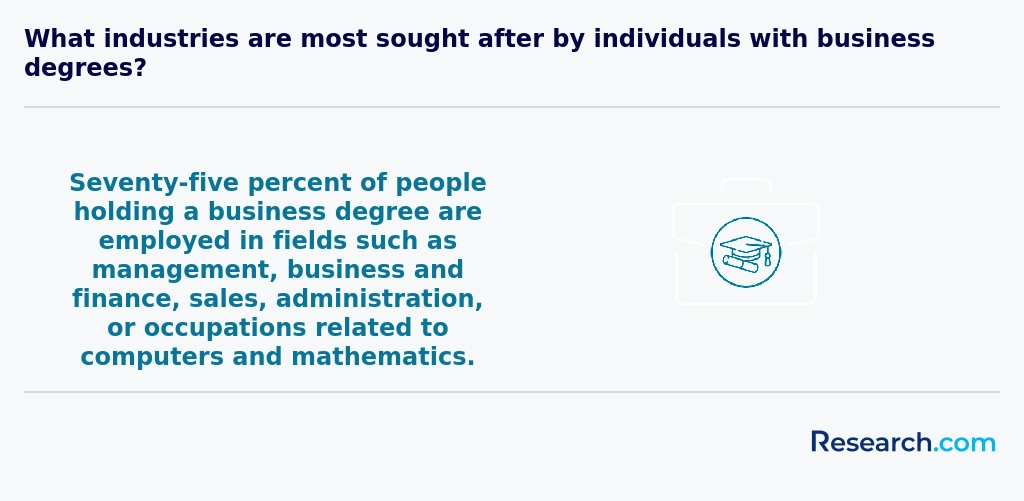
When pursuing a business degree in Auburn, many students find financial aid to be a crucial support system that makes their goals feel attainable. Federal aid, especially Pell Grants and student loans, form the backbone of funding for numerous business students at Auburn University's College of Business. For example, graduates often speak about how a Pell Grant covering up to $7,395 helped ease the financial burden during their freshman year, allowing them to focus on studies without overwhelming debt.
State programs like the Alabama Student Assistance Program (ASAP) add another layer of relief, granting $500 to $1,000 per semester to residents. This aid, combined with merit-based scholarships offered by Auburn's business school for academic achievement and leadership, has empowered many students to cover significant tuition costs.
Beyond institutional support, local private scholarships target various business disciplines and underrepresented groups, making opportunities personalized and impactful. Work-study programs offer a win-win, letting students earn income while gaining practical business experience, a vital stepping stone toward career readiness.
To make the most out of your educational investment, it's crucial to choose a business degree program that aligns with your career goals and personal interests. When exploring options, consider factors such as accreditation, program offerings, and career outcomes. For instance, if you're interested in affordable business degree programs, you might want to look into cheapest business schools in alabama, which can provide valuable insights into cost-effective education options. Additionally, assessing the faculty expertise, flexibility of the learning format, and financial considerations can help you make a well-informed decision. By weighing these factors, you can select a business degree program in Auburn, AL, that will set you up for success in your chosen field.
To enroll in a business degree program in Auburn, you'll need to meet several academic and administrative prerequisites designed to set you up for success. For undergraduate programs at well-known institutions like Auburn University, having a high school diploma or GED is essential. Graduates often share how strong foundations in math and English helped them thrive in business studies, so focusing on these subjects before applying can give you a real edge.
Graduate business programs require a bachelor's degree, and many applicants have found that coursework related to business or economics smooths their transition. For example, some MBA candidates in Auburn recall how submitting GMAT or GRE scores, or showcasing relevant work experience, strengthened their applications and boosted their confidence during admissions.
You'll also want to prepare thoughtful letters of recommendation and personal essays-these give admissions teams insight into your motivation and drive. International students should remember to meet English proficiency requirements through tests like TOEFL or IELTS, ensuring they're ready to engage fully in classes and campus life.

At Auburn, business degree programs usually include a well-rounded mix of courses that prepare you for the real world. You'll dive into accounting, learning how to interpret financial statements just like graduates from Auburn University who have landed roles in finance firms. Finance classes cover investment principles and risk management, giving you confidence to make smart decisions in fast-paced markets.
Marketing courses explore consumer behavior and digital strategies, perfect for those inspired by success stories from local entrepreneurs. Management classes teach strategic decision-making and team leadership, skills that alumni use daily in top regional companies.
Economics helps you understand market dynamics with lessons on micro and macroeconomics, essential knowledge for anyone wanting to influence business policy or strategy in Auburn's growing economy. Electives like entrepreneurship and supply chain management let you tailor your journey, reflecting the versatile paths taken by many business students here.
Hands-on experiences combined with ethical and communication training build not just skills, but the confidence to thrive in Auburn's vibrant business community.

Business degree specializations in Auburn offer a variety of focused paths that help students thrive in today's competitive market. Graduates from Auburn's well-known institutions often recount how specializing in accounting sharpened their ability to navigate financial records and tax regulations, preparing them for rewarding careers. Many find that finance specialization opens doors in banking and corporate roles, blending theory with practical investment strategies learned through hands-on projects.
For those drawn to creative strategy, marketing specialization dives into digital campaigns and consumer behavior, energizing students with dynamic real-world scenarios. Management tracks cultivate leadership skills essential for driving organizational success, while supply chain management aligns perfectly with Auburn's local business environment, renowned for manufacturing and logistics.
Entrepreneurship at Auburn empowers future business owners to innovate and launch ventures, often encouraged by a supportive campus culture. When exploring affordable Auburn business degree programs with specializations, consider how these diverse options match your ambitions. If you're interested in accounting, exploring Florida accounting colleges can also offer valuable perspective and comparative opportunities.
When choosing the best business degree in Auburn, focus on programs that blend strong accreditation with practical opportunities. Many successful graduates from Auburn University's Harbert College of Business highlight how its AACSB accreditation gave their resumes a competitive edge and opened doors in Alabama's thriving job market. Their stories often mention internships within growing local industries like manufacturing and logistics, which helped turn classroom lessons into real-world experience.
Another key is affordability. Auburn's in-state tuition is a standout for students seeking affordable business degree programs in Auburn, especially when compared to pricier private schools. Graduates often say this financial balance allowed them to focus on learning rather than loans. Plus, exploring scholarships and aid can make a big difference in managing costs.
Diversify your options by considering program delivery styles. Some find flexible or online courses perfect for juggling work and study, much like peers pursuing online accounting degrees Florida. Finally, weigh program specializations and faculty expertise to ensure your interests align with available pathways and networking benefits critical for long-term success.
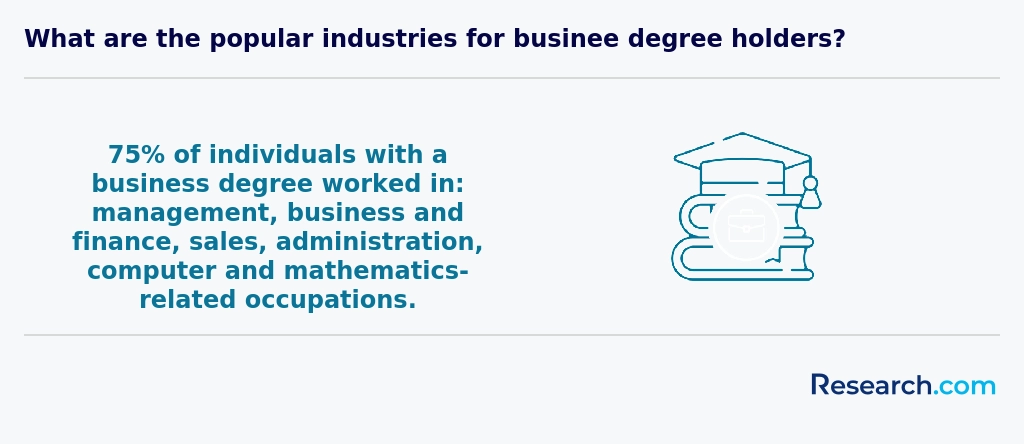
Graduates with a business degree in Auburn find a wealth of opportunities waiting in diverse fields ranging from management to entrepreneurship. Many of these alumni from Auburn University harness leadership skills developed during their studies to thrive as project managers or business analysts, roles that perfectly align with the city's vibrant economy and emerging technology sectors. Their success stories reflect the promising job prospects for Auburn business graduates eager to build solid careers.
Others dive into finance or accounting, where they excel by applying analytical talents to real-world financial challenges, often working for local firms supported by strong regional growth. Marketing and sales careers, meanwhile, beckon those with creative spirits, offering chances to connect with Auburn's growing small business community. Here, graduates flourish by leveraging consumer insights to elevate brands and campaigns, making meaningful impacts.
Entrepreneurship stands out too, especially with resources like the Auburn Research Park encouraging startup ventures. For students balancing career goals and budget concerns, options like these combined with Auburn's competitive tuition, noted among the cheapest business schools in Alabama, make a business degree career opportunities in Auburn both attainable and rewarding.
The job market for business degree graduates in Auburn is promising and filled with varied opportunities. Graduates from Auburn University and other regional colleges often find roles in industries ranging from automotive manufacturing to financial services. These employers value strong analytical and management skills, which Auburn's business programs emphasize. Those investing in a business degree here can look forward to a steady demand for positions such as financial analysts, marketing specialists, and sales managers. This positive outlook reflects broader national trends but benefits from Auburn's affordable living costs and welcoming local economy, which helps graduates start their career journeys with confidence.
Employment opportunities for business graduates Auburn also include support from active networking events hosted by local chambers of commerce and university career centers. Many recent graduates share stories of landing their first management or advisory roles through connections made during such events, highlighting the importance of engagement beyond the classroom. For those curious about specialized paths, programs like What You Need to Know About Becoming an International Business Major offer further guidance to enhance career prospects.
2027 Most Affordable Business Degree Programs Ranking in Auburn
Investing in your education is a significant decision that can shape your future, and the Research.com team understands the importance of making informed choices. To assist prospective students in Auburn, we have meticulously crafted the "2027 Most Affordable Business Degree Programs Ranking in Auburn." Our commitment to quality, credibility, and accuracy is reflected in the extensive research and analysis conducted to compile this ranking.
We utilized the following reputable data sources to ensure a comprehensive evaluation of business degree programs:
By exploring this ranking, readers will gain valuable insights into affordable business education opportunities in Auburn, empowering them to make well-informed decisions that balance cost and quality. For more details on our methodology, please visit our Research.com methodology page.

Frequently Asked Questions About business
Business degree students in Auburn can maximize their learning experience by actively engaging in internships with local companies. Auburn's strong economy and presence of diverse industries offer valuable real-world exposure. According to the Auburn Chamber of Commerce, nearly 65% of business undergraduates secure internships before graduation.
Additionally, students should participate in student organizations related to business, such as the Auburn University College of Business student groups, which provide networking and leadership opportunities. Utilizing on-campus resources, including career services and academic advising, supports skill development and professional growth.
Finally, incorporating elective courses in emerging fields like data analytics or digital marketing enhances competitiveness in Auburn's evolving job market.
Emerging niches within the business field offer new opportunities for students pursuing degrees in Auburn. Areas such as data analytics and digital marketing are growing rapidly, reflecting national trends in business education and employment. According to the Bureau of Labor Statistics, jobs in market research analysis are expected to grow 23% from 2021 to 2031, much faster than average.
Additionally, corporate social responsibility (CSR) and sustainable business practices are gaining importance as companies respond to environmental and social challenges. Auburn businesses increasingly seek professionals skilled in these areas, aligning with national corporate trends reported by the Harvard Business Review.
Finally, supply chain management has emerged as a critical discipline, amplified by recent global disruptions. Students with expertise in logistics, especially those with experience in technology-driven solutions, are in high demand within Alabama's growing manufacturing sector, according to the Alabama Department of Commerce.
Graduates with a business degree in Auburn can enhance their job prospects by leveraging local resources and networking opportunities. Auburn, home to a strong business community, offers career fairs and internship programs through institutions like Auburn University's Harbert College of Business, which reported a 95% employment rate within six months of graduation in recent years.
Students should focus on building professional skills such as communication, teamwork, and digital literacy, which are highly valued by employers nationwide. Joining local business organizations, like the Auburn Chamber of Commerce, can provide valuable connections and mentorship opportunities.
Additionally, developing a tailored resume and preparing for behavioral interviews are essential steps. Utilizing career services provided by colleges in Auburn can also improve chances of securing internships and entry-level positions, setting a solid foundation for future career growth.
Employers in Auburn highly value business graduates who demonstrate strong communication skills. According to the Auburn Chamber of Commerce, clear written and verbal communication ranks among the top competencies sought in recent hires. Analytical thinking is also critical, with many businesses emphasizing data interpretation and problem-solving abilities. Local economic reports highlight that teamwork and leadership skills enable graduates to excel in Auburn's collaborative work environments. Additionally, proficiency in technology, especially in software like Excel and CRM platforms, is increasingly essential. Employers look for adaptability and a continuous learning mindset to keep pace with Auburn's growing diverse industries.
Finding internships in Auburn related to business degrees involves multiple strategies. Begin by utilizing the career services offered by local universities such as Auburn University, which connects students with employers across the region. According to Auburn University's 2023 Career Connections Report, over 65% of business students secured internships through campus resources.
Networking is also crucial. Local chambers of commerce and business organizations often list internship opportunities. Platforms like Handshake and LinkedIn provide listings specifically tailored to Auburn's market. Additionally, reaching out directly to companies within Auburn's growing sectors-like manufacturing, finance, and retail-can uncover hidden opportunities.
Many internships in Auburn offer practical experience in marketing, accounting, and management, essential for building a strong resume. Start early and actively apply to multiple positions to increase chances of placement.
Obtaining a business degree in Auburn significantly enhances career mobility and advancement opportunities. According to recent data from the U.S. Bureau of Labor Statistics, professionals with a bachelor's degree in business typically experience faster promotion rates and higher earning potential compared to those without a degree.
Auburn's local economy, anchored by sectors such as manufacturing, finance, and retail, offers multiple pathways for business graduates to advance into management roles. The presence of companies like Auburn Bank and regional firms increases demand for skilled business professionals. Networking opportunities through Auburn University's College of Business also support career growth.
Overall, earning a business degree in Auburn equips graduates with valuable skills and credentials that improve job prospects within the region's competitive job market.
Studying for a business degree in Auburn provides comprehensive training that equips students for interdisciplinary roles across various industries. Programs commonly combine core business disciplines such as finance, marketing, and management with courses in technology, communication, and analytics. This integrated approach prepares graduates to handle complex challenges requiring both business acumen and technical skills.
For example, Auburn University's Harbert College of Business emphasizes experiential learning and collaboration with engineering and computer science departments. According to the National Center for Education Statistics, interdisciplinary coursework enhances problem-solving and adaptability, qualities highly valued in today's job market.
Local employers in Auburn's growing business sectors often seek candidates with diverse skill sets, underlining the practical benefits of such education.
Choosing between a thesis and a non-thesis business degree program in Auburn depends on your career goals and learning preferences. Thesis programs typically require original research and are suited for students interested in academic or research careers. These programs may take longer to complete but deepen analytical skills. Non-thesis programs often focus on coursework and practical experience, appealing to those aiming for immediate professional advancement.
In Auburn, many business schools align non-thesis tracks with local industry needs, including sectors like manufacturing and finance, which employ over 50,000 professionals regionally (U.S. Bureau of Labor Statistics, 2023). Cost and duration also vary, with thesis options sometimes demanding more time and resources.
Students based in Auburn seeking to study business abroad have several pathways through local university programs and partnerships. Auburn University, a leading institution in the area, offers multiple study abroad programs specifically for business students, including placements in European, Asian, and Latin American countries. These opportunities allow students to earn credits toward their business degrees while gaining global experience.
According to Auburn University's Harbert College of Business, over 250 students participate annually in international study options, ranging from short-term summer programs to semester-long exchanges. These programs often focus on key business disciplines such as international marketing, finance, and supply chain management.
Additionally, Auburn business students can access partnerships with institutions worldwide that facilitate internship-based learning or dual-degree options, enhancing their academic credentials and cross-cultural skills essential in today's global market.
Part-time jobs in Auburn that complement business degree studies often involve roles in retail management, customer service, and office administration. These positions provide practical experience in communication, sales, and organizational skills, which are essential for business careers. Auburn's local economy includes growing sectors like automotive suppliers and manufacturing, offering opportunities for students to work part-time in logistics or operations support, gaining valuable insights into supply chain management.
Internships or part-time roles at financial institutions in Auburn, such as banks, can also enhance understanding of finance and accounting principles. According to the Auburn Chamber of Commerce, small businesses represent a significant portion of local employers, providing ample chances for students to engage in marketing or business development tasks while studying.
Business students in Auburn benefit from a range of networking opportunities designed to connect them with industry professionals and alumni. Auburn University's Raymond J. Harbert College of Business hosts career fairs that attract over 100 employers annually, providing direct access to internships and job openings.
Additionally, students can join numerous student organizations such as the Auburn Business Club and the Marketing Association, where they engage in events and workshops that foster professional connections.The university also organizes mentorship programs pairing students with experienced business leaders in the Auburn area. These initiatives help build valuable relationships that support career growth and development.
Alumni networks offer significant advantages to business degree students in Auburn by providing access to a strong, localized professional community. Graduates often create connections that open doors to internships, job opportunities, and mentorship uniquely relevant to Auburn's business environment. According to the Auburn University Harbert College of Business, their alumni network encompasses over 75,000 professionals worldwide, many of whom remain active in the Auburn region's economic sectors.
These networks allow current students to engage with experienced professionals, fostering career development through workshops, networking events, and tailored job leads. This access can be particularly valuable in Auburn, where local businesses frequently recruit directly from university connections.
Moreover, alumni involvement helps students navigate the specific challenges of the southeastern U.S. business market, offering insights into industry trends and local economic factors. This relationship between students and alumni substantially enhances practical learning and employment outcomes in Auburn's competitive business landscape.
Customizing a business degree program in Auburn allows students to align their education with specific career objectives. Many Auburn institutions offer concentrations such as finance, marketing, management, or entrepreneurship, enabling focused skill development.
Auburn University, a leading institution, provides flexible elective options and experiential learning opportunities like internships within the thriving local business community. These options help students gain practical experience tailored to their goals.
Additionally, students can pursue certificate programs, study abroad, or participate in networking events to broaden their business acumen. According to the National Center for Education Statistics, over 70% of Auburn business students customize their course load to fit industry demands.
Business students in Auburn often face several challenges specific to their academic and local economic environment. One common issue is balancing rigorous coursework with practical experience. Auburn's business programs emphasize internships and cooperative education, which require students to manage time effectively between classwork and professional development.
Another challenge is adapting to the rapidly evolving business landscape, especially in areas like digital marketing and data analytics. Many students find it difficult to keep pace with new technologies and industry standards. According to Auburn University's College of Business latest reports, over 40% of students express concerns about acquiring relevant technical skills.
Financial constraints also present a hurdle. Although Auburn offers affordable tuition compared to national averages, the cost of living and additional fees can strain students, particularly those without scholarships or financial aid. Navigating these pressures while maintaining academic performance is a frequent difficulty.
With a business degree, students in Auburn can pursue several professional certifications that enhance their career prospects. Common certifications include the Certified Public Accountant (CPA), ideal for those focusing on accounting and finance. The CPA credential is highly respected nationwide, including in Alabama.
Another popular certification is the Project Management Professional (PMP), which is valuable for business graduates interested in managing projects efficiently. According to the Project Management Institute, PMP holders earn 23% higher salaries on average.
The Chartered Financial Analyst (CFA) designation is prized by professionals in investment analysis and financial management. This certification requires passing multiple exams and relevant work experience.
Local Auburn business students should also consider certifications like the SHRM Certified Professional (SHRM-CP), linked to human resource management, as Auburn's job market shows steady growth in business administration roles, confirmed by Alabama Department of Labor data.
Writing a winning application for a business program in Auburn requires careful attention to detail and clarity. Start by thoroughly researching the specific program's admission requirements, which often include academic transcripts, standardized test scores, and personal statements.
Highlight your relevant experience, such as internships or leadership roles, to demonstrate your commitment to business studies. Auburn University, for example, values practical experience linked to business skills according to its 2023 admissions guide.
Your personal statement should clearly articulate your career goals and explain why Auburn's business environment fits your ambitions. Including measurable achievements can strengthen your case.
Lastly, ensure all documents are error-free and submitted on time, as meeting deadlines is crucial for competitive business programs in the US higher education system.
Business careers increasingly require a global mindset, as companies in the US and especially in Auburn connect with international markets. According to the Bureau of Labor Statistics, jobs in business fields such as management and marketing are expected to grow about 8% from 2022 to 2032, partly driven by global commerce demands. Auburn's proximity to multinational businesses and regional trade hubs offers students real-world exposure to diverse business practices.
Moreover, many Auburn business programs emphasize global business strategies, cross-cultural communication, and international economics. These skills prepare graduates for roles that involve collaboration with stakeholders worldwide. Understanding global markets is essential for navigating supply chains and digital commerce trends dominating business today.
Gaining practical experience while studying for a business degree in Auburn is essential for career readiness. Many Auburn institutions encourage internships with local companies, including firms in manufacturing, finance, and technology sectors. According to Auburn University's Harbert College of Business, over 80% of students complete internships before graduation. These opportunities allow students to apply classroom theories to real-world challenges and build professional networks.
Additionally, students can join student-run businesses and consulting groups, providing hands-on management experience. Career fairs and cooperative education programs also help connect students with regional employers, enhancing their resumes.
Choosing the right concentration within a business degree program in Auburn requires careful consideration of your interests and career goals. Common concentrations include finance, marketing, management, and supply chain management. According to the U.S. Bureau of Labor Statistics, fields like finance and marketing are projected to grow by 7% and 10% respectively through 2031, which may influence demand locally and nationally.
Research Auburn-based industries and employers, such as manufacturing and retail, to identify which concentrations align with job opportunities. Networking with local professionals and academic advisors can provide insights into Auburn's job market trends and help tailor your education to in-demand skills.
Examine program specifics, such as internship availability and faculty expertise, which vary across Auburn institutions. This can enhance practical learning and employment prospects post-graduation.
- 2027 Most Affordable Business Degree Programs Ranking in Montgomery
- 2027 Most Affordable Business Degree Programs Ranking in Birmingham
- 2027 Most Affordable Business Degree Programs Ranking in Atlanta
- 2027 Most Affordable Business Degree Programs Ranking in Macon
- 2027 Most Affordable Business Degree Programs Ranking in Mobile
- 2027 Most Affordable Business Degree Programs Ranking in Savannah
- 2027 Most Affordable Business Degree Programs Ranking in Jacksonville
- 2027 Most Affordable Business Degree Programs Ranking in New Orleans
- 2027 Most Affordable Business Degree Programs Ranking in Daytona Beach
- 2027 Most Affordable Business Degree Programs Ranking in Tampa
See What Experts Have To Say About Studying Business
Read our interview with Business experts

David W. Stewart
Business Expert
Emeritus President's Professor of Marketing
Loyola Marymount University

David Souder
Business Expert
Senior Associate Dean for Faculty and Research
Michigan State University


- Skills Employers Look for in Business Graduates – EU Business School https://www.euruni.edu/blog/skills-employers-look-for-in-business-graduates/
- Know more about thesis vs non- thesis: what is the difference? https://studyfans.com/en/blogs/816
- Networking Tips for Business Students: Building a Foundation for Success https://londonsba.org.uk/blog/networking-tips-for-business-students-building-a-foundation-for-success/
- A guide to finding an internship https://www.ipag.edu/en/blog/guide-finding-internship
- Exploring Different Types of Business Majors https://www.ivywise.com/ivywise-knowledgebase/exploring-different-types-of-business-majors/
- The 6 Best Places to Study Abroad for Business Students https://www.ciee.org/go-abroad/college-study-abroad/blog/6-best-places-study-abroad-business-students
- Global Perspectives: International Opportunities for Business School Students - SBS Swiss Business School https://sbs-uae.org/global-perspectives-international-opportunities-for-business-school-students-3/
- Business Administration at Auburn University - Fees & Requirements | Craydel https://craydel.com/course/business-administration-7991888707
- Global careers, real impact: building your career with an international business degree | University of East London https://www.uel.ac.uk/blog/global-careers-real-impact-building-your-career-international-business-degree
- Jobs after studying business administration: opportunities at a glance | JobTeaser https://www.jobteaser.com/en/advices/jobs-after-studying-business-administration-opportunities-at-a-glance