2027 Most Affordable Business Degree Programs Ranking in Charlotte

Co-Founder and Chief Data Scientist
Are you considering a business degree in Charlotte but want to find an affordable option that fits your goals? This article introduces the 2027 Most Affordable Business Degree Programs Ranking in Charlotte, developed by the Research.com team of data scientists to guide you through the best choices.
By exploring this ranking, you'll gain insight into cost-effective programs that don't compromise quality. Earning a business degree can open doors to exciting career opportunities, and understanding your options helps you invest wisely in your future.
Start your journey with confidence and clarity by learning which programs truly stand out.
Key benefits of getting business degree in Charlotte
- Salary benefits: Business degree graduates in Charlotte can earn competitive salaries, with roles like Business Development Executive averaging $83,190 annually and Business Analysts earning about $112,950 per year, reflecting strong financial growth potential.
- Career paths: Graduates from popular local schools often pursue dynamic careers in sales, consulting, or business analysis, enjoying diverse opportunities that suit various interests and ambitions within the thriving Charlotte market.
- Online degree advantages: Earning a business degree online from a recognized Charlotte institution offers flexibility and convenience, allowing students to balance work and study while gaining skills that employers highly value in today's digital economy.
- 2027 Most Affordable Business Degree Programs Ranking in Charlotte
- What can I expect from business degree in Charlotte?
- Where can I work with business degree in Charlotte?
What can I expect from business degree in Charlotte?
The average cost of pursuing a business degree in Charlotte is quite manageable, especially for in-state students at public universities like UNC Charlotte. Graduates often highlight that in-state tuition hovers around $7,000 per year, which makes quality education affordable without extreme financial strain. This cost efficiency allows many to focus more on gaining practical experience rather than worrying about heavy debt.
Many students take advantage of flexible learning options offered by Charlotte institutions, such as online or hybrid courses, which can reduce additional expenses like commuting or relocating. Graduates recall balancing work and study while accessing internships with major local companies, making the investment worthwhile.
Choosing a school with AACSB accreditation, like Queens University of Charlotte or UNC Charlotte, assures students the quality of education aligns with career goals. This recognition often leads to promising job opportunities in a growing city, making the cost feel like a strong investment in a thriving business hub.
Where can I work with business degree in Charlotte?
With a business degree from Charlotte's top schools like the University of North Carolina at Charlotte or Central Piedmont Community College, graduates quickly find themselves working in dynamic sectors. Many land roles at major banks such as Bank of America or Wells Fargo, leveraging their skills in finance, risk management, or investment analysis. These positions offer solid career growth while immersing graduates in one of America's largest banking centers.
Others pursue careers in Charlotte's booming healthcare industry, joining organizations like Atrium Health where they apply business knowledge to hospital management or supply chain operations. Graduates appreciate the meaningful impact they have by combining business acumen with healthcare services.
Energy companies such as Duke Energy hire business grads for energy management roles, especially those passionate about sustainability and clean energy innovations. The city's vibrant tech startups also attract business students eager to lead product management or marketing projects, supported by networks like the Charlotte Regional Business Alliance.
Many alumni emphasize how small and medium businesses in Charlotte provide a hands-on environment to master sales, marketing, and HR, essential for those who want diverse career options locally.
Graduates with a business degree in Charlotte often find rewarding salary opportunities that reflect the city's dynamic economy. For example, business development executives earn a mean annual wage of about $83,190, a figure that many recent graduates from local institutions like the University of North Carolina at Charlotte find encouraging as they launch their careers.
Business analysts stand out with an impressive average annual salary of $112,950, illustrating the value of specialized skills gained through Charlotte's business programs. Graduates often share how hands-on projects and internships in Charlotte's thriving corporate sector prepare them to meet this demand confidently.
While project manager and operations supervisor salary data isn't fully available, many graduates transition into these roles, leveraging Charlotte's strong network of finance and logistics firms. The city's status as a financial hub opens doors to competitive wages and growth, giving those with business degrees a pathway to higher earnings and leadership positions.
Focusing on skill development during college, combined with local networking events and internships in Charlotte, can markedly boost earning potential right after graduation.
- Tuition for business degrees at public universities in Charlotte ranges from $7,000 to $10,000 per year for in-state students.
- Private institutions typically charge between $20,000 and $30,000 annually for business programs.
- Entry-level salaries for business graduates in Charlotte start around $50,000 to $60,000 per year.
- Mid-career business professionals report average salaries near $90,000 or higher.
- Charlotte is a major financial center, with many business jobs in banking, finance, and related sectors.
- Local universities offer bachelor's, master's, and certificate programs, often with internships and part-time or online options.
A traditional Bachelor of Business Administration (BBA) in Charlotte generally takes about four years of full-time study. Graduates from institutions like the University of North Carolina at Charlotte often find this timeline manageable, balancing coursework with campus activities and networking. If you need more flexibility, accelerated bachelor's programs can shorten the duration to two or three years by taking year-round classes, though this demands greater time commitment and focus.
Part-time study is another viable option, allowing students to balance work or family, but it can extend the completion time to five years or more. For graduate degrees such as the MBA, expect one to two years for full-time students. Part-time and online MBA formats at UNC Charlotte's Belk College of Business offer flexibility, extending the timeline to three or more years while still allowing career progression.
Planning around practical experiences like internships or co-ops is vital-they may add months but significantly increase job readiness. Stay mindful of tuition costs and financial aid, as efficient course planning can save both time and money.
To make an informed decision about pursuing a business degree in Charlotte, NC, it's essential to compare the city's programs to those offered in other locations. Prospective students can visit https://research.com/rankings/business/most-affordable-business-nc as a resource to explore cheapest business programs in north carolina, allowing them to weigh the advantages and disadvantages of different regions. By examining factors such as curriculum, faculty expertise, and alumni networks, students can determine which location best aligns with their academic and professional goals. This comparison can also help students identify unique opportunities, such as internships, research projects, or study abroad programs, that may be available in specific locations. Ultimately, conducting a thorough comparison of business degree programs in different locations will enable students to make a well-informed decision about their educational pathway.
Online business degrees in Charlotte offer flexibility perfect for working students balancing jobs and education. Graduates from programs at schools like the University of North Carolina at Charlotte often highlight the convenience of studying anytime from home, which let them maintain full-time employment while progressing through coursework. This format relies on digital materials and virtual discussions, requiring strong self-motivation but enabling you to avoid commuting and housing costs.
In contrast, on-campus programs at institutions such as Johnson & Wales University provide immersive experiences with face-to-face interactions that foster networking within Charlotte's dynamic finance and energy sectors. Students value the immediate feedback and group projects that build collaboration skills crucial for career growth.
Choosing between formats depends on your lifestyle and goals. If you thrive on structured schedules and local connections, on-campus offers real-time engagement with faculty and peers. For those needing flexibility to handle work and family, online programs make earning a degree approachable without sacrificing income.
Understanding the full cost of a business degree is essential for making informed decisions. In Charlotte, NC, the average annual tuition for in-state students pursuing a bachelor’s degree in business ranges from $12,600 to $13,100, while out-of-state students may pay up to $25,000 per year. Beyond tuition, students should budget for mandatory fees-such as technology ($400–$600 per semester), student activity ($150–$200), and lab or software fees ($100–$300)-which can add an additional $1,000 to $1,500 annually. Graduate programs, like an MBA, typically charge between $20,000 and $30,000 per year, with similar fee structures. Additional costs, including textbooks ($800–$1,200 per year) and living expenses (averaging $10,000 annually for housing, food, and transportation), contribute significantly to the total investment. Prospective students should request a detailed net price calculator from each institution to estimate their specific out-of-pocket expenses after grants, scholarships, and tax credits. Many universities in Charlotte offer payment plans that allow tuition to be spread over multiple installments, reducing the upfront financial burden. When evaluating return on investment (ROI), consider average starting salaries-$65,000 for graduates entering entry-level roles-and long-term earning potential, such as $80,220 for project managers and $108,790 for business analysts. Comparing Charlotte’s costs to other regions can highlight value: for example, students seeking online options might explore our Most Affordable Online Business Degree Programs Ranking in North Dakota to see how tuition and fees stack up against those in Charlotte. By analyzing both direct costs and post-graduation earning power, students can choose programs that align with their budget and career goals.
The average cost of a business degree in Charlotte varies depending on residency and institution type, but median figures provide a practical overview. For in-state students attending public universities like UNC Charlotte, the median total cost is around $31,859. These graduates often share how the manageable tuition allowed them to focus more on gaining hands-on experience and networking without overwhelming financial pressure. Out-of-state students face a higher median total cost, roughly $46,734, reflecting the additional tuition required for non-residents.
Private colleges in Charlotte, such as Queens University of Charlotte, tend to have higher tuition, which aligns closely with the median out-of-state costs. Many graduates who chose private institutions appreciate the smaller class sizes and personalized support, which make the investment feel worthwhile despite the steeper price tag.
Students exploring affordable business degree programs Charlotte NC should consider these median costs alongside available scholarships, grants, and work-study opportunities that Charlotte schools provide. Financing strategies can dramatically reduce the overall burden, helping students enjoy the experience with less stress about expenses.
When budgeting, don't overlook additional fees, textbooks, and supplies, typically adding $1,200 to $1,800 annually. Graduates often mention that planning for these costs early made their academic journey smoother. For a deeper look at the most budget-friendly options, prospective students can explore the cheapest business programs in north carolina.
Beyond the classroom, the vibrant campus culture of Charlotte’s institutions enriches the educational journey by fostering community engagement, extracurricular involvement, and professional networking. Students not only benefit from robust academic curricula but also from diverse opportunities such as student organizations, cultural events, and mentorship programs that help build leadership and collaboration skills. Many campuses actively promote initiatives that bridge the gap between academic theory and industry practice through workshops, career fairs, and partnerships with local businesses, ensuring that learning extends into real-world experiences. Moreover, the city’s dynamic business landscape offers numerous internships and part-time roles, allowing students to gain practical insights while pursuing their studies. For those interested in integrating flexible learning with rich student life, exploring a business management degree in Charlotte can provide both affordability and a well-rounded collegiate experience. This balance of academic rigor and community engagement positions Charlotte as an ideal destination for aspiring business professionals aiming to thrive both personally and professionally.
Business students in Charlotte have access to multiple financial aid options to lighten tuition costs. Many start by completing the FAFSA, unlocking federal aid such as Pell Grants, which can cover up to $7,395 annually without repayment. This federal support has been a game changer for several graduates from the University of North Carolina at Charlotte, helping them focus on studies without overwhelming debt.
State scholarships provide further relief. Programs like the North Carolina Need-Based Scholarship are valuable resources for residents attending institutions like Central Piedmont Community College. These grants recognize financial need and reward commitment to business studies.
Institutional scholarships based on merit or leadership are another essential aid form. Business students from Charlotte's top colleges often share how specific scholarships enabled them to afford valuable networking opportunities and specialized courses.
Private scholarships from local groups, including the Charlotte Chamber of Commerce, open doors for students driven to support the city's economic growth. Meanwhile, employer tuition assistance benefits working students by reimbursing part or all of their tuition, blending work and education smoothly.
To enroll in a business degree program in Charlotte, you'll typically need a high school diploma or equivalent, with official transcripts showing solid grades in core subjects like English and math. Many graduates from popular Charlotte universities recall balancing their transcripts and meeting GPA standards around 2.5 to 3.0, which helped them secure admission successfully.
While some schools in Charlotte still request SAT or ACT scores, many have adopted test-optional policies, so strong academic performance often carries more weight. Applicants who share personal statements or letters of recommendation tend to stand out, as these provide insights into motivation and career goals, making acceptance more attainable.
For graduate business degrees like an MBA, a bachelor's degree from an accredited institution is essential, but it doesn't have to be in business. Graduates often highlight how submitting GMAT or GRE scores, when required, alongside two to five years of relevant work experience, boosted their confidence during admissions.
Several Charlotte colleges offer prerequisite courses in subjects like microeconomics or accounting if your background isn't business-focused, which can pave the way smoothly into your chosen program.
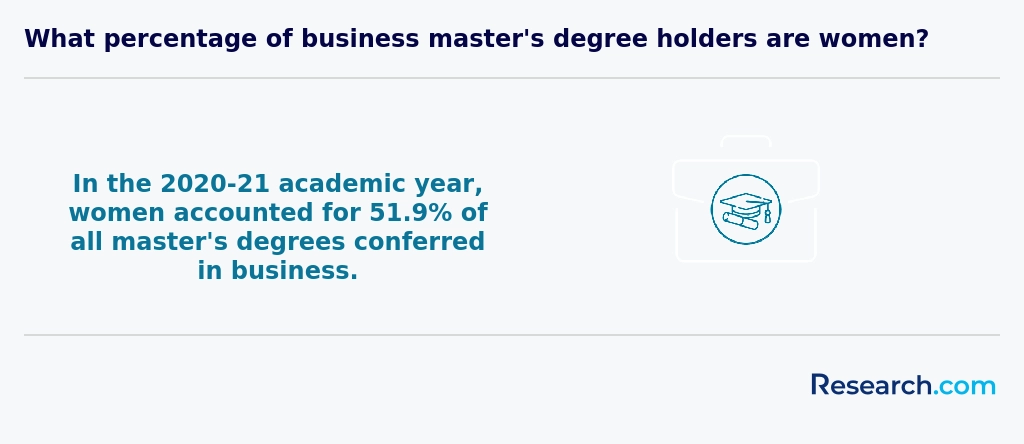
Accreditation is a critical indicator of program quality and ensures that business degree programs in Charlotte, NC meet rigorous academic standards. Prospective students should look for regional accreditation from the Southern Association of Colleges and Schools Commission on Colleges (SACSCOC), as well as specialized business accreditations such as AACSB (Association to Advance Collegiate Schools of Business), ACBSP (Accreditation Council for Business Schools and Programs), or IACBE (International Accreditation Council for Business Education). Programs holding AACSB accreditation are often recognized globally for their research focus and faculty qualifications, while ACBSP and IACBE accreditations emphasize teaching excellence and student outcomes. To verify a program’s accreditation status, consult the U.S. Department of Education’s Database of Accredited Postsecondary Institutions and Programs or the Council for Higher Education Accreditation (CHEA) website. Additionally, each university’s accreditation details are typically listed under “About” or “Accreditation” on its official site. Confirming accreditation not only impacts the transferability of credits and eligibility for federal financial aid but also influences employer recognition and professional licensure opportunities. Students seeking long-term return on investment should weigh program accreditation against career outcomes. Employers in Charlotte’s robust financial and corporate sectors often prioritize graduates from AACSB-accredited schools, translating into higher starting salaries and faster career progression. For those considering advanced studies, our guide to the highest paying business masters degrees highlights programs with the strongest post-MBA salary potential, helping you make an informed decision about accreditation and future earnings.
Business degrees in Charlotte typically include courses such as Principles of Management, Financial Accounting, and Marketing Fundamentals, designed to build essential skills for the local job market. Graduates from well-known Charlotte universities often share how Principles of Management helped them lead team projects confidently, directly applying lessons in leadership and organizational behavior during internships with regional banks or energy firms.
Courses like Business Statistics and Quantitative Methods equip students to analyze data effectively, a vital skill in Charlotte's finance sector where precise decision-making is crucial. Alumni frequently mention how classes in Microeconomics and Macroeconomics offered them a clear understanding of market forces affecting the city's banking and logistics industries.
Electives tailored to Charlotte's economy, such as Investment Analysis and Energy Economics, enable students to specialize and connect theory with the city's prominent financial institutions and energy companies. Hands-on courses in Business Information Systems and Data Analytics help students become comfortable using technology, which is increasingly valued by Charlotte employers.
Business degree specializations in Charlotte are designed to align with the city's thriving economic sectors and student career goals. Finance is highly popular, reflecting Charlotte's role as a major banking hub, where graduates often find rewarding positions managing investments or analyzing corporate finances. Marketing programs emphasize digital strategies and consumer behavior, giving students the skills to thrive in Charlotte's vibrant startup and corporate communities.
Students pursuing a business management degree at local institutions frequently share how the entrepreneurship specialization helped them launch ventures, leveraging Charlotte's supportive startup ecosystem. Other practical specializations include supply chain management, ideal for those interested in logistics given the city's strategic transport links, and accounting, which prepares graduates for high-demand roles across various industries.
Human resources management is another strong focus, preparing students to enhance workforce planning and organizational behavior in Charlotte's expanding businesses. Choosing affordable business majors Charlotte NC offers can make these valuable specializations accessible while ensuring graduates have competitive advantages in the local job market.
To choose the best business degree in Charlotte, start by researching affordable business degree programs in Charlotte that fit your budget without sacrificing quality. Graduates from popular local colleges often praise programs with AACSB accreditation, which signals strong academic standards and respected credentials nationwide.
Evaluate programs with specializations aligned to Charlotte's economic strengths, like finance or supply chain management. Many students find that business schools offering internships at major banks or fintech firms here provide invaluable real-world experience and networking opportunities, making job hunting smoother after graduation.
Consider how programs incorporate practical learning through internships or cooperative education. Graduates from Charlotte universities commonly share how active connections with local companies helped them secure positions quickly. Additionally, review tuition carefully and explore financial aid to manage costs effectively, comparing totals since business degrees usually span four years.
Finally, look for programs with strong graduate outcomes and job placement records. For students aiming higher, exploring the highest paying business masters degrees may also add value over time.

Graduates from Charlotte's universities often secure roles in financial services, leveraging the city's reputation as a major banking hub with institutions like Bank of America nearby. Careers in corporate finance, wealth management, and risk analysis are common paths, offering dynamic work environments and growth opportunities. Others find success in marketing and sales, where creativity from coursework at local colleges transforms into strategic campaigns that expand customer bases for regional businesses.
Human resources is another promising field, with graduates applying skills learned through internships to enhance recruiting and training processes within Charlotte's companies. Operations and supply chain management roles also attract business degree holders, supporting manufacturing and retail sectors vital to the city's economy. Entrepreneurship thrives here as well, with the supportive business environment empowering startups and small ventures, frequently nurtured through university incubators.
For those exploring affordable options to kickstart these career paths, examining the Most Affordable Online Business Degree Programs Ranking in North Dakota can provide guidance relevant to financial planning. Charlotte business degree job prospects remain strong, and gaining practical experience locally boosts employability across these varied fields.
The job market for business degree graduates in Charlotte is vibrant and full of opportunity. Many graduates from popular local universities find ample roles in banking, finance, and healthcare administration, reflecting Charlotte's standing as a major financial hub. Those entering the market report excitement about steady employment growth and wages above the national median, especially in management and finance sectors. Practical experience through internships, often arranged via strong university connections or the Charlotte Chamber of Commerce, greatly enhances job prospects.
Business degree job opportunities in Charlotte span a wide range of industries, from real estate to technology consulting. Entry-level graduates typically start as marketing coordinators or financial analysts, gaining skills that lead to leadership roles. Private school graduates often highlight the value of networks and on-the-job opportunities that help them land competitive positions. Exploring programs like the best 6-month associate degree programs online can also offer a flexible path to enter this thriving market.
2027 Most Affordable Business Degree Programs Ranking in Charlotte
Investing in your education is a significant decision that can shape your professional future, and the Research.com team is dedicated to helping you make well-informed choices. To support prospective students in Charlotte, we have carefully developed the "2027 Most Affordable Business Degree Programs Ranking in Charlotte." Our commitment to quality, credibility, and accuracy is demonstrated through thorough research and analysis in creating this ranking.
We utilized the following reputable data sources to provide a comprehensive assessment of business degree programs:
Readers will benefit from insightful information that helps identify affordable and high-quality business degree options, enabling smarter educational investments. For a detailed explanation of our ranking process, please visit our Research.com methodology page.
# 1 position
University of North Carolina at Charlotte
Bachelor of Science in Business Administration


# 4 position
Johnson & Wales University-Charlotte
Bachelor of Science in Business Administration


Frequently Asked Questions About business
Business degree students in Charlotte can maximize their learning experience by engaging actively with the city's robust business community. Charlotte is a major U.S. financial hub, hosting headquarters of Bank of America and Truist Financial, which offer valuable internship and networking opportunities.
Students should seek out internships and cooperative education programs to gain real-world experience alongside academic studies. According to the Charlotte Chamber of Commerce, internships in Charlotte's banking and technology sectors have grown by 12% over recent years.
Additionally, participating in local business organizations and attending industry conferences enhances practical knowledge and professional connections. Many Charlotte universities provide access to such events on campus, improving career readiness.
The business field is evolving with several emerging niches showing significant growth, especially relevant for students in Charlotte. Areas such as data analytics, supply chain management, and sustainable business practices are gaining strong traction. According to the Charlotte Chamber of Commerce, the city's expanding logistics sector has increased demand for supply chain experts by 15% over the past three years.
Data analytics is also a rising field, driven by the need to interpret large volumes of information for decision-making. Charlotte's robust finance industry supports this trend, as banks seek professionals with analytical expertise. Additionally, sustainability-oriented business strategies are becoming vital, reflecting national trends toward green operations and corporate responsibility.
After earning a business degree in Charlotte, preparing for the job market involves several key steps. First, students should leverage local internship opportunities, as Charlotte hosts major financial institutions like Bank of America and Wells Fargo, which often recruit graduates.
Networking is crucial; joining business organizations such as the Charlotte Chamber of Commerce can connect recent graduates to industry professionals. According to the Charlotte Regional Business Alliance, sectors like finance, technology, and healthcare are growing rapidly, creating diverse employment options for business graduates.
Additionally, graduates should enhance skills in data analysis and digital marketing, which are in high demand. Utilizing the University Career Services at Charlotte universities can also provide tailored job search assistance and interview preparation.
Employers in Charlotte highly value business degree graduates who demonstrate strong analytical and communication skills. According to the Charlotte Chamber of Commerce, 85% of local businesses prioritize candidates adept in data analysis and problem-solving. These skills enable graduates to interpret market trends and contribute to strategic decisions effectively.
Additionally, leadership and teamwork are crucial in Charlotte's diverse industries, including finance and manufacturing. Professionals who can collaborate and manage teams are in demand. The NC Department of Commerce highlights that over 70% of employers seek graduates with proficiency in digital tools such as Excel and CRM software.
Overall, adaptability and ethical judgment are also emphasized, reflecting Charlotte's growing emphasis on responsible business practices.
Finding internships in Charlotte relevant to a business degree starts with leveraging local resources and Charlotte's vibrant economy. The city hosts a strong banking and finance sector, with companies like Bank of America and Wells Fargo offering numerous opportunities.
Students should use university career centers, which often partner with local businesses to post internships tailored to business majors. The Charlotte Chamber of Commerce website also lists internships and networking events helping students gain industry connections.
Online platforms like Handshake and LinkedIn provide additional openings; targeting keywords such as "business internship Charlotte" refines the search.
Finally, attending local business meetups and industry conferences significantly boosts chances of securing internships in this competitive market.
In Charlotte, earning a business degree can significantly enhance career mobility and advancement opportunities. The city hosts a robust financial sector, including headquarters for Bank of America and Truist Financial, creating demand for qualified business professionals. According to the U.S. Bureau of Labor Statistics, management occupations in Charlotte are expected to grow 7% from 2022 to 2032, faster than the national average. This growth fuels the need for individuals with solid business education to take on leadership roles.
A business degree provides essential skills in management, finance, and marketing, which local employers highly value. Graduates often access higher salaries and faster promotions, particularly in banking, consulting, and corporate services. Furthermore, networking opportunities through Charlotte's business schools and professional organizations can boost career progression.
Studying for a business degree in Charlotte offers strong preparation for interdisciplinary roles due to the city's diverse economy. Charlotte is home to major banking, energy, and healthcare industries, creating opportunities for business graduates to collaborate across sectors. Programs in Charlotte universities often integrate courses in finance, marketing, analytics, and management, equipping students with versatile skills.
According to the U.S. Bureau of Labor Statistics, Charlotte's metropolitan area has a growing demand for professionals with combination skills in business and technology. Many programs also encourage internships with local companies like Bank of America or Duke Energy, providing real-world interdisciplinary experience.
Choosing between a thesis and a non-thesis business degree program in Charlotte depends on your career goals and learning preferences. A thesis option typically involves conducting original research, which is ideal if you plan to pursue doctoral studies or roles requiring strong analytical skills. Non-thesis programs often focus on practical coursework and internships, aligning with immediate entry into Charlotte's growing business sectors such as finance and tech.
According to the National Center for Education Statistics, thesis programs demand more time-often 6 to 12 additional months-while non-thesis degrees may be completed faster. Considering Charlotte's rank as the second-largest banking hub in the U.S., a non-thesis degree with applied experience can be valuable for direct employment.
Students in Charlotte seeking to study business abroad have several options through their home institutions. Many universities in Charlotte, such as the University of North Carolina at Charlotte, offer established study abroad programs tailored for business majors. These programs often partner with universities in Europe, Asia, and Latin America, allowing students to earn credits toward their degrees while gaining international experience.
In addition, exchange programs provide opportunities to attend partner schools for a semester or year. According to NAFSA, nearly 10% of U.S. business students participate in study abroad, reflecting increasing demand for global business skills. Financial aid and scholarships may be available, which can help mitigate costs tied to tuition and living expenses overseas.
Charlotte's growing economy offers diverse part-time job opportunities that complement business degree education. Students often find roles in retail management, customer service, and administrative support within the city's key industries such as finance, healthcare, and technology. According to the Charlotte Chamber of Commerce, the financial sector accounts for over 19% of local employment, allowing business students to gain practical experience in banking and financial services.
Internships and assistant positions at local startups provide exposure to marketing, project management, and data analysis. These jobs help develop essential skills like communication and problem-solving. Additionally, roles in event planning or sales at Charlotte's expanding small business hubs can enhance hands-on knowledge relevant to a business curriculum.
Charlotte, as a major financial hub, offers robust networking opportunities for business students. The city is home to numerous industry events and professional organizations, such as the Charlotte Chamber of Commerce and the Charlotte Business Guild, which regularly host networking sessions. According to the Charlotte Regional Business Alliance, over 30 Fortune 500 companies have operations in Charlotte, providing students access to internships and mentorship programs.
Universities like UNC Charlotte facilitate connections through job fairs and alumni events. Additionally, students can engage with local chapters of national groups like the American Marketing Association and the Financial Executives International. These platforms are essential for building contacts that can lead to internships and full-time roles.
Alumni networks play a key role in supporting business degree students in Charlotte. These networks connect students to graduates who can offer mentorship, career advice, and job opportunities within the city's robust business environment.
Charlotte is a major U.S. financial hub, home to over 170 banking institutions, including Bank of America and Wells Fargo. Access to alumni working in these companies can open doors for internships and employment.
According to the Graduate Management Admission Council, 85% of business students find jobs through networking. Local alumni associations often host events, workshops, and career fairs designed to foster such connections.
Strong alumni ties also provide insights into regional market trends and professional growth specific to Charlotte's economy, benefiting current students seeking practical, location-based knowledge.
Customizing your business degree program in Charlotte starts with selecting a school that offers flexible course options tailored to various career paths. Many local institutions provide concentrations such as finance, marketing, entrepreneurship, and supply chain management, allowing students to focus their studies on specific industries relevant to Charlotte's economy.
Internship opportunities with major Charlotte employers, including banks and tech firms, provide practical experience aligning with individual career goals. Additionally, schools often support custom study plans or independent projects, enabling students to develop skills directly applicable to their chosen professions.
According to the Charlotte Chamber of Commerce, finance and healthcare sectors are growing rapidly, making these areas attractive specializations within business programs.
Business students in Charlotte frequently encounter several challenges typical to urban academic environments. One key difficulty is balancing work and study, as Charlotte's growing economy encourages many students to maintain part-time or full-time jobs while pursuing their degrees. This often leads to time management stress.
Additionally, the cost of education remains a significant barrier. Although Charlotte offers affordable programs compared to other cities, in-state tuition and living expenses can quickly add up, making financial aid and scholarships crucial for many.
Another challenge is gaining practical experience. The competitive nature of internships in Charlotte's largest industries, such as finance and energy, means students must work hard to secure hands-on opportunities vital for career advancement.
Finally, adapting to rapid changes in business technology and digital tools poses ongoing demands, requiring constant learning and flexibility for success.
With a business degree, professionals in Charlotte can pursue several valuable certifications to enhance their careers. Popular options include the Certified Public Accountant (CPA) credential for those focusing on accounting and finance. The CPA is recognized nationwide and is highly respected in Charlotte's growing financial sector.
The Project Management Professional (PMP) certification is another option, particularly relevant for business graduates interested in leadership roles. PMP holders often see increased job opportunities in Charlotte's expanding industries.
Additionally, the Chartered Financial Analyst (CFA) designation suits graduates aiming for investment and financial analysis roles. According to the Charlotte Regional Business Alliance, the city hosts over 200 financial firms, making CFA a strategic choice.
Other certifications like the Certified Management Accountant (CMA) and Six Sigma certifications also support career growth in operations and management fields.
Writing a winning application for a business program in Charlotte requires careful preparation. Start by researching schools like the University of North Carolina at Charlotte, which is known for its strong business curriculum. Highlight your academic achievements, relevant work experience, and leadership skills clearly in your personal statement.
Charlotte hosts a growing financial sector, home to major firms such as Bank of America and Wells Fargo. Demonstrating knowledge of the local business environment can strengthen your application. Including specific career goals aligned with Charlotte's economy can make your candidacy more compelling.
Many programs also require letters of recommendation and standardized test scores, such as the GRE or GMAT. Check each school's criteria carefully to meet all deadlines and requirements.
Globally, a business career is valued for its versatility and potential for advancement. In the United States, and in cities like Charlotte-a major financial hub-business graduates are in demand across sectors such as banking, consulting, and technology. According to the Charlotte Regional Business Alliance, the city's economy supports over 140,000 jobs in financial services alone. This reflects broader global trends where business skills like leadership, data analysis, and cross-cultural communication are essential.
International companies increasingly seek professionals with global awareness, which business degrees often emphasize through courses on international markets and trade. The U.S. education system offers specialized tracks focusing on global business that prepare students for diverse career paths. This global perspective is critical as companies prioritize adaptability and multicultural teamwork in a connected world.
Gaining practical experience while studying for a business degree in Charlotte is achievable through various opportunities. Many local universities collaborate with Charlotte's robust financial and entrepreneurial sectors, allowing students to engage in internships and cooperative education programs. For example, internships with companies like Bank of America or Wells Fargo provide firsthand exposure to corporate finance and management.
Additionally, students can participate in campus-based consulting projects for small businesses, which enhances problem-solving skills and business acumen. The Charlotte Regional Business Alliance reports that over 30% of business students in the area secure internships before graduation, a critical factor in employment readiness.
Engaging in student organizations and attending networking events hosted by the Charlotte Chamber of Commerce further strengthens practical knowledge and professional connections in the business community.
Choosing the right concentration within a business degree program in Charlotte begins with understanding your career goals. Popular concentrations include finance, marketing, management, and supply chain, each aligning with Charlotte's strong industries like banking, logistics, and technology. The U.S. Bureau of Labor Statistics reports that finance jobs in Charlotte are growing 6% faster than the national average, highlighting opportunities in this field.
Researching local employers and industry trends helps identify where demand is highest. Additionally, consider internships and networking opportunities offered by programs, as Charlotte hosts major firms such as Bank of America and Wells Fargo. Look for concentrations that build skills relevant to these companies.
Accreditation and faculty expertise also matter. Schools with AACSB accreditation ensure quality education, which employers value. Lastly, your personal interests and strengths should guide your choice, ensuring long-term satisfaction and success in your career path.
- 2027 Most Affordable Business Degree Programs Ranking in Lynchburg
- 2027 Most Affordable Business Degree Programs Ranking in Savannah
- 2027 Most Affordable Business Degree Programs Ranking in Atlanta
- 2027 Most Affordable Business Degree Programs Ranking in Macon
- 2027 Most Affordable Business Degree Programs Ranking in Virginia Beach
- 2027 Most Affordable Business Degree Programs Ranking in Arlington
- 2027 Most Affordable Business Degree Programs Ranking in Jacksonville
- 2027 Most Affordable Business Degree Programs Ranking in Louisville
- 2027 Most Affordable Business Degree Programs Ranking in Birmingham
- 2027 Most Affordable Business Degree Programs Ranking in Montgomery
See What Experts Have To Say About Studying Business
Read our interview with Business experts

David Souder
Business Expert
Senior Associate Dean for Faculty and Research
Michigan State University

Ingrid S. Greene
Business Expert
Clinical Assistant Professor of Management
Loyola Marymount University


- Business Study Abroad Programs | Go Overseas https://www.gooverseas.com/study-abroad/business
- Skills Employers Look for in Business Graduates – EU Business School https://www.euruni.edu/blog/skills-employers-look-for-in-business-graduates/
- Why Alumni Networks Matter in Business School: 7 Reasons https://europe.ceibs.edu/article/why-alumni-networks-matter-business-school
- What is the future of bachelor’s degrees in business? https://www.amba-bga.com/insights/what-is-the-future-of-bachelors-degrees-in-business
- Niche Business Ideas: A Guide to Profitable Niche Business Selection - Inar Learn https://inarlearn.com/niche-business-ideas-a-guide-to-profitable-niche-business-selection/
- Enterprise project challenge https://barclayslifeskills.com/help-others/lessons/enterprise-project-challenge/
- BUSINESS MANAGEMENT ENGLISH (THESIS / NON-THESIS) - Lisansüstü Eğitim Enstitüsü https://lee.nisantasi.edu.tr/en/business-management-english-thesis-non-thesis/
- Thesis vs. Non-Thesis Master's Programs: Which is Right for You? https://potomac.edu/thesis-vs-non-thesis-masters/
- Career Goals: 17 Inspirational Examples for you in 2026 https://www.imd.org/blog/learning-and-development/career-goals/
- A 2016 Global Perspective on Business and Career Planning https://careerproinc.com/blogging/a-2016-global-perspective-on-business-and-career