2027 Online BA in Psychology - Addictions vs. a BA in Psychology with a Family Studies Minor: Compare Curriculum, Cost, and Career Fit

Co-Founder and Chief Data Scientist
An addictions-focused psychology BA and a psychology BA with a family studies minor may share a major, but they prepare you to ask different questions and pursue different support roles. That distinction matters if you hope to work in recovery services, family-serving organizations, or eventually enter a licensed profession.
This comparison explains what each pathway typically emphasizes, where costs and completion time can diverge, and which claims to verify before enrolling. It is designed to help prospective and returning students choose a degree plan that fits a specific job goal - not just an appealing program title.
Key Things You Should Know
- Choose the addictions focus for deeper study of substance use and recovery systems; choose the family studies minor for broader preparation related to family development and services.
- Neither pathway alone authorizes psychotherapy or substance-use-disorder counseling. Check the credential rules for the state and job you want.
- Compare the remaining credits and total charges in a written degree audit: a minor or focus can add time and cost if required courses do not overlap.
What Is the Difference Between an Online Psychology Addictions BA and a Family Studies Minor?
An addictions-focused BA is a psychology bachelor's degree whose designated coursework emphasizes substance use, behavioral addiction, prevention, and recovery. Depending on the school, "addictions" may be a formal concentration, a track, or simply a group of electives. A family studies minor is a separately defined set of courses added to a psychology major; it is not a second bachelor's degree.
The comparison below describes typical emphasis, not a promise about any particular catalog. Confirm the exact credential that will appear on your transcript.
| Decision point | Psychology BA with addictions focus | Psychology BA with family studies minor |
| Primary lens | Substance use, recovery, prevention, and service systems | Family relationships, development, and family-serving systems |
| Likely advantage | More directly relevant academic language for addiction-service roles | Broader fit across youth, caregiver, and family-support settings |
| Key limitation | Specialized courses do not confer a counseling credential | A minor may offer little addiction-specific depth |
Start by comparing the actual course maps rather than labels. Resources for comparing schools for an online psychology major can help you identify candidates, but each school's catalog and degree audit determine what you would study.
Which Psychology Degree Better Fits Addiction and Family Services Careers?
If your target is recovery outreach, prevention, or substance-use service coordination, the addictions focus is usually the closer academic match. If you want to support families navigating child development, caregiving, or access to community resources, the family studies minor is generally more versatile. For a role serving families affected by substance use, either can work: compare the relevant electives, supervised experience, and employer requirements instead of relying on the credential name.
Neither route is necessarily the most direct choice for every goal. Someone seeking a state-regulated addiction counseling role should first work backward from that state's credential rules; someone seeking professional social work should examine the applicable social work degree pathway. For nonclinical roles, supervised service experience may matter more than the distinction between these two undergraduate options. Use recovery support career planning to separate support positions from counseling positions before committing to a concentration.
How Do Curriculum and Coursework Compare Between These Psychology Pathways?
Both routes should be evaluated first as psychology majors. Research methods, statistics, development, and evidence-based writing provide a foundation for assessing claims about treatment, prevention, and family well-being. The meaningful difference is what students study beyond that foundation.
Addictions coursework may address substance-use patterns, recovery approaches, prevention, and the organization of services. Family studies coursework may emphasize family development, relationships, parenting, and the effects of social context. Course titles are insufficient evidence of depth: inspect syllabi for research assignments, attention to cultural and ethical issues, and opportunities to practice nonclinical communication or program evaluation.
Ask whether an applied course includes an approved placement, who supervises it, and whether any hours count toward your intended credential; an undergraduate internship should not be assumed to count. If state-approved counseling education is the goal, compare the BA's requirements against online study options for addiction counseling rather than treating addiction-related electives as interchangeable with professional training.
Verify the institution's recognized institutional accreditation and confirm that it covers the school awarding the online degree. This matters for degree recognition and can affect access to federal student aid. Then ask a separate question: does your intended occupation require education from a specifically recognized program? Institutional accreditation alone does not establish eligibility for a professional credential.
The American Psychological Association does not accredit general psychology bachelor's degrees. Professional counseling and social work programs have different accreditation considerations that apply to their own program types, not automatically to an addictions-focused BA or a family studies minor. If psychotherapy is your eventual goal, investigate the qualifying graduate degree and state rules early. Even faster clinical mental health counseling graduate pathways require individual checks of program recognition, placements, and licensure alignment.
Schools set their own first-year and transfer admission requirements. Common application materials include prior transcripts and evidence of secondary-school completion or college study; a school may also have separate rules for declaring the psychology major or adding a minor. Admission to the university does not guarantee that previously completed courses will satisfy statistics, research methods, or minor requirements.
Returning students should request a written degree audit showing accepted credits, where each credit applies, remaining requirements, and any residency rules. Ask whether the addictions focus or family studies minor can be declared immediately and whether required courses are available online in the terms you need. If a later graduate degree is part of your plan, check its admissions criteria separately; the existence of one-year online forensic psychology master's options, for example, does not mean either undergraduate pathway automatically meets a particular graduate program's requirements.
Completion time depends on accepted transfer credits, course sequencing, enrollment pace, and whether focus or minor courses also fulfill psychology or elective requirements. The minor need not lengthen the degree if its courses fit within available electives; it can add terms if required classes conflict with major requirements or run infrequently. The same issue can affect a formal addictions concentration.
Ask each school for a term-by-term plan based on your evaluated transcript, not an advertised fastest completion time. If the career you want requires graduate education, include that later training in your timeline. Comparisons such as under-two-year forensic psychology graduate program options illustrate why accelerated study must be assessed separately from undergraduate completion - and why a justice-focused master's should not be mistaken for addiction counselor preparation.
There is no reliable single price for either route without a school, entry term, transfer evaluation, and enrollment plan. Compare the cost of remaining requirements, not only published tuition per credit. A minor may cost nothing beyond the planned BA coursework if every required course fits existing elective space; additional credits or terms change that calculation.
This cost breakdown identifies charges to request from each school so the two options can be compared on the same basis.
| Cost component | What to verify |
| Tuition | Rate charged for your residency, enrollment status, and online program |
| Required fees and materials | Technology, course, textbook, and other mandatory charges |
| Additional coursework | Credits required solely because of the focus or minor |
| Applied experience | Any travel, placement, background-check, or lost-work costs |
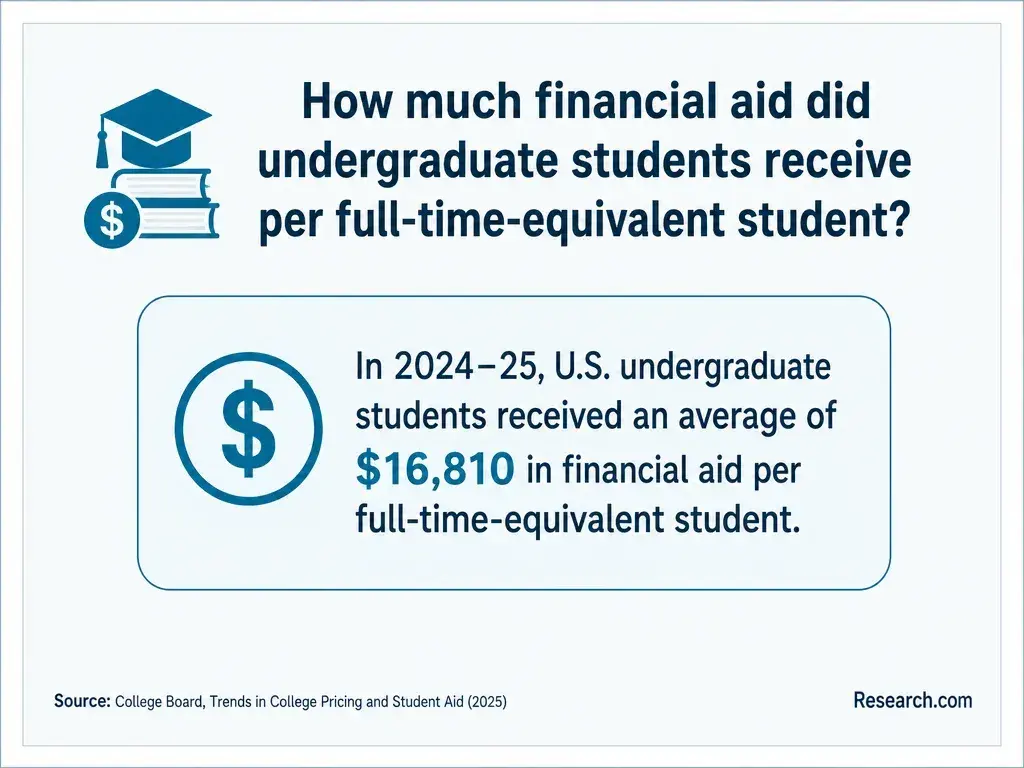
Request a school-specific aid estimate and ask whether an extra term would affect eligibility. For a broader starting comparison, see online psychology education on a budget; do not substitute a published tuition ranking for your own remaining-cost calculation.
Either BA may support applications for nonclinical positions such as intake assistant, community outreach worker, program assistant, or service coordinator, subject to the employer's requirements. An addictions focus supplies more directly relevant subject knowledge for recovery organizations; a family studies minor may better support applications to family-resource, youth-service, or caregiver-support programs. Actual duties, prior experience, and any required training matter more than the label alone.
Build evidence of readiness through approved field experience, careful documentation, referral knowledge, and respectful work with clients and families. Do not describe an intake or support placement as therapy training. A psychology BA can also be preparation for further study; comparing accelerated MS psychology options may be useful if a specific nonclinical role calls for graduate-level research or applied skills, but an MS in psychology is not automatically a clinical qualification.
There is no sound salary figure for "graduates of an addictions BA" or "graduates with a family studies minor." The U.S. Bureau of Labor Statistics reports pay and employment projections by occupation, not by undergraduate concentration. Its substance abuse, behavioral disorder, and mental health counselors category can inform research into counseling careers, but many jobs in that category require credentials beyond either BA. Using its occupation-wide median as an expected entry salary for these graduates would be misleading.
For a useful comparison, identify actual local job titles, separate positions open to bachelor's applicants from licensed roles, and compare posted pay with your remaining education cost. If a target job requires further study, include that expense in the decision; budget-friendly online psychology graduate degrees may help frame a search, but verify whether any particular program meets the target job's qualifications.
Do Psychology Graduates Need Licensure or Certification for Addiction Careers?
It depends on the work, job title, and state. Nonclinical outreach and administrative roles may not require an addiction counselor credential, although employers can require training or experience. Providing substance-use-disorder counseling under a regulated title may require specified education, supervised experience, examinations, and a state license or certification. Peer-support credentials follow different rules. Neither BA, by itself, establishes eligibility to diagnose conditions, provide psychotherapy, or practice independently.
Before enrolling, find your state regulator's requirements for the exact job title you want and ask the school, in writing, which educational requirements its program is designed to meet. Then check supervision and examination requirements separately. If a qualifying bachelor's pathway is needed, bachelor's-level substance use counseling scholarship planning can help you investigate funding without assuming that a particular award - or this psychology BA - will meet credential rules.
Other Things You Should Know About Psychology
Possibly. The school must permit the combination, and its catalog determines whether courses can count toward both sets of requirements.
Often, but the school must approve the change. Ask for a revised degree audit before switching so you can see whether completed courses still apply.
Only if the program approves the site, supervision, duties, and learning objectives. Employment alone does not establish placement credit.
Choose the route that covers the knowledge missing from your current experience. Then seek electives or supervised nonclinical work in the other area, subject to your school's rules.
- Cost of Attendance (Budget) | 2025-2026 Federal Student Aid Handbook https://fsapartners.ed.gov/knowledge-center/fsa-handbook/2025-2026/vol3/ch2-cost-attendance-budget
- Counselor Certification - DHCS - CA.gov https://www.dhcs.ca.gov/providers-partners/counselor-certification/
- CYAF: Human Development and Family Science | unl.edu https://catalog.unl.edu/undergraduate/education-human-sciences/human-development-family-science/
- Licensure & Certification | ECU https://dars.ecu.edu/programs/clinicalcounseling/licensure-certification/
- Major in Child and Family Studies | Northwest Media Center https://www.nwmissouri.edu/academics/undergraduate/majors/child-and-family-studies.htm
- Program: Addiction Studies Minor | buffalo.edu https://catalogs.buffalo.edu/preview_program.php
- Family Studies Minor | James Madison University Academic Catalog https://catalog.jmu.edu/programs/family-studies-minor/
- B.A. in Psychology | Florida International University Online https://fiuonline.fiu.edu/programs/online-undergraduate-degrees/bachelor-of-arts-in-psychology.php
- Online Psychology Bachelor's Degree | University of West Florida https://uwf.edu/programs/online/psychology-ba/
- Applied Psychology: Addictions Studies, B.S. - CPS, CPSO | University of New Hampshire https://www.unh.edu/program/bachelor-science/applied-psychology-addictions-studies