2027 Online BA in Psychology - Addictions for Case Management Assistants: What to Check Before Changing Careers
Audited and Verified:
Our Editorial and Data Verification Process
Research.com uses government datasets, official education statistics and primary institutional information to support its career and degree guides. Our review process checks factual accuracy, occupational definitions, source dates and the requirements associated with the credentials discussed.
How This Article Was Fact-Checked
Our editorial team verifies salary estimates, employment projections, education requirements and program information against original data providers and official organizations. Salary figures are checked against the relevant occupational definitions and reporting periods. Information about licensure, accreditation and required in-person training is reviewed separately.
Fact-checked and verified on:

Co-Founder and Chief Data Scientist
If you already help clients navigate referrals, appointments, and recovery services, an online psychology BA may deepen your understanding of addiction - but it may not be the fastest route to your next job. The distinction matters because employers hire for demonstrated coordination skills, while counseling credentials follow separate rules.
This guide helps case management assistants compare the degree with more direct options, identify skills worth building, and check program, cost, and credential details before changing careers.
Key Things You Should Know
- An addictions-focused psychology BA can support a move into nonclinical service coordination; it does not qualify you to diagnose or treat substance use disorders.
- Compare the curriculum with your existing case management experience: a supervised project, employer training, or state-recognized credential may address your career gap more directly.
- Before enrolling, obtain a written credit evaluation and check total cost, placement schedules, institutional accreditation, and the requirements in your target job postings.
What Is an Online BA in Psychology With an Addictions Focus?
It is an undergraduate psychology degree that combines broad study of behavior and research with coursework on substance use, prevention, or recovery. "Addictions focus" may mean an official concentration, a group of electives, or simply a program's description. Ask which designation, if any, appears on the transcript.
For a case management assistant, the value lies in connecting what you see at work - barriers to appointments, family circumstances, motivation, and service access - with evidence about behavior. A BA generally remains a broad academic degree, not a substance use counseling qualification. When selecting an online psychology bachelor's program, compare its actual addictions courses and applied opportunities rather than relying on the concentration label.
Can an Online Psychology BA Prepare You for Case Management?
Yes, it can strengthen preparation for case coordination, particularly if your current work has given you direct experience with referrals, documentation, and follow-up. Coursework can add research literacy and a better understanding of substance use and recovery. It cannot replace an employer's required experience, training, or supervision.
Match the next job's tasks to evidence you can show. For example, a role centered on coordinating housing and treatment referrals calls for knowledge of local services, respectful communication, accurate records, and clear escalation procedures. Ask whether the program offers a supervised, nonclinical project that develops a missing skill. If your goal is working in substance use recovery support, also compare peer-support training and local employer requirements before committing to a full degree.
What Accreditation Should You Check Before Choosing an Online Psychology Program?
Check the institution's current accreditation status through the accreditor and the U.S. Department of Education's recognized-accreditor information. Confirm that the degree is awarded by that institution and that the accreditation covers your enrollment period. Institutional accreditation matters for credit recognition and federal aid eligibility, but it does not establish that an addictions concentration meets a state counseling board's rules.
The American Psychological Association does not accredit general psychology bachelor's programs. If your longer-term goal is licensed counseling, evaluate the eventual qualifying graduate program separately; clinical mental health counseling course pace and accreditation are different questions from whether a psychology BA is institutionally accredited.
Potential nonclinical directions include case coordinator, intake coordinator, community outreach worker, and behavioral-health program assistant. Employers set their own degree and experience requirements; some may accept relevant work experience without a psychology BA. Your existing case management work may be a stronger qualification than the concentration name alone.
The following distinctions help you screen postings before applying. Read duties as carefully as titles, especially where "counselor" or "case manager" can mean different things across organizations.
| Target work | What to verify in the posting |
| Intake or service coordination | Degree preference, documentation systems, referral duties, and supervision |
| Recovery or peer support | Lived-experience criteria, state-recognized training, and permitted duties |
| Substance use counseling | State credential, qualifying education, supervised hours, and examination requirements |
If the work you want is primarily in courts or corrections rather than addiction services, compare those postings before considering accelerated undergraduate forensic psychology study. Neither concentration grants investigative or clinical authority.
Expect a psychology foundation that may include developmental and social psychology, statistics, and research methods. Relevant electives may address substance use, health behavior, community psychology, or mental health systems. Catalogs vary: a course about addiction treatment teaches concepts, not permission to deliver treatment.
Look for assignments that build on your work, such as evaluating evidence behind a prevention program or mapping a referral process using information you are authorized to use. If you already have a bachelor's degree, compare the missing skills with targeted courses before starting another undergraduate degree; faster pathways through graduate psychology coursework may be worth examining for a nonclinical academic goal, but a general psychology master's is not a counseling license.
Schools commonly request prior transcripts and proof of secondary-school completion or previous college study, but admission rules differ. Transfer admission to a university is also distinct from having particular credits applied to the psychology major. Request a degree audit showing which prior courses satisfy general education, statistics, research methods, electives, and any residency requirement.
If you already hold a bachelor's degree and ultimately want to provide therapy, ask qualifying graduate programs whether your existing coursework meets their prerequisites before pursuing a second BA. Comparing online mental health counseling master's timelines can help frame that alternative, but confirm each program's admissions and state-eligibility rules directly.
A bachelor's degree typically represents about four years of full-time undergraduate study, but your remaining time depends on accepted credits, how they apply to requirements, course availability, and the pace you can sustain while working. Online classes may still require live meetings, group work, or placements during agency hours.
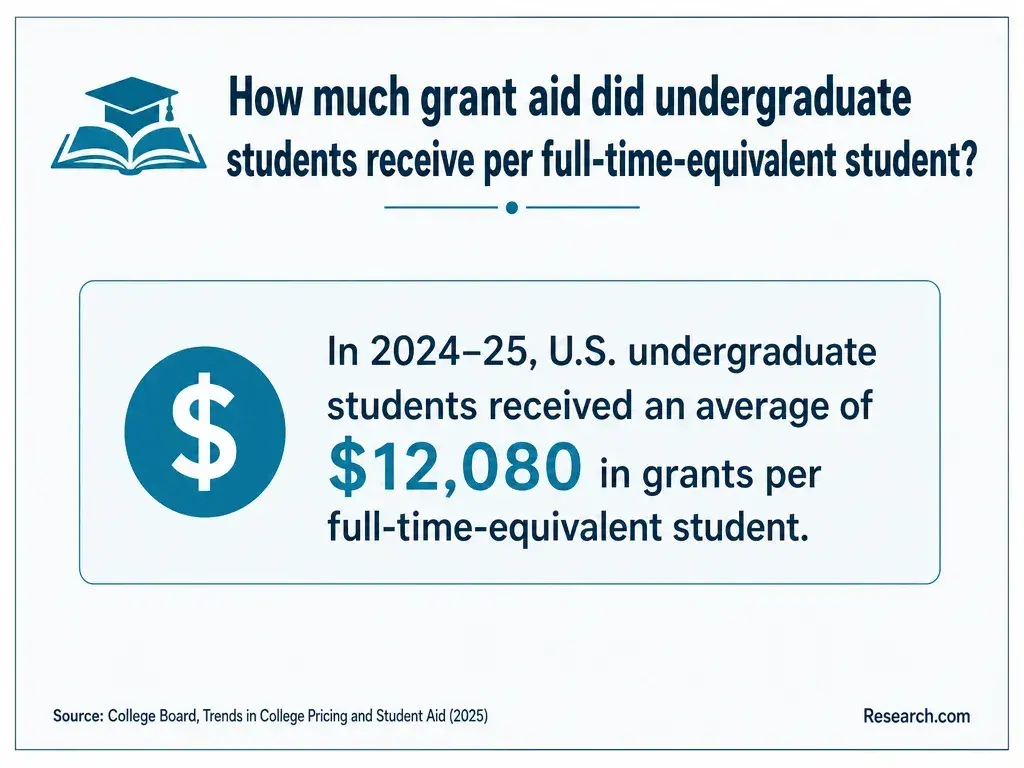
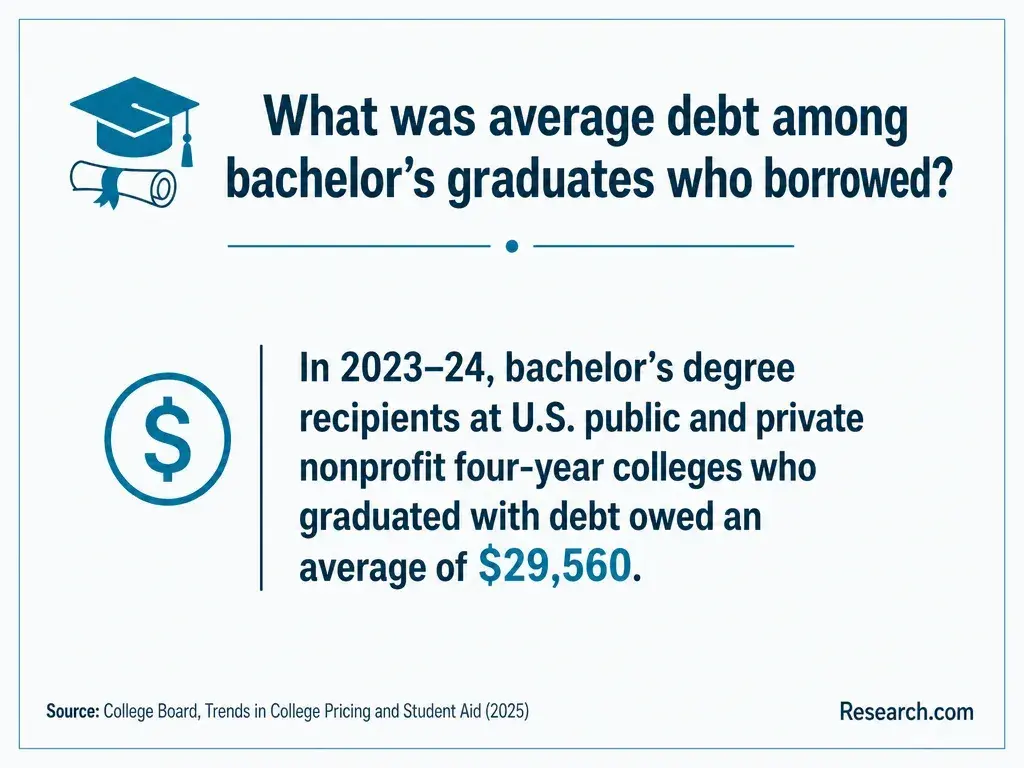
Compare an itemized estimate of remaining tuition, mandatory fees, materials, and any placement-related travel with the cost of delaying or reducing paid work. Do not assume a transfer-credit estimate is final until the school evaluates your records. If a counseling-focused bachelor's is a closer match to your target credential, planning affordable bachelor's-level substance abuse counseling study is a useful separate comparison; verify whether that curriculum actually satisfies your state's rules.
A nonclinical case management assistant position does not necessarily require a professional license. Requirements depend on the employer, job duties, setting, and state. Peer-support and addiction-counselor credentials are separate pathways with their own eligibility rules; a psychology BA with addictions electives does not automatically fulfill them.
Before choosing a degree, identify the precise job title and state where you intend to work. Check the responsible state board or certifying body for required education, supervised experience, examinations, and permitted duties. If your goal is independent counseling rather than coordination, factor qualifying graduate training into the decision - including paying for an online mental health counseling degree - instead of treating the BA as the final credential.
There is no single salary for graduates of an addictions-focused psychology BA. The U.S. Bureau of Labor Statistics reported a May 2024 median annual wage of $45,120 for social and human service assistants, an occupation that can include support and coordination work. That occupation-wide median is not a starting offer, a case management assistant pay rate, or an outcome for graduates of a particular program.
For a career-change decision, compare pay ranges in local postings that match your intended duties and credentials, then weigh any likely increase against remaining education costs. A graduate degree may expand some options but also adds expense; comparing affordable graduate psychology programs makes sense only if the specific jobs you want value that nonclinical degree.
How Should You Compare Online Psychology Programs Before Enrolling?
Start with the position you want next, not the program's marketing description. Collect a few relevant postings and mark which qualifications you already have through case management work, which require formal education, and which require a separate credential.
Then request comparable written answers from each school. These checks expose costs and scheduling conflicts that a course list alone will miss:
- Ask for a degree audit and a term-by-term plan showing remaining requirements and when needed courses run.
- Confirm whether the addictions focus is formally recorded and whether applied work has approved supervisors, sites, and hours compatible with your job.
- Obtain the full cost estimate and ask whether your employer offers education assistance; compare aid options, including guidance on paying for a substance abuse counseling bachelor's degree.
- Check the target employer's requirements and the relevant state credential rules before treating any course or concentration as qualifying preparation.
Choose the BA if its remaining coursework fills a documented gap and its schedule and cost are workable. If you already meet the hiring requirements, targeted training or a supervised move into greater responsibility may be the better first step.
Other Things You Should Know About Psychology
Do not use identifiable client information without the required employer and instructor approvals. Ask for a public, fictional, or appropriately authorized alternative; removing names alone may not protect confidentiality.
Describe specific, permitted work - such as coordinating referrals, maintaining records, or communicating with partner agencies - without implying that you provided counseling or made diagnoses.
Yes. Ask whether assistance covers your proposed degree, what grades or continued employment it requires, and whether it applies to part-time study. Get the policy in writing before including it in your budget.
Ask the school about part-time enrollment, course rotation, leave policies, and financial-aid effects. A program's online format alone does not guarantee that required courses or applied experiences will fit a changing shift.
- Cost of Attendance (Budget) | 2026-2027 Federal Student Aid Handbook https://fsapartners.ed.gov/knowledge-center/fsa-handbook/2026-2027/vol3/ch2-cost-attendance-budget
- Accreditation in the U.S. | ed.gov http://www.ed.gov/laws-and-policy/higher-education-laws-and-policy/college-accreditation/accreditation-in-the-us
- STATE LICENSURE FOR SUBSTANCE USE DISORDER COUNSELING: IMPLICATIONS FOR BILLING ELIGIBILITY | ASPE https://aspe.hhs.gov/reports/state-licensure-substance-use-disorder-counseling-implications-billing-eligibility-0
- Understanding the Graduate-Level Addiction Counselor Workforce - PMC https://pmc.ncbi.nlm.nih.gov/articles/PMC12576091/
- Recruitment and Employment of People in Recovery | dol.gov https://www.dol.gov/agencies/eta/RRW-hub/Getting-started/Recruitment-employment
- 2 Applying Case Management to Substance Abuse Treatment | nih.gov https://www.ncbi.nlm.nih.gov/books/NBK571728/
- Psychology careers guide | apa.org https://www.apa.org/education-career/guide/careers
- 4.1.18 Credit Earned through Transfer, Examination, and Prior Learning | Illinois State https://policy.illinoisstate.edu/academic/4-1-18/
- How Do Transfer Credits Work When You Go Back to School? | Whitworth Online https://online.whitworth.edu/news-articles/how-do-transfer-credits-work-when-you-go-back-to-school/
- Psychology Case Manager Salary and Career Profile | Florida Tech https://online.fit.edu/degrees/undergraduate/applied-psychology/psychology-case-manager-salary-and-career-profile/