
2027 Online BA in Psychology - Addictions: How to Use Lived Experience in a Degree Application
Audited and Verified:
Our Editorial and Data Verification Process
Research.com uses government datasets, official education statistics and primary institutional information to support its career and degree guides. Our review process checks factual accuracy, occupational definitions, source dates and the requirements associated with the credentials discussed.
How This Article Was Fact-Checked
Our editorial team verifies salary estimates, employment projections, education requirements and program information against original data providers and official organizations. Salary figures are checked against the relevant occupational definitions and reporting periods. Information about licensure, accreditation and required in-person training is reviewed separately.
Fact-checked and verified on:

Co-Founder and Chief Data Scientist
Lived experience with substance use, recovery, or supporting someone else can give your application a meaningful perspective. It does not, however, replace academic preparation, and you should not have to reveal private details to prove your commitment.
This guide is for applicants considering an online BA in psychology with an addictions focus. It explains how to write about experience with purpose and boundaries, what admissions offices may require, and how to judge whether the degree fits your education and career goals.
Key Things You Should Know
- Use lived experience to explain what you learned and why you want to study addiction; disclose only details you are comfortable sharing.
- Pair your perspective with evidence of academic readiness, such as coursework, work responsibilities, volunteering, or a plan to strengthen study skills.
- Verify the program's requirements and outcomes before applying: an addictions-focused psychology BA is not, by itself, a counseling license.
What Is an Online BA in Psychology With an Addictions Focus?
It is a bachelor of arts in psychology that includes substantial study of substance use, addiction, prevention, or recovery. The focus might be an officially designated concentration, a track, or simply a set of electives. Check what the school will actually record on your transcript rather than relying on the program's promotional name.
Psychology courses typically provide a broader foundation in behavior and research than a degree designed specifically around substance use services. If your goal is a state-regulated counseling credential, evaluating online addiction counseling programs may be more useful than choosing a psychology BA solely for its addictions electives. Neither program title establishes licensure eligibility; the relevant state authority does.
How Can Lived Experience Strengthen an Addictions Degree Application?
Make your experience evidence of perspective and preparation, not a request for admission based on hardship. You might explain how helping a family member navigate referrals led you to ask why services are difficult to access, then connect that question to an interest in psychology research or community-based support.
Someone with personal recovery experience might instead discuss the value of careful, nonstigmatizing communication. Neither applicant needs to recount symptoms, treatment records, or another person's private history.
A useful statement moves from experience to an academic goal. The following sequence can help you draft one without oversharing:
- Name the experience at a level of detail you choose, such as community recovery work or supporting a loved one.
- Identify a specific insight or question it raised, without claiming that your experience represents everyone's.
- Show readiness through a concrete example of study, employment, service, or responsible follow-through.
- Connect that preparation to the program's actual courses or opportunities and your next goal.
Keep the distinction between personal insight and professional authority clear. Recovery experience can inform peer support or outreach, but it does not establish competence to diagnose or counsel others. If employment is your aim, an addiction recovery employment guide can help you identify which roles value lived experience and which require separate credentials.
What Are the Admission Requirements for an Online Psychology Degree?
Requirements vary by school and by whether you are applying as a first-year or transfer student. Common materials include an application, prior transcripts, and sometimes a personal statement. A program may also set a GPA threshold or require particular preparation. Lived experience is generally context for an application, not a substitute for a stated admission requirement.
Read the prompt before drafting your statement. If it asks about academic goals, address those directly; if it invites discussion of obstacles, decide whether disclosure helps explain your record. Applicants with gaps or uneven grades can briefly describe what changed and point to recent coursework or reliable work habits. Ask admissions staff whether a separate essay, interview, or transfer evaluation is available rather than assuming the personal statement must do everything.
Admission to a BA is also distinct from admission to a later professional degree. If you intend to pursue counseling, review graduate prerequisites early; choosing a shorter clinical mental health counseling master's will still require you to verify its admission and licensure-related requirements.
First, verify the university's institutional accreditation through the accreditor and the school's published information. Then inspect the catalog for the exact BA name, addictions requirements, transfer rules, course availability, and any fieldwork or campus visits. Institutional accreditation matters, but it does not certify that a psychology BA prepares graduates for addiction counseling licensure; APA accreditation should not be assumed to apply to an undergraduate major.
Ask an advisor for a degree audit showing where existing credits would count. A course can transfer as elective credit without satisfying psychology statistics, research methods, or concentration requirements. For an online program, also ask whether classes are asynchronous, whether live meetings are scheduled, and whether a placement requires an approved local site.
Choose according to your intended work, not a concentration label alone. If your interests have shifted toward a different specialty, comparing costs across forensic psychology degree routes illustrates why program-level requirements and outcomes need separate scrutiny; a forensic route is not a substitute for addictions preparation.
Expect to check for foundational psychology, statistics, research methods, and courses addressing development, social behavior, or psychological disorders. Addictions-focused options may cover substance use, prevention, recovery systems, or behavioral health. Catalogs differ, and a course about treatment is academic study - not authorization to provide treatment.
For an applicant drawing on lived experience, methods training is particularly valuable. It helps you test whether an observation applies beyond your own circumstances, evaluate evidence, and avoid treating one recovery pathway as universal.
If you are comparing specialties, check the curriculum rather than the advertised pace: evaluating faster-paced forensic psychology master's degrees involves different graduate-level content and should not drive the choice of undergraduate addictions courses.
A bachelor's degree commonly requires about 120 semester credits, but your remaining time depends on the school's requirements, accepted credits, course sequence, and enrollment pace. Online delivery does not automatically shorten the degree. Statistics may need to precede research methods, and an addictions course offered infrequently could delay completion.
Request a term-by-term plan before committing, particularly if work, caregiving, or recovery commitments limit your weekly availability. Ask which required courses have live sessions and whether part-time study changes access to financial aid. If speed is your main criterion, do not compare a bachelor's timeline with short-format forensic psychology graduate program choices: those programs serve applicants who have already completed an undergraduate degree.
There is no reliable single price for this degree. Calculate the cost using the tuition charged to you, credits still required, mandatory fees, books, and any travel or unpaid placement costs. A transfer-credit estimate can change substantially when the registrar determines which credits satisfy degree requirements.
Compare written cost estimates alongside federal aid eligibility and any confirmed employer assistance; avoid assuming that a lower per-credit price means a lower total bill. If your longer-term plan includes a licensure-oriented master's, budget for that separately. A guide to mental health counseling tuition fees and financial aid can help frame that later expense, but its figures should not be treated as BA pricing.
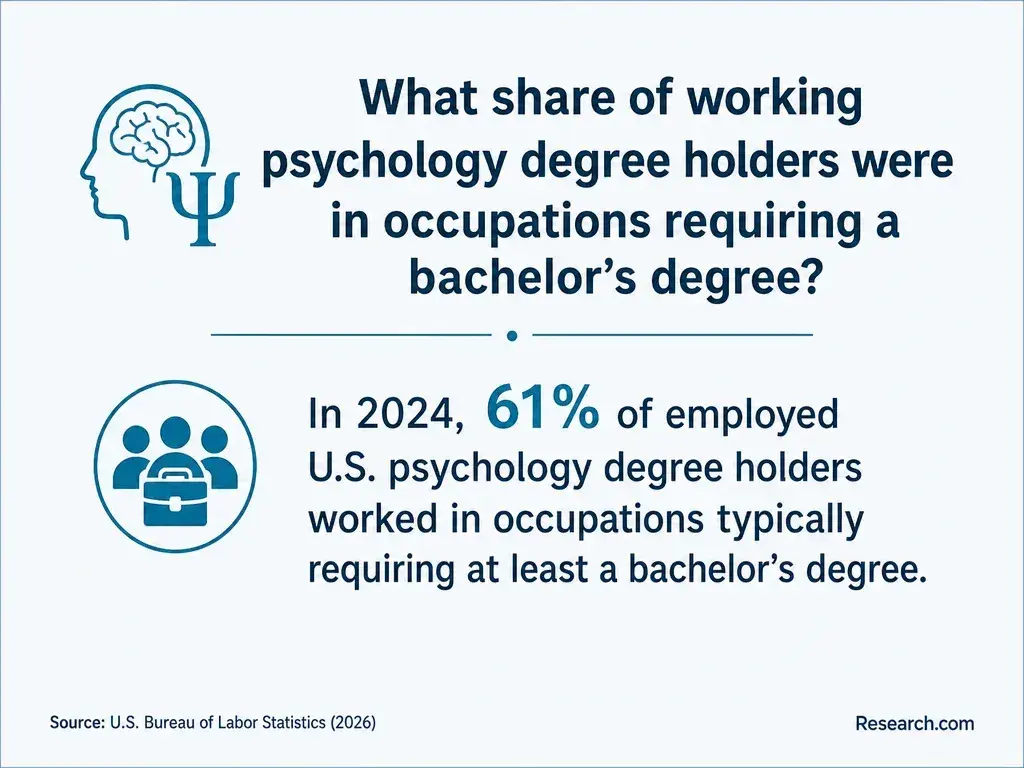
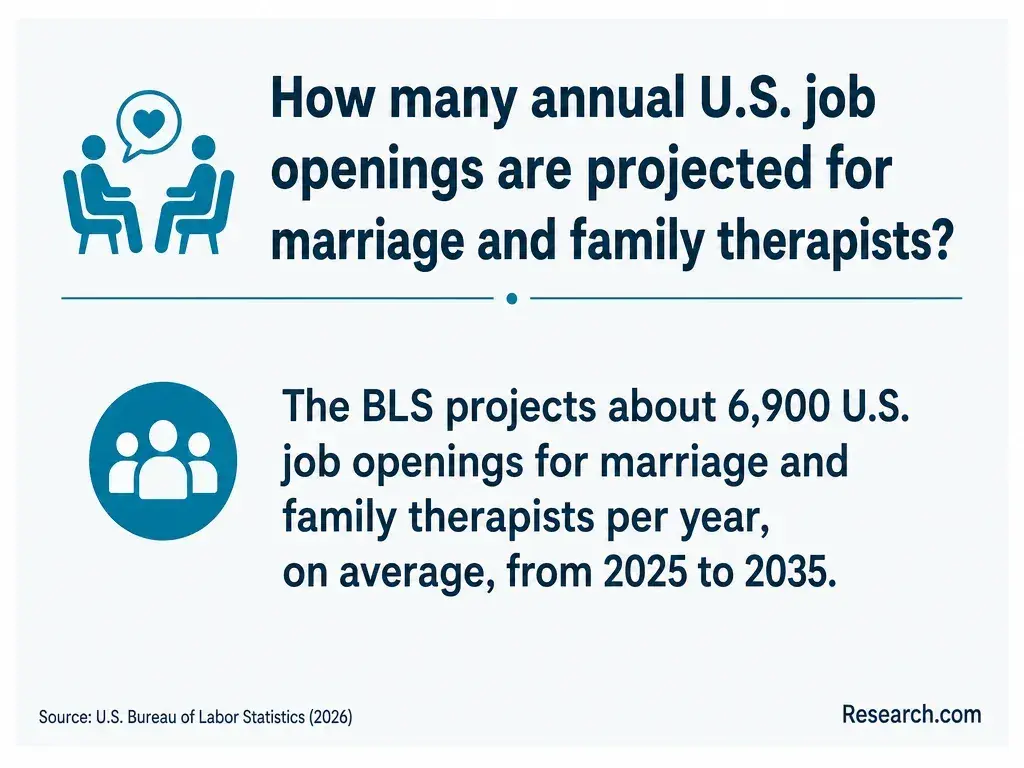
Depending on employer and state requirements, graduates may seek nonclinical roles in outreach, program coordination, intake support, referrals, or research assistance. Applicants who already have peer-support, nonprofit, or community-service experience may be able to pair it with stronger research, documentation, and communication skills. A BA alone does not establish eligibility for a protected title or permission to provide therapy.
Before choosing the degree for a particular job, compare current local postings for required credentials, experience, and duties. If substance use counseling is the specific target, substance use counseling undergraduate tuition versus salary outlook offers a separate degree comparison; still confirm the credential rules with the state where you hope to work.
No salary figure applies to everyone with this BA. Pay depends on the occupation, employer, location, experience, and any credential the position requires. Even an authoritative occupational median describes workers in a defined job category - not the earnings of graduates from one psychology program.
For a useful estimate, identify two or three jobs you could actually qualify for, then compare local postings and the Bureau of Labor Statistics occupation descriptions. Do not use counselor wages if you are not eligible for counselor positions. The same caution applies when comparing forensic psychology master's career earnings: specialization names and occupational pay data are not interchangeable.
Does an Addictions Psychology BA Qualify You for Counseling Licensure?
No - not by itself. An addictions-focused psychology BA provides academic preparation, but counseling licensure or substance use counselor certification depends on the jurisdiction and credential. Requirements may include specified coursework, supervised experience, examinations, and, for some counseling licenses, a qualifying graduate degree.
Before enrolling, identify the exact credential and state you are targeting. Ask the relevant board or certifying authority whether the proposed BA satisfies any educational requirement, and obtain the program's written description of its intended pathway.
If your goal is independent mental health counseling, compare qualifying graduate options and their full training commitments; clinical mental health master's tuition and career value is a different decision from choosing an undergraduate addictions focus.
Other Things You Should Know About Psychology
No. You can discuss your academic interests, service experience, or career goals without sharing a recovery history. Follow any separate, specifically required disclosures in the application truthfully.
If the program accepts professional references, a supervisor who can describe your reliability, boundaries, and learning may be useful. Check whether an academic reference is required.
Usually not. You can describe how supporting someone shaped your interests without identifying them or revealing their health information.
Yes. Contact the school's disability services office about its process and available accommodations. You generally do not need to explain a diagnosis in your admissions essay to start that conversation.
- Ethical Issues in Treating Substance Use Disorders - PMC - NIH https://pmc.ncbi.nlm.nih.gov/articles/PMC11868449/
- Summary of the HIPAA Privacy Rule | hhs.gov https://www.hhs.gov/hipaa/for-professionals/privacy/laws-regulations/index.html
- California Consumer Privacy Act (CCPA) | State of California https://oag.ca.gov/privacy/ccpa
- Overview of the Privacy Act: Disclosures to Third Parties | justice.gov https://www.justice.gov/opcl/overview-privacy-act-1974-2020-edition/disclosures-third-parties
- ETHICS AND BOUNDARIES AS A RECOVERY COACH | georgia.gov https://cacj.georgia.gov/document/document/d04-ethics-and-boundaries-recovery-coachpdf/download
- Online Bachelor's Degree in Psychology in Addictions | Purdue Global https://www.purdueglobal.edu/degree-programs/psychology/bachelor-psychology-addictions/
- Comprehensive Admissions Review Criteria - Graduate School https://graduateschool.colostate.edu/comprehensive-admissions-review-criteria/
- Applied Psychology: Addictions Studies, B.S. - CPS, CPSO | University of New Hampshire https://www.unh.edu/program/bachelor-science/applied-psychology-addictions-studies
- Writing Statements of Purpose and Other Application Essays | ucsd.edu https://psychology.ucsd.edu/undergraduate-program/undergraduate-resources/graduate-career-resources/applying-grad-school/application-essays.html
- What do graduate programs look for in clinical applicants? | apa.org https://www.apa.org/gradpsych/2007/11/cover-gradprograms


