2027 Online BA in Psychology - Addictions for Patient Access Representatives: Choosing a Program Without Leaving Your Job
Audited and Verified:
Our Editorial and Data Verification Process
Research.com uses government datasets, official education statistics and primary institutional information to support its career and degree guides. Our review process checks factual accuracy, occupational definitions, source dates and the requirements associated with the credentials discussed.
How This Article Was Fact-Checked
Our editorial team verifies salary estimates, employment projections, education requirements and program information against original data providers and official organizations. Salary figures are checked against the relevant occupational definitions and reporting periods. Information about licensure, accreditation and required in-person training is reviewed separately.
Fact-checked and verified on:

Co-Founder and Chief Data Scientist
Patient access representatives already handle sensitive conversations, referrals, insurance questions, and barriers to care. An online psychology BA with an addictions focus could deepen that work or support a move into behavioral-health services, but only if its schedule fits your job and its outcomes match your goal.
This guide explains what the degree adds, how to compare programs without overlooking hidden time and cost commitments, and when employer training or a different credential may be the more direct choice.
Key Things You Should Know
- An addictions-focused psychology BA can strengthen nonclinical intake, referral, and communication skills; it does not qualify you to diagnose or provide addiction counseling.
- Before enrolling, compare a written degree audit, total remaining cost, required live sessions, and any placement hours against your actual work schedule.
- If your goal is advancement within patient access, ask your employer whether a bachelor's degree is required; targeted training may be faster and less expensive.
What is an online BA in psychology with an addictions focus?
It is a bachelor of arts degree in psychology that pairs general study of behavior and psychological research with coursework on substance use, prevention, recovery, or service systems.
The addictions component might be a formally recorded concentration, a minor, or simply a set of electives. Those distinctions affect what appears on your transcript, so confirm the exact credential rather than relying on a program's description.
For a patient access representative, the value is a better understanding of behavior and barriers to treatment, not a new clinical scope of practice. When comparing addiction psychology undergraduate degree selection, look for coursework that connects psychological science to respectful communication, evidence appraisal, and recovery-oriented services.
Can an addictions-focused psychology degree prepare you for patient access work?
Patient access work commonly involves registration, scheduling, coverage verification, documentation, and directing patients to appropriate staff. Psychology coursework can help you understand why someone may miss an appointment, hesitate to discuss substance use, or need an accessible referral. It does not authorize you to assess whether that person has a substance use disorder.
Compare the degree with your intended next role. If you want to move into behavioral-health intake or service coordination, seek courses and supervised nonclinical experiences involving referral systems, confidentiality, and communication.
If you want to provide treatment, investigate academic routes into addiction counseling and the credential rules in the state where you intend to work. If you mainly want a patient access promotion, first check whether your employer values a degree, revenue-cycle experience, or role-specific training more.
How do you choose an accredited online psychology bachelor's program?
Start by confirming that the institution holds recognized institutional accreditation and that the exact online degree and addictions coursework are available to you. Do not look for APA accreditation as a requirement for a general psychology BA; APA accreditation applies to specified professional psychology training, not ordinary bachelor's majors.
The comparison below separates claims that can sound similar in advertising but lead to different choices for an employed student.
| Program feature | What to confirm | Why it matters |
| Online delivery | Live meetings, exams, campus visits, and group-work times | "Online" does not necessarily mean asynchronous. |
| Addictions focus | Formal concentration, minor, or electives; course availability | The advertised focus may not be a transcripted credential. |
| Applied learning | Whether a placement is required, who finds the site, and whether your job could qualify | A daytime placement may conflict with full-time work. |
| Student support | Advising, tutoring, library access, and career services for online students | Support affects your ability to finish, not just enroll. |
Use undergraduate psychology degree program choices to build a shortlist, then obtain current policies from each school. Institutional accreditation alone does not verify flexible scheduling, transfer equivalencies, or eligibility for a professional credential.
Expect a psychology foundation that may include introductory psychology, development, social behavior, abnormal psychology, statistics, and research methods. Addictions-related offerings may examine substance use across the lifespan, behavioral and biological influences, prevention, recovery systems, and ethics. Titles and requirements vary; ask for the catalog that will govern your entry term.
For patient access, methods and statistics matter alongside addictions content: they help you assess claims about treatment access or outcomes without mistaking an association for proof of cause. Courses on counseling theories or assessment teach academic concepts; they do not grant permission to counsel or administer restricted clinical tests.
If you are also considering justice-system intake, comparing forensic psychology curricula and career fit can clarify a different specialization. Choose it for relevant work and coursework, not because "forensic" or "addictions" sounds like a professional qualification.
Schools commonly distinguish first-time applicants from transfer or returning students. They may request prior transcripts and have separate rules for admission, entry to the major, and application of prior coursework. An accepted course might count as an elective without satisfying psychology statistics, research methods, or general education.
As a working applicant, request a written degree audit before committing. Ask which prior credits satisfy specific requirements, which courses must be taken at the institution, and whether required classes are offered at a pace you can sustain.
If an accelerated option appeals to you, compare the audit, not just the advertised completion time. Even faster online forensic psychology degree completion is only a useful benchmark if that different curriculum meets your goal and your credits apply as expected.
There is no dependable personal timeline or price without a school-specific audit. Remaining requirements, transfer decisions, course sequencing, enrollment pace, and possible placement obligations determine how long you will study. Taking fewer courses may protect your income and job performance while extending the time you pay recurring fees.
Compare the cost to finish, not just advertised tuition. Include remaining credits, mandatory fees, books or software, possible travel, and any unpaid time needed for applied learning. Confirm how your course load affects aid eligibility and whether employer tuition assistance has grade, approval, or repayment conditions.
An online psychology tuition comparison guide can help you identify candidates, but each school must supply the charges and credit evaluation for your circumstances.
The deciding factor is control over when work must be done, not whether lectures are delivered online. An asynchronous course can still impose weekly deadlines; a research project, group assignment, proctored exam, or placement may require fixed hours.
Before enrolling, map a proposed course schedule against your busiest registration shifts and commuting or caregiving obligations. Ask an advisor about live attendance, placement scheduling, course rotations, reduced-load options, and leave or reentry rules.
Accelerated psychology study for returning students may reduce elapsed time, but a heavier weekly load can be a poor trade if it threatens your employment or grades. Starting at a sustainable pace is often the better test of fit.
Your existing health-system experience may make behavioral-health access, intake coordination, scheduling leadership, or referral-support roles more realistic near-term moves than a complete career change.
Depending on employer requirements, other possibilities include nonclinical community outreach, recovery-program administration, and research or program support. Hiring decisions still depend on demonstrated skills, local openings, and sometimes additional credentials.
Build evidence for the role you want: accurate documentation, respectful communication, familiarity with referral pathways, and, where authorized, participation in a supervised nonclinical improvement project. Do not use patient information for a class project without employer permission and applicable privacy review.
A different specialization or degree should serve a clearly different destination. For example, shorter master's study plans in forensic psychology concern advanced study in legal contexts, not a direct qualification for addiction treatment or a necessary next step for patient access advancement.
There is no single salary or employment-growth figure for graduates of an addictions-focused psychology BA. Patient access jobs are classified by their actual duties, and the U.S. Bureau of Labor Statistics reports occupation-wide figures rather than outcomes for a particular major.
Its medical secretary and administrative assistant information may be a starting point for some access roles; other intake or community-service jobs may fall under different occupations.
For a useful comparison, identify the job title and duties you are targeting, review the latest Bureau of Labor Statistics wage and projection period for the matching occupation, and compare local postings with your employer's pay bands.
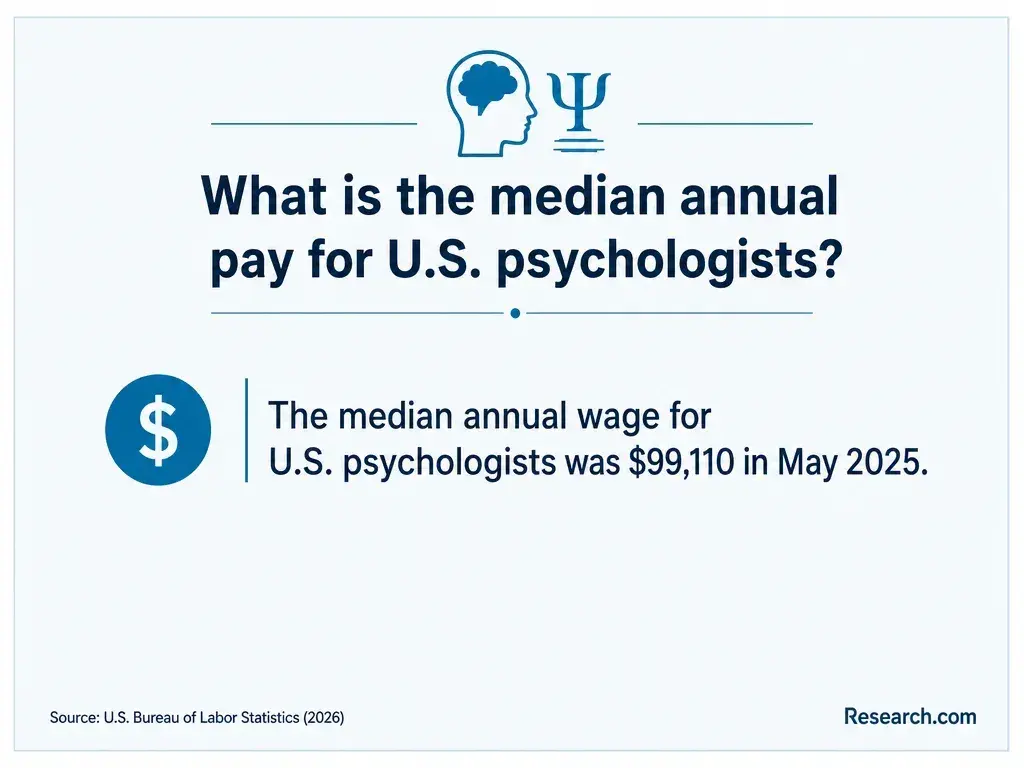
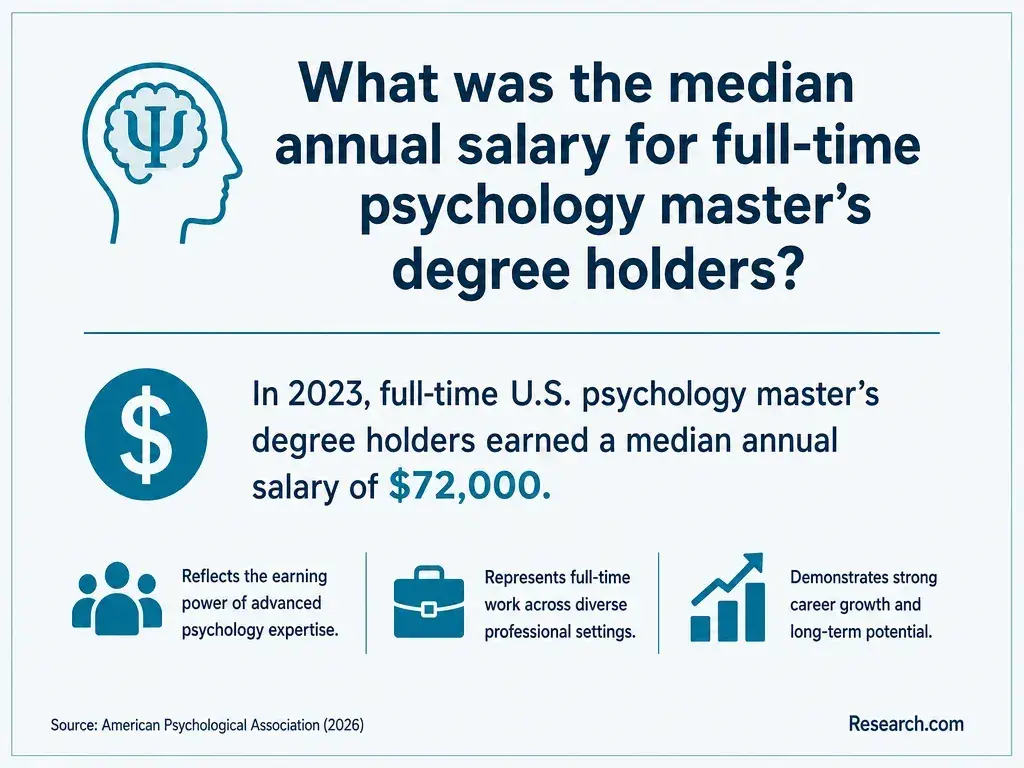
An occupation's median wage is not a promised post-degree raise. If advancement would require graduate study, factor in its additional cost; psychology master's fees and total study costs are a separate decision, not an automatic return on this BA.
Do psychology graduates need licenses or certifications to work in addictions care?
It depends on the duties and state. Administrative patient access and many nonclinical support tasks do not require a psychology license, although employers may require training and background checks. Substance use disorder counseling, psychotherapy, diagnosis, and other regulated activities have different rules. A psychology BA or addictions concentration alone does not authorize them.
Read the actual job description, then check the relevant state board or certifying body for education, supervised experience, examinations, and permitted duties. Peer-support credentials and addiction counselor credentials are not interchangeable.
If your goal is licensed counseling rather than access or support work, examine a qualifying professional pathway, including choosing an accredited accelerated clinical counseling pathway, against the rules of your intended state before paying for either degree.
Other Things You Should Know About Psychology Programs
Possibly, if the program approves the project and your employer approves the work and information used. Employment alone does not satisfy an academic requirement.
Do not assume so. Follow employer privacy rules and course guidance, and use approved hypothetical or public examples when permission to use workplace information has not been granted.
Read the benefit agreement before enrolling. Reimbursement may depend on advance approval, grades, continued employment, or repayment after departure.
It can provide undergraduate preparation, but each graduate program sets its own prerequisites. Keep course descriptions and check the specific program's methods, statistics, and other entry requirements.
- Cost of Attendance (Budget) | 2025-2026 Federal Student Aid Handbook https://fsapartners.ed.gov/knowledge-center/fsa-handbook/2025-2026/vol3/ch2-cost-attendance-budget
- Types of Financial Aid: Grants, Work-Study, and Loans | studentaid.gov https://studentaid.gov/understand-aid/types
- Treatment of Substance Use Disorders | cdc.gov https://www.cdc.gov/overdose-prevention/treatment/index.html
- Colorado Transfer https://cdhe.colorado.gov/students/attending-college/colorado-transfer
- Accreditation in the U.S. | ed.gov http://www.ed.gov/laws-and-policy/higher-education-laws-and-policy/college-accreditation/accreditation-in-the-us
- Barriers and Facilitators to Substance Use Disorder Treatment | nih.gov https://pmc.ncbi.nlm.nih.gov/articles/PMC9434658/
- Curricular Elements in Substance Use Disorders Training | samhsa.gov https://www.samhsa.gov/substance-use/treatment/resources/mat-act/training-requirements/curricular-elements-training
- What is Asynchronous Learning? | snhu.edu https://www.snhu.edu/online-degrees/classes/asynchronous/learning
- Programmatic accreditation - Division of Academic Affairs https://provost.wayne.edu/accreditation/programmatic-accreditation
- What are Asynchronous Classes? | University of Bridgeport https://www.bridgeport.edu/news/what-are-asynchronous-classes/