2027 Online MS in Psychology - Forensic Psychology for After-School Program Coordinators: Compare Prerequisites, Workload, and Career Fit
Audited and Verified:
Our Editorial and Data Verification Process
Research.com uses government datasets, official education statistics and primary institutional information to support its career and degree guides. Our review process checks factual accuracy, occupational definitions, source dates and the requirements associated with the credentials discussed.
How This Article Was Fact-Checked
Our editorial team verifies salary estimates, employment projections, education requirements and program information against original data providers and official organizations. Salary figures are checked against the relevant occupational definitions and reporting periods. Information about licensure, accreditation and required in-person training is reviewed separately.
Fact-checked and verified on:

Co-Founder and Chief Data Scientist
After-school program coordinators already manage youth support, family communication, staff, and community referrals. An online MS in forensic psychology may deepen that work - or prepare a move into victim services or justice-related programs - but its value depends on the job you want next. This guide compares admissions preparation, coursework, scheduling, costs, and realistic career outcomes. It also separates nonclinical opportunities from licensed practice, so you can decide whether a forensic psychology master's, a different qualification, or targeted training is the better investment.
Key Things You Should Know
- A forensic psychology MS can support youth-justice, victim-services, and program-evaluation work, but it does not itself qualify you to practice as a forensic psychologist.
- Schools set their own rules; a non-psychology bachelor's may be acceptable, while statistics, research methods, or introductory psychology may need attention.
- As a planning benchmark, a conventional three-credit course represents roughly nine hours of academic work per week; accelerated courses and applied projects may concentrate that work into fewer weeks.
What Is an Online MS in Forensic Psychology for After-School Coordinators?
An online MS in forensic psychology is graduate study of psychological science in legal and justice-related contexts. Depending on the program, students may examine adolescent development, trauma, eyewitness evidence, research methods, ethics, and the systems serving victims or justice-involved people. "Forensic" describes the subject matter, not permission to investigate crimes, conduct court evaluations, or provide therapy.
For a coordinator, the strongest connection is often organizational: improving referral practices, communicating with families and partner agencies, evaluating prevention programs, or preparing for nonclinical work in youth-justice services. Compare the actual graduate curriculum with broader distance learning psychology degree options; a program's name alone will not reveal its methods training or applied opportunities.
If your goal is simply to become more effective in your current after-school role, employer training in safeguarding, trauma-responsive practice, or program evaluation may be more direct and less costly than a master's.
What Careers Can After-School Program Coordinators Pursue With This Degree?
Your experience coordinating staff, documenting incidents, communicating with caregivers, and maintaining community partnerships is relevant to several nonclinical roles. The master's is most useful when it adds a skill an employer actually requests - such as evaluation, research interpretation, or justice-system knowledge - rather than duplicating experience you already have.
The comparison below separates plausible transitions from roles requiring additional qualifications. Job titles and minimum requirements vary by employer and jurisdiction.
| Target role | Relevant coordinator experience | Likely gap to check |
| Youth-justice program coordinator | Youth engagement, family communication, program operations | Agency procedures, court partnerships, and population-specific experience |
| Victim-services advocate or coordinator | Referrals, documentation, sensitive communication | Employer training in victim rights, crisis protocols, and confidentiality |
| Community program evaluator | Attendance tracking and program reporting | Statistics, evaluation design, and responsible data handling |
| Forensic psychologist or independent evaluator | Transferable experience may inform later practice | Qualifying doctoral training, licensure, and specialized supervised preparation |
If you are considering services for people affected by substance use, compare the required credentials and duties before treating a forensic MS as the default route. The range of roles in community recovery organizations illustrates why support work, counseling, and program management should not be treated as one career path.
Does an Online Forensic Psychology Master's Lead to Professional Licensure?
Not by virtue of being an MS in forensic psychology. Independent psychological assessment and use of the licensed psychologist title generally require a qualifying doctoral pathway and state licensure. A forensic-focused course, research project, or agency placement does not replace those requirements.
Other regulated goals have different rules. If you want to deliver psychotherapy, compare the educational and supervised-practice requirements for counseling, social work, or another license in the state where you intend to work.
If you want a substance-use counseling role, check that state's specific credential rules; even bachelor's study in addiction psychology online should not be mistaken for automatic counseling authorization.
Before enrolling, name the exact job and jurisdiction, then ask the relevant licensing board whether the specific program meets any educational requirement. Get that answer independently of a school's description of possible careers.
Requirements differ by institution. Expect to verify the acceptable bachelor's degree, any minimum GPA, required coursework, application materials, and whether missing courses can be completed before or after admission. Coordinators with degrees in education, criminal justice, human services, or another field should not assume their major rules them out.
The most important distinction is between a formal prerequisite and preparation that makes graduate work more manageable. Psychology foundations help with theory; statistics and research methods help you judge evidence about youth programs and justice settings. Work with minors demonstrates professional experience, but it does not automatically substitute for an academic prerequisite.
Send admissions staff your transcript and course descriptions, and request a written answer about equivalencies or waivers before paying an application fee. If you do not yet hold a bachelor's degree, compare completion requirements first; fast-track bachelor's study in forensic psychology is a separate decision from graduate admission, and advertised speed does not establish how your prior credits will apply.
Online delivery can reduce commuting, but it does not guarantee control over your schedule. Campus study may offer easier in-person access to faculty and local agencies; either format can have live meetings, group projects, or site-based requirements. Compare the obligations you would actually face during after-school program hours.
This table highlights format differences worth confirming with each program rather than assuming from its online or campus label.
| Decision factor | Online program | Campus program |
| Class meetings | May be asynchronous, live, or mixed | Usually scheduled in person; hybrid options may exist |
| Faculty and peer contact | Depends on live sessions, advising, and project design | May be easier to arrange in person |
| Applied experience | Local site identification and approval may fall heavily on the student | Local partnerships may be available but are not guaranteed |
| Travel | Check for residencies, campus visits, and placement travel | Regular commuting is generally necessary |
Ask for a sample term schedule, including live-session times and placement expectations. Guidance on planning an intensive online psychology degree can help frame the scheduling trade-off, but a faster calendar is useful only if you can protect enough study time.
Curricula vary, but relevant subjects may include psychology and law, developmental or social psychology, research design, statistics, ethics, victimization, and behavior in correctional settings. A thesis, capstone, or applied project may be required - or may not be offered. Check the current catalog rather than assuming every forensic program teaches the same combination.
For after-school coordinators, the most useful course combination may be developmental knowledge plus research and evaluation skills. It can help you assess a youth-support initiative without claiming that an attendance change, for example, proves the program caused better outcomes.
If a project uses participant information or agency records, obtain the appropriate site permission and follow confidentiality, safeguarding, and institutional review requirements before collecting or sharing data.
Shorter programs can narrow elective or project opportunities. When considering one-year forensic psychology study and career outcomes, compare the actual methods sequence and supervision available - not just the completion date.
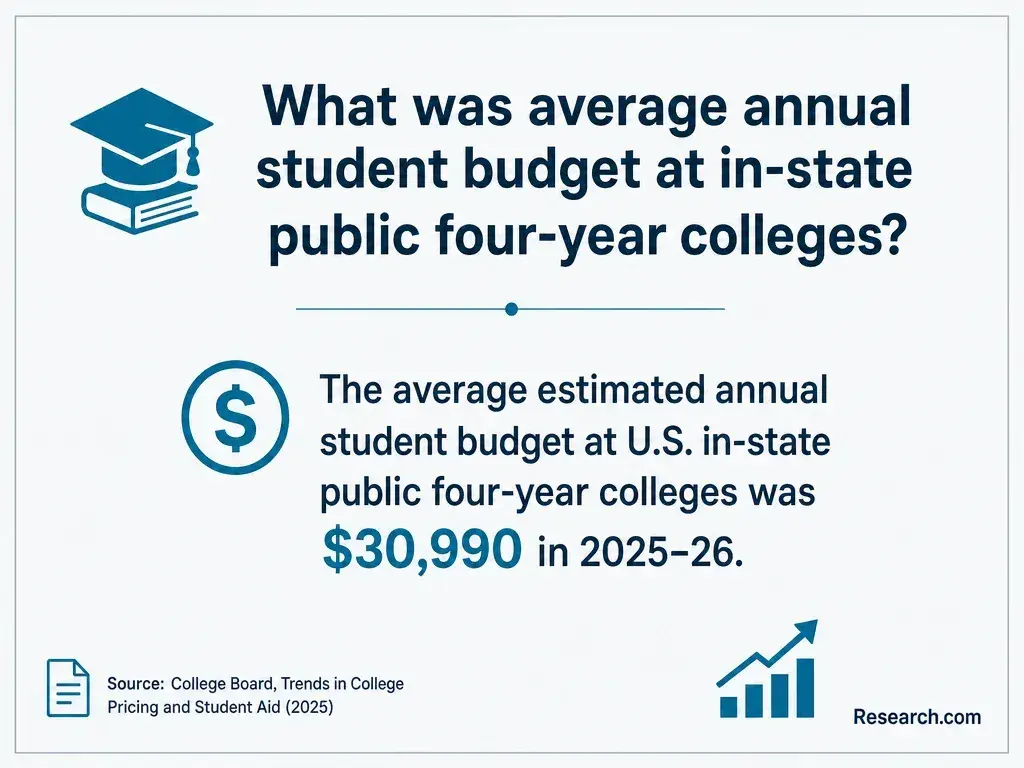
Completion time depends on required credits, course availability, term length, enrollment pace, and any thesis or applied-project sequence. Tuition also varies by school and may be charged per credit or term. Without a named program and entry term, a single duration or price would be misleading.
Request a written cost and completion plan that includes required tuition, mandatory fees, books or software, potential travel, and any project or continuation charges. Ask which courses are offered each term and whether part-time study changes the sequence. Compare affordable distance learning in graduate psychology using the full expected cost for your pace, not tuition alone.
For a working coordinator, the financial test is whether the degree advances a defined hiring or promotion goal enough to justify its cost and time. Check employer education assistance and its repayment conditions, but do not count on reimbursement until your employer confirms eligibility in writing.
The conventional credit-hour benchmark puts a three-credit course at roughly nine hours of total academic work per week across a standard term. It is a planning estimate, not a promise about any course: compressed terms can require the same work on a tighter schedule, and research or group projects may create peak weeks.
Your busiest employment hours may overlap with live classes or agency meetings. Ask whether discussions have fixed deadlines, whether group work requires evening coordination, and whether a capstone or placement can occur at your current workplace. Existing employment counts as academic experience only if the program approves the site, duties, supervision, and deliverables.
Build a term-by-term plan around your actual program calendar, including school breaks, staffing shortages, and any caregiving commitments. Compare that plan with online forensic psychology master's graduation planning before selecting an accelerated pace; a sustainable part-time route may protect both your job performance and academic work.
There is no reliable occupation-wide salary for "forensic psychology MS graduates." Pay depends on the job, employer, location, experience, and whether a regulated credential is required.
For US labor-market comparisons, use the Bureau of Labor Statistics occupational profile matching the actual duties - such as social and human service assistant or social and community service manager - then check its stated wage year, projection period, and typical entry requirements. Neither occupation is a degree-specific earnings forecast.
A coordinator moving into program management may already meet some experience requirements without this MS. A move into victim services may depend more on relevant agency experience and training, while independent forensic psychological practice requires a separate licensed pathway. Do not use psychologist wages to estimate the return on a nonlicensure master's.
If substance-use counseling is an alternative goal, weighing tuition against substance abuse counseling career outcomes is a different calculation: first establish the target state credential and job duties, then compare education costs and occupation-specific wages. For any route, review local postings and your employer's pay structure before projecting a raise.
How Can Students Choose an Accredited Forensic Psychology Program?
Start by confirming the institution's accreditation through its accreditor and the US Department of Education's recognized-accreditor information. Then verify the exact degree, online format, curriculum, entry-term policies, and any state enrollment restrictions directly with the school. Institutional accreditation matters, but it does not prove that a particular master's qualifies graduates for licensure; APA accreditation should not be assumed for a general or nonclinical forensic psychology MS.
For your career decision, ask admissions and program staff for evidence: recent course schedules, applied-project rules, site-approval procedures, faculty supervision arrangements, and career support relevant to youth or justice services. Ask career staff what outcomes they track, for which graduates, and over what period. Treat a list of possible jobs as possibilities, not placement results.
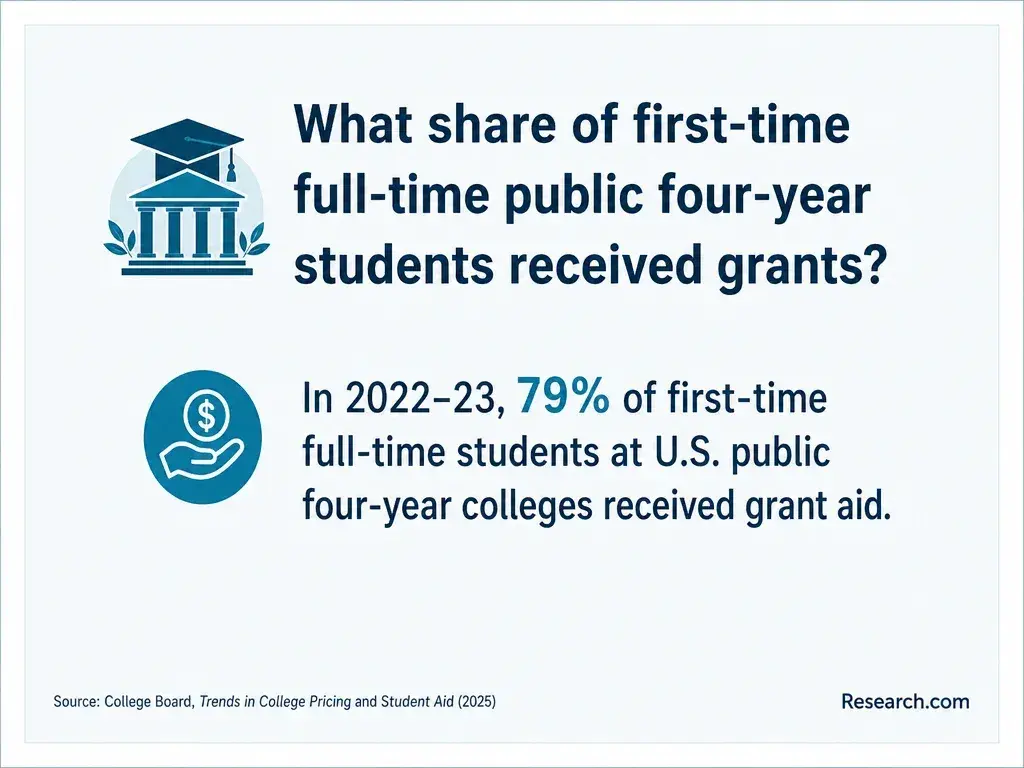
Finally, compare the program with the shortest qualification that actually serves your goal. If you still need an undergraduate degree, assess its accreditation, credit evaluation, and financing separately; information on grants versus loans for substance abuse counseling bachelor's students may inform that alternative undergraduate decision, but its aid and credential rules should not be applied automatically to a forensic MS.
Other Things You Should Know About Psychology
Possibly, if the program approves the project and your employer permits the work, supervision, and data use. Your ordinary job duties alone may not satisfy an academic requirement.
Do not assume you can. Ask your employer and instructor what permissions, privacy protections, and review are required; removing names alone may not make disclosure appropriate.
Choose based on the next step. A thesis may better demonstrate research preparation; an approved capstone may better demonstrate program-evaluation skills. Confirm that either option is available and adequately supervised.
It may strengthen relevant research preparation, but doctoral programs set their own admissions criteria and do not universally require a master's. Compare the degree's methods and mentorship opportunities with your target programs' expectations.
- Building Knowledge About Victim Services | National Institute of Justice https://nij.ojp.gov/topics/articles/building-knowledge-about-victim-services
- Research & Data - OYCR - CA.gov https://oycr.ca.gov/research-data/
- Semester Course Load and Student Performance - PMC - NIH https://pmc.ncbi.nlm.nih.gov/articles/PMC7568764/
- Understanding College Costs | studentaid.gov https://studentaid.gov/resources/prepare-for-college/students/choosing-schools/consider-costs
- What Type of Psychology Degree Do I Need to Become a Forensic Psychologist? | Palo Alto University https://paloaltou.edu/resources/business-of-practice-blog/what-type-of-psychology-degree-do-i-need-to-become-a-forensic-psychologist
- Careers With a Forensic Psychology Master's Degree | The Chicago School https://www.thechicagoschool.edu/insight/career-development/career-options-masters-degree-forensic-psychology/
- Online Master's Degree in Forensic Psychology | Monroe University https://www.monroeu.edu/academics/king-graduate-school/online-masters-degree-forensic-psychology
- MS in Forensic Psychology | Neumann University https://www.neumann.edu/academics/grad/masters-degree-in-forensic-psychology
- Time Managment Calculator | School of Chemical Sciences | Illinois https://scs.illinois.edu/time-managment-calculator
- Admission Criteria and Academic Regulations | southeastern.edu https://catalog.southeastern.edu/content.php