2027 Choosing an Online BA in Psychology - Addictions Around An Overnight Work Schedule

Co-Founder and Chief Data Scientist
An online psychology degree can fit around overnight work - but "online" does not guarantee that classes, group meetings, or addiction-service placements will fit your waking hours. If you work nights and want a BA focused on addictions, the deciding factor is whether you can complete the actual requirements without sacrificing sleep or income.
This guide shows you how to check schedules, accreditation, costs, and career pathways before enrolling, so you can choose a workable program rather than relying on its advertised flexibility.
Key Things You Should Know
- Prioritize asynchronous courses and confirm every required live meeting, exam window, and fieldwork hour; a fully online BA may still require daytime commitments.
- A psychology BA with addictions coursework prepares you to study substance use and pursue some support roles, but it does not independently qualify you to diagnose or provide therapy.
- Many bachelor's degrees require about 120 semester credits; your remaining credits, transfer evaluation, course pace, and placement requirements determine your actual time and cost.
What Is an Online Bachelor's Degree in Psychology With an Addictions Focus?
It is a bachelor's program combining foundational psychology with coursework on substance use, prevention, recovery, or addiction services. The award may be a BA in psychology with a formal concentration, a general psychology BA with relevant electives, or a differently named degree. Those distinctions matter: taking addiction-related electives does not necessarily earn a concentration, and a concentration is not a professional credential.
Start with your intended work. If you want to understand behavior and keep several career or graduate-study options open, the psychology BA may fit. If your goal is a particular substance-use counseling credential, compare its required coursework and supervised training against the BA before enrolling. The range of addiction recovery job families can help you identify a target role rather than choosing a degree by its name alone.
Is an Online Addictions Psychology Degree Accredited?
Check institutional accreditation first through the accreditor's directory and the U.S. Department of Education's recognition information. Confirm that the accreditation covers the institution awarding the degree and that the online program is offered under that institution. Accreditation is important for quality assurance and can affect federal aid and credit recognition, but it does not establish that a degree meets a state's addiction-counselor rules.
Do not expect APA accreditation of a general undergraduate psychology BA; APA accreditation applies to specified professional psychology training programs, not ordinary bachelor's majors. This distinction also matters when comparing adjacent fields: listings of online forensic psychology programs and graduate outcomes do not establish the accreditation or credential eligibility of an addictions-focused BA. Verify the exact degree and any claimed professional recognition with the school and the relevant state authority.
What Can You Do With an Online Psychology Degree in Addictions?
Depending on employer requirements and experience, graduates may pursue nonclinical work in recovery-program support, outreach, intake administration, referrals, service coordination, or program evaluation. A night-shift worker in a hospital, shelter, or community organization may already have useful experience with documentation, teamwork, and respectful communication. Translate that experience into examples of specific tasks; it does not substitute for a required credential or authorize clinical work.
The career paths below differ in authority as well as education. Use the comparison to identify which requirements to verify for the job you actually want.
| Target work | How the BA may help | Additional requirement to check |
| Outreach or recovery-program support | Knowledge of behavior, services, and research evidence | Employer training, experience, or a peer credential |
| Substance-use counseling | Potential academic preparation | State-approved education, supervised experience, examination, and permitted scope |
| Independent psychotherapy or diagnosis | Preparation for further study | A qualifying professional degree and applicable license |
Compare occupations on duties and credentials, not just earnings. For example, comparisons of forensic psychology master's career earnings concern a different specialization and often different qualifications; they are not evidence of what an addictions-focused BA graduate will earn.
Expect a psychology foundation that may include statistics, research methods, developmental and social psychology, and biological or abnormal psychology. Addictions-focused study may examine substance-use patterns, prevention, recovery systems, and the evaluation of interventions. Course titles alone cannot tell you whether the program teaches the skills required for a particular job or state credential.
For overnight workers, course sequence matters as much as the catalog. Ask whether statistics must precede research methods, whether required addiction courses run every term, and whether a capstone or internship has fixed meeting times. If your priority is a state-recognized counseling pathway rather than broad psychology preparation, compare the required curriculum with lower-tuition bachelor's pathways in substance use counseling - then verify eligibility with the state credentialing authority.
Yes, if the program's required activities fit a sustainable schedule - not merely because lectures are recorded. An asynchronous course may still impose weekly deadlines, timed exams, live group projects, or daytime access to an instructor. A placement can be harder to arrange than coursework if approved sites and supervisors operate during hours when you need to sleep.
Before applying, map a representative workweek with protected sleep, commuting, and study blocks. Then request the current course schedule and written answers to these questions:
- Which required courses have live attendance, timed exams, or group meetings, and in what time zone?
- Are internships or capstones mandatory, and can the school approve an evening or weekend site?
- What happens if a required course is unavailable when your shift allows you to take it?
- Can you reduce your course load or take a leave without disrupting prerequisites, aid, or reentry?
If graduate study is a later goal, do not assume its schedule will resemble your BA's. Even time-to-degree planning for forensic psychology graduate students involves a different degree and workload; evaluate any future program's live and applied requirements separately.
Schools commonly request evidence of secondary education or prior college study; transfer applicants generally provide transcripts from each previous institution. A program may have separate admission rules for the university, the psychology major, and an addictions concentration. Ask admissions which requirements apply to your entry term rather than treating general university admission as approval of your intended study plan.
If you have prior credits, request a written degree audit showing what applies to general education, psychology prerequisites, the concentration, and remaining residency requirements. Accepted credits do not necessarily satisfy a required statistics or research-methods course. Reviewing psychology major credit portability can help you frame questions, but the receiving institution makes the final equivalency decision. Submit course descriptions or syllabi when an important substitution needs review.
Many bachelor's degrees require about 120 semester credits, but that is not a promise about credits remaining after transfer. Completion depends on the school's degree audit, prerequisite sequence, course availability, and how many courses you can take while protecting sleep and employment. A slower pace may be the more reliable route if it prevents withdrawal or repeated courses.
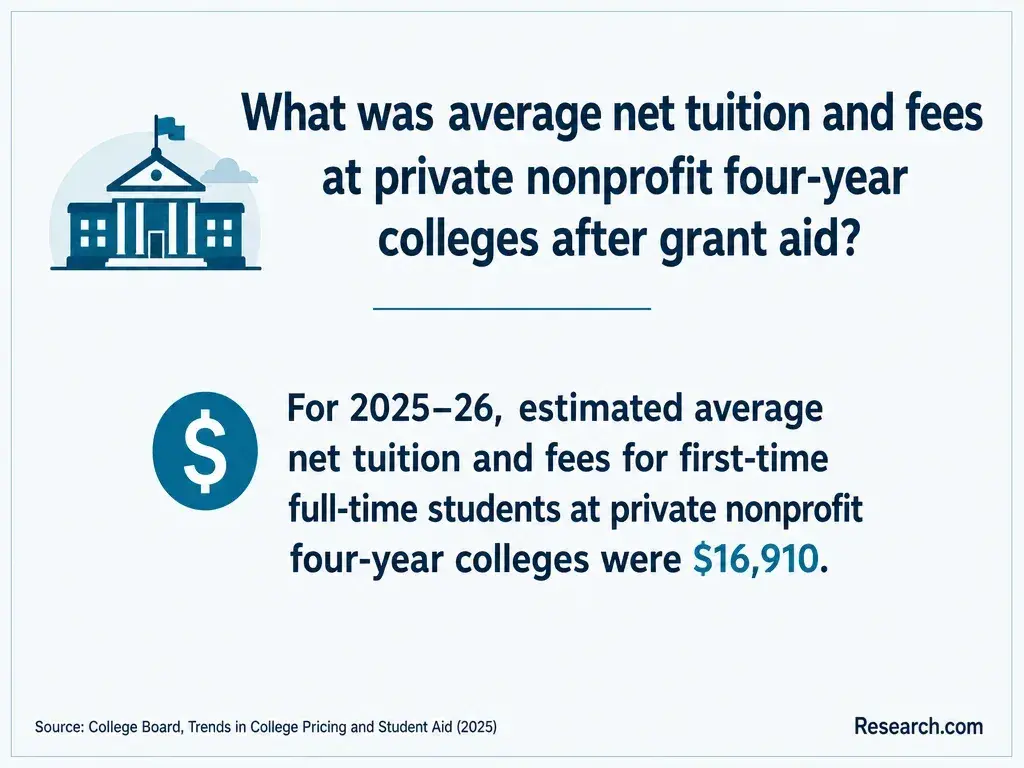
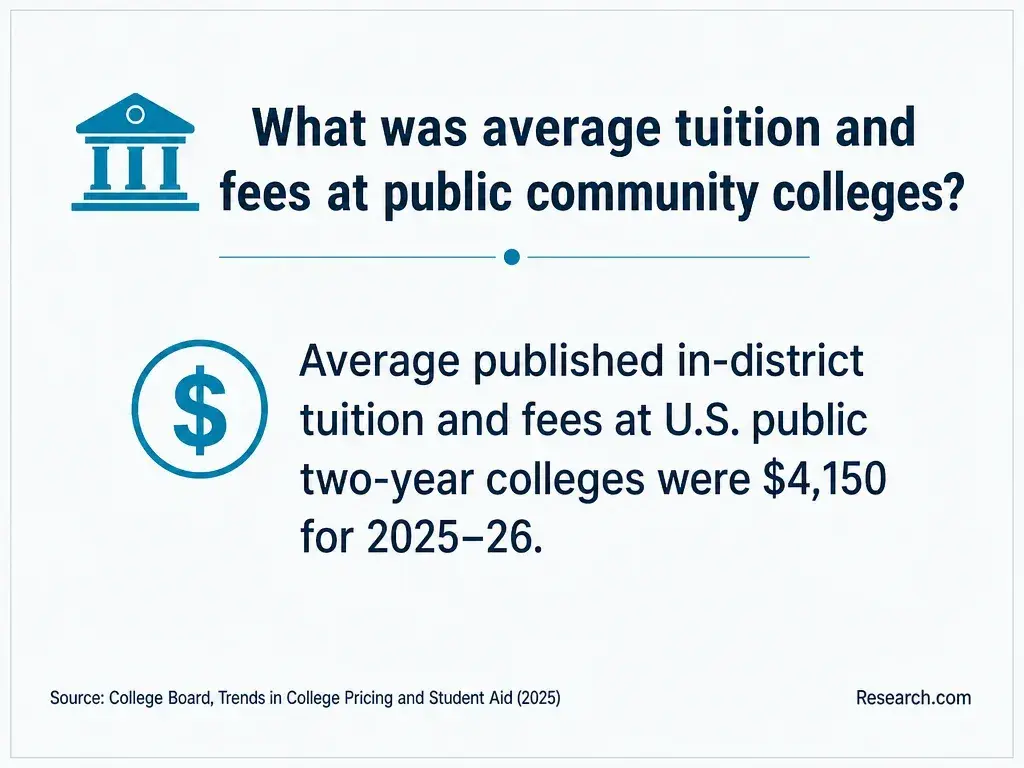
Compare the cost to finish, not an advertised per-credit rate alone. Ask each school for tuition and mandatory fees for your remaining requirements, plus any placement-related travel or background-check costs. Also check whether your intended enrollment level affects aid or employer tuition assistance. Low-cost online psychology degrees are worth comparing only after you know how your credits apply and whether their required schedules work for you.
There is no single nationwide addiction-counselor license automatically awarded with a psychology BA. States and certifying bodies set different rules for coursework, supervised experience, examinations, job titles, and permitted duties. Peer-support credentials may follow a separate pathway. Before choosing electives, obtain the current requirements from the authority governing the credential in the state where you intend to work and ask the school to map its courses against them in writing.
If you aim to provide psychotherapy independently, plan for additional qualifying professional education and licensure rather than assuming an addictions focus supplies them. Fast-track online clinical counseling master's options are a different pathway; verify each program's state eligibility, supervised placement requirements, and live or in-person obligations before treating speed as an advantage.
The U.S. Bureau of Labor Statistics reports a 2024 median annual wage of $59,190 for its combined occupation of substance abuse, behavioral disorder, and mental health counselors, with 17% projected employment growth from 2024 to 2034. That occupation includes workers with different credentials and duties. Its median is neither an entry-level offer nor a salary estimate for psychology BA graduates; some counseling jobs require a master's degree and licensure.
For a realistic comparison, collect local postings for the precise roles and shifts you could accept. Separate BA-accessible support jobs from credentialed counselor positions, and compare stated pay with the additional training each requires. Accelerated study, including fast-track graduate psychology programs, should not be treated as a shortcut to counselor wages: a general psychology master's may not satisfy counseling licensure requirements.
How Do You Choose a Reputable Online Addictions Psychology Program?
Shortlist programs only after defining your target: broad psychology education, a nonclinical addiction-service role, or preparation for a specific credential. Then compare the same evidence for each school - its exact degree title, institutional accreditation, degree audit, required-course schedule, placement policy, and written total-cost estimate. Ask to speak with an adviser who can address the overnight-work schedule rather than relying on a general claim of flexibility.
A useful final test is whether you can describe a plausible path from your present credits and work hours to graduation and to the next qualification your target job requires. If that path depends on unavailable daytime fieldwork, uncertain transfer credits, or a later graduate degree you cannot finance, reconsider the program. When further study is essential, compare graduate psychology tuition and program value separately from the BA's cost; a less expensive bachelor's option is not necessarily the lowest-cost complete career pathway.
Other Things You Should Know About Psychology
Only if your employer permits it and your duties remain covered. Build a study plan that works without on-the-clock study time.
Yes, when it helps you clarify meeting times or plan ahead for a shift conflict. Disclose your availability early; do not assume deadlines will change automatically.
Request assignment calendars and exam-window policies before registration. A rotating shift makes fixed live sessions harder to manage even when most coursework is asynchronous.
It may help you explain relevant communication, documentation, or service experience. Describe your actual responsibilities accurately without presenting support work as clinical treatment.
- Recognition of Accrediting Agencies | Texas Higher Education Coordinating Board https://www.highered.texas.gov/recognition-of-accrediting-agencies/
- Institutional Accrediting Agencies | ed.gov http://www.ed.gov/laws-and-policy/higher-education-laws-and-policy/college-accreditation/institutional-accrediting-agencies
- Counselor Certification - DHCS - CA.gov https://www.dhcs.ca.gov/providers-partners/counselor-certification/
- Cost of Attendance (Budget) | 2025-2026 Federal Student Aid Handbook https://fsapartners.ed.gov/knowledge-center/fsa-handbook/2025-2026/vol3/ch2-cost-attendance-budget
- Types of Financial Aid: Grants, Work-Study, and Loans | studentaid.gov https://studentaid.gov/understand-aid/types
- DAPIP | Homepage - Office of Postsecondary Education (OPE) https://ope.ed.gov/dapip/
- Fact Sheet #71: Internship Programs Under The Fair Labor Standards Act | U.S. Department of Labor https://www.dol.gov/agencies/whd/fact-sheets/71-flsa-internships
- Transfer credit practices - UC Admissions https://admission.universityofcalifornia.edu/counselors/preparing-transfer-students/transfer-credit-practice.html
- Addictions and Substance Use Disorders | maricopa.edu https://www.maricopa.edu/degrees-certificates/behavioral-science-human-services/addictions-substance-use-disorders-3302-aas
- Attendance and Participation in Online Classes - Blogs@Baruch https://blogs.baruch.cuny.edu/ctl/attendance-and-participation-in-online-courses/