
2027 Most Valuable Business Degree Programs Ranking in the South

Co-Founder and Chief Data Scientist
Choosing the right business degree program is an exciting step toward building a successful future. For students in the South, this article offers valuable insight through the 2027 Most Valuable Business Degree Programs Ranking in the South created by the Research.com team of data scientists.
This ranking helps you identify which programs provide the greatest return on your educational investment. By exploring these top choices, you can make an informed decision that aligns with your career goals and personal aspirations. A business degree opens many doors, and this guide makes your path clearer and more confident.
Key benefits of getting business degree in the South
- Salary for business degree graduates: Graduates in the South with a business degree can expect competitive salaries, with Business Development Executives earning around $83,190 annually and Business Analysts making about $112,950 per year.
- Career paths: A business degree graduate from a popular Southern university often explores diverse roles such as business analyst or business development executive, offering exciting growth opportunities across industries.
- Online degree benefits: Earning a business degree online from a reputable Southern university provides flexible scheduling and the ability to balance work and study, making career advancement more accessible without sacrificing current responsibilities.
- 2027 Most Valuable Business Degree Programs Ranking in the South
- What can I expect from business degree in the South?
- Where can I work with business degree in the South?
What can I expect from business degree in the South?
The average cost of earning a business degree in the South is often more affordable than many expect, especially at public universities where in-state tuition offers significant savings. Graduates from schools like the University of North Carolina or Texas A&M frequently reflect on how manageable their tuition fees made it possible to focus on building skills rather than worrying about debt. Many find that this financial advantage fuels their motivation to seize hands-on opportunities available through internships and cooperative education programs.
Students studying business in Southern universities benefit from a smart blend of foundational courses and practical experiences-all while enjoying lower tuition costs compared to national averages. This affordability opens doors for deeper engagement, whether it's joining entrepreneurial incubators or participating in dynamic business plan competitions held at campuses such as Georgia Tech or the University of Florida. Many graduates highlight the positive impact of this support, which turns education into a launchpad for successful careers.
Where can I work with business degree in the South?
Graduates with a business degree from respected Southern institutions like the University of Georgia or Southern Methodist University find themselves stepping into vibrant job markets filled with exciting possibilities. Many secure positions in bustling cities such as Atlanta, Dallas, and Houston, where thriving industries embrace fresh talent eager to innovate in finance, marketing, and management. Imagine joining a major Fortune 500 company's corporate finance team in Atlanta, collaborating with seasoned professionals, and advancing your career with real impact.
Others thrive in Houston's energy sector or Miami's growing healthcare administration field, applying their business skills to dynamic, expanding industries. Graduates eager to launch their own ventures benefit from the strong presence of small and medium-sized enterprises (SMEs) across the South, where their entrepreneurial spirit contributes to fast-growing businesses and local economies.
Business degree holders also find rewarding opportunities in public service, nonprofit organizations, and logistics, especially in cities like Raleigh and Nashville, where leadership and program management skills are highly valued. This diverse access to rewarding careers makes earning a business degree in the South an inspiring gateway to a future full of promise and growth.
Graduates from business programs in the South can look forward to rewarding career prospects and strong earning potential. For example, a business analyst, a common and sought-after role among Southern university graduates, earns an impressive average annual salary of about $112,950 according to the latest data. This figure reflects the vibrant economic hubs like Dallas or Atlanta, where major companies and startups alike value the sharp analytical skills cultivated at institutions such as the University of Texas or Emory University.
Business development executives also enjoy substantial earnings, with an average salary around $83,190 per year. Graduates stepping into these roles often describe the excitement of turning strategic ideas into tangible growth, especially in bustling Southern metros where industries thrive and expand.
Such salaries align well with the dynamic lifestyles and opportunities available to Southern business graduates. Starting a career here means not just a paycheck but also the chance to grow professionally in diverse sectors, from finance to entrepreneurship, all while benefiting from strong local economies and supportive networks.
- Undergraduate tuition at public in-state schools in the South ranges from about $9,000 to $12,000 per year, while private schools charge between $25,000 and $40,000 annually.
- Southern states like Texas, Florida, and Georgia have some of the fastest-growing markets for business jobs in sectors such as finance, technology, and healthcare.
- Early career salaries for business graduates average $50,000 to $60,000 per year, with experienced professionals often earning above $90,000 annually.
- Many Southern business programs hold AACSB accreditation, which enhances education quality and job prospects.
- Regional universities focus on practical skills, internships, and local industry connections to improve graduate employability.
Completing a business degree in the South is an exciting journey that typically takes four years for undergraduates pursuing degrees like a Bachelor of Business Administration at universities such as the University of North Carolina or the University of Texas. Many graduates recall balancing full-time study with internships that enrich their experience, making each year rewarding and vibrant.
For graduate students, enrolling in an MBA program at schools like Emory University or Florida State University offers flexible options. Some experienced professionals celebrate finishing accelerated programs in as little as 12 to 18 months, while others appreciate part-time routes that stretch up to five years, allowing them to grow their careers while earning their degree.
The Southern region supports students with practical opportunities and a nurturing environment. Graduates often share how manageable credit requirements and supportive faculty gave them the confidence to thrive and complete their business education on time, ready to lead in dynamic industries.
Students pursuing a Business degree in the Southern United States can tap into a diverse range of financial aid options that significantly reduce out-of-pocket costs and improve return on investment. At the federal level, programs such as Pell Grants, Federal Supplemental Educational Opportunity Grants (FSEOG), Direct Subsidized and Unsubsidized Loans, and Parent PLUS Loans form the backbone of aid offerings. Many Southern states supplement this support with merit-based scholarships-like Georgia’s HOPE Scholarship or Florida’s Bright Futures Program-that reward academic achievement and leadership. In addition to federal and state funds, most institutions in the region offer institutional scholarships and need-based grants. These awards may include: • Departmental merit scholarships for high-achieving business majors • Need-based grants determined by FAFSA results • Honors program stipends that cover tuition or fees • Graduate assistantships and teaching fellowships for MBA candidates Private scholarships from professional associations and corporations further bolster support. Organizations such as the National Black MBA Association, the Society for Human Resource Management, and regional chambers of commerce regularly award scholarships to Southern business students who demonstrate leadership potential, community service, or entrepreneurial innovation. To maximize financial aid, students should explore work-study opportunities that allow them to gain hands-on experience in campus business offices or local firms while earning wages. Additionally, comparing program costs and aid packages can uncover hidden savings-prospective online learners may find even more cost-effective paths by reviewing the Cheapest Online Business Degree Programs Ranking in the West, which highlights budget-friendly alternatives and scholarship opportunities in neighboring regions.
Choosing between an online and on-campus business degree in the South means embracing the style that best fits your life and goals. Online students at schools like the University of Florida enjoy incredible flexibility, accessing lectures and assignments whenever their busy schedules allow-perfect for those balancing work and family. Their ability to study from anywhere brings a sense of empowerment and control that fuels motivation.
Meanwhile, graduates from traditional on-campus programs at Texas A&M often talk about the vibrant energy of face-to-face interactions. They thrive through group projects, networking events, and instant feedback from professors, creating lasting connections that open doors to internships and career opportunities on campus.
Both paths offer quality accredited education backed by Southern institutions recognized by SACSCOC. With costs that remain competitive, whether through in-state tuition or efficient online fees, you can confidently invest in your future. This choice invites you to shape your own rewarding journey toward a successful business career in the dynamic Southern region.
Pursuing a business degree in the South can be a highly rewarding and strategic decision for several reasons. Firstly, the region's economy is growing, with many industries, such as finance, healthcare, and technology, experiencing significant expansion. This growth translates into a high demand for skilled business professionals, making the South an attractive location for graduates to launch their careers. The cost of living in many Southern states is also relatively low compared to other parts of the country, which can make it easier for students to manage their living expenses while pursuing their degree. Furthermore, many Southern universities and colleges offer high-quality business programs that are accredited by reputable organizations, ensuring that graduates receive a rigorous and relevant education that prepares them for success in the business world. The cultural and professional networks in the South are also noteworthy, with many businesses and organizations having a strong presence in the region, providing numerous opportunities for internships, mentorship, and job placement. Additionally, the diverse economy of the South means that graduates can explore a wide range of career paths, from traditional fields like accounting and finance to more specialized areas such as healthcare management and digital marketing. Overall, the combination of economic opportunity, educational quality, and cultural appeal makes the South an ideal place to pursue a business degree for those looking to embark on a successful and fulfilling career in business.
The average cost of pursuing a business degree in the South offers great value for students dedicated to advancing their careers. On average, the total expenses for a business degree in southern states can be around $14,277 for in-state students, making it a financially accessible choice compared to other regions. Graduates from universities like the University of Florida often share how manageable tuition allows them to focus more on learning and networking rather than financial stress. This affordability is a key reason many prospective students consider Southern public institutions when planning their education budgets.
Out-of-state students tend to experience a higher total cost, averaging about $36,955, reflecting the premium on non-resident tuition. Yet, many find the investment worthwhile given the quality programs offered across the South. These programs are known not only for their academic rigor but also for their strong industry connections, which help graduates launch their careers successfully. Exploring a business degree here means access to a supportive network and opportunities designed to maximize your return on investment.
When you consider the total expenses for business degree southern states, including fees and supplies, the comprehensive support systems and available financial aid play a significant role. Many Southern schools offer scholarships and grants specifically for business students, helping to ease the financial journey. This encourages motivated students to pursue their goals with confidence and enthusiasm, knowing they can achieve a quality education within a reasonable budget.

Southern business degree programs stand out for their strong internship pipelines and strategic industry collaborations, ensuring students graduate with practical experience and professional networks. Many universities in the South maintain partnerships with leading companies in finance, manufacturing, technology, and hospitality, offering semester‐long internships, co‐op placements, and project collaborations. These experiences not only reinforce classroom learning but also boost employability: a 2023 survey found that 78% of business graduates secured full‐time positions at their internship sites. To accommodate diverse student needs, several institutions now offer an accelerated business degree online option, which integrates virtual internships and mentorship programs with industry advisors. This fast‐track pathway enables students to complete required credits in as little as 18 months while gaining real‐world exposure through digital project assignments and remote networking events. Key features of standout internship and partnership programs in the South include:
- Dedicated Career Centers: On‐campus and virtual centers guide students through resume workshops, interview preparation, and internship matchmaking.
- Industry Mentor Networks: Alumni and corporate professionals serve as mentors, providing insights on industry trends, career planning, and job referrals.
- Capstone Projects with Corporations: Final‐year students collaborate on high‐impact consulting projects for regional businesses, developing solutions to real challenges in marketing, supply chain, and financial management.
- Annual Career Fairs and Networking Summits: Events hosted by business schools connect students with recruiters from Fortune 500 companies, startups, and nonprofit organizations. By prioritizing experiential learning through internships and industry partnerships, Southern business degree programs cultivate well‐rounded graduates who enter the workforce with confidence, a clear professional trajectory, and a network of industry contacts.
Many business students in the South find financial aid to be a powerful ally in pursuing their dreams. Graduates from institutions like the University of Georgia or Southern Methodist University often share how federal aid, accessed through the FAFSA, unlocked opportunities like Pell Grants and work-study programs that eased their path. Imagine attending a vibrant campus in Texas knowing the Texas College Grant can significantly lower your tuition costs-that reality inspires countless students each year.
State scholarships, such as Georgia's HOPE Scholarship, provide both merit- and need-based support, sparking hope for those determined to excel. Departmental scholarships targeting business majors reward hard work and leadership, often celebrated by graduates who felt recognized and motivated. Campuses buzzing with part-time jobs and employer tuition assistance-common in business hubs like Atlanta and Charlotte-offer practical ways to gain experience while funding education. The combination of these financial aids empowers Southern business students to confidently invest in their futures.
As the landscape of higher education evolves, business programs in the South are embracing innovative trends that not only enhance the learning experience but also better prepare graduates for a dynamic job market. Institutions are increasingly incorporating digital tools and data-driven teaching methods into their curricula, ensuring that students develop the technological fluency necessary for managing complex business challenges. For example, many programs now offer modules on artificial intelligence, big data analytics, and blockchain technology, equipping students with cutting-edge skills that are highly valued by employers. Flexible learning models are also on the rise, with hybrid and fully online options becoming more sophisticated. These alternatives provide greater accessibility without compromising interactive, hands-on experiences. Moreover, strategic partnerships with local and global businesses have paved the way for enhanced internship opportunities and real-world project work that connect academic theory to practical outcomes. Prospective students interested in leveraging these innovative approaches can learn more about program quality by exploring insights on a business degree. In addition, a growing emphasis on sustainability and ethical leadership is reshaping the core values taught in today's programs. Educators are integrating discussions on corporate social responsibility, environmental management, and ethical business practices into standard courses. This holistic approach ensures that graduates are not only proficient in traditional business fundamentals but are also ready to drive positive change in an ever-evolving economic landscape.
To embark on a business degree journey in the South, you'll start with a solid foundation-a high school diploma or equivalent like the GED. Many thriving graduates from the University of Florida and the University of Texas at Austin recall how this basic qualification was their first step toward success. Submitting standardized test scores, such as the SAT or ACT, is common, though an encouraging trend of test-optional policies at Southern schools is making access easier and more flexible for many applicants.
Providing your high school transcripts is essential, showcasing your strengths in math, economics, and communication-skills that former students found invaluable as they tackled challenging business courses. Taking prerequisite classes in algebra, calculus, or introductory economics ahead of time can boost your confidence and readiness.
Extracurriculars and leadership experiences are often key to standing out. Many business students reflect on how their involvement outside the classroom enriched their application and prepared them for vibrant campus life in the South's supportive business communities.
Business degree programs in the South offer an exciting mix of courses designed to equip you with practical skills and confidence to thrive in today's competitive market. Imagine sitting in a classroom at a top Southern university, diving into Principles of Management, where you explore leadership challenges and develop your unique decision-making style. Graduates often share how Financial and Managerial Accounting courses taught them to decode complex financial statements, giving them an edge in real-world business situations.
Marketing Fundamentals courses bring lessons to life by connecting theories with dynamic campaigns seen in cities like Atlanta and Austin, inspiring students to craft impactful brand stories. Business Law opens doors to understanding ethics and contracts, essential for any future entrepreneur. Courses in Economics and Operations Management sharpen strategic thinking, helping you visualize controlling costs and optimizing supply chains.
Many students also benefit from specialized electives like entrepreneurship, reflecting the South's vibrant startup ecosystem. These practical, engaging courses ignite passion and prepare you for a rewarding career right where you call home.
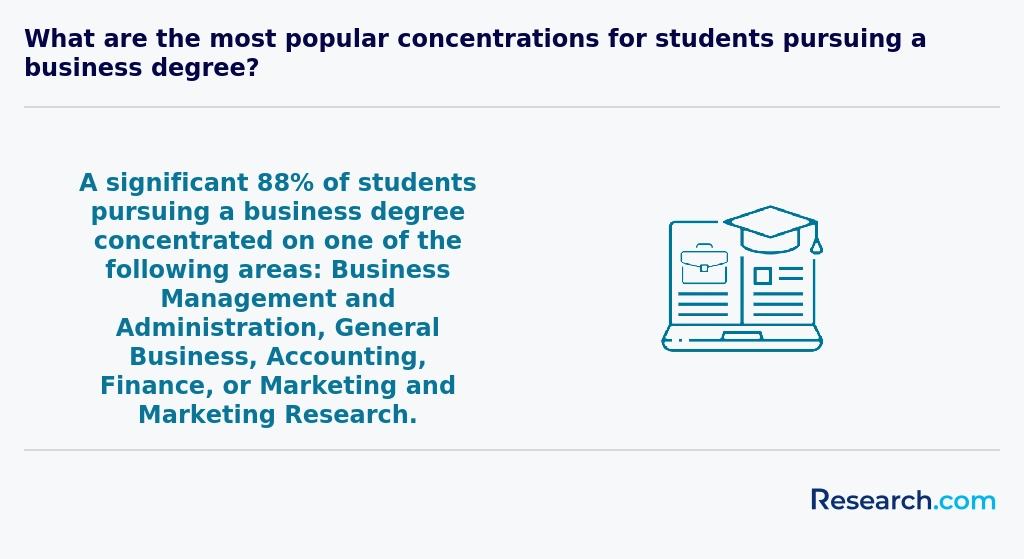
Business degrees in the South offer dynamic specializations that match the region's vibrant economy. Graduates from popular Southern universities find themselves thriving in fields like finance, marketing, and management, where they learn skills relevant to the bustling financial centers such as Charlotte, North Carolina. Many students embrace entrepreneurship, inspired by thriving startup communities and a supportive small business climate across states like Georgia and Florida. These specializations open doors to real-world opportunities where creativity and leadership come alive.
Others choose Supply Chain Management and Logistics, capitalizing on the South's strategic ports and transportation networks, making their education highly relevant and sought after. Information Systems and Technology Management programs are growing rapidly, reflecting the region's embrace of innovation and digital transformation.
For those eager to accelerate their studies without compromising quality, many seek an accelerated business degree online, which suits busy lives and ambitious goals perfectly. These top Southern business degree concentrations truly empower students to shape thriving careers rooted in the unique strengths of the South.
When choosing the best business degree program in the South, start by seeking schools with strong accreditation like those holding AACSB status. Graduates from institutions such as the University of North Carolina at Chapel Hill often share inspiring stories of how this recognition opened doors to exciting career opportunities. Focus on programs that offer specializations matching your passion-whether it's marketing, finance, or emerging fields like technology management, as seen in schools near vibrant hubs like Atlanta.
Many students find that affordable business schools in southern states provide both quality education and financial relief. For instance, public universities with reasonable tuition create an accessible path to success without overwhelming debt. One can explore a wide variety of options even beyond traditional campuses by checking out well-curated resources like the Cheapest Online Business Degree Programs Ranking in the West to complement Southern choices.
Location is powerful-graduates from business colleges in Dallas or Charlotte highlight how local networking propels their careers forward. Being near booming metropolitan centers means access to internships and industry connections that brighten the post-graduate journey. By intentionally choosing your program with these factors, you're investing in a future full of possibility and achievement.

Graduates with a business degree in the South discover diverse and exciting career paths fueled by the region's vibrant economy and growing industries. Whether stepping into a role as a financial analyst in Atlanta's bustling banking sector or leading marketing campaigns in Austin's dynamic tech scene, students from universities like the University of North Carolina or the University of Texas experience firsthand how their education translates into impactful jobs. These opportunities empower graduates to thrive as operations managers in manufacturing hubs or as entrepreneurs launching innovative ventures in supportive Southern business climates. The variety of top southern business degree job prospects inspires confidence and ambition.
Many business students express enthusiasm about becoming management consultants or human resources specialists, roles that directly contribute to the economic growth they witness growing up in cities like Nashville or Charlotte. With an affordable education and a strong network, these graduates eagerly prepare for success. For those seeking to advance quickly, combining their degree with a one year online masters degree offers even more routes to leadership and achievement in this thriving region.
The job market for business degree graduates in the South is flourishing, fueled by vibrant economies in cities like Atlanta and Dallas. Graduates from well-known Southern universities often find themselves stepping into dynamic roles such as marketing managers or financial analysts, supported by a region eager to grow its corporate and startup sectors. Many appreciate how the South's diverse industries and lower living costs create an environment where their skills are not just valued but in high demand. This positive momentum encourages students to pursue a business degree knowing their future is bright and full of opportunity.
Students from prominent colleges in the South frequently share how internships and networking opportunities in metropolitan hubs have boosted their career trajectories. The business degree job outlook in the South is not just promising-it's transformative, allowing graduates to contribute meaningfully in fields like healthcare, finance, and technology while enjoying affordable education. For those weighing degree options, exploring the easiest masters degree pathways can offer a strategic advantage in this competitive landscape.
2027 Most Valuable Business Degree Programs Ranking in the South
Investing in your education is a significant decision that can greatly influence your career and future opportunities. The Research.com team is keenly aware of this responsibility and has dedicated extensive effort to ensure the quality, credibility, and accuracy of the "2027 Most Valuable Business Degree Programs Ranking in the South." Our rigorous research process draws on multiple authoritative data sources to provide reliable and insightful information.
We utilized the following reputable data sources to create this ranking:
By reviewing this ranking, readers will gain valuable guidance in identifying top business degree programs that offer strong returns on investment, helping them make well-informed decisions about their education and career paths. For more information on our research methods, please visit our Research.com methodology page.


# 3 position
University of Maryland Global Campus
Bachelor of Business Administration


# 14 position
University of Maryland Global Campus
Master of Business Administration


Frequently Asked Questions About business
Business degree students in the South can enhance their learning by engaging with local industries that drive the regional economy, such as energy, manufacturing, and agriculture. Internships and cooperative education programs offered by Southern universities provide practical experience alongside academic studies. According to the Southern Regional Education Board, participation in experiential learning increases job placement rates by up to 20%.
Active involvement in student business organizations and networking events helps build connections within prominent Southern business communities. Additionally, students should leverage resources like state economic development agencies for insight into regional markets.
Choosing accredited programs ensures rigorous curricula aligned with industry standards, improving career readiness. Many Southern schools also emphasize entrepreneurship, reflecting the growing startup culture in cities like Austin and Atlanta, which offer valuable opportunities for hands-on business projects.
Emerging niches within the business field in the Southern United States reflect broader economic shifts and regional strengths. One of the fastest-growing areas is supply chain management, driven by the South's expanding logistics hubs and ports, such as those in Savannah, Georgia, and Charleston, South Carolina. According to the Bureau of Labor Statistics, employment in logistics roles is expected to grow by 17% nationally through 2032.
Data analytics and business intelligence are also becoming crucial as companies in the South adopt advanced technologies to enhance decision-making. The rise of fintech startups in cities like Atlanta creates demand for professionals skilled in financial technology and cybersecurity.
Additionally, sustainability consulting is gaining traction, as southern states increase focus on renewable energy and corporate social responsibility initiatives, responding to both regulatory and consumer pressures.
After completing a business degree in the South, preparing for the job market involves several strategic steps. Networking plays a vital role; graduates should engage with local business communities and attend industry events common in cities like Atlanta and Dallas, known for their strong commercial sectors.
Internships and co-op programs are essential for gaining practical experience. Southern universities often have partnerships with regional companies, offering students valuable connections.
Market data from the U.S. Bureau of Labor Statistics highlights the South's growing finance and technology sectors, presenting diverse job opportunities for business graduates. Developing skills in data analysis and digital marketing is increasingly beneficial.
Finally, leveraging university career services can help graduates tailor resumes and practice interviews to align with Southern employers' expectations.
Employers in the Southern United States prioritize a blend of technical and interpersonal skills when hiring business degree graduates. According to the National Association of Colleges and Employers (NACE) 2023 survey, critical thinking and problem-solving top the list of must-have abilities. These skills enable graduates to navigate complex business environments and make informed decisions.
Communication skills, both written and verbal, are highly valued. A report from the Southern Business Journal highlights that 68% of Southern employers emphasize teamwork and leadership skills.
Additionally, proficiency in data analysis and familiarity with digital tools are increasingly important. Given the region's growing sectors in finance and technology, graduates who demonstrate adaptability and technological competence have a competitive advantage in the job market.
Finding internships in the South relevant to a business degree often starts with leveraging university resources. Many Southern universities, such as the University of Florida and Texas A&M, offer dedicated career centers that connect students with local companies. According to the National Association of Colleges and Employers (NACE), about 60% of business students secure internships through on-campus recruiting events.
Networking is also crucial; students are advised to attend business conferences, join professional organizations like the Southern Business Association, and use platforms such as Handshake, which many universities in the South endorse. The Southern U.S. economy, notably strong in financial services and logistics, provides diverse internship opportunities in companies like Coca-Cola and FedEx headquartered in the region.
A business degree in the South significantly enhances career mobility and advancement opportunities. According to the U.S. Bureau of Labor Statistics, Southern states such as Texas, Florida, and Georgia have seen a 7% growth in business and financial occupations between 2020 and 2030, exceeding the national average. This growth creates demand for skilled graduates who hold business degrees.
Graduates often find roles in industries like finance, healthcare, and technology, which are rapidly expanding in the region. Employers value business degrees for developing critical skills in management, communication, and strategic thinking.
Furthermore, Southern universities often offer strong industry connections, internships, and networking events, enhancing access to local job markets and leadership positions.
Studying for a business degree in the South offers a strong foundation for interdisciplinary roles by integrating core business concepts with diverse fields such as technology, healthcare, and supply chain management. Many Southern universities emphasize practical experience through internships and partnerships with regional industries, preparing students to navigate complex, cross-functional business environments.
According to the Southern Association of Colleges and Schools, institutions in this region often incorporate data analytics, communications, and ethical leadership into their curricula, reflecting the evolving demands of modern businesses. This approach equips graduates with skills to collaborate across departments and adapt to various roles.
Moreover, the South's growing sectors-including fintech, energy, and manufacturing-offer real-world contexts where interdisciplinary knowledge is crucial for innovation and leadership.
Choosing between a thesis and a non-thesis business degree in the South depends largely on your career goals and learning preferences. Thesis programs typically emphasize research, ideal for students aiming for doctoral studies or academic positions. In contrast, non-thesis options often focus on practical skills and internships, appealing to those targeting immediate entry into the Southern business job market.
According to the Southern Association of Colleges and Schools, non-thesis business degrees have grown in popularity by 15% over five years. This reflects a regional demand for applied knowledge in industries like finance, logistics, and healthcare.
Cost and program length also vary; thesis tracks may extend study time due to research requirements. Evaluate faculty expertise and available resources at Southern universities to align your choice with long-term ambitions.
Students based in the South seeking to study business abroad have several promising opportunities through U.S. universities. Many Southern institutions, such as the University of Florida and Emory University, offer established study abroad programs focused on business disciplines. These programs typically last a semester or summer and include partnerships with renowned universities worldwide.
According to the Institute of International Education, approximately 27% of American business students participate in study abroad programs, with Southern universities actively supporting international internships and exchanges. Popular destinations include the UK, Spain, Germany, and China, where global business hubs provide practical exposure.
Moreover, some Southern schools offer dual-degree options or accelerated global business certificates, which enhance career readiness in international markets.
Part-time job opportunities in the South that complement business degree education often focus on gaining practical experience in finance, marketing, and management. Positions such as retail management assistant, social media coordinator, and financial clerk are common. According to the U.S. Bureau of Labor Statistics, Southern states report a 6% employment growth in business-related fields from 2020 to 2030, creating ample opportunities for students.
Internships with local startups and small businesses in cities like Atlanta and Dallas also provide valuable networking and skill-building.
Additionally, university career centers frequently list part-time roles aligned with business studies, enhancing student employability upon graduation.
Business students in the South have access to a variety of networking opportunities that enhance their career prospects. Many universities in the region host business conferences, guest speaker events, and alumni mixers which connect students with industry professionals. For example, schools in Texas and Georgia often partner with major corporations headquartered nearby, such as Dell and Coca-Cola, fostering direct engagement.
Regional chambers of commerce and professional organizations also provide platforms for students to build contacts. According to the Southern Association of Colleges and Employers, over 75% of Southern business programs actively promote internships through corporate collaborations, boosting networking chances.
Additionally, student-led business clubs and competitions create environments where future leaders interact and grow their professional circles. These experiences are crucial for students aiming to enter competitive Southern markets like Atlanta and Charlotte.
Alumni networks in Southern business schools play a crucial role in shaping students' career paths. These networks connect current students with graduates who often hold influential positions in regional industries like finance, technology, and manufacturing. According to the Southern Business Journal, 65% of students in the South reported securing internships or job offers through alumni connections.
Strong alumni ties provide mentorship opportunities, real-world advice, and access to exclusive job openings. Additionally, many Southern universities host networking events and professional workshops, helping students build relationships that can last a lifetime. This support can significantly increase a graduate's employment prospects and salary potential in the competitive Southern job market.
Customizing a business degree program in the South allows students to align their studies with specific career goals. Many Southern universities offer concentrations such as finance, marketing, or supply chain management, enabling focused skill development. For example, Clemson University and the University of Florida provide flexible curricula to tailor coursework.
Internships and cooperative education programs are widely available in Southern states, connecting students with regional industries like energy, healthcare, and technology. This hands-on experience enhances employability and practical knowledge.
Additionally, selecting electives in data analytics or entrepreneurship is increasingly popular, reflecting market demand reported by the Southern Regional Education Board.
Business students in the South often face several unique challenges related to regional economic factors and educational resources. Many Southern states have fewer large metropolitan areas, which can limit internship and networking opportunities compared to more urban regions. According to the U.S. Bureau of Labor Statistics, Southern metro areas also tend to have lower average salaries for entry-level business roles, impacting graduates' immediate earning potential.
Additionally, disparities in funding and program resources exist among Southern institutions, influencing class sizes and technology access. Students must also navigate balancing work and study, as many Southern business students work part-time to manage tuition and living costs. These challenges shape the overall experience and outcomes for business degree candidates in the South.
With a business degree in the South, students can pursue various professional certifications to enhance their careers. Popular options include the Certified Public Accountant (CPA) credential, essential for accounting professionals, especially in states like Texas and Florida with strong financial sectors. Another valuable certification is the Project Management Professional (PMP), recognized nationwide and useful for leadership roles.
The Certified Management Accountant (CMA) certification is also common, focusing on financial analysis and management. According to the U.S. Census Bureau, southern states report growing demand for managers and financial specialists, making these certifications practical.
Other options include certifications in human resources (SHRM-CP) and marketing, aligning with expanding industries across the region.
Writing a winning application for a business program in the South requires careful attention to both academic credentials and personal presentation. Schools often emphasize leadership, community involvement, and work experience relevant to Southern markets, such as finance, technology, or healthcare sectors.
Strong undergraduate GPA and competitive standardized test scores can improve chances; many Southern business schools report average GMAT scores around 600-650 for admitted students (Poets&Quants, 2023). Highlighting ties to the region or understanding local economies may also boost your application.
Personal statements should clearly articulate your career goals and how a Southern business degree aligns with them. Letters of recommendation from professionals familiar with your work ethic and potential add value.
The global perspective on a business career highlights the increasing importance of international skills and cultural awareness. In the United States, especially in the South, business programs incorporate global trends and commerce practices to prepare students for diverse markets. According to the National Center for Education Statistics, Southern universities have seen a 12% growth in business degree enrollment focusing on international business from 2017 to 2022.
Graduates with global business knowledge often navigate multinational corporations, trade policies, and global supply chains effectively. The Southern economy, with strong ties to international trade through ports like Savannah and Houston, demands professionals skilled in cross-cultural communication and global strategy.
Overall, U.S. business degrees increasingly emphasize global competencies to meet evolving market needs.
Gaining practical experience during a business degree in the South is essential for career readiness. Many universities in the region offer internship programs that connect students with prominent local industries such as finance, technology, and energy. According to the National Association of Colleges and Employers (NACE), Southern states report a higher internship participation rate, averaging around 65% of business students.
Additionally, cooperative education (co-op) programs allow students to alternate semesters of study with full-time work experience. This hands-on approach provides valuable real-world skills. Business schools also encourage participation in case competitions and consulting projects with regional companies, offering practical problem-solving opportunities.
Choosing the right concentration within a business degree program in the South involves considering your career goals and the region's economic strengths. The South hosts industries like energy, finance, healthcare, and technology, which influence in-demand business skills. For example, finance concentrations are strong in Atlanta, a major financial hub, while energy-related business programs align well with Texas markets.
Research shows that concentrations in entrepreneurship and supply chain management are growing, reflecting regional economic trends (U.S. Bureau of Labor Statistics, 2023). Evaluate programs based on local internship opportunities, alumni networks, and industry connections, which are critical in Southern universities.
Understanding how concentrations align with Southern market needs can enhance job prospects. Resources such as the Southern Association of Colleges and Schools (SACS) can help verify program quality.
See What Experts Have To Say About Studying Business
Read our interview with Business experts

David W. Stewart
Business Expert
Emeritus President's Professor of Marketing
Loyola Marymount University


Ingrid S. Greene
Business Expert
Clinical Assistant Professor of Management
Loyola Marymount University

- 10 Best Pieces Of Advice For Business Majors https://poetsandquantsforundergrads.com/students/10-best-pieces-of-advice-for-business-majors/
- 9 Different Types of Business Degrees and Career Paths https://www.umassglobal.edu/blog-news/9-different-types-business-degrees-and-career-paths
- Finding Networking Opportunities as a Student | National Society of High School Scholars https://www.nshss.org/resources/blog/blog-posts/how-to-find-networking-opportunities-as-a-student/
- Networking Tips for Business Students and MBA Candidates - Cyprus West University https://www.cwu.edu.tr/networking-tips-for-business-students-and-mba-candidates/
- How to Choose a Business Major https://studynext.com/au/resources/how-to-choose-a-business-major
- Bringing global perspectives to leadership in business https://www.eaie.org/resource/global-perspectives-leadership-business.html
- Business Administration Degree Salary | UE Amsterdam https://www.ue-amsterdam.com/blog/business-administration-degree-salary-how-much-can-you-earn
- 8 Best Places to Study Abroad for Business [+ How to Choose] https://www.semesteratsea.org/study-abroad-for-business/
- Online Bachelor of Applied Science Business ... https://online.uscupstate.edu/degrees/undergraduate/bachelors-business-administration/
- Guide to Business Internships | Higherin https://higherin.com/career-guides/business/business-internships





