2027 Most Popular Business Degree Programs Ranking in Springfield

Co-Founder and Chief Data Scientist
Choosing the right business degree program can be overwhelming, especially with so many options in Springfield. This article introduces the 2027 Most Popular Business Degree Programs Ranking in Springfield, created by the Research.com team of data scientists to guide you in making an informed decision.
By exploring this ranking, you'll discover programs that offer strong career prospects and valuable skills. Getting a business degree can open doors to exciting opportunities and personal growth. Dive in to find the best fit for your future ambitions and start your journey with confidence.
Key benefits of getting business degree in Springfield
- Salary for business degree graduates: Graduates in Springfield can expect promising salaries, with roles like Business Development Executive earning around $83,190 annually and Business Analysts earning approximately $112,950 per year, reflecting strong financial rewards for business skills.
- Career paths: A business degree opens doors to various careers, such as marketing, finance, and management, similar to many successful business graduates from Springfield's well-regarded universities who enjoy diverse and fulfilling job options.
- Benefits of online degrees: Earning a business degree online offers flexibility and convenience, allowing students in Springfield to balance studies with personal commitments while gaining practical skills recognized by employers, much like local online graduates who advance confidently in their careers.
- 2027 Most Popular Business Degree Programs Ranking in Springfield
- What can I expect from business degree in Springfield?
- Where can I work with business degree in Springfield?
What can I expect from business degree in Springfield?
The average cost of earning a business degree in Springfield dances around the $15,000 to $30,000 mark for a bachelor's, depending on whether you're weaving your dreams through a public college or a private institution. Graduates from Springfield State College often recall the balance between tuition and priceless internship opportunities that smoothed their financial worries. At local universities, tuition comes with flexibility-many students juggle evening or online classes to keep their paychecks flowing without missing a beat. Imagine a graduate who worked part-time in Springfield's bustling retail industry, using earnings to chip away at tuition while gaining real-world savvy in marketing and sales.
Scholarships and employer tuition assistance programs add more color to this picture, making the investment less intimidating. With the city's economy humming steadily and local partnerships blossoming, students find the cost not just a number but a stepping stone toward vibrant careers in logistics, finance, and entrepreneurship.
Where can I work with business degree in Springfield?
Graduates from Missouri State University's business programs often find themselves diving into Springfield's vibrant healthcare sector, where companies like CoxHealth and Mercy Hospital actively seek savvy analysts and managers. Imagine a graduate navigating financial strategies that keep these institutions thriving, directly impacting thousands of local lives.
Others leap into the bustling retail giants headquartered here, such as Bass Pro Shops or O'Reilly Auto Parts. They channel creativity into supply chain innovations or craft marketing campaigns that resonate nationwide-experiences that mix learning with real-world excitement.
Banking roles also beckon, where young professionals build careers in risk management and investment, fueled by Springfield's steady economic pulse noted by Missouri State's Business School. For many, it's the perfect playground to apply classroom theory to dynamic markets.
Meanwhile, entrepreneurs and project managers energize Springfield's diverse small business scene, turning ideas from classrooms at local colleges into startups buzzing with potential. The city's public sector offers additional avenues, recruiting innovative minds to shape community growth with fiscal wisdom and strategy.
Imagine graduating from a recognized Springfield business program like Drury University or Evangel University and stepping into your first role with a paycheck reflecting your hard work. Business Development Executives here can expect to see mean annual wages around $83,190, a solid launchpad for your career. For those who sharpen analytical muscles, business analyst graduates often secure even higher earnings-about $112,950 annually-showcasing how Springfield's market values specialized skills.
One graduate recalled transitioning from classroom projects to real-world financial strategies, finding local employers eager to reward that practical edge. This blend of academic rigor and Springfield's diverse economic sectors means your degree is more than a piece of paper; it's your ticket to a competitive salary tuned to the city's vibrant industries.
Whether navigating manufacturing firms or healthcare companies, the median Springfield salary near $68,000 sets a reliable baseline, while pushing into business analyst roles can elevate incomes well above the regional average. Your choice to study here marries opportunity with community flair, offering rewarding pay alongside the support of a close-knit professional network.
- Tuition for a bachelor's degree in business in Springfield ranges from $8,000 to $15,000 per year for in-state students, while associate degrees at community colleges can be under $5,000 annually.
- Entry-level salaries for business graduates typically start between $45,000 and $55,000 per year depending on the business field.
- After five to ten years, average earnings for business professionals often exceed $75,000 to $85,000 annually.
- The job market in Springfield for business graduates is expected to grow by about 6% over the next decade, with demand in sectors like healthcare administration, financial services, and retail management.
- Many programs include internships or cooperative education with local employers, boosting real-world experience and employability.
- Business degree programs are offered in both on-campus and online formats, often accredited to meet industry standards.
In Springfield, the journey to a business degree often dances to the rhythm of your life's tempo. Most graduates from well-known colleges stroll through four vibrant years, immersing themselves full-time in Bachelor of Business Administration programs, savoring each lesson. Yet, some adventurous souls embrace accelerated paths, turning their studies into a thrilling three-year sprint, balancing extra courses and summer sessions like a true academic marathoner.
Others, juggling jobs and families, weave their studies into five or more years, savoring the flexibility Springfield's universities generously offer. Imagine a part-time MBA student sipping coffee between meetings, stretching the experience to three years or beyond, discovering new perspectives with every course. Meanwhile, full-time MBAs pack a powerful two-year punch, diving deep into leadership and strategy.
Graduates often mention how transfer credits acted like secret shortcuts, shaving precious months off their timelines, a benefit many Springfield institutions embrace. The city's blend of academic rigor and adaptable pacing feels less like a race and more like a personalized adventure.
In today's competitive business landscape, supplementing your degree with professional certifications can significantly boost your career prospects and set you apart from the competition. Certifications provide specialized training that complements academic learning, helping graduates develop in-demand skills and adapt to evolving industry needs. For instance, pursuing credentials in areas such as project management, data analytics, or digital marketing not only enhances technical expertise but also demonstrates a commitment to continuous professional growth. Many business professionals have successfully leveraged these certifications to secure better job opportunities and faster career advancement. Additionally, exploring resources like Best Online Business Certificates can offer insights into affordable, flexible programs that fit seamlessly with your career goals. Integrating professional certification into your educational journey builds a competitive edge, enabling you to meet employer expectations in a dynamic market while reinforcing the practical application of your business degree.
Imagine sitting in a lively classroom at Missouri State University, exchanging ideas with classmates and feeling the electric buzz of real-time collaboration. That's the heartbeat of on-campus business degrees in Springfield-face-to-face mentorship, spontaneous coffee chats about marketing trends, and access to buzzing campus career fairs where local entrepreneurs stop by. Graduates often recall how those hallway conversations led to internships and lasting networks in the Springfield business scene.
Flip the coin to online business programs, and you find a different rhythm-flexibility. Picture a working professional logging into class after bedtime, juggling family life while exploring accounting modules at their own pace. The virtual group projects mimic real teamwork but without the commute. Though digital, these programs maintain strong accreditation, and some graduates love how their tailored schedules empower them to balance ambition and life.
Cost whispers its own story here-Springfield's online degrees often trim tuition by up to 20%, a welcome relief when budgeting for life's many demands. Both paths share solid academic roots, but the choice boils down to how you want to experience Springfield's business education ecosystem
Springfield offers a diverse array of business degree programs tailored to meet the needs of both traditional students and working professionals. Below are the top five institutions ranked by student outcomes, program reputation, and return on investment: 1. Western New England University (BBA in Business Administration) • Program length: 4 years full-time • Average tuition: $38,500/year (in-state) • Acceptance rate: 78% • Highlights: Small class sizes, experiential learning partnerships with local firms, and dedicated career services. 2. Springfield College (Bachelor of Science in Business Management; MBA) • BS program: 4 years; MBA: 1–2 years (full/part-time) • Average tuition: $39,200/year • Accreditation: IACBE • Highlights: Leadership-focused curriculum, strong alumni network, and flexible evening courses. 3. American International College (BSBA: Finance & Marketing) • Program length: 4 years • Average tuition: $37,800/year • Highlights: Diverse cohort, industry-expert faculty, hands-on capstone projects with local startups. 4. Bay Path University (Online MBA) • Program length: 12–18 months accelerated • Average tuition: $29,000 total • Highlights: Fully online format, cohort model, emphasis on women’s leadership. Many students also compare our list with the shortest online mba programs to identify the fastest route to graduation. 5. Springfield Technical Community College (Associate in Business Administration) • Program length: 2 years • Average tuition: $5,500/year (in-district) • Highlights: Cost-effective pathway, guaranteed transfer agreements with four-year institutions, robust internship placements. Each program was evaluated on faculty expertise, graduation rates, employment outcomes, and student satisfaction. Prospective students should align program offerings with career goals, desired format (on-campus vs. online), and budget considerations to select the best fit for their aspirations.
The average total cost for a business degree in Springfield hovers around $57,230, a figure that reflects a balance between public and private education options. Many graduates from Missouri State University recall how the affordability of the in-state tuition-roughly $45,174 for the entire degree-made their goals feel attainable without sacrificing quality or opportunity. Meanwhile, those who ventured into private institutions embraced higher tuition with the expectations of robust networks and tailored resources, aware that their investment hovered nearer to the median total cost.
For students weighing affordable business degree programs Springfield offers, the vivid picture of campus life is often more than numbers. Imagine gathering in vibrant classrooms among peers equally driven, all supported by financial aid that softens the upfront costs, turning the dream of a business career into an achievable reality. Alumni reminisce about creative internships and spirited projects that transcended textbook lessons, making every dollar well spent. The cost may seem daunting, but it is an investment filled with tangible returns.
Graduate business programs similarly provide dynamic options, with tuition around $20,000 at public schools and higher at private ones. As many find, the MBA journey in Springfield is more than a price tag; it's a transformative experience that unlocks doors nationwide. For a closer look at highly regarded pathways, check out in demand business schools that shape futures.

Picture yourself walking across the vibrant campus of a Springfield college, your tuition significantly lighter thanks to a Pell Grant covering up to $7,395. Many students in Springfield find this federal gift a breath of fresh air, easing the weight of tuition for their business studies. One graduate reminisces about how this grant made her first semester feel like an investment, not a burden.
Then there are the Stafford Loans, quietly supporting students with manageable repayment plans. Imagine balancing work and study, knowing that subsidized or unsubsidized loans are backing your ambitions without drowning you in immediate debt. Graduate business students often lean on Direct Unsubsidized Loans, accepting a bit of accruing interest as the cost of future opportunity.
Springfield itself plays a starring role. Local scholarships from organizations like the Springfield Business Association have sent countless hopefuls towards degree completion, creating stories of uplift and community pride. Combine that with Missouri's Access Financial Assistance Program, and suddenly the path through business school feels less like a maze and more like a well-lit corridor.
Work-study adds a hands-on layer-imagine earning while learning, gaining resume-worthy experience while facing fewer financial worries. Plus, institutional aid tailored by Springfield schools-which often tossed scholarships or discounts the way one might catch a lucky break-keeps the dream vivid and accessible.
Understanding the financial payoff of a business degree is crucial for prospective students. In Springfield, MA, the average annual tuition for a four-year bachelor’s program is approximately $12,600 per year, totaling around $50,400. When paired with an entry-level salary of $60,000, graduates can expect to recoup their investment in under a year. Specialized roles like Business Analyst-offering a mean annual wage of $108,790-shorten the payback period to just six months. Key ROI metrics: • Average Total Tuition (4 years): $50,400 • Average First-Year Salary: $60,000 • Estimated Breakeven Point: 8–12 months • Business Analyst Salary ROI: 6 months To further maximize long-term returns, students pursuing graduate study should explore affordable options. For example, our Inexpensive Online Master's in Business Degree Programs Ranking in Texas highlights programs that balance low tuition with strong career outcomes.
To step into a business degree program in Springfield, imagine the key unlocking this door: a high school diploma or GED, the bedrock of your academic adventure. Graduates from local colleges often recall how their strong foundation in math, English, and social studies turned confusing numbers and concepts into tools for their future careers.
Think of the SAT or ACT as a friendly checkpoint-some choose to showcase their test prowess, while many Springfield schools now embrace test-optional paths, easing pressure and inviting creativity. Letters of recommendation act like trusted messengers, painting a picture of your grit and potential through the eyes of mentors or employers.
Picture crafting a personal essay as sharing your story around a virtual campfire, where passion and goals light the way, helping you stand out in the lively halls of Springfield's business classrooms. For those eyeing graduate programs, the journey deepens; a bachelor's degree and a few years' work experience become your travel companions, while GMAT or GRE scores may add sparkle-unless waived, as some local schools kindly offer.

When considering a business degree in Springfield, MA, one crucial factor to examine is the accreditation of the institution or program. Accreditation ensures that the education provided meets certain standards of quality, and it is essential for several reasons. For instance, accredited institutions like those listed in our in demand business schools often have better resources, faculty, and networking opportunities, which can significantly impact a student's learning experience and future career prospects. Furthermore, many employers require or prefer candidates from accredited programs, as it signifies that the graduate has received a high-quality education that prepares them for the demands of the business world. Accreditation also plays a critical role in the transferability of credits and the eligibility for certain financial aid programs. Therefore, it is vital for prospective students to verify the accreditation status of their desired program before making a decision, ensuring they choose a path that aligns with their career aspirations and provides them with the best possible foundation for success.
Imagine diving into Introduction to Business at a Springfield college, where a graduate remembers the thrill of connecting classroom concepts to downtown startups thriving on Main Street. Early courses, like Principles of Management and Financial Accounting, ground you in essentials, much like how Springfield businesses balance budgets and lead teams daily. Here, accounting isn't just numbers-it's the language of local commerce, vital for every budding entrepreneur.
Marketing classes come alive with stories of graduates analyzing consumer trends in Springfield's vibrant retail districts, blending digital tactics with face-to-face sales strategies. Business Law and Ethics reveal the invisible rules shaping real deals from neighborhood shops to regional firms, making you feel the weight and freedom of responsible decision-making firsthand.
Specialized courses such as Operations Management echo the hum of Springfield's manufacturing floors, while Entrepreneurship classes light sparks of innovation inspired by the city's tech startup buzz. In Supply Chain Management, students connect dots across logistics companies, envisioning seamless product flows driving Springfield's economy forward.
Imagine diving into a business degree specializations in Springfield where each path feels like unlocking a different superpower tailored to the city's unique economic heartbeat. Graduates from popular Springfield colleges often recall how the Accounting track immersed them in real-world financial puzzles reflecting the region's booming financial services sector, turning numbers into compelling stories. Marketing students there loved harnessing digital trends to energize Springfield's retail scene, crafting campaigns that pulse with the city's vibrant entrepreneurial spirit.
Others exploring Springfield business degree concentration options found Finance especially thrilling, navigating investment landscapes mirroring the local banking industry's rise. Management classes came alive through leadership simulations inspired by the diverse businesses dotting Springfield, while Entrepreneurship enthusiasts tapped into the city's culture of startups, fueled by the support networks that help ideas soar.
Amid all this vitality, students often seek practical boosts like internships or dive into Best Online Business Certificates to amplify their edge, perfectly blending theory and hands-on experience.
Choosing the best business degree in Springfield feels like navigating a bustling marketplace of dreams, where accreditation is your compass. Graduates from top Springfield colleges recall how AACSB accreditation opened doors - from local startups to corporate giants - making their diplomas a passport, not just a piece of paper. In a city known for affordable business degrees Springfield 2027, the balance between cost and quality shapes many decisions: one alum remembers juggling tuition, books, and rent, grateful for programs that respected both wallet and ambition.
Imagine tailors stitching your future specialization: healthcare management or supply chain, both woven tightly with Springfield's growing sectors. Recent grads shared how aligning studies with local industries transformed internships into job offers, and networking events became genuine friendships. Flexibility is king here - evening and online classes empower working professionals to study on their own terms, unlocking opportunities otherwise out of reach.
For those wondering where to start, exploring the shortest online mba programs helps fast-track dreams while staying rooted in Springfield's supportive community.
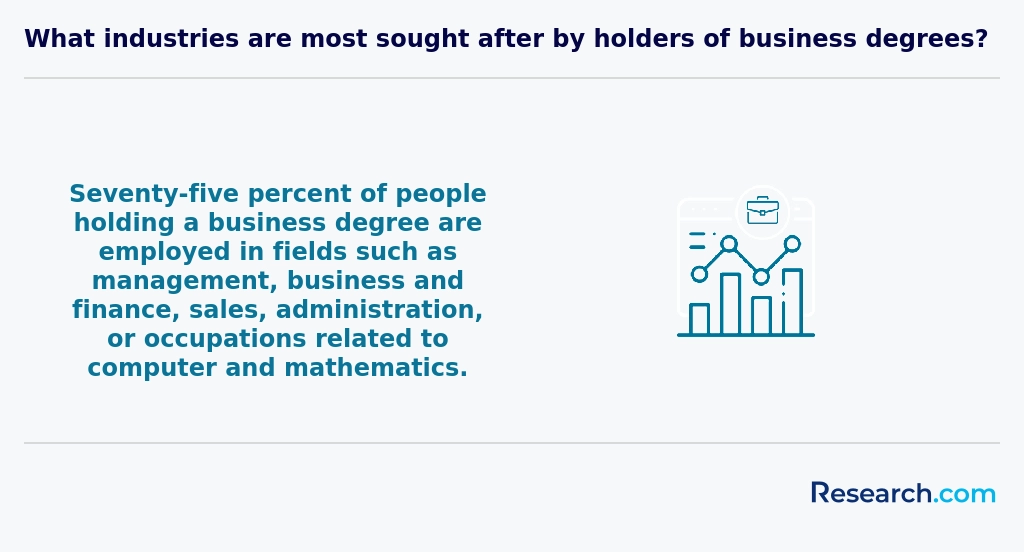
Graduates armed with a business degree in Springfield find themselves at a crossroads brimming with vibrant possibilities. Imagine stepping out of a bustling classroom at one of Springfield's popular colleges, quickly pivoting into roles like financial advisor or digital marketing specialist, where data-driven decision-making powers every move. These career paths aren't just jobs; they're arenas where fresh grads turn theory into kinetic energy, thriving in Springfield's growing finance and tech sectors.
Those who mastered the art of management at Springfield universities often land roles coordinating healthcare operations, a booming field thanks to the city's numerous hospitals. Visualize a graduate streamlining hospital logistics, making tangible differences in patient care behind the scenes. For students pondering business degree career opportunities in Springfield, this is a landscape painted with entrepreneurial support roles and project management positions, fertile ground for startups and local firms craving innovative minds.
Amid these career adventures, staying mindful of cost matters-public universities here charge between $8,000 and $12,000 annually for in-state students, which frames choices and aspirations. For an affordable way to keep the dream alive, check out the Inexpensive Online Master's in Business Degree Programs Ranking in Texas, a resource many Springfield grads explore as they gear up for promising futures.
The business degree job outlook Springfield graduates face is a vibrant mosaic of opportunity and growth. Imagine a recent graduate from a well-regarded Springfield college stepping into the pulse of a bustling mid-sized city where marketing strategies buzz in startup hubs and financial planning drives local manufacturers. These graduates don't just find jobs-they find places where their unique skills in data analysis and project management spark real change in dynamic small and medium-sized enterprises.
Springfield's economic heartbeat beats strongest in sectors like healthcare and retail, where demand for fresh talent with a business degree is palpable. Alumni from local universities often share stories of internships transforming into rewarding full-time positions, thanks to tight-knit academic-business partnerships fostering direct pipelines to employers.
While average starting salaries hover between $45,000 and $55,000, the city's affordable living costs translate to an energized, sustainable lifestyle. For those weighing options, Springfield combines career potential with comfort, making it a top choice for practical, ambitious students. Prospective learners might even explore options such as the top 6 month associate degree online to jumpstart their business journey.
Springfield business graduate employment opportunities are not just plentiful-they're rooted in community, adaptability, and forward-thinking industries ready to embrace new talent.
2027 Most Popular Business Degree Programs Ranking in Springfield
Investing in your education is a significant decision that can greatly influence your career trajectory, and the Research.com team recognizes the importance of making well-informed choices. To support prospective students in Springfield, we have carefully developed the "2027 Most Popular Business Degree Programs Ranking in Springfield." Our dedication to quality, credibility, and accuracy is demonstrated through rigorous research and analysis applied in compiling this ranking.
We utilized the following reputable data sources to ensure a comprehensive evaluation of business degree programs:
By reviewing this ranking, readers will gain valuable insights into the most popular and credible business degree programs in Springfield, aiding them in making confident and informed educational decisions. For a deeper understanding of our ranking process, please visit our Research.com methodology page.


# 5 position
American International College
Bachelor of Science in Business Administration in General Business

Frequently Asked Questions About business
Business degree students in Springfield can maximize their learning by engaging in internships with local companies, many of which are part of the Springfield Regional Chamber of Commerce. Practical experience complements classroom knowledge and improves job prospects. According to the U.S. Bureau of Labor Statistics, internships increase employment chances by up to 60% upon graduation.
Students should also participate in networking events and business clubs on campus, which provide valuable connections and leadership skills. Utilizing resources like Springfield's public libraries and online databases supports research and project work. Furthermore, taking advantage of workshops focused on skills such as data analysis and marketing can enhance academic performance and career readiness.
The business field is rapidly evolving, with new niches emerging to meet changing market demands. In Springfield, specialties like data analytics, sustainability management, and e-commerce strategy are gaining popularity among business students. According to the Springfield Economic Development Council (2023), companies in this region increasingly seek professionals skilled in digital marketing and supply chain innovation.
Another growing niche is fintech, combining finance and technology to create new financial services. Local startups in Springfield are expanding this sector, creating more career opportunities. Students focusing on these areas often find a competitive edge in the job market.
Moreover, the rise of remote work has sparked interest in organizational behavior and human resource technology, critical for managing virtual teams effectively.
Preparing for the job market after completing a business degree in Springfield involves strategic steps grounded in both local economic trends and national hiring practices. Springfield boasts a growing job market in sectors like finance, healthcare management, and retail, according to recent data from the Springfield Chamber of Commerce.
Graduates should leverage internships and cooperative education opportunities offered by Springfield colleges, which increase employability by up to 40%, as reported by the National Association of Colleges and Employers (NACE). Networking with local professionals through business organizations, such as the Springfield Business Development Center, also proves essential.
Additionally, proficiency in data analytics and digital marketing is increasingly valuable. The U.S. Bureau of Labor Statistics projects 8% job growth in these areas nationally through 2030, reflecting trends affecting Springfield's business landscape.
Employers in Springfield highly value a blend of technical skills and interpersonal abilities in business degree graduates. According to a 2023 report by the Springfield Economic Development Council, critical thinking and problem-solving top the list, with over 70% of local firms prioritizing these skills for new hires. Additionally, communication skills, both written and verbal, are essential for effective teamwork and client interaction in the region's diverse business sectors.
Data from the Springfield Chamber of Commerce indicates that proficiency in data analysis and familiarity with financial software are increasingly important, reflecting the city's growing tech and finance industries. Adaptability and a solid understanding of business ethics also rank highly among Springfield employers.
Finding internships in Springfield relevant to a business degree starts with utilizing local university career centers. These centers often partner with Springfield-based companies to offer internships tailored to business students. The Springfield Chamber of Commerce website is another valuable resource, regularly listing internship opportunities in finance, marketing, and management sectors.
Additionally, platforms like Handshake and the National Association of Colleges and Employers provide listings specific to the Springfield area. According to data from the U.S. Bureau of Labor Statistics, companies in Springfield's growing healthcare and manufacturing industries increasingly seek business interns for roles in operations and supply chain management.
Networking through local business events or internships fairs hosted by institutions such as Missouri State University can also enhance chances to secure relevant positions.
In Springfield, earning a business degree significantly enhances career mobility and advancement opportunities. According to the U.S. Bureau of Labor Statistics, professionals with business degrees generally experience lower unemployment rates and higher median salaries compared to those without degrees. Local employers in Springfield, especially in sectors like finance, healthcare administration, and retail management, prefer candidates with formal business education due to their preparedness in leadership and strategic thinking.
Additionally, Springfield's expanding economy offers diversified roles where business graduates can ascend quickly. Networking connections made during degree programs often lead to promotions or new opportunities within the region. Data from the Springfield Chamber of Commerce indicates that 65% of recent business graduates secured managerial roles within three years of graduation.
Studying for a business degree in Springfield provides students with a foundation that integrates multiple disciplines. Business programs often combine economics, marketing, finance, and management courses, preparing students to work across various sectors. This interdisciplinary approach reflects the needs of Springfield's diverse economy, which includes manufacturing, healthcare, and retail industries, according to the Springfield Chamber of Commerce 2023 report.
Students gain practical skills through case studies and group projects that mimic real-world challenges, encouraging collaboration across fields. Additionally, Springfield's business schools frequently partner with local industries, offering internships that expose students to cross-functional roles. This hands-on experience is crucial for those aiming for leadership positions that require understanding different business areas.
Choosing between a thesis and a non-thesis business degree program in Springfield depends on your career goals and learning preferences. Thesis options usually suit students interested in research or pursuing a PhD. These programs emphasize critical thinking and original research, often requiring a formal thesis project.
Non-thesis programs focus more on practical skills and may include internships or capstone projects. They appeal to professionals aiming to advance in the business sector quickly without additional research commitments.
According to the Springfield Chamber of Commerce, 68% of recent business graduates found that non-thesis degrees helped them enter the workforce faster, while thesis students reported stronger academic networks.
Students based in Springfield who want to study business abroad have several options through US higher education partnerships and exchange programs. Many business schools in Springfield, including those at Missouri State University, offer study abroad opportunities in Europe, Asia, and Latin America. These programs typically last one semester or summer and allow students to earn credit hours towards their degree.
Additionally, some Springfield institutions have dual degree agreements with foreign universities, enabling students to obtain international credentials alongside their US degree. According to NAFSA (2023), over 60% of business students at Missouri State participate in some form of study abroad, highlighting strong institutional support. Students should also explore federal and private funding sources like the Gilman Scholarship to finance overseas education. These opportunities provide valuable global business insights necessary in today's interconnected markets.
Springfield offers a variety of part-time job opportunities that complement business degree education effectively. Roles in retail management, customer service, and office administration are common and provide practical experience in business operations. According to the Springfield Chamber of Commerce, the local retail sector has grown by 5% annually, creating practical opportunities for students.
Internships with Springfield-based firms in finance, marketing, and supply chain management also provide valuable industry insight. Such positions help develop skills in data analysis, communication, and project coordination.
Additionally, many students find roles in local non-profits or startups, which enhance leadership and organizational skills crucial for business careers. These jobs foster real-world application of classroom concepts.
Business students in Springfield benefit from a variety of networking opportunities that connect them with local industries and professionals. The city hosts numerous events through organizations such as the Springfield Chamber of Commerce, which regularly organizes mixers, workshops, and seminars tailored to emerging business leaders. According to the Springfield Business Journal, over 60% of local businesses participate in student mentorship programs, providing real-world insights and internship possibilities.
Local universities often collaborate with Springfield's active startup ecosystem, offering business students chances to engage with entrepreneurs and investors. Additionally, regional conferences and career fairs held annually attract recruiters from major companies based in Springfield, enhancing job placement prospects.
Alumni networks play a crucial role for business degree students in Springfield by providing valuable career support and professional connections. Graduates from Springfield's universities often remain active in these networks, helping new students access job openings and internships locally. According to the Springfield Chamber of Commerce, 65% of local business positions are filled through referrals, highlighting the importance of alumni contacts.
These networks also offer mentorship opportunities, allowing students to learn directly from experienced professionals in Springfield's diverse business sectors. Workshops and networking events hosted by alumni groups enhance students' industry knowledge and confidence.
Furthermore, alumni connections can lead to partnerships and collaborations that boost entrepreneurship within the city's growing economy.
Customizing a business degree program in Springfield involves selecting specializations, electives, and internship opportunities aligned with your career goals. Many local colleges offer concentrations such as finance, marketing, or entrepreneurship, allowing students to focus on areas relevant to Springfield's job market.
Additionally, Springfield's proximity to diverse industries like manufacturing and healthcare provides varied internship placements. According to the Springfield Chamber of Commerce, 40% of business graduates secure positions through local internships, enhancing practical experience.
Students can also take advantage of certificate programs or dual-degree options to broaden skills. Academic advisors in Springfield institutions assist in tailoring study plans, ensuring the curriculum supports both immediate and long-term career objectives.
Business students in Springfield often face several common challenges that impact their academic and professional growth. One significant issue is balancing demanding coursework with part-time jobs, as many students need to support themselves financially while studying. According to the Springfield Chamber of Commerce, nearly 45% of business students work alongside their studies.
Another challenge lies in gaining relevant internship experience within Springfield's competitive job market, especially in finance and marketing sectors. Limited connections and networking opportunities can hinder students' access to internships, affecting their practical skills development.
Additionally, adapting to rapidly changing business technologies and trends requires constant effort. Springfield's local universities report that students must stay updated to remain competitive in fields like data analytics and digital marketing.
A business degree from Springfield institutions opens pathways to many professional certifications that can boost your career. Common certifications include the Certified Public Accountant (CPA) for those interested in accounting and finance. According to the Missouri Society of CPAs, CPA holders in Springfield often see salary increases averaging 15% within five years.
Another valuable credential is the Project Management Professional (PMP), recognized nationwide and widely pursued by Springfield business graduates aiming for leadership roles. The Project Management Institute notes a 20% employment growth in the Springfield area for PMP-certified professionals.
For marketing and management professionals, certifications such as Certified Management Accountant (CMA) and Chartered Financial Analyst (CFA) are respected options. These enhance analytical skills and financial expertise applicable in Springfield's diverse business sector.
To write a winning application for a business program in Springfield, start by clearly articulating your career goals and how the program aligns with them. Admissions committees value applicants who demonstrate a strong understanding of the local business environment, which in Springfield includes a growing tech sector and established manufacturing industries, according to the Springfield Chamber of Commerce.
Highlight relevant academic achievements and practical experience, such as internships or part-time work in local companies. Use concrete examples to showcase your leadership and teamwork skills, essential for business success. Springfield schools often look for students with community involvement or entrepreneurship initiatives.
Lastly, tailor your personal statement to each program, reflecting Springfield's unique economic landscape and your role within it.
Business careers today require an understanding of global markets, as companies increasingly operate across borders. In the United States, and specifically in Springfield, business graduates benefit from programs that emphasize international trade, multicultural management, and global ethics. According to the U.S. Bureau of Labor Statistics, roles in international business and management are expected to grow by about 8% through 2030, reflecting strong demand.
Springfield's business schools often partner with global companies, providing students with opportunities for internships and exposure to worldwide business practices. This helps prepare graduates to lead diverse teams and navigate economic differences effectively. The evolving global economy makes such skills essential for long-term career success.
Gaining practical experience while studying for a business degree in Springfield is an important step toward career readiness. Many local colleges encourage students to participate in internships with regional companies, such as those in Springfield's growing finance and healthcare sectors. According to data from the Springfield Chamber of Commerce, over 60% of business students in the area secure internships before graduation.
Additionally, cooperative education (co-op) programs are offered by some institutions, allowing students to alternate classroom study with paid work experience. These opportunities provide valuable exposure to real-world business challenges. Students can also engage in campus-based business clubs and competitions, which help develop networking and leadership skills while applying theoretical knowledge.
Choosing the right concentration within a business degree program in Springfield involves careful consideration of your career goals and local market demands. Popular concentrations include finance, marketing, management, and entrepreneurship. According to Springfield's Chamber of Commerce, sectors like healthcare management and manufacturing logistics show consistent job growth, which may influence concentration choices.
Review program curricula and seek concentrations that offer practical experience or internships with Springfield-based companies. Accreditation, such as from AACSB, can indicate program quality.
Analyzing job placement rates and consulting with academic advisors also supports informed decisions aligned with Springfield's economic landscape.
- 2027 Most Popular Business Degree Programs Ranking in Amherst
- 2027 Most Popular Business Degree Programs Ranking in West Hartford
- 2027 Most Popular Business Degree Programs Ranking in Storrs
- 2027 Most Popular Business Degree Programs Ranking in New Britain
- 2027 Most Popular Business Degree Programs Ranking in Worcester
- 2027 Most Popular Business Degree Programs Ranking in New Haven
- 2027 Most Popular Business Degree Programs Ranking in Providence
- 2027 Most Popular Business Degree Programs Ranking in Kingston
- 2027 Most Popular Business Degree Programs Ranking in Albany
- 2027 Most Popular Business Degree Programs Ranking in Troy
See What Experts Have To Say About Studying Business
Read our interview with Business experts


Ingrid S. Greene
Business Expert
Clinical Assistant Professor of Management
Loyola Marymount University

David W. Stewart
Business Expert
Emeritus President's Professor of Marketing
Loyola Marymount University

- Awakening Human Potential to Change the World: The Impact of Studying an MBA https://westfield.edu/awakening-human-potential-to-change-the-world-the-impact-of-studying-an-mba/
- Jobs after studying business administration: opportunities at a glance | JobTeaser https://www.jobteaser.com/en/advices/jobs-after-studying-business-administration-opportunities-at-a-glance
- Guide to Business Internships | Higherin https://higherin.com/career-guides/business/business-internships
- How Long Does It Take to Get a Business Administration Degree? - Team Academy https://teamacademy.nl/how-long-does-it-take-to-get-a-business-administration-degree/
- 8 Best Places to Study Abroad for Business [+ How to Choose] https://www.semesteratsea.org/study-abroad-for-business/
- 1. Online registration https://moderna.edu.pl/majors/management/bachelor-of-management/business-management/
- Know more about thesis vs non- thesis: what is the difference? https://studyfans.com/en/blogs/816
- 5+1: Five challenges facing business schools and one solution https://charteredabs.org/insights/opinion/51-five-challenges-facing-business-schools-and-one-solution
- Business Management Catalog https://springfield.edu/programs/business-management/catalog
- Why Alumni Networks Matter in Business School: 7 Reasons https://europe.ceibs.edu/article/why-alumni-networks-matter-business-school