
2027 Most Popular Business Degree Programs Ranking in Providence

Co-Founder and Chief Data Scientist
Choosing the right business degree program is an exciting step toward a rewarding career. If you're a student in Providence looking to make an informed decision, this article is here to help.
We present the 2027 Most Popular Business Degree Programs Ranking in Providence, created by the Research.com team of data scientists. This carefully researched ranking highlights top programs that align with current trends and opportunities.
Reading this guide will give you valuable insights to confidently select a program that fits your goals and sets you up for success.
Key benefits of getting business degree in Providence
- Salary for business degree graduates: Graduates often secure roles like Business Development Executive with a mean annual wage of $83,190 or Business Analyst earning about $112,950 yearly, showing strong financial potential in Providence.
- Career paths: A business graduate from Providence College can explore diverse roles in sales, analysis, and strategy, offering exciting opportunities to grow in different industries and find their passion.
- Online degree benefits: Graduates from online business programs in Providence enjoy flexibility and can balance work, life, and study more easily, making their learning journey personalized and stress-free.
- 2027 Most Popular Business Degree Programs Ranking in Providence
- What can I expect from business degree in Providence?
- Where can I work with business degree in Providence?
What can I expect from business degree in Providence?
The average cost of earning a business degree in Providence varies depending on the institution and residency status, but many students find it a worthwhile investment in their future. Public colleges like Rhode Island College offer more affordable tuition rates for in-state students, making it easier to manage expenses while gaining a strong education. Graduates from Providence College often reflect on the value they received, balancing tuition costs with scholarships and financial aid that helped ease their financial journey.
Students at Johnson & Wales University appreciate flexible payment options alongside comprehensive programs that prepare them for meaningful careers. Imagine attending evening classes after work or engaging in paid internships through partnerships within Providence's vibrant business community - these experiences enrich learning beyond the classroom. Investing in a business degree here opens doors to exciting opportunities in thriving sectors like finance, insurance, and healthcare, promising rewarding returns both professionally and personally.
Where can I work with business degree in Providence?
Graduates with a business degree from institutions like Brown University or Providence College find themselves stepping into a dynamic job market full of exciting opportunities in Providence. Many secure roles in the thriving finance and insurance sector, working for local banks or investment firms where they apply their analytical and managerial skills to help clients grow their wealth.
Others thrive in healthcare administration at major providers such as Lifespan or Care New England, where business expertise helps improve the efficiency and quality of patient services. Graduates often describe how their time studying business gave them the confidence to lead projects that streamline hospital operations or manage budgets effectively.
A number of graduates embrace the innovative spirit of Providence's tech startup scene, supported by local entities like the Rhode Island Commerce Corporation. Here, they use marketing and entrepreneurial skills to fuel small business growth, contributing to exciting new ventures.
Working for local government or nonprofits offers rewarding paths too, allowing graduates to make a meaningful impact through program management and grant administration, roles that call for strong organizational talents honed during their studies.
These success stories reflect Providence's supportive environment, where business graduates confidently enter careers that make a real difference in varied sectors.
Graduates with a business degree from well-known institutions in Providence often discover promising salary opportunities tied to their education. For example, business development executives in the area earn a mean annual wage of about $83,190, reflecting strong demand for strategic and growth-oriented roles. Many graduates from local colleges proudly step into these positions, feeling confident in the skills cultivated during their studies.
Business analysts, another common career path for Providence graduates, stand out with an impressive average annual salary of $112,950. This higher earning potential highlights the value placed on analytical expertise in Providence's expanding sectors like finance and healthcare. Graduates transitioning from campus projects to real-world challenges frequently share inspiring stories of securing these rewarding roles.
While some roles like project managers and operations supervisors have less specific data, the overall economic landscape in Providence is encouraging. The balancing act of competitive salaries and a moderate cost of living empowers new professionals to thrive financially and personally as they launch their careers in this vibrant city.
- Tuition for business degrees in Providence ranges from $20,000 to $40,000 per year, with private schools costing over $35,000 and public schools around $20,000 to $25,000.
- Financial aid and scholarships are commonly available to help reduce tuition expenses.
- Entry-level salaries for business graduates start near $50,000 annually, varying by field and employer.
- Experienced business professionals can earn between $80,000 and $100,000 per year five to ten years after graduation.
- Business and financial jobs in Providence are expected to grow steadily over the next decade, supported by sectors like healthcare, education, finance, and manufacturing.
- Providence has a lower cost of living compared to other major Northeast cities, improving overall affordability for students and graduates.
Completing a business degree in Providence is a rewarding journey that typically takes about four years of full-time study at well-known institutions like Providence College or Rhode Island College. Many graduates find this timeline perfect for balancing academic growth with vibrant campus life and local internships, which enhance real-world skills. Imagine yourself engaging in engaging business projects while exploring the bustling city, knowing you're building a strong foundation in just a few years.
For those juggling work and studies, part-time options offer flexibility, extending the path to five or six years but allowing you to maintain your career and family commitments. Graduates often share how this balance brings confidence and resilience, enriching both personal and professional growth. Providence's supportive community makes every step encouraging and manageable.
Graduate students pursuing an MBA also benefit from choices-full-time programs last around two years, while accelerated paths can reduce this to as little as 12 to 18 months. This variety empowers you to tailor your education to your pace and aspirations, opening doors sooner without sacrificing quality or experience.
Calculating the return on investment (ROI) of a business degree is essential for any prospective student in Providence, RI. With tuition averaging $12,600–$13,100 and mean starting salaries ranging from $50,000 to $65,000, most graduates recoup their educational expenses within 3–4 years. By analyzing average payback periods alongside career trajectory data, you can make more informed decisions about your financial commitment and long-term goals. On average, a Project Manager earning $80,220 annually will offset a $13,000 tuition bill in under two years, while a Business Analyst at $108,790 per year breaks even in just over one year. Factoring in federal grants, scholarships, and work-study earnings can further accelerate ROI. Remember, early internships and networking often translate into higher starting salaries, reducing your break-even timeline. For students exploring cost-efficient program options or considering supplemental online credentials, our Cheapest Online Business Degree Programs Ranking in Wisconsin offers valuable insights on balancing affordability with academic quality. By comparing ROI across delivery formats and institutions, you can choose a path that maximizes both your financial and professional returns.
Choosing between online and on-campus business degrees in Providence opens exciting paths tailored to your lifestyle. Online programs offer incredible flexibility, perfect for those balancing work or family. Imagine attending Bryant University's business classes from your living room, setting your own study schedule, and accessing lectures whenever it suits you. Many graduates embrace this freedom, feeling empowered to learn without disrupting their daily routines.
On the other hand, the traditional on-campus experience at Rhode Island College brings vibrant energy through face-to-face interactions. Picture walking the campus, engaging in dynamic discussions, and building connections at local business events. These in-person opportunities strengthen your network, which graduates often say helped them land competitive jobs in Rhode Island's lively market.
Both pathways lead to valued degrees like the BBA or MBA and prepare you for success. Whether you thrive on flexibility or community engagement, Providence's business programs support your goals and inspire confidence every step of the way.
To make informed decisions about your business education, it's essential to explore the various popular business colleges in Providence, RI. By considering factors such as accreditation, specializations offered, tuition and financial aid, acceptance and graduation rates, experiential learning opportunities, and support services, you can find a program that aligns with your career aspirations and goals. Whether you're interested in pursuing a degree in accounting, marketing, finance, or another field, researching the best business colleges in Providence can help you navigate the competitive job market and achieve success in your chosen career path.
The average cost of earning a business degree in Providence typically centers around a median total of about $43,187, offering a clear financial picture for prospective students. Whether attending a private university known for excellence or a public college that offers exceptional value, many graduates reflect on their investment as one that unlocks lasting careers and exciting opportunities.
For students considering options like the University of Rhode Island, the in-state tuition cost provides an affordable pathway without compromising on quality. Graduates often speak about balancing their budget wisely, making use of scholarships, financial aid, and part-time jobs to manage total expenses for business degree Providence without stress. Meanwhile, private institutions in Providence, with higher tuition, provide immersive environments that many find deeply rewarding.
Living in Providence adds a moderate cost-around $12,000 per year for housing and essentials-but creates an enriching lifestyle full of culture, networking, and professional growth. Stories from alumni reveal how the local community and campus life contribute positively, making every dollar feel well spent. For those exploring their options further, a helpful resource is the list of popular business colleges in the area where many have launched their careers with confidence.

Many Providence business students find financial aid that truly transforms their educational journey. Federal aid, accessed by filing the FAFSA, opens doors to Pell Grants offering up to $7,395 annually and low-interest Direct Loans, making tuition at institutions like Providence College or Johnson & Wales University much more manageable. Graduates often recall how these funds eased their worries about balancing work and study.
State scholarships like the Rhode Island Promise Scholarship provide a tremendous boost by covering tuition costs at in-state public colleges. Local universities complement this generosity with merit- and need-based institutional scholarships tailored to business students, shining a light on hard work and potential.
Private scholarships from Providence's vibrant business community create unique opportunities for those passionate about commerce or entrepreneurship. Many students have cherished gaining real-world experience through work-study roles connected to business administration, earning while building valuable skills on campus.
Additionally, employer tuition reimbursement programs support working professionals advancing their business education, making the dream of a degree more accessible and inspiring in Providence.
Navigating your business degree journey can be both exciting and challenging. To help you make the most of your education, consider these expert tips that not only enhance your academic performance but also prepare you for a thriving career in Providence. First, familiarize yourself with the detailed business degree requirements for each program you’re considering to ensure you meet all prerequisites and can capitalize on specialized coursework. Secondly, actively participate in networking opportunities on campus-join business clubs, attend career fairs, and engage with alumni to build relationships that can lead to internships and job placements. Additionally, balance your coursework with practical experiences by seeking internships and part-time roles in local businesses; this real-world exposure will allow you to apply classroom theories directly to industry challenges. Finally, leverage university support services, such as academic advising and resume workshops, to stay on track with your career goals and continuously refine your professional skills. By incorporating these strategies, you can make informed decisions and ultimately pave the way for success in both your studies and future career in the business world.
Enrolling in a business degree program in Providence is an achievable goal that starts with a solid foundation, typically a standard high school diploma or equivalent. Many students from institutions like Providence College or Johnson & Wales University share how completing core subjects such as math, English, and social studies prepared them to confidently embrace business concepts.
Official transcripts reflecting strong performance in quantitative and communication skills speak volumes during admissions. While test scores like the SAT are sometimes requested, more schools in Providence now welcome applicants through test-optional policies, reducing pressure and opening doors to motivated learners.
Graduates often recall how completing introductory courses in economics or math gave them a real advantage from day one, along with demonstrating English proficiency if they are international students. Personal statements and letters of recommendation provide a perfect stage to shine by sharing your passion for business and future ambitions.
Maintaining a GPA around 2.5 to 3.0 ensures you're on the right track, and for those eyeing graduate programs like an MBA, relevant work experience enhances your readiness. Providence's supportive academic environment fuels your journey toward success every step of the way.
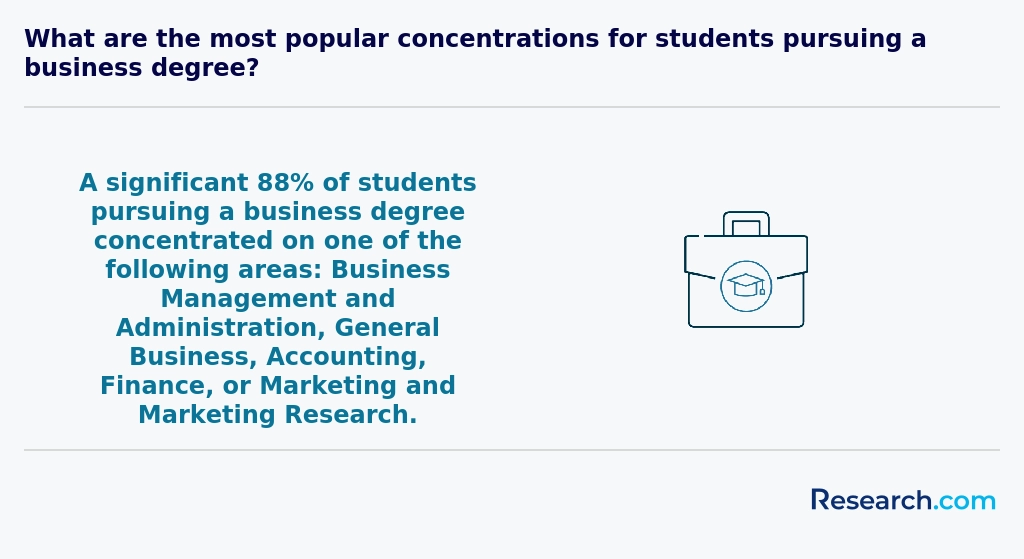
Understanding the return on investment (ROI) of a business degree in Providence is crucial when weighing tuition costs against potential earnings. On average, graduates from Providence’s top institutions incur total tuition and fees of $50,000–$55,000 for a four-year bachelor’s program. With mean starting salaries around $60,000 for entry-level roles such as marketing coordinators and financial analysts, most students achieve a payback period of approximately 4–5 years. Mid-career salaries climb to $80,000–$100,000, pushing the lifetime ROI well above 200%. Key Factors Affecting ROI:
- Total Cost of Attendance: In addition to tuition, consider living expenses (roughly $15,000 annually in Providence) and ancillary fees.
- Average Graduate Earnings: Project Managers and Business Analysts in Providence earn mean annual wages of $80,220 and $108,790, respectively.
- Debt-to-Income Ratio: With typical student debt balances of $30,000, graduates maintain manageable debt-to-income ratios under 0.5, indicating strong repayment capacity.
- Career Advancement: Many alumni report salary increases of 30–40% within five years thanks to promotions and specialized roles. Maximizing Your ROI:
- Accelerated Master’s Options: Completing a master’s in one year reduces additional tuition and opportunity costs. For example, aspiring professionals often consider advanced pathways such as best online 1 year mba programs to boost their ROI with minimal downtime.
- Scholarships & Aid: Leveraging institutional and state grants can cut total debt by up to 50%.
- Internships & Co-ops: Paid internships in Providence’s finance and consulting firms not only offset living expenses but also lead to higher starting offers. By carefully planning financing, exploring accelerated graduate options, and engaging in paid experiential learning, prospective students can ensure their business degree in Providence delivers a robust financial return.
Business degree programs in Providence immerse students in foundational courses that build confidence and expertise in vital areas such as accounting, marketing, management, finance, economics, and business law and ethics. Graduates from renowned Providence colleges often describe how mastering accounting helped them confidently analyze company finances during internships at local firms, turning complex numbers into clear strategies.
Marketing classes offer hands-on experiences with consumer behavior and market research, inspiring students to craft creative campaigns reflecting the vibrant Rhode Island economy. Management courses focus on leadership and teamwork, preparing students to motivate peers and lead projects effectively, as many alumni have experienced while collaborating on real-world business challenges in Providence's dynamic classrooms.
Finance coursework equips students with skills in budgeting and investment decisions, connecting theory to practical tasks like managing mock portfolios. Economics and business law provide a steady backbone of understanding market forces and ethical business practices. This comprehensive curriculum at Providence institutions fuels ambition and opens doors to exciting opportunities in growing regional sectors like healthcare and finance.
Providence offers a vibrant array of business degree specializations that empower students to excel in diverse industries. Graduates from popular universities and colleges in the city often share how their focus on Finance gave them confidence to navigate the evolving financial services sector locally. Others find Marketing incredibly dynamic, enjoying hands-on experience in digital branding that fuels career growth in Providence startups and established firms alike. Exploring business degree specializations in Providence reveals options like Accounting, where students master auditing and tax skills essential for the city's thriving business community.
Management and Entrepreneurship tracks inspire leadership and innovation, reflecting the spirit of Providence's competitive and entrepreneurial landscape. Additionally, Supply Chain Management prepares students to thrive near major ports, crucial for operations in the region. Many students appreciate emerging fields such as Business Analytics and Information Systems, which sharpen their ability to make data-driven decisions. You can learn more about the business degree requirements to tailor your educational journey to these exciting specializations. Providence business degree concentration options truly provide a solid foundation for a rewarding future.
Choosing the best business degree in Providence means embracing opportunities that match your unique ambitions and lifestyle. Graduates from schools like Brown University often reflect on how AACSB accreditation gave them confidence in the quality of their education, opening doors in Providence's competitive job market. If you seek affordable business degrees Providence offers options such as community colleges where students balance studies with work through flexible schedules and accessible financial aid.
Imagine diving deep into specializations like finance or entrepreneurship at a college rooted in local industry connections, where classmates collaborate on real projects, preparing you for success in Providence's thriving sectors. Employment outcomes here matter-graduates frequently share stories of securing internships through university networks, helping them launch rewarding careers.
For those juggling work and study, programs available in-person, online, or hybrid provide the flexibility to keep momentum without pausing life's demands. Exploring the best online 1 year mba programs can be a game-changer, offering accelerated paths to leadership roles while maintaining professional commitments.
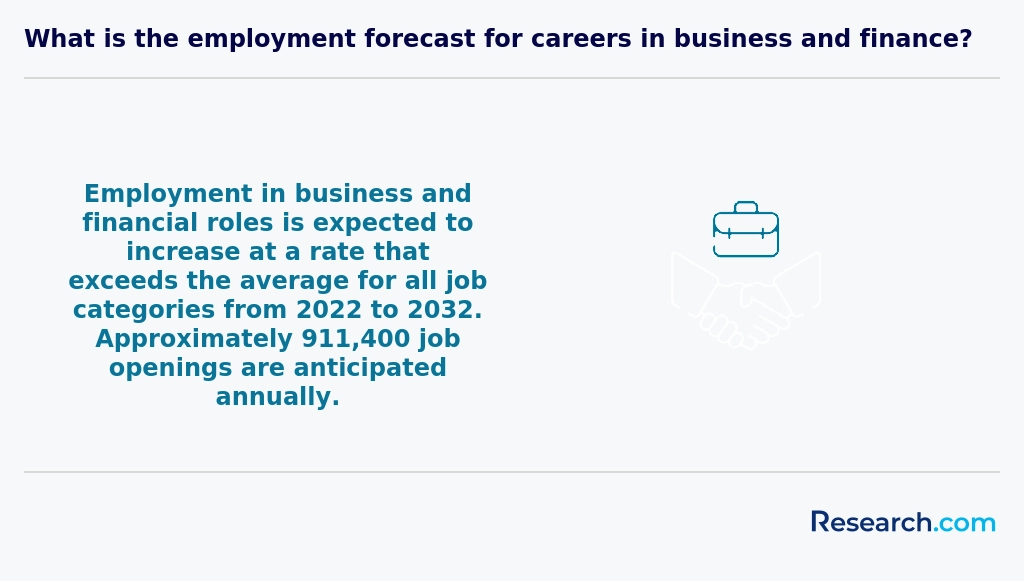
Graduates with a business degree in Providence discover a wealth of exciting career paths in a city known for its vibrant economy and close-knit professional community. Many find success in financial services, supported by Providence's strong banking and investment sectors, where roles like financial analysis and risk management offer pathways to rewarding futures. Business students from local institutions often speak of their hands-on experiences that prepared them for these challenges, fueling confidence and ambition in competitive markets.
Providence business degree job opportunities also abound in management and consulting fields. Graduates frequently step into roles involving operations, marketing, and strategic planning at thriving startups and established firms. The city's location near major northeastern markets provides a springboard for consulting professionals eager to impact regional businesses' growth and efficiency.
Entrepreneurship is another inspiring avenue. With support from local incubators and networks connected to universities like Johnson & Wales, many graduates translate their innovative ideas into startups, contributing to Providence's dynamic business landscape. For those exploring affordable education options, consulting the Cheapest Online Business Degree Programs Ranking in Wisconsin can offer financial relief while pursuing these ambitions.
The job market for business degree job opportunities in Providence is vibrant and full of promise. Graduates from popular institutions like the University of Rhode Island often find themselves stepping into roles in healthcare management, finance, and innovative startups thriving in the city's dynamic economy. Many report gaining valuable experience through internships supported by campus connections, propelling their careers forward with confidence and practical skills.
Providence's strong business community encourages graduates to explore diverse paths such as marketing management or entrepreneurship, where impact and growth go hand in hand. The city's growing startup ecosystem, backed by local incubators, offers exciting chances for those passionate about business strategy and operations.
For students balancing cost and quality, programs in Providence often combine affordability with access to real-world opportunities. Those looking for flexible learning options might explore an accelerated online associates degree, which complements traditional degree paths and boosts employability in a competitive market.
2027 Most Popular Business Degree Programs Ranking in Providence
Investing in your education is a significant decision that can shape your future, and the Research.com team understands the importance of making informed choices. To assist prospective students in Providence, we have meticulously crafted the "2027 Most Popular Business Degree Programs Ranking in Providence." Our commitment to quality, credibility, and accuracy is reflected in the extensive research and analysis conducted to compile this ranking.
We utilized the following reputable data sources to ensure a comprehensive evaluation of business degree programs:
By exploring this ranking, readers will gain valuable insights into the most popular business degree programs in Providence, helping them make informed decisions about their educational paths. For more details on our methodology, please visit our Research.com methodology page.


# 8 position
Johnson & Wales University-Online
Bachelor of Science in Business

# 9 position
Johnson & Wales University-Online
Master of Business Administration
# 10 position
Johnson & Wales University-Online
Doctor of Business Administration
Frequently Asked Questions About business
Business degree students in Providence can maximize their learning by engaging with the area's strong local economy, which includes industries such as healthcare, finance, and manufacturing. Providence hosts numerous internships and cooperative education programs through institutions like Johnson & Wales University and Rhode Island College, which help students gain practical experience. According to the Rhode Island Department of Labor and Training, Providence's business sector grew by 3.2% in 2023, indicating promising employment opportunities for graduates.
Networking with local business professionals and attending industry events in downtown Providence can also enrich students' understanding. Furthermore, leveraging university career services and business clubs supports skill development and job placement. Students should consider combining coursework with experiential learning to build a competitive edge.
The business landscape in Providence is evolving rapidly, with new niches gaining attention among students and professionals. One notable area is sustainable business practices, driven by increasing local demand for environmentally responsible companies. According to the Rhode Island Commerce Corporation, green industries have grown by over 15% in recent years, creating opportunities for graduates focused on sustainability management.
Another emerging niche is data analytics and business intelligence. Organizations in Providence are investing in advanced analytics to improve decision-making. The Bureau of Labor Statistics reports that jobs for business analysts are projected to grow 14% nationally through 2032, reflecting a similar trend locally.
Additionally, healthcare management continues to expand due to Providence's growing medical sector. The state's Office of Health Policy notes a 10% increase in healthcare administration jobs from 2020 to 2023, making it a promising specialization for business students.
After completing a business degree in Providence, preparing for the job market involves building both practical experience and professional connections. Internships with local companies such as Citizens Bank or CVS Health provide hands-on learning and improve employability. According to the Providence Economic Development Partnership, 65% of business graduates find jobs within six months of graduation in the region.
Networking is vital; attending career fairs hosted by universities like Rhode Island College or Bryant University helps students meet potential employers. Additionally, gaining skills in data analysis and digital marketing, highly sought after in Providence's growing business sectors, can increase job prospects.
Staying informed on local market trends and using resources like the Rhode Island Department of Labor can also guide job seekers effectively.
Employers in Providence value several key skills in business degree graduates that enhance workplace success. According to the Rhode Island Department of Labor and Training, communication skills rank highest, as graduates must clearly present ideas and collaborate effectively. Problem-solving and critical thinking are also essential, especially in Providence's growing finance and healthcare sectors.
Data from local hiring reports show that proficiency in digital tools such as Excel, Tableau, and CRM software is increasingly important. Additionally, strong analytical abilities are sought after due to the city's expanding demand for data-driven decision making. Leadership and teamwork skills remain vital, with many employers emphasizing adaptability in a changing economy.
Finding internships in Providence relevant to a business degree involves strategic research and networking. The city hosts a vibrant business community, including sectors like finance, healthcare, and manufacturing, providing diverse internship opportunities.
Start by consulting your university's career services. Institutions such as Providence College and Johnson & Wales University offer dedicated internship placement support and maintain partnerships with local companies. According to the Rhode Island Department of Labor and Training, the metropolitan area has seen a 5% growth in business sector jobs, increasing internship prospects.
Online platforms like Handshake and LinkedIn offer localized internship listings in Providence for business students. Additionally, attending Providence Chamber of Commerce events can connect you with potential employers seeking interns.
Obtaining a business degree in Providence significantly enhances career mobility and advancement opportunities. Graduates benefit from strong connections to local industries such as healthcare, finance, and manufacturing, which contribute to the city's diverse economy. According to the Rhode Island Department of Labor and Training, business-related occupations are expected to grow by 7% through 2030, signaling a favorable job market.
Many employers in Providence prioritize candidates with formal business education for leadership and managerial roles. A degree provides foundational skills in communication, critical thinking, and financial analysis, which are essential for upward movement.
Additionally, Providence's strategic location within the Northeast corridor offers graduates access to a broad professional network, supporting career transitions within the region.
Studying for a business degree in Providence offers students a strong foundation for interdisciplinary roles by blending core business knowledge with skills from multiple fields. Many Providence institutions incorporate courses in economics, psychology, communication, and technology to prepare students for diverse work environments.
Local programs emphasize collaboration and problem-solving, which are crucial for roles that cross traditional business boundaries. For example, Rhode Island's growing healthcare and finance sectors require professionals who can navigate both business strategy and industry-specific challenges.
According to the Rhode Island Department of Labor, nearly 30% of business graduates in Providence enter interdisciplinary careers, highlighting the region's dynamic employment landscape.
Such integration equips students to work effectively in teams and communicate across departments, enhancing adaptability in fast-changing markets.
When deciding between a thesis and a non-thesis business degree program in Providence, consider your career goals and learning preferences. A thesis option typically involves conducting original research, which suits students aiming for academic roles or specialized fields. According to data from the National Center for Education Statistics, around 30% of business master's programs in Rhode Island offer thesis tracks, emphasizing research skills.
Non-thesis programs often focus on practical coursework and internships, appealing to professionals targeting immediate entry into management or entrepreneurial positions. Providence's growing sectors, such as finance and healthcare management, favor applied skills over research, as reported by the Providence Economic Development Partnership.
Additionally, thesis programs often require more time-sometimes an extra semester-compared to non-thesis tracks, which can be completed faster and may reduce tuition costs.
Students based in Providence seeking business degrees abroad have several pathways through study abroad programs coordinated by local institutions such as Bryant University and Rhode Island College. These universities offer partnerships and exchange programs with international business schools, enabling students to spend a semester or year overseas earning credit toward their degrees.
Popular destinations often include Europe, Asia, and Latin America, where emerging markets provide valuable business insights. According to NAFSA data, about 10% of Rhode Island college students participate in study abroad programs, reflecting growing interest in global business education.
Additionally, some Providence students pursue dual-degree programs or internships with global companies, enhancing practical experience. Financial aid options and scholarships specifically for study abroad are also available, helping mitigate costs. The U.S. Department of Education's College Scorecard reports strong post-graduation employment rates for business students with international experience.
Providence offers various part-time job opportunities that complement business degree education effectively. Students can find roles in local financial institutions, such as banks and credit unions, where they can develop skills in customer service, finance, and risk assessment. The city's growing tech startups also provide positions in marketing, sales, and data analysis, valuable for business students aiming to gain real-world experience.
The Providence Chamber of Commerce reports that retail management and administrative support positions are also common for students, helping to build leadership and organizational skills. According to the U.S. Bureau of Labor Statistics, these roles typically offer flexible hours suited for part-time study schedules in Providence.
Business students in Providence benefit from a variety of networking opportunities linked to the city's robust economy and higher education institutions. Providence hosts several business-focused events and career fairs each year, often organized by universities such as Johnson & Wales University and Providence College. These events facilitate direct contact with local employers in finance, healthcare, and manufacturing industries, which are significant sectors in the area according to the Rhode Island Department of Labor.
Students also have access to professional organizations like the Providence Chamber of Commerce and the Rhode Island Society of CPAs, which offer workshops, mixers, and mentoring programs. Participation in these groups can increase connections and job prospects after graduation.
Alumni networks offer valuable resources for business degree students in Providence by connecting them with local professionals who understand the city's economic landscape. These networks often provide mentorship, internship opportunities, and job leads that can be instrumental in launching a career in Providence's competitive business environment.
According to the Rhode Island Department of Labor, Providence has a growing finance and insurance sector, making alumni connections particularly beneficial for students interested in these fields. Many Providence-based business schools maintain active networks that host events and workshops, enhancing practical learning beyond the classroom.
Studies show that 70% of job placements in Providence's business sector come through referrals, underscoring the importance of alumni relations. For students, this means better access to hidden job markets and insider knowledge about industry trends locally.
Customizing a business degree program in Providence allows students to align their education with specific career goals. Many local institutions offer concentrations such as finance, marketing, entrepreneurship, and supply chain management, providing targeted skills for sectors prominent in Rhode Island. Providence's strong emphasis on healthcare, manufacturing, and finance industries means students can select internships and cooperative education programs with companies in these fields.
Additionally, students can often tailor electives or pursue certificates in emerging areas like data analytics or international business. Academic advisors play a key role in helping students map out courses that suit their professional ambitions while leveraging Providence's growing business ecosystem.
Business students in Providence face several challenges common across the US, with some local nuances. One significant issue is the rising cost of tuition and living expenses, which can exceed $40,000 annually at private institutions, making affordability a primary concern.
Additionally, Providence's competitive job market requires students to acquire not only strong academic knowledge but also practical skills such as data analytics and digital marketing to stand out. According to the Providence Chamber of Commerce, internships and networking opportunities remain crucial but limited.
Finally, balancing part-time work or internships with demanding coursework often causes stress and time-management difficulties for many students pursuing business degrees locally.
With a business degree in Providence, you can pursue several respected professional certifications that enhance your career prospects. Popular options include the Certified Public Accountant (CPA) for those interested in accounting, and the Certified Management Accountant (CMA), which focuses on financial management skills.
Additionally, the Project Management Professional (PMP) certification is valuable for graduates aiming to work in project coordination and leadership roles. The Chartered Financial Analyst (CFA) credential is well-regarded among those pursuing finance and investment sectors.
According to the U.S. Bureau of Labor Statistics, earning certifications like these can increase employability and salary potential in Providence's growing business market.
Writing a winning application for a business program in Providence requires careful preparation and attention to detail. Start by clearly demonstrating your interest in Providence's growing business sectors, such as finance and healthcare, which drive the local economy according to the Providence Chamber of Commerce. Highlight any relevant work experience or internships, especially those connected to regional businesses or industries.
Strong academic records matter; aim for a GPA of 3.0 or higher, as competitive programs prioritize applicants with solid grades. Personal statements should be concise and tailored, showing how your goals align with the school's strengths.
Lastly, obtain letters of recommendation that emphasize your leadership skills and potential contribution to the program. Meeting application deadlines precisely is crucial for success.
A business career today is increasingly global, reflecting the interconnected nature of markets and economies. US business degrees, including those available in Providence, emphasize skills such as cross-cultural communication, global finance, and international marketing to prepare students for worldwide opportunities. According to the Rhode Island Department of Labor, Providence's strategic location as a port city enhances its role in international trade, making global business knowledge especially valuable locally.
Many Providence programs align their curricula with global business standards, helping graduates compete internationally. The U.S. Bureau of Labor Statistics notes that demand for skilled business professionals with global experience is expected to grow by 8% through 2030, driven by expanding multinational corporations and supply chains.
Students pursuing business degrees in Providence can gain valuable practical experience through internships with local companies and financial institutions. The city's diverse economy, including sectors like healthcare, manufacturing, and finance, offers numerous opportunities for hands-on learning. According to the Providence Department of Planning and Development, over 30% of businesses in the area support internship programs for students annually.
Many colleges in Providence have partnerships with businesses, allowing students to work on real projects or consult for startups. Additionally, students can join campus organizations focused on entrepreneurship and participate in business case competitions. These experiences enhance resumes and develop critical skills directly applicable to the job market.
Choosing the right concentration within a business degree program in Providence involves understanding local economic trends and personal career goals. Providence's economy emphasizes healthcare, education, and financial services, so concentrations like healthcare management, finance, or entrepreneurship align well with regional opportunities.
Research programs that offer specialized courses and internships in these fields, as hands-on experience can enhance job prospects. According to the Rhode Island Department of Labor, finance and healthcare sectors have seen steady employment growth, supporting related concentrations.
Additionally, consider your strengths and interests, whether in data analysis, marketing, or operations. Many Providence institutions provide career counseling and market data to guide concentration choices, helping students align studies with workforce demands.
- 2027 Most Popular Business Degree Programs Ranking in Kingston
- 2027 Most Popular Business Degree Programs Ranking in Worcester
- 2027 Most Popular Business Degree Programs Ranking in Chestnut Hill
- 2027 Most Popular Business Degree Programs Ranking in Waltham
- 2027 Most Popular Business Degree Programs Ranking in Cambridge
- 2027 Most Popular Business Degree Programs Ranking in Boston
- 2027 Most Popular Business Degree Programs Ranking in Storrs
- 2027 Most Popular Business Degree Programs Ranking in Springfield
- 2027 Most Popular Business Degree Programs Ranking in Amherst
- 2027 Most Popular Business Degree Programs Ranking in West Hartford
See What Experts Have To Say About Studying Business
Read our interview with Business experts

Ingrid S. Greene
Business Expert
Clinical Assistant Professor of Management
Loyola Marymount University

David Souder
Business Expert
Senior Associate Dean for Faculty and Research
Michigan State University


- How to Identify Profitable Business Niches: A Guide for ... https://www.invoiceonline.com/the-entrepreneur-s-handbook/entrepreneurship/business-strategy/how-to-identify-profitable-business-niches-97365
- What is the future of bachelor’s degrees in business? https://www.amba-bga.com/insights/what-is-the-future-of-bachelors-degrees-in-business
- Networking Tips for Business Students and MBA Candidates - Cyprus West University https://www.cwu.edu.tr/networking-tips-for-business-students-and-mba-candidates/
- 8 Best Places to Study Abroad for Business [+ How to Choose] https://www.semesteratsea.org/study-abroad-for-business/
- How to Write a Winning Business School Application Essay - CEA https://www.collegeessayadvisors.com/how-to-write-a-winning-business-school-application-essay/
- How to Write the Perfect Cover Letter – EU Business School https://www.euruni.edu/blog/write-perfect-cover-letter/
- Career Goals: 17 Inspirational Examples for you in 2026 https://www.imd.org/blog/learning-and-development/career-goals/
- A Guide to Profitable Niche Business Selection https://inarlearn.com/niche-business-ideas-a-guide-to-profitable-niche-business-selection/
- Bringing global perspectives to leadership in business https://www.eaie.org/resource/global-perspectives-leadership-business.html
- 2024 Best Business Schools | How Alumni Rate Their Undergraduate Business Degrees https://poetsandquantsforundergrads.com/news/best-business-schools-alumni-rate-undergraduate-business-degrees/5/


