2027 Best Business Degree Programs Ranking in Pennsylvania

Co-Founder and Chief Data Scientist
Choosing the right business degree program can shape your future career and open doors to exciting opportunities. For students in Pennsylvania, finding the best fit is key to success.
This article presents the 2027 Best Business Degree Programs Ranking in Pennsylvania, developed by the Research.com team of data scientists. It offers a clear, data-driven guide to help you make an informed decision.
Reading this ranking empowers you to explore quality programs that match your goals. Pursuing a business degree is a smart step toward growth, confidence, and a rewarding professional journey.
Key benefits of getting business degree in Pennsylvania
- Salary for business degree graduates: Business graduates in Pennsylvania can expect competitive earnings, with Business Analysts earning a mean annual wage of $112,950 and Business Development Executives earning around $83,190. These figures highlight strong financial potential for those entering the field.
- Career paths: Graduates from Pennsylvania's top universities often pursue diverse roles like Business Analysts or Business Development Executives, opening doors to growth in finance, marketing, or management. This variety ensures exciting opportunities that fit individual strengths and goals.
- Benefits of online degrees: Earning a business degree online offers flexibility for balancing work and study while gaining skills from reputable Pennsylvania institutions. Online graduates report feeling empowered by managing their learning pace and applying knowledge immediately in their careers.
- 2027 Best Business Degree Programs Ranking in Pennsylvania
- What can I expect from business degree in Pennsylvania?
- Where can I work with business degree in Pennsylvania?
What can I expect from business degree in Pennsylvania?
The average cost of pursuing a business degree in Pennsylvania typically falls between $10,000 and $40,000 per year, depending largely on whether you attend a public or private institution. Imagine yourself as a student at a public school like Penn State University, where in-state tuition offers a more affordable path without sacrificing academic quality. Graduates often share how this financial balance allowed them to focus on seizing experiential learning opportunities such as internships and co-op programs that enriched their resumes and deepened their real-world understanding.
For those attending private colleges, while tuition tends to be higher, many students find the investment worthwhile given the smaller class sizes and specialized business tracks. Business students at these institutions often describe their journey as one filled with exploration, from mastering finance theories to engaging in hands-on projects that mimic fast-paced industry environments. The cost may spark curiosity but it also unlocks doors to a vibrant business community within Pennsylvania's diverse economy.
Where can I work with business degree in Pennsylvania?
With a business degree from a Pennsylvania university like the Wharton School at the University of Pennsylvania or the Smeal College of Business at Penn State, graduates often find themselves navigating vibrant career paths. Imagine stepping into a bustling financial firm in Philadelphia, joining ranks as a financial analyst or insurance underwriter, where nearly 9% of the state's workforce thrives. The energy is contagious, blending sharp business acumen with real-world impact.
Others dive into healthcare administration near major hubs like UPMC in Pittsburgh, managing hospital operations or consulting to improve patient services. The fast-paced environment and chance to contribute to community health create a uniquely rewarding experience for business grads.
For those drawn to manufacturing, Pennsylvania's leadership in advanced production means opportunities in supply chain or operations at companies making electronics or food products. Graduates often speak about the thrill of coordinating complex processes that power the state's $90 billion manufacturing economy.
Additionally, dynamic consulting and marketing firms across the state offer roles in project management and human resources, where creative problem solving is daily work. Small businesses in retail, hospitality, and tech bring exciting entrepreneurial challenges, perfect for those eager to shape their own path. Each journey reflects the diverse, adventurous spirit that business students embrace across Pennsylvania.
Graduates from Pennsylvania's top business schools, like the University of Pennsylvania's Wharton School or Penn State's Smeal College of Business, often find their hard work pays off with impressive salaries. For instance, a Business Development Executive fresh out of these programs can anticipate an average annual wage around $83,190. Imagine yourself stepping into bustling Philadelphia's finance scene, where this salary brings exciting opportunities to grow professionally and enjoy city life.
Business Analysts in Pennsylvania typically earn even more, with a mean annual wage reaching $112,950. This role allows graduates to dive into problem-solving and strategic planning, experiences that many say make their academic journey feel worthwhile as they translate classroom concepts into real business impacts.
These paths not only offer strong financial rewards but also inspire confidence and adventure. Whether you're navigating the competitive world of business in Pittsburgh or exploring innovative startups in Allentown, these salaries reflect Pennsylvania's vibrant economic landscape and promise of growth.
- In-state tuition for business degrees at public universities in Pennsylvania averages around $18,000 per year, while private schools charge between $35,000 and $50,000 annually.
- Annual salaries for early-career business graduates range from $50,000 to $60,000, increasing to $80,000-$110,000 for experienced professionals within five to ten years.
- Business-related jobs in Pennsylvania are projected to grow by approximately 7% over the next decade, reflecting steady demand.
- Many Pennsylvania schools hold regional and AACSB accreditation, ensuring education meets high national and professional standards.
- Financial aid opportunities, including state grants and scholarships, are available for Pennsylvania residents studying business fields.
- Internships and cooperative education programs provide practical experience that can improve job placement after graduation.
Completing a business degree in Pennsylvania is an exciting journey that takes varying lengths of time depending on your path. Most students at well-known schools like Penn State or Temple University find themselves diving into four years of full-time study for their bachelor's degrees, balancing core courses in accounting and marketing alongside general education. These years are packed with interactive projects and real-world case studies that graduates often recall with a sense of accomplishment.
For those eager to accelerate their adventure, many universities offer online or accelerated programs, allowing for completion in as little as three years. It's a popular route for busy professionals juggling work and study, who feel empowered by the flexibility to learn on their own terms.
Graduate students chasing an MBA at schools such as the University of Pittsburgh typically spend around two years full-time, yet evening and part-time options stretch the process to three to five years. This flexibility lets students shape their educational timing around their busy lives, an aspect graduates appreciate deeply.
Associate degrees or certificates, often found at community colleges across Pennsylvania, let students step quickly into the business world in just one to two years, sparking fresh enthusiasm for their careers ahead.
Imagine stepping into a bustling classroom at Penn State, shaking hands with professors and classmates, diving into heated discussions, and networking at lively campus events. That's the on-campus business degree experience in Pennsylvania-structured, interactive, and full of face-to-face connections. Graduates treasure those spontaneous hallway chats and internship opportunities that bloom from being physically present within the university ecosystem.
Now picture logging in from home, balancing work, family, and studies while exploring Drexel University's online business courses. The freedom to study anytime fuels motivation, and lively virtual discussion boards connect you with peers from all corners of the state. Some graduates find this flexibility a game-changer, allowing them to chase careers without pausing their lives.
Both paths share rigorous curricula, but costs and daily rhythms differ. University of Pennsylvania's on-campus students pay premium tuition but gain immediate access to career fairs, while Temple's online learners might save on commuting and housing yet still earn a valuable, respected degree.
As the business landscape rapidly evolves, staying ahead means not only choosing a high-quality program but also staying informed about emerging industry trends. Today’s business education is increasingly incorporating courses on digital transformation, artificial intelligence, and sustainable practices to prepare graduates for the uncertainties of tomorrow’s market. Students are encouraged to seek programs that integrate real-world case studies, advanced data analytics, and innovative learning platforms, empowering them to tackle modern business challenges. Moreover, adapting to disruptive technologies and global economic shifts is crucial to long-term career success. For those looking to balance tradition with innovation, exploring options like the Easiest Business Degrees can provide insights into flexible, career-oriented programs that combine ease-of-access with rigorous academic standards. By choosing programs that emphasize future-ready skills, alumni not only enhance their expertise but also position themselves competitively in a constantly changing job market.
Exploring the average cost of business degree in Pennsylvania reveals a landscape full of variety and opportunity. For many students, attending well-known institutions like Pennsylvania State University or Temple University offers a clear glimpse into expenses that range around $35,000 to $52,000 total, depending on residency. Graduates often recall balancing tuition, fees, and living costs while enjoying vibrant campus life and networking with local business leaders.
One of the biggest surprises for newcomers can be the difference between in-state and out-of-state tuition. With a median in-state total cost near $35,330, pursuing your business degree in Pennsylvania can feel like a smart investment. However, the median out-of-state total cost rises to around $52,001, a figure that prompts many to seek scholarships or explore the cheapest business school in pennsylvania. These financial decisions form a crucial part of every student's journey.
Beyond tuition, students treasure real-world experiences integrated into business programs from local universities, discovering how additional costs for books, supplies, and living expenses shape their overall total. The excitement of learning from experienced faculty or participating in internships offsets the complexities of budgeting, leading to an engaging and fulfilling pursuit of a business degree.
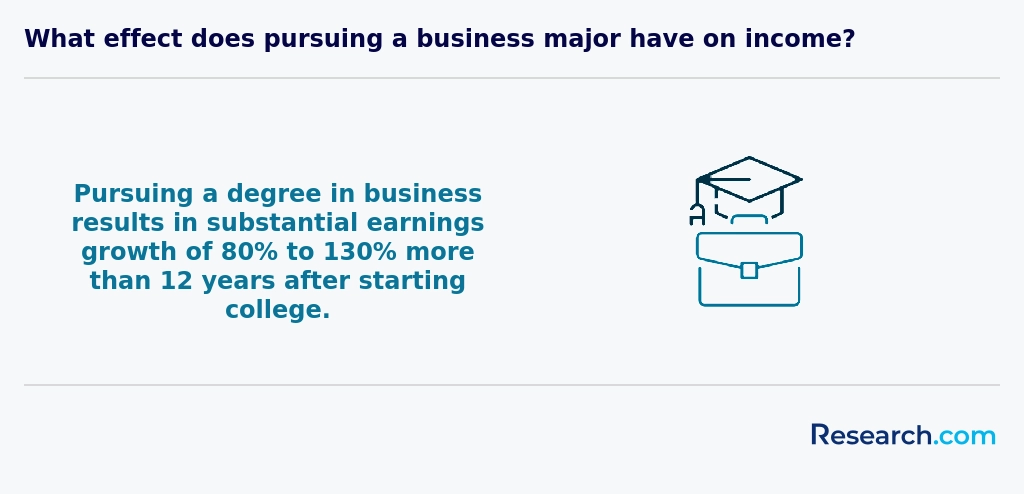
For professionals seeking to fast-track their business education in Pennsylvania, accelerated paths and dual-degree offerings present a compelling alternative to traditional graduate programs. Accelerated MBA tracks typically condense rigorous coursework into 12–18 months by leveraging intensive semesters, summer sessions, and streamlined core requirements. Many students balance these programs alongside full-time roles, benefiting from flexible scheduling and online components that maintain academic quality without prolonging time to degree completion. By exploring a specialized mba accelerated program, candidates can gain leadership, strategic management, and advanced analytical skills at an accelerated pace-often translating to earlier career advancement and a faster return on investment. Dual-degree options also abound, combining an MBA with complementary disciplines such as public policy, healthcare administration, or data analytics. These integrated curricula allow students to complete two master’s degrees in as few as three years, offering interdisciplinary expertise that stands out to employers in competitive markets. For example, an MBA/MS in Data Analytics equips graduates to interpret complex datasets and drive data-informed decisions within organizations, while an MBA/MPA blend readies professionals for roles at the intersection of business and government. Admissions criteria for accelerated and dual programs generally mirror those of traditional MBAs-requiring a bachelor’s degree, GMAT or GRE scores (waived in some cases), and relevant work experience-yet they place a premium on candidates’ ability to adapt and excel under an intensive schedule. Prospective students should evaluate program structures, cohort sizes, and partnership opportunities with industry leaders to ensure that these fast-paced options align with both career objectives and learning styles.
Imagine stepping into the vibrant halls of the Smeal College of Business at Penn State, knowing financial aid is within reach to lighten your journey. Federal aid, unlocked by submitting the FAFSA, opens doors to Pell Grants-offering up to $7,395 to help cover costs without repayment worries. Many graduates from Pennsylvania colleges reflect on how this support fueled their ambition to dive deep into business studies.
State aid adds another layer of support. The Pennsylvania State Grant Program often grants around $4,500 a year to eligible students, turning dreams into tangible opportunities. Business students across the state tap into these funds, relishing the breathing room it provides.
Then there are merit scholarships, shining rewards for leadership and academic leaps. At institutions like the University of Pennsylvania or Temple University, scholarships celebrate dedication, inspiring students to excel beyond the classroom.
Local businesses pitch in, offering private scholarships and tuition reimbursements, championing the future of Pennsylvania's business leaders. While student loans do come into play, many find federal loans particularly manageable thanks to favorable terms, helping them pursue their goals without fear.
Understanding the return on investment (ROI) for a business degree in Pennsylvania helps prospective students weigh costs against long-term career gains. On average, in-state tuition for a four-year undergraduate business program sits around $29,423 per year, while graduates step into roles like Project Manager with a mean starting salary of $80,220 and Business Analyst at $108,790. This combination yields an estimated payback period of just 2–3 years, assuming full-time employment and median living expenses. Key factors driving strong ROI include:
- Tuition-to-Earnings Ratio: With tuition representing roughly 30–40% of first-year salary, graduates quickly offset educational costs.
- Career Advancement: Data shows that alumni pursuing roles in finance and consulting often see salary growth rates of 6–8% annually, accelerating ROI.
- Program Delivery: Online degrees typically lower total costs by 15–20%. For affordable graduate options, explore the Inexpensive Online Master's in Business Degree Programs Ranking in St. Paul, MN to compare cost structures and potential earnings. Long-Term Earnings Projection: • 5-Year Mark: Graduates may earn $450,000+ cumulatively, covering tuition and living expenses. • 10-Year Mark: Cumulative earnings can surpass $1 million, further improving lifetime ROI compared to non-degree peers. By analyzing these metrics, students can make data-driven decisions, selecting programs that balance affordability, accreditation, and employment outcomes for maximum financial and professional benefit.
Eager to dive into a business degree in Pennsylvania? Most programs invite you to present a solid high school foundation, focusing on core subjects like English, math, and social studies. Graduates from top schools like the University of Pennsylvania or Penn State often recall how excelling in honors or AP courses, especially in math and economics, helped set them apart.
Imagine gearing up with an SAT score above 1200 or an ACT composite over 25 to showcase your readiness-many Pennsylvania institutions still value these test scores, though some have embraced test-optional policies, opening doors to diverse talents.
Beyond academics, think about the impact of sharing your personal story through essays or recommendation letters. Many students from well-known Pennsylvania colleges found that highlighting leadership roles or internships brought their applications to life, signaling their passion for business.
For those aiming for an MBA here, having a bachelor's degree is just the beginning. Picture submitting GRE or GMAT scores or leveraging a few years of professional experience to step confidently into graduate business study at respected Pennsylvania universities.
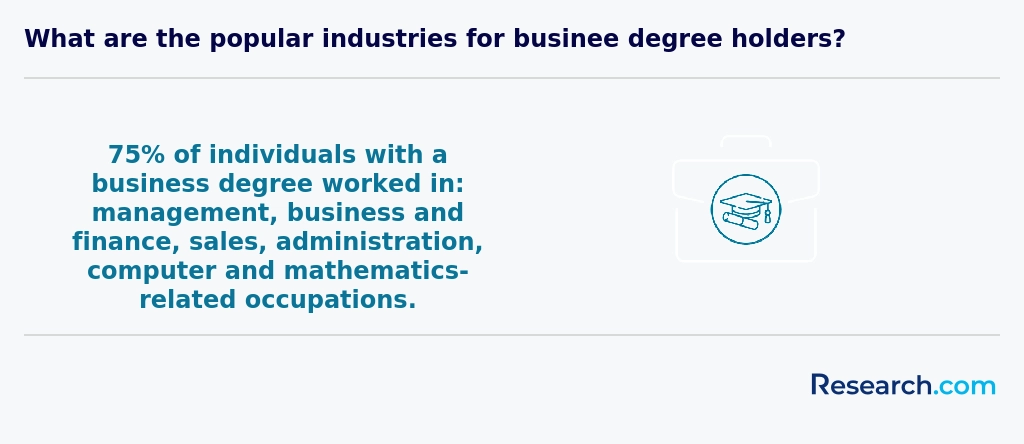
For students seeking to pursue a business degree in Pennsylvania without breaking the bank, identifying the most affordable options is crucial. One key consideration is the cost of tuition, which can vary significantly between institutions. Prospective students can research and compare costs to find a program that fits their budget. Furthermore, exploring financial aid options, such as scholarships and grants, can also help make a business degree more affordable. For those interested in exploring affordable education pathways, researching the cheapest business school in pennsylvania can provide valuable insights into institutions that offer quality education at a lower cost, making it easier for students to achieve their academic and career goals without excessive financial burden.
Diving into a business degree in Pennsylvania means embarking on a journey through courses that shape you into a dynamic professional ready to tackle today's challenges. At popular schools like the University of Pennsylvania or Penn State, graduates often highlight how foundational classes in economics, accounting, and business law laid the groundwork for their success, providing them with a clear lens to understand real-world financial decisions and legal landscapes.
Imagine exploring marketing strategies by studying consumer behavior in Philadelphia's thriving business scene or mastering management principles that resonate with Pittsburgh's evolving industries. These courses-finance, marketing, management-are not just theories but tools that graduates use daily to navigate Pennsylvania's bustling economy.
Business ethics and strategic management spark lively debates in classrooms, prompting students to wrestle with real dilemmas faced by local companies. Entrepreneurship courses encourage creativity, inviting students to craft business plans that could launch the next Philly start-up. Meanwhile, diving into business analytics equips you with data skills highly prized in Pennsylvania's tech-focused markets.
Diving into a business degree in Pennsylvania opens exciting paths with a variety of specializations tailored to match diverse ambitions. Graduates from popular universities often share how focusing on finance gave them a thrilling edge in cities like Philadelphia, where financial hubs create real-world opportunities. Marketing students eagerly explore digital strategies, reflecting Pennsylvania's booming online business landscape, adding a creative spark to their studies.
Management and accounting remain fan favorites, too, as learners appreciate how these programs sharpen leadership and auditing skills applicable across industries. Those drawn to logistics find supply chain management fascinating, especially given Pennsylvania's rich manufacturing heritage and bustling ports. Entrepreneurship students enjoy hands-on learning, inspired by the local startup scene's energy and community support.
For those curious about which programs could best suit you, exploring the top business majors offered in Pennsylvania reveals a playground of possibilities. Many students discover that choosing a specialization amplifies their passion and boosts job prospects. If you're looking for options, check out Easiest Business Degrees available in the state to jumpstart your adventure.
Choosing the best business degree in Pennsylvania starts with exploring the vast landscape of programs tailored to every ambition. Graduates from the Wharton School often share how the AACSB accreditation gave them a competitive edge, opening doors nationwide. Imagine yourself diving into finance or marketing at a well-regarded state university, where affordable tuition makes the climb less steep and financial aid turns dreams into achievable plans. Many students find joy in balancing rigorous studies with vibrant internships right in Pennsylvania's thriving industries-finance hubs, manufacturing powerhouses, and emerging tech scenes.
Think about your future income as well: business-related jobs in Pennsylvania range from $50,000 entry-level to over $100,000 management salaries. This real-world insight helps when comparing costs at affordable business schools Pennsylvania offers, ensuring your investment pays off. To combine speed and flexibility, some turn to an mba accelerated program, embracing challenge without delay.
Ultimately, pinpointing your focus-whether it's entrepreneurship or management-while weighing tuition, accreditation, and career prospects will guide you toward the best business degree programs in Pennsylvania. The adventure lies in discovering a path that fits both your passions and practical needs.

Business degree career opportunities in Pennsylvania are as diverse and exciting as the state's vibrant economy. Picture graduates from universities in Philadelphia or Pittsburgh stepping into dynamic roles like financial analysts or marketing managers, where their skills fuel growth in bustling finance and tech hubs. Many find themselves thriving in Pennsylvania's manufacturing sector, managing complex supply chains or logistics with a mix of sharp analysis and hands-on strategy.
Others embrace the challenge of healthcare administration, navigating the ever-expanding medical industry with business acumen that keeps operations smooth and patient care prioritized. Creative spirits, inspired by the supportive entrepreneurial ecosystems in Harrisburg or Allentown, start innovative ventures or join forward-thinking startups.
Graduates often share how their local business schools equipped them to seize these top job prospects for Pennsylvania business graduates with confidence and curiosity. For those considering cost-effective options, programs highlighted in the Inexpensive Online Master's in Business Degree Programs Ranking in St. Paul, MN offer promising pathways to launch adventurous careers.
Exploring business degree jobs in Pennsylvania unveils a vibrant environment where graduates feel energized by opportunities in cities like Philadelphia and Pittsburgh. Imagine recent graduates from popular universities navigating bustling finance firms or innovative healthcare startups, fueled by the steady growth in business and financial operations occupations projected to increase by 7%. Many find themselves stepping into roles in financial analysis, marketing, or supply chain management with enthusiasm, knowing their skills are highly sought after.
Graduates often share a sense of satisfaction as they see entry-level salaries align with their expectations, with management roles averaging around $98,000 annually in the state. The blend of competitive pay and abundant job openings encourages a sense of momentum and optimism for those launching their careers.
Students keen on balancing education costs and career goals appreciate that public universities in Pennsylvania offer affordable tuition, making the journey toward a business degree feel attainable. Some take advantage of the fastest online degree completion programs for working adults, which add flexibility without compromising quality.
Networking also sparks excitement, as many graduates connect through robust alumni organizations, opening doors to jobs across marketing, entrepreneurship, and more, perfectly reflecting the Pennsylvania business degree employment outlook.
2027 Best Business Degree Programs Ranking in Pennsylvania
Investing in your education is a significant decision that can shape your future, and the Research.com team understands the importance of making informed choices. To assist prospective students in Pennsylvania, we have meticulously crafted the "2027 Best Business Degree Programs Ranking in Pennsylvania." Our commitment to quality, credibility, and accuracy is reflected in the extensive research and analysis conducted to compile this ranking.
We utilized the following reputable data sources to ensure a comprehensive evaluation of business degree programs:
By exploring this ranking, readers will gain valuable insights into the best business degree programs available in Pennsylvania, helping them make informed decisions about their educational paths. For more details on our methodology, please visit our Research.com methodology page.


# 9 position
University of Pittsburgh-Pittsburgh Campus
Bachelor of Science in Business Administration


# 15 position
Pennsylvania State University-Main Campus
Bachelor of Science in Business

# 16 position
Pennsylvania State University-Main Campus
Master of Business Administration
# 17 position
Pennsylvania State University-Main Campus
Doctor of Philosophy in Business


Frequently Asked Questions About business
Business degree students in Pennsylvania can maximize their learning experience by engaging in internships with local companies. The state hosts a robust business environment, with Philadelphia and Pittsburgh featuring numerous Fortune 500 companies, providing excellent real-world opportunities. According to the Pennsylvania Department of Labor & Industry, internships increase employment chances by up to 50% upon graduation. Additionally, students should leverage resources like the Pennsylvania State System of Higher Education's career services for networking and professional development. Participating in student organizations related to business, such as finance or marketing clubs, can also enhance practical skills and peer learning. Combining classroom knowledge with hands-on experience is essential for success.
The business field in Pennsylvania is evolving rapidly, with several emerging niches gaining significant attention. One key area is data analytics, driven by Pennsylvania's growing tech sector, particularly in Philadelphia and Pittsburgh. Businesses increasingly rely on data to inform decisions and improve strategies.
Sustainability and green business practices also represent a growing niche, reflecting wider environmental concerns and regulatory changes. Companies in Pennsylvania are adopting sustainable supply chains and energy-efficient operations.
Another emerging area is healthcare management, boosted by Pennsylvania's robust medical and biotech industries. Professionals skilled in managing healthcare organizations or biotech startups are in high demand. These trends align with national forecasts, highlighting a projected 23% growth in business analytics roles by 2030, according to the U.S. Bureau of Labor Statistics.
Graduates with business degrees in Pennsylvania can enhance their job prospects by gaining practical experience through internships. Pennsylvania's strong economy, including sectors like finance, manufacturing, and healthcare, offers diverse internship opportunities. According to the Pennsylvania Department of Labor & Industry, internships increase employability by 20% in the region.
Networking is also crucial. Joining professional organizations such as the Pennsylvania Business Leaders Alliance or campus career fairs can connect students with local employers. Effective use of platforms like LinkedIn tailored to Pennsylvania's business environment can supplement these efforts.
Additionally, developing skills in data analysis, digital marketing, and financial management aligns with employer demands in Pennsylvania's job market, as noted by the U.S. Bureau of Labor Statistics.
Employers in Pennsylvania highly value business degree graduates who demonstrate strong analytical and critical thinking skills. According to the Pennsylvania Department of Labor & Industry, problem-solving abilities are essential for adapting to the state's diverse economic sectors.
Communication skills, both written and verbal, remain top priorities. Businesses in Philadelphia and Pittsburgh especially seek graduates who can collaborate effectively in team environments and present ideas clearly.
Financial literacy and data analysis expertise are increasingly important, reflecting Pennsylvania's growing finance and technology industries. Familiarity with software tools like Excel and Tableau often gives candidates a competitive edge.
Leadership and project management capabilities are also praised, as many employers prefer graduates prepared to take initiative and manage resources efficiently.
Finding internships in Pennsylvania for business degree students involves a mix of university resources and external opportunities. Many Pennsylvania universities have dedicated career centers that partner with local businesses to offer internships tailored to business students. According to the Pennsylvania Department of Labor & Industry, major cities like Philadelphia and Pittsburgh host a concentration of industries in finance, marketing, and management, expanding internship availability.
Online platforms such as Handshake and LinkedIn are widely used by Pennsylvania students to connect with employers offering internships. Additionally, professional organizations like the Pennsylvania Business Education Association provide listings and networking events specifically for business students.
Engaging directly with local chambers of commerce and attending career fairs held by universities increases the chance of landing internships. Businesses in Pennsylvania often seek interns with skills in data analysis, digital marketing, and finance, reflecting the state's evolving business landscape.
In Pennsylvania, earning a business degree significantly enhances career mobility and advancement opportunities. According to the Pennsylvania Department of Labor & Industry, business-related occupations are projected to grow nearly 7% by 2030, indicating steady demand for qualified professionals. A business degree equips graduates with essential skills such as leadership, strategic thinking, and financial analysis, which employers highly value across industries.
Graduates often see increased access to managerial roles, with salaries for business degree holders in Pennsylvania averaging 15-20% higher than those without degrees, as reported by the U.S. Bureau of Labor Statistics. Networking opportunities through alumni and professional organizations further support upward mobility.
Additionally, the diverse business environment in cities like Philadelphia and Pittsburgh provides a wide range of sectors, from finance to healthcare, where degree holders can advance their careers effectively.
Studying for a business degree in Pennsylvania equips students with skills that extend beyond traditional management and finance. Many Pennsylvania universities emphasize interdisciplinary learning, integrating courses from fields such as technology, healthcare, and communication. This approach reflects the state's diverse economy, which includes sectors like manufacturing, finance, and biotech.
According to the Pennsylvania Department of Labor & Industry, businesses increasingly seek professionals capable of navigating complex roles that require collaboration across different disciplines. Business programs foster critical thinking, data analysis, and effective communication, preparing graduates to work in teams with specialists from various backgrounds.
Through internships and partnerships with local industries, students gain practical experience that connects business strategies with real-world challenges in multiple sectors. This training aligns with national trends reported by the National Association of Colleges and Employers, emphasizing versatility and cross-functional expertise.
When choosing between a thesis and a non-thesis business degree program in Pennsylvania, consider your career goals first. A thesis option involves conducting original research, which is ideal if you plan to pursue a PhD or a research-oriented role. The non-thesis option typically focuses on practical skills and coursework, better suited for immediate entry into business fields like finance, marketing, or management.
In Pennsylvania, universities such as Penn State and the University of Pittsburgh offer both options, reflecting a broad industry demand in sectors like finance, manufacturing, and healthcare. According to the Pennsylvania Department of Labor, business-related jobs are projected to grow by 6% through 2030, favoring practical experience. Evaluating your professional aspirations alongside program structure will help determine the best fit.
Students in Pennsylvania seeking to study business abroad have multiple options through their home institutions. Many Pennsylvania universities, such as the University of Pennsylvania and Pennsylvania State University, offer exchange programs and study abroad opportunities in partnership with schools in Europe, Asia, and Latin America. These programs often allow students to earn credits toward their business degree while gaining international experience.
According to the Institute of International Education, nearly 10% of U.S. students studying abroad in 2022 were business majors, reflecting strong global business interest. Pennsylvania students benefit from programs focused on international finance, marketing, and management.
Some institutions also provide short-term faculty-led trips or internships abroad, combining practical business learning with cultural exposure. These experiences enhance employability in a globalized market, especially important in Pennsylvania's diverse economic landscape.
Part-time job opportunities in Pennsylvania that complement business degree education are abundant, especially in metro areas like Philadelphia and Pittsburgh. Roles such as administrative assistants, sales associates, and marketing interns provide practical experience aligned with core business skills. According to the Pennsylvania Department of Labor & Industry, positions in business services have seen a 3% growth annually, reflecting steady demand.
Internships in finance and accounting firms also offer valuable exposure to real-world applications of coursework. Small and medium-sized enterprises across Pennsylvania often seek part-time help for data entry, customer relations, and social media management, helping students build relevant professional skills while studying.
Business students in Pennsylvania benefit from numerous networking opportunities supported by the state's robust economy and strong higher education system. Many universities, including institutions like the University of Pennsylvania and Penn State, host business clubs and professional organizations that connect students with alumni and local businesses.
The Pennsylvania State Data Center reports that the state hosts over 1 million private sector businesses, creating ample chances for internships and mentorships. Students can attend conferences, career fairs, and workshops often organized in collaboration with the Pennsylvania Chamber of Commerce. These events promote direct interaction with industry leaders.
Moreover, Pennsylvania's proximity to major cities such as Philadelphia and Pittsburgh enhances access to corporate events and startup incubators, expanding students' practical networking experiences.
Alumni networks are valuable resources for business degree students in Pennsylvania, offering connections that can enhance career prospects. These networks provide access to professionals across various industries, including finance, healthcare, and technology, which are significant sectors in the state's economy.
Students often benefit from mentorship opportunities, internships, and job placements facilitated by alumni. According to the Pennsylvania Department of Labor & Industry, strong professional connections can improve employment outcomes in the increasingly competitive business job market.
Furthermore, many Pennsylvania business schools organize alumni events and career fairs. These gatherings foster networking that can lead to collaboration, partnerships, or recommendations, crucial elements for advancing a business career.
In Pennsylvania, students can tailor their business degree programs to align with specific career goals by selecting specialized concentrations or minors. Common options include finance, marketing, supply chain management, and entrepreneurship. Many universities also offer internship opportunities connected to the state's diverse economy, particularly in sectors such as healthcare, finance, and manufacturing. According to the Pennsylvania Department of Labor Statistics, over 9% of the state's employment lies in business and financial operations, highlighting strong job prospects for graduates.
Advising services play a crucial role in helping students plan their course load to develop skills relevant to industries prominent in Pennsylvania, such as energy and technology. Electives in data analytics and project management are increasingly emphasized, reflecting market demands.
Business students in Pennsylvania often face several typical challenges during their studies. One major difficulty is balancing academic workload with part-time jobs, as many students need to support themselves financially. According to the National Center for Education Statistics, over 60% of college students nationwide work while enrolled. This can impact their study time and stress levels.
Another challenge is navigating Pennsylvania's competitive job market. The Pennsylvania Department of Labor notes that business graduates must develop strong skills in technology and data analysis to meet employer demands. Many students struggle to keep pace with rapidly evolving business technologies.
Finally, students frequently encounter financial challenges, including rising tuition costs. The College Board reports average in-state tuition in Pennsylvania public universities has increased by 27% over the past decade, creating pressures to manage education expenses and student debt.
With a business degree in Pennsylvania, graduates can pursue various professional certifications to enhance their careers. Popular options include the Certified Public Accountant (CPA), essential for those interested in accounting and finance. Pennsylvania requires 150 credit hours and passing the Uniform CPA Exam for licensure.
Another prominent certification is the Project Management Professional (PMP), valuable for business professionals managing projects across industries. Many employers in Pennsylvania favor PMP holders for leadership roles.
The Certified Management Accountant (CMA) is also a key credential, focusing on financial management and strategy, with growing demand in Pennsylvania's corporate sector.
Additionally, the Chartered Financial Analyst (CFA) certification suits those targeting careers in investment management, a field showing steady growth in Pennsylvania according to the Bureau of Labor Statistics.
To write a winning application for a business program in Pennsylvania, start by thoroughly researching each school's requirements. Many Pennsylvania institutions, such as the University of Pennsylvania and Pennsylvania State University, emphasize strong academic records, especially in quantitative subjects like math and economics.
Highlight relevant work experience or internships in your resume, demonstrating practical business knowledge. According to the Pennsylvania Department of Labor, the state's business sector expects candidates to have skills in leadership and communication, so stress these in your personal statement.
Use your essay to clearly explain your career goals and how the program aligns with them. Finally, secure strong letters of recommendation from professionals or professors familiar with your business potential. Attention to detail and authenticity remains key.
A business career is increasingly shaped by global trends and economic integration. For students in Pennsylvania, understanding international markets is essential, as nearly 60% of Pennsylvania's exports in 2023 were business-related goods and services, according to the Pennsylvania Department of Community and Economic Development. This shows the significance of global trade in local business opportunities.
US higher education often emphasizes cross-cultural communication and international business strategies within curricula. Many Pennsylvania business programs incorporate case studies involving multinational corporations, preparing graduates for global challenges.
Moreover, Pennsylvania's diverse economy, including finance, manufacturing, and technology sectors, offers graduates exposure to global supply chains and international partnerships. This global perspective enhances career versatility and potential earning power.
Gaining practical experience while studying for a business degree in Pennsylvania is crucial for career readiness. Many universities offer internships with local businesses, providing valuable hands-on opportunities. According to the Pennsylvania Department of Labor & Industry, internships in business sectors have grown by 12% over recent years.
Students can also participate in cooperative education programs, alternating semesters of study with full-time work related to their field. This approach allows real-world experience and classroom knowledge to complement each other.
Additionally, business schools often have partnerships with companies in Philadelphia, Pittsburgh, and other regions, creating networking events and mentorship programs. Such connections help students secure relevant work experience before graduating.
Choosing the right concentration within a business degree program in Pennsylvania involves assessing your career goals, interests, and the state's growing industries. Pennsylvania's economy, driven by sectors like finance, healthcare, and manufacturing, offers diverse opportunities in concentrations such as finance, marketing, and supply chain management.
Research local job trends using resources like the Pennsylvania Department of Labor & Industry, which reports that business and financial operations jobs are projected to grow 5% from 2020 to 2030. This growth can guide your choice toward concentrations with strong employment prospects.
Additionally, consider the curriculum and faculty expertise at Pennsylvania institutions, as specialized programs can provide networking advantages. Internships in major cities like Philadelphia or Pittsburgh also enhance practical experience in selected concentrations.
- 2027 Best Online Business Degree Programs Ranking in New Jersey
- 2027 Best Online Business Degree Programs Ranking in Maryland
- 2027 Best Online Business Degree Programs Ranking in New York
- 2027 Best Online Business Degree Programs Ranking in West Virginia
- 2027 Best Online Business Degree Programs Ranking in Ohio
- 2027 Best Online Business Degree Programs Ranking in Virginia
- 2027 Best Online Business Degree Programs Ranking in Massachusetts
- 2027 Best Online Business Degree Programs Ranking in North Carolina
- 2027 Best Online Business Degree Programs Ranking in Tennessee
- 2027 Best Online Business Degree Programs Ranking in Vermont
See What Experts Have To Say About Studying Business
Read our interview with Business experts

David W. Stewart
Business Expert
Emeritus President's Professor of Marketing
Loyola Marymount University


Ingrid S. Greene
Business Expert
Clinical Assistant Professor of Management
Loyola Marymount University

- Interdisciplinary Business https://www.okwu.edu/academics/undergraduate/bachelor-interdisciplinary-business/
- Online and Traditional Business Degrees Comparison | Free Essay Example https://studycorgi.com/online-and-traditional-business-degrees-comparison/
- 2025 Most Affordable Online Business Degrees in Pennsylvania https://www.onlineu.com/degrees/business/pennsylvania
- Business Study Abroad Programs | Go Overseas https://www.gooverseas.com/study-abroad/business
- 8 Best Places to Study Abroad for Business [+ How to Choose] https://www.semesteratsea.org/study-abroad-for-business/
- Jobs after studying business administration: opportunities at a glance | JobTeaser https://www.jobteaser.com/en/advices/jobs-after-studying-business-administration-opportunities-at-a-glance
- 1. Online registration https://moderna.edu.pl/majors/management/bachelor-of-management/business-management/
- 5+1: Five challenges facing business schools and one solution https://charteredabs.org/insights/opinion/51-five-challenges-facing-business-schools-and-one-solution
- The Biggest Challenges for Business School Students | EU Business School https://www.euruni.edu/blog/the-biggest-challenges-for-business-school-students/
- Top 10 Skills Employers Seek in Business Graduates in 2026 https://www.ibat.ie/blogs/top-10-skills-employers-seek-in-business-graduates-in-2026