2027 Best Online Business Degree Programs Ranking in Massachusetts

Co-Founder and Chief Data Scientist
Choosing the right business degree program can feel overwhelming, especially with so many options available online. This article presents the 2027 Best Online Business Degree Programs Ranking in Massachusetts, carefully developed by the Research.com team of data scientists. It aims to guide you toward programs that truly stand out.
By exploring this ranking, you'll gain insight into top-quality programs designed to fit your goals and lifestyle. Earning a business degree opens doors to exciting career opportunities and personal growth. Let this resource help you make an informed decision for a successful future.
Key benefits of getting online business degree in Massachusetts
- Business degree graduates in Massachusetts can earn competitive salaries, such as Business Development Executives averaging $83,190 annually and Business Analysts making around $112,950, offering strong financial rewards for your investment.
- Graduates from popular Massachusetts universities often pursue diverse roles like business analysis, project management, and account management, opening doors to dynamic and rewarding career paths.
- Online business degrees provide flexibility to balance work and study, enabling graduates to gain valuable experience while earning their degree, often resulting in a smoother transition into the workforce.
- 2027 Best Online Business Degree Programs Ranking in Massachusetts
- What can I expect from online business degree in Massachusetts?
- Where can I work with online business degree in Massachusetts?
What can I expect from online business degree in Massachusetts?
The average cost of an online business degree in Massachusetts usually ranges from $15,000 to $40,000, depending on the institution and program length. Graduates from popular schools in the state often describe balancing tuition fees with the value of flexible schedules and the chance to build strong connections in Boston's vibrant business scene. Many find that investing in these programs pays off quickly as they step into roles with competitive salaries.
One graduate from a well-known Massachusetts business school shared how their online courses, focused on innovation and real-world applications, helped sharpen skills in marketing analytics without sacrificing their daytime job. Another recalled affordable tuition paired with access to virtual networking events that opened doors to internships at thriving local startups.
Students appreciate the mix of rigorous academics and practical experience offered by Massachusetts institutions, which makes the tuition cost feel justified-especially when factoring in job growth and salary potential in the state's rich economy.
Where can I work with online business degree in Massachusetts?
Graduates with an online business degree from universities like Northeastern or Boston University often find themselves stepping confidently into Massachusetts' bustling finance scene. Imagine working in Boston's financial district, joining firms such as Fidelity Investments or State Street Corporation, applying your skills in financial analysis or marketing to real-world challenges. This vibrant sector invites you to grow as a savvy business professional amid well-known industry leaders.
Others discover exciting roles in the fast-paced tech world around Cambridge, where startups and tech giants alike appreciate business graduates who know the ins and outs of project management and sales. Envision collaborating on innovative projects that blend business smarts with technology, fueling rapid industry growth.
The healthcare field beckons too, with institutions like Massachusetts General Hospital welcoming business graduates to optimize operations and strategy. Nonprofits and educational institutions also offer enriching opportunities in leadership and development, perfect for those eager to make a meaningful impact through their business knowledge.
Graduates with an online business degree in Massachusetts often find a rewarding financial journey ahead. Imagine embarking on your career after studying at a well-known school like Northeastern or Boston University, stepping confidently into roles such as a Business Development Executive, where the mean annual wage hits around $83,190. This salary unfolds from the vibrant economic landscape of Massachusetts, with its bustling finance and tech sectors.
Venturing further, some graduates channel their skills into business analysis. Here, the excitement grows; Business Analysts in Massachusetts earn a mean annual salary of approximately $112,950, reflecting both the demand for sharp analytical minds and the state's thriving industries. Every project managed and insight delivered adds to a sense of accomplishment and financial progress.
These figures show the tangible rewards that come with dedication and the right education. They echo the stories of alum from schools like Babson College, where innovative thinking and solid business fundamentals connect to real-world success.
- Massachusetts offers many accredited universities with online business programs, including the University of Massachusetts system.
- In-state undergraduate tuition for public universities ranges from $14,000 to $22,000 per year, while private schools charge between $25,000 and $35,000 annually.
- Entry-level business graduates start with salaries around $55,000, growing to $80,000-$100,000 after five to ten years.
- The Boston area has the most business job opportunities, especially in finance, insurance, healthcare management, technology, and consulting.
- Online programs should have regional accreditation like NECHE and business-specific accreditation such as AACSB for quality assurance.
Embarking on an online business degree journey in Massachusetts can be an exciting adventure where time truly bends to your pace. Many students from institutions like UMass Amherst or Babson College find that a traditional bachelor's degree takes about four years full-time, diving deep into 120-130 credits across semesters. Yet, the magic of online learning means you could finish sooner if you tap into accelerated programs offering 7- to 8-week terms.
Imagine balancing work and study; graduates often share how these shorter sessions helped them complete their bachelor's in just under three years, fueling their enthusiasm as they moved swiftly toward career goals.
Associate degrees typically wrap up in about two years, perfect for those eager to jump into the business world or build a foundation before continuing. Meanwhile, MBA seekers at schools like Northeastern embrace flexibility, completing their degree anywhere from 18 months to four years part-time, fitting studies around life's whirlwind.
As the business landscape continues to evolve, online business degree programs in Massachusetts are increasingly integrating innovative teaching methods and emerging technologies to remain competitive. Prospective students who enroll in these programs can expect to see a growing emphasis on digital transformation, data analytics, and artificial intelligence within the curriculum. These trends not only prepare graduates for the rapidly changing job market but also foster a learning environment that emphasizes practical skills and real-world applications. Recent developments include greater collaboration with industry partners, enhanced virtual networking opportunities, and the incorporation of adaptive learning technologies that personalize education based on student performance. Additionally, institutions are refining their approaches to experiential learning by offering remote internships and project-based courses that mirror current business challenges. This forward-thinking approach is designed to boost students’ employability and ensure they are well-prepared for future industry demands. For those exploring various educational pathways, you can also review the Best Online Bachelors Degrees in Business Administration to understand how traditional business programs are evolving to meet modern business trends. As the integration of technology reshapes business education, students benefit from programs that not only deliver foundational knowledge but also adapt quickly to the latest market innovations, ensuring long-term career success.
Imagine juggling your job in downtown Boston while pursuing a business degree through a flexible online program like those offered by Northeastern University or UMass Amherst. Graduates often share how this freedom to learn anytime energizes their busy lives, allowing them to dive into coursework between meetings or family time. On-campus programs at institutions such as Boston University invite students to stroll through vibrant campuses, engage face-to-face with professors, and build lasting networks over coffee breaks, offering an immersive social experience that online platforms can't fully replicate.
Cost-wise, many online students appreciate the savings on commuting and housing, though tuition rates in Massachusetts public colleges hover around $15,000 annually regardless of format. Those attending on-campus might find value in the structure of regular classes and campus resources, while online learners often enjoy tailoring their pace, speeding up or slowing down to fit personal rhythms. Both paths culminate in accredited degrees, each with its unique flavor of discovery and challenge in the heart of Massachusetts' dynamic business education scene.
When considering an online business degree in Massachusetts, affordability is a crucial factor. Prospective students often weigh the cost of tuition against the potential return on investment, seeking programs that offer both quality and value. For those looking to minimize expenses, exploring the cheapest business schools in Massachusetts can be a strategic starting point. Many of these institutions provide competitive pricing without compromising on the educational experience, ensuring that students receive a comprehensive education that prepares them for the business world. By prioritizing affordability and value, students can make an informed decision that aligns with their financial situation and career aspirations, ultimately enhancing their future prospects in the business sector.
The average cost of an online business degree in Massachusetts hovers around $38,200, reflecting a balance between quality education and investment in your future. Whether you're eyeing a public university or a private college, students often find that these costs include not just tuition but also fees for technology and resources, which together shape the total expenses for business degree programs in Massachusetts. Many graduates from well-known institutions share how their tuition felt like a real gateway to opportunity-through cutting-edge online courses and connections made virtually, they navigated the world of commerce without leaving their hometowns.
Choosing to study online at a Massachusetts public school often means catching a break on tuition, especially for in-state residents. Still, private institutions-renowned for their networks and prestige-may come with higher price tags, though students frequently highlight the value in their rigorous programs and career support. Success stories from alumni describe accelerated online formats that let them finish ahead of schedule, easing financial burdens and igniting enthusiasm for post-graduate growth.
Curious about where you might find the best deals? Many turn to guides that highlight the cheapest business schools in Massachusetts to spot affordable yet credible options. These resources help unpack the median costs-and personal tales-behind achieving a business degree without overwhelming expenses or compromising quality.
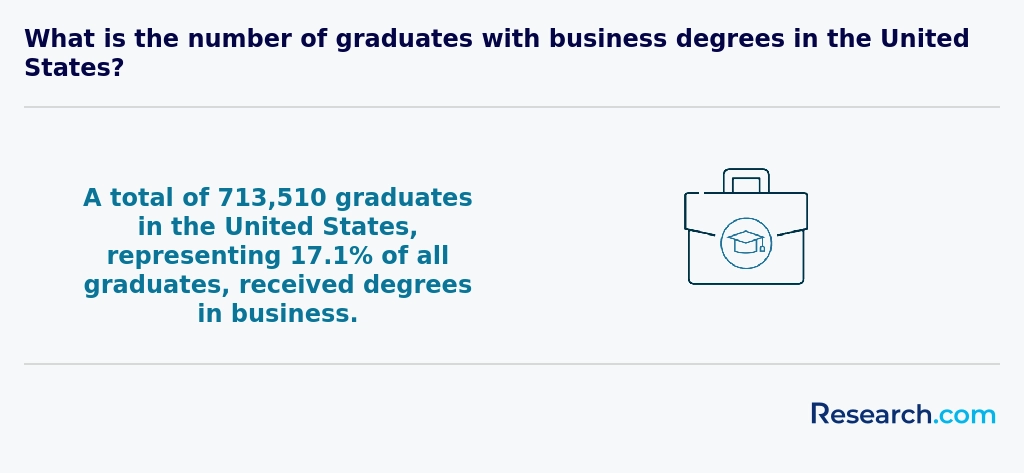
Evaluating the return on investment (ROI) of an online business degree in Massachusetts involves comparing program costs, time-to-completion, and post‐graduation earnings. On average, students pay $44,316 for tuition and fees, with additional expenses like textbooks and technology bringing total investment to around $50,000. Given that Project Managers earn $80,220 and Business Analysts $108,790 annually, most graduates recoup their education costs within 2–3 years. Key ROI metrics:
- Payback Period: Divide total program cost by the annual salary uplift. A graduate moving from a $50,000 to a $80,000 salary can expect a 2.5‐year break‐even.
- Net Present Value (NPV): Discount future earnings at 4–6% to account for inflation and opportunity cost. Positive NPV signals a worthwhile investment.
- Internal Rate of Return (IRR): With average salary increases of 20–30% post‐degree, IRRs often exceed 10%, outperforming many traditional investments. To maximize ROI:
- Leverage employer tuition reimbursement and flexible payment plans.
- Focus on high‐growth specializations like Finance or Data Analysis.
- Accelerate completion via credit for prior learning. For professionals looking to build on a bachelor’s ROI before committing to an MBA, consider asynchronous online mba programs, which offer condensed timelines and cost efficiencies without sacrificing flexibility.
Excited to dive into an online business degree in Massachusetts? Imagine a graduate from Boston University feeling the relief of unlocking federal financial aid through FAFSA-grants like the Pell Grant that don't need to be repaid, making tuition less daunting. At the same time, another learner attending Northeastern University navigates low-interest federal loans, providing flexibility to focus on studies instead of immediate repayment stress.
State-specific programs add an adventurous twist to financing education. The Massachusetts Educational Financing Authority (MEFA) guides many students toward scholarships and loans tailored for local residents. One recent grad from UMass Amherst remembers how the MassGrant helped reduce their public tuition bill, freeing up funds to invest more energy into their business projects.
Alongside this, institutional scholarships often await the keen explorer-think merit or need-based awards uniquely offered by schools like Babson College or Suffolk University for business students enrolled online. Plus, some employers in Massachusetts spice things up with tuition reimbursement, turning your job into a partner in your educational journey.
Earning an online business degree in Massachusetts delivers strategic advantages that cater to diverse learner needs. You can expect:
- Flexibility to balance work, family, and study through asynchronous courses and multiple start dates
- Access to accredited programs recognized by top employers across Boston’s finance, tech, and healthcare sectors
- Specialized curriculum tailored to regional industry strengths, from digital marketing to supply chain management
- Virtual networking and mentorship opportunities with local alumni, faculty, and business leaders
- Cost-saving options and financial aid strategies; explore affordable options with our guide to business degree online
Diving into an online business degree in Massachusetts means first meeting some straightforward but important prerequisites. Most students share how successfully submitting a high school diploma-or its equivalent like a GED-opened the gateway to programs at schools like Northeastern University or UMass Amherst. Imagine a graduate recalling how a solid 3.0 GPA and a compelling personal statement about their business passion helped them stand out during admissions.
Some programs, especially at private colleges, might still consider SAT or ACT scores, but many have embraced test-optional policies, easing pressure on applicants. Graduates often mention how letters of recommendation from mentors or employers added a personal touch that made the process feel less daunting and more human.
For those eyeing an MBA or other graduate business degrees in Massachusetts, holding a bachelor's degree is key, alongside work experience-often two to five years-which brings real-world stories into the classroom. Some Massachusetts schools even wave GRE or GMAT requirements when applicants bring significant professional achievements, making the path more accessible for career changers ready to explore new horizons.
After completing your online Business bachelor’s degree in Massachusetts, many graduates pursue advanced credentials-such as an online MBA or specialized master’s-to accelerate career growth and command higher salaries. Graduate business degrees typically take 12–24 months and cover advanced topics in leadership, finance, marketing, and strategy. When selecting a program, evaluate accreditation status, faculty expertise, career services, and alumni outcomes to ensure alignment with your professional goals. For those mindful of cost, our Affordable Online Master's in Business Degree Programs Ranking in South Carolina highlights accredited, value-driven master’s programs that can serve as a benchmark for tuition and return on investment. While based in South Carolina, these rankings help prospective students compare affordability across regions and identify programs offering robust online support, networking opportunities, and flexible pacing. In addition to full master’s programs, specialized graduate certificates-such as Business Analytics, Digital Marketing, or Human Resource Management-offer targeted skill development in as few as six months. Many institutions allow certificate credits to roll into a full MBA, providing a modular approach that balances time commitment and financial planning. By mapping out both certificate and degree options, you can craft a graduate pathway that maximizes expertise, minimizes cost, and positions you for leadership roles in today’s competitive business landscape.
Imagine diving into Principles of Management where you explore how vibrant organizations like those near Boston operate-immersing yourself in real managerial challenges that graduates from top Massachusetts universities rave about. Financial Accounting then opens doors to understanding companies' financial stories, making you feel confident analyzing statements just like alumni who now work in the local finance sector.
Marketing Fundamentals sparks curiosity by revealing secrets behind consumer behavior in tech hubs such as Cambridge, giving you the tools to craft strategies that captivate real audiences. Business Law and Ethics courses ground you in the rules and values shaping Massachusetts' dynamic corporate landscape, a favorite topic among students passionate about responsible leadership.
Economics for Business ties it all together, unpacking economic forces affecting Boston's healthcare and innovation industries-just like many graduates who apply their knowledge to real-world economic puzzles in the state's marketplace. Electives often let you chase your passions through entrepreneurship or healthcare management, making your learning journey as unique and exciting as the Massachusetts economy itself.
Diving into an online business degree in Massachusetts opens doors to an exciting range of specializations tailored to the state's vibrant economic landscape. Graduates from institutions like Boston University and Northeastern often recall their focus on finance, leveraging Boston's strong financial sector to learn about investment strategies and corporate finance firsthand. Others embraced marketing specializations, inspired by the tech startups buzzing in Cambridge, where digital marketing and brand management became their playgrounds.
Exploring Massachusetts online business degree concentration options, many students are drawn to healthcare management programs, benefiting from the state's leadership in biotech and healthcare innovation. Entrepreneurship also sparks adventurous spirits, with graduates sharing stories of startup incubators fueling their dreams of launching businesses in clean energy or technology.
For those captivated by global commerce, international business specializations offer a chance to navigate multicultural markets, a hit among students looking to connect local expertise with worldwide opportunities. If you want to uncover more about these dynamic paths, consider checking out the Best Online Bachelors Degrees in Business Administration and start your journey with confidence.
When deciding on the best online business degree in Massachusetts, imagine yourself balancing work, life, and study while connecting with local industries like tech or healthcare. Graduates from well-known colleges mention how accreditation, especially from AACSB or ACBSP, gave their resumes a competitive edge in Boston's bustling job market. It's not just about the school's name but also fitting your passions-whether that's finance, marketing, or entrepreneurship-which aligns perfectly with Massachusetts' thriving sectors.
Many students share stories of tackling real-world projects through asynchronous online mba programs, fitting study seamlessly into hectic schedules while still feeling part of a vibrant network. Affordability plays a role too; private universities here can be costly, so comparing tuition against public school offerings often surprises hopeful learners searching for affordable online business degrees in Massachusetts.

Graduates with an online business degree in Massachusetts often find themselves navigating exciting career paths in finance, marketing, and management. Imagine a recent graduate from a well-known Massachusetts college, energized by the state's booming financial sector, landing a role as a financial manager in Boston's thriving economy. Others channel their creativity into marketing coordinator positions, collaborating on innovative campaigns that capture the essence of Cambridge's tech-savvy spirit. The appeal of business degree job opportunities Massachusetts offers is clear when thinking about alumni who dive into entrepreneurship, supported by local incubators and a network built through their online studies.
Many graduates also take on roles as business analysts or project managers, thriving in consulting firms that value the real-world skills gained from hands-on courses provided by top Massachusetts online programs. These rewarding career options blend theory and practice, making the journey from classroom to boardroom feel like a thrilling exploration. For those seeking affordable options, check out the Affordable Online Master's in Business Degree Programs Ranking in South Carolina for inspiration.
With so many doors open, embracing an online business degree careers Massachusetts offers sparks both confidence and curiosity, inviting students to embark on paths filled with promise and personal growth.
The job market for online business degree graduates in Massachusetts pulses with opportunity, thanks to the state's vibrant economic landscape. Graduates from well-known business schools at local universities often find themselves stepping into roles like business analyst or marketing specialist within Boston's bustling corporate hubs. Many share stories of leveraging career services and networking events that connect them directly with nearby Fortune 500 companies and dynamic startups.
These roles aren't just plentiful; they come with competitive salaries-management positions boasting median wages near $122,000 in 2023. This creates an enticing prospect for graduates balancing cost-conscious choices. Students pursuing their degrees online appreciate how programs at Massachusetts colleges offer flexible schedules and competitive pricing, often less costly than on-campus options, making pathways like the accelerated undergraduate degree attractive.
The Massachusetts business degree employment outlook shines brighter as employers increasingly value graduates adept with digital tools and remote collaboration-a perfect match for those trained online. For many, this translates into exciting career trajectories in a state that thrives on innovation and diversity.
2027 Best Online Business Degree Programs Ranking in Massachusetts
Investing in your education is a significant decision that can shape your future, and the Research.com team understands the importance of making informed choices. To assist prospective students in Massachusetts, we have meticulously crafted the "2027 Best Online Business Degree Programs Ranking in Massachusetts." Our commitment to quality, credibility, and accuracy is reflected in the extensive research and analysis conducted to compile this ranking.
We utilized the following reputable data sources to ensure a comprehensive evaluation of business programs:
By exploring this ranking, readers will gain valuable insights into the best online business degree programs available in Massachusetts, helping them make informed decisions about their educational paths. For more details on our methodology, please visit our Research.com methodology page.


# 17 position
Cambridge College Global
Master of Finance

# 18 position
Cambridge College Global
Bachelor of Business Administration

Frequently Asked Questions About business
Online business degree students in Massachusetts can maximize their learning by actively engaging with their course materials and utilizing available resources. Many schools offer access to digital libraries and business databases that provide up-to-date information on Massachusetts' thriving economy, which had a GDP of over $650 billion in 2023 according to the U.S. Bureau of Economic Analysis. Networking virtually with classmates and professors helps build connections in key local industries such as biotech and finance.
Students should also participate in internships or cooperative programs offered by universities, which often partner with major Massachusetts companies like MassMutual and Biogen. Developing time management skills and setting clear goals are essential for balancing coursework with personal and professional responsibilities. Finally, taking advantage of career services can guide students toward Massachusetts's best business job opportunities after graduation.
Emerging niches within the business field reflect shifting market demands and technological advances. In Massachusetts, there is growing interest in sustainability and green business practices, driven by state initiatives promoting clean energy jobs, which have grown by nearly 8% from 2021 to 2023 according to the Massachusetts Clean Energy Center.
Another rising area is data analytics, where businesses require professionals skilled in interpreting large datasets to make strategic decisions. The state's strong tech and biotech sectors emphasize this demand.
Additionally, entrepreneurship with a focus on digital marketing and e-commerce is expanding, supported by Massachusetts' vibrant startup ecosystem.
Healthcare management is also gaining traction as Massachusetts hosts leading hospitals and health organizations requiring savvy business leadership.
After earning an online business degree in Massachusetts, preparing for the job market requires a strategic approach. Massachusetts hosts a strong economy with key industries including finance, technology, and healthcare, offering diverse opportunities for business graduates, according to the Massachusetts Executive Office of Labor and Workforce Development.
Networking is essential. Join local business groups like the Massachusetts Business Association or attend events hosted by chambers of commerce. Leveraging online platforms such as LinkedIn to connect with regional professionals can also open doors.
Enhance your skills through certifications in project management or data analysis to improve employability. Finally, utilize your school's career services for internships and job placement assistance specifically tailored to Massachusetts employers.
Employers in Massachusetts highly value business degree graduates who demonstrate strong analytical skills. The ability to interpret data and make informed decisions is crucial, especially in this state's growing tech and finance sectors, as noted by the Massachusetts Department of Labor.
Communication skills rank equally important. Graduates must convey ideas clearly, both in writing and verbally, to succeed in team-oriented environments common in companies like State Street and Biogen.
Furthermore, problem-solving capabilities are sought after, with professionals expected to adapt quickly to market changes. According to a 2023 survey by the Massachusetts Business Roundtable, 78% of employers prioritize critical thinking and adaptability.
Finding internships relevant to a business degree in Massachusetts involves strategic research and leveraging local resources. Massachusetts has a robust business sector, especially in finance, technology, and healthcare, offering many opportunities for students.
Start by exploring internship listings through university career centers, which often partner with Massachusetts companies. Platforms like Handshake and LinkedIn also feature targeted business internships in Boston and surrounding areas.
The Massachusetts Business roundtable reports that nearly 70% of businesses offer internship programs, particularly in startups and established firms in Cambridge and Boston's financial districts.
Networking events, such as those by the Massachusetts Technology Leadership Council (MassTLC), provide valuable connections. Additionally, checking state government websites can uncover public sector internships in economics and business development.
Obtaining an online business degree in Massachusetts significantly enhances career mobility and advancement opportunities. The state hosts a diverse economy with strong sectors in finance, technology, and healthcare, which increasingly value candidates with flexible and updated business skills. According to the Massachusetts Executive Office of Labor and Workforce Development, jobs in management and business operations are projected to grow by 7.5% through 2028, outpacing the national average.
Online business degrees provide practical knowledge and credentials that are recognized by local employers, facilitating transitions into higher-level roles. These programs often emphasize leadership, analytics, and strategic thinking-skills crucial for career growth.
Furthermore, Massachusetts' extensive professional network and business hubs, including Boston and Cambridge, create a fertile ground for graduates to advance quickly when armed with a relevant degree. Online education also allows working professionals to upskill without sacrificing current employment.
Studying for a business degree in Massachusetts equips students with skills essential for interdisciplinary roles by integrating knowledge from finance, marketing, technology, and management. Massachusetts is home to a diverse economy, including sectors like healthcare, education, and technology, which expands opportunities for cross-industry collaboration. According to the Massachusetts Executive Office of Labor and Workforce Development, business occupations are expected to grow by 7% by 2028, highlighting demand for versatile professionals.
Many online programs offer courses emphasizing data analytics, communication, and problem-solving, which foster critical thinking beyond traditional business fields. This broad approach prepares graduates to work effectively with experts in various disciplines and adapt to fast-changing business environments across the state's numerous industries.
Choosing between a thesis and a non-thesis online business degree program in Massachusetts depends on your career goals and learning preferences. Thesis programs emphasize research skills and are ideal for students aiming at academic careers or specialized business roles requiring in-depth analysis. Non-thesis options focus more on practical knowledge through coursework, appealing to professionals seeking direct workplace application.
Massachusetts hosts numerous leading business schools offering both formats, allowing flexibility in program duration-thesis tracks often require more time. According to the Massachusetts Department of Higher Education, business graduates contribute significantly to the state's $600 billion economy, highlighting the importance of tailored education.
Consider faculty expertise and available resources when deciding, and review program accreditation to ensure quality and recognition within the competitive Boston business environment.
Students based in Massachusetts who wish to study business abroad have several options through U.S. institutions offering online business degrees with international study components. Many accredited colleges in Massachusetts, such as Boston University and Northeastern University, provide online programs combined with study abroad or international immersion experiences. These programs allow students to earn their degrees remotely while gaining global business insights through short term visits or virtual exchanges.
According to the Massachusetts Department of Higher Education, over 40% of local business students express interest in international learning opportunities. Partnerships with European and Asian universities are common, enhancing curriculum relevance in global markets. Such experiences support Massachusetts's strong international trade sector, which contributes over $40 billion annually to the state economy, according to Mass.gov.
Furthermore, online degrees typically offer flexible scheduling, enabling Massachusetts students to balance local commitments with international exposure. This blend equips graduates to meet evolving business demands both at home and abroad.
Part-time jobs in Massachusetts that complement an online business degree often focus on roles offering practical experience in management, marketing, finance, and sales. Positions such as administrative assistant, marketing coordinator, or retail sales associate provide valuable exposure to business operations and customer relations.
The Massachusetts Executive Office of Labor and Workforce Development projects growth in business-related sectors, creating frequent openings in bookkeeping, financial analysis, and customer service roles. Working part-time in these areas can deepen understanding of business concepts learned in coursework.
Additionally, internships or part-time roles at local startups or established companies in Boston and Cambridge offer opportunities to apply skills in real-world settings while networking with industry professionals.
Engaging in these jobs enhances resumes and better prepares students for full-time positions post-graduation.
Online business students in Massachusetts have access to various networking opportunities despite their remote learning format. Many universities offer virtual career fairs and networking events tailored specifically for online learners. These events connect students with Massachusetts-based employers, including companies in Boston's thriving financial and tech sectors.
Professional organizations such as the Massachusetts Business Network and local chapters of national groups like the American Marketing Association provide virtual and hybrid networking sessions. These platforms enable students to build contacts, find mentors, and explore internships or job openings within the state's competitive business environment.
According to the Massachusetts Department of Higher Education, partnerships between schools and regional businesses enhance experiential learning, making networking an integral part of online business programs in the state.
Alumni networks provide significant benefits to online business degree students in Massachusetts by fostering connections that support career growth and professional development. These networks often offer mentorship opportunities, internships, and job leads, which are crucial in a competitive job market.
Massachusetts hosts a dynamic economy with strong sectors such as finance, technology, and healthcare, increasing demand for business professionals. According to the Massachusetts Business Roundtable, over 60% of employers in the state value referrals from alumni networks during hiring processes.
Access to active alumni can also enhance students' learning by sharing real-world insights and expanding their professional perspectives.
Massachusetts offers flexible online business degree programs that allow students to tailor their education to align with specific career ambitions. Many institutions provide elective courses or concentration areas such as finance, marketing, entrepreneurship, or healthcare management, enabling students to deepen expertise in a targeted field.
Students can often choose from varied internship opportunities or capstone projects linked to local industries, benefiting from Massachusetts' robust economy, particularly in technology and biotechnology sectors. According to the Massachusetts Executive Office of Labor and Workforce Development, sectors like professional services and finance are major employment drivers, making relevant specializations valuable.
Additionally, some programs facilitate personalized advising to help students select courses matching their professional goals. This customization enhances skill development and increases competitiveness in Massachusetts' dynamic job market.
Online business students in Massachusetts often encounter several key challenges unique to their learning environment. One major issue is balancing coursework with personal and professional responsibilities, as many students juggle jobs or family duties alongside studies. This difficulty is evidenced by national data from the National Center for Education Statistics, showing about 40% of online learners work full-time while studying.
Technical challenges also arise, including unreliable internet access in rural parts of Massachusetts, which can hinder participation in live classes. Additionally, the lack of face-to-face interaction sometimes results in lower networking opportunities, a vital aspect of business education.
Lastly, students may face limited access to local internship opportunities, crucial for practical experience, given the online format's geographic flexibility but physical constraints.
With an online business degree, Massachusetts students can pursue several respected professional certifications to enhance career opportunities. Popular choices include the Certified Public Accountant (CPA) license, essential for accounting roles, which requires meeting Massachusetts Board of Public Accountancy criteria. Another sought-after credential is the Project Management Professional (PMP) certification, recognized nationally and valuable in diverse business sectors.
Additionally, the Certified Management Accountant (CMA) certification is well-regarded for financial management professionals. For marketing graduates, the American Marketing Association's Professional Certified Marketer (PCM) credential provides a competitive edge. These certifications often lead to increased salaries and leadership roles, supporting Massachusetts' thriving corporate and startup environments.
According to the Massachusetts Executive Office of Labor and Workforce Development, business occupations are expected to grow by 7% through 2030, driving demand for certified professionals.
To write a winning application for an online business program in Massachusetts, start by clearly demonstrating your motivation and career goals. Admissions committees look for applicants who articulate how the program aligns with their professional aspirations. Highlight any relevant work experience or leadership roles, as many Massachusetts business programs value practical knowledge alongside academic readiness.
Make sure to meet all technical requirements and submit official transcripts showing strong academic performance, particularly in math and business-related courses. According to the Massachusetts Department of Higher Education, competitive applicants often have GPAs above 3.0.
Personal statements should be concise, well-organized, and free of errors. Use Massachusetts-specific data if relevant-for example, noting the state's thriving industries like finance and technology-and explain how the program will help you contribute to these sectors.
Global perspectives on a business career emphasize adaptability, intercultural communication, and technology skills. In today's interconnected economy, businesses increasingly operate across borders, requiring professionals to understand different markets and regulations. For Massachusetts students pursuing online business degrees, this global view is essential, as the state's economy thrives on international trade and innovation.
According to the Massachusetts Executive Office of Labor and Workforce Development, industries like finance, biotechnology, and information technology contribute heavily to the state's GDP, often involving global partners. Graduates with international business knowledge often find better job prospects and higher salaries. Online programs in Massachusetts frequently incorporate global case studies and cross-cultural management courses to prepare students for this reality.
Gaining practical experience while pursuing an online business degree in Massachusetts is vital for career readiness. Many universities encourage internships with local companies, taking advantage of Boston's status as a major economic hub. According to the Massachusetts Executive Office of Labor and Workforce Development, sectors such as finance, technology, and healthcare heavily contribute to the state's $600 billion GDP, offering diverse internship opportunities.
Students can also participate in virtual consulting projects or case competitions, often coordinated by their online programs. These activities simulate real-world business challenges and enhance problem-solving skills.
Additionally, networking through alumni associations and local business groups can provide mentorship and exposure to regional market trends.
Choosing the right concentration within an online business degree in Massachusetts requires understanding your career goals and the local economy. Massachusetts hosts strong sectors like finance, technology, and healthcare, which are reflected in popular business concentrations such as finance, information systems, and healthcare management. According to the Massachusetts Executive Office of Labor and Workforce Development, finance and tech jobs are projected to grow by over 10% by 2028, highlighting areas with strong employment potential.
Consider programs that align coursework with these industries, offering practical skills and networking opportunities. Research each concentration's curriculum and assess how it fits with your interests and the demands of Massachusetts employers.
Additionally, verify if schools have connections with local businesses and alumni networks, which can aid job placement after graduation. Ultimately, selecting a concentration should balance your passion with current market trends to maximize career success in Massachusetts.
- 2027 Best Online Business Degree Programs Ranking in New York
- 2027 Best Online Business Degree Programs Ranking in Vermont
- 2027 Best Online Business Degree Programs Ranking in New Jersey
- 2027 Best Online Business Degree Programs Ranking in Maine
- 2027 Best Online Business Degree Programs Ranking in Pennsylvania
- 2027 Best Online Business Degree Programs Ranking in Maryland
- 2027 Best Online Business Degree Programs Ranking in Virginia
- 2027 Best Online Business Degree Programs Ranking in Ohio
- 2027 Best Online Business Degree Programs Ranking in West Virginia
- 2027 Best Online Business Degree Programs Ranking in North Carolina
See What Experts Have To Say About Studying Business
Read our interview with Business experts

David Souder
Business Expert
Senior Associate Dean for Faculty and Research
Michigan State University


David W. Stewart
Business Expert
Emeritus President's Professor of Marketing
Loyola Marymount University

- Online Bachelor's in Business | University of Phoenix https://www.phoenix.edu/online-business-degrees/business-bachelors-degree.html
- How to balance your career and study online at the same time | Online Business School https://www.onlinebusinessschool.com/how-to-balance-your-career-and-study-online-at-the-same-time/
- BBA in Business Administration https://www.umassglobal.edu/academic-programs/bba-business-administration
- BUSINESS MANAGEMENT ENGLISH (THESIS / NON-THESIS) - Lisansüstü Eğitim Enstitüsü https://lee.nisantasi.edu.tr/en/business-management-english-thesis-non-thesis/
- Business Management Degree at NECC https://necc.edu/academics/credit-programs/business/business-management-associate-degree-2/
- Enterprise project challenge https://barclayslifeskills.com/help-others/lessons/enterprise-project-challenge/
- Business Development Cover Letter Samples & Examples 2026 https://www.kickresume.com/en/help-center/business-development-cover-letter-samples/
- Global careers, real impact: building your career with an international business degree | University of East London https://www.uel.ac.uk/blog/global-careers-real-impact-building-your-career-international-business-degree
- 55 Trending Business Ideas for 2025 and Beyond https://www.uschamber.com/co/start/business-ideas/top-trending-business-ideas
- A guide to finding an internship https://www.ipag.edu/en/blog/guide-finding-internship