2027 Best Online Business Degree Programs Ranking in Vermont

Co-Founder and Chief Data Scientist
Choosing the right online business degree program in Vermont can feel overwhelming. That's why this article presents the 2027 Best Online Business Degree Programs Ranking in Vermont, carefully crafted by the Research.com team of data scientists.
It's designed to help you make an informed decision based on reliable data and expert analysis. Earning a business degree opens doors to exciting career opportunities and personal growth.
Explore this ranking to find programs that align with your goals and set yourself up for future success.
Key benefits of getting online business degree in Vermont
- Salary for business degree graduates: Graduates can earn competitive wages, with Business Analysts making around $112,950 annually and Business Development Executives earning about $83,190 yearly in the U.S.
- Potential career paths: A Vermont business graduate might explore roles in business analysis, sales, or management, opening doors to dynamic industries and growth opportunities locally and beyond.
- Benefits of an online degree: Online business degrees offer flexibility to balance work and study, allowing busy Vermonters to advance their education without relocating or interrupting their careers.
- 2027 Best Online Business Degree Programs Ranking in Vermont
- What can I expect from online business degree in Vermont?
- Where can I work with online business degree in Vermont?
What can I expect from online business degree in Vermont?
The average cost of an online business degree in Vermont hovers around $14,000 annually, primarily reflecting public college tuition rates. Graduates from schools like the University of Vermont and Champlain College often share that this investment feels manageable, especially when balancing study with work or family commitments. For many, the lower in-state tuition compared to out-of-state rates is a practical advantage that directly influences their decision to pursue an online program.
One graduate recalls how the financial predictability of attending a Vermont institution online allowed them to focus deeply on mastering core business skills like accounting and marketing without the distraction of overwhelming debt. This stability, paired with scholarship opportunities and workforce support initiatives unique to Vermont, creates a learning environment where students feel empowered rather than burdened.
Imagine studying business ethics and economics through the lens of Vermont's economy, where hands-on projects often relate to local small businesses and sustainable practices. This contextual learning, coupled with reasonable tuition, cultivates a sense of readiness and enthusiasm among students to step confidently into Vermont's diverse professional landscape.
Where can I work with online business degree in Vermont?
Graduates with an online business degree in Vermont often find themselves stepping into dynamic roles where their skills immediately add value. Imagine walking into a vibrant office in Burlington, home to the University of Vermont's business program alumni, managing marketing strategies for a local sustainable farm-blending business acumen with Vermont's commitment to ethical practices. Many graduates start in management or consulting within Chittenden County's thriving small business community, where nearly 96% of enterprises are small or medium-sized. This environment challenges graduates to wear multiple hats, from financial planning to digital marketing, making their work both exciting and impactful.
Others embrace the public or nonprofit sectors, supported by institutions like Champlain College, taking on roles as program coordinators or financial analysts. Here, the satisfaction of driving social change mixes with business savvy. In Vermont's booming startup scene, especially in tech and food industries, entrepreneurial graduates apply their online education to foster innovation, propelled by a 15% rise in new enterprises. These real-world pathways highlight business degrees as keys unlocking diverse, fulfilling careers in Vermont's evolving economy.
Graduates with an online business degree in Vermont often find their earnings influenced by the specific roles they pursue. For example, a Business Development Executive earns a mean annual wage of about $83,190, illustrating strong earning potential beyond typical entry-level salaries. Meanwhile, those stepping into roles like Business Analyst can expect even higher rewards, with an average salary near $112,950 annually. These figures reveal that specialized skills and strategic career choices within Vermont's job market make a significant difference.
Many Vermont graduates from institutions such as the University of Vermont or Champlain College share stories of leveraging their degrees to secure these positions. They describe the thrill of navigating their early careers with the confidence that their salaries reflect not only their efforts but also the growing demand in local industries.
Vermont's blend of urban and rural job opportunities means graduates can find competitive wages in cities like Burlington while enjoying the flexibility of an online degree. This balance enables ambitious professionals to chart personalized paths toward financial success that defy traditional expectations about salary ceilings in smaller states.
- Online business degrees in Vermont are offered by both public and private institutions, covering associate's, bachelor's, and master's levels.
- Tuition for an online bachelor's degree in business ranges from $15,000 to over $50,000, depending on whether the school is public or private.
- Entry-level business graduates in Vermont earn around $50,000 annually, with mid-career salaries rising to $75,000 or more.
- Key industries hiring business graduates include finance, insurance, healthcare, and manufacturing, with strong demand for skills in management, accounting, and marketing.
- Remote work opportunities are expanding, allowing online business degree holders to work for companies both inside and outside Vermont.
- Statewide employment resources and career services help online students with job placement and internships, supporting moderate job growth through 2030.
Completing an online business degree in Vermont often aligns with traditional timelines but invites a closer look beyond the surface. For many students at popular schools like the University of Vermont or Champlain College, finishing a bachelor's degree generally means committing to about four years of full-time study, encompassing roughly 120 credit hours. Yet, graduates often share how their journey stretched beyond this when balancing work, family, or part-time status.
One graduate's story from a Burlington-based college echoes the flexibility many appreciate-the choice between a steady part-time pace, possibly extending completion to five or six years, and an accelerated path that requires summer courses and intense focus. Graduate students pursuing an MBA frequently mention that Vermont's accelerated options shaved months off their timeline, compressing a traditionally two-year program into just one.
Transfer credits and professional experience also transform timelines, making the typical "four-year" or "two-year" expectations feel more like starting points than firm deadlines. This dynamic approach reflects the true Vermont online learner experience-personalized, adaptable, and ultimately empowering.
Deciding on business administration as your major can be a pivotal step toward a rewarding career in the dynamic world of business. In a rapidly evolving marketplace, a degree in business not only equips you with a broad foundation in management, finance, marketing, and operations but also fosters critical thinking and leadership skills essential for navigating complex challenges. Many students find that the versatile nature of business administration opens doors to opportunities in nearly every industry-from tech startups and financial services to government and non-profits. As you explore your options, consider how programs that emphasize real-world applications and case studies can prepare you for practical challenges after graduation. Engaging with experienced faculty, participating in virtual networking events, and leveraging career services can provide valuable support as you transition from classroom to career. For a deeper understanding of how a business administration major can shape your professional journey, you might find our detailed guide on is-business-administration-a-good-major particularly useful. This insight not only clarifies the potential return on investment of your studies but also highlights the diverse career paths available, reinforcing the decision to invest in a field that continues to grow in demand. Embracing a business administration major means embracing opportunities for continuous learning and leadership in a competitive, ever-changing global economy.
Choosing between online and on-campus business degrees in Vermont often means weighing flexibility against direct engagement. Graduates from the University of Vermont who attended on-campus programs cherish the face-to-face connections with professors and peers, which fueled their confidence in Vermont's tight-knit business community. Those local relationships often translate into job opportunities in sectors like finance and marketing. Meanwhile, students enrolled online at Champlain College highlight the freedom to balance coursework with full-time jobs or family life, appreciating the ability to log in from anywhere in the state without sacrificing quality.
The cost factor also shapes experiences. Online students report savings on commuting and housing, making business education more accessible without overwhelming debt. However, they admit that success depends heavily on self-discipline, as the absence of daily campus routines can tempt procrastination. Still, both formats maintain rigorous accreditation standards, assuring that online learners receive education on par with traditional classrooms-prompting a reevaluation of what 'college experience' truly means for Vermont's future entrepreneurs.
Estimating the return on investment (ROI) for an online business degree in Vermont hinges on comparing total program costs against post‐graduation earnings and career growth. With an average tuition of $38,160 for in‐state students, you’ll want to consider both direct and indirect expenses-tuition, fees, textbooks, and the opportunity cost of time spent studying. On the earnings side, Vermont graduates report starting salaries around $65,000, with Project Managers earning up to $80,220 and Business Analysts averaging $108,790 annually. Assuming a graduate loan interest rate of 4.5% and a standard 10‐year repayment plan, monthly payments on a $38,160 balance would be approximately $395. If you secure a $65,000 salary, that equates to roughly 7.3% of gross monthly income directed toward loan repayment. Under these conditions, you can expect to break even-in terms of extra income versus debt-within 8 to 10 years, factoring in salary hikes, bonuses, and promotions typical in the business field. Several factors can shorten this timeline: enrolling part‐time while working, qualifying for federal grants or scholarships, and leveraging employer tuition assistance. For students seeking budget‐friendly options beyond Vermont, our Low Cost Online Business Degree Programs Ranking in Winfield, KS provides a detailed comparison of affordable programs and projected ROI. Ultimately, calculating your personal ROI involves:
- A clear budget plan that includes all tuition and indirect costs
- Realistic salary projections based on chosen specialization and local market demand
- Financial aid strategies to reduce loan principal
- A repayment schedule aligned with professional goals and lifestyle By mapping out these variables, prospective students can determine how quickly their online business degree in Vermont will translate into enhanced earning power and career advancement.
The average cost of an online business degree in Vermont challenges simple assumptions about affordability. While median total costs approximate $38,160, the real expense varies widely based on residency, institution type, and program delivery. Graduates from major public universities in Vermont often recall managing tuition around $16,000 to $18,000 per year as in-state students, making a full four-year online business degree more attainable than many imagine. However, private colleges can push costs well beyond $30,000, reflecting a significant financial divide in the state's educational landscape.
Many students navigating online business degree tuition and fees in Vermont find that understanding the different billing approaches is crucial. Some universities charge flat-rate tuition, smoothing budgeting concerns. Others calculate fees per credit hour, with costs ranging from $400 to $600 nationally, though Vermont's public institutions frequently offer more competitive pricing for residents. Personal stories emphasize how financial aid, scholarships, and grants have empowered students to offset these expenses, transforming dreams of business leadership into achievable goals.
Choosing an online business degree also requires evaluating ancillary costs like textbooks and software. Some programs incorporate these fees within tuition, simplifying expenses, while others expect students to cover these individually. For Vermont residents reassured by such nuances, exploring programs and costs carefully is essential. Prospective students might also find inspiration by exploring paths recognized nationally-such as the top online MBA Ohio programs-to envision the possibilities that lie beyond tuition numbers alone.
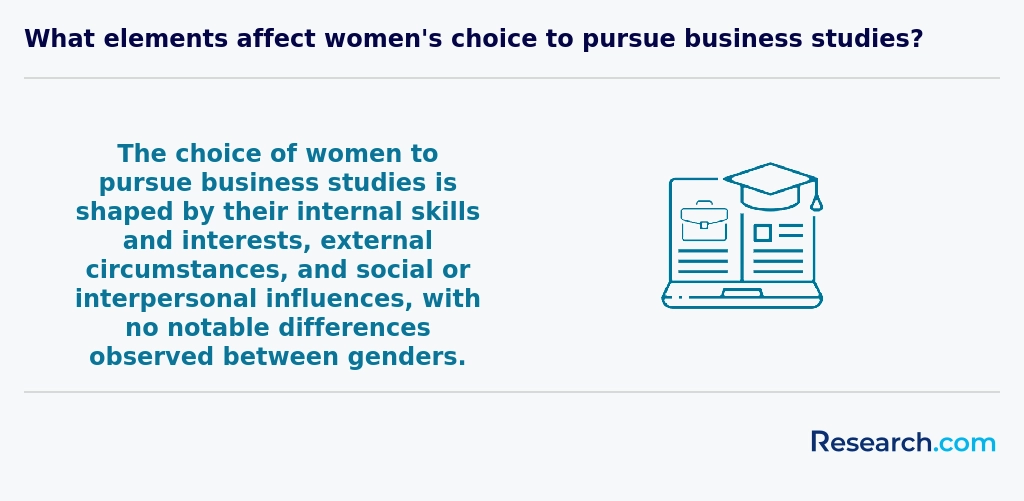
When considering online business degree programs in Vermont, affordability is a crucial factor for many students. Prospective students can explore options like affordable business schools in Vermont to find programs that fit their budget. By choosing an affordable online business degree, students can minimize debt and maximize their return on investment, making their educational pursuit more sustainable and setting themselves up for long-term financial success. This decision can also impact career choices, as graduates of affordable programs may have more flexibility to pursue lower-paying but fulfilling roles or start their own ventures without the burden of significant student loans. Ultimately, an affordable online business degree in Vermont can provide a solid foundation for a successful and sustainable career in business.
Pursuing an online business degree in Vermont opens doors to financial aid that often surprises students who expect high costs to be a barrier. Graduates from institutions like the University of Vermont report how applying early for the FAFSA unlocked Pell Grants, with awards up to $7,395, easing tuition worries considerably. Federal student loans with manageable repayment plans also provide a viable foundation without overwhelming debt immediately after graduation.
State aid shapes another layer of support. The Vermont Student Assistance Corporation (VSAC) offers grants and scholarships tailored for Vermont residents, often ranging from $500 to $3,000 annually. Students from Champlain College, for example, have found merit-based scholarships through VSAC that directly impacted their ability to focus on studies instead of finances.
Institutional scholarships add a personal touch. Many business schools in Vermont provide scholarships based not only on merit but also on financial need or professional experience, demonstrating an understanding of diverse student backgrounds. Employer tuition assistance programs frequently complement these aids, letting working students turn their career aspirations into reality without sacrificing income.
Accreditation confirms that your online business degree meets national standards for academic excellence and credibility.
- Regional Accreditation: Recognized bodies like the New England Commission on Higher Education ensure institutional quality.
- Programmatic Accreditation: Look for AACSB, ACBSP or IACBE seals to validate specialized business curricula.
- Verification: Use the U.S. Department of Education’s database or check university accreditation pages.
Choosing an accredited program unlocks financial aid, credit transferability and employer trust. Explore accredited options at online business degree programs accredited.
Enrolling in an online business degree program in Vermont often starts with the simple yet crucial step of holding a high school diploma or equivalent, a stepping stone that past graduates recall as both a relief and a point of pride. Admissions at well-known Vermont institutions typically require transcripts reflecting solid groundwork in English, math, and social studies, reflecting the belief that these subjects build the critical thinking skills essential for business success.
While standardized tests like the SAT or ACT have become less emphasized, a few programs still consider them, making it wise to prepare just in case. Graduates from Vermont's respected online programs often mention how completing foundational courses, such as algebra or statistics, made complex business concepts feel more accessible and boosted their confidence moving forward.
For those eyeing an MBA, Vermont's programs expect a completed bachelor's degree with a GPA around 3.0, plus professional experience that many graduates found empowering, as it enriched classroom discussions with real-world insights. The process might also include submitting recommendation letters and personal statements, tasks former students remember as opportunities to showcase their ambitions and dedication beyond grades alone.

Choosing an accredited online business degree program in Vermont ensures your education meets rigorous academic and industry standards. Regional accreditation, granted by agencies like the New England Commission of Higher Education (NECHE), is the baseline for quality and credit transferability. For business-specific recognition, look for programs accredited by the Association to Advance Collegiate Schools of Business (AACSB) or the Accreditation Council for Business Schools and Programs (ACBSP). These professional accreditations indicate that curricula, faculty credentials, and learning outcomes have undergone comprehensive external review. When evaluating program quality, verify accreditation status on official college websites or through the U.S. Department of Education’s Database of Accredited Postsecondary Institutions and Programs (DAPIP). Accredited institutions often provide transparent data on graduation rates, faculty qualifications, and student satisfaction scores. In Vermont, schools such as the University of Vermont and Champlain College hold both regional and business-specific accreditations, reflecting their commitment to excellence. If you’re planning to continue your education or pivot into graduate-level studies, consider how undergraduate accreditation aligns with advanced offerings. Many accredited online business programs seamlessly transition into part time online mba programs, allowing you to build on a trusted foundation and further enhance your career prospects.
Principles of Management, where students learn to navigate leadership challenges and develop strategic plans-skills graduates recall using immediately when managing local startups. Financial Accounting is another core class, grounding students in reading and preparing financial statements, which many find invaluable for understanding their first business's finances.
Courses such as Marketing Fundamentals teach practical digital marketing strategies that graduates appreciate for boosting small Vermont business visibility online. Students at popular institutions like Champlain College have noted how Business Law courses prepare them to avoid legal pitfalls in contracts and compliance, a crucial advantage in Vermont's tightly knit business communities.
Many programs also include specialized electives. For example, Entrepreneurship and Small Business Management resonates deeply with students aiming to launch ventures in Vermont's thriving small-business ecosystem. Graduates often express confidence gained from hands-on coursework in Corporate Finance and International Business, reflecting the state's growing global connections despite its rural setting.
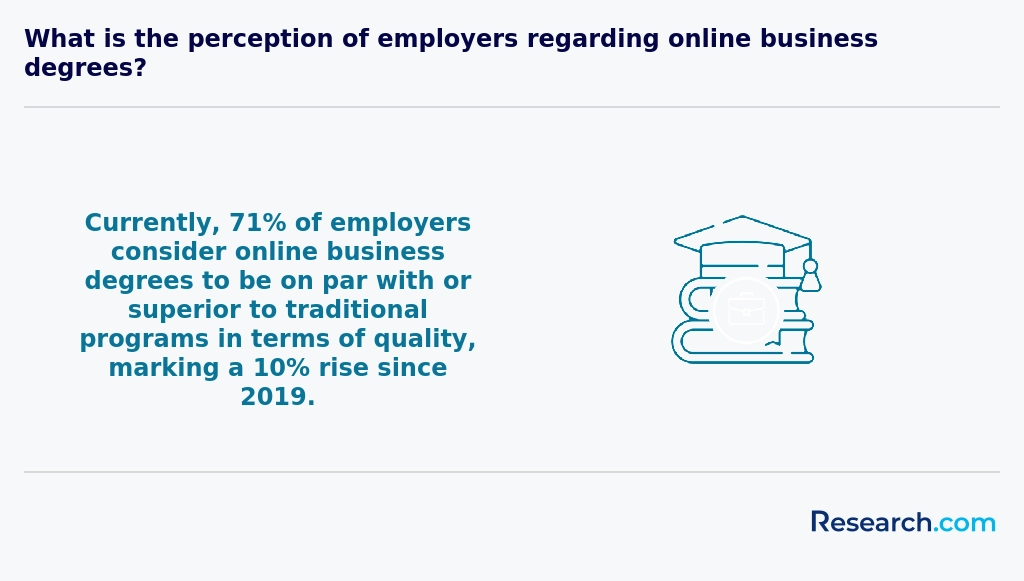
Choosing an online business degree in Vermont means diving into specializations that reflect both local industry needs and broader career ambitions. Graduates from popular colleges often praise how programs tailor concentrations like Accounting, Marketing, and Management to Vermont's unique economic fabric.
For instance, students focusing on Accounting find themselves well-prepared to tackle CPA certifications, aligning with Vermont's demand for financial transparency and tax expertise. Others who pursue Marketing appreciate learning digital strategies that support the state's push toward local e-commerce and small business vitality. Management tracks resonate deeply with those eager to lead small Vermont enterprises, often sharing stories of transforming family-run businesses into efficient, growth-oriented ventures.
But it's not just about traditional paths. Specializations in Entrepreneurship and Healthcare Management echo Vermont's vibrant small business landscape and healthcare's role as a regional employment giant. Supply Chain Management graduates highlight how hands-on knowledge of agriculture and manufacturing logistics uniquely positions them for evolving state markets. Those interested in finance explore opportunities by seeking best online masters degrees in finance that offer strategies critical to Vermont's financial sectors.
Such a thoughtful selection of online business degree specializations Vermont programs provide challenges students to rethink what a business education can mean within their community and beyond.
Choosing the best online business degree in Vermont means looking beyond mere rankings and costs. Graduates from popular Vermont colleges often reflect on how regional accreditation by NECHE gave their degrees credibility with local employers. This local recognition opens doors, especially in niche sectors like tourism and sustainable agriculture, prevalent in Vermont's economy. Instead of chasing flashy online programs, consider how a curriculum tailored to the state's unique industries prepares you for real-world challenges.
Cost matters, but affordability in Vermont isn't just about sticker price. Many students share how flexible payment plans and lower fees in public institutions balanced quality and budget, proving that affordable online business programs Vermont can still lead to rewarding careers. Graduates often praise programs offering robust support-the kind that turns isolation into community through tech help and career counseling.
Finally, weigh how a program connects you to Vermont's job market. Successful alumni often attribute their smooth transitions into high-paying business jobs to schools' networking and internship opportunities that are truly local, not generic. This practical edge transforms hope into tangible career growth.

Graduates with an online business degree in Vermont find themselves uniquely positioned within a landscape rich with opportunity and community. Moving beyond stereotypes, many have stepped into roles as business managers, leading teams in small to mid-sized companies deeply embedded in Vermont's local economy. Others have thrived as marketing specialists, crafting innovative campaigns for Vermont's emerging tech startups or established local brands, demonstrating the real impact of a business degree job opportunities Vermont offers.
Financial analysts frequently navigate Vermont's robust finance and insurance sectors, combining analytical skills learned online with a hands-on understanding of regional markets. At colleges like the University of Vermont or Champlain College, graduates recall how practical projects mimicking local business challenges prepared them for these paths. Human resources management and entrepreneurship are equally viable, with some alumni launching ventures in Vermont's distinctive craft industries or tourism sector.
Curious about how a marketing career can evolve? Many find a solid foundation through programs focused on the marketing major job prospects, blending theory and regional business insight, enriching career choice clarity for students exploring online business degree career options Vermont.

The job market for online business degree graduates in Vermont reflects a unique blend of stability and niche opportunity within the state's economy. Many graduates from well-regarded institutions have found success stepping into roles like marketing coordinators and human resource specialists, leveraging skills tailored to Vermont's strong small business culture. This creates a gratifying career outlook where business principles meet real, local challenges.
Those pursuing an online business degree in Vermont often discover that the blend of accessible education and relevant job opportunities encourages growth beyond typical expectations. The state's demand for professionals in fields such as healthcare administration and retail management aligns well with business graduates' expertise, reinforcing a positive professional trajectory. For a closer look at affordable options, many students explore affordable business schools in Vermont that deliver solid credentials recognized by local employers.
Considering the business degree career outlook Vermont 2027, the rise in service industries and expanding financial sectors point to growing opportunities. Graduates who embrace innovation and digital skills find their expertise increasingly valuable, building careers that promise steady advancement while contributing meaningfully to Vermont's economy.
2027 Best Online Business Degree Programs Ranking in Vermont
Investing in your education is a significant decision that can shape your future, and the Research.com team understands the importance of making informed choices. To assist prospective students in Vermont, we have meticulously crafted the "2027 Best Online Business Degree Programs Ranking in Vermont." Our commitment to quality, credibility, and accuracy is reflected in the extensive research and analysis conducted to compile this ranking.
We utilized the following reputable data sources to ensure a comprehensive evaluation of online business degree programs:
By exploring this ranking, readers will gain valuable insights into the best online business degree programs available in Vermont, helping them make confident and well-informed educational decisions. For more details on our methodology, please visit our Research.com methodology page.


# 4 position
Vermont State University - Randolph
Bachelor of Applied Business

Frequently Asked Questions About business
Online business degree students in Vermont can maximize their learning experience by actively engaging with the course materials and faculty. Given Vermont's strong small business environment, students should seek programs that emphasize entrepreneurship and local economic development, reflecting the state's 37,000 small businesses as reported by the Vermont Department of Labor in 2023.
Joining virtual study groups and networking with peers can also enhance understanding and provide practical insights. Students benefit from leveraging resources like Vermont's Small Business Development Center, which offers workshops and mentorship online.
Additionally, choosing accredited programs recognized by agencies such as the Association to Advance Collegiate Schools of Business (AACSB) ensures quality education aligned with current market needs.
The business field is evolving rapidly, and several emerging niches are gaining attention among online business degree programs in Vermont. One growing area is sustainable business practices, reflecting the increasing demand for environmental responsibility in companies. Vermont's strong commitment to green initiatives supports this trend.
Another important niche is data analytics, which helps businesses make informed decisions. According to the U.S. Bureau of Labor Statistics, jobs in this area are expected to grow 33% nationally through 2030, with Vermont companies increasingly adopting data-driven strategies.
Health care management is also expanding, driven by Vermont's aging population and health care sector growth. Professionals skilled in health care economics and administration are in demand. Additionally, digital marketing remains vital as Vermont businesses shift to online platforms.
After completing an online business degree in Vermont, preparing for the job market requires strategic steps. First, graduates should leverage Vermont's robust small business sector, which accounts for over 99% of all businesses in the state, according to the Vermont Department of Labor. Building a strong professional network is vital; joining local chambers of commerce or business associations can create valuable connections.
Enhancing digital skills beyond coursework is crucial, as many Vermont employers seek proficiency in data analysis and digital marketing. Internships and volunteer opportunities in local companies also provide practical experience. Finally, utilizing Vermont's workforce development resources, including the Vermont Career Resource Network, helps tailor resumes and prepare for interviews effectively.
Employers in Vermont value a combination of technical and soft skills in business degree graduates. Strong communication abilities are essential, as nearly 85% of Vermont businesses report that effective teamwork and interpersonal skills boost productivity (Vermont Department of Labor, 2023).
Analytical thinking is also highly prized. Graduates with skills in data interpretation and problem-solving stand out, with companies increasingly relying on data-driven decision-making.
Additionally, proficiency in digital tools like Excel, CRM software, and basic coding enhances job prospects. Leadership and adaptability are crucial, especially in Vermont's dynamic small business environment.
Understanding ethical business practices and sustainability is another growing priority among employers statewide.
Finding internships in Vermont relevant to a business degree involves leveraging several local resources and networks. Vermont's business sector, including industries like finance, tourism, and food production, offers varied internship opportunities. According to the Vermont Department of Labor, businesses in Burlington and Montpelier frequently offer internships for business students.
Start by connecting with your online program's career services for listings and guidance. Additionally, platforms like VermontWorks and Handshake list internships statewide. Networking with local chambers of commerce, such as the Vermont Chamber of Commerce, can also uncover opportunities.
Finally, consider exploring Vermont's small and medium enterprises, where internships may provide diverse hands-on experience. Using these strategies maximizes your chances of finding a relevant business internship in Vermont.
Obtaining an online business degree can significantly enhance career mobility and advancement opportunities for professionals in Vermont. The state's economy includes growing sectors such as technology, manufacturing, and finance, where business skills are in demand. According to the Vermont Department of Labor, jobs in management and business operations are projected to grow by 6% through 2030.
Online degrees offer flexibility, allowing students to balance work while acquiring skills in leadership, finance, and marketing. Employers across Vermont increasingly value candidates with accredited business degrees, considering them for promotions and higher pay. Data from the U.S. Bureau of Labor Statistics also shows that individuals with bachelor's degrees earn approximately 65% more than those without in the region.
Additionally, many Vermont companies prefer candidates familiar with modern digital tools and remote collaboration, competencies often emphasized in online business programs. This alignment between education and local market needs encourages career advancement within Vermont's diverse industries.
Studying for a business degree online in Vermont equips students with skills that apply across multiple fields. Vermont's business programs often emphasize interdisciplinary learning by integrating courses in finance, marketing, management, and information technology. This approach prepares graduates to work effectively in diverse roles that require understanding beyond a single discipline.
Vermont's economy includes sectors like agriculture, manufacturing, and tourism, which benefits from business leaders familiar with varied industry demands. According to the Vermont Department of Labor, many business roles in the state now require adaptability and cross-functional knowledge. Online business degrees offer flexible curricula that help students develop these competencies while balancing other commitments.
State institutions also promote collaboration with local industries, enabling hands-on experience and networking opportunities that enhance interdisciplinary skills. These elements position graduates to contribute to complex organizational challenges.
Choosing between a thesis and a non-thesis online business degree program in Vermont depends largely on your career goals and learning preferences. Thesis programs typically emphasize research and analytical skills, ideal for students aiming for doctoral studies or research-heavy roles.
Non-thesis options focus more on practical application and coursework, which suits working professionals wanting hands-on experience or quicker graduation. According to the Vermont Higher Education Agency, about 40% of in-state business graduate students prefer non-thesis routes due to flexibility and time savings.
Consider your long-term plans: academia and specialized research favor thesis degrees, while immediate career advancement often aligns with non-thesis formats.
Students based in Vermont seeking to study business abroad through online degree programs have several viable pathways. Many U.S. institutions with reputable business schools offer international study opportunities, including virtual exchanges and global case studies integrated into online curricula. These programs allow Vermont students to gain a global perspective without relocating.
According to the Institute of International Education, U.S. business students increasingly engage in short-term international modules or virtual internships, which are accessible via online programs. Vermont's local colleges often partner with such institutions, enriching their online offerings with global content.
Additionally, some accredited online business degrees include collaborations with overseas universities, permitting students to earn dual credentials or participate in faculty-led global seminars. This flexibility suits Vermont's rural population by combining quality education with worldwide exposure.
Part-time job opportunities in Vermont that align well with business degree studies often emphasize practical skills and local market knowledge. Roles such as administrative assistants, retail managers, and marketing interns provide valuable experience in organizational and customer service skills, crucial for business students.
Vermont's economy has a strong small business presence, especially in sectors like agriculture, tourism, and craft manufacturing, according to the Vermont Department of Labor. Students working in these industries gain insights into supply chain management and local business operations.
Additionally, positions in finance or bookkeeping at local firms can complement coursework in accounting and finance. The U.S. Bureau of Labor Statistics notes steady demand for these roles in the region, offering hands-on experience alongside academic learning.
Online business students in Vermont can access a range of networking opportunities through their institutions and local business communities. Many accredited universities offering online business degrees encourage students to join virtual career fairs, webinars, and alumni networks. Engagement with Vermont's Chamber of Commerce groups also offers valuable connections to local entrepreneurs and industry leaders. According to the Vermont Department of Labor, sectors like finance and professional services account for a significant portion of the state's business employment, making industry-specific networking especially relevant.
Additionally, online students often participate in student organizations and regional conferences, which facilitate professional growth and internship prospects. These connections can be essential for building a career in Vermont's evolving business landscape.
Alumni networks offer significant benefits to students pursuing online business degrees in Vermont. These networks provide valuable connections to graduates who have relevant experience in Vermont's unique economic sectors, such as agriculture, tourism, and emerging tech industries. According to the Vermont Chamber of Commerce, nearly 95% of members report that networking improves career opportunities, a statistic that reflects the importance of these connections for fresh graduates.
Through alumni groups, students gain access to mentorship, internships, and job leads tailored to the Vermont business landscape. Many Vermont colleges maintain active alumni communities that host virtual events, workshops, and career panels, helping students build professional skills and contacts while studying remotely.
Moreover, alumni networks often support local entrepreneurship by sharing resources and advice, which is crucial in Vermont's growing small business environment. Such support enhances graduates' chances of success, whether they join an established company or start their own venture.
Customizing an online business degree in Vermont begins with selecting concentrations that align with your career goals. Many Vermont institutions offer specializations such as finance, marketing, management, or entrepreneurship. Tailoring your coursework this way helps develop skills directly applicable to Vermont's economy, which includes strong sectors in agriculture, tourism, and tech startups, according to the Vermont Department of Labor.
Additionally, some programs incorporate internships or project work with local businesses, providing practical experience. Elective options allow you to focus on emerging areas like digital marketing or sustainable business practices. Online learners should also explore opportunities for networking through virtual career fairs hosted by Vermont colleges, enhancing job prospects within the state's unique market.
Online business students in Vermont often face challenges related to limited local networking opportunities. While the state's business community is growing steadily, with sectors like manufacturing and tourism prominent, remote learners may find it harder to connect with local professionals compared to on-campus students.
Another common issue is balancing coursework with existing work or family duties, especially since many online students in Vermont are adult learners or working professionals. According to the Vermont Department of Labor, about 40% of the workforce holds some form of post-secondary education but may lack flexibility in schedules.
Additionally, students sometimes struggle with accessing comprehensive academic support services online, such as tutoring or career counseling, which are often more readily available to campus-based peers.
With an online business degree from Vermont institutions, graduates qualify for several professional certifications that can boost career prospects. Common options include the Certified Management Accountant (CMA), which emphasizes financial management skills highly valued in Vermont's growing finance sector, according to the Vermont Department of Labor.
The Project Management Professional (PMP) certification is another popular choice, equipping students with skills suited for Vermont's expanding technology and service industries. Additionally, the Certified Business Analyst Professional (CBAP) credential supports roles in data-driven decision-making.
These certifications often require a combination of education, work experience, and passing standardized exams endorsed by US professional bodies. According to industry reports, business graduates who pursue such certifications can see salary increases of 15% or more nationwide.
When applying for an online business degree program in Vermont, start by carefully reviewing the specific requirements of each school. Highlight your academic achievements and relevant work experience clearly, as Vermont colleges often value practical business experience alongside grades.
Personal statements should demonstrate your motivation for studying business online and how it aligns with Vermont's economic landscape, which includes sectors like manufacturing and agriculture (U.S. Bureau of Labor Statistics, 2023).
Applicants should also emphasize time-management skills essential for online learning. Providing strong letters of recommendation, ideally from business professionals or educators familiar with online education, can enhance your application.
Finally, ensure all documents are error-free and submitted before deadlines to maximize your chances of acceptance.
Global perspectives on a business career emphasize the importance of adaptability in a diverse economic environment. Business professionals must understand international markets, cultural differences, and global supply chains. According to the U.S. Bureau of Labor Statistics, careers in business and financial operations are projected to grow 8% from 2022 to 2032, reflecting steady demand.
For Vermont students, an online business degree offers the flexibility to learn these skills while balancing local job market needs. Vermont's economy, noted by the Vermont Department of Labor, thrives in sectors like manufacturing and services, which are increasingly linked to global trade.
Developing a global mindset helps graduates compete nationally and internationally, enhancing career opportunities beyond Vermont's borders.
Gaining practical experience while studying for an online business degree in Vermont is essential for career readiness. Many programs encourage internships and cooperative education, allowing students to work remotely with Vermont-based companies. According to the Vermont Department of Labor, sectors such as finance, insurance, and professional services have grown steadily, creating opportunities for business students. Networking through virtual career fairs and local business organizations like the Vermont Chamber of Commerce can connect students with mentors and job openings.
Additionally, some online programs integrate real-world projects and case studies reflecting Vermont's economic landscape. Students may also explore freelance consulting or entrepreneurial ventures relevant to Vermont's small business environment.
Choosing the right concentration within an online business degree program in Vermont depends on your career goals and local economic trends. Vermont's economy emphasizes sectors like healthcare, tourism, and small business entrepreneurship, where skills in management, marketing, or finance are highly valued (Vermont Department of Labor, 2023).
Research concentrations that align with these industries. For example, a focus on entrepreneurial studies can prepare you for Vermont's strong small business community, while finance or accounting can lead to opportunities in local banks and financial firms.
Additionally, examine program flexibility and faculty expertise, ensuring the curriculum matches your interests and professional needs. National Center for Education Statistics reports show that specialized programs often improve job placement rates post-graduation.
- 2027 Best Online Business Degree Programs Ranking in Massachusetts
- 2027 Best Online Business Degree Programs Ranking in New York
- 2027 Best Online Business Degree Programs Ranking in Maine
- 2027 Best Online Business Degree Programs Ranking in New Jersey
- 2027 Best Online Business Degree Programs Ranking in Pennsylvania
- 2027 Best Online Business Degree Programs Ranking in Maryland
- 2027 Best Online Business Degree Programs Ranking in Virginia
- 2027 Best Online Business Degree Programs Ranking in Ohio
- 2027 Best Online Business Degree Programs Ranking in West Virginia
- 2027 Best Online Business Degree Programs Ranking in North Carolina
See What Experts Have To Say About Studying Business
Read our interview with Business experts

David Souder
Business Expert
Senior Associate Dean for Faculty and Research
Michigan State University


David W. Stewart
Business Expert
Emeritus President's Professor of Marketing
Loyola Marymount University

- Skills Employers Look for in Business Graduates – EU Business School https://www.euruni.edu/blog/skills-employers-look-for-in-business-graduates/
- Grants-Free aid that doesn't need to be paid back https://www.vsac.org/pay/student-aid-options/grants
- Different Types of Business Degrees | University of Phoenix https://www.phoenix.edu/articles/business/types-of-business-degrees-and-salaries.html
- Online and Traditional Business Degrees Comparison | Free Essay Example https://studycorgi.com/online-and-traditional-business-degrees-comparison/
- Is a thesis always mandatory in a master's degree program? - EFMU: The Euler-Franeker Memorial University and Institute https://euler.euclid.int/is-a-thesis-always-mandatory-in-masters-degree-program/
- Career Goals: 17 Inspirational Examples for you in 2026 https://www.imd.org/blog/learning-and-development/career-goals/
- 2023 Most Popular Online Business Administration & Management Associate Degree Schools in Vermont - Course Advisor https://courseadvisor.com/majors/business-management-and-marketing/business-administration-and-management/rankings/most-popular-online/associates-degrees/new-england/vermont/
- International Careers and Global Opportunities https://www.teachforlife.com/post/how-international-opportunities-shape-future-careers
- What Employers Really Think About Online Business Degrees | ACE Blog https://ace.edu/blog/what-employers-think-about-online-business-degrees/
- Flexible Degree Completion - Vermont State Colleges System https://www.vsc.edu/continuing-professional-education/flexible-degree-completion/