2027 Most Affordable Online Master's in Business Degree Programs Ranking in St. Paul, MN

Co-Founder and Chief Data Scientist
Choosing the right online master's in business program can feel overwhelming, especially in St. Paul, MN. That's why this article presents the 2027 Most Affordable Online Master's in Business Degree Programs Ranking in St. Paul, MN, developed by the Research.com team of data scientists.
This ranking helps you discover quality programs that fit your budget and goals, making your decision easier and more confident. Pursuing a business degree opens doors to new career opportunities and personal growth, empowering you to achieve your ambitions.
Explore these affordable options and take a meaningful step toward your future today.
Key benefits of getting online business degree in St. Paul
- Salary Benefits: Graduates with a business degree in St. Paul can expect competitive salaries, such as a Product Manager earning around $166,410 annually and an Operations Manager about $129,330. These strong wages reflect the demand for skilled business professionals in the local market.
- Career Paths: Business degree holders from notable St. Paul colleges often pursue roles like Management Consultant or Supply Chain Analyst, opening doors to diverse and rewarding career opportunities. This flexibility allows students to tailor their career to their strengths and interests.
- Online Degree Advantages: Earning a business degree online in St. Paul offers convenience and the ability to balance work and study effectively, just like graduates from local programs at institutions such as Metropolitan State University. This flexibility empowers students to gain valuable skills without sacrificing their personal or professional commitments.
- 2027 Most Affordable Online Master's in Business Degree Programs Ranking in St. Paul, MN
- What can I expect from online business degree in St. Paul?
- Where can I work with online business degree in St. Paul?
What can I expect from online business degree in St. Paul?
The average cost of an online business degree in St. Paul varies but generally remains accessible compared to national averages. Graduates from institutions like the University of St. Thomas and Hamline University often share how their tuition balances affordability with quality, allowing them to focus on learning without overwhelming financial stress. These programs typically offer rates competitive enough to attract working adults seeking flexibility.
Several students note the practical advantage of combining their studies with employer tuition reimbursement or federal financial aid, which can significantly offset expenses. For example, a mid-career professional attending Hamline was able to complete courses while managing family commitments, appreciating that costs matched her budget constraints.
However, prospective students should critically evaluate whether the tuition accurately reflects the value gained. Some programs might appear affordable but lack robust regional networking opportunities that benefit local employment prospects in St. Paul's diverse finance and technology sectors. Conversely, degrees at certain universities may demand higher tuition yet provide immersive, relevant experiences that justify the price.
Where can I work with online business degree in St. Paul?
Graduates with an online business degree in St. Paul often find diverse career paths across established sectors such as finance, healthcare, manufacturing, and public administration. While some may assume that local opportunities are limited, many alumni from institutions like Hamline University and Metropolitan State University share experiences working in St. Paul's vibrant financial industry, including roles at companies like Travelers Insurance, where analytical and managerial skills are highly valued.
Others have discovered that healthcare organizations, such as HealthPartners, offer fulfilling roles in administration and resource management, blending business acumen with community impact. For graduates interested in entrepreneurship or small business management, the city's support for local ventures creates a launching pad for real-world application of their studies.
Not all paths lead directly to corporate offices. Some choose public service or non-profit sectors, leveraging their training to improve economic development and program efficiency. The wide range of options reflects St. Paul's broad economy, but success often depends on flexibility and willingness to navigate multiple industries.
Graduates holding online business degrees in St. Paul often find that their earning potential aligns closely with roles in management and analytical fields. For instance, those stepping into management consultant positions can expect mean annual wages around $115,530, reflecting strong demand in the Minneapolis-St. Paul area. Operations managers report even higher average salaries, near $129,330 annually, demonstrating substantial rewards for leadership roles.
Many graduates from institutions like the University of St. Thomas and Metropolitan State University start their careers eager but realistic, knowing entry-level salaries might range from $50,000 to $60,000. However, those who leverage their online learning flexibility to acquire skills in product management, where salaries reach an average of $166,410, experience significant financial growth.
Other alumni pursuing roles such as business intelligence and supply chain analysts report median wages of approximately $83,190 and $115,530, respectively, illustrating diverse career paths. These figures underscore how a strategic focus on emerging fields and certifications can boost income and job satisfaction in St. Paul's dynamic business environment.
- Online business degrees in St. Paul offer flexible learning options, including fully online and hybrid programs from accredited schools.
- The average cost for a bachelor's degree ranges from $30,000 to $60,000, while online MBA programs typically cost between $20,000 and $40,000.
- Entry-level business graduates in St. Paul earn about $55,000 annually, with mid-career salaries rising to $75,000-$90,000 in fields like management and marketing.
- St. Paul's job market includes strong industries such as finance, healthcare administration, manufacturing, and retail, supporting diverse business careers.
- Graduates benefit from the area's economy and proximity to Minneapolis, which increases networking and employment chances.
- Selecting programs with regional accreditation and local business ties can improve internship availability and job placement after graduation.
Completing an online business degree in St. Paul typically ranges from two to four years, depending on factors like enrollment status and degree level. Graduates from institutions such as the University of St. Thomas often share how full-time bachelor's programs usually take four years, matching the typical 120 credit hour requirement. However, many find that part-time study helps balance work and family, extending completion to four years or more without feeling overwhelmed.
For those pursuing a master's degree, such as an MBA, graduates report completion times of about two years when studying full-time. Some accelerated programs at local colleges allow finishing in as little as 12 to 18 months, though students note this requires intense commitment. Part-time learners appreciate the flexibility offered but understand it may extend the program to three or four years.
In St. Paul, many students find value in consulting academic advisors early, planning realistic timelines considering their unique schedules. Transfer credits and course availability also significantly influence their experience, underscoring the need for personalized academic planning. These factors combine to shape each student's path in ways that feel achievable and rewarding.
Online and on-campus business degrees in St. Paul differ primarily in how students engage with their studies. Graduates from the University of St. Thomas or Hamline University often mention the flexibility online programs offer-allowing them to balance coursework alongside full-time jobs or family duties. This means attending lectures asynchronously from home, which saves time and money on commuting, a significant factor given Minneapolis-St. Paul's typical 25-minute commute each way.
On the other hand, on-campus students describe the advantage of face-to-face interactions. Being physically present fosters a stronger connection with professors and classmates, which can lead to valuable networking opportunities and easier access to career services or in-person internships. These experiences are often highlighted as confidence-building and pivotal during job searches.
Tuition costs also differ; online students in St. Paul frequently benefit from reduced fees, as online programs typically omit campus facility charges. However, both formats cover core subjects like finance and marketing, with accreditation ensuring academic quality. Personal preferences and lifestyle needs often guide which option feels most rewarding.
The average cost of an online business degree in St. Paul centers around a median total of approximately $27,300. This figure reflects a balance between more affordable in-state options at public institutions and higher tuition at private colleges. For Minnesota residents, attending public universities that are part of the University of Minnesota system can significantly lower costs, often charging between $500 and $700 per credit hour. Given most programs require 30 to 36 credit hours, students commonly find themselves investing near $15,000 to $25,000 in tuition alone, which creates accessible pathways for those seeking an affordable online business degree cost St Paul MN.
Graduates from well-known St. Paul-area colleges often share how weighing residency status and institutional offerings contributed to their positive outcomes both financially and professionally. Private colleges, while generally more costly with tuition sometimes exceeding $30,000 annually, provide various scholarship and reimbursement programs that help ease financial strain. Additional mandatory fees and materials such as textbooks and technology typically add $1,000 to $2,000 to the total program cost, factors not to overlook when budgeting.
Students mindful of their investment appreciate how this pricing compares nationally, as the U.S. average for graduate business degrees hovers around $21,000. Online learners in St. Paul thus benefit from competitive regional costs without sacrificing quality. For those navigating options, resources detailing the best college degrees for employment can further support informed decisions about program value and long-term returns.
Students pursuing online business degrees in St. Paul often rely heavily on federal financial aid, such as Pell Grants and Direct Subsidized Loans, which many find essential due to tuition costs ranging between $15,000 and $35,000 annually. For instance, graduates from institutions like the University of St. Thomas recall how a Pell Grant covering up to $7,395 substantially eased their financial burden, allowing focus on studies rather than finances.
State support through the Minnesota State Grant further aids those with verified financial need, complementing federal aid. At Hamline University, past students have shared how combining these grants with merit-based scholarships made their degrees attainable without excessive debt.
Many colleges in St. Paul also offer targeted scholarships and assistantships, rewarding academic performance or adult learners returning to education. Some alumni describe how these awards sparked motivation and fostered a sense of community.
Employer tuition reimbursement programs popular in the Twin Cities business sector present another practical option, enabling working professionals to pursue advanced degrees affordably. Additionally, private scholarships from local organizations offer tailored financial relief, underscoring the region's commitment to supporting business students in real, impactful ways.
To enroll in an online business degree program in St. Paul, students typically need an accredited bachelor's degree, though it doesn't strictly have to be in business. Graduates from popular institutions like the University of St. Thomas often found that having foundational coursework in economics or accounting made the transition smoother, while others appreciated online programs allowing them to complete these prerequisites alongside their degree.
While standardized test scores such as the GMAT or GRE used to be mandatory, many St. Paul schools have shifted to test-optional policies, especially for candidates with solid professional experience. For instance, several graduates from Hamline University shared that their two to three years in management roles significantly boosted their applications, sometimes offsetting the need for test scores.
Letters of recommendation and personal statements remain integral. These provide a personal touch where applicants can explain career goals and motivation, often fostering a stronger connection with admissions teams who value practical business insight and ambition.

Online business degree programs in St. Paul commonly include core courses like Principles of Management, where students learn about leadership styles and decision-making grounded in real-world organizational challenges faced by local companies. Graduates from popular St. Paul colleges often recall how these courses helped them navigate workplace dynamics more confidently.
Marketing Fundamentals is another key course, emphasizing strategies from consumer behavior to digital marketing trends. Students mention applying these lessons by analyzing marketing campaigns of Twin Cities businesses, which makes the content resonate beyond theory.
Accounting classes, both financial and managerial, equip students with practical skills to interpret financial data-something especially valued in St. Paul's finance sector. Graduates often highlight their ability to create budget plans or financial reports soon after starting jobs.
Courses in Business Ethics and Economics further anchor students' understanding of real-world responsibility and market forces, preparing them for leadership within St. Paul's diverse economy. Electives like data analytics or entrepreneurship offer customization, reflecting the city's tech growth and startup culture.
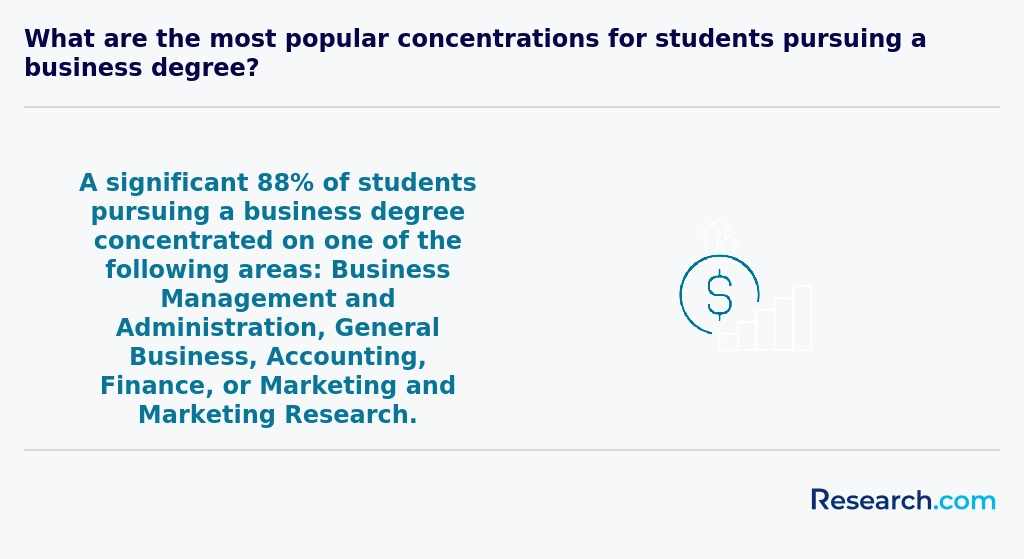
Online business degree specializations in St. Paul reflect the city's diverse economy and evolving job market, offering students practical tracks closely aligned with local industry needs. Graduates from popular institutions often mention how specializations like finance, marketing, management, and healthcare management prepared them for real roles in Minneapolis-Saint Paul's competitive business environment. For example, students focusing on finance benefit from the Twin Cities' position as a Midwestern financial hub, gaining skills applicable to banking and wealth management firms nearby.
Others highlight how marketing specializations, emphasizing digital strategies, resonate with St. Paul's growing online business scene. Choosing a specialized master's in business programs St. Paul can expect hands-on examples such as managing projects or initiating startups, especially with entrepreneurship tracks that mirror the city's supportive startup culture. However, some graduates note that while tech-centric information systems management is promising, it requires a commitment to continuous learning given the rapid evolution of technology in this area.
Prospective students aiming for flexibility might explore the broad offerings and even compare with easiest online bachelor's degree programs to complement their goals or manage workloads effectively when balancing work and study.
Choosing the best affordable online business degree St. Paul MN means balancing accreditation, cost, and local market relevance. Graduates from popular St. Paul schools often emphasize how accreditation by AACSB or ACBSP ensured their degree's respectability with employers, a crucial step many overlook initially. While cost is important, students share that some regional programs offer in-state tuition discounts, making advanced degrees more accessible without sacrificing quality.
Those pursuing a top online master's in business programs St. Paul recognize the advantage of aligning specializations with the Twin Cities' strong sectors such as finance and marketing. One graduate recalled how targeting a marketing specialization with local industry ties led to faster job placement in a competitive market.
Flexibility also shapes choices. Many students appreciate programs offering asynchronous formats that fit their busy lives, along with robust career counseling. Exploring tuition and scholarships alongside evaluating faculty experience can prevent surprises. It's wise to also examine data on graduation rates and student satisfaction, which reflect a program's true value.
For a broader understanding of viable majors, consider exploring the top money making majors as a guide to future opportunities.
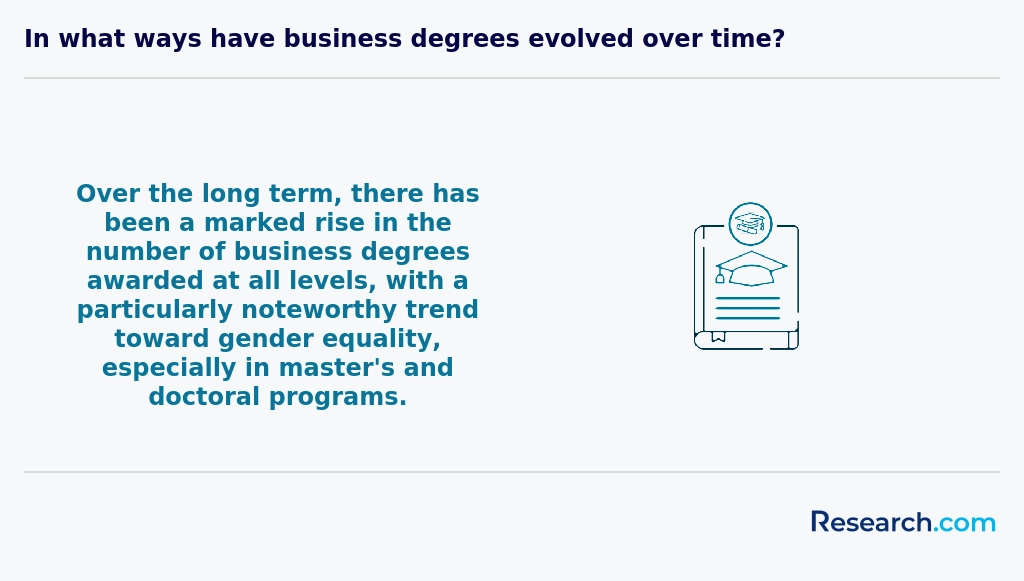
Graduates pursuing online business management careers St. Paul MN often find rewarding roles across industries such as finance, healthcare, and manufacturing. For example, many graduates from prominent local universities have seamlessly transitioned into business analyst positions, leveraging their analytical skills to enhance company performance. Others thrive as financial managers or marketing specialists, drawing on practical knowledge gained through coursework and internships to navigate St. Paul's dynamic economy.
While these career paths sound promising, it's important to consider the competitive nature of the job market. Some graduates report that experience and networking, not just the degree itself, play crucial roles in landing opportunities. By studying at well-regarded colleges in St. Paul, students gain valuable regional insights and local connections that improve their chances in a competitive environment.
Given the job market's nuances, students benefit greatly from programs that offer flexibility, allowing them to work while studying. They also appreciate that many online schools accept fafsa, making completion more attainable without excessive debt, thus positively impacting long-term career growth in St. Paul MN online business degree job opportunities.
The job market for online business degree jobs St. Paul MN offers a mix of stability and opportunity, fueled by the city's diverse economy and strong sectors like finance, healthcare, and technology. Graduates from popular local institutions often find themselves drawn to roles such as marketing managers or business analysts at companies like Ecolab or Travelers Insurance. Many recount that programs accommodating online learners provide the flexibility needed to balance studies with part-time work, easing the transition into local positions.
Those pursuing a St. Paul business master's job market often encounter a competitive yet encouraging environment. The presence of large employers and a growing start-up scene means entry-level roles are accessible, though graduates emphasize the importance of relevant internships and networking. Cost-effective programs and competitive starting salaries around $50,000 to $65,000 make this path attractive, especially when compared to tuition expenses. For students exploring options, resources like the top trade colleges online can provide valuable guidance on affordable programs and practical career pathways.
2027 Most Affordable Online Master's in Business Degree Programs Ranking in St. Paul, MN
Investing in your education is a significant decision that can shape your future, and the Research.com team understands the importance of making informed choices. To assist prospective students in St. Paul, MN, we have meticulously crafted the "2027 Most Affordable Online Master's in Business Degree Programs Ranking." Our commitment to quality, credibility, and accuracy is reflected in the extensive research and analysis conducted to compile this ranking.
We utilized the following reputable data sources to ensure a comprehensive evaluation of business degree programs:
By exploring this ranking, readers will gain valuable insights into affordable and credible online business master's programs in St. Paul, MN, empowering them to make informed decisions about their educational investments. For more details on our methodology, please visit our Research.com methodology page.

# 2 position
Bethel University, Minnesota
Master of Business Administration

Frequently Asked Questions About business
Online business degree students in St. Paul can enhance their learning by actively engaging in virtual discussions and networking opportunities. Participating in local business groups, such as the St. Paul Area Chamber of Commerce, helps students connect theory with regional market practices. Additionally, leveraging St. Paul's diverse economy-ranging from finance to manufacturing-allows learners to access relevant case studies and internships remotely. According to the Minnesota Department of Employment and Economic Development, 70,000 jobs relate to business management and administration in the metro area, presenting practical growth avenues. Staying disciplined with time management and utilizing university resources ensures academic success in an online format.
Emerging niches in the business field offer exciting opportunities for students pursuing online business degrees in St. Paul. One growing area is sustainable business practices, reflecting an increased demand for professionals who can integrate environmental and social governance into corporate strategies. Another key niche is data analytics, where businesses rely heavily on interpreting large data sets to drive decisions.
Additionally, e-commerce management has expanded rapidly, especially as local St. Paul businesses adapt to digital sales platforms. The healthcare management sector is also evolving due to Minnesota's strong medical industry presence, creating roles in business operations within healthcare organizations.
After completing an online business degree in St. Paul, preparing for the job market requires strategic steps. Start by developing practical skills through internships or part-time roles, as Minnesota's business sector values hands-on experience. Networking is crucial; join local business groups like the St. Paul Area Chamber of Commerce to connect with employers and mentors.
Craft a professional resume highlighting relevant online coursework and skills such as data analysis or digital marketing. Utilize the University of St. Thomas and other local universities' career services, which often support online graduates. According to the Minnesota Department of Employment and Economic Development, the Twin Cities market expects a 5% growth in business and financial occupations by 2028, making local networking and skill enhancement vital.
Employers in St. Paul highly value business degree graduates who demonstrate strong analytical and communication skills. According to the Minnesota Department of Employment and Economic Development, graduates with proficiency in data analysis and strategic thinking are preferred due to the region's growing finance and health sectors.
Additionally, leadership and project management abilities are essential, as many St. Paul businesses seek candidates who can coordinate teams and manage complex projects efficiently. Digital literacy, especially familiarity with tools like Excel, Tableau, and CRM software, also ranks high among desired skills.
Problem-solving capabilities and adaptability to changing market conditions are equally important to local employers. These skills help graduates contribute effectively in diverse and evolving business environments.
Finding internships in St. Paul related to a business degree involves multiple practical steps. Start by using local university career centers, such as those at the University of St. Thomas or Hamline University, which often list internship opportunities tailored to business students.
Online platforms like Handshake and LinkedIn filter internships specifically in St. Paul's business sector, which includes finance, marketing, and supply chain management. According to the St. Paul Chamber of Commerce, the city hosts over 15,000 business establishments, providing numerous internship possibilities.
Networking with local business groups, such as the Saint Paul Area Business Partnership, can uncover hidden opportunities. Additionally, consider contacting companies directly, especially in key industries like healthcare and technology, which are strong in the area.
In St. Paul, earning an online business degree can significantly enhance career mobility and advancement. The city's diverse economy-with strengths in finance, healthcare, and manufacturing-values candidates who possess versatile business skills. According to the Minnesota Department of Employment and Economic Development, job openings for business managers in the Twin Cities region are expected to grow by 7% over the next decade, reflecting steady demand.
Online degrees offer flexibility, allowing professionals to gain critical knowledge without pausing their careers. Additionally, many local employers recognize accredited online programs from reputable institutions, considering them equivalent to traditional degrees.
Graduates often report salary increases and new leadership opportunities post-completion, supporting career progression in St. Paul's competitive market.
Studying for a business degree online in St. Paul equips students with a broad skill set valued in interdisciplinary roles. Programs commonly integrate coursework in management, finance, marketing, and information technology, reflecting the diverse needs of Minnesota's economy. According to the Minnesota Department of Employment and Economic Development (DEED), St. Paul hosts growing sectors like healthcare, education, and manufacturing that require professionals with cross-functional business expertise.
Many St. Paul institutions emphasize teamwork, communication, and problem-solving, essential skills for working across departments. Through case studies and projects, students learn to navigate complex business challenges that involve multiple disciplines. This approach aligns with national trends where 70% of employers seek candidates able to collaborate beyond their primary specialty.
Choosing between a thesis and a non-thesis business degree program in St. Paul depends on your career goals and learning preferences. Thesis programs emphasize research skills, requiring students to complete an original study. This is ideal if you plan to pursue a PhD or careers in research and analysis.
Non-thesis programs focus more on practical skills through coursework and may include internships or projects. These suit professionals aiming for leadership roles or immediate industry application.
According to the Minnesota Private College Council, over 60% of business grads find employment within six months locally, highlighting a strong job market in St. Paul's growing economy. Therefore, consider whether you want to deepen research expertise or prioritize hands-on experience.
Students based in St. Paul interested in studying business abroad have several options through U.S. universities offering online programs with international exchange components. Many accredited business schools allow students to complete core courses online while participating in short-term study abroad experiences in countries with strong business ties to the U.S.
Moreover, programs often partner with global institutions, enabling students to earn joint or dual degrees. For St. Paul residents, Minnesota's public universities, such as the University of Minnesota, offer flexible online MBA programs with opportunities for international immersion. According to NAFSA: Association of International Educators, approximately 7% of Minnesota students engage in study abroad, supporting growing interest in global business perspectives.
Such options help expand cultural competencies and business networks while maintaining the convenience of online study tailored for working professionals in St. Paul's diverse economic environment.
St. Paul offers several part-time job opportunities that align well with pursuing an online business degree. Positions in local banks, such as Wells Fargo and Citizens Bank, provide practical experience in finance and customer service. According to the St. Paul Department of Planning and Economic Development, the area's growing small business sector also creates openings in retail management and marketing roles. Additionally, internships or assistant roles in nonprofit organizations allow students to develop skills in project management and operations. These jobs enable hands-on application of coursework, strengthening resumes for future business leaders in Minnesota's competitive job market.
Online business students in St. Paul benefit from a range of networking opportunities despite remote learning. Many universities partner with local business organizations, such as the St. Paul Area Chamber of Commerce, which has over 1,200 members, providing virtual events and mentorship programs tailored for students.
Students can also join online student chapters of national organizations like the American Marketing Association or Toastmasters International, which maintain active local groups with hybrid meeting options.
Additionally, St. Paul's growing business community, including firms in finance, healthcare, and manufacturing, offers internships and project collaborations accessible to online learners.
These connections help build professional networks crucial for career advancement in business.
Alumni networks provide valuable benefits for online business degree students in St. Paul by fostering professional connections and career opportunities. These networks connect current students with graduates who understand the local business climate, including industries vital to St. Paul's economy like finance, healthcare, and manufacturing. According to the St. Paul Chamber of Commerce, businesses in these sectors often prefer candidates with strong community ties, which alumni networks help cultivate.
Through events, mentorship programs, and online platforms, students can access job leads, internships, and industry insights. Research shows that 85% of jobs are filled through networking, making alumni groups an essential resource. For online students, these networks bridge the gap of physical distance, offering direct access to the professional community in St. Paul.
Customizing your online business degree program in St. Paul involves selecting concentrations, electives, and hands-on experiences aligned with your career goals. Many St. Paul institutions offer specializations such as finance, marketing, entrepreneurship, and supply chain management, allowing you to focus on in-demand skills. Incorporating internships or project collaborations with local businesses can enhance practical knowledge and networking opportunities in the region's diverse economy.
According to the Minnesota Department of Employment and Economic Development, sectors like financial services and manufacturing are key employers in St. Paul, making targeted specialization valuable. Additionally, some programs offer flexible course scheduling and dual-degree options to accommodate working professionals.
Online business students in St. Paul often face challenges related to balancing their studies with personal and professional responsibilities. Many students juggle full-time jobs, which can limit the time available for coursework. Connectivity issues also remain a problem for some, although St. Paul's robust internet infrastructure mitigates this compared to rural areas. Additionally, online learners may experience limited face-to-face interaction, potentially impacting networking opportunities and engagement.
Access to tailored career support can be uneven, with some programs lacking local connections in St. Paul's diverse business community, which includes major sectors such as finance and healthcare. According to the Minnesota Office of Higher Education, these factors contribute to higher dropout rates among part-time graduate students.
With an online business degree, professionals in St. Paul can pursue several valuable certifications to enhance their careers. Popular options include the Certified Business Manager (CBM), which validates managerial skills, and the Project Management Professional (PMP), in high demand across Minnesota's growing sectors like finance and healthcare. The Certified Public Accountant (CPA) credential is another strong choice for those focusing on accounting, as St. Paul hosts many financial firms needing licensed accountants.
The Certified Financial Planner (CFP) is also notable, given the region's expanding financial services industry, as reported by the Minnesota Department of Employment and Economic Development.
These certifications complement an online business degree by offering specialized expertise, improving employability and salary prospects in competitive St. Paul markets.
To write a winning application for an online business program in St. Paul, start by thoroughly researching local universities' program specifics. Highlight your professional experience and how it connects to the business landscape in the Twin Cities, where sectors like finance and manufacturing are strong (data from St. Paul Chamber of Commerce, 2023).
Craft a clear personal statement that demonstrates your goals, problem-solving skills, and commitment to advancing in business. Be concise and tailor your essay to reflect Minnesota's diverse and growing economy.
Include strong recommendation letters from supervisors or professors who can attest to your leadership and analytical abilities.
Finally, ensure all academic records are accurate and uploaded promptly, meeting application deadlines to maximize your chance of acceptance.
Global perspectives on a business career emphasize the increasing importance of understanding diverse markets and cross-cultural communication. For students in St. Paul pursuing an online business degree, awareness of global economic trends is vital. The U.S. Bureau of Labor Statistics (2023) reports that business occupations are projected to grow 8% nationally over the next decade, reflecting steady demand worldwide.
St. Paul's vibrant economy, with strong ties to international trade and finance, offers students a practical context for global business learning. According to the Greater MSP Partnership, the region's business community includes over 1,300 companies involved in global commerce.
Online business programs often integrate global case studies, preparing graduates to compete internationally. Skills such as adaptability and global strategy application remain crucial for leadership roles across multinational corporations.
Gaining practical experience while studying for an online business degree in St. Paul is essential for career readiness. Many students combine their coursework with internships at local companies. St. Paul's growing business environment, which includes finance, healthcare, and technology sectors, offers diverse internship opportunities supporting practical skill development.
Additionally, online programs often include project-based assignments simulating real-world business challenges. Students can collaborate with regional businesses or nonprofits through consulting projects, enhancing problem-solving abilities.
Professional networking events and virtual job fairs in St. Paul also help students connect with industry professionals, which can lead to experiential learning opportunities and mentorship.
Choosing the right concentration within an online business degree in St. Paul starts with understanding your career goals. Popular options include finance, marketing, management, and supply chain, each aligned with key industries in the Twin Cities region.
St. Paul's economy strongly supports sectors like healthcare, manufacturing, and financial services, so concentrations offering skills relevant to these fields may increase job opportunities. According to the Minnesota Department of Employment and Economic Development, financial activities are among the fastest-growing areas locally.
Consider also your professional experience and strengths. Many programs allow flexibility to tailor courses to specific interests or combine concentrations.
Finally, review the curriculum and connections the program offers with St. Paul-area employers to ensure practical, local relevance.
- 2027 Most Affordable Online Business Degree Programs Ranking in Minneapolis, MN
- 2027 Most Affordable Online Business Degree Programs Ranking in Cedar Falls, IA
- 2027 Most Affordable Online Business Degree Programs Ranking in Madison, SD
- 2027 Most Affordable Online Business Degree Programs Ranking in Vermillion, SD
- 2027 Most Affordable Online Business Degree Programs Ranking in Watertown, WI
- 2027 Most Affordable Online Business Degree Programs Ranking in Davenport, IA
- 2027 Most Affordable Online Business Degree Programs Ranking in Mequon, WI
- 2027 Most Affordable Online Business Degree Programs Ranking in Romeoville, IL
- 2027 Most Affordable Online Business Degree Programs Ranking in Chicago, IL
- 2027 Most Affordable Online Business Degree Programs Ranking in Grand Rapids, MI
See What Experts Have To Say About Studying Business
Read our interview with Business experts

Ingrid S. Greene
Business Expert
Clinical Assistant Professor of Management
Loyola Marymount University

David W. Stewart
Business Expert
Emeritus President's Professor of Marketing
Loyola Marymount University

David Souder
Business Expert
Senior Associate Dean for Faculty and Research
Michigan State University

- Financial Aid - Saint Paul University https://ustpaul.ca/en/financial-aid/
- The Importance of Networking in Business Education https://sheatcollege.com/the-importance-of-networking-in-business-education/
- Finding Networking Opportunities as a Student https://www.nshss.org/resources/blog/blog-posts/how-to-find-networking-opportunities-as-a-student/
- Jobs after studying business administration: opportunities ... https://www.jobteaser.com/en/advices/jobs-after-studying-business-administration-opportunities-at-a-glance
- Why Alumni Networks Matter in Business School: 7 Reasons https://europe.ceibs.edu/article/why-alumni-networks-matter-business-school
- Different types of business degrees and salaries https://www.phoenix.edu/articles/business/types-of-business-degrees-and-salaries.html
- Is an Online Business Degree Worth It? https://ace.edu/blog/what-employers-think-about-online-business-degrees/
- Business School Saint Paul | Online MBA Program https://msbm.org.uk/saint-paul_5
- Concordia University, St. Paul Online MBA - BSchools.org https://www.bschools.org/profiles/concordia-university-st-paul-online-mba
- Alumni Rate Their Business School https://poetsandquantsforundergrads.com/news/best-business-schools-alumni-rate-undergraduate-business-degrees/5/